There are very few people (and virtually no Americans) who can track their family history back 200 years or so without finding an ancestor (or multiple ancestors, or ALL their ancestors) who moved from one place to settle in another. We are almost all of us immigrants.
Why do we move? Scarcity of resources, lack of economic opportunity, political dissent and conflict, religious or cultural persecution, forced deportation and sometimes just plain ol’ wanderlust. As true today as it has ever been….even in prehistoric times.
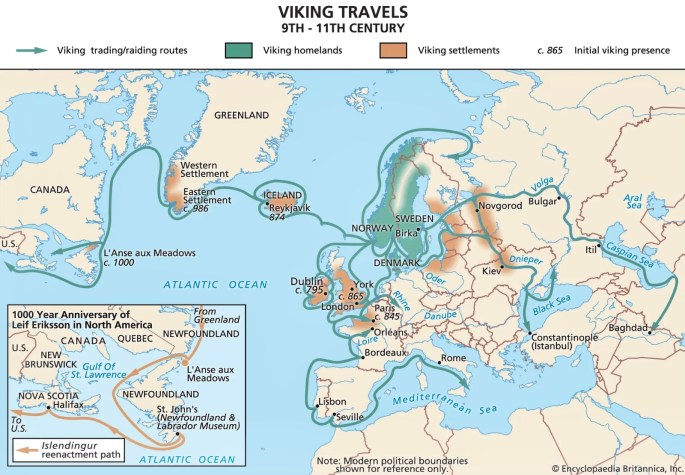
Ireland’s history exemplifies this flux of people over the ages. Some of the earliest and most influential invaders were the Vikings….. who went in many directions, but whose first large permanent settlement was Dublin on the eastern shore of Ireland in about 795 CE. The Vikings or Norsemen went on from there to establish communities in present-day France, England, Iceland, Greenland and Canada.
This summer we will follow some of their travels in reverse – starting from our US home, then a few weeks in Ireland; cruising from there to England, Wales, France and Copenhagen, then some weeks venturing through Denmark, Norway and Sweden (and maybe Finland).
Joining us for the cruise part of the journey will be Henry’s daughter Holly, her husband Matt and their grown children Caleb and Lily.
Along the way, we hope to learn a lot more of the history of these movements of people, culture and ideas. There will also no doubt be photos of us enjoying food and drink, purchasing cheap trinkets, making new friends and examining fresh landscapes.
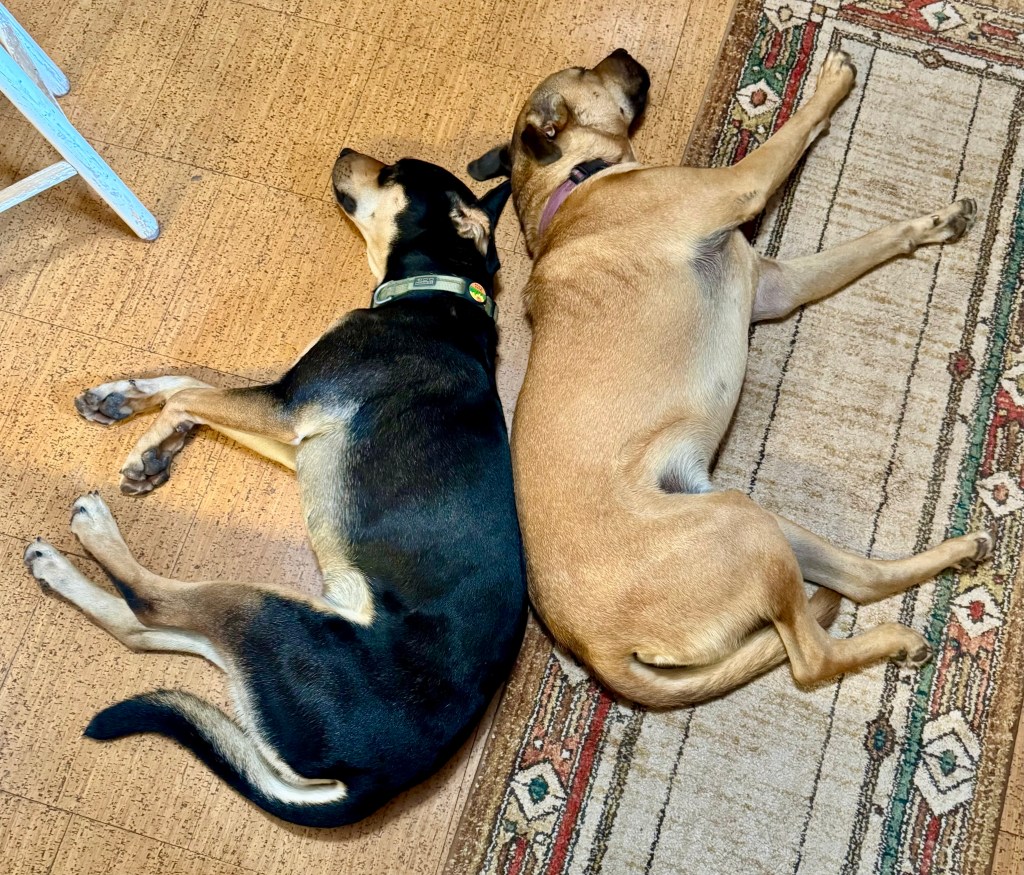
We leave behind and will miss our faithful companions Sally O’Malley and Boudreaux, who will be capably cared for by some wonderful house sitters.
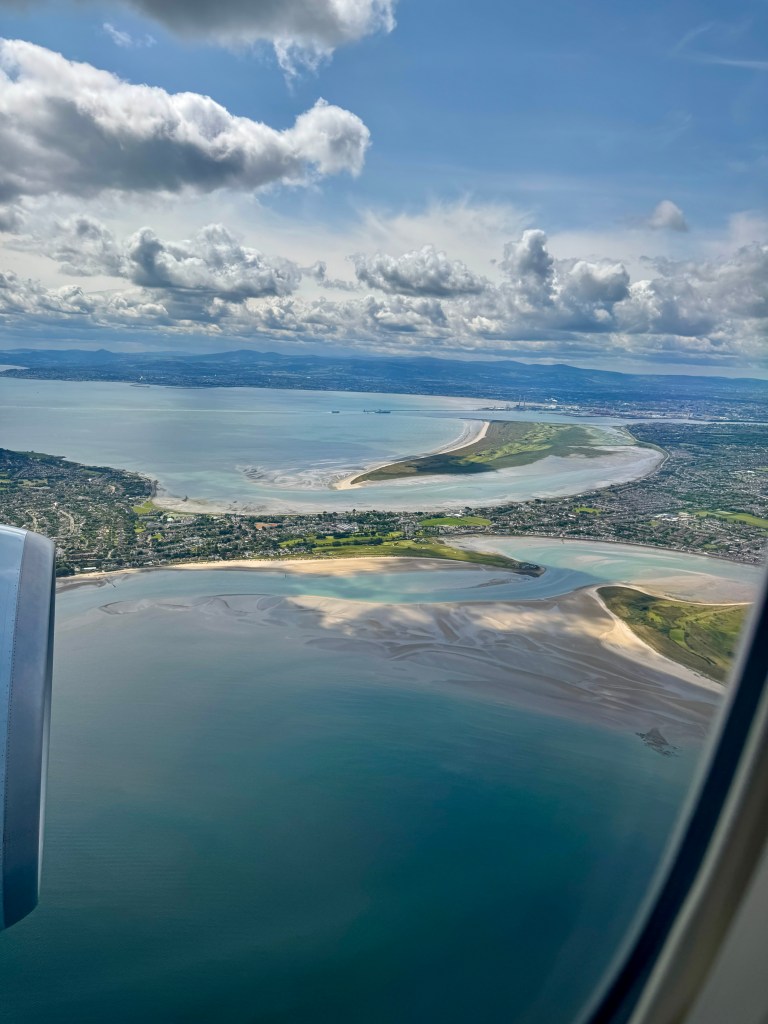
Here’s a quick photo as we approach Dublin from the air… another of Henry’s great airplane-window photos…..
Will be back soon with our first report from the Auld Sod…..
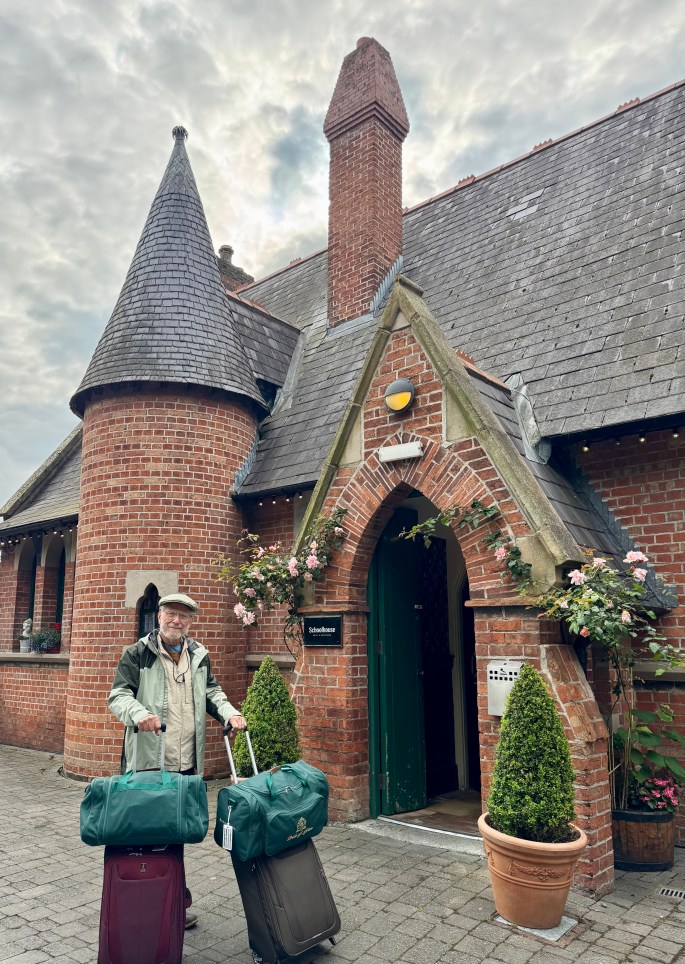
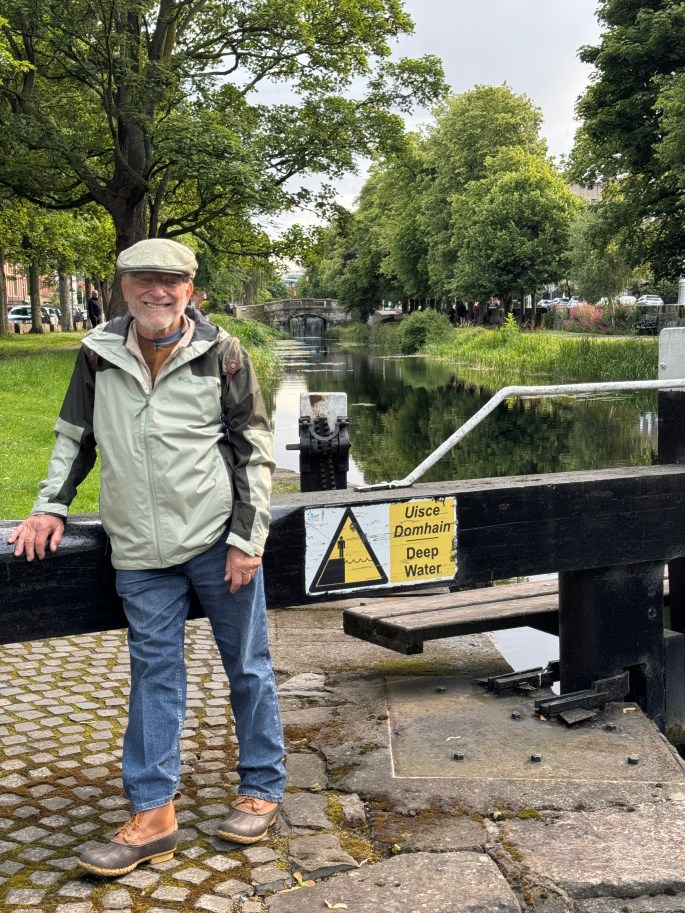
The Schoolhouse in Dublin originally served as a school in the middle 1800s; it was also the site of a key battle in the 1916 Easter Uprising of the Irish against the British. It’s now a pleasant hotel in a leafy section of Dublin along the Grand Canal….. whose construction began in 1756.
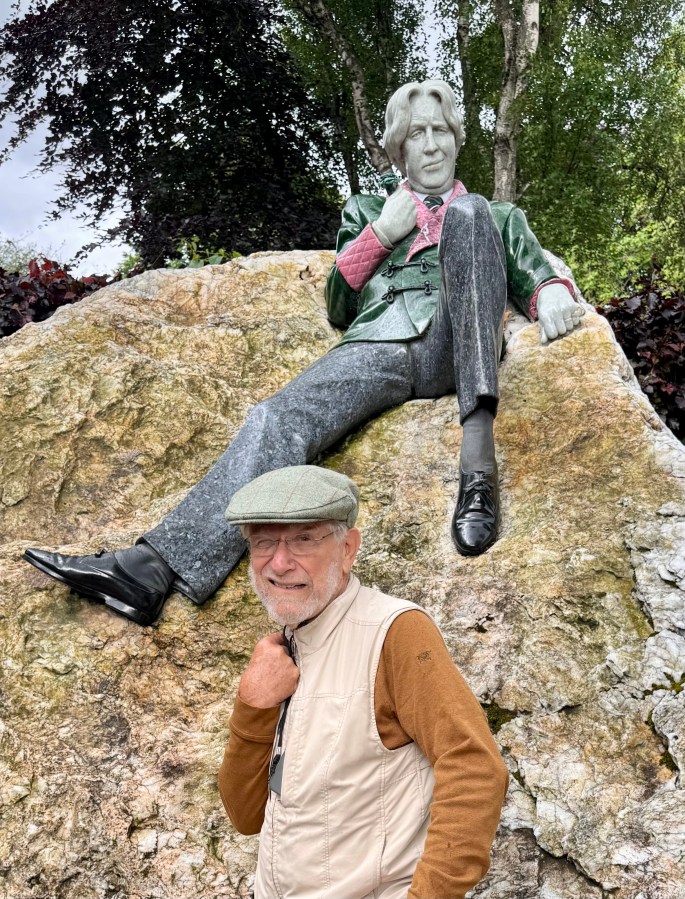
On a stroll toward the city center, one is confronted with literary Dublin….. the childhood home and a memorial to Oscar Wilde (1854-1900), the flamboyant Irish playwright, poet and author. His was a short and tragic life, but brilliant and witty. Among his bon mots…. “Be yourself; everyone else is already taken.” And…. “Always forgive your enemies; nothing annoys them so much.”
Such intriguing detail on the sculpture….. Henry attempts to reproduce his wry sneer with only middling success.
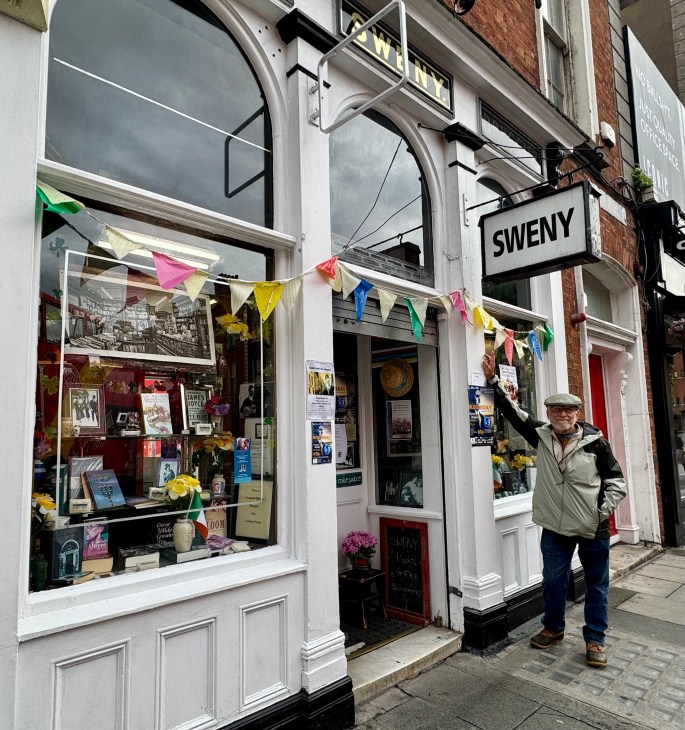
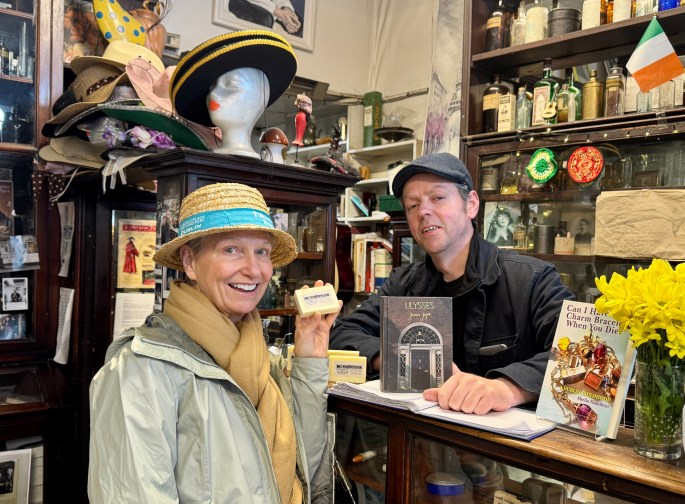
A short distance away is a site of significance to fans of “Ulysses”, the monumental stream-of-consciousness novel by James Joyce (1872-1941)…… a drugstore called “Sweny” where the protagonist picks up a prescription.
It is no longer a functioning pharmacy; instead you wear a funny hat and purchase some lemon soap (also a legendary icon in the novel)…
….. and hear a song sung in Gaelic by a native speaker and a guy originally from Barcelona.
I don’t think the last part about the guys singing was in the novel (which I never managed to get through) ….. just a little something for us tourists…..
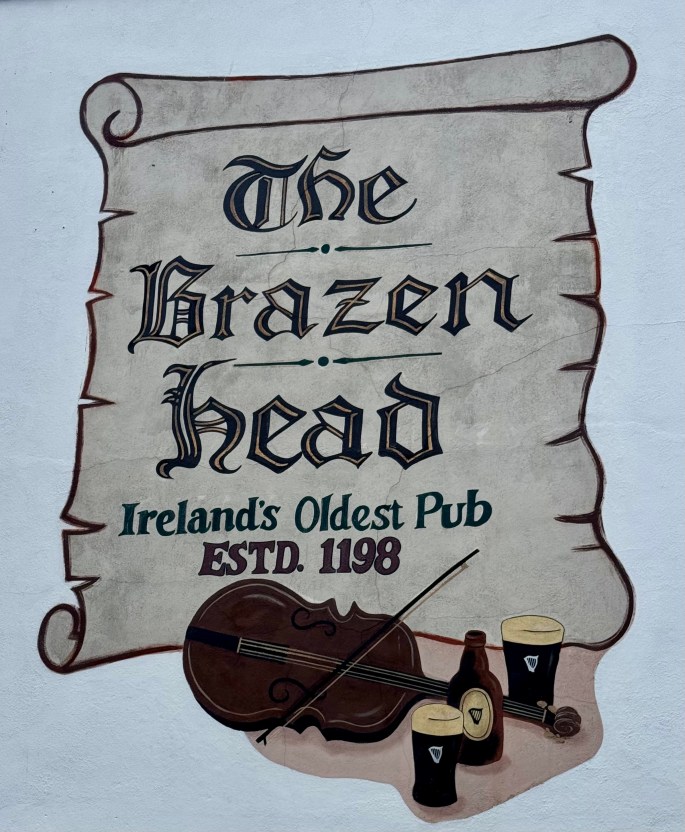
…..who get thirsty about now and end up in still another historic place.
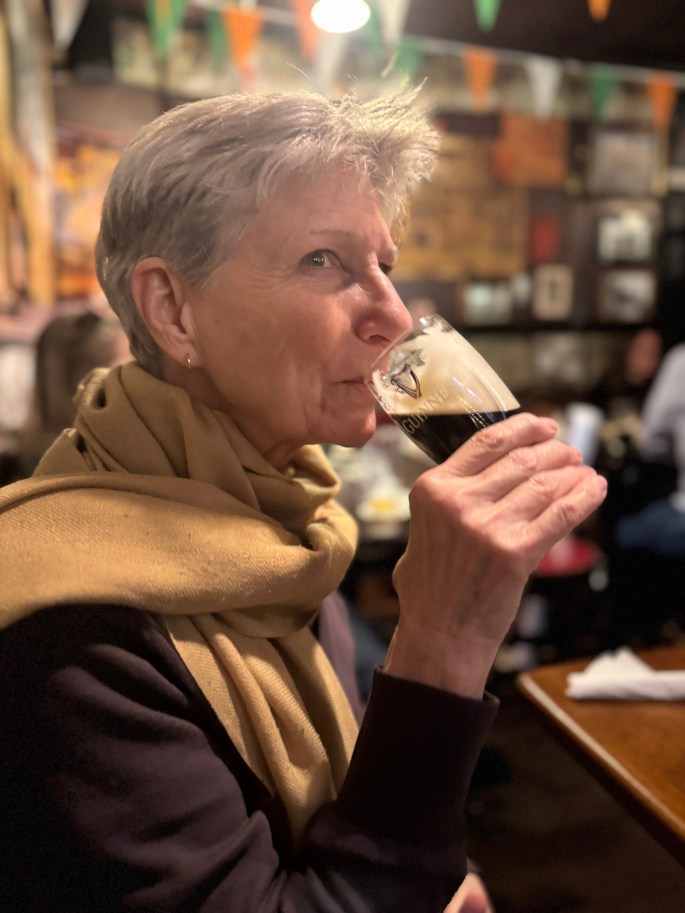
Wow – at least the beer and food were fresh. A Guinness for the purist…
And something a little lighter for the maverick….
Irish stew…. To check off a classic dish.
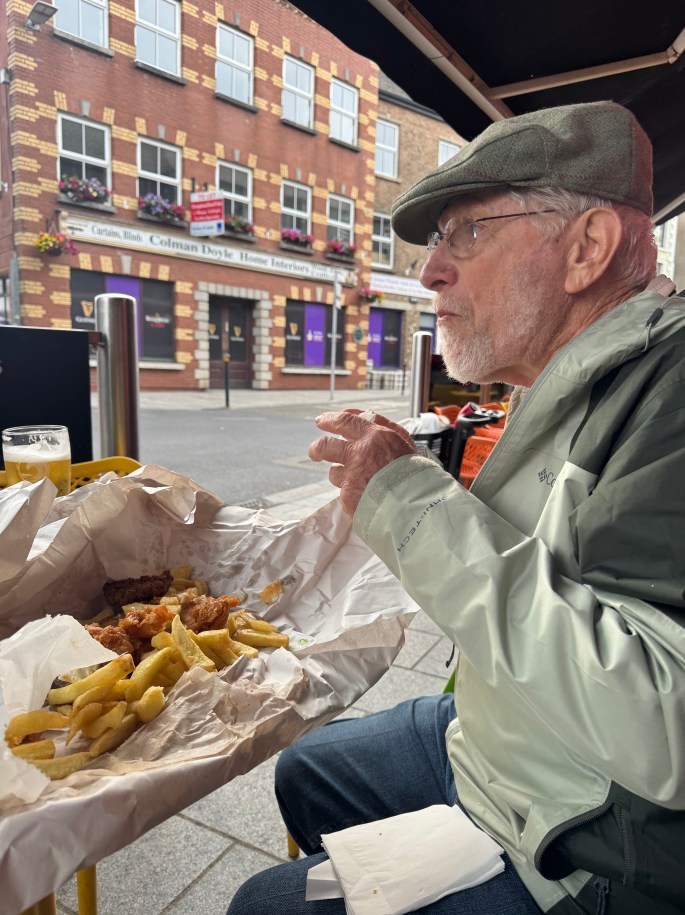
Later….. fish and chips….. and the discovery of a beverage previously unknown.
A sweetish concoction that is pretty good in coffee….. bought primarily for the label art and the name.
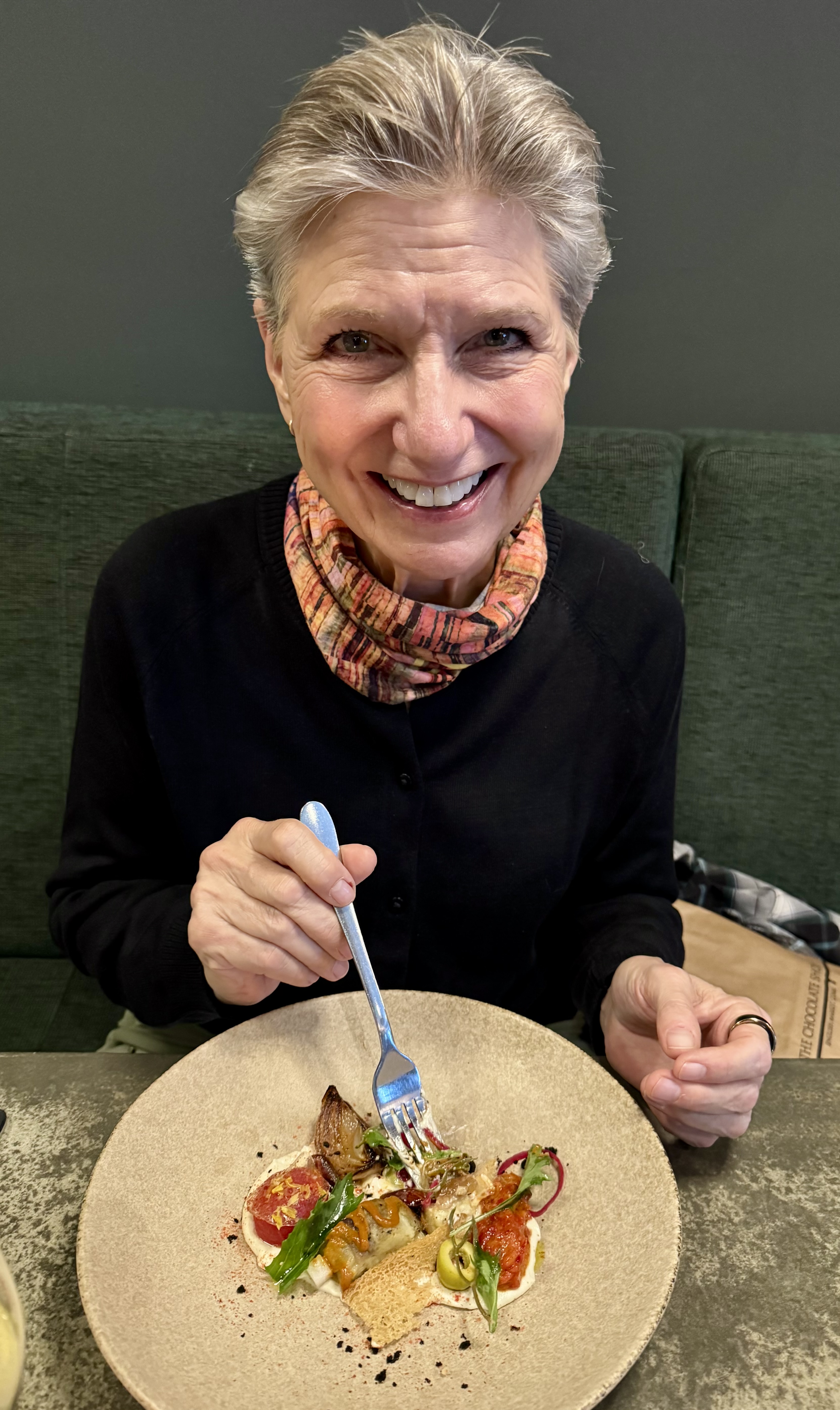
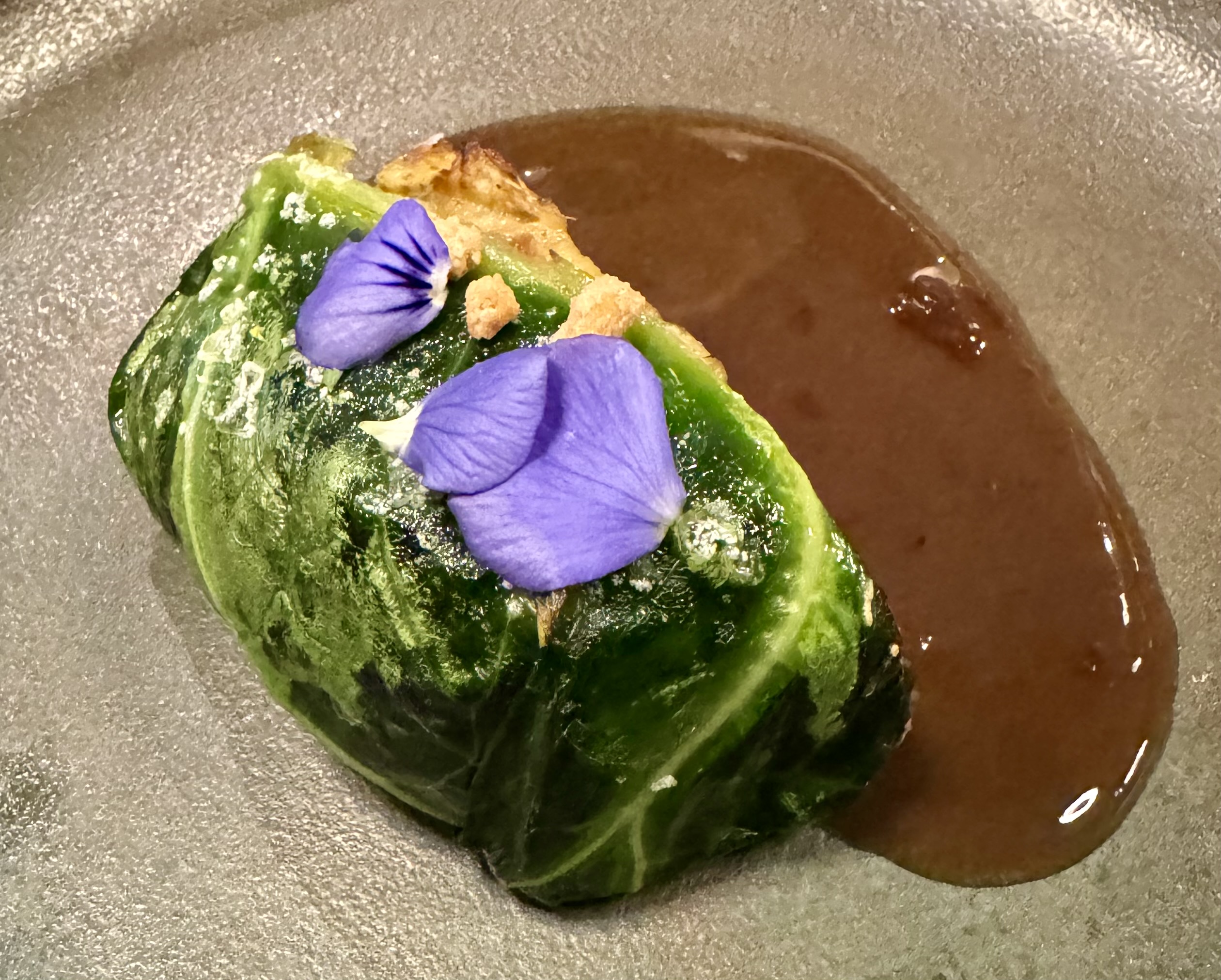
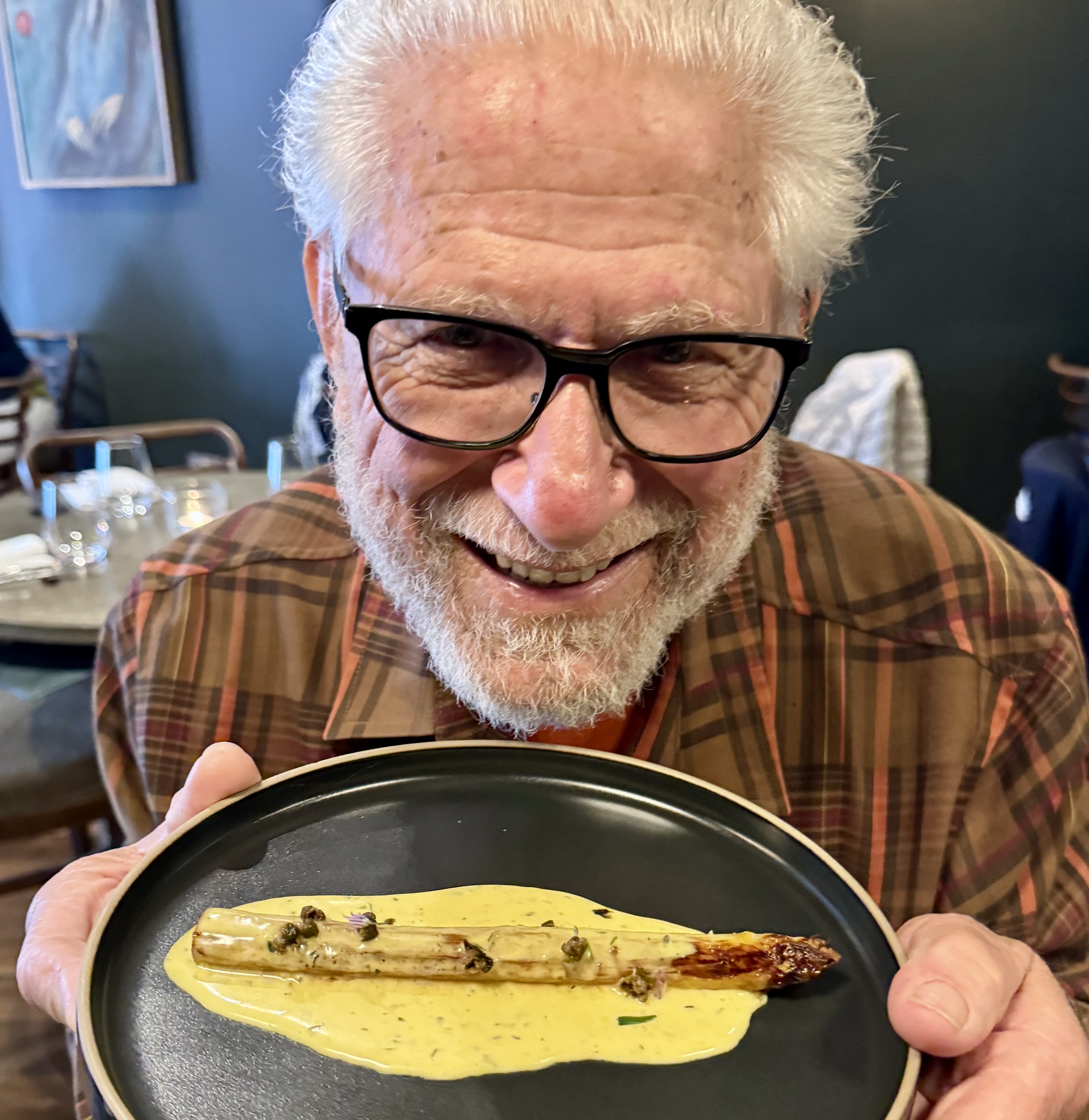
Taking a break from tradition, we decided to check out a well-reviewed restaurant with a vegetarian bill of fare….. it was flavorful and inventive!
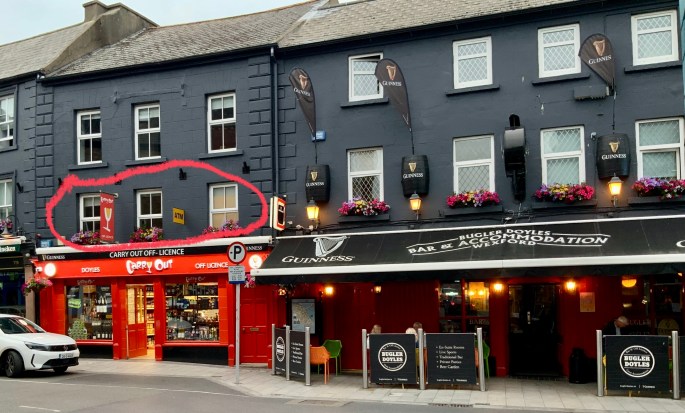
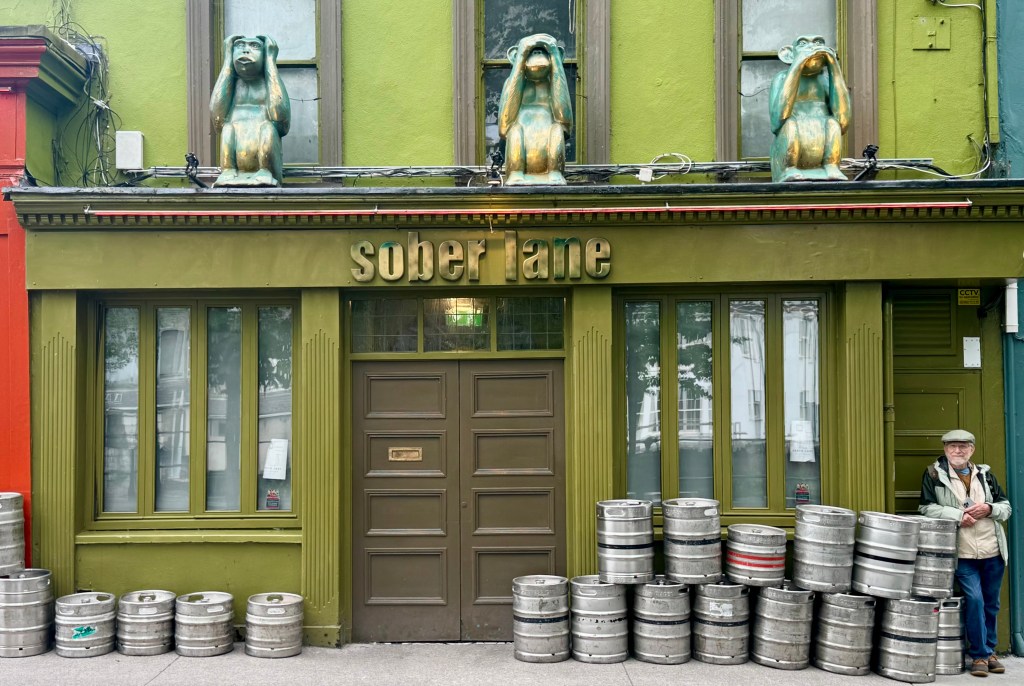
Driving south along the coast from Dublin, we came to Wexford, a town more or less started as a Viking settlement; not many relics of them now, but we did attain the goal of staying in a room over a pub.
(Technically over a liquor store next door to the pub – even better!)
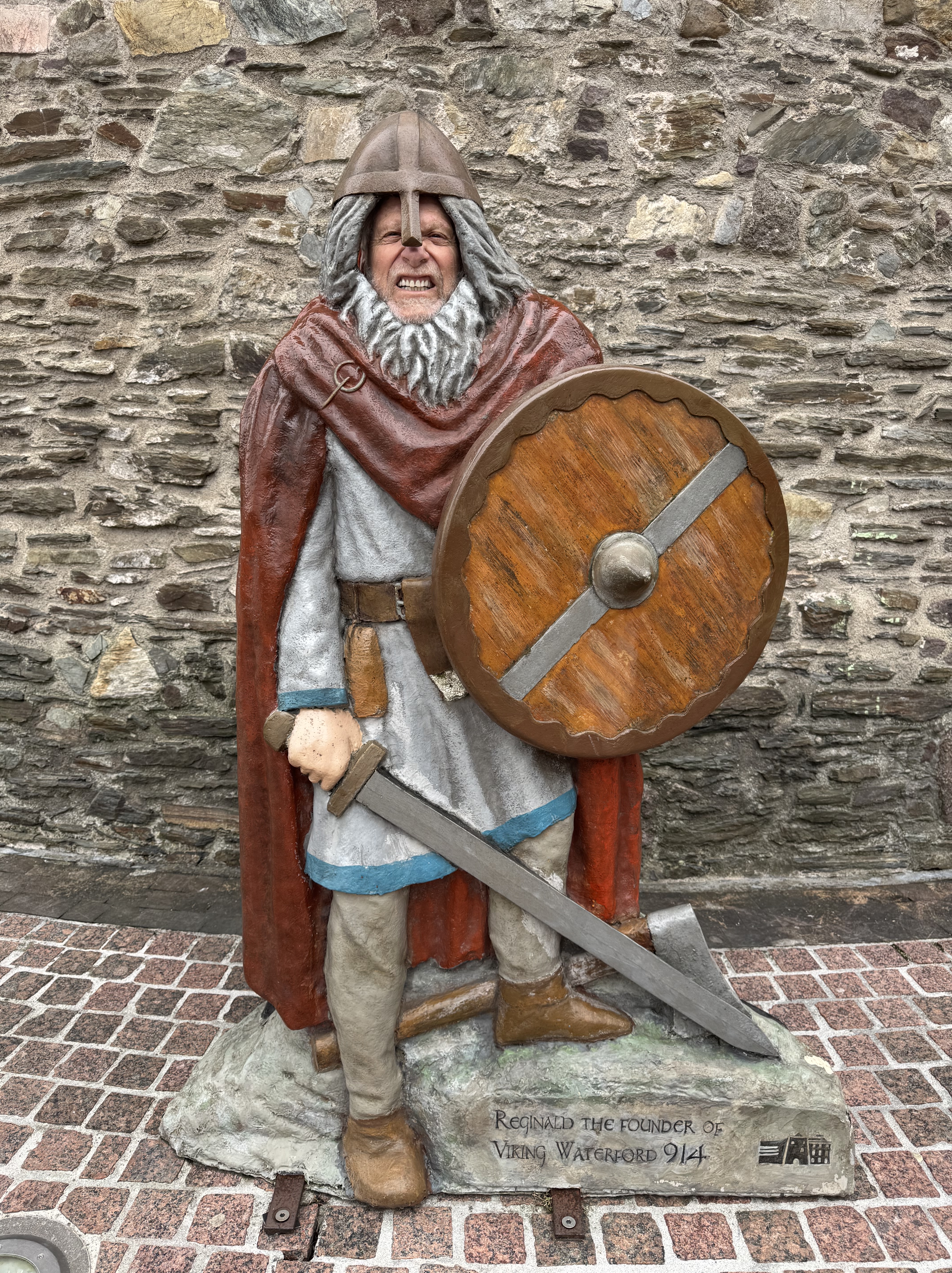
Further along, Waterford has a rich history as a Viking outpost beginning in the 9th century CE.
(Ever notice how old people tend to resemble each other the longer they are together?)
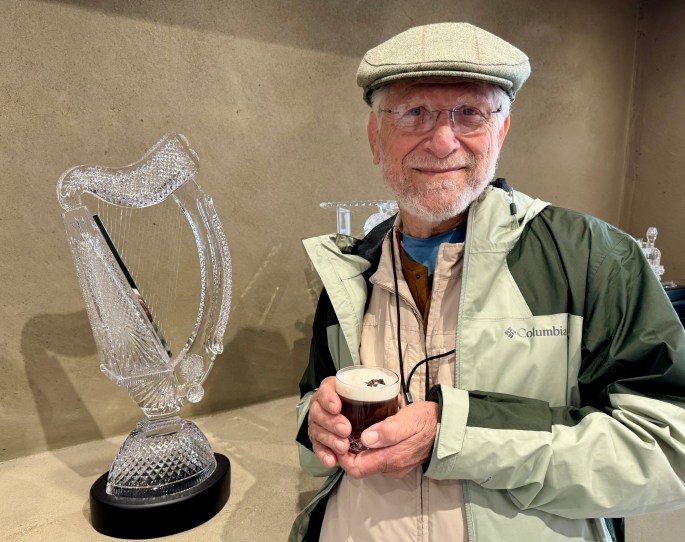
Waterford got its name from the old Norse word Vedrarfjordr, which is thought to have meant “windy fjord”, a reference to the safe harbor it represented to the sea-faring Vikings. Eventually it became known for its manufacture of fine crystal.
And you can get an Irish whisky there!
Cork is a great town for walking around – lots of interesting store fronts and murals.
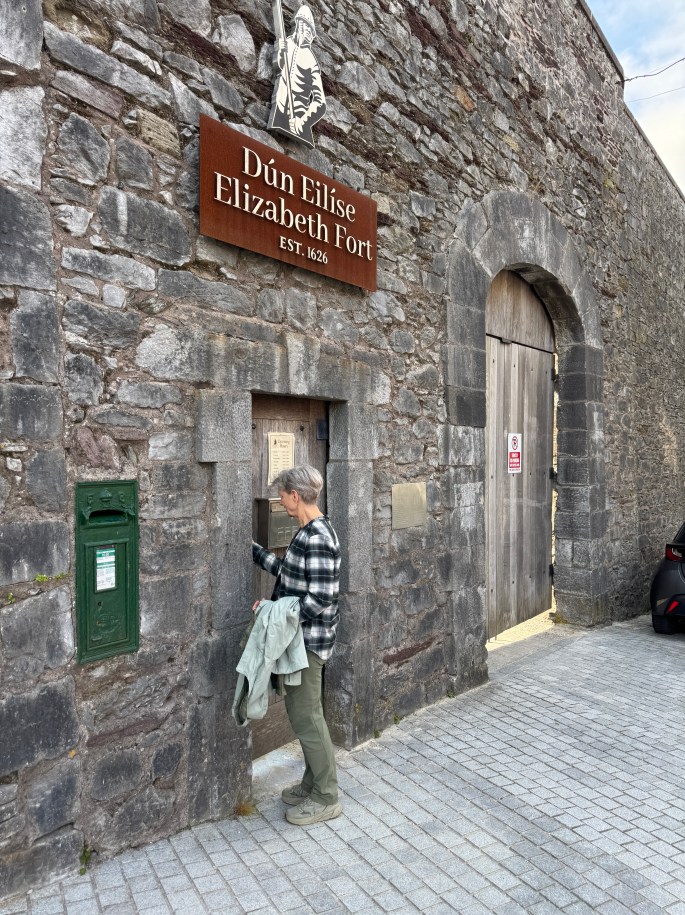
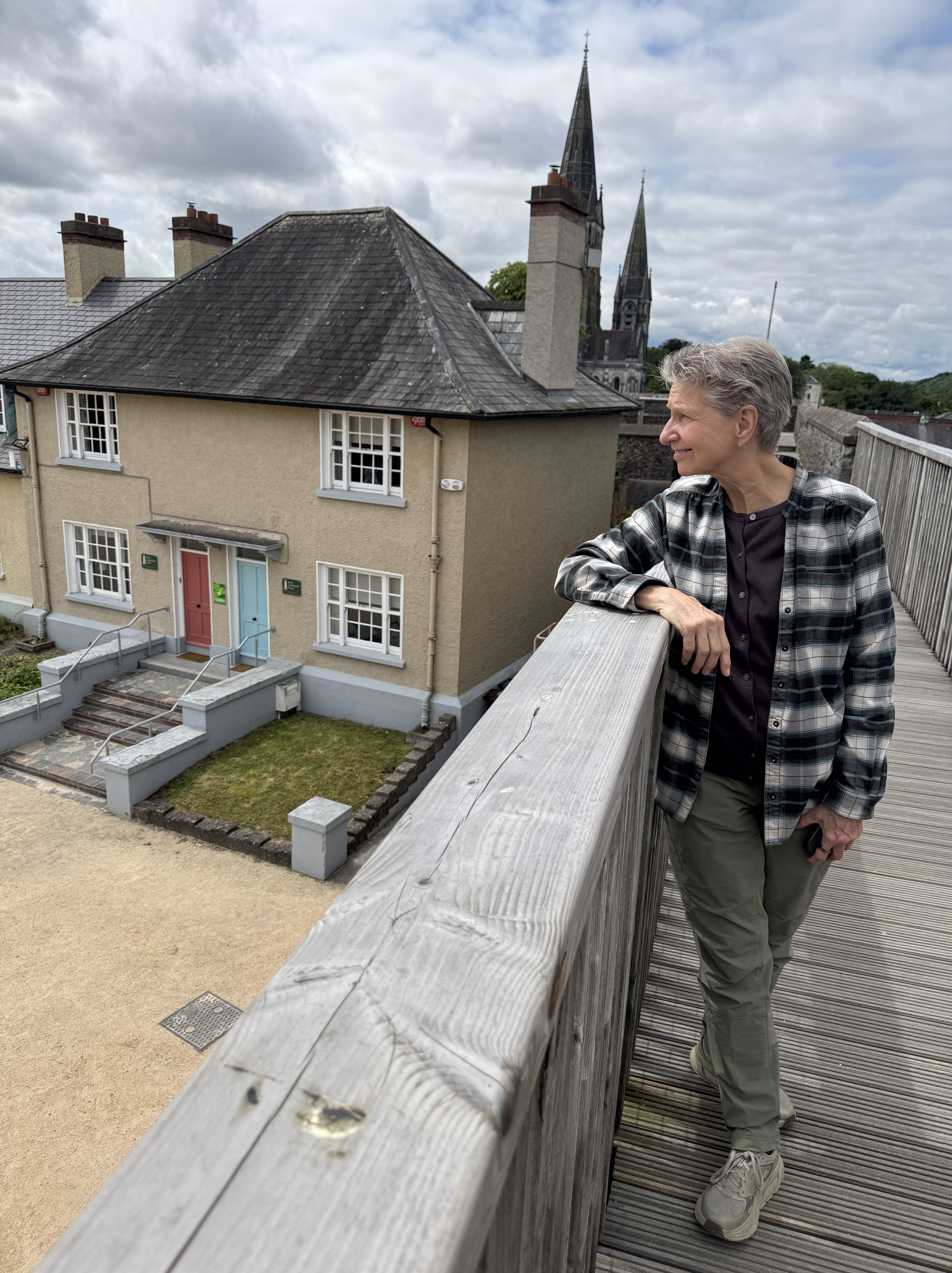
We stayed in an historic accommodation in the old Elizabeth Fort, first built around 1600 by the English as a way of keeping the local Irish under control. It went through many iterations, later as a prison for Irish women being exiled to Australia and most recently a police station.
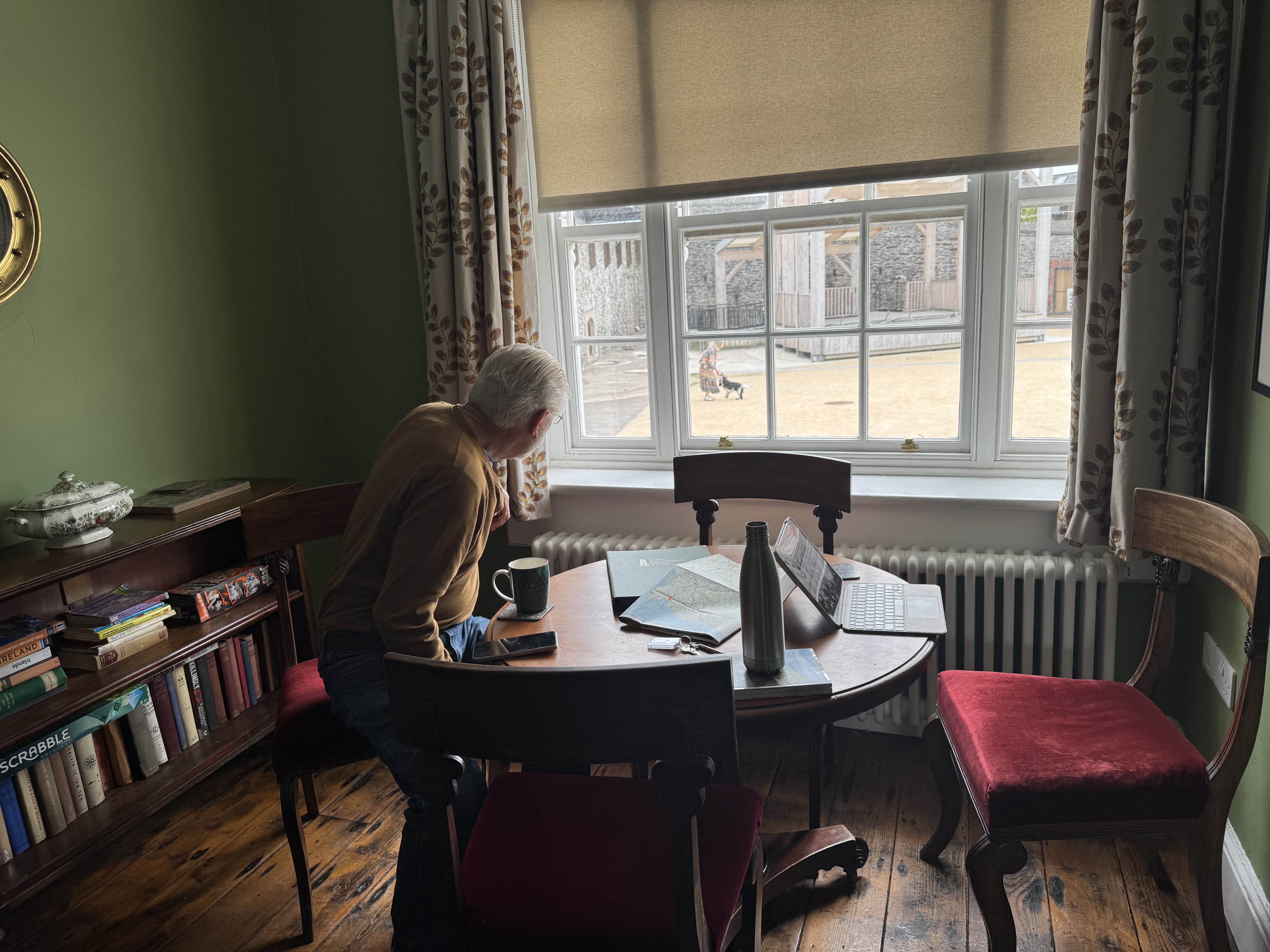
Our room inside the walls dates from the police-station era…
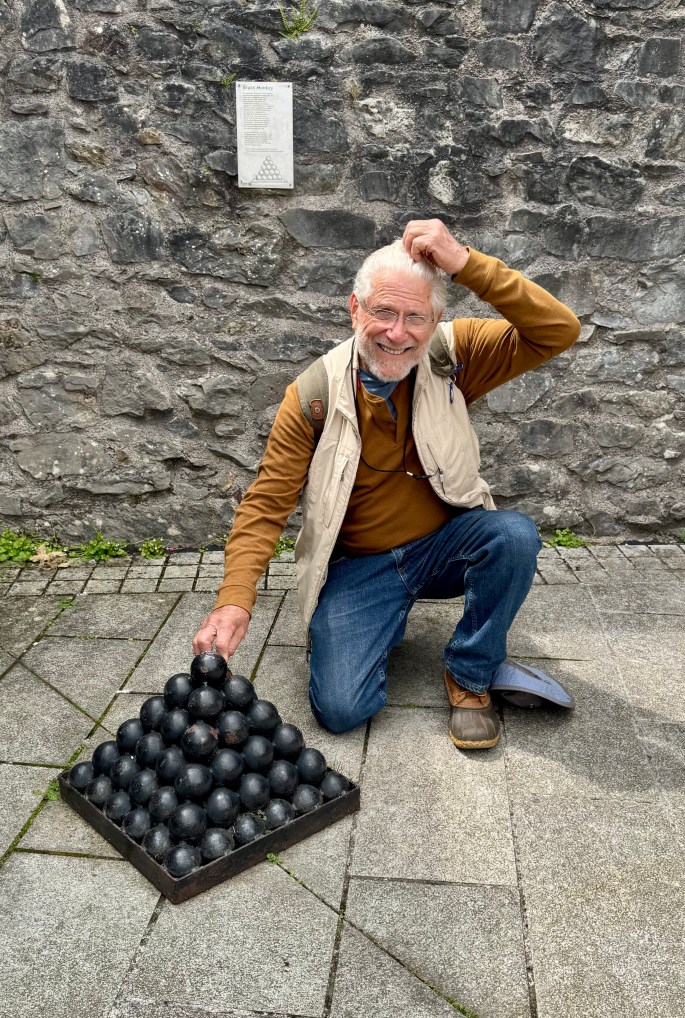
Interesting history – the tray in which these cannonballs are stacked was called a “monkey”. It is made of brass. The cannonballs themselves are made of iron.
One of metal’s properties is that it contracts in very cold temperatures; some metals are more susceptible and thus contract faster than others. When freezing temperatures were achieved, the brass tray would contract more quickly than the iron cannonballs and the lowest level of ammo would pop out of the tray, collapsing the pyramid. This supposedly led to the saying, “cold enough to freeze the balls off a brass monkey”.
Fun fact or fabrication? Of course they couldn’t tell this story if it wasn’t true.
All for now as we continue on our semi-circumnavigation of the Emerald Isle.
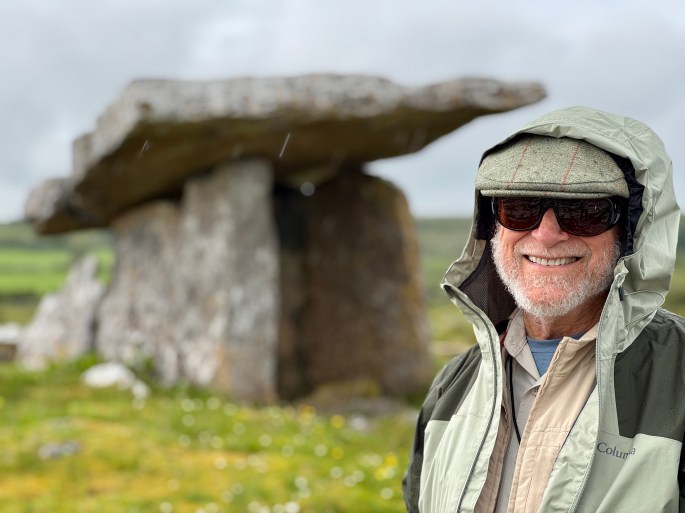
Little is known of the people who built this prehistoric dolmen (burial tomb) in about 3500 BCE (over 5500 years ago).
Dolmen on the left; relatively young man on the right
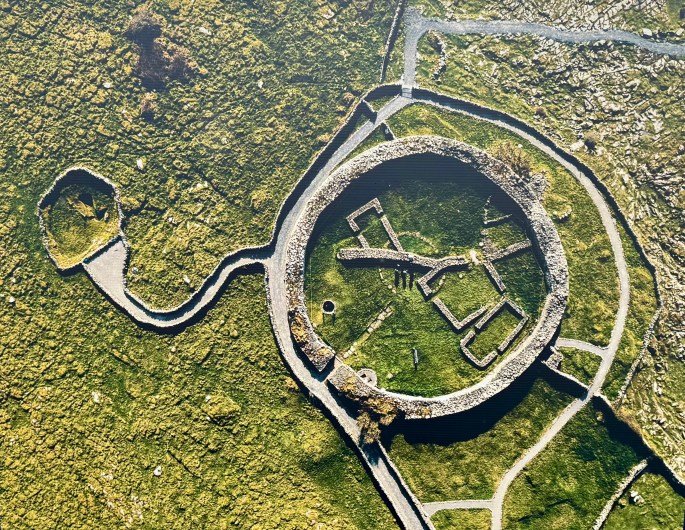
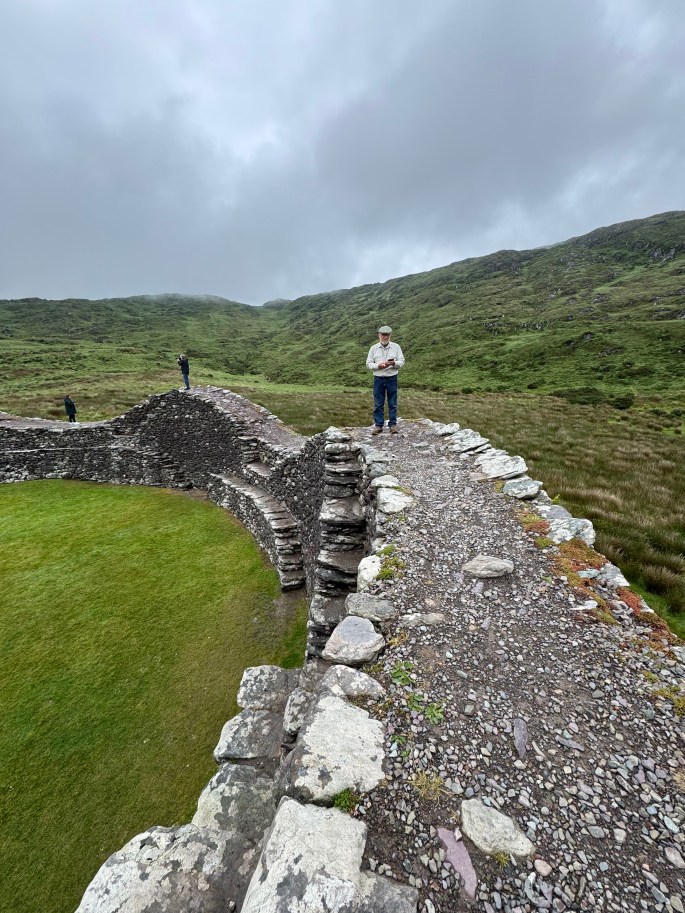
The vestiges of stone forts appear occasionally – fascinating constructs where clans of 50-100 souls lived collectively behind a defensive circular wall meant to deter invaders. They generally date back 1000 years or so…
It’s fun to climb up on the walls and imagine dwelling in such a place back when other clans, Vikings and eventually Englishmen were attacking and invading…. But life was otherwise pretty simple.
Also fun to scamper down!
A tower from the same era at Glendalough, a monastery that dates back to the very early Christian era.
You will note the door about 10 feet above the ground…. Access was by ladder, which could be pulled up when the holy brethren were under attack. Isn’t it interesting that so many of the remains are defensive barriers…. Walled communities and inaccessible towers and …. oops – guess we have the same things today!
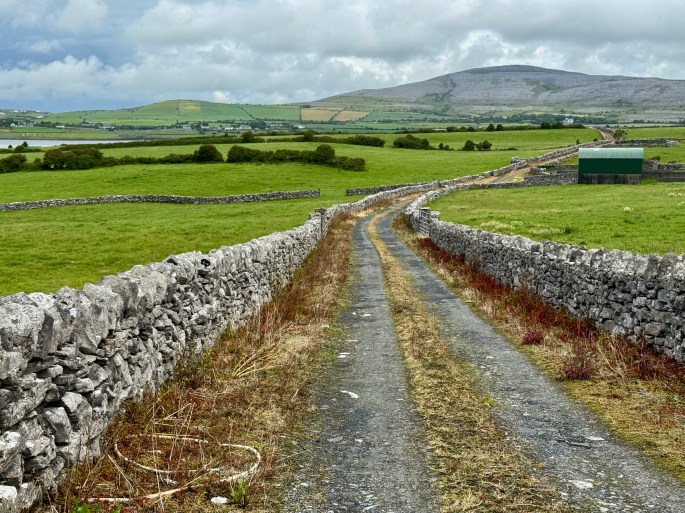
Driving in Ireland can be a challenge for Americans – not just because you drive on the left, but there can also be hedgerows and stone walls restricting your vision…. And sometimes animal interference.
Some pretty pictures from along the way…
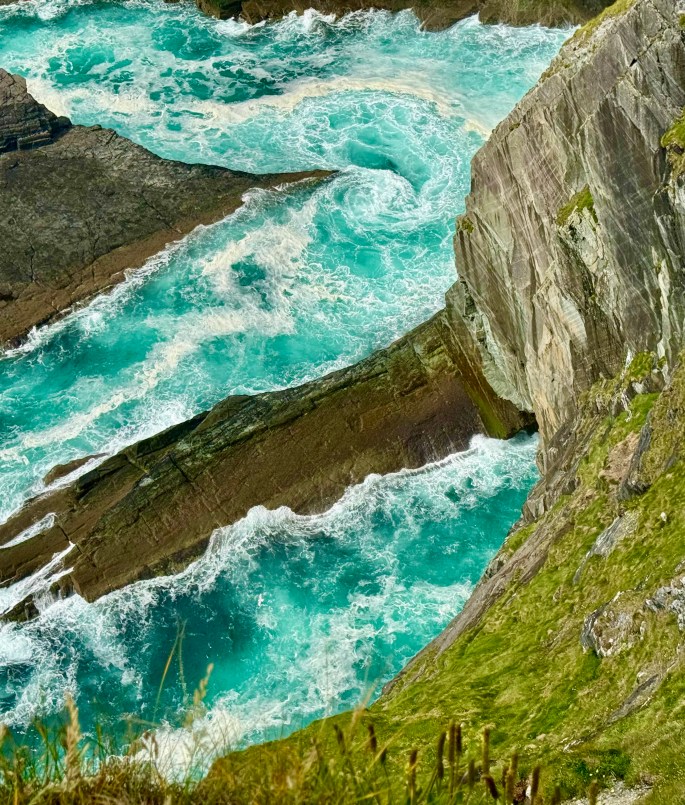
Whirlpool at the foot of the Kerry Cliffs…..
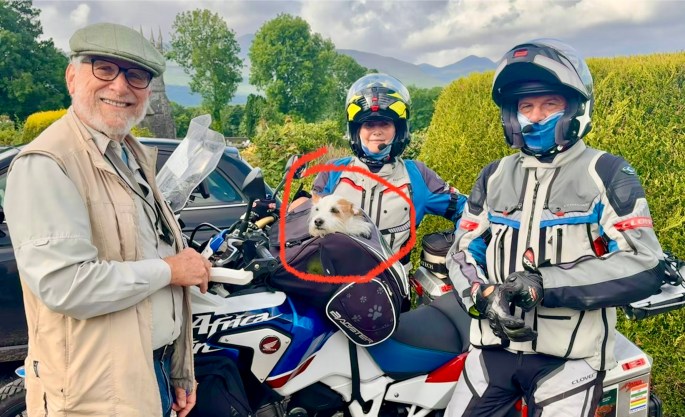
Henry meets people well…. Some of those with whom he found an affinity….
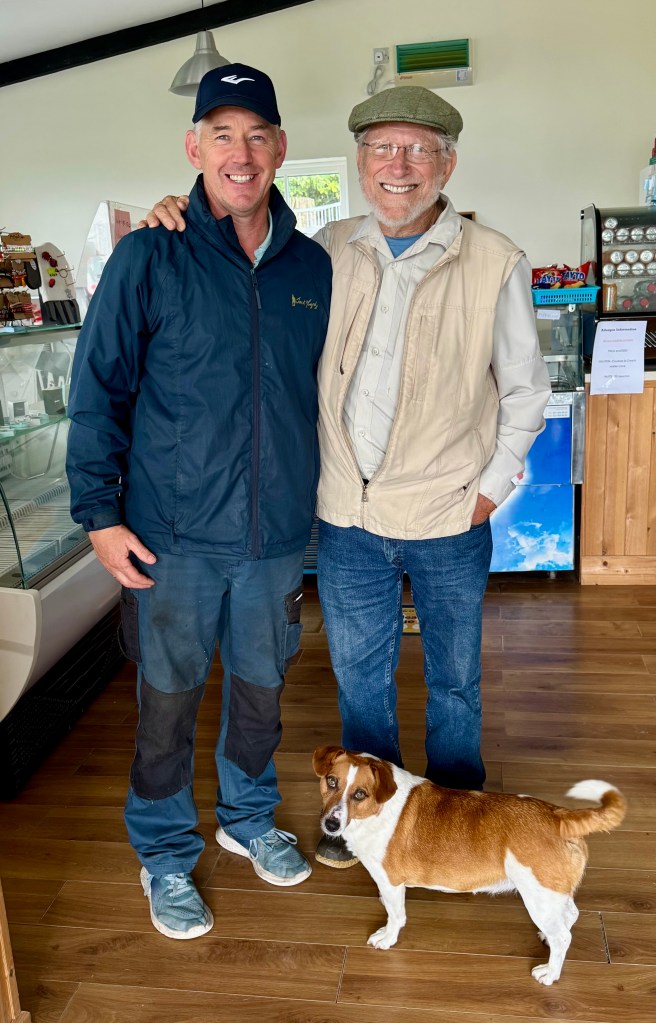
Ice cream guy (who also races horses and runs the dairy)…. And his little dog too!Folks from Italy who have been all around the world together on a single motorcycle (and their little dog too!)Nice guy who gave good advice on the purchase of a walking stick and recognized and admired our fine footwear (LL Bean Boots – great for walking in bogs and stepping in puddles).
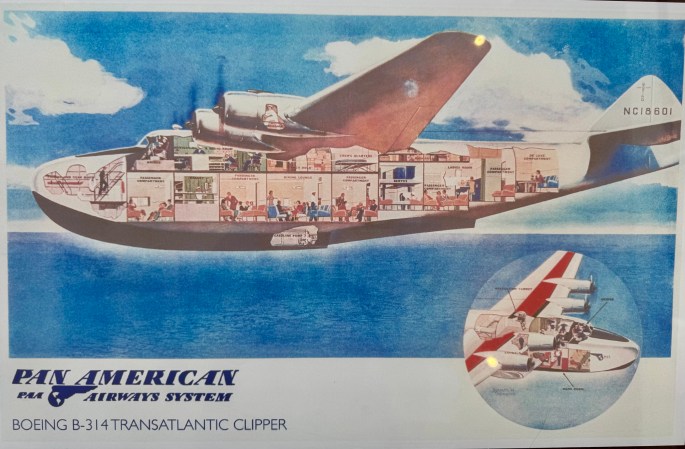
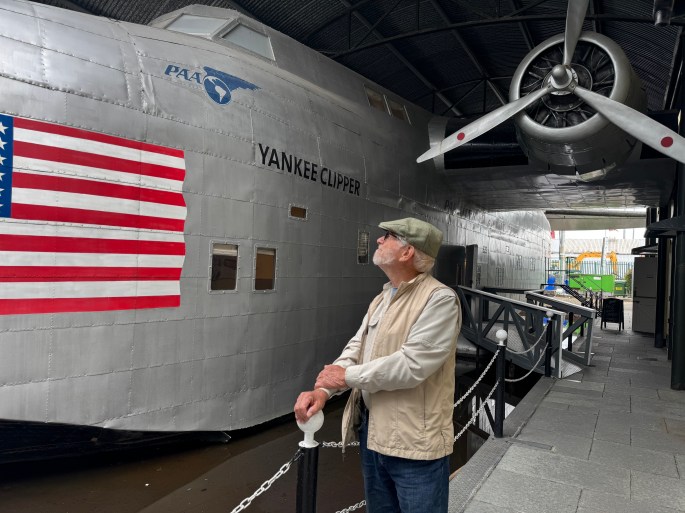
Foynes on the River Shannon was the site in the late 1930s of an airbase that was used for the short-lived flying boat, a transatlantic airship that took off and landed on water. Pan American Airways was the American partner….
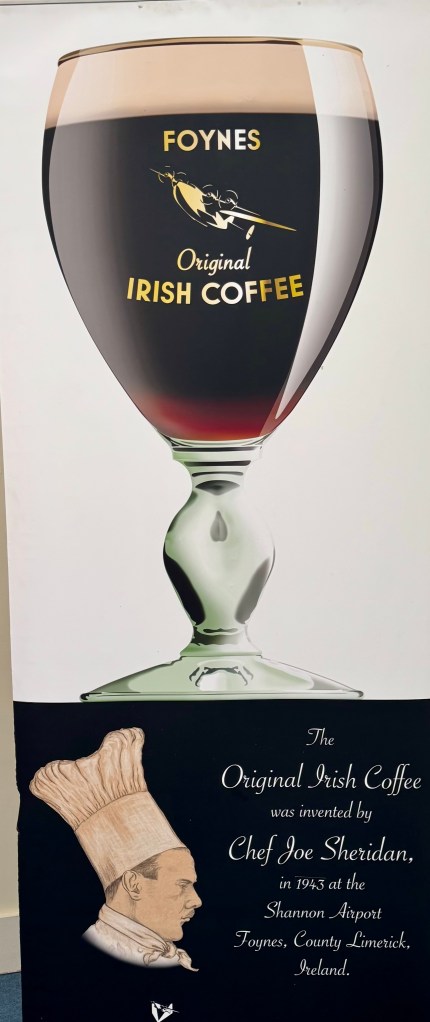
Some time after World War II broke out, the flying boat was deemed to be impractical… and air traffic in any event was soon directed to the newly-constructed Shannon Airport on the other side of the river. But not until after a clever chef in 1943 created a beverage designed to take the chill off the experience of a long flight into an often cold and drizzly destination… the Irish coffee!
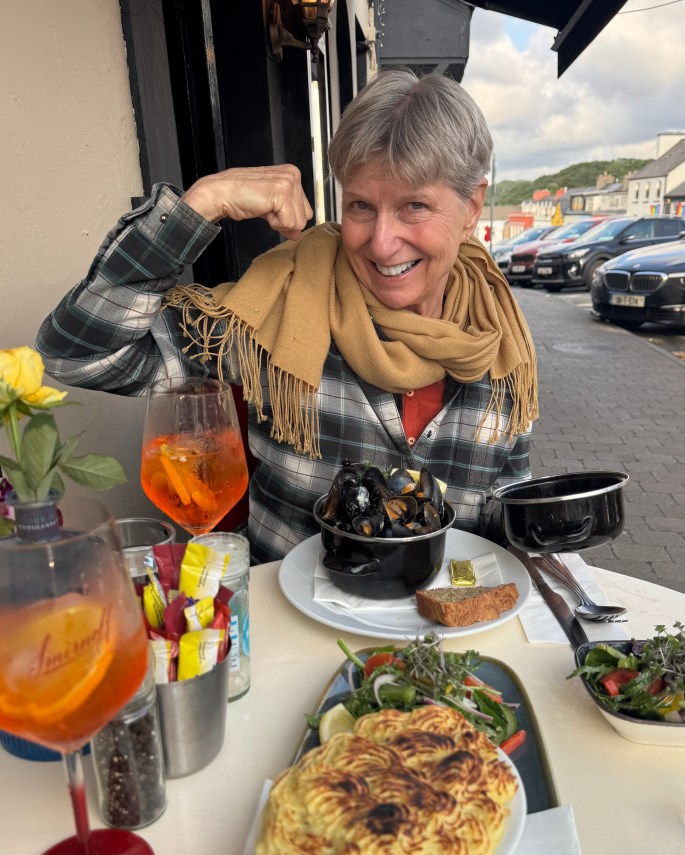
Food in Ireland is not just stew and potatoes and soda bread….. it’s an island, so excellent seafood is plentiful….. here, about to dig into a pot of fresh mussels.
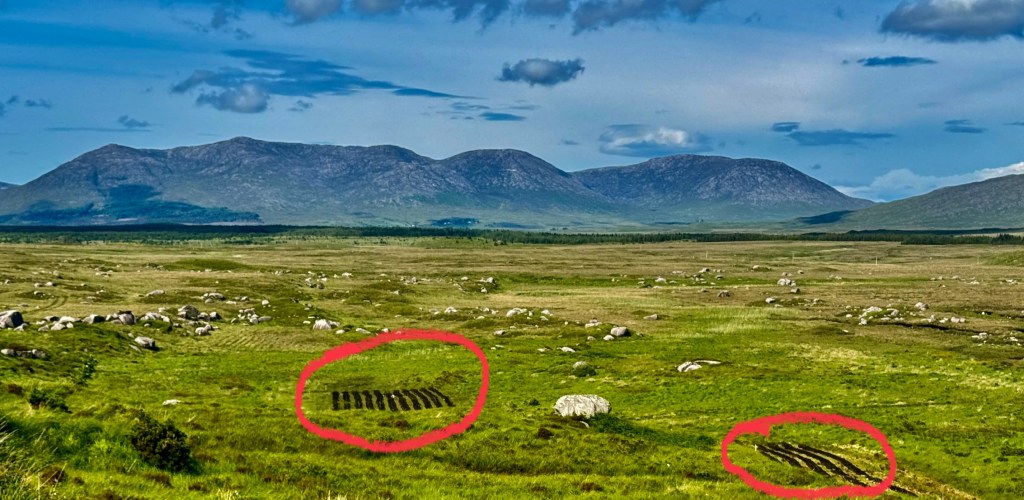
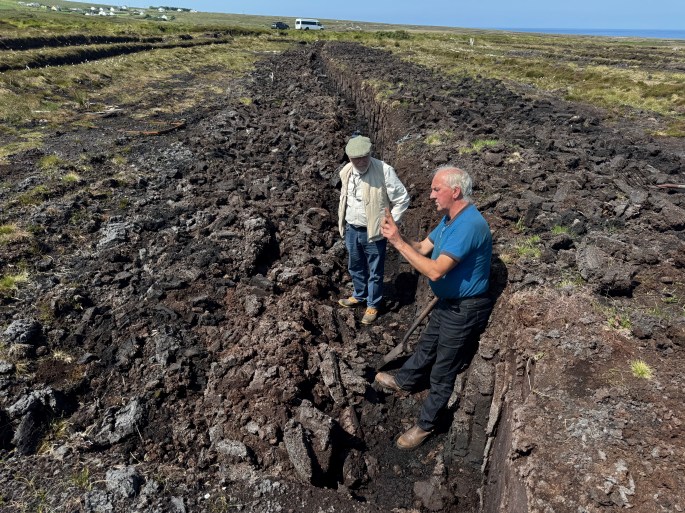
Something a little odd in this otherwise striking landscape turned out to be a peat-cutting operation…
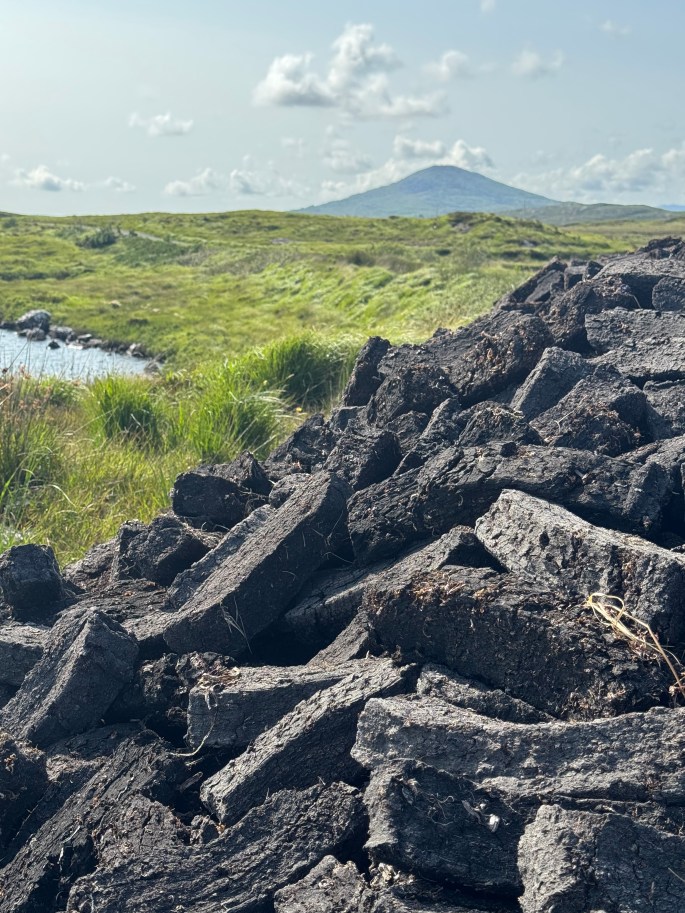
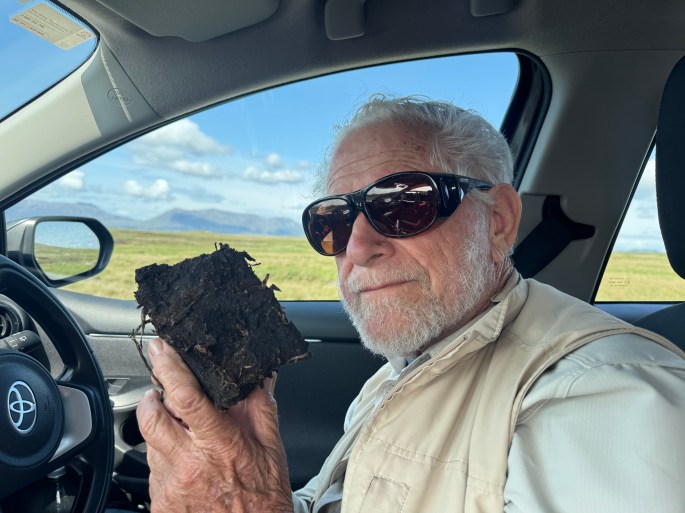
Peat is a spongy deposit of partially decayed organic matter found in wetlands. It has been harvested by hand and used as a fuel source for many years…. Here’s a traditional peat cutter, some cut peat stacked to dry, and an individual “brick”.
Much more (probably way more than you want to know) about peat later…..
Other topics will be covered too, so please don’t let the peat content deter you from checking future posts from the Emerald Isle!
(Please remember to click on the title of this post or the link above that says “Read on blog” so that the videos and full formatting will load for your enjoyment!)
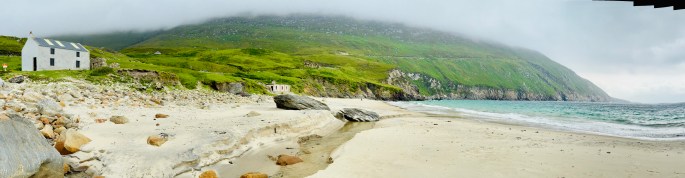
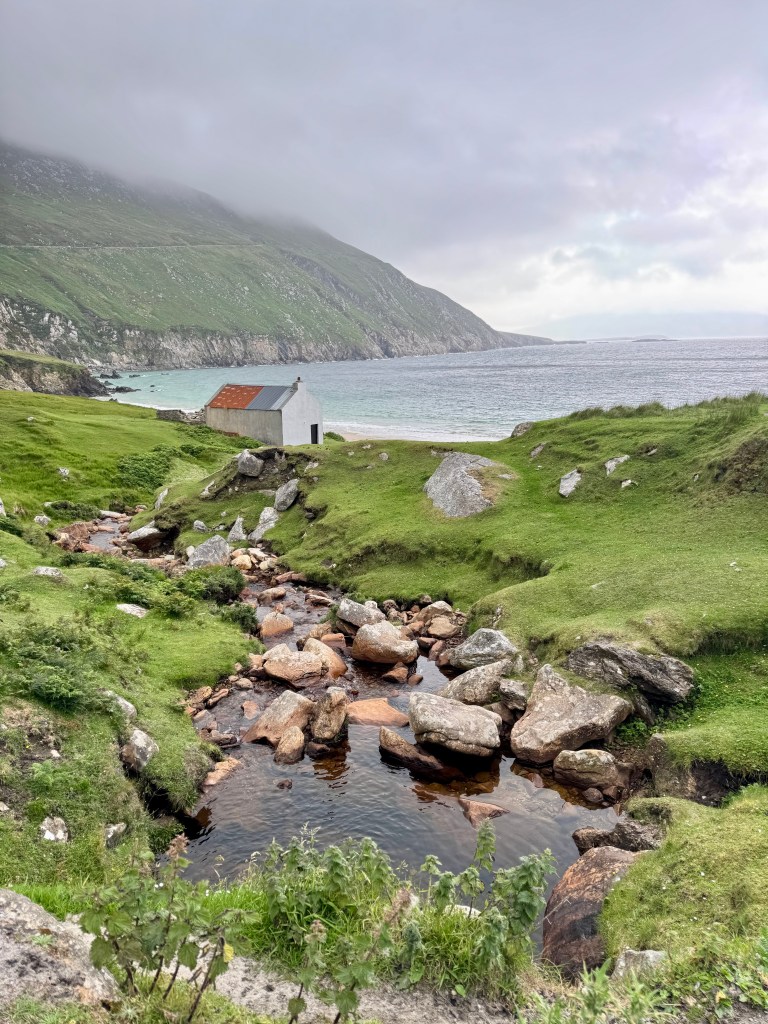
Achille Island in County Mayo was the primary filming site for “The Banshees of Inisherin”, a beautiful but ultimately very sad movie about the end of a friendship. One of the protagonists lived on this strip of beach.
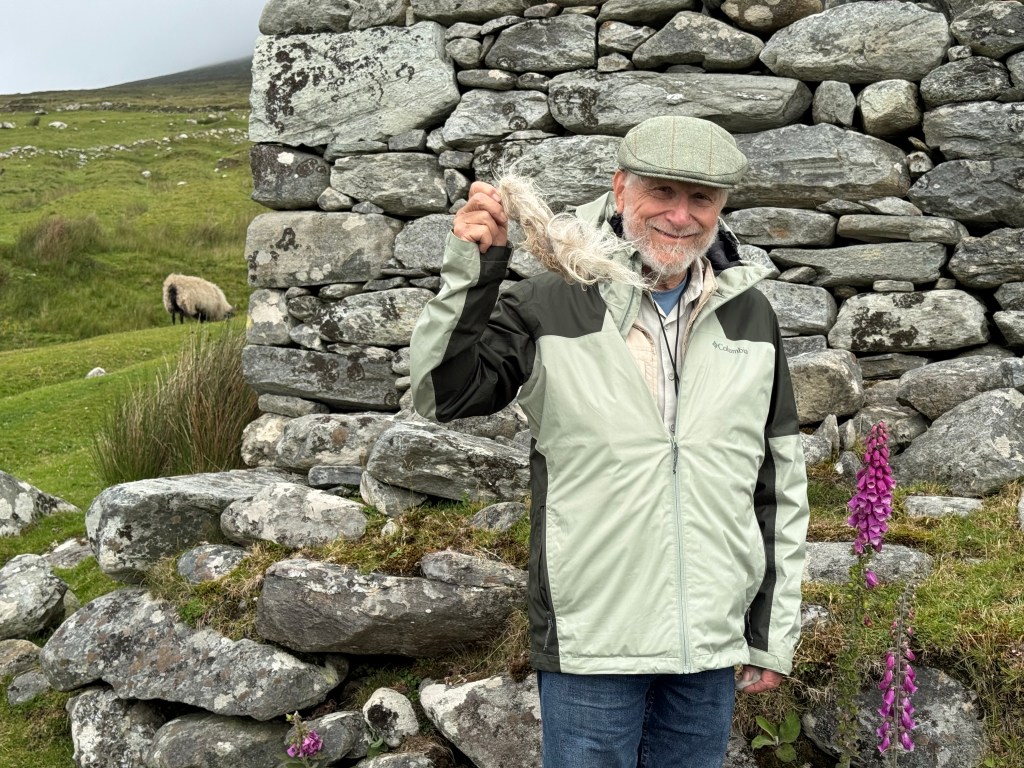
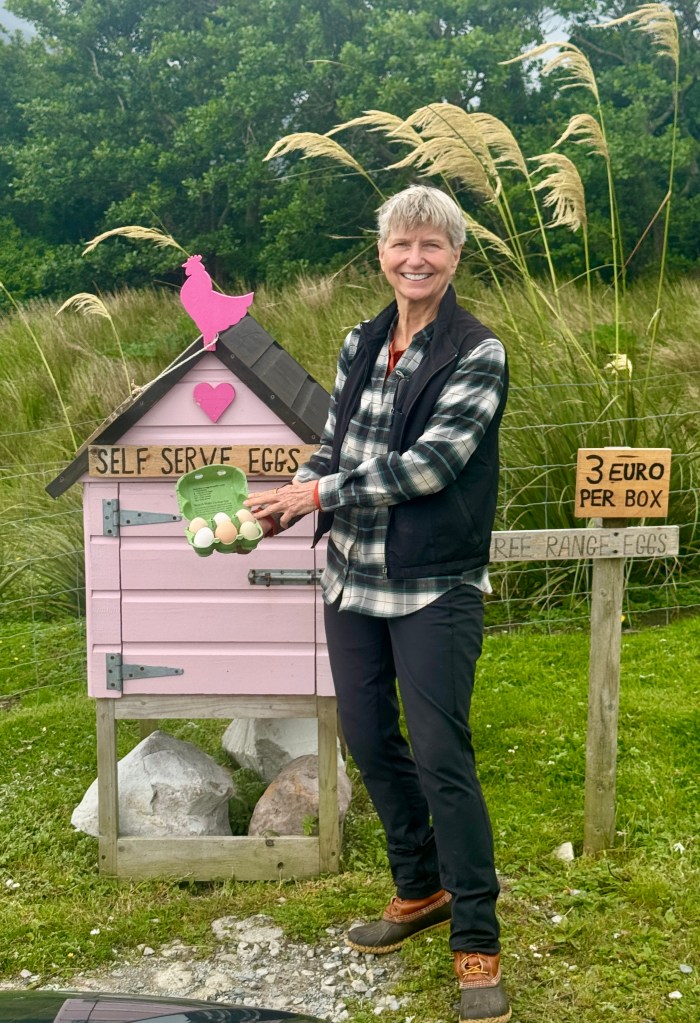
Evidence of wool and egg production were noted along the road…
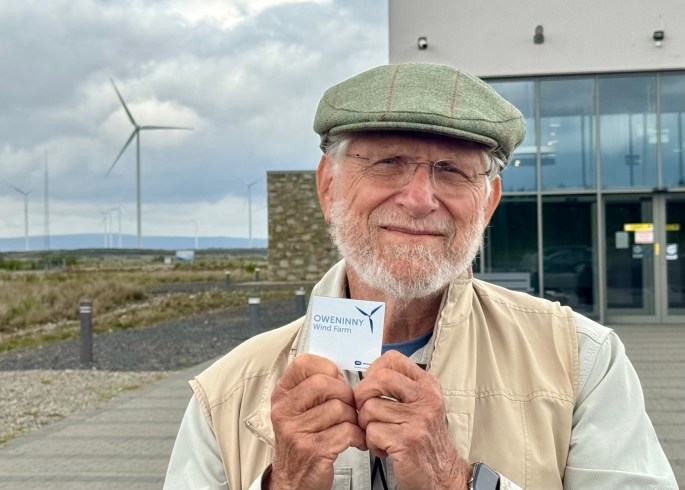
The Oweninny Wind Farm had not yet opened its visitor center to the public, but made an exception for a couple of curious seniors.
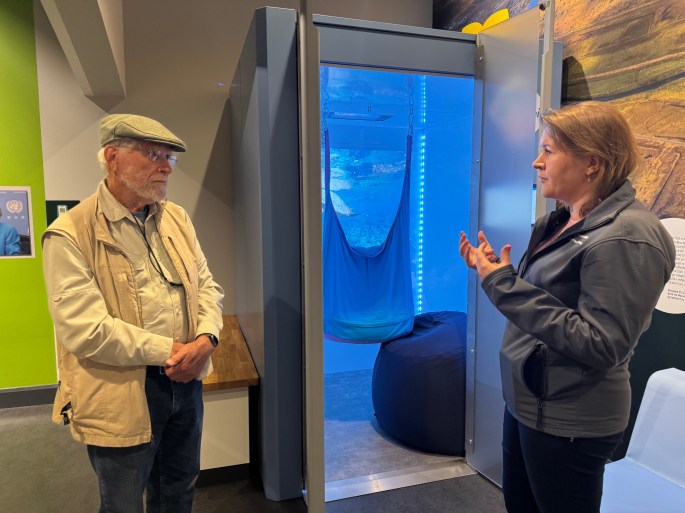
The manager explained how industrial burning of peat had provided electrical power in the area for many years…… (She and Henry are standing in front of the center’s sensory room, intended as a calming environment for neurodivergent visitors who might be overstimulated or confused by the displays.)
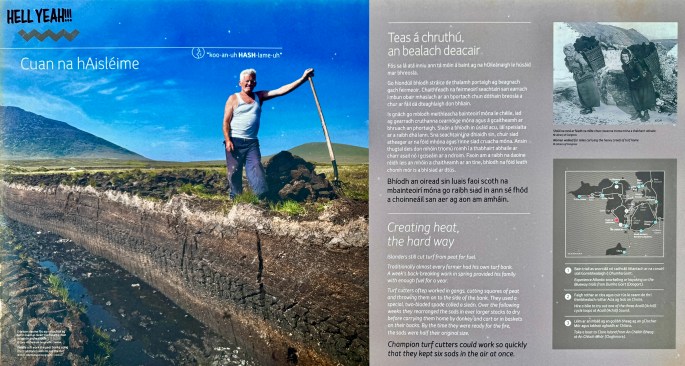
Here’s a look at the way peat was harvested by hand….
Peat harvesting and burning release significant quantities of harmful carbon dioxide into the atmosphere. Wind power has therefore become a preferred energy source, as it does not have this effect. Old attitudes die hard, however, so the Wind Farm has established this center to educate residents and visitors on the whys and hows of the transition.
(No birds were harmed in the making of this video.)
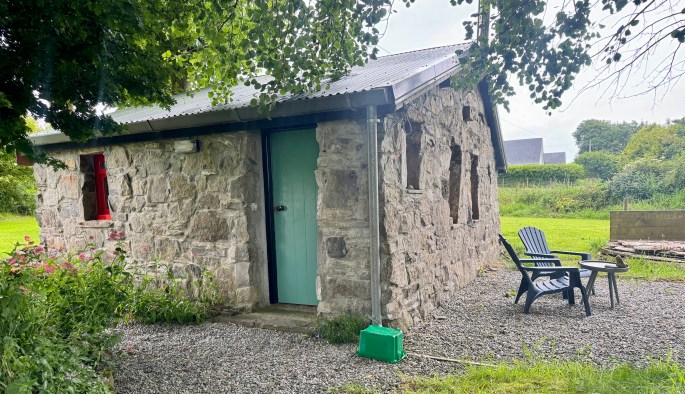
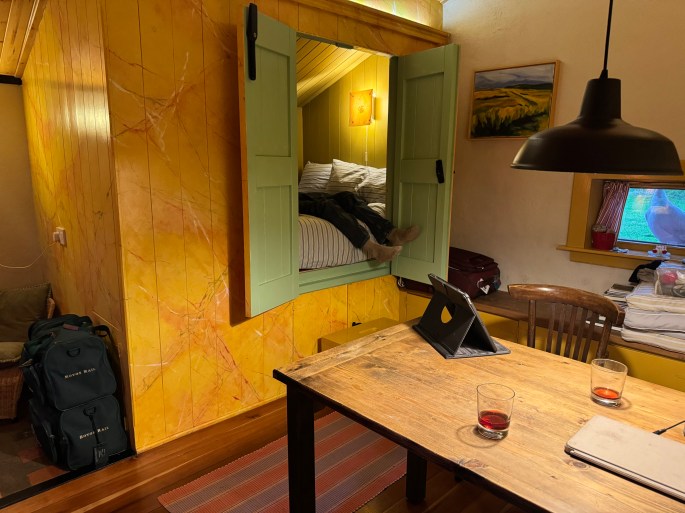
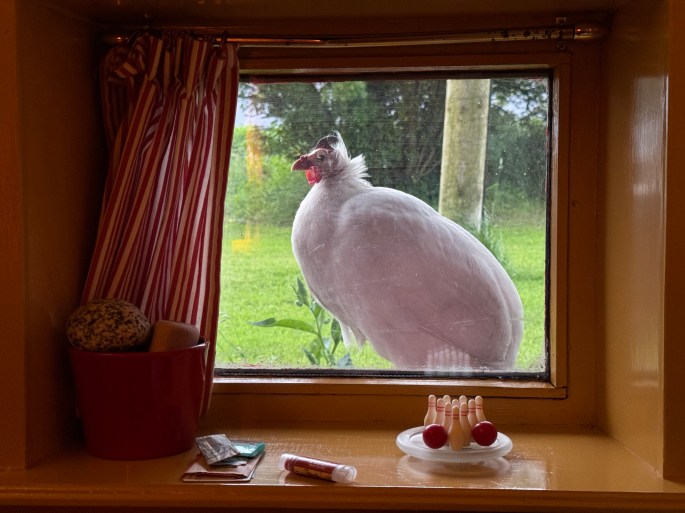
A precious tiny cottage was the base for exploration of County Sligo….. where a guinea fowl makes its home on the windowsill and donkeys greet the morning just outside the door.
Note the clever bed built into a cabinet (where Henry tries to get a bit of shuteye).
Iain – I know you’ll appreciate this…. Looks a lot like your place!
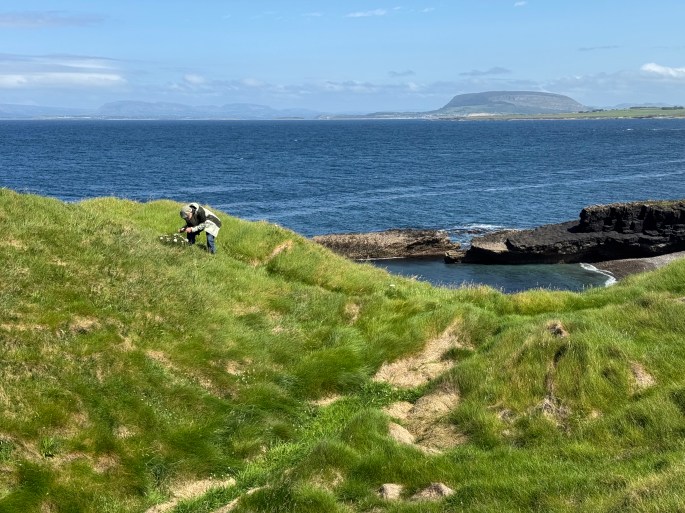
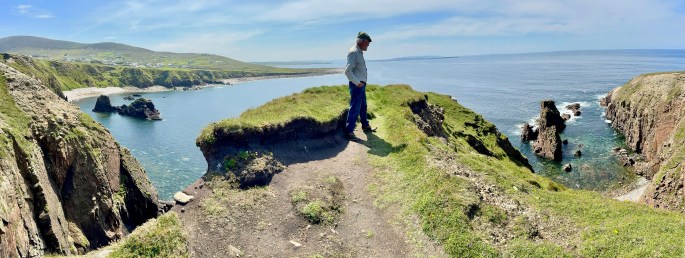
The area included stunning cliff-side paths along the ocean…..
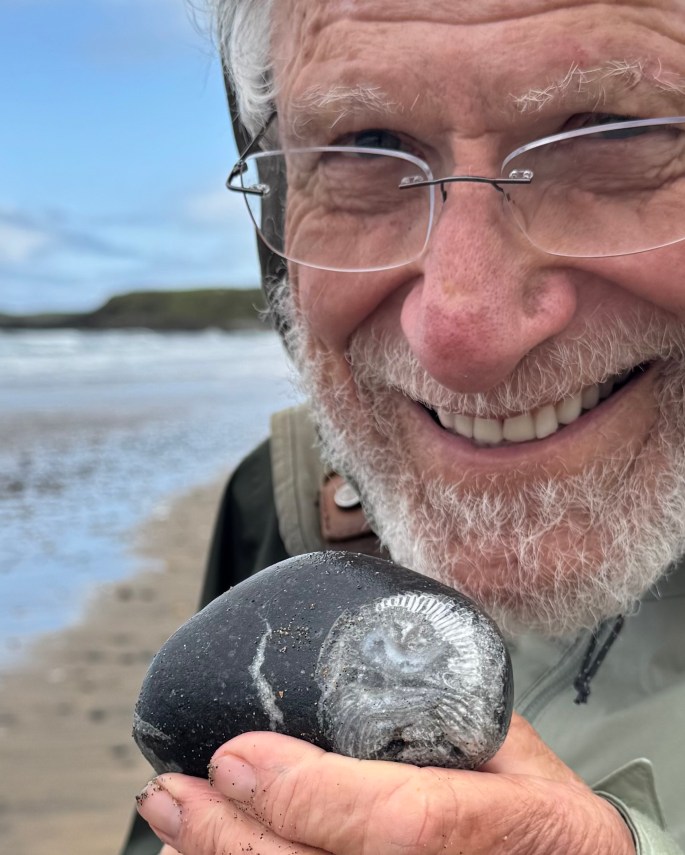
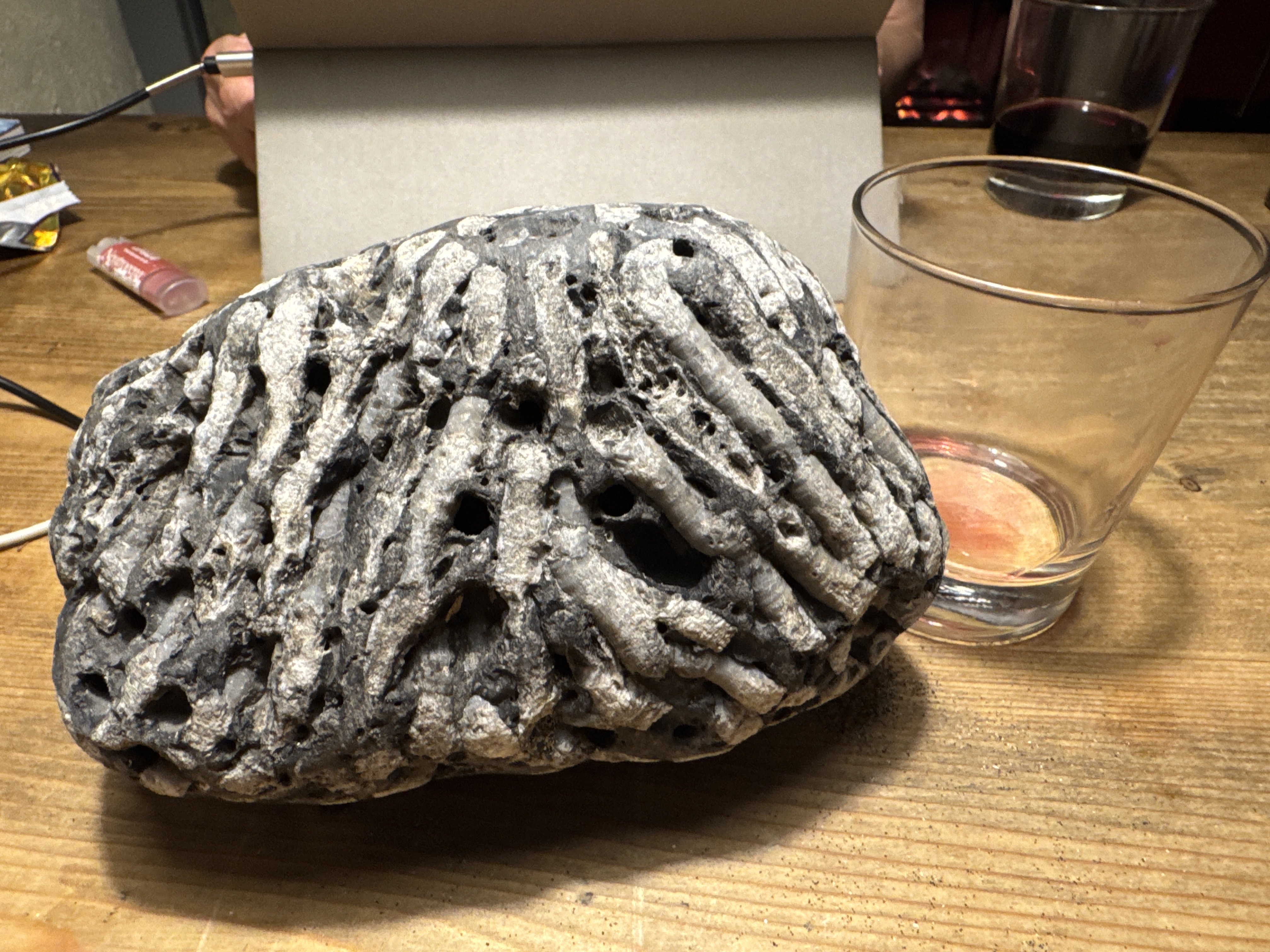
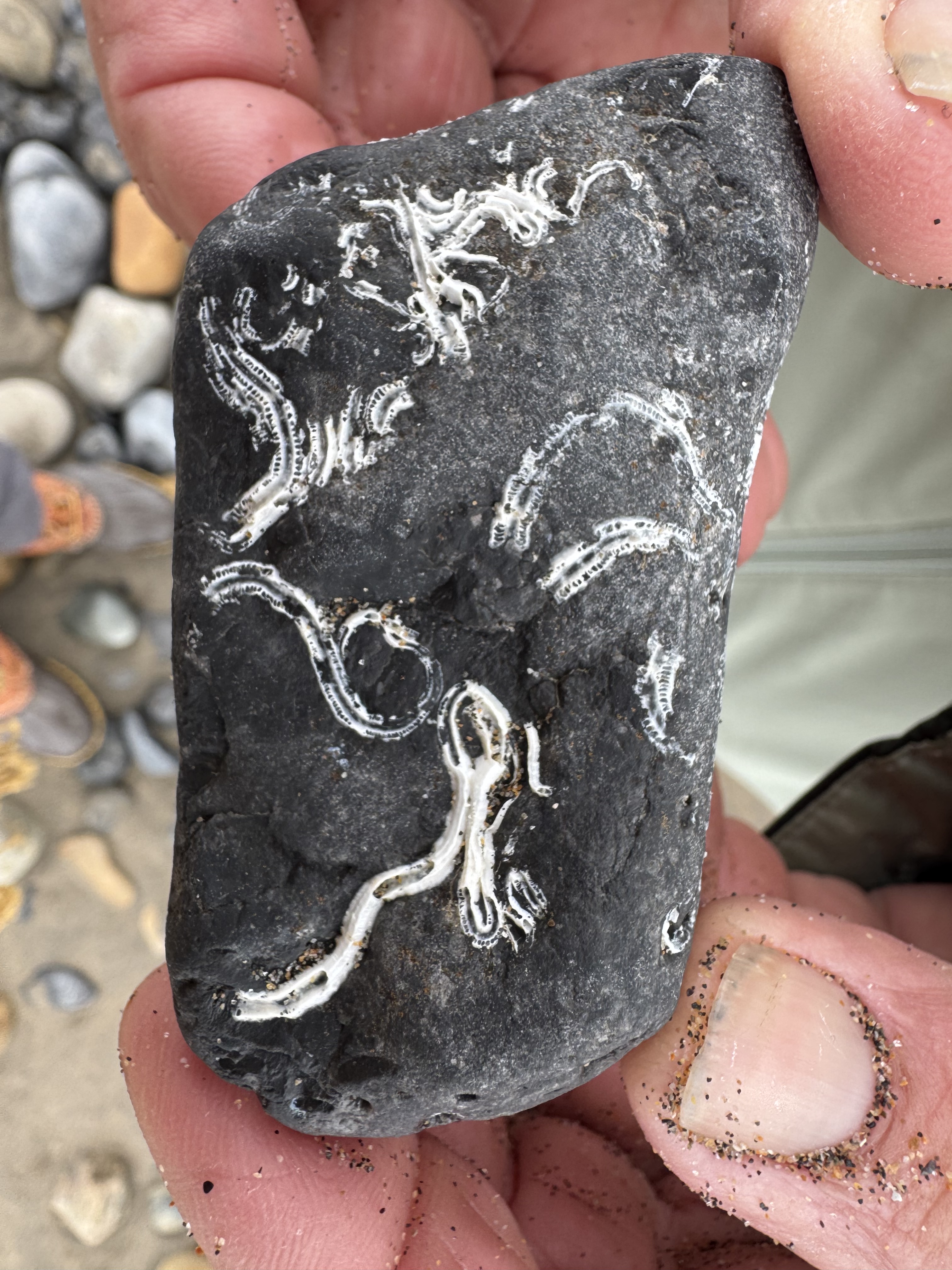
Plus a quiet beach that yielded several fossils that intrigued the happy rock hound.
A couple of canine encounters and lunch overlooking the beach…
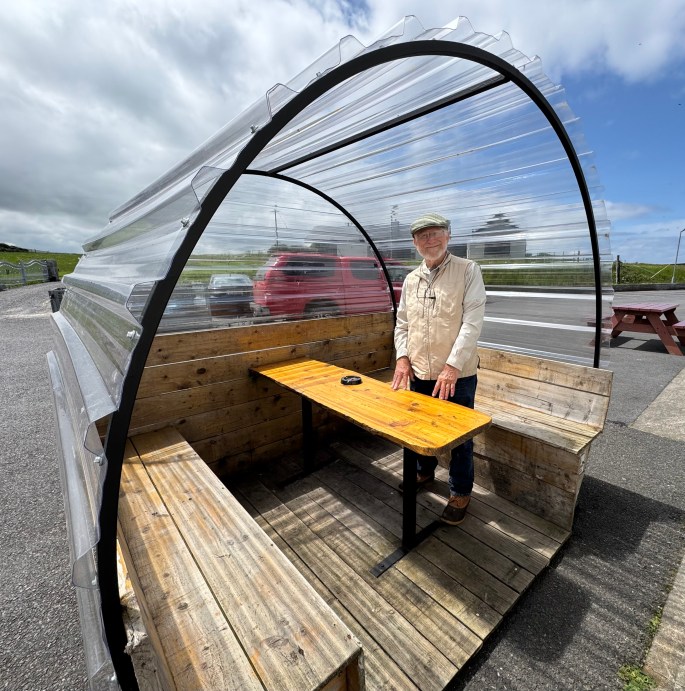
We fortunately didn’t need this enclosed picnic table, but how brilliant to have this in a place where drizzle is common!
Continuing north to County Donegal, more cliff walks and spectacular ocean vistas…
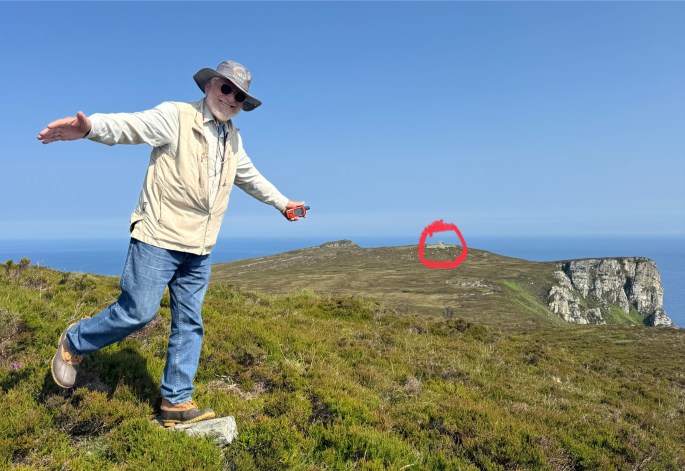
That’s a lookout station in the distance that was put up during the Napoleonic wars to guard against invasion.
Not likely an Irish tune, but it fits the jaunty air of the traveler…..
Donegal Castle was not particularly fascinating….except for two things. First is its sad history as home base for an Irish noble, who in the face of English encroachment decided to leave Ireland to seek help from sources in Spain and France to secure his homeland. Instead, while he was gone, the English seized his land (and that of many of his fellow absent noblemen) and redistributed it. This episode, referred to as “The Flight of the Earls” led to large-scale allocation of property to English settlers, relegating many of the native Irish to serfdom.
The second factoid gleaned in Donegal is an incredible story linking this area to the Choctaw Nation in the US. Bear with me……. In 1831, the native American Choctaw people were forcibly relocated from their ancestral home in Mississippi to a reservation in Oklahoma territory along a route now called the Trail of Tears. About half of the tribe perished on the 500-mile march.
Less than 20 years later, they learned of the devastating Great Famine in Ireland, where the loss of potato crops led to starvation and death among the Irish populace. Despite their own tragic losses, the Choctaw raised $170 (tens of thousands of dollars today) to send to Ireland to aid relief.
In 1990, Choctaw leaders came to County Mayo to participate in a re-enactment of an Irish famine walk that occurred in 1847; in 1992, Irish leaders returned the honor by participating in a 500-mile trek in the US that followed the Trail of Tears.
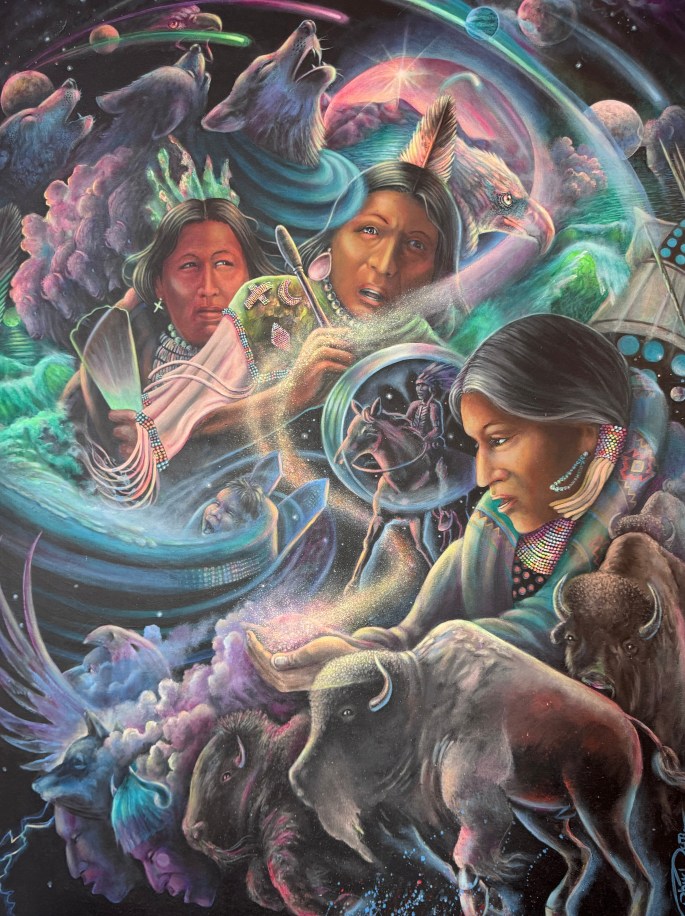
One of the Choctaw leaders who now resides in County Mayo, Ireland, painted this piece called “The Gift of Life”, that hangs in Donegal Castle.
A deeply moving story that again illustrates that we are all connected – one way or another – across cultures, national boundaries, religion and affiliation…..
Another exciting encounter in Donegal…….with a real-life peat farmer!
Morris fortunately does not rely on peat farming for his livelihood as the fields are becoming depleted….. and he looks forward to retirement anyway!
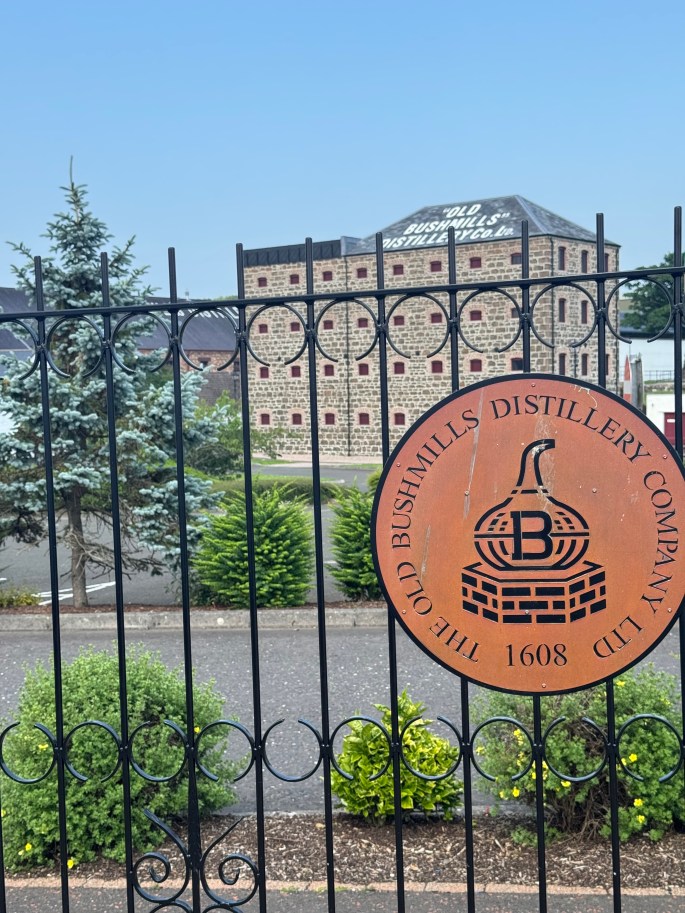
Bushmills is in Northern Ireland, and is perhaps most notably known as the home of the distillery by the same name.
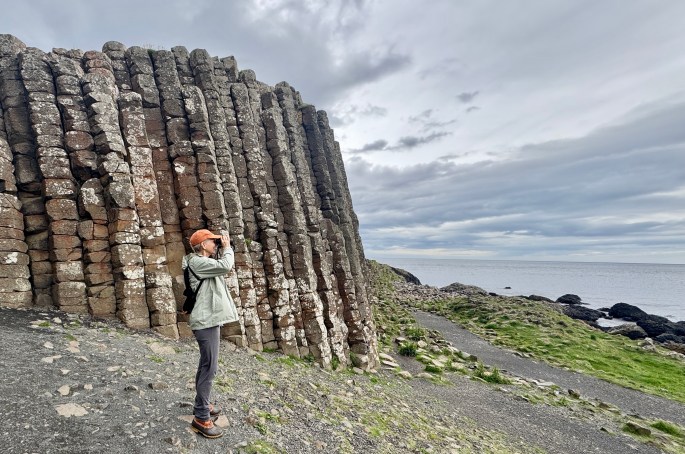
Bushmills is also the gateway to still another geological wonder on the North Atlantic coast…. The Giant’s Causeway.
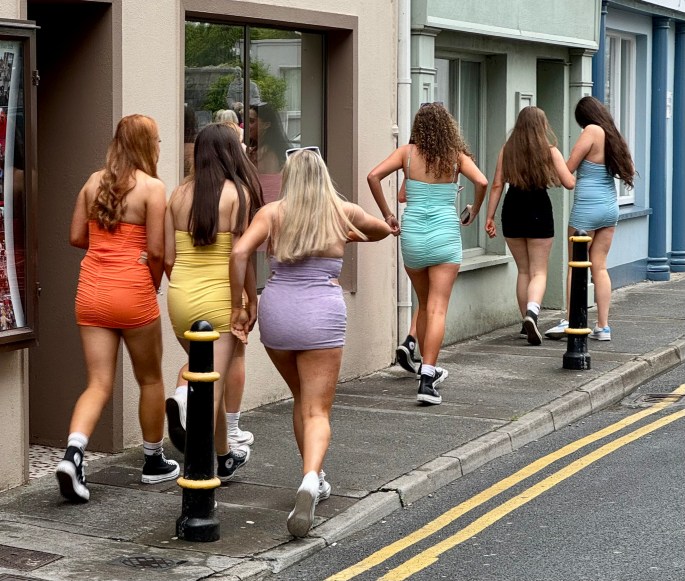
A couple of very parenthetical contemporary observations…… In one small town, secondary school students had just completed final examinations. Flocks of young women traversed the town center toward a party venue wearing identical tubes that varied only in hue…. Here are just a few of easily 60 to 70 girls on parade.
Strangely, we noticed no boys of similar age, but maybe they weren’t as flamboyantly attired! Or maybe just overwhelmed and in hiding.
And a brilliant safety net for anyone who might end up on an uncomfortable first date, colorful attire or no…..
How reassuring…. And quite civilized!
And that will conclude this lengthy post. The next phase of our journey takes us to Belfast, where we meet up with Henry’s daughter Holly, husband Matt and children Lily and Caleb for a cruise through the British isles and Northern Europe.
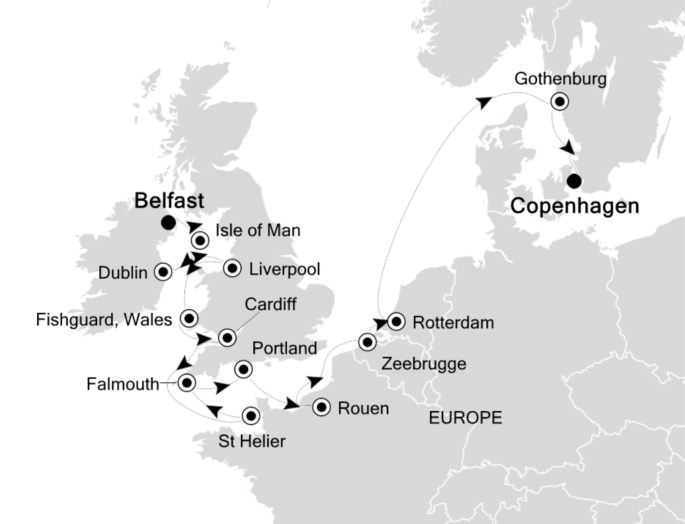
The Silver Shadow is a relatively small ship with fewer than 300 passengers on board; as such, it can berth in relatively small harbors along the way. It embarked on a 16-day cruise from Belfast….
Our group assembled a couple of days before departure…
Holly, Lily, Caleb, Henry, Robbie and Matt….. warming up for an adventure!
Belfast
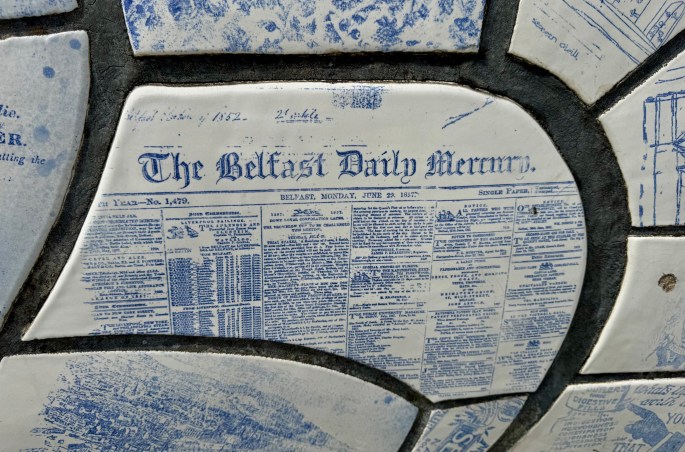
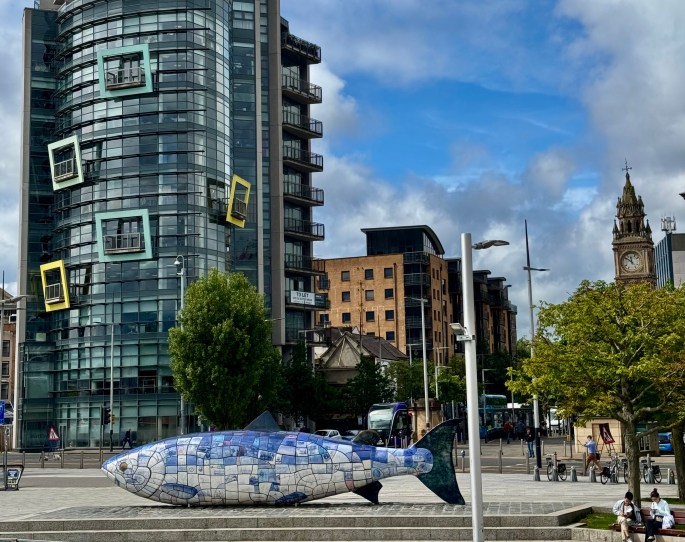
Belfast is part of Northern Ireland, with plenty of history, past and present…. Caught here between rain showers and drizzle.
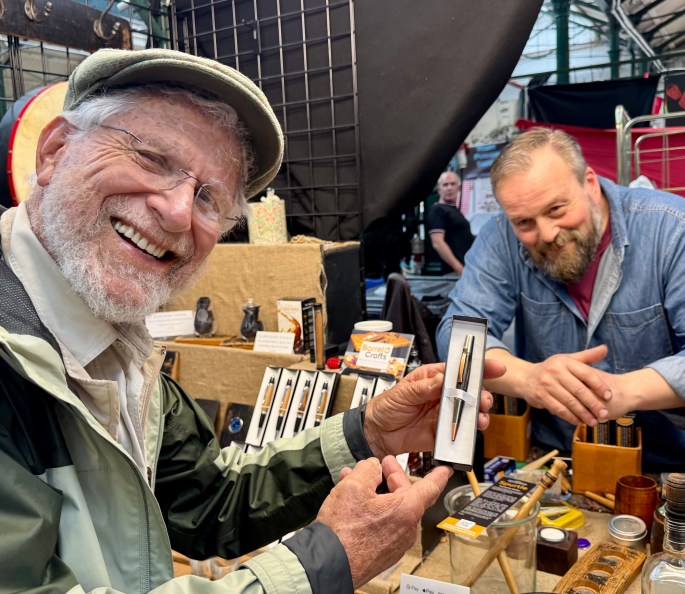
This wood craftsman at the central market creates beautiful items out of bog-wood, which is wood that has been preserved through centuries in (drum roll….) peat! Henry got a nice peat-wood pen in honor of Father’s Day! A fitting souvenir.
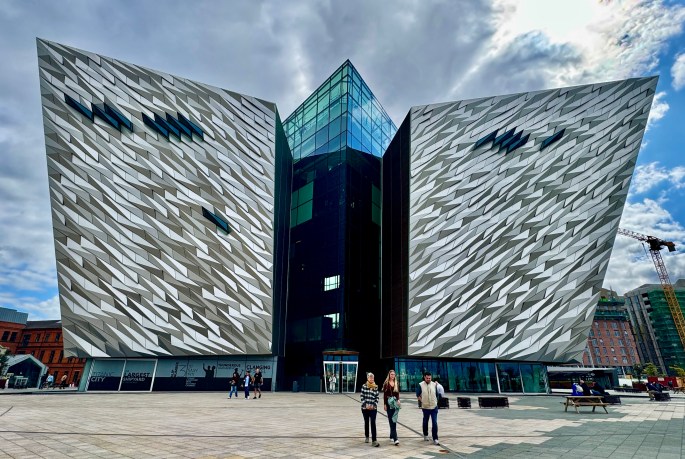
It may seem an odd thing to do just before boarding a cruise ship, but we felt compelled to visit Belfast’s Titanic Museum. The ill-fated ship was built by Irishmen in Belfast, but they are quick to point out that it was sunk by an English crew! In any event, it is a dazzling venue.
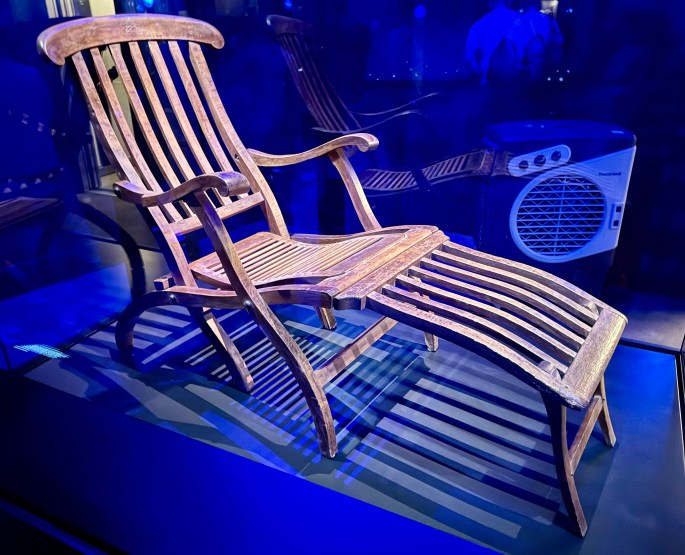
“Rearranging the chairs on the deck of the Titanic” is a phrase often heard about a futile effort or pointless plan of action…… it was touching to see the real thing on display.
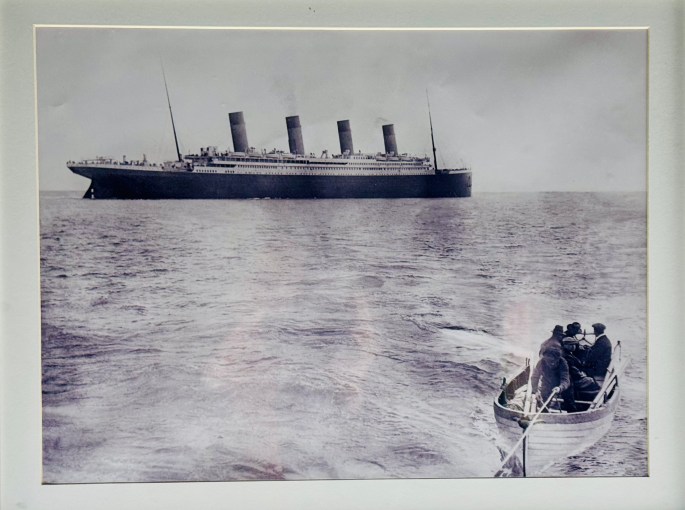
Here is the last photo taken of Titanic as she made her way toward the Atlantic for her date with destiny….
Undeterred by the memory of the doomed ship, Lily is excited and ready to go! (Be sure to click on the image for video and sound….)
Isle of Man
First port of call is Douglas on the Isle of Man
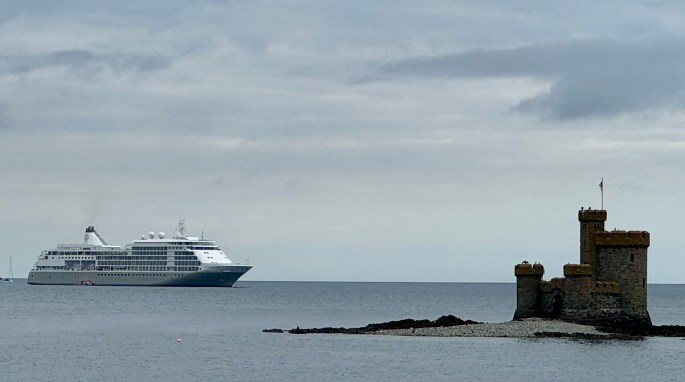
Our ship, the Silver Shadow (looking eerily like the earlier photo of Titanic……)
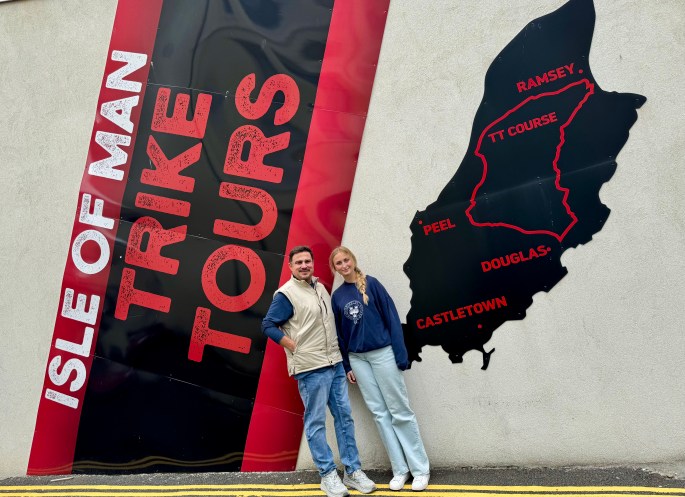
The Isle of Man is known for its annual motorcycle race called the Isle of Man Tourist Trophy, or TT. The race is distinguished as it is run on public roads (that are closed for the race) at average speeds of well over 120 mph. There have been more than 250 fatalities during its 100+ year history!
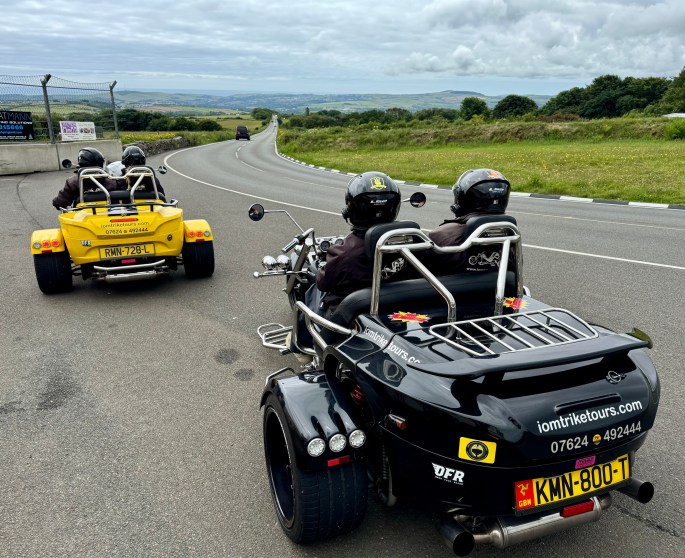
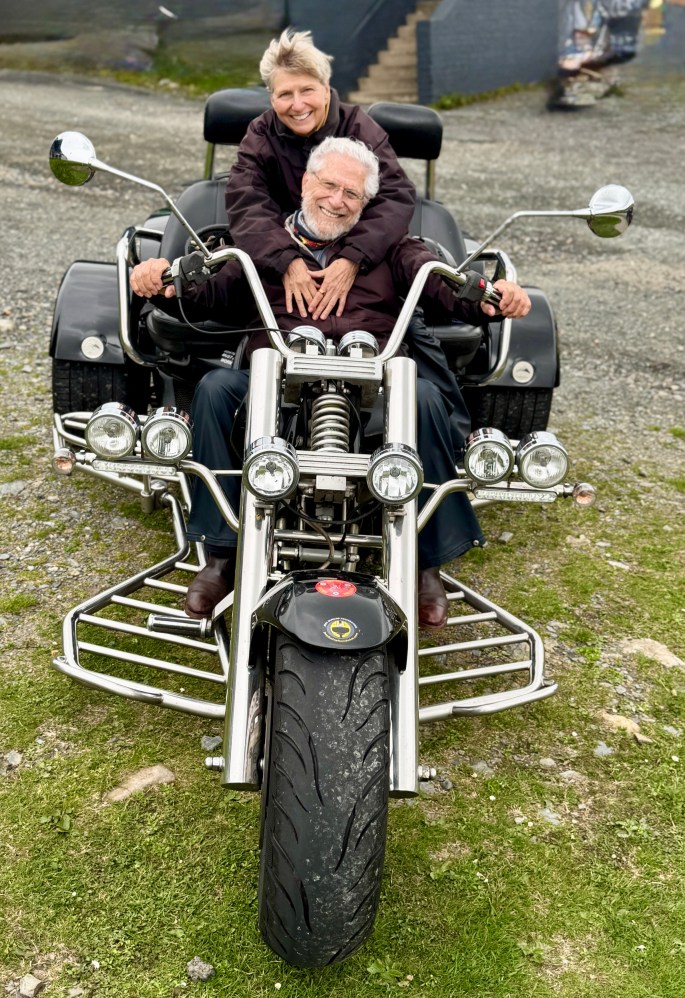
We all got to tour the course at a much slower speed on trikes – driven, fortunately, by experienced professionals…..
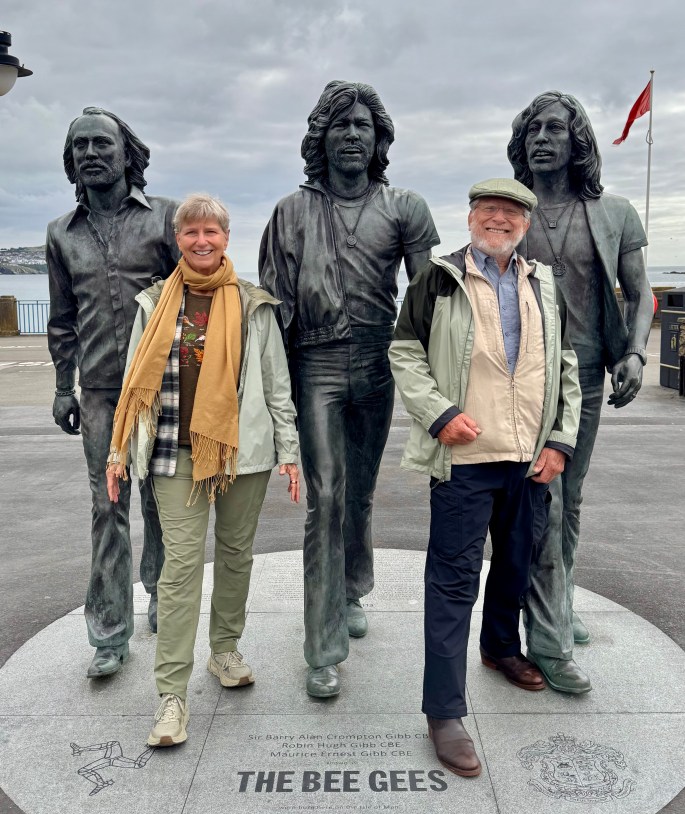
Native residents of the Isle of Man are called Manx…… who knew that The Bee Gees were Manx?????
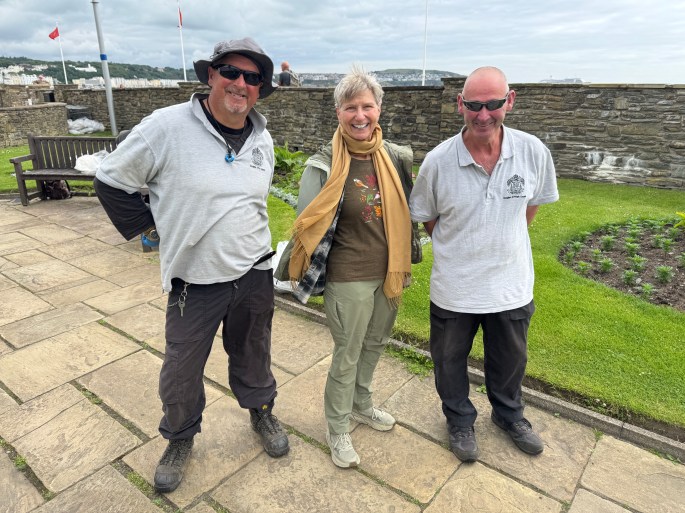
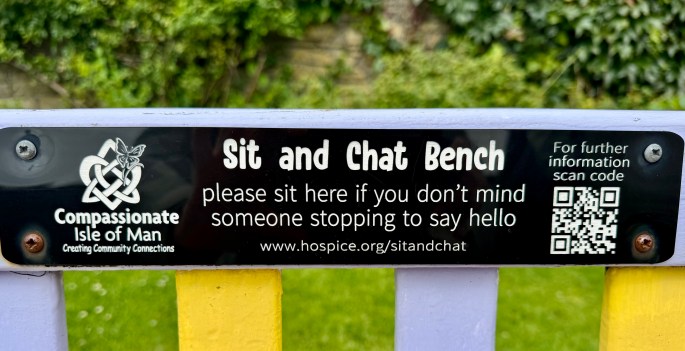
The other Manx we met were warm and welcoming…. Like these two who maintain an exquisitely-manicured garden along the sea wall.
What a civilized addition to any public garden!
Dublin
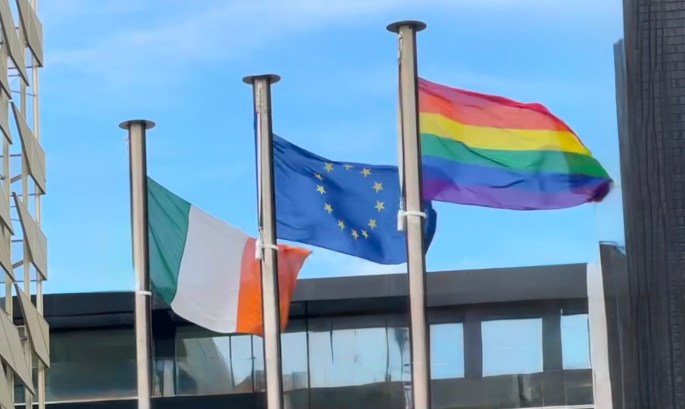
Next stop, Dublin in the Republic of Ireland, a part of the European Union that is in the middle of Pride Month…..
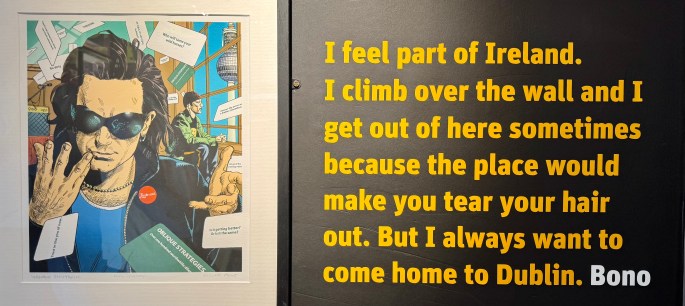
One of Dublin’s most famous sons from the world of Rock…..and an amazing philanthropist….
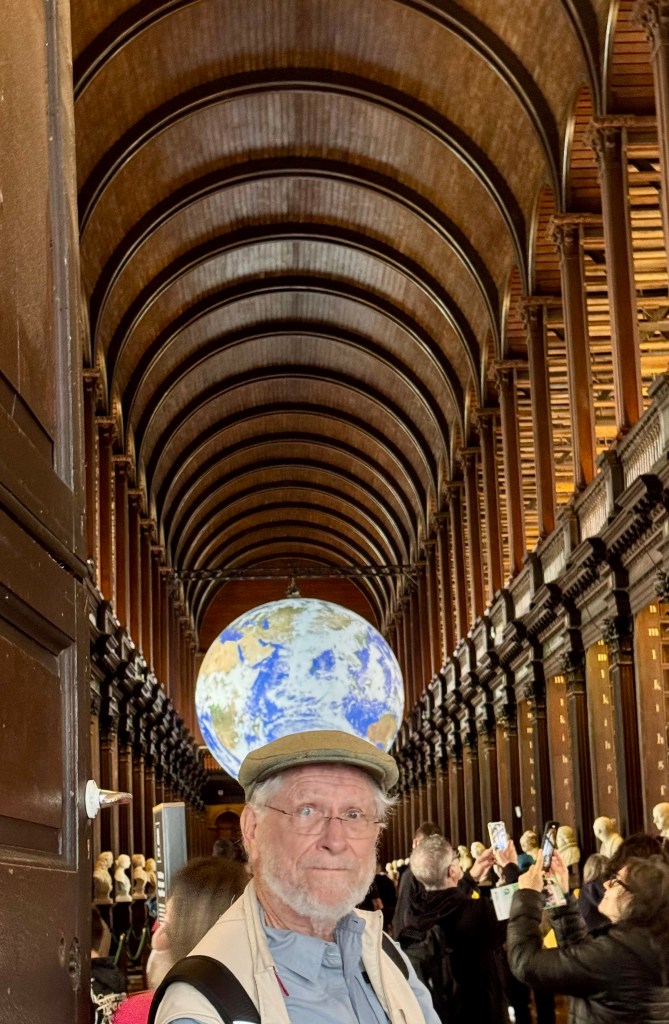
The Book of Kells is a gorgeous illustrated manuscript that dates back to the 9th century… it is lovingly maintained in the library at Ireland’s oldest university, Trinity College, Dublin.
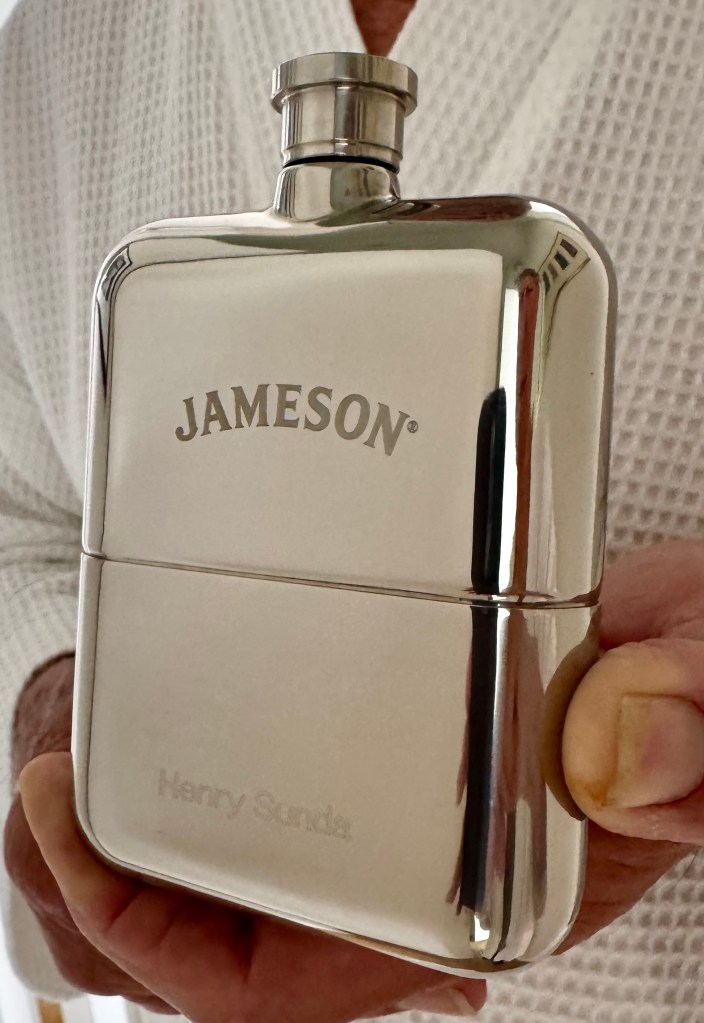
Some of us chose to taste Irish whiskey….. bringing back a lovely engraved flask for Henry’s favorite cream liqueur. (Thanks again, guys.)
A few other whimsical sightings in Dublin…..
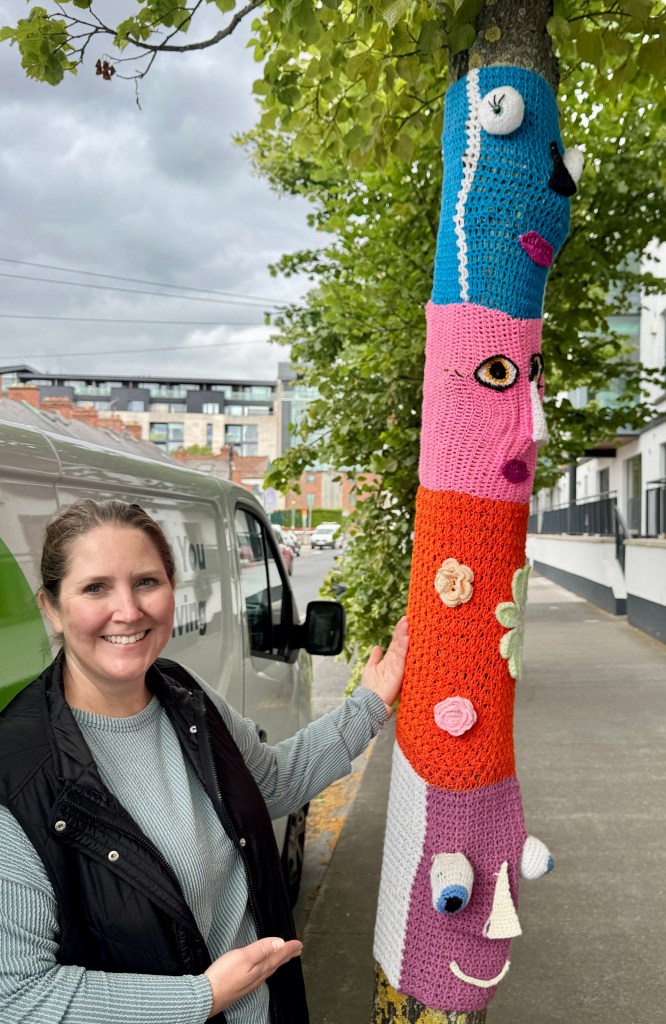
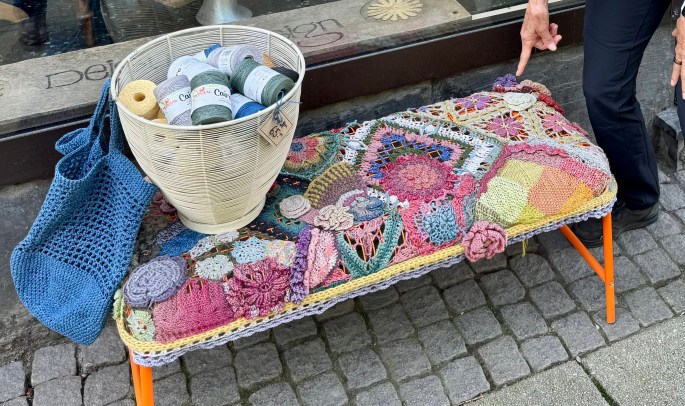
Just like Houston’s long-time Mattress Mack…. He’ll save you money!Yarn bombs!You never know what you’ll find when in the local “hardware” store!
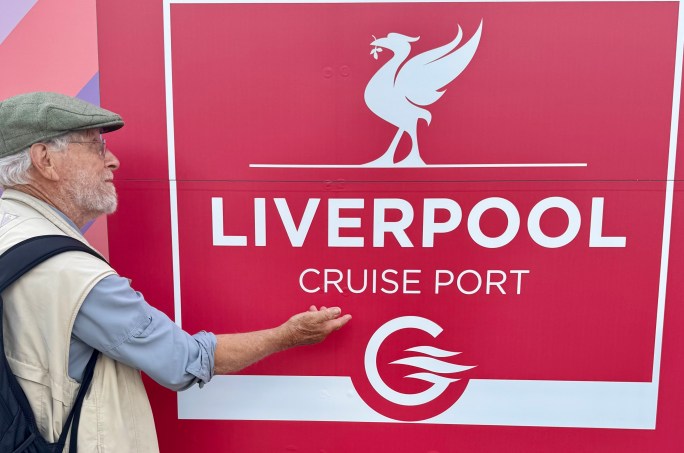
Liverpool
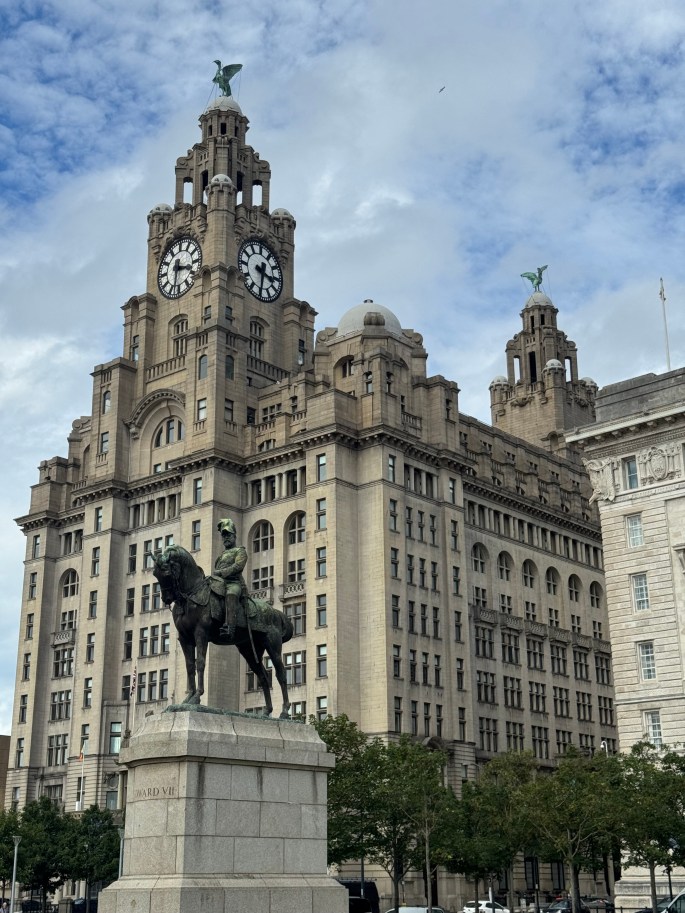
The symbol of Liverpool is a mythical bird called a liver….
It’s perched on the top of several public buildings…..
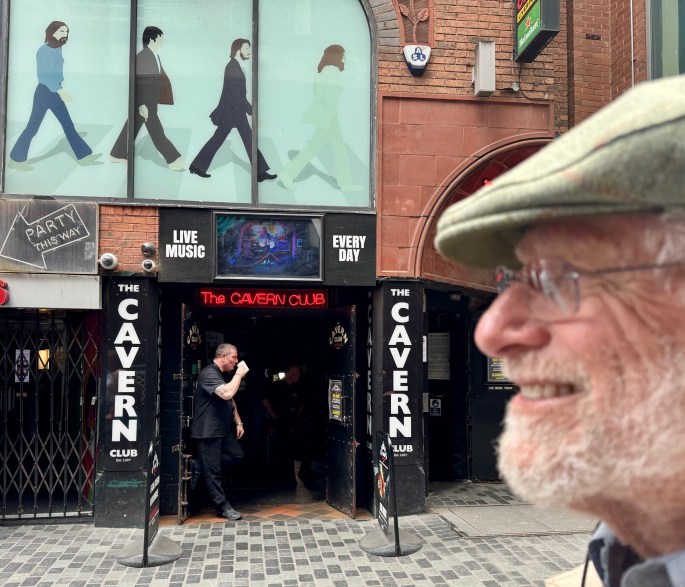
Other famous Liverpudlians include, of course, the Beatles, who first became popular performing here at The Cavern.
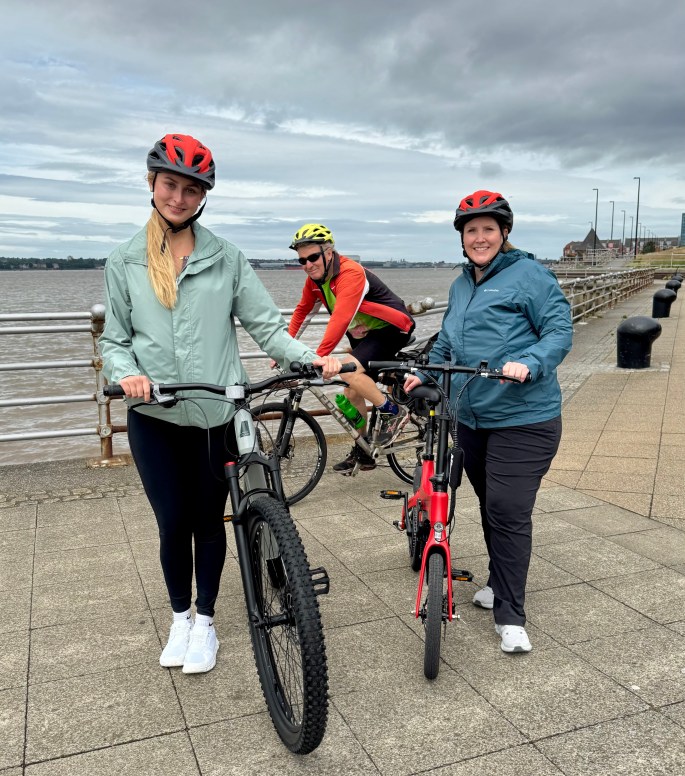
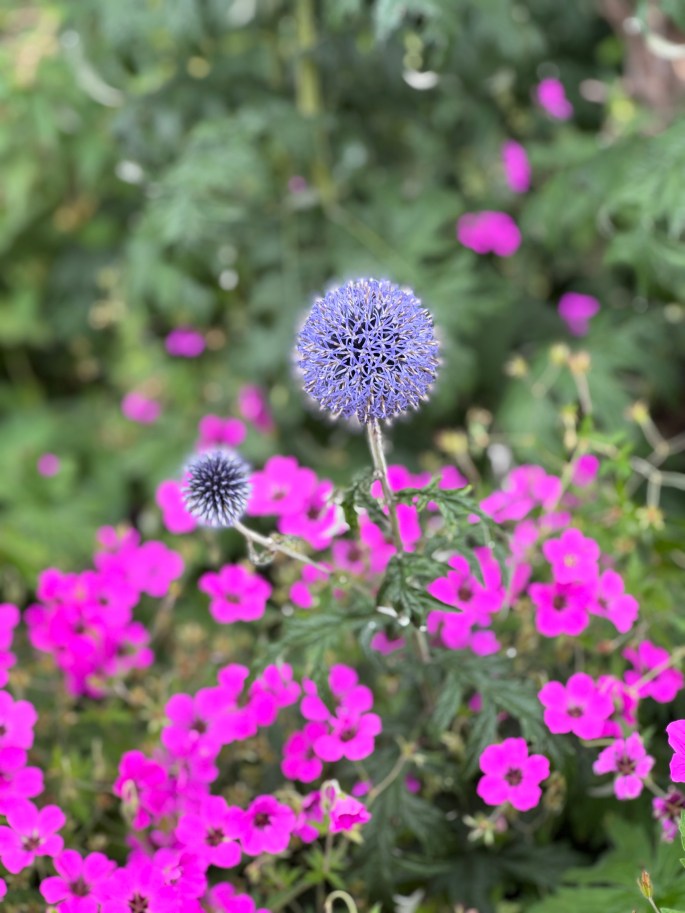
Some of us chose to explore Liverpool’s green places and gardens by bicycle….
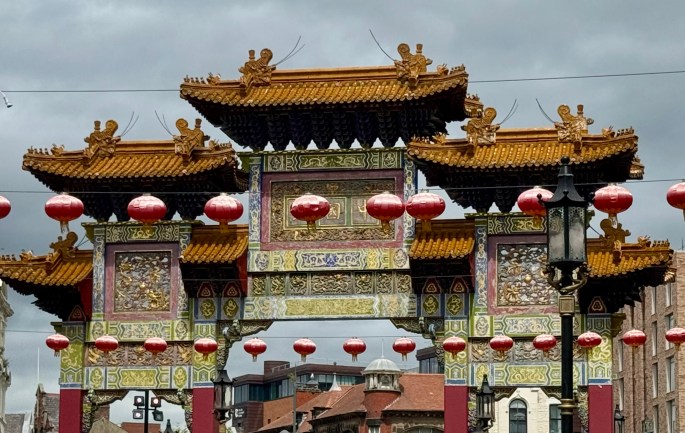
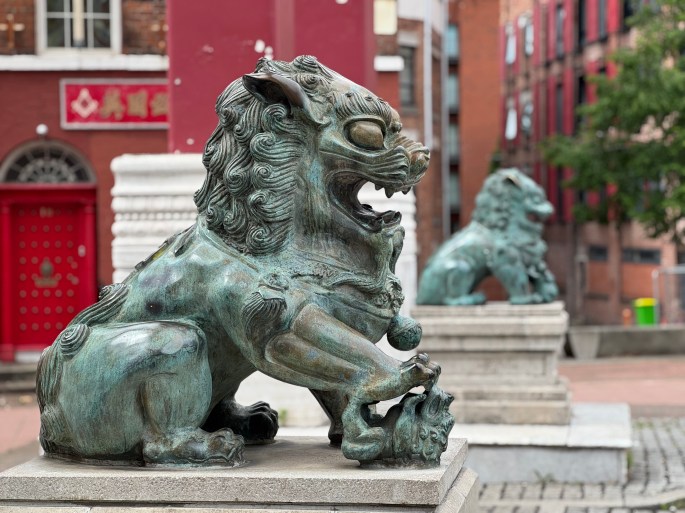
Liverpool boasts the largest Chinese arch outside of China, a gift from its twin city, Shanghai.
It’s flanked by a pair of Chinese lions….the lion in the background is a male, with his paw on top of a globe that symbolizes the material world. The one in the foreground is female, her paw resting on a cub, symbolizing nurturing and spirituality. They are usually seen in pairs like this, warding off harmful influences and attracting good fortune.
It’s always a treat to find evidence like this of linkage between cultures…. Maybe we will find more in our future travels!
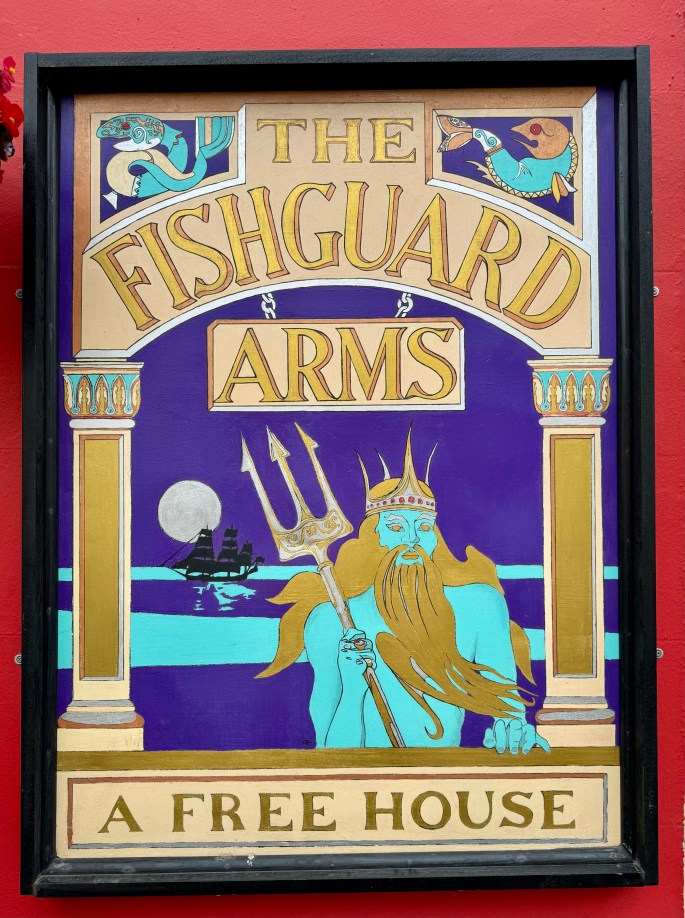
Fishguard is a picturesque town of about 3,500 people on the coast of Wales. It was the filming site of a little-remembered film based upon Welsh author Dylan Thomas’ play called “Under Milk Wood”……..starring iconic Welshman Richard Burton, in addition to his mousy wife Elizabeth Taylor and his drinking buddy, ho-hum British actor Peter O’Toole. Didn’t see the movie, never heard of it, but my, what fun they must have had making it!
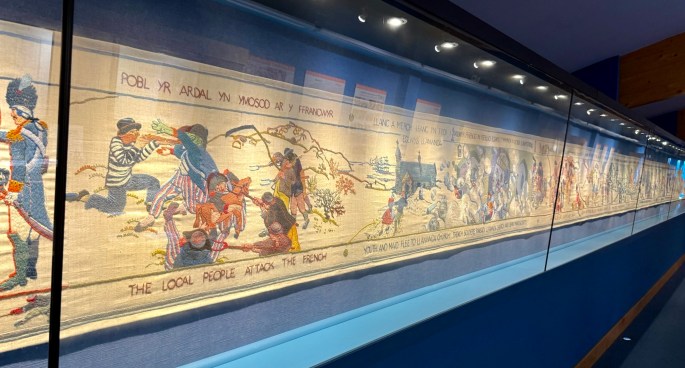
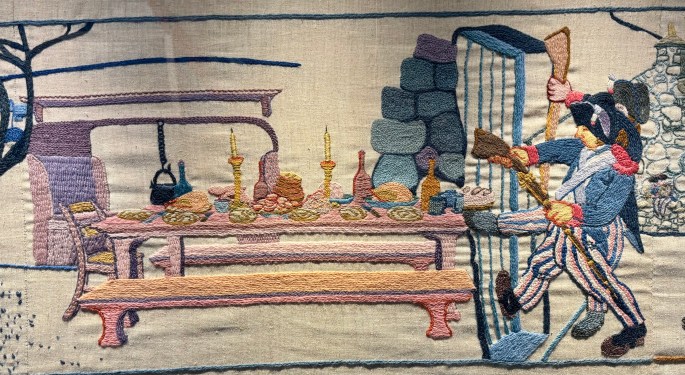
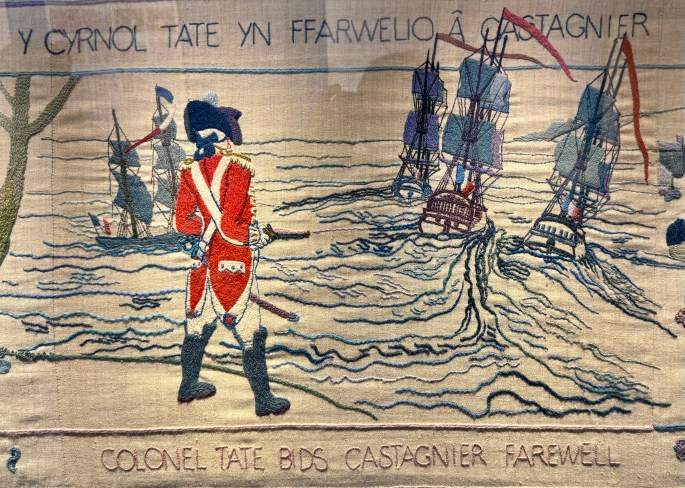
Fishguard was also the site of the last attempted invasion of the British Isles…..an almost-comically futile attempt by the French in 1797. That episode, however, is Fishguard’s major claim to fame, and was memorialized by some of its citizens with a stunning hand-woven tapestry that relates the events sequentially in both Welsh and English…..
Cardiff, Wales
Our entry into the Cardiff harbor required passing through a lock, much like those in Panama….. a very cool procedure to watch…..
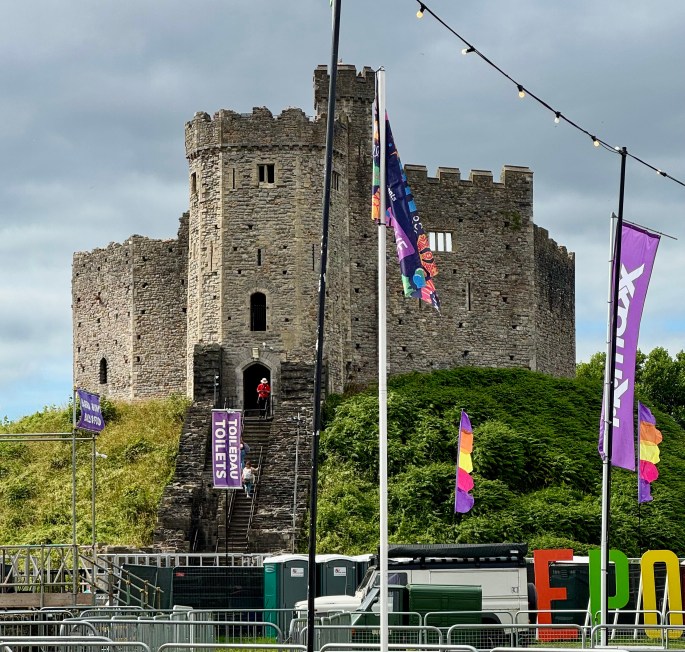
Cardiff Castle was host the night before our arrival to a concert by Sting, another English gentleman from the world of rock and roll.
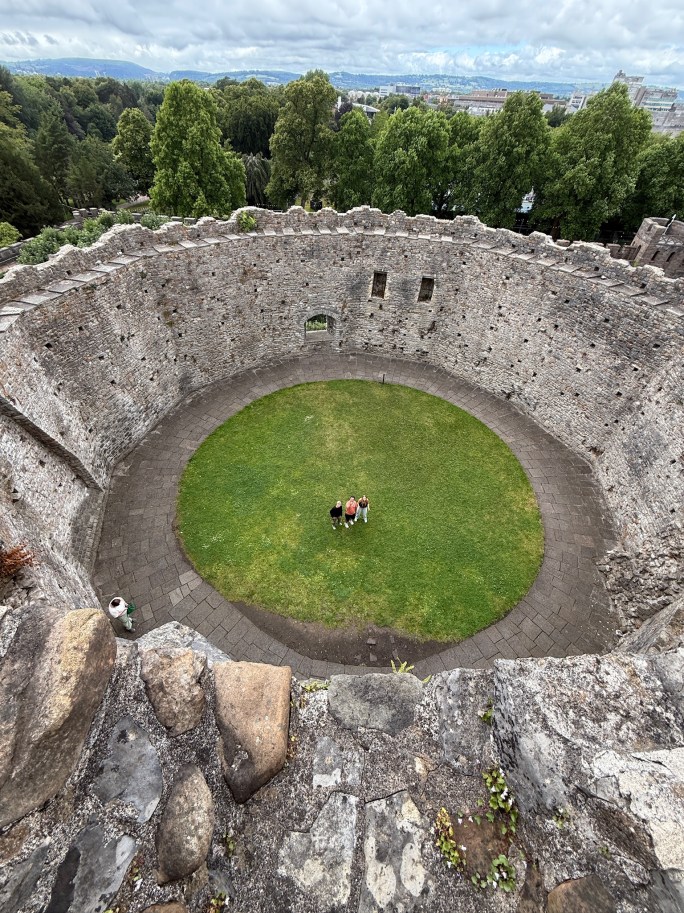
The castle keep with American invaders…..
A famous inhabitant of this castle was George Plantagenet, Duke of Clarence, who had a significant role in the English War of the Roses. He flip-flopped sides during the conflict and was eventually convicted of treason and executed in 1478 by drowning in “a butt of malmsey wine” at the tender age of 28. His perfidy earned him a role in a couple of Shakespeare’s historical plays.
He is somewhat redeemed by his apparent affection for his faithful hound…..
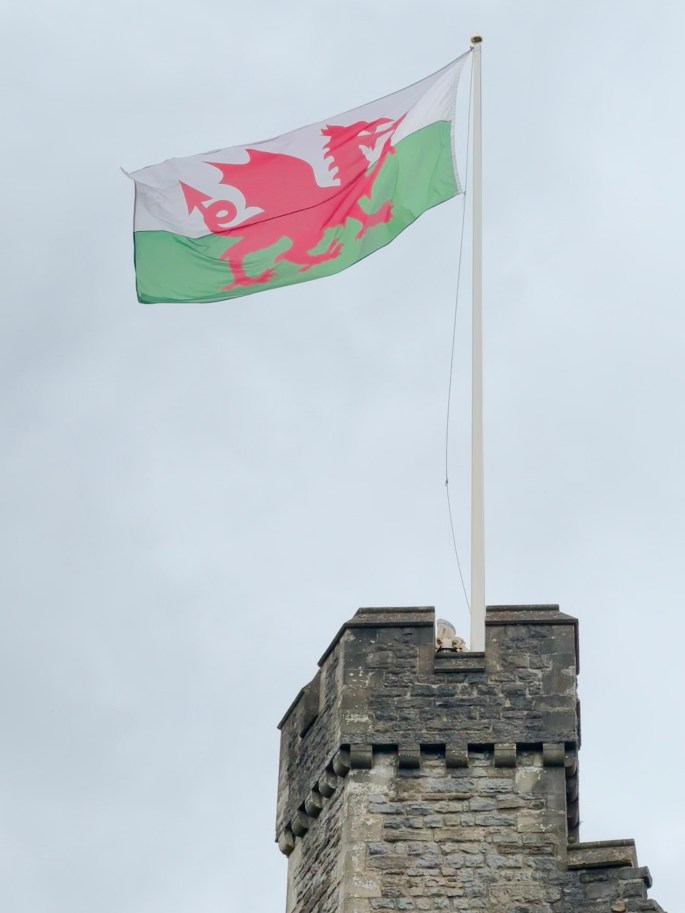
Iain was anxious to see a street sign in the Welsh language…… here you are!
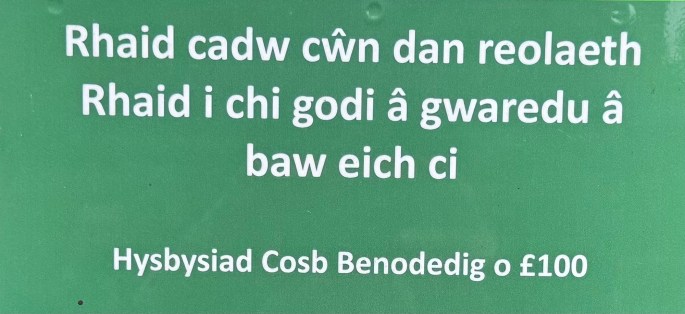
Pretty sure it says that there is a fine if you don’t clean up after your pet…..
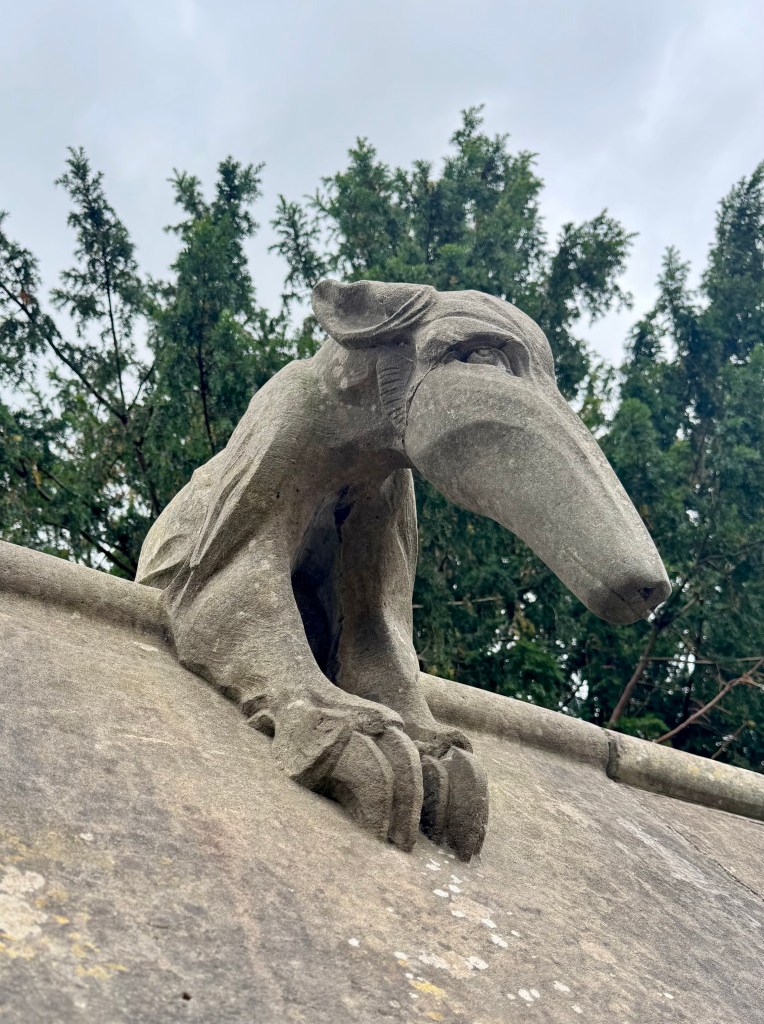
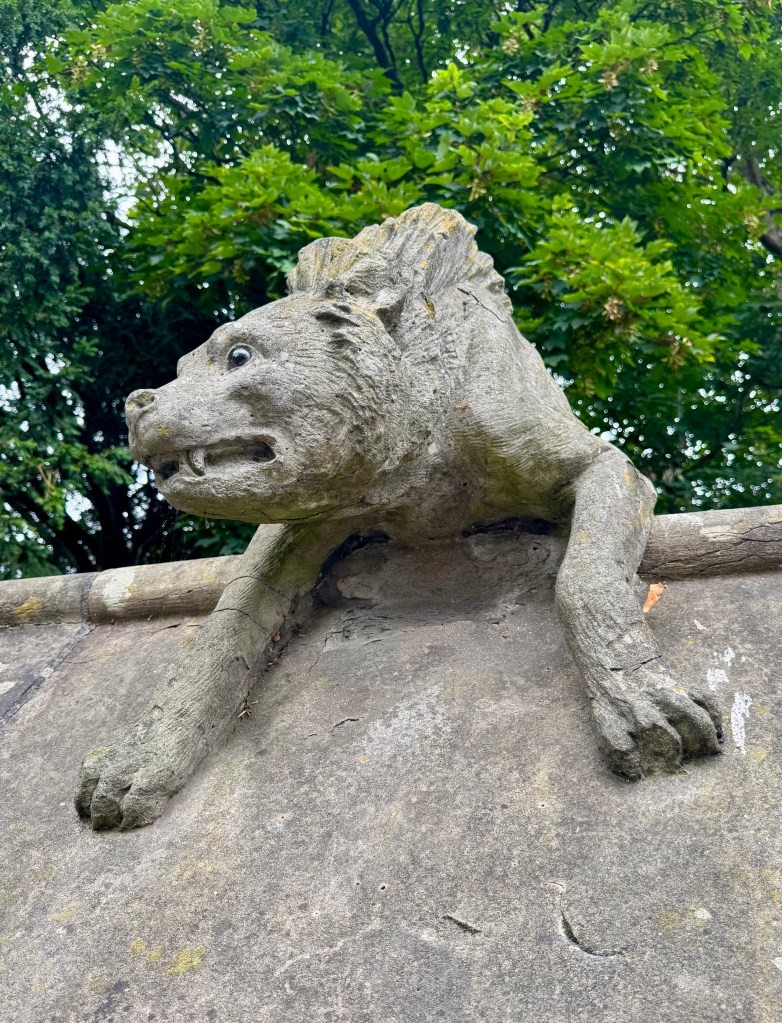
A series of animals adorn the outer castle wall
Falmouth – Cornwall, England
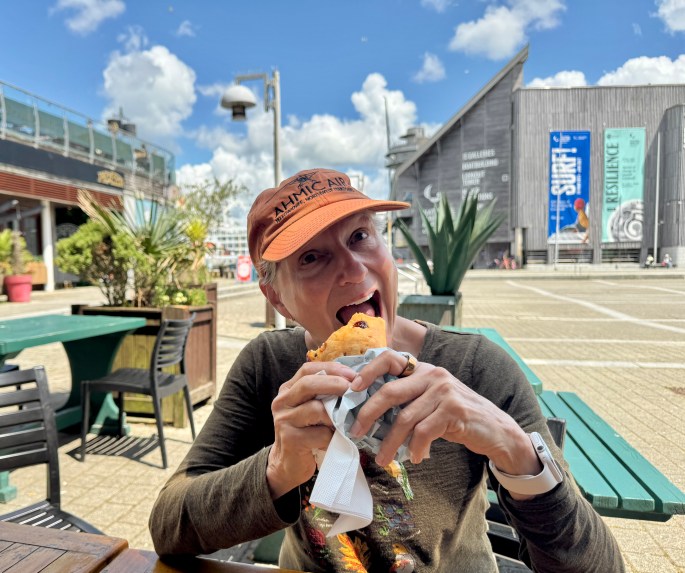
Entry into Cornwall was celebrated with the consumption of a Cornish pasty……
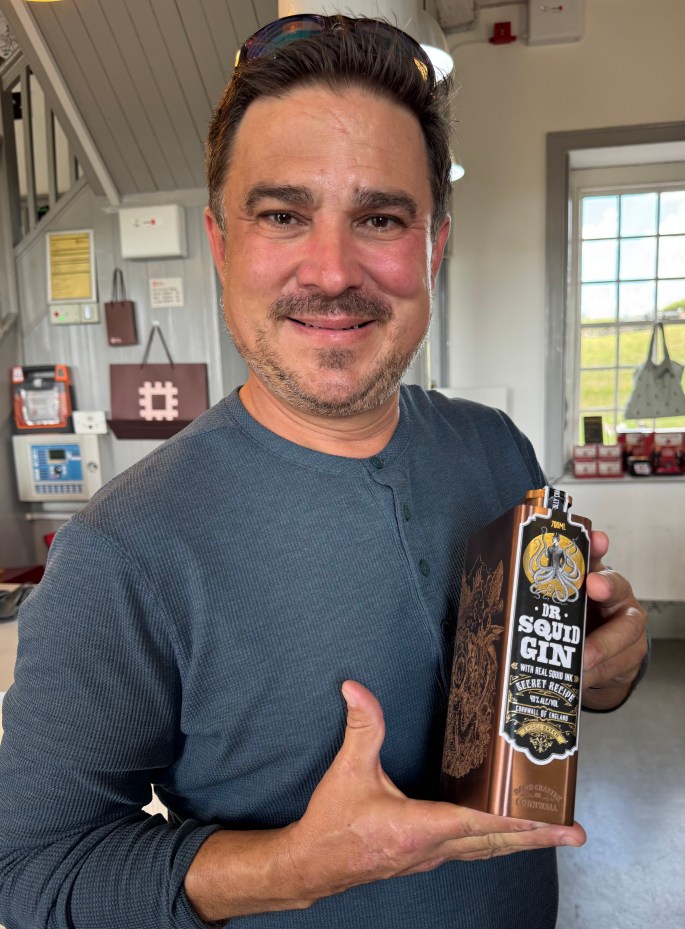
And Matt’s acquisition of a very special gin flavored with squid ink in a striking copper tin…..
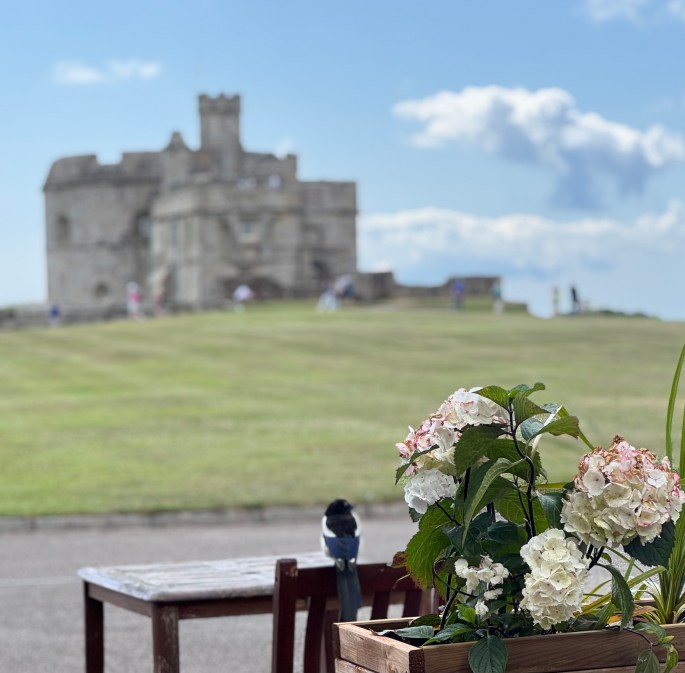
Pendennis Castle has long guarded this southerly tip of England against outside invaders…
Falmouth was also an important staging area during both World Wars I and II….
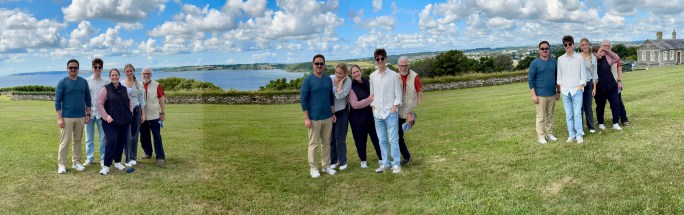
Now, of course, it has tourism invaders, like us….. having fun with photos.
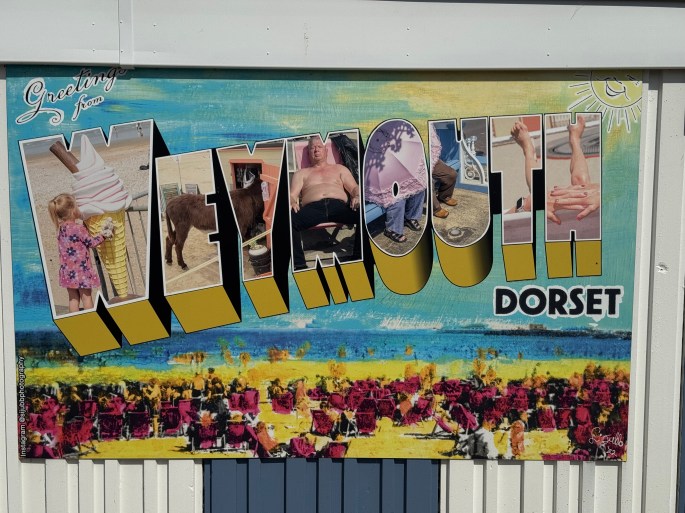
Weymouth – Dorset, England
Weymouth is a very popular seaside town, quite crowded during the summer months.
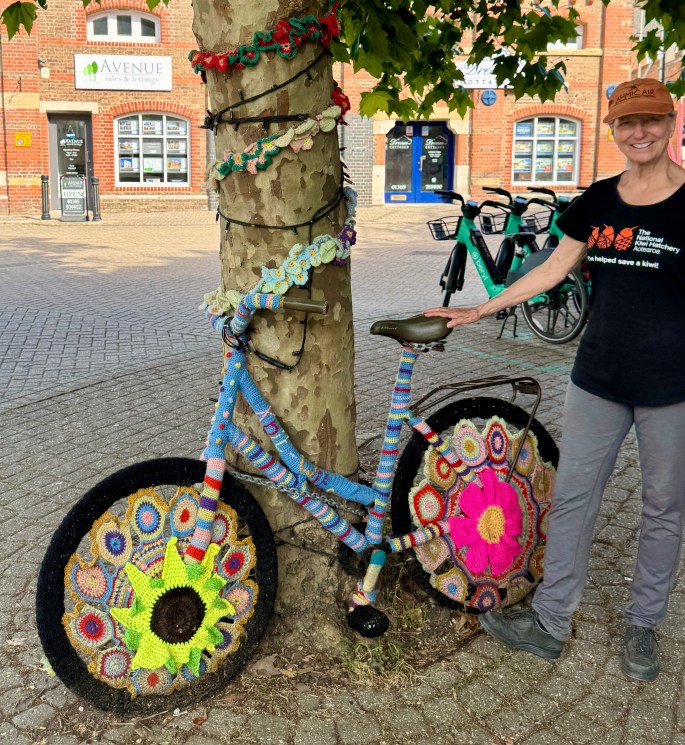
More imaginative yarn art…..
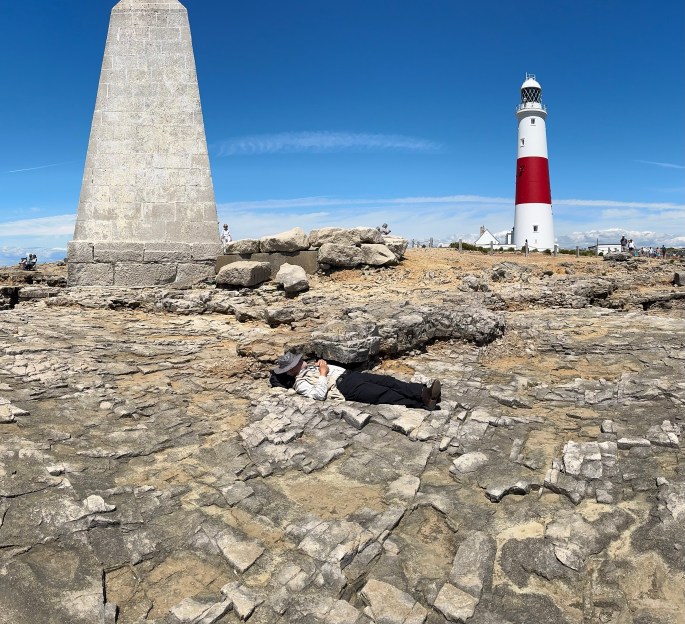
Weymouth is connected by causeway to Portland Island, where white limestone has been quarried for many centuries – used to build St. Paul’s Cathedral and Buckingham Palace in London, and even the United Nations headquarters in New York City, to name a few. No longer actively mined, the landscape along the coast bears the scars…..
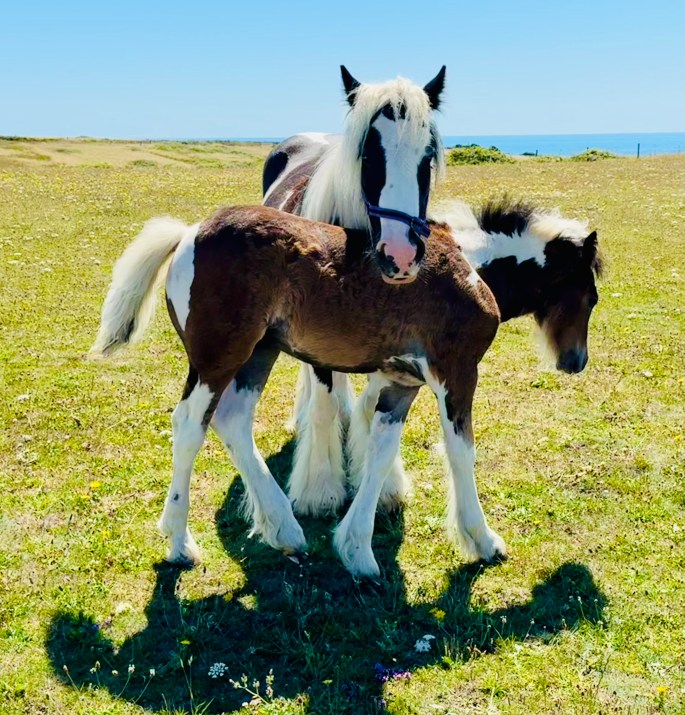
A gypsy horse and her baby browse along the walking paths.
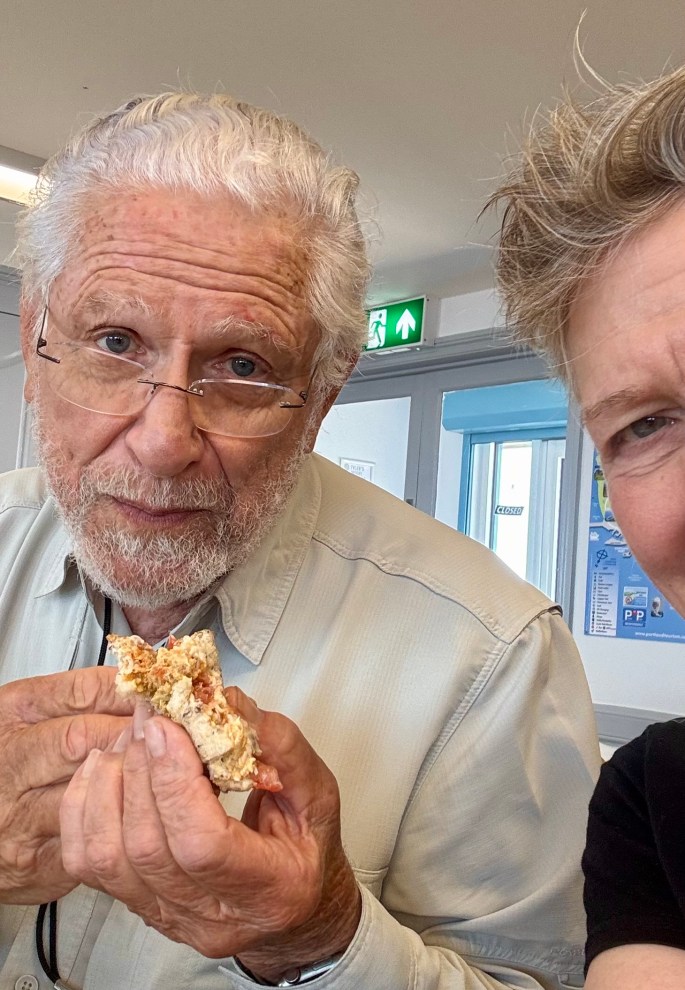
One MUST sample the famous crab sandwich at a shack near the lighthouse, where a weary traveler later has a snooze…..
With the ship docking overnight here, the younger contingent decided to visit the D-Day landing beaches in Normandy, while the elders chose to stay in the historic city of Rouen.
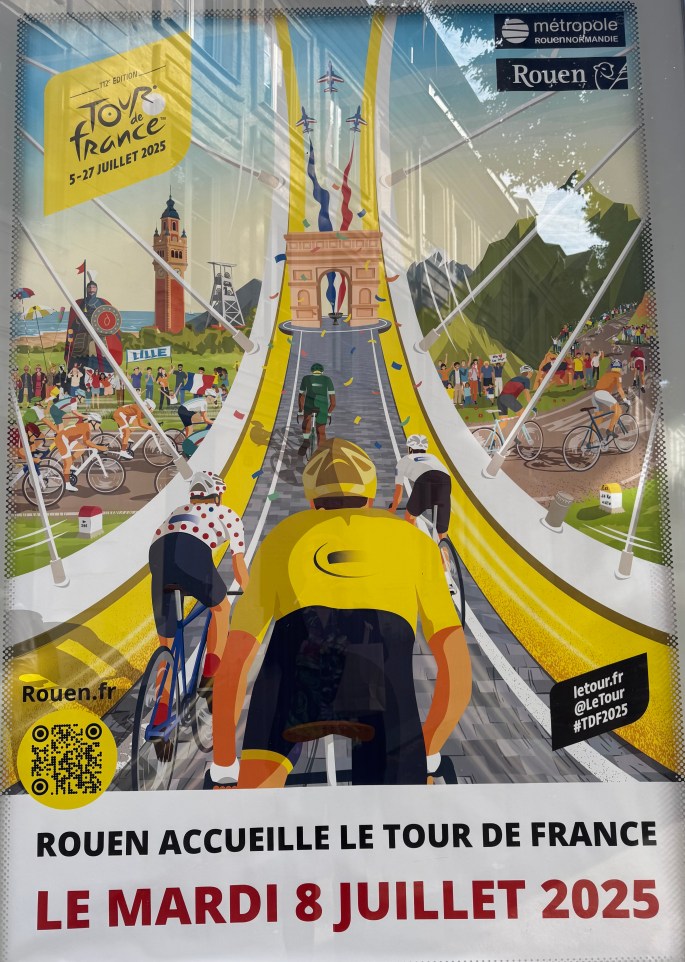
Preparations were under way for the locals to host a leg of the Tour de France bicycle race….
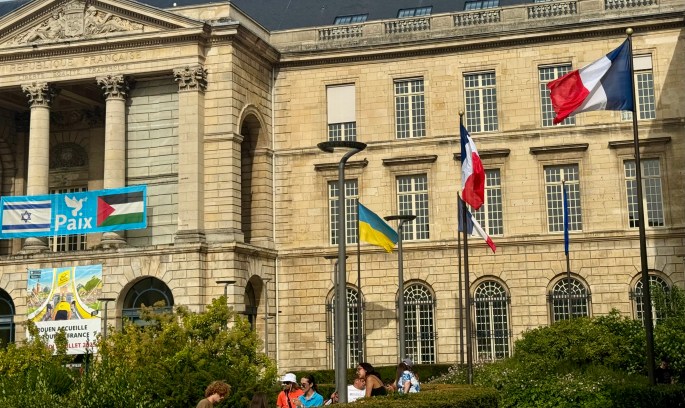
As with many of the places we visited, Rouen officially displayed its support for Ukraine by flying its flag near the city hall….. as well as a plea for peace in Gaza…..
No stranger to conflict, Rouen was the seat of government of Normandy, which William I (later William the Conqueror) ruled before he went on to defeat England in the year 1066, an event which changed the face and future of medieval Europe.
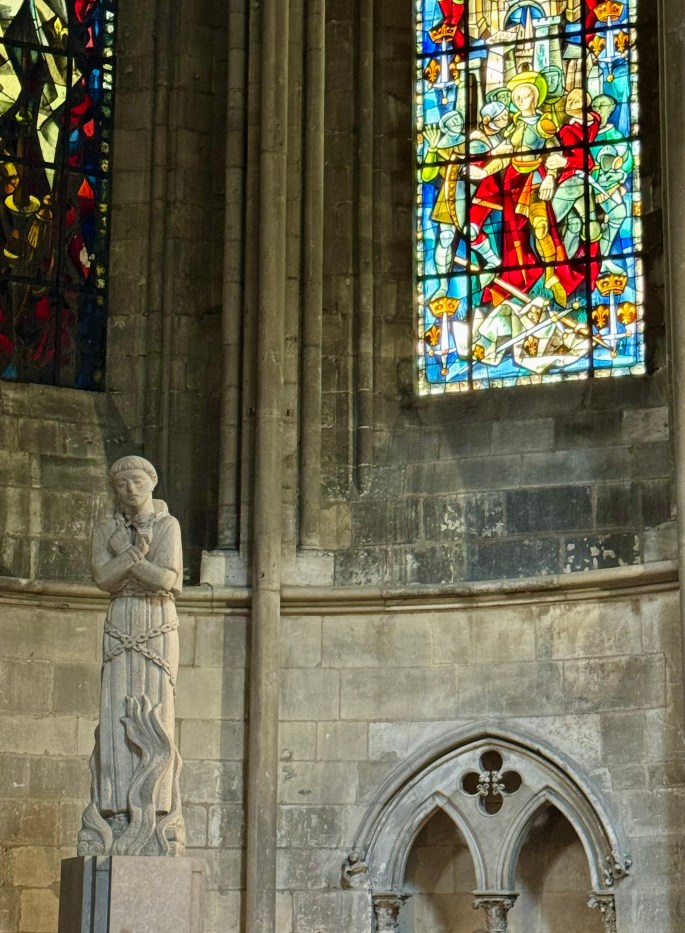
Joan of Arc was executed in Rouen’s market square in 1431 after leading French forces to several key victories over the English in the Hundred Years War….
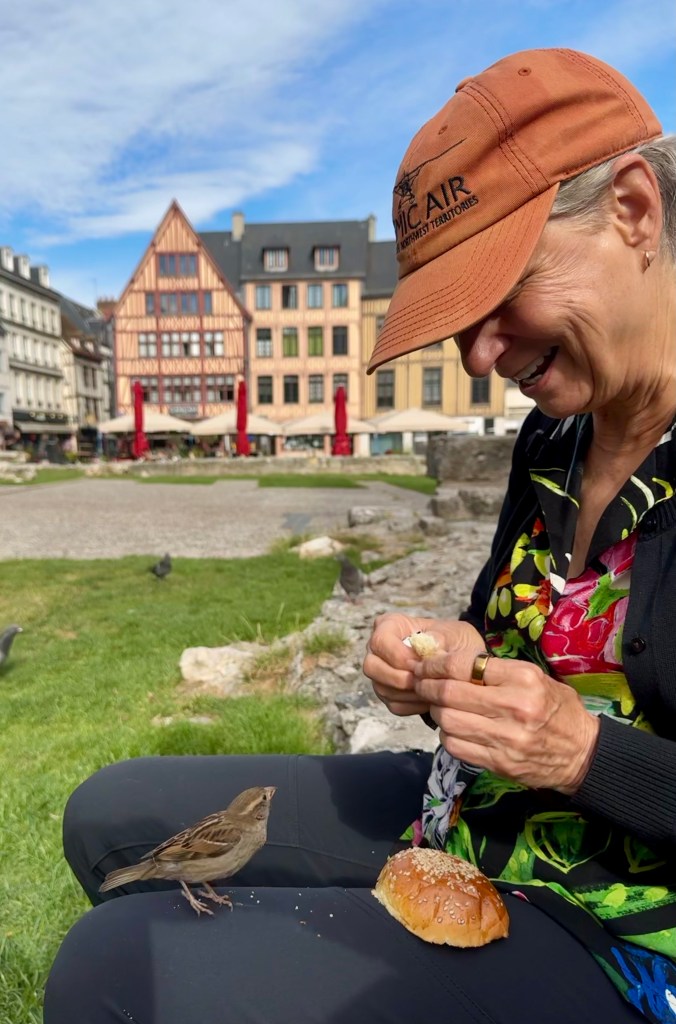
In Rouen Cathedral, Joan is depicted consigned to the flames as a heretic, on the left, while the stained glass window to the upper right shows her in battle dress.A peaceful moment feeding a hungry bird at the place of Joan’s execution….
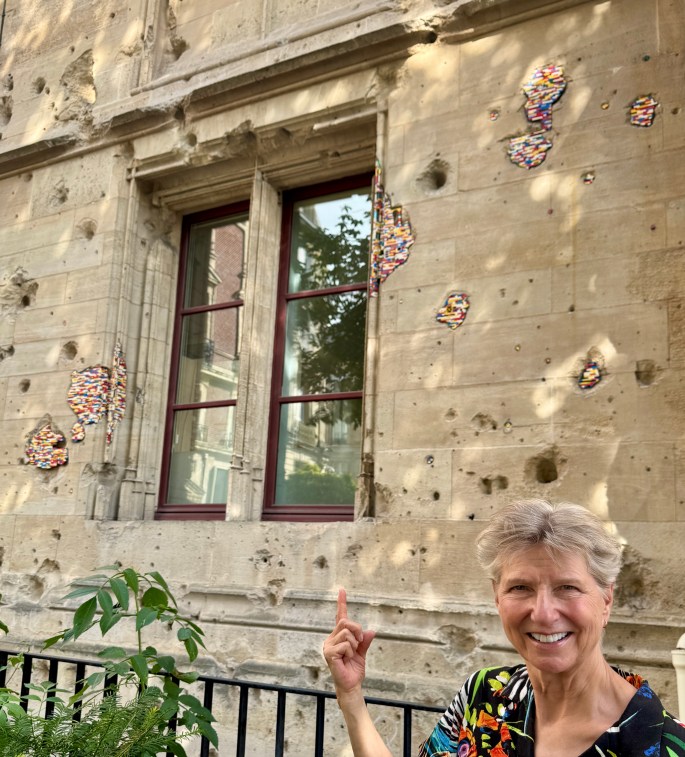
Rouen was intensely bombed by the Allied forces in the days leading up to D-Day in 1944… to weaken the occupying German logistical networks in the area. Many buildings were damaged or destroyed, including the courthouse. Rouen was liberated just a few months later. As the city began to rebuild, they decided to leave some of the damage in place in memory of the many losses during the war. ….. Skip forward 60 years, and a French/German artist collected used Lego bricks from the children of Rouen to partially fill in the shell-pocked outer wall of the courthouse to highlight the building’s history.
The architectural commission approved the change, but everyone is not pleased with this bit of avant-garde…..
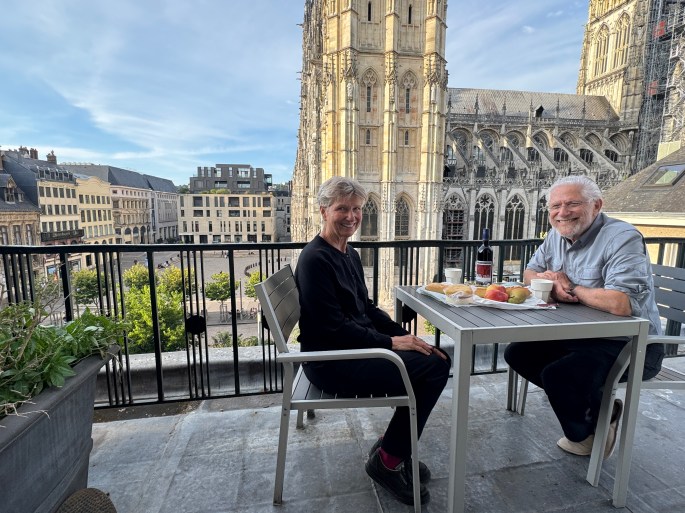
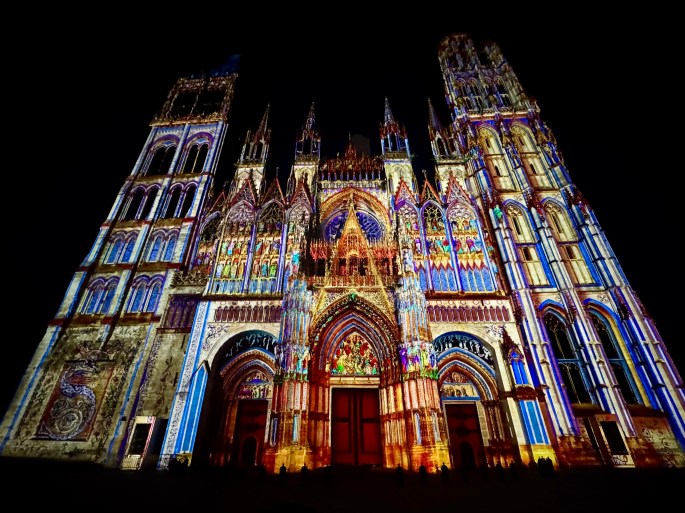
The first cathedral was built in Rouen on this site in the 4th century; it has been razed and rebuilt many times; construction of the current Gothic cathedral began in the 12th century. We secured a room with a nice view…..
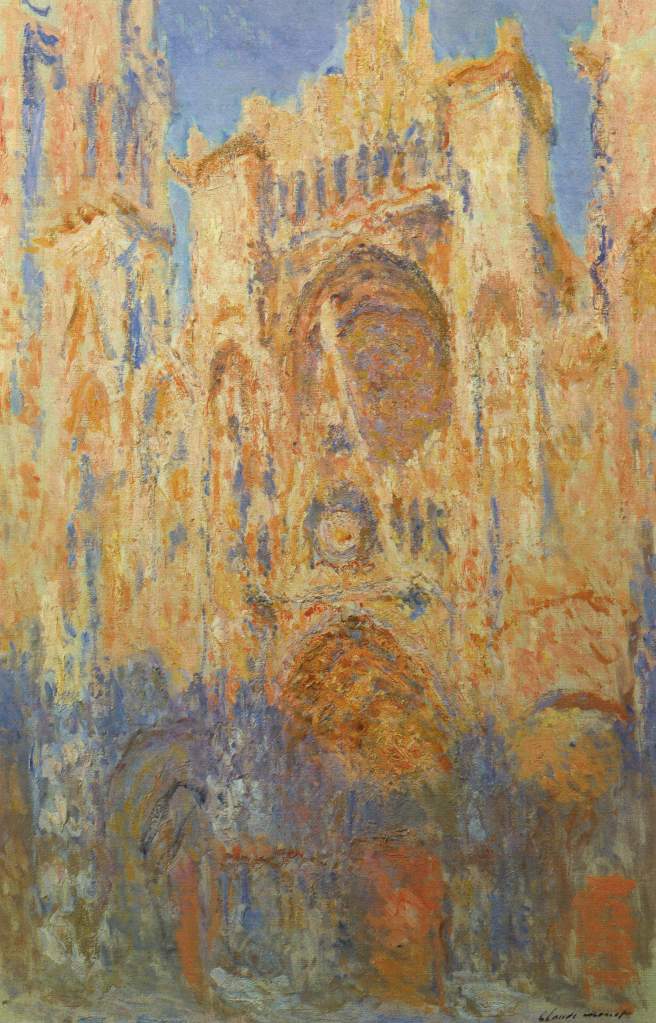
The Rouen Cathedral was famous as the tallest building in the world for about 4 years in the late 1800s….. and in the 1890s, the Impressionist painter Claude Monet commemorated it in a series of about 30 paintings exploring the reflection of light on the front façade.
Today, you can see a light show of a totally different type – undreamed-of by William the Conqueror, Joan of Arc, the cathedral’s architects or even Claude Monet…..
Bruges, Belgium
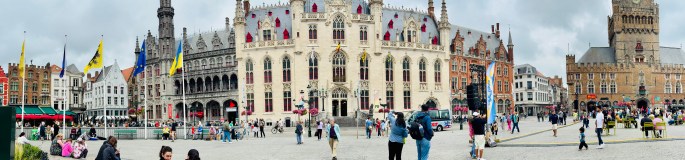
Bruges was rainy, but the town square is always a treat in these medieval cities with lots of character and so many diverse people milling around.
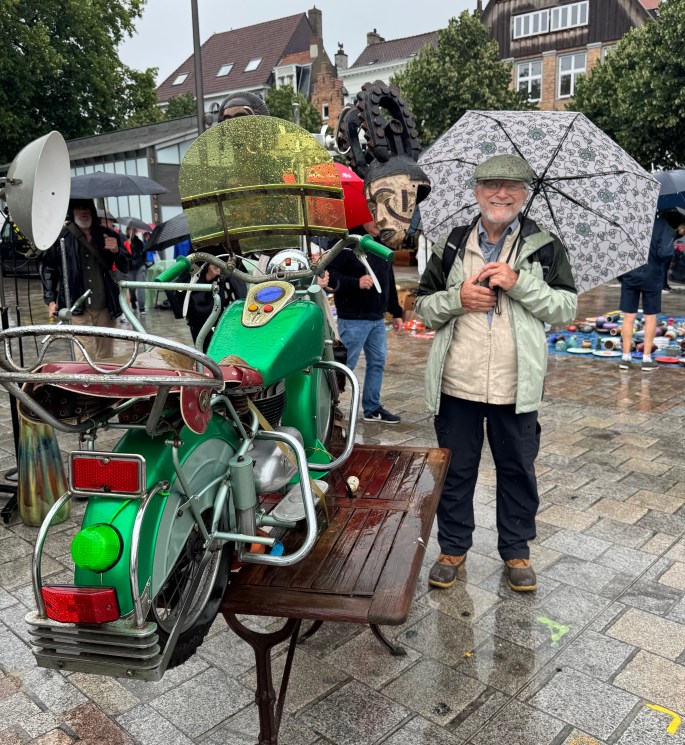
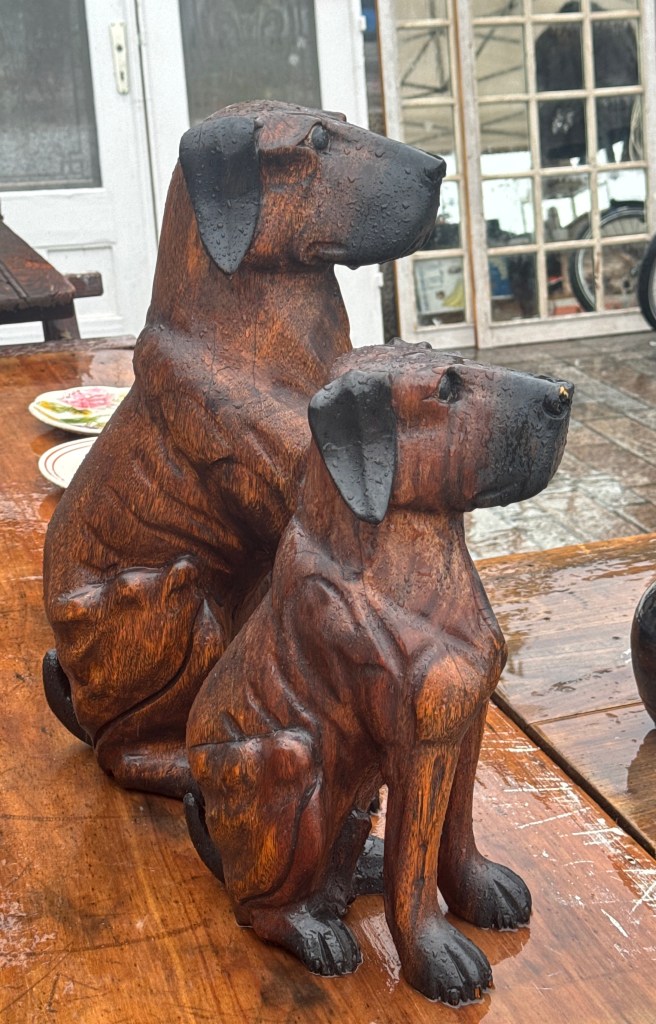
The local antiquities market does not allow the sale of any item less than 50 years old….which made for great browsing.
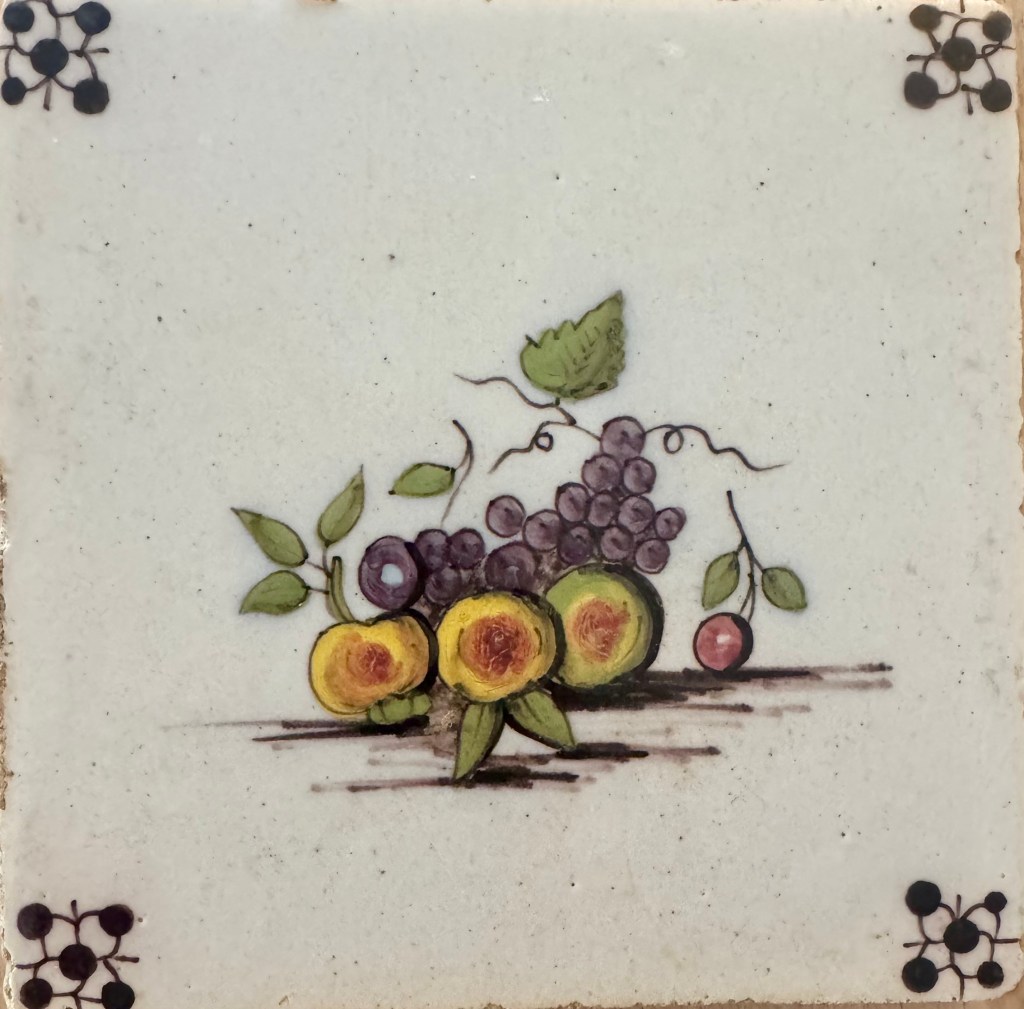
We got a sweet painted Delft tile from the 18th century…..
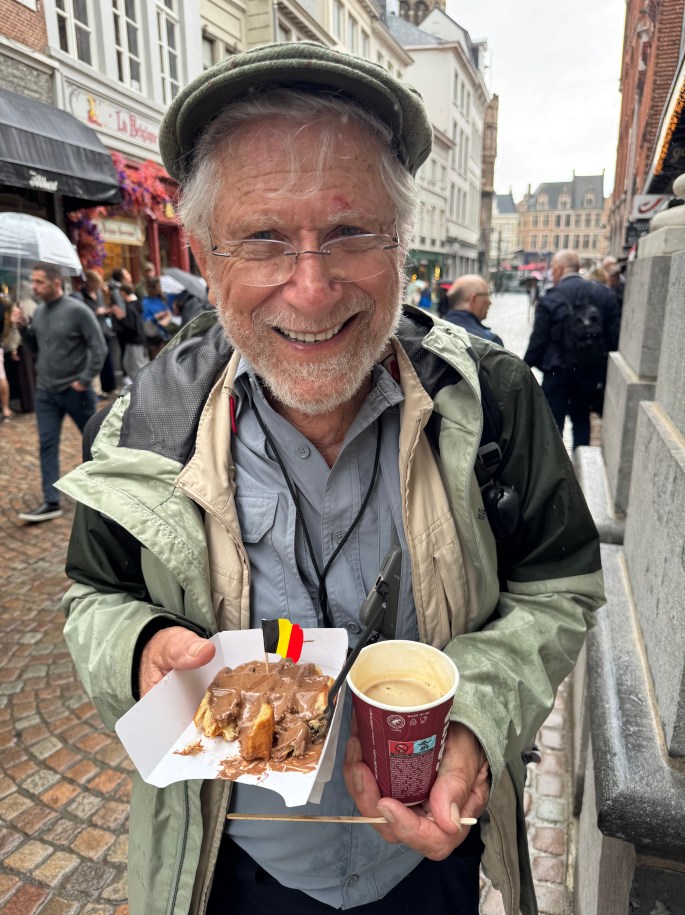
And a contemporary waffle!
Rotterdam, The Netherlands
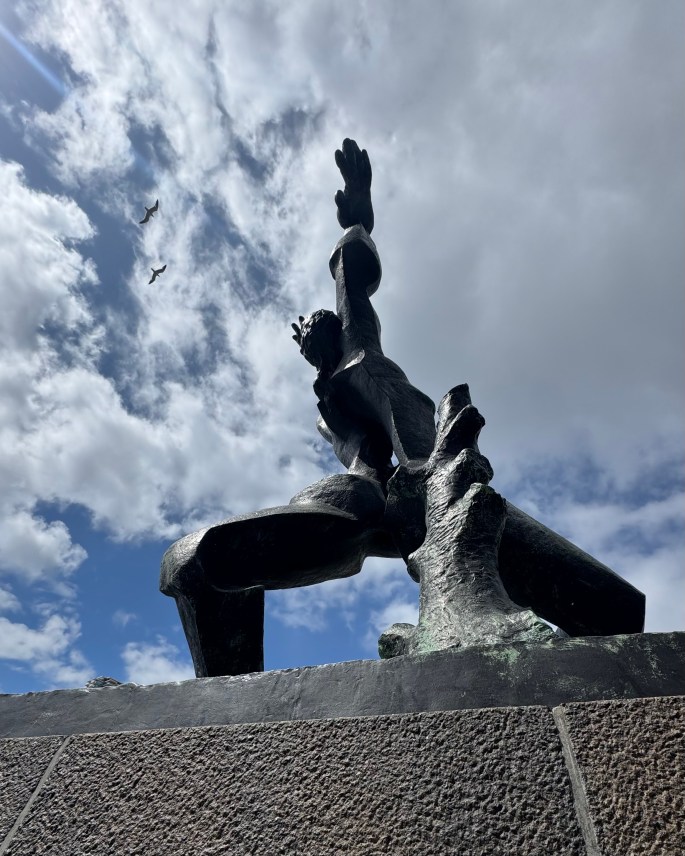
The historic center of Rotterdam was almost completely leveled by German bombing in 1940. A bronze memorial called The Destroyed City was installed in 1953 as an emotional reminder of this event….
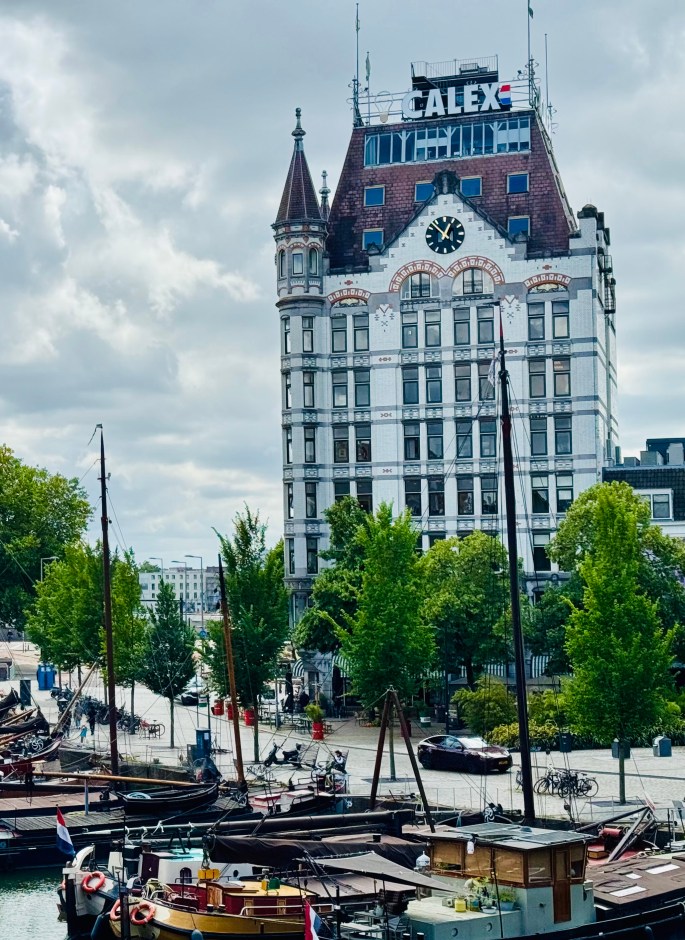
One of the few buildings to survive the bombings is the White House, built in 1898… at 10 stories, the first high-rise building in Europe.
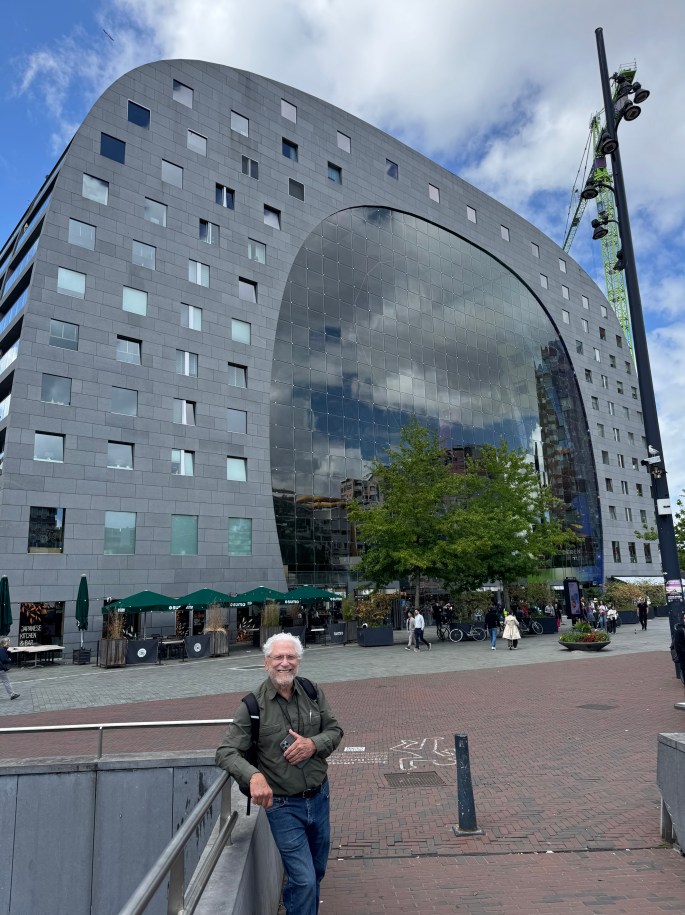
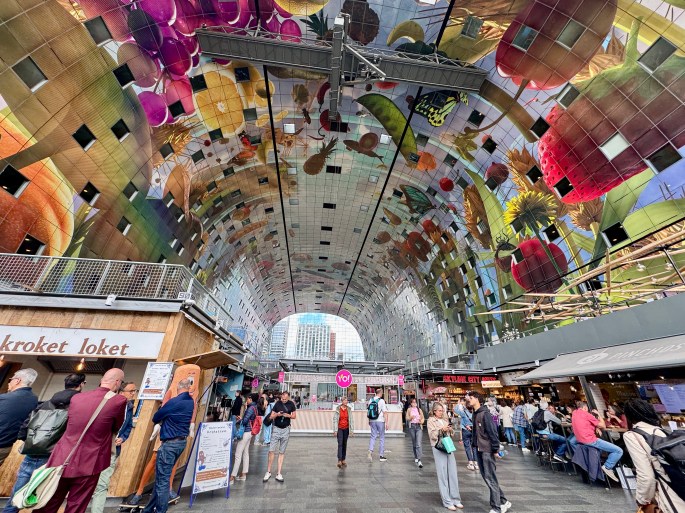
The people of Rotterdam, however, chose to embrace modern architecture going forward after the devastation of World War II…… including huge public spaces, pedestrian shopping streets, and some fabulous buildings, including the market hall…..
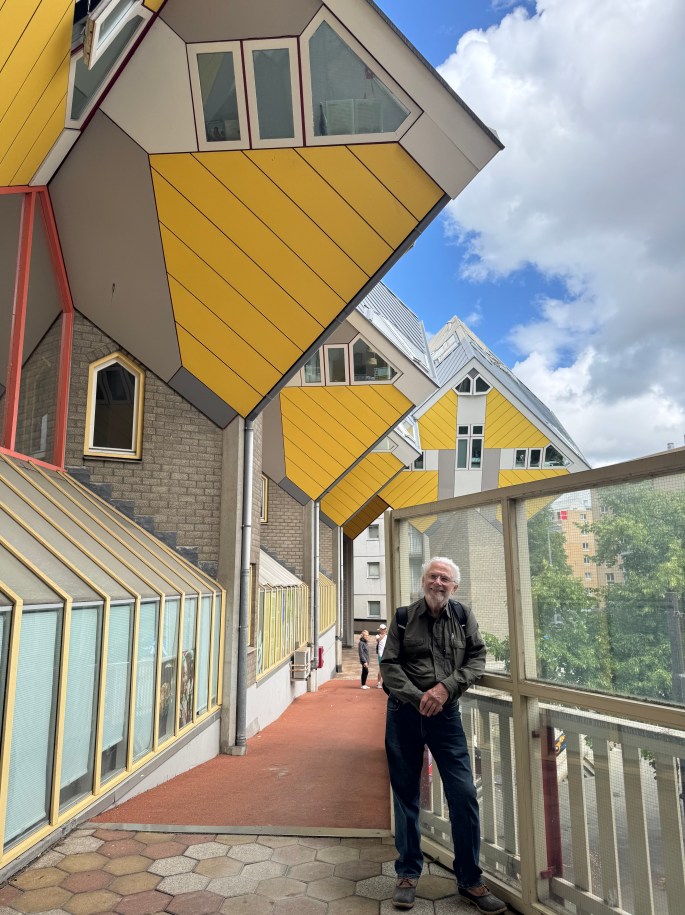
The Cubes…. An art installation with commercial and residential space….
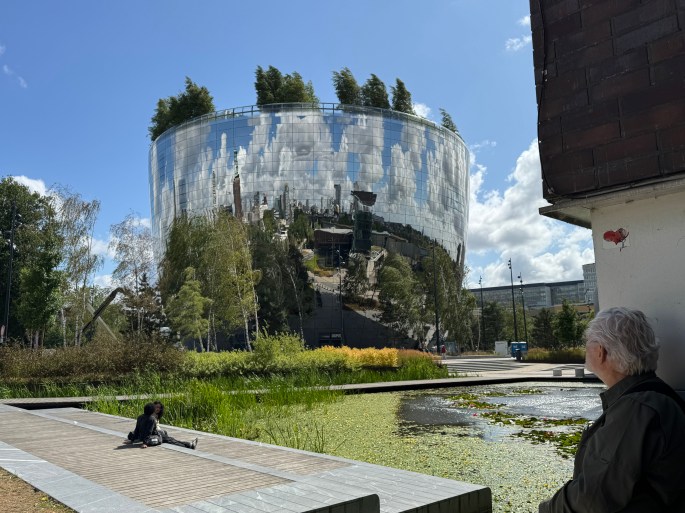
And an art storage facility called the Depot of Museum Boijmans Van Beuningen…..
Amazing that bicycle, motorized vehicle and human traffic coexist so comfortably in this modern city……
Gothenburg, Sweden
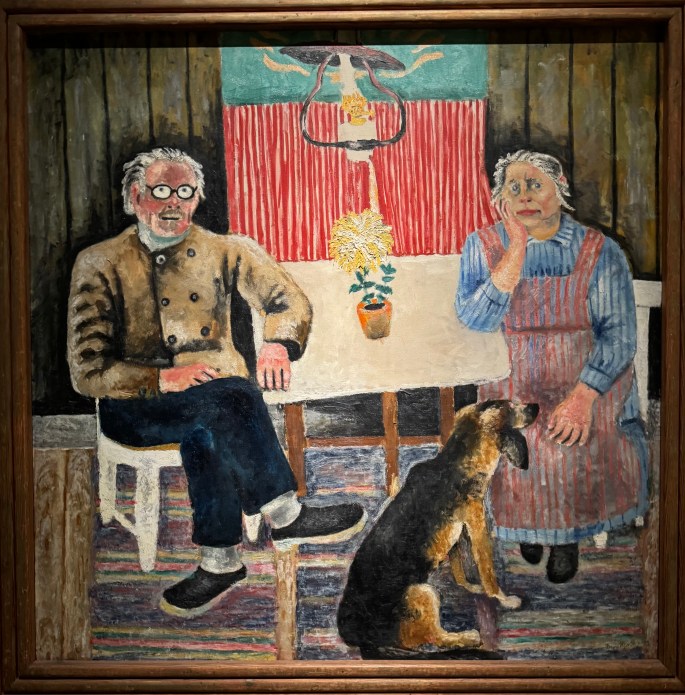
Gothenburg deserves more than a single day to explore, but art was in the forefront for our short stay, starting at the Art Museum…
Not sure about the woman and the dog, but the guy in this picture looks especially Swedish to me!
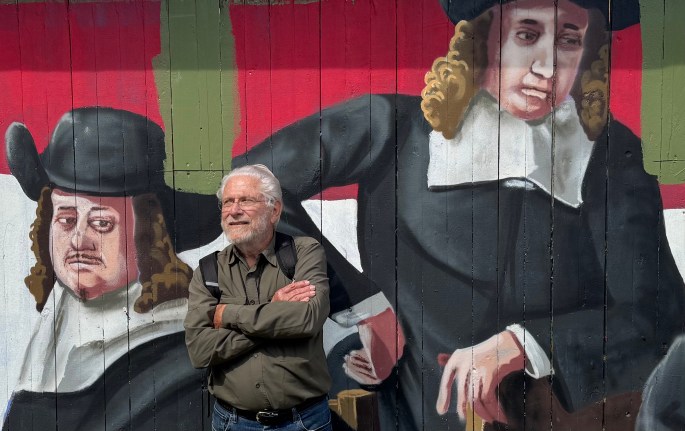
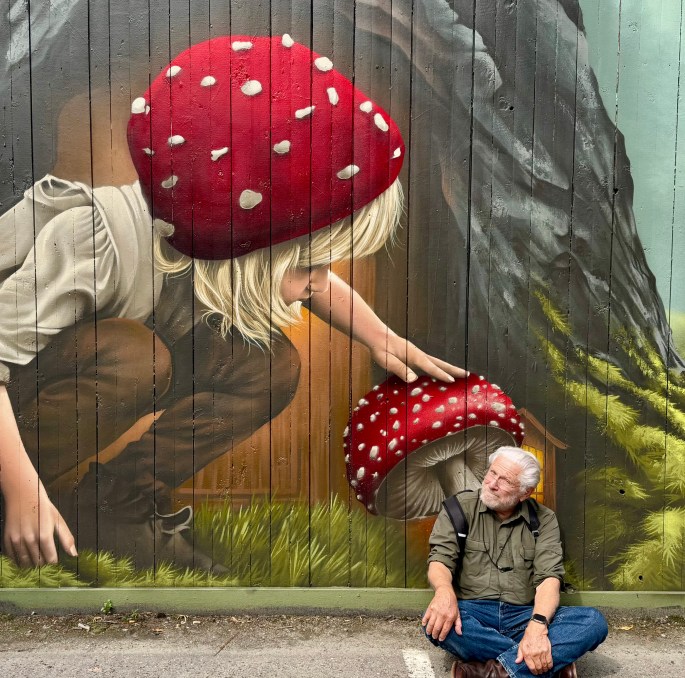
Street art……
And fiber art!
Caleb found a lot to like in the Swedish meatballs…..
From Gothenburg, we spent a last night together on the Silver Shadow……
….. before arriving in …..
Copenhagen, Denmark
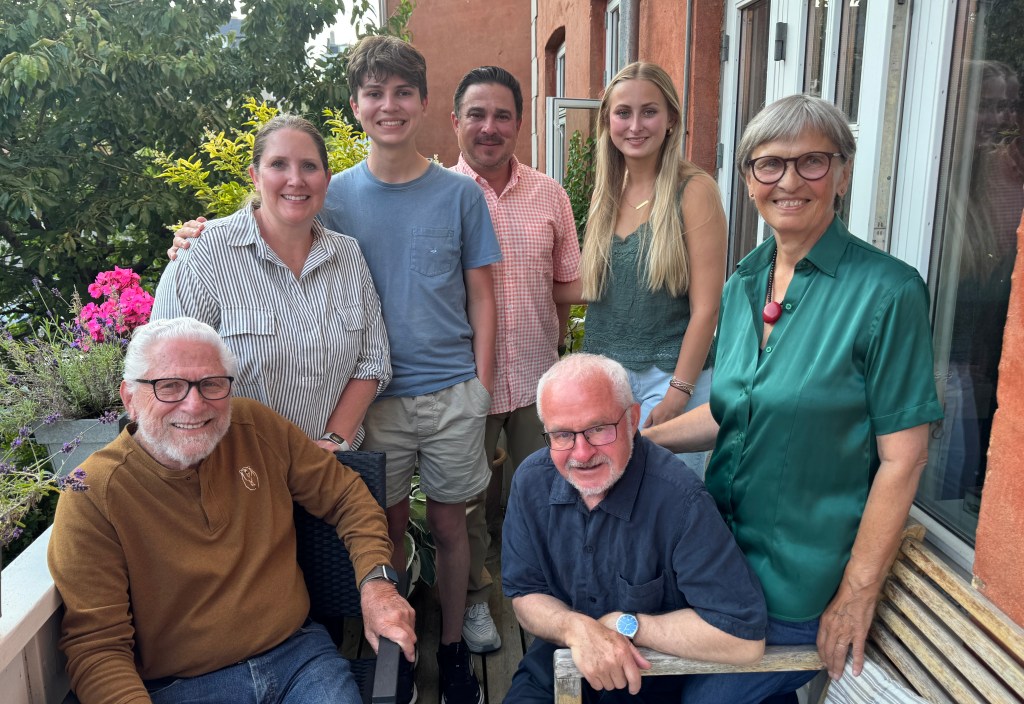
A highlight for all of us was an evening at the home of a Danish couple who are close friends with Margaret, a buddy of Henry’s from way back. Jette and Hans Otto gave us a delightful dinner, but even more fun was the lively conversation. We had a chance to trade our personal stories, and our perspectives on things happening in both our countries. So much to think about and be grateful for…..
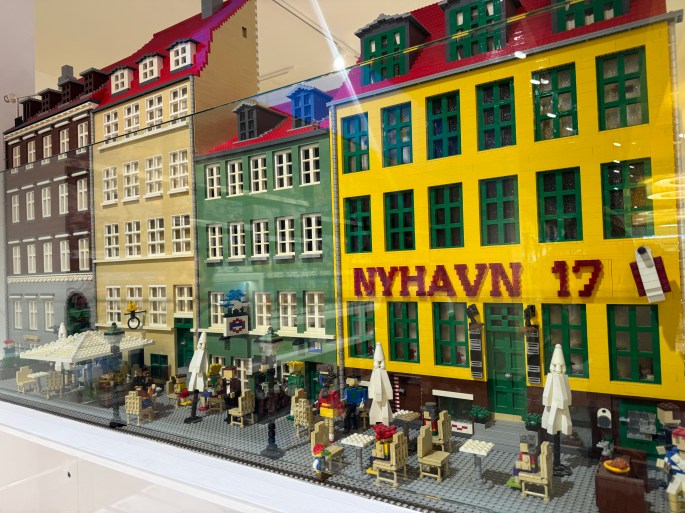
Holly, Matt, Lily and Caleb are heading home from Copenhagen, but not until after we visited the giant Lego store there…..
….. Helped out with the changing of the palace guards…..
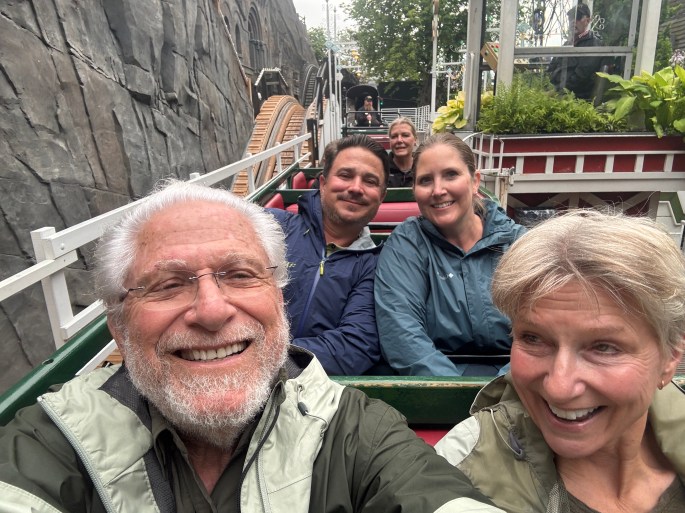
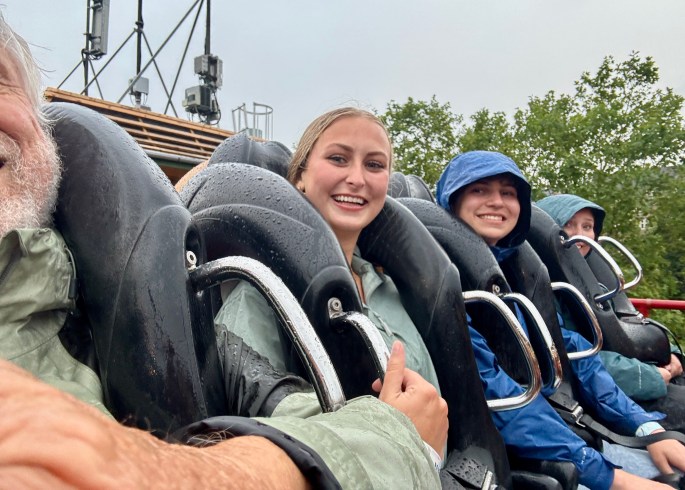
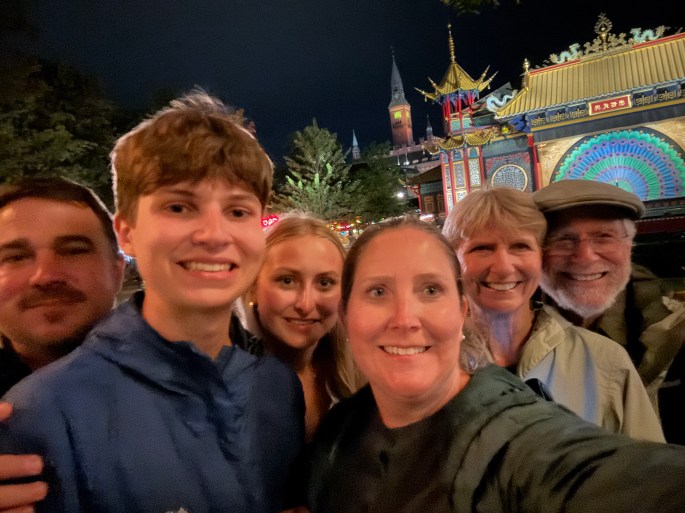
… and – in spite of rain showers – managed a visit to Tivoli Gardens, an entertainment venue that was one of the first amusement parks in the world.
The rain slacked off, we had a nice dinner, and concluded the evening at a live concert by the American band Train, which coincidentally was one of Holly and Matt’s favorites from their college days…..
We enjoyed having Matt, Holly, Caleb and Lily on this part of the trip with us….
We hope they enjoyed it and learned as much as we did about this part of the world. They now return to their lives in the US while we continue on with explorations of Scandinavia ….. by land.
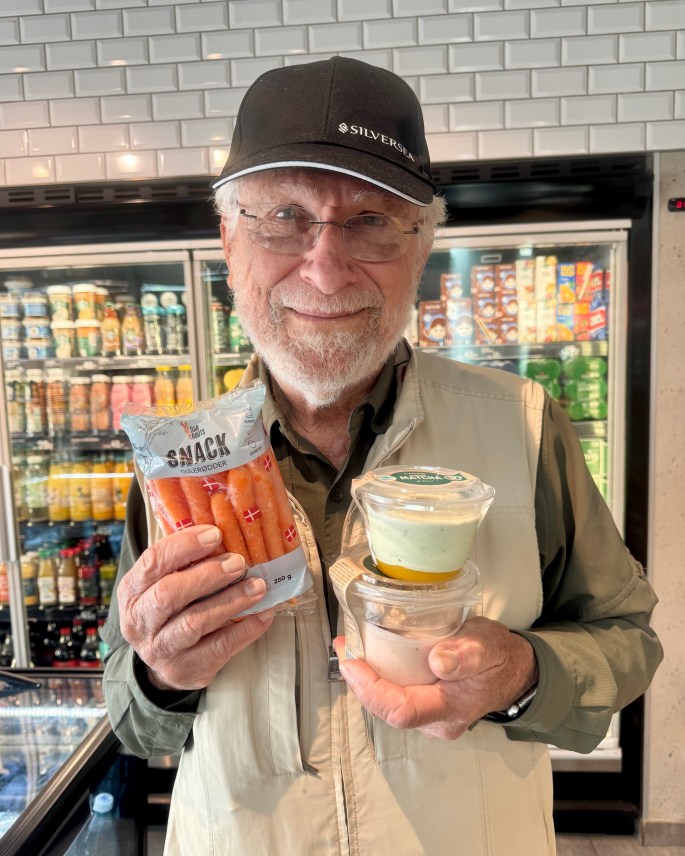
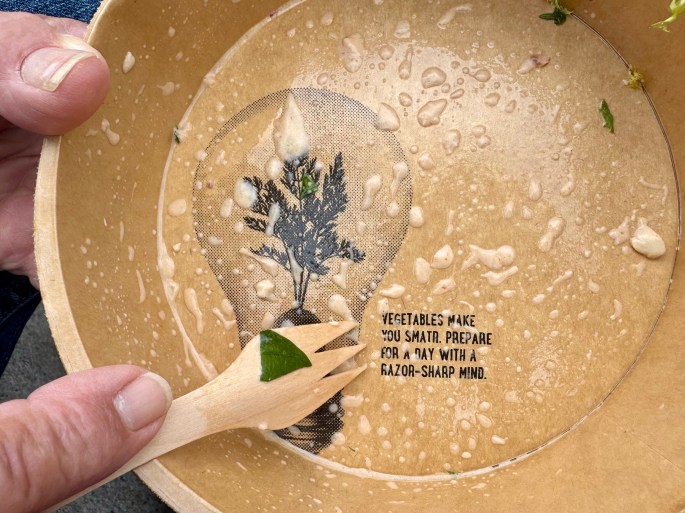
Our favorite food venue….. 7-11. Just as in Japan, this convenience store shows up all over the city, with an amazing array of fresh food, coffee, booze and other products…. AND it reflects values that are embraced in this society…..
Healthy snacks – not just over-cooked weenies.It’s always Pride Month here!And fully compostable wood-based utensils with a message about healthful eating!
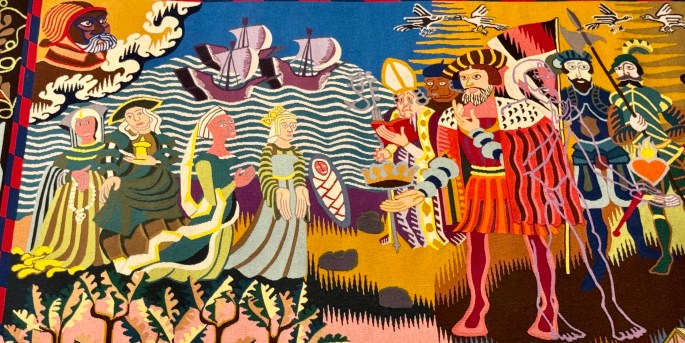
Also colorful were a series of fabulous tapestries depicting Denmark’s history that were commissioned for Queen Margrethe in 1990. (She retired as queen in 2024, relinquishing the crown to her son Frederick X.) The detail is dazzling.
This shows the 20th century – can you find Mao, Donald Duck and the Beatles?Detail of Columbus announcing his “find” of the New World…..
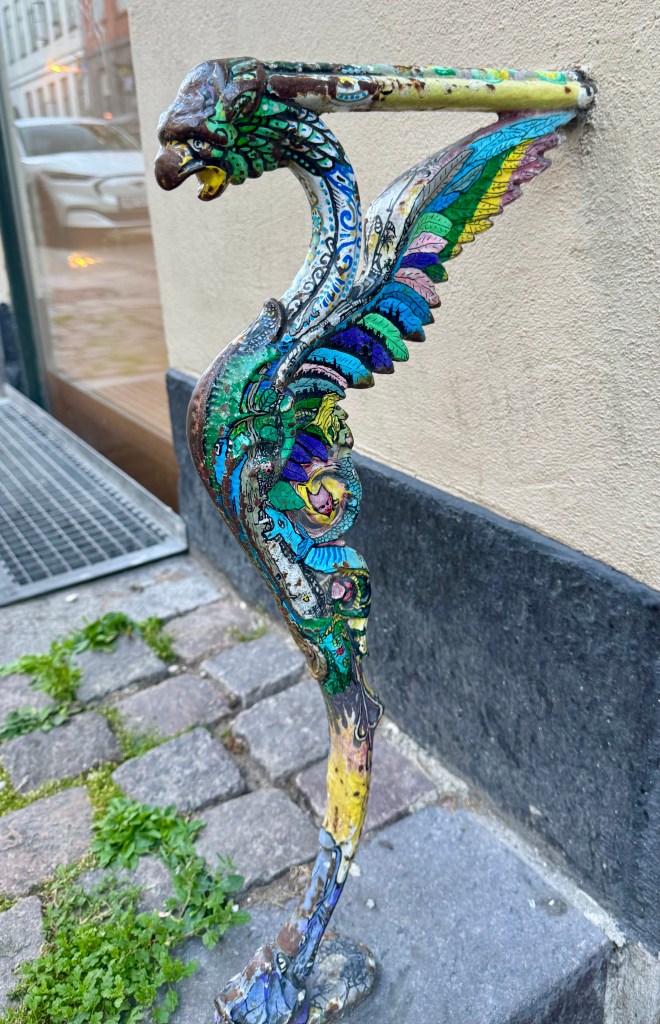
A little bit of street art….
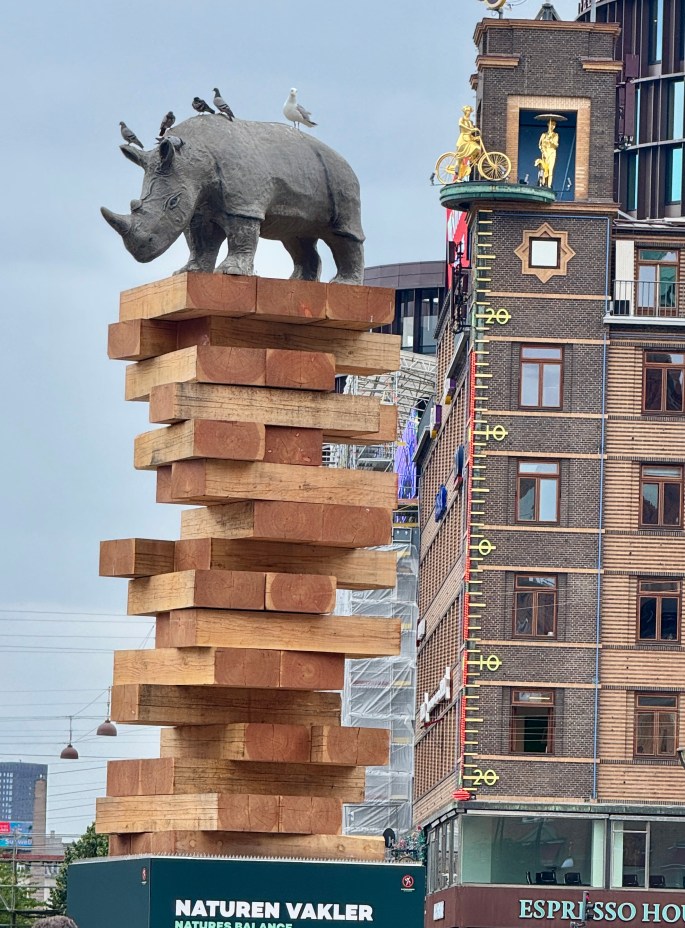
Town Hall Square had a rhino on blocks… a reminder of the importance of the natural world.
On the right of this picture is an intriguing outdoor weather station…. With the temperature shown in celsius on the gauge along the corner of the building. At the top is a little carousel where in good weather, a young woman rides her bike; in bad weather, she emerges with an umbrella.
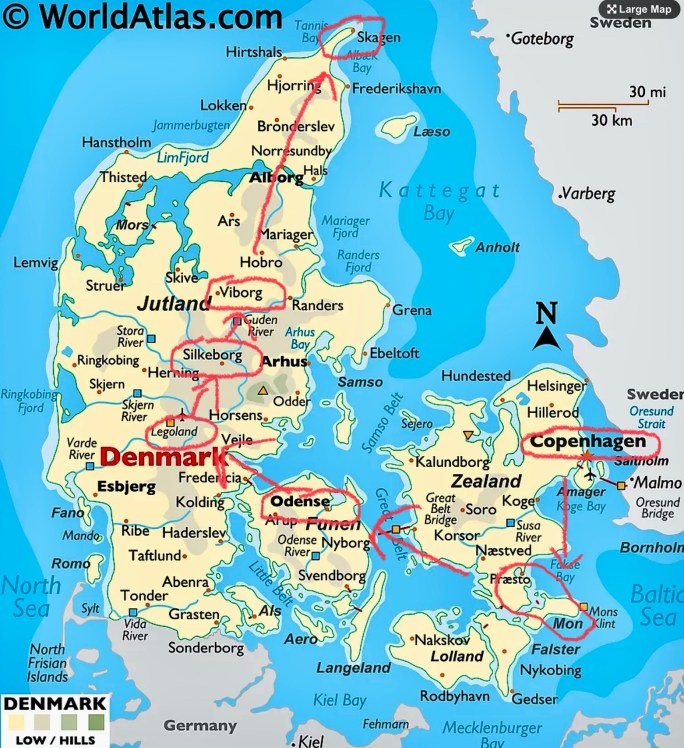
From Copenhagen we wandered a bit…. For those of you who may not be familiar with Denmark’s geography, I have marked up this map to show our path…..
Praesto/Møn
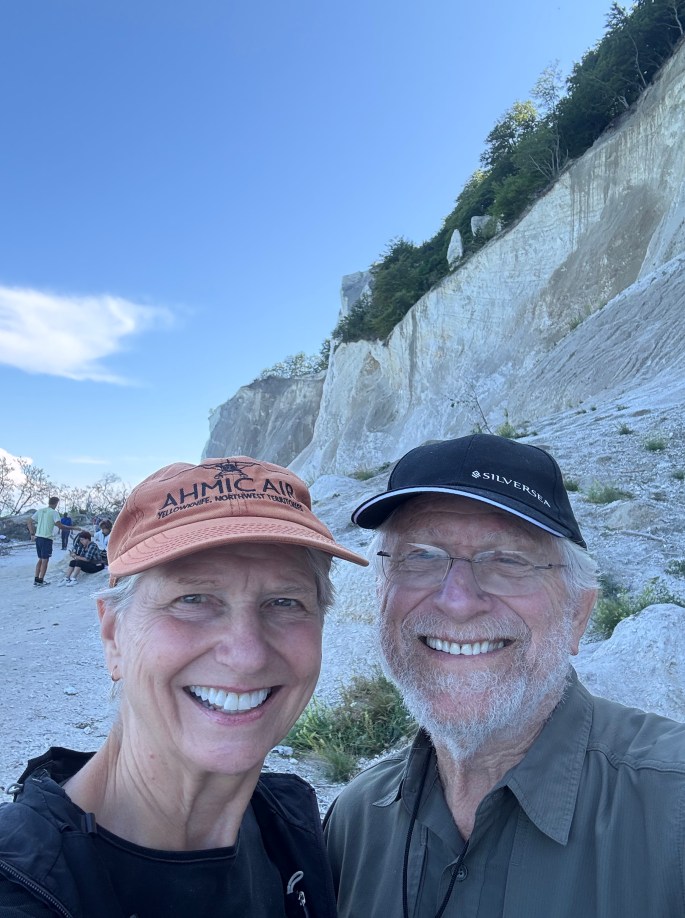
From Copenhagen, we moved south across the eastern island of Zealand to visit Møn Klint, a towering chalky cliff.
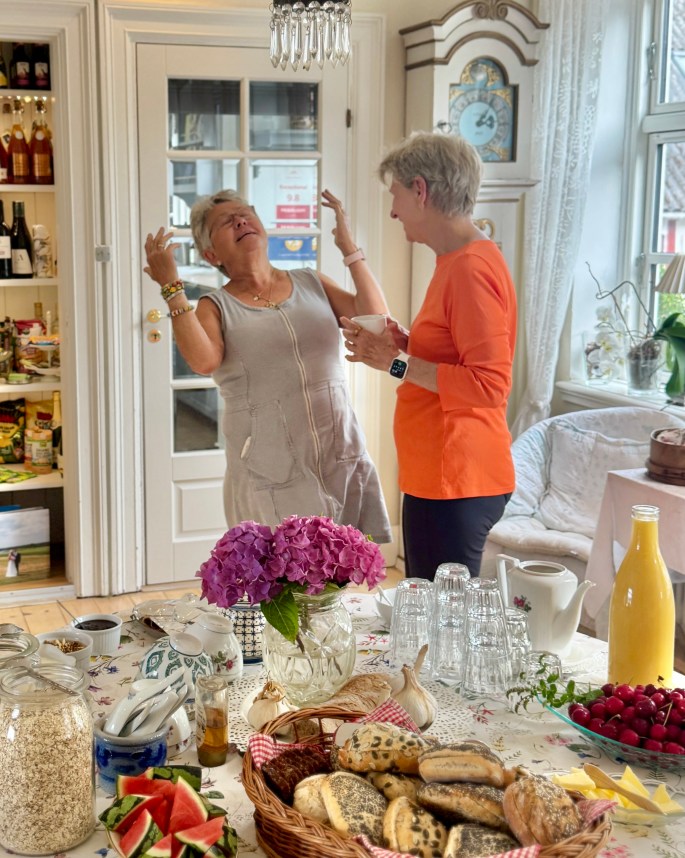
We stayed near the town of Praesto at a wonderful bed and breakfast with delightful hosts Anette and Filip
Anette was responsible for this fresh and colorful breakfast spread; Filip is an honorary consul for Estonia, involved in promoting both tourism and commercial activity in that Baltic nation. We really enjoyed spending time with them and exploring this lovely property.
Odense
From there, we went to Odense on the middle island of Funen – where they have a good zoo with some happy manatees…..
This fine statue of Oceania occupies a central square…. But she doesn’t get a lot of respect from the local children…..
Henry finally got a chance to ride on one of the rental scooters that are commonly used for transport..
Billund
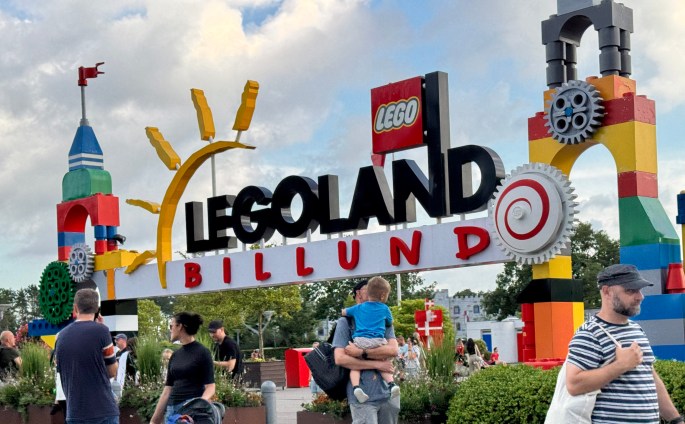
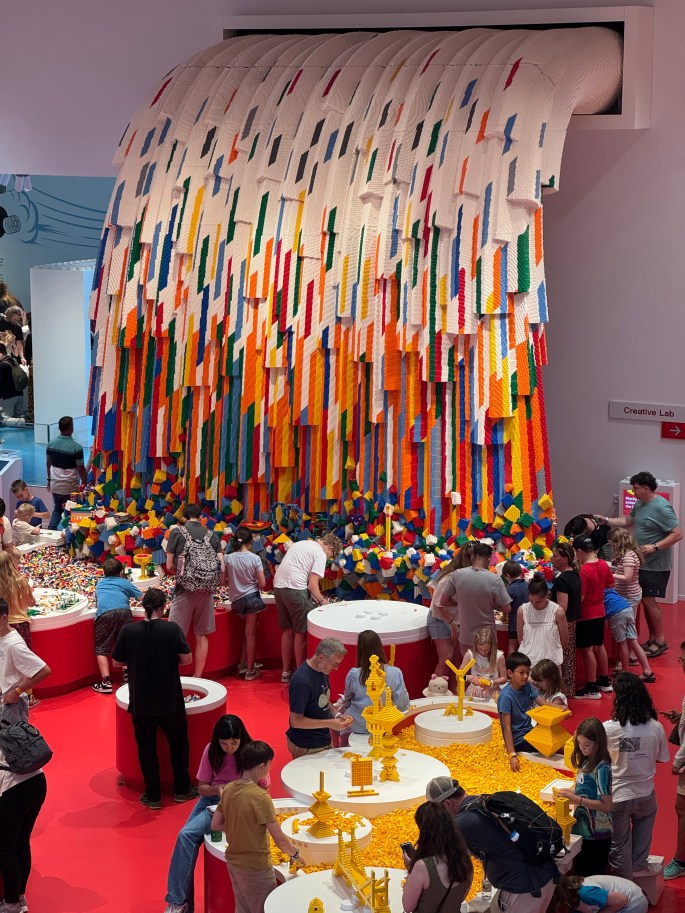
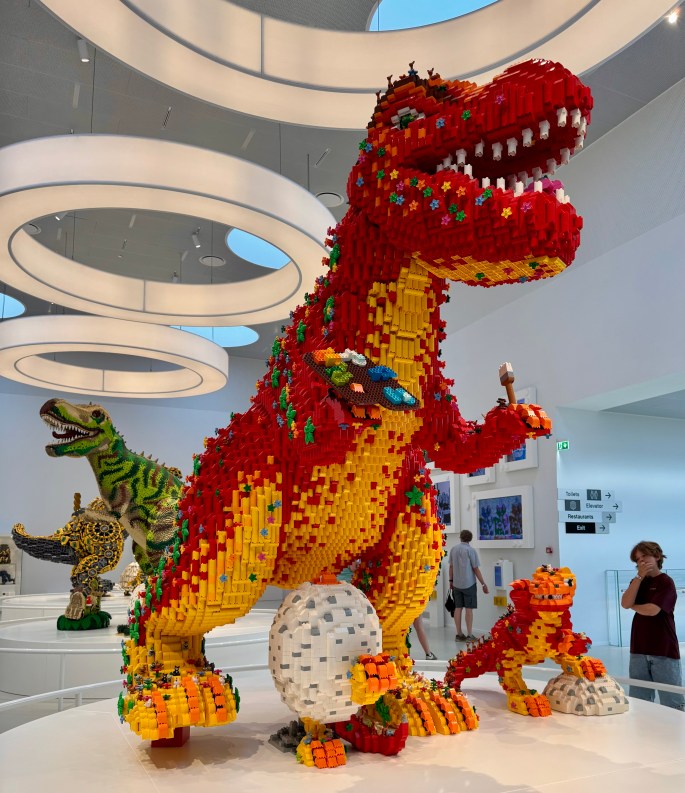
A Mecca for children and AFOLs (Adult Fans of Lego)….. Billund, the home of Lego. A carpenter here named Ole Kirk Kristiansen began making wooden toys during an economic slowdown in 1932. He named them Lego in 1934, derived from the Danish phrase for “play well”, and started making the plastic interlocking bricks that we now know so well in 1947….. an incredibly successful and enduring business.
Even in summer with so many families on vacation, the Lego people have activities well-organized and only sometimes are we elders overwhelmed with the crowds…
Loads of interactive areas for creative minds…..
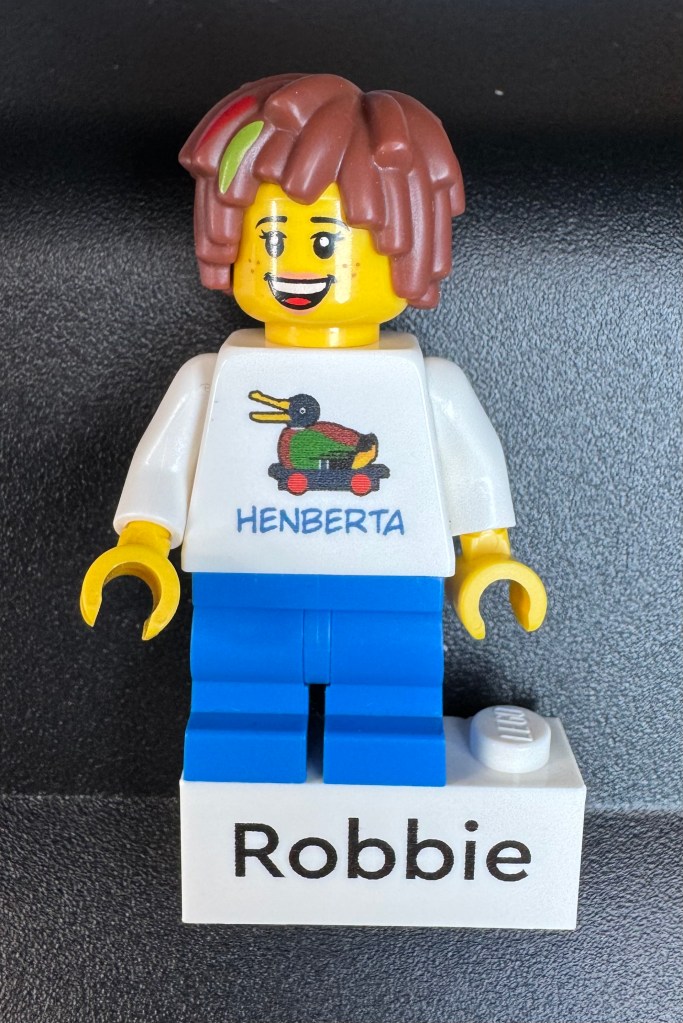
You can make your own mini-figure with artwork that is exclusive to Lego House in Billund…..
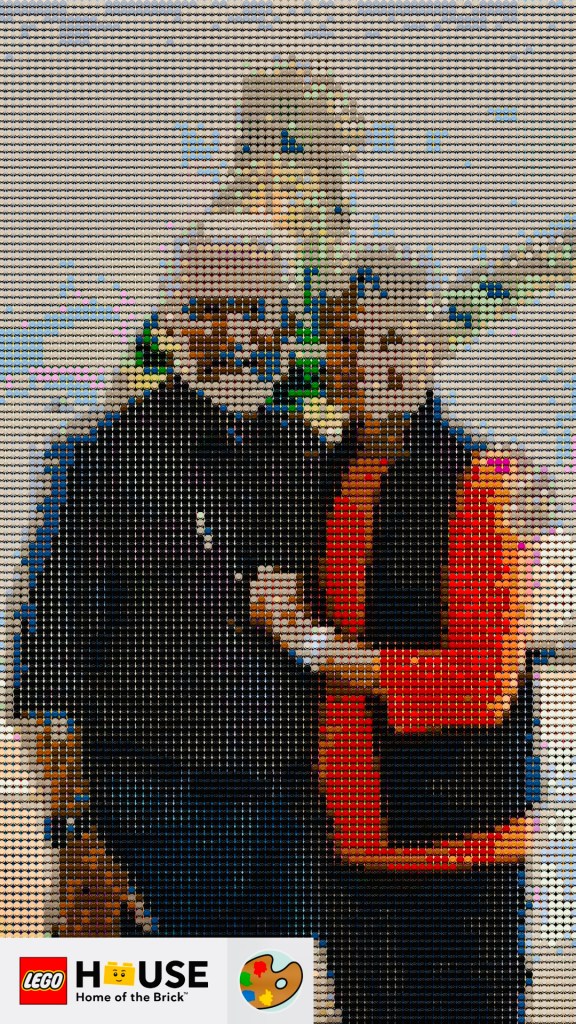
….And generate a photo-based Lego mosaic!
Silkeborg
And now we return to what has become a theme on this trip….. peat bogs! Do you know about the bog people? Peat bogs are uniquely suited to preserving things…. Including human remains.
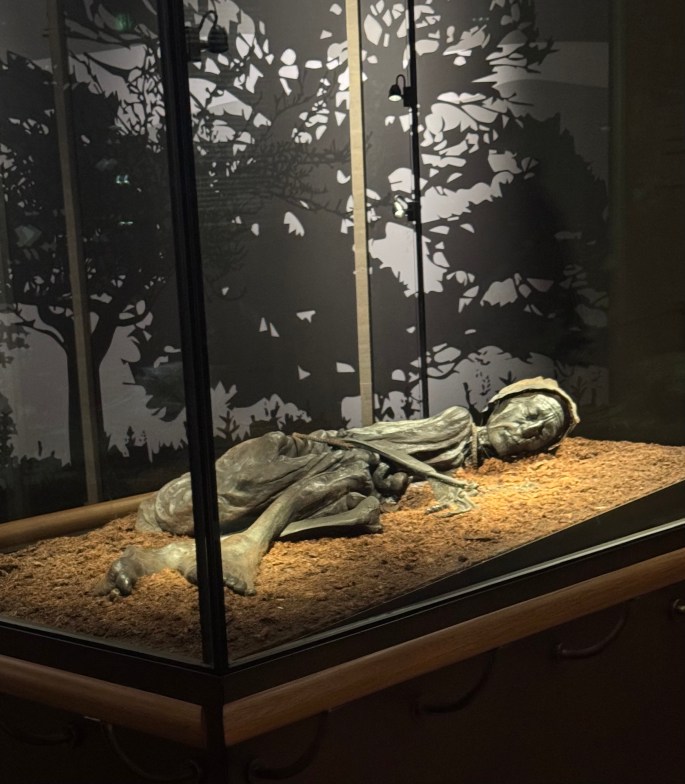
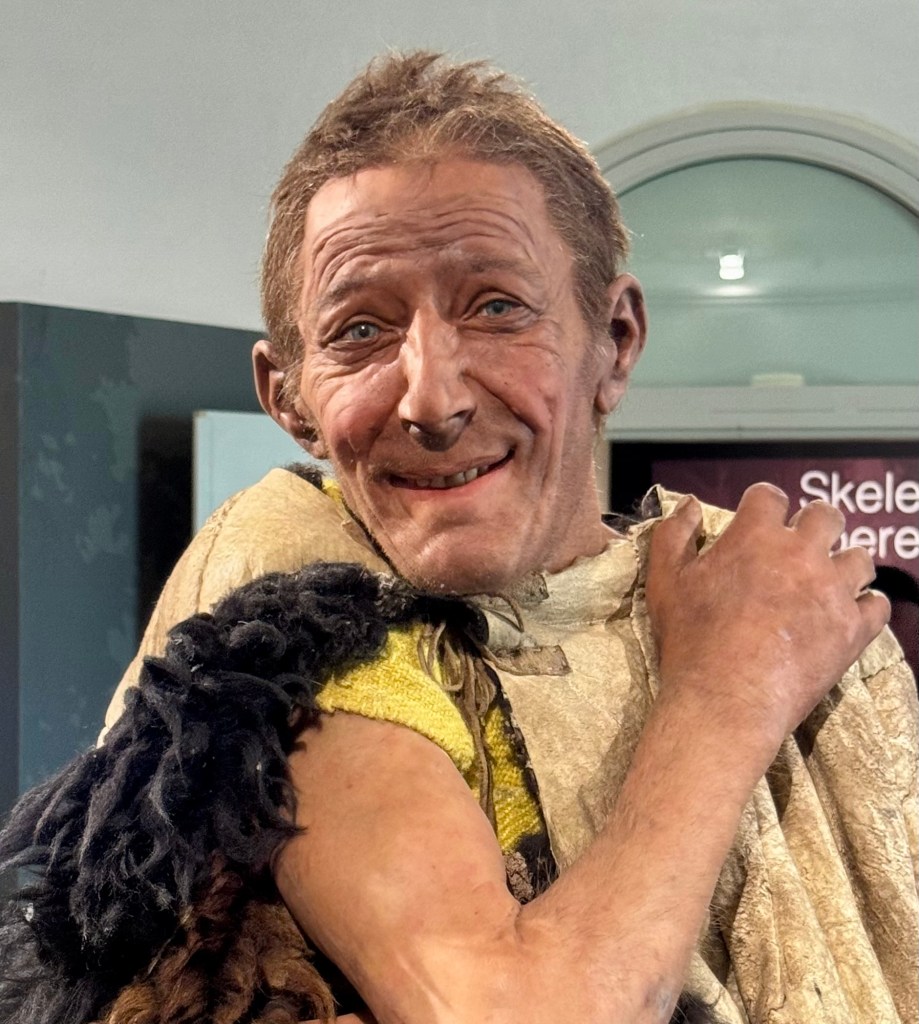
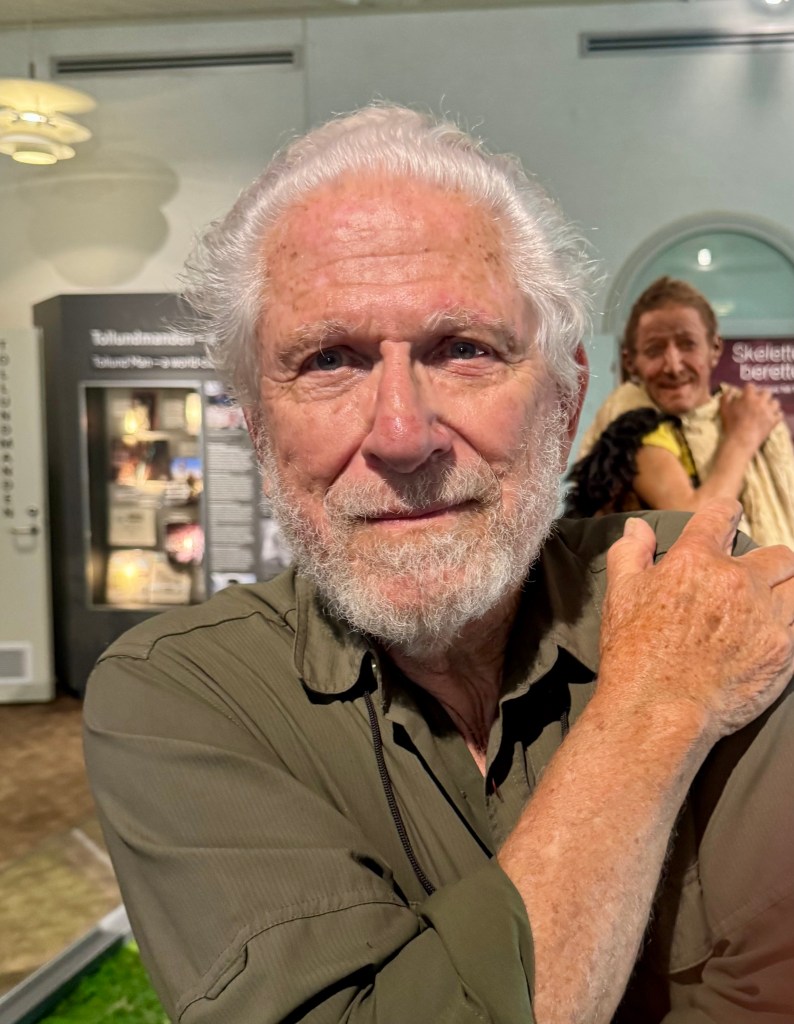
Tollund Man is one of the finest preserved corpses ever found…. In 1950 in a peat bog near Silkeborg, Denmark. His death occurred in the early Iron Age between the years 405 and 380 BCE…. 2400 years ago! It is most reliably believed that he was sacrificed by hanging (the rope was still around his neck when his remains were found.)
Visiting Tollund Man was an intimate and stirring experience. You creep into the room quietly, because you truly feel like you just might wake him up!
Nobody knows what kind of religion or spiritual beliefs people had in the Iron Age. Humans then and today yearn to understand something about why we are here and what may lie beyond this existence. Folks in the Iron Age may have regarded the bogs and wetlands as portals between the everyday world and that of the gods….. making the bogs likely places for rituals… including human sacrifice.
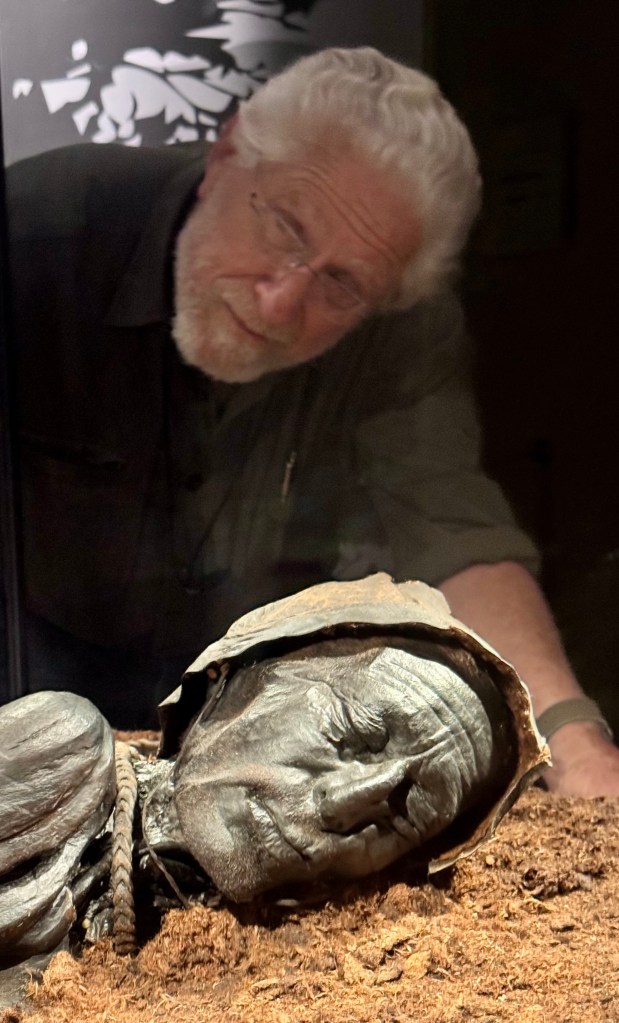
Scientists have generated a model that projects what Tollund Man may have looked like….
Tollund ManModern ManI’d gladly share a beer with either one…..
Viborg
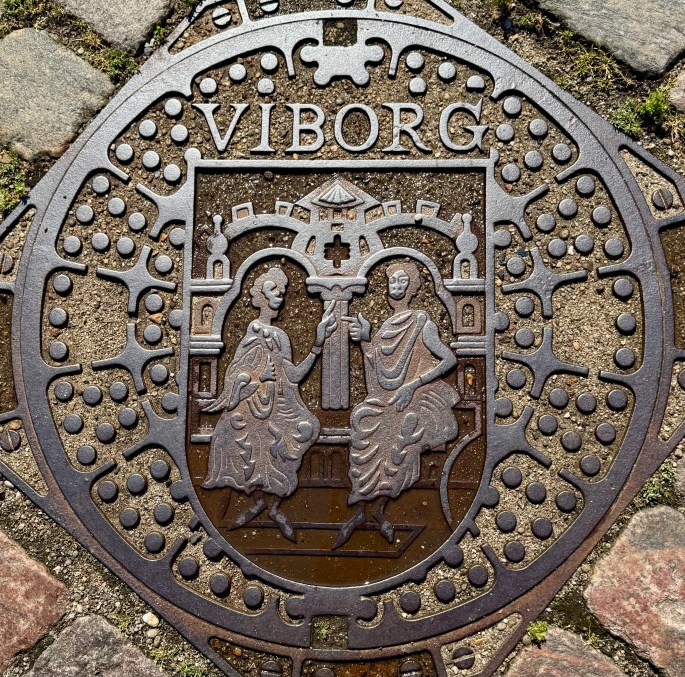
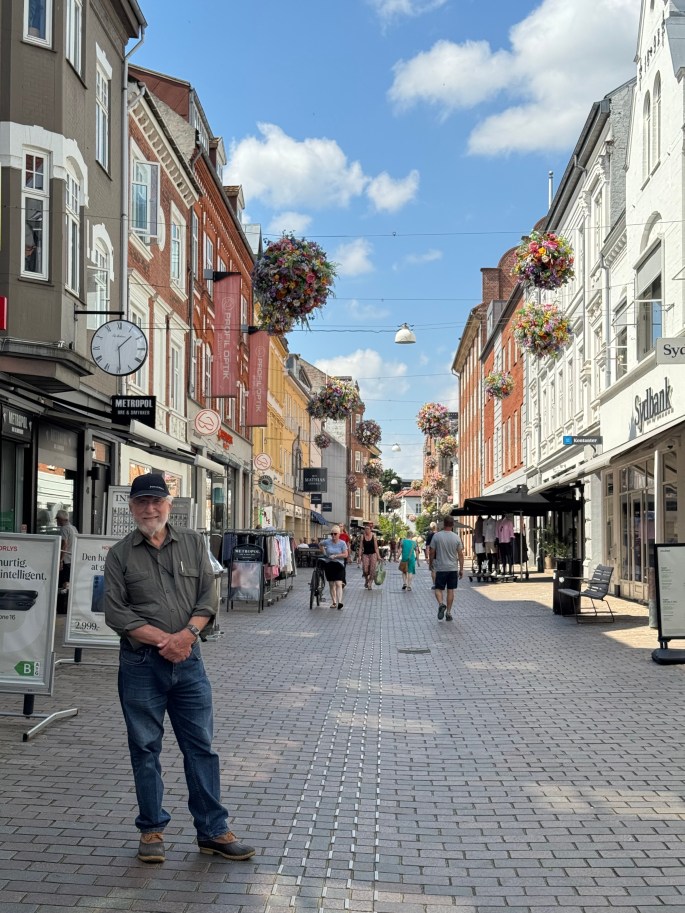
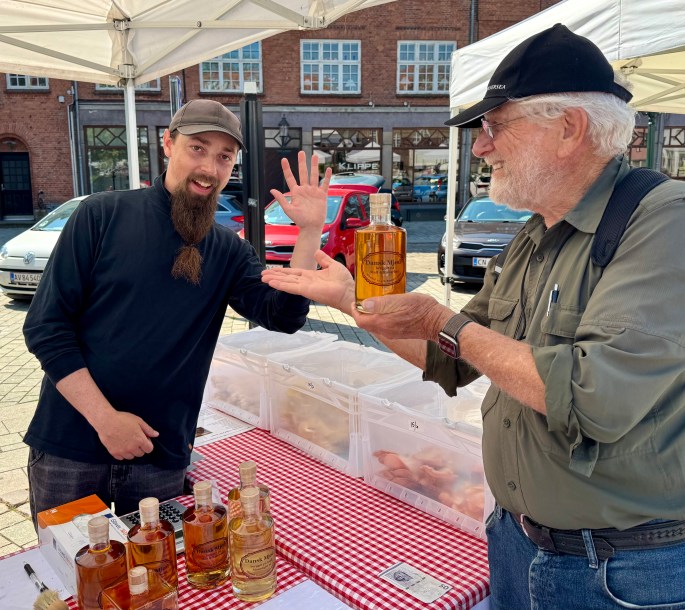
Viborg is in the same lake region as Silkeborg, but not quite as crowded with summer travelers. We enjoyed just wandering around, visiting the small market to buy some mead (wine made with honey) and chatting with locals.
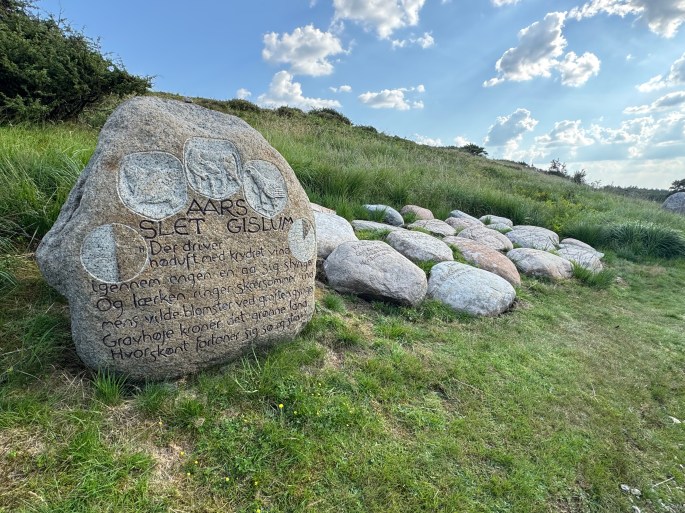
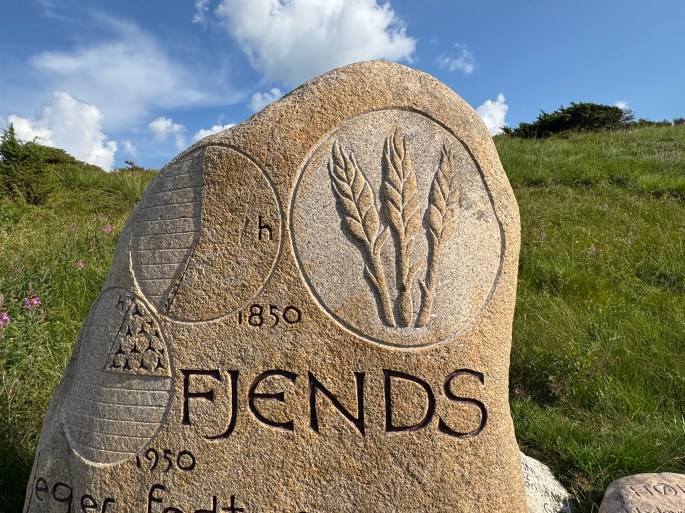
Near Viborg lies Kongenshus Memorial Park, set in a valley in a beautiful moorland. Over 1200 stones have been erected in tribute to the simple farmers and their families who converted the wild heath into crop land. How refreshing to celebrate the “common” folk and the sacrifices they made to feed themselves and others…….
Each stone shows a farmer’s family’s names (including wife and children) and the progress made on their patch of land between 1850 and 1950.
Now, of course, naturalists are working to restore the original ecosystem with good results. Another example of just how powerful Mother Nature is, especially when she gets a little help from human partners.
Skagen
Skagen is a picturesque town at the northern tip of Denmark…
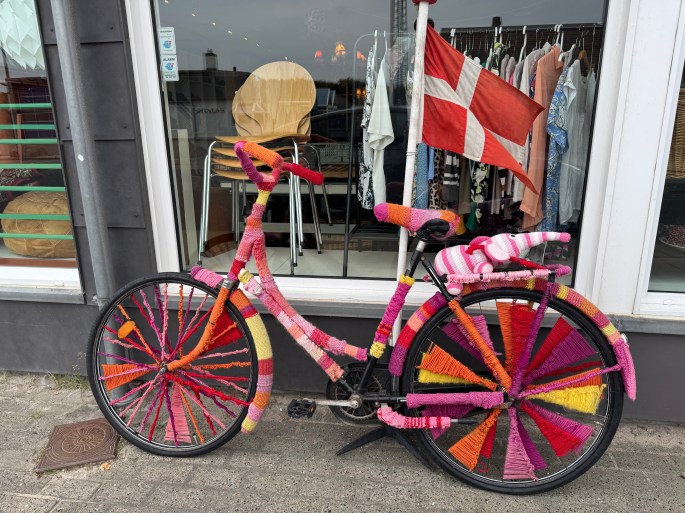
More fiber art!
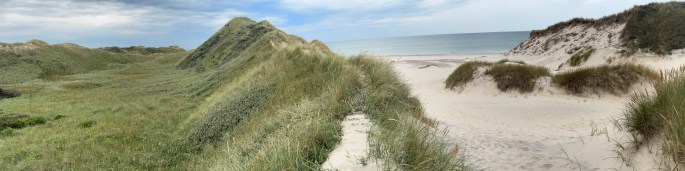
Its cuteness and proximity to pristine beaches means it is covered up in summer with holiday merry-makers. We managed, however, to find a remote bit of coastline with some beautiful challenging sand dunes and nice walking paths.
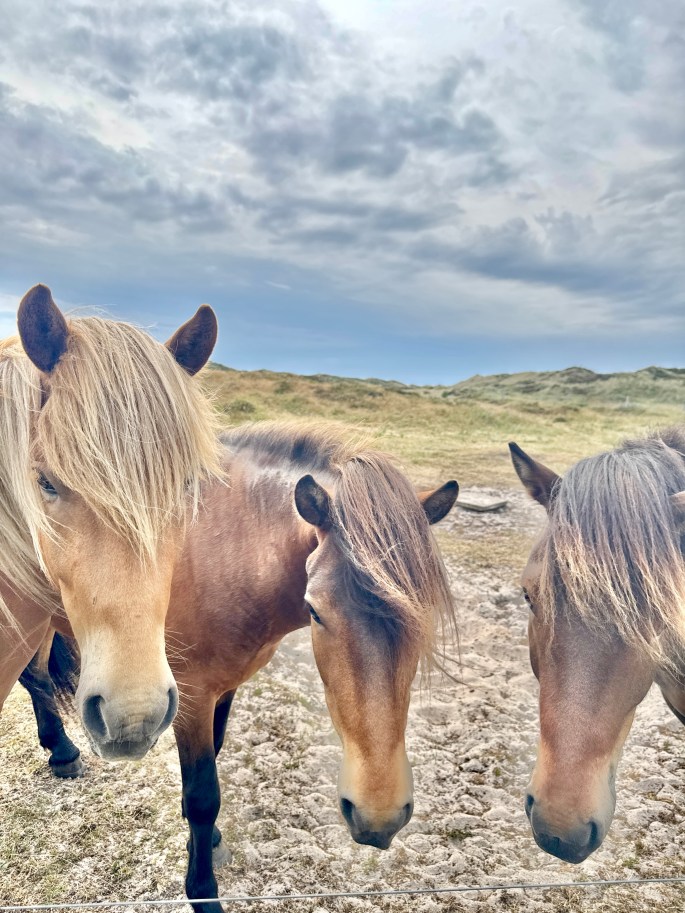
And some friendly horses!
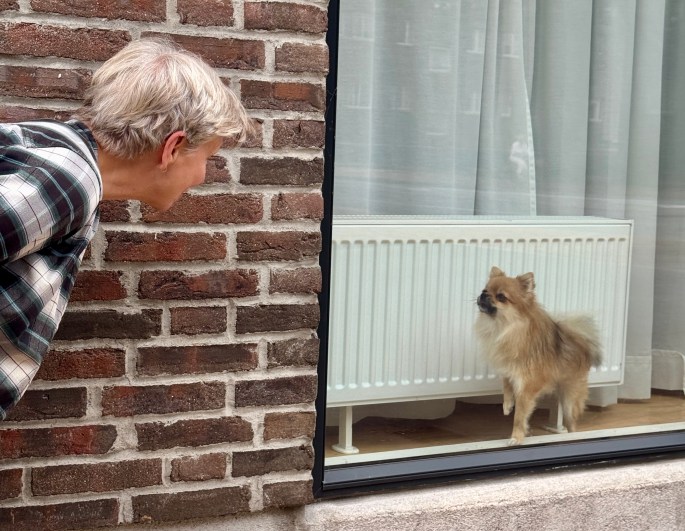
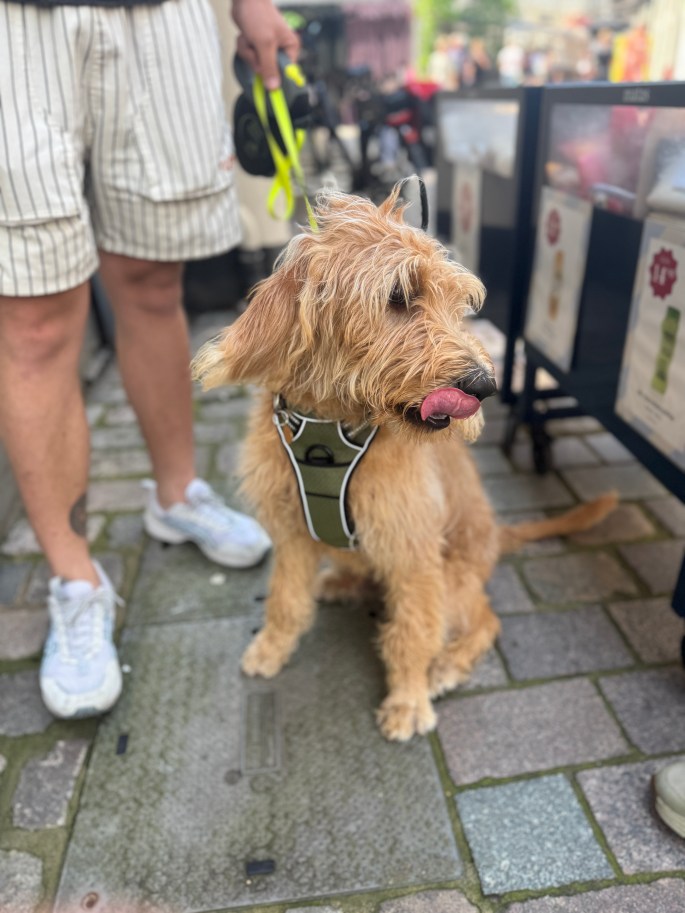
And a selection of the usual pix – animals, food and flowers
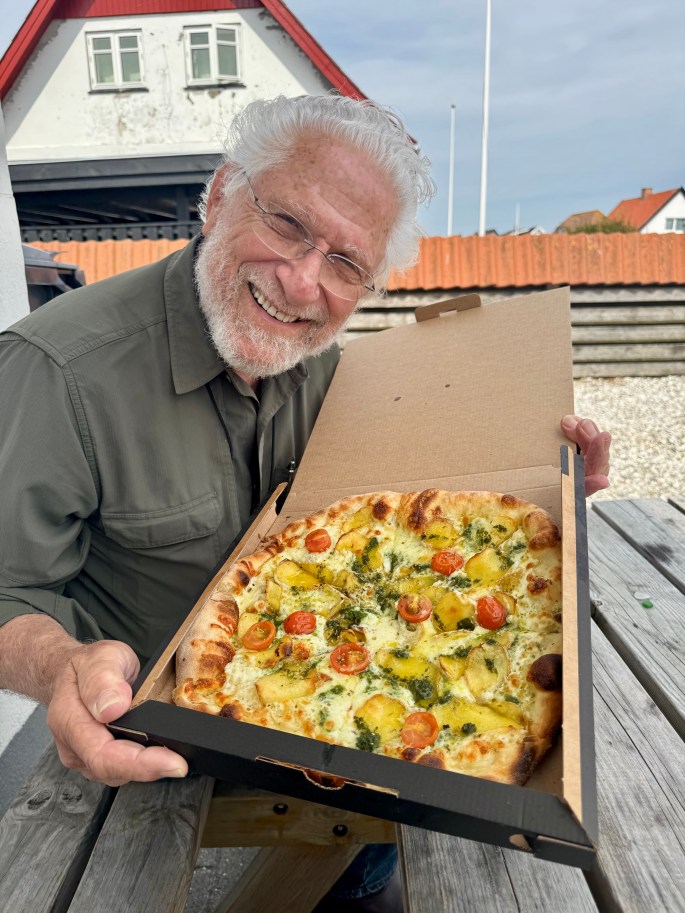
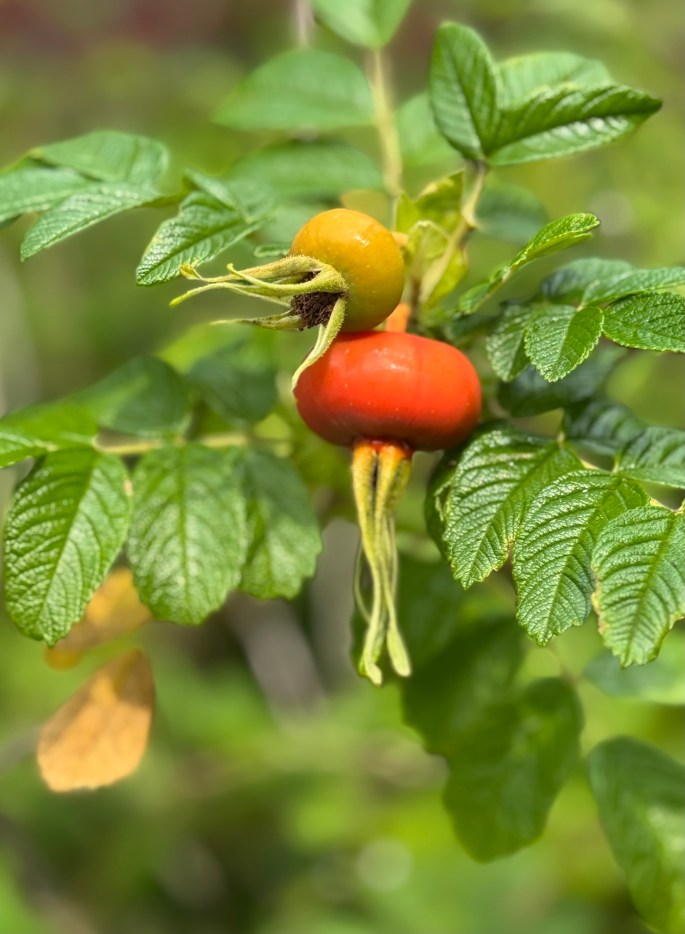
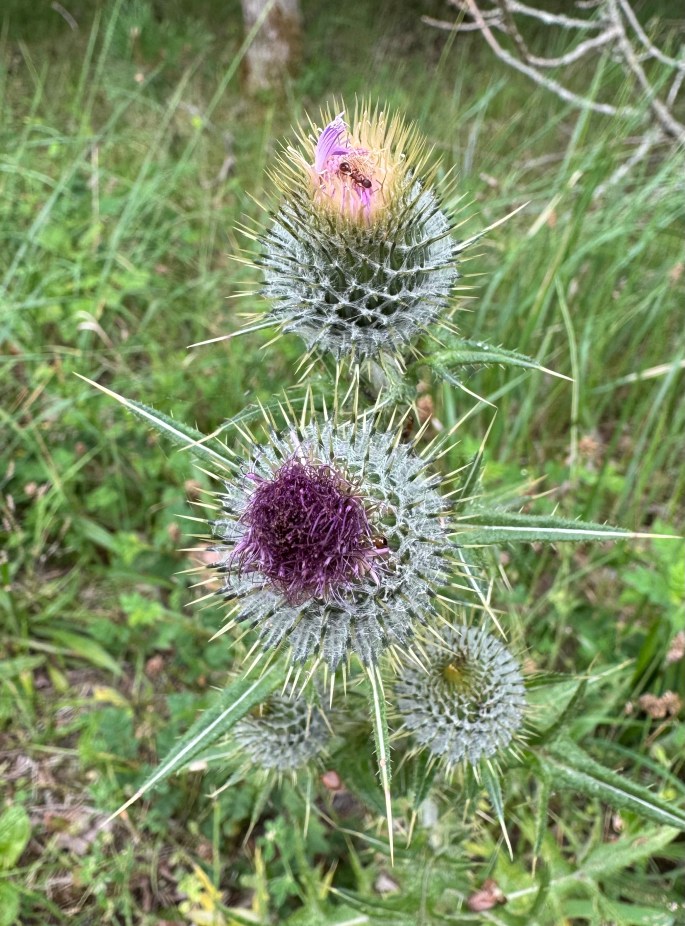
White potato pizza – maybe the best pizza ever!Danish smørrebrød – beautiful, colorful and fresh-tasting sandwiches… except you do need knife and fork to eat them.I may be the only person who didn’t know rose hips looked like this…A pretty thistle of some sort…..
From here we take a ferry across to Sweden. More later!
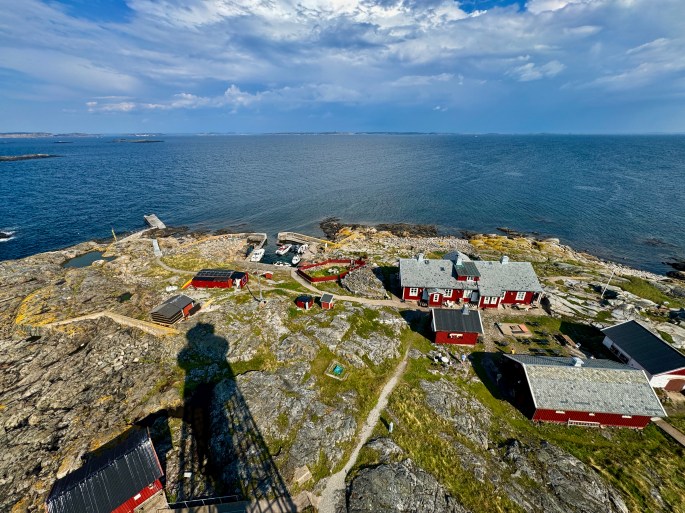
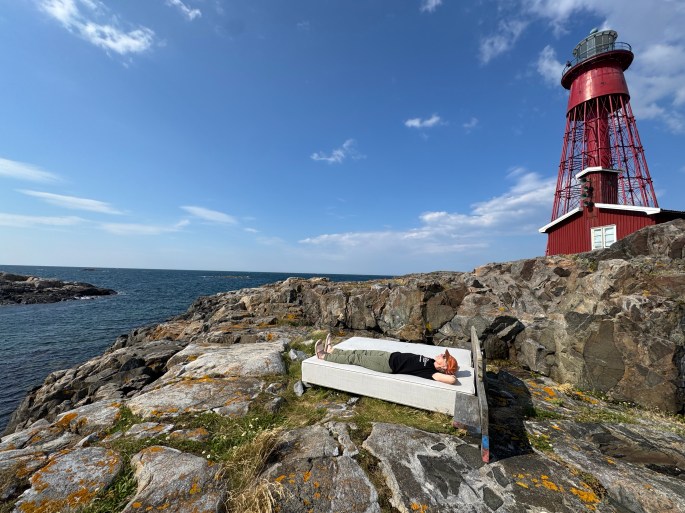
Pater Noster is a lodge on a tiny island on the coast of western Sweden north of Gothenburg. The lighthouse there used to be operable; now it provides a backdrop for an upscale getaway….
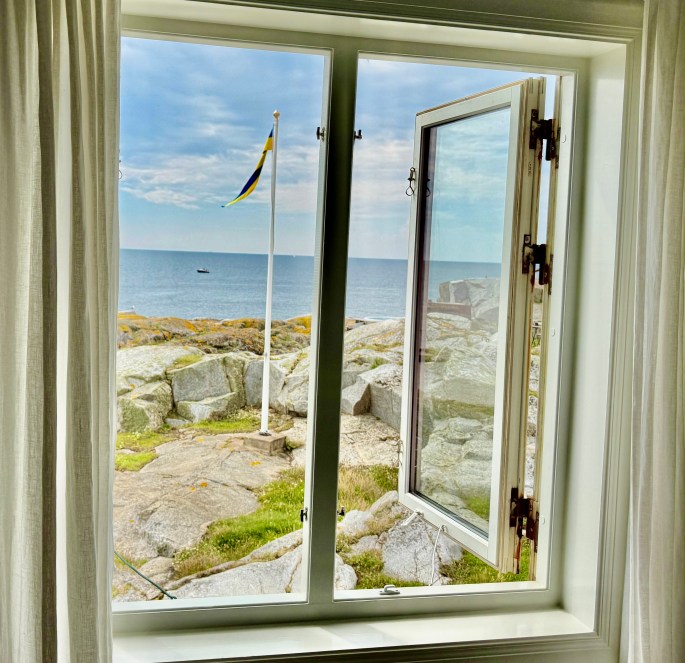
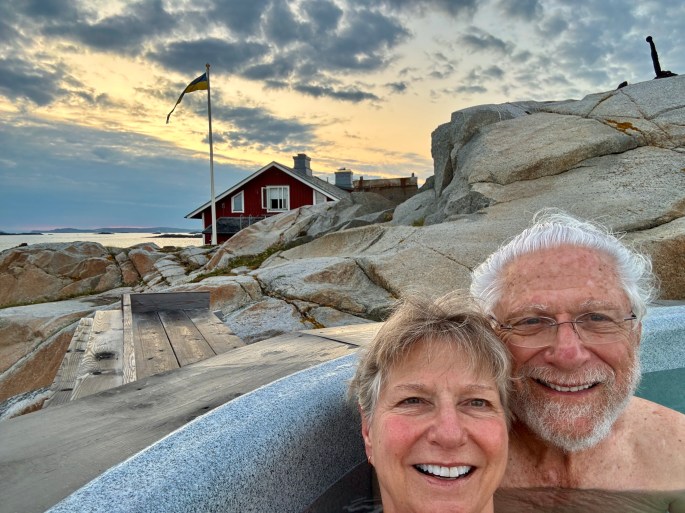
It’s possible to spend the night out on the rocks……. But also quite satisfactory to take a short snooze in the sun.
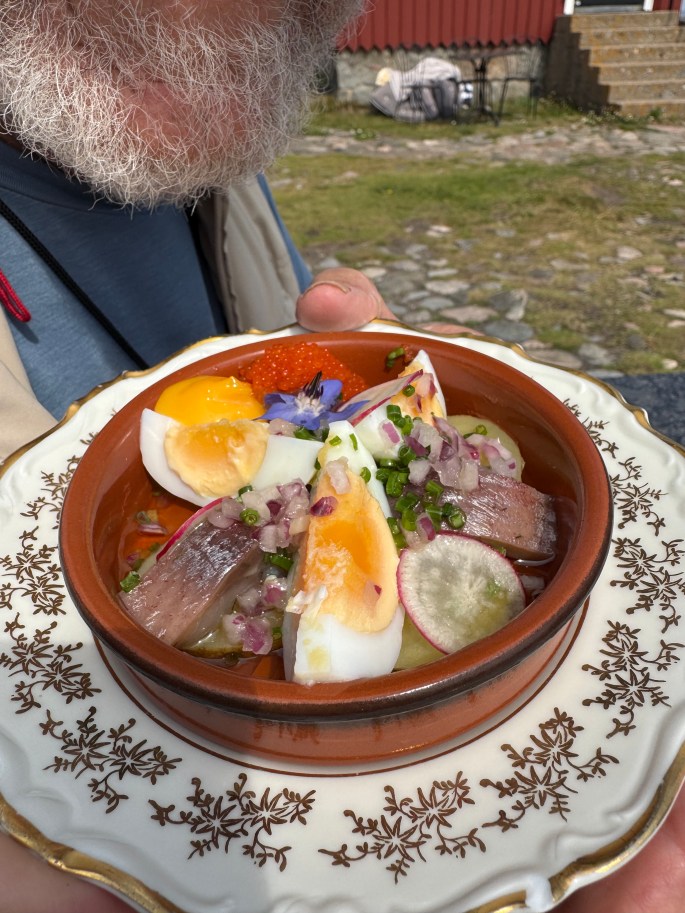
Sooner or later we would have to try pickled herring in Scandinavia…..
Not a favorite, but probably something you could develop a liking for…..
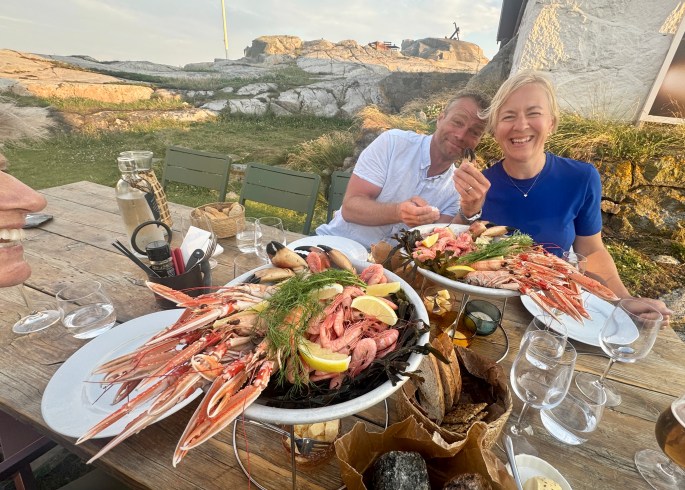
Maria and Håkan were engaging and fun to visit with…. Their Pater Noster retreat was a gift from Håkan’s employer for his 50th birthday! Ahh, sweet youth!
In addition to this bountiful seafood meal, they shared a lot with us about Swedish culture and current affairs……
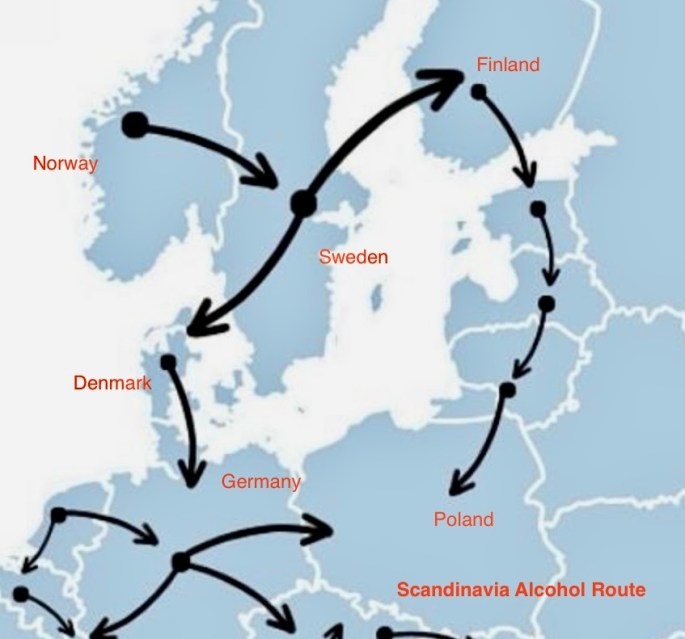
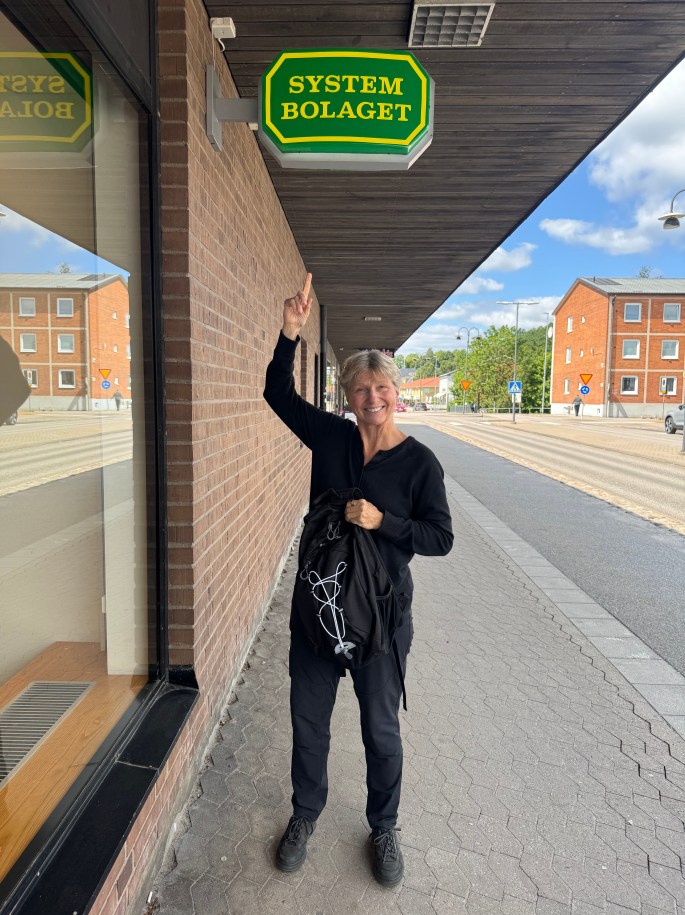
On the ferry from Denmark to Sweden, many people were loading up on cases of beer, wine and alcohol…. Håkan explained to us the cross-border alcohol trade…. Norwegians go to Sweden to get cheaper booze; Swedes to Denmark; Danes go to Germany; and Germans go to Poland…. As illustrated in the map below!
Taxes in these countries are high in any event, but particularly on lifestyle items like alcoholic beverages; in both Sweden and Norway, alcohol sales are strictly regulated through state monopolies.
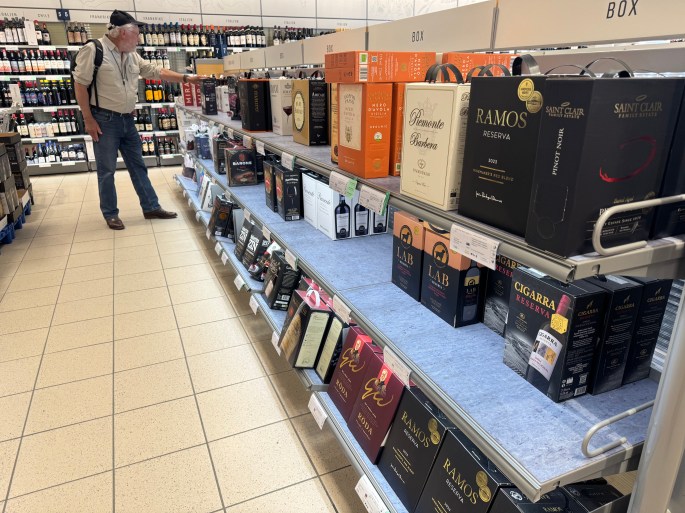
A huge array of boxed wine of most varietals and quality is on offer….. these are generally considered to be “greener” than individually-bottled wine, and keep the contents fresher.
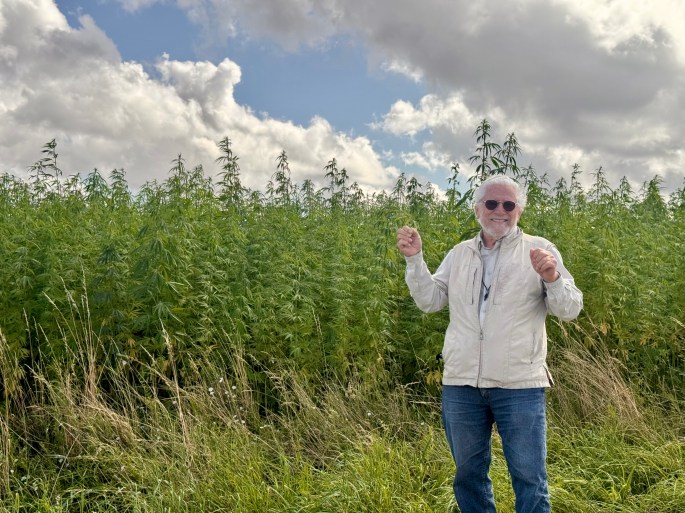
Even though its cultivation and use is mostly banned in Sweden, we are pretty sure this was a field of cannabis along a country road…..
And another pretty plant… a flower grown openly in the town square….
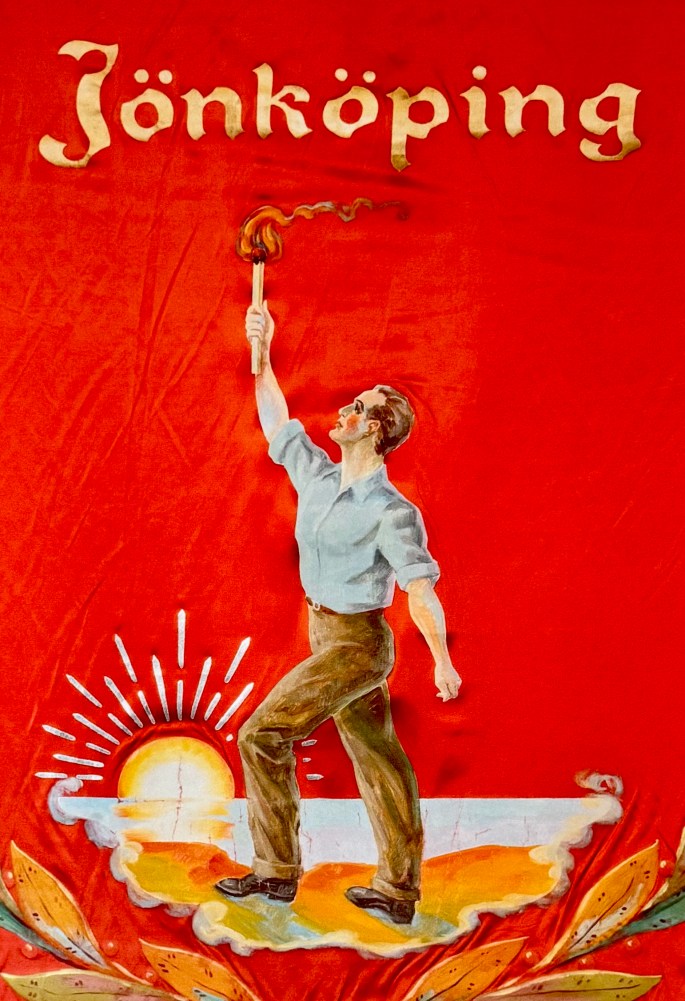
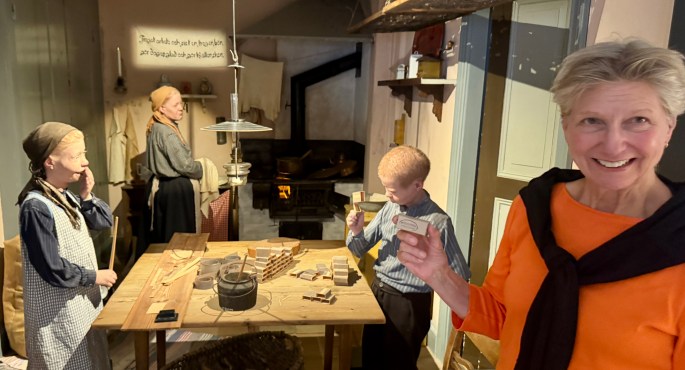
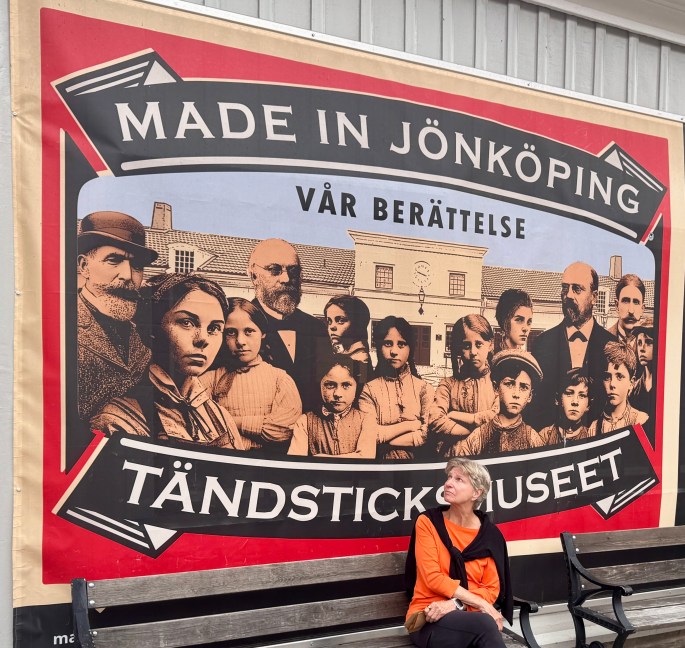
Jönköping is a town renowned for its match industry…… the first phosphorus matches were made here beginning in the middle 19th century…..
Unfortunately, the business early on depended on child labor (because their little fingers were adept at folding and filling match boxes)….
Sadly, too, phosphorus poisoning spoiled and ended many lives before a less-toxic alternative was found.
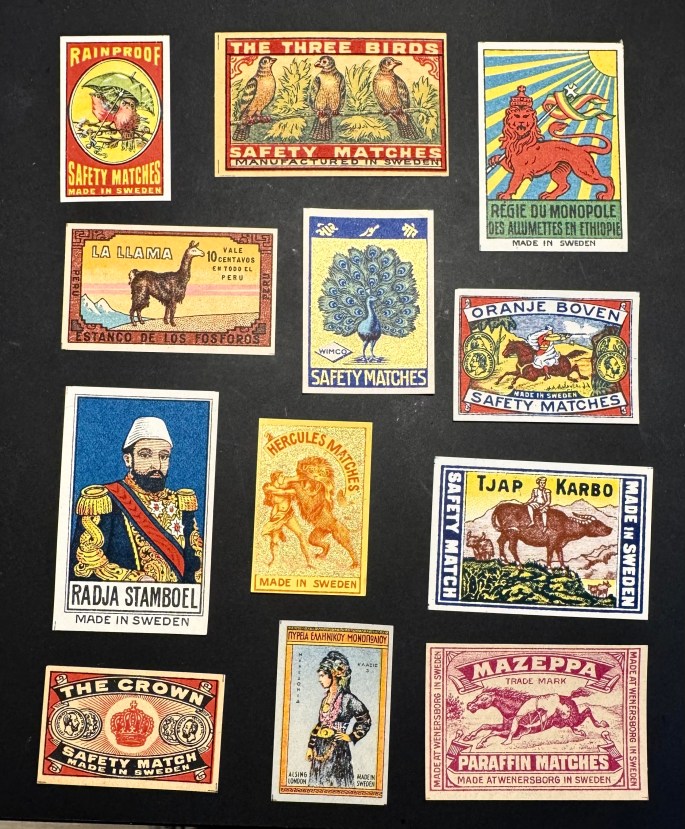
The match industry is a sad story in many respects… only somewhat relieved by the imagination and artistry that went into the labels!
Matchbox label collecting is called phillumeny. A famous collector was King Farouk of Egypt, a “playboy king”, who ruled from age 16 until his overthrow in a military coup at age 32 in 1952….. he died at age 45 in exile. It is rumored he was poisoned by the Egyptian intelligence agency, but no autopsy was performed…… so we’ll never know. Hopefully it was not a matchbox-label dispute that brought about his end.
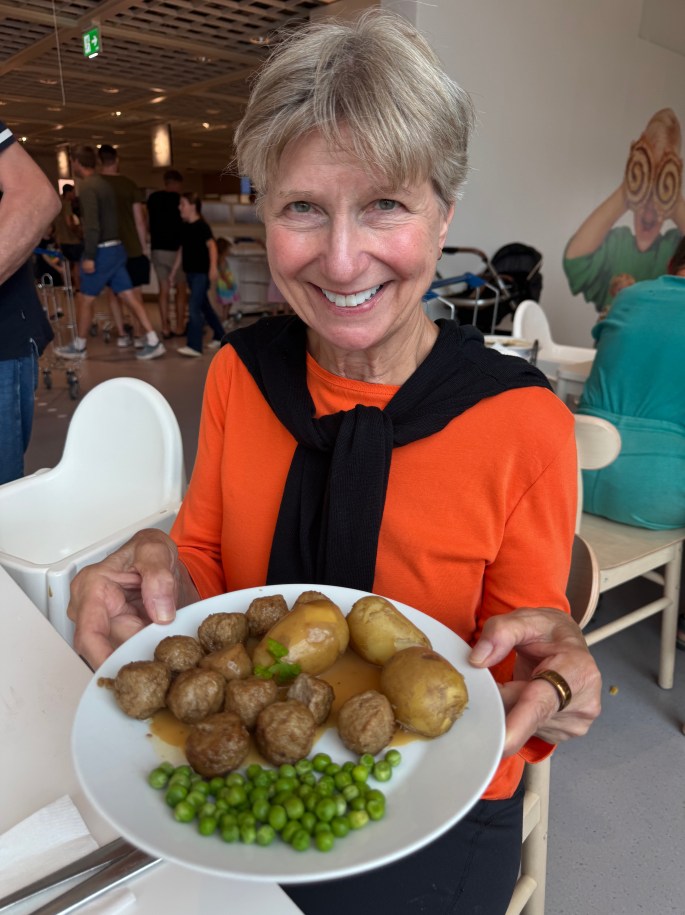
Speaking of excess, Henry had never been to an IKEA store…….so we made a quick stop there, including a Swedish meatball lunch.
Skövde is a town of about 57,000 people in southern Sweden with a large Volvo manufacturing facility that is not on the typical tourist track…. But we really enjoyed meeting the local people and wandering around.
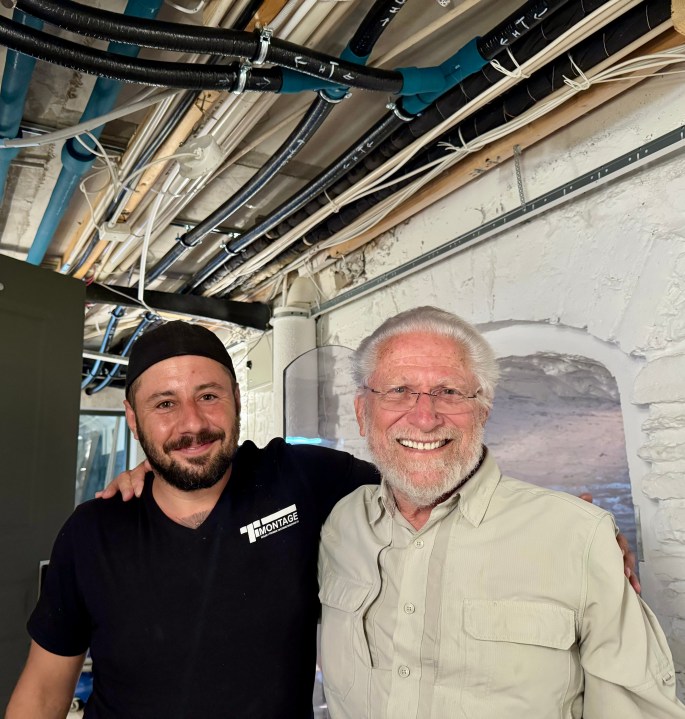
Dennis is an incredible entrepreneur with stimulating insights into the business and political world of Sweden. A chance encounter with him as he worked on an air conditioning installation in our hotel led to a fascinating exchange. He is capitalizing on the need for hotels to provide air conditioning as the summers get hotter, and has a special process to make it more efficient. We encouraged him to seek public office, but he is probably happier to just make a fortune with his honest approach to taking care of his employees and expanding business opportunities
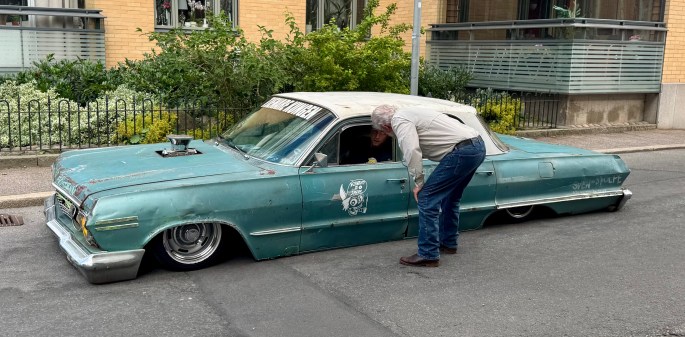
Another chance meeting with a guy tooling around Skövde in a low-rider…..
….. led to the tip that a large parade of vintage American cars would be happening in the nearby town of Falköping. We hurried there to witness literally hundreds of classic vehicles in varying degrees of preservation, some driven with dignity and pride, and others with not a little bit of youthful spirit. Please note that alcohol may have been a factor in the enthusiasm of some of the participants, but we were solemnly assured that the drivers were strictly obligated to remain sober.
And for those of you who envision the Olympic girls Swedish volleyball team when you think of this country…. Look again. They have their share of good ol’ boys.
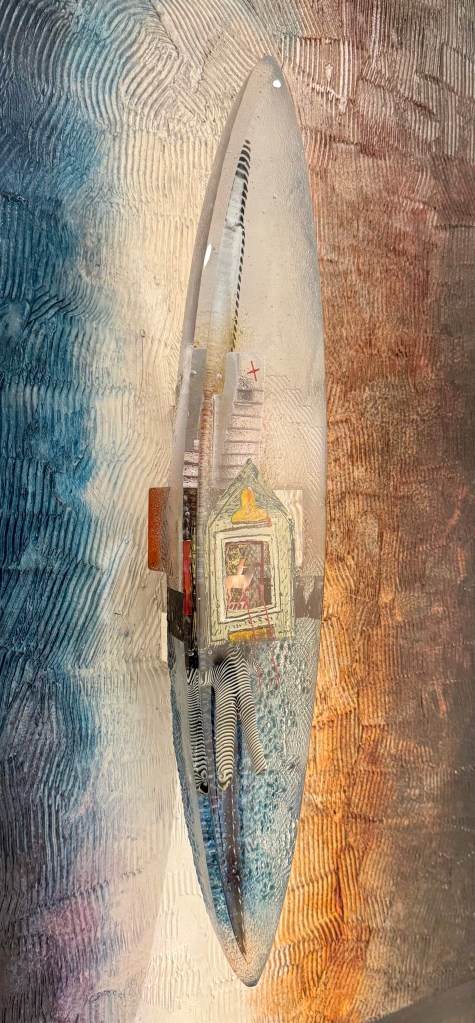
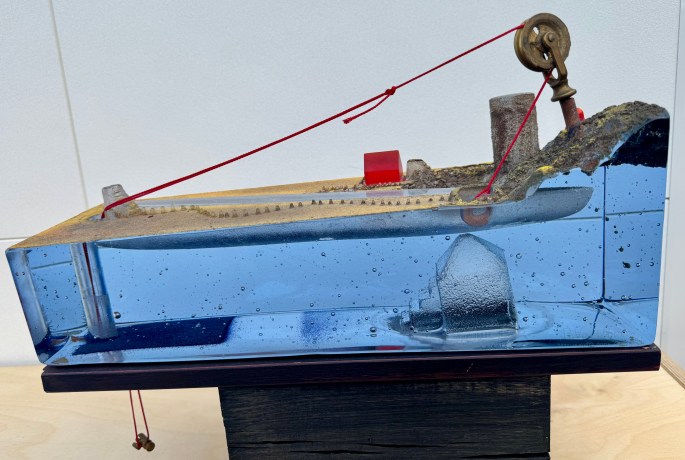
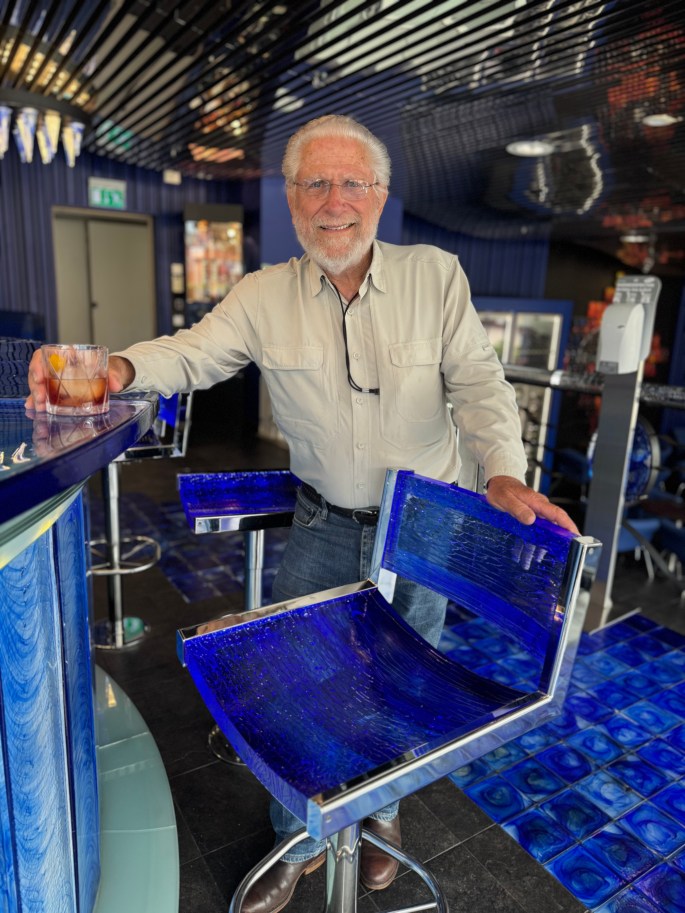
The town of Kosta is the home of Kosta Boda art glass…..a brand I remember from my childhood in the ‘60s when my parents acquired a piece, an expensive investment that was treated reverentially thereafter. The glassworks are still going strong today….. with galleries, outlet stores, and a hotel that features glass installations, including a brilliant blue bar with glass seating and tiles.
Not every glass-blowing demonstration includes the frantic recovery of a red-hot vase that was dropped as it neared completion…..
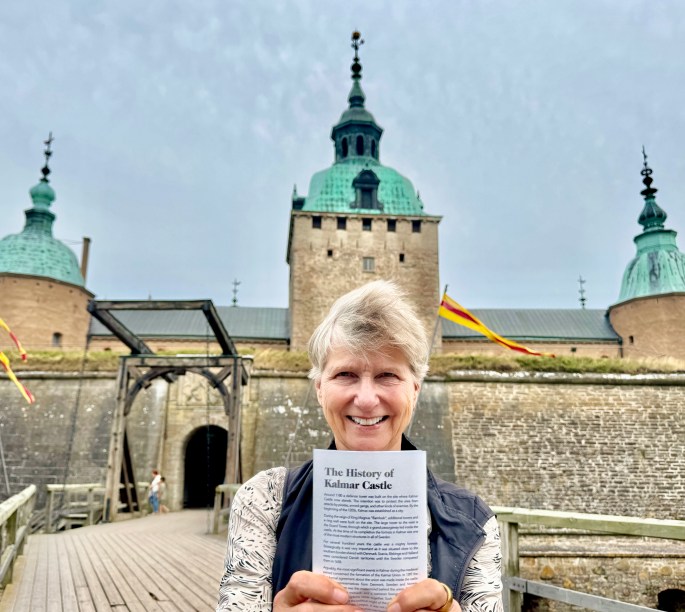
Kalmar Castle in far Southeastern Sweden was the site of the formation of the relatively short-lived Kalmar Union in 1397, when Sweden, Norway and Denmark were unified for the first and only time under a common monarch. The Union was formally dissolved in 1523, and territorial disputes and wars returned and continued for centuries.
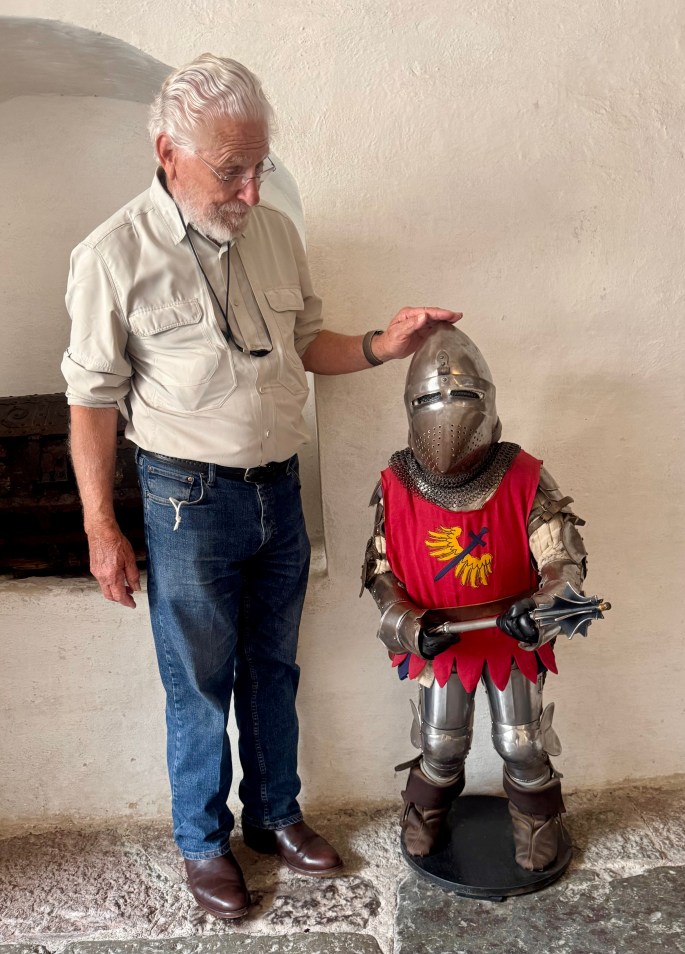
Either a short knight or more exploitation of child labor…….
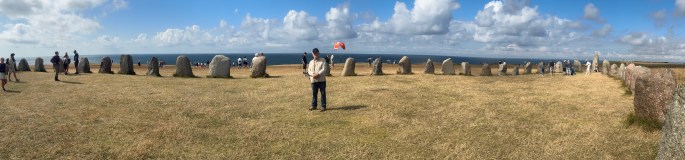
Ales Stenar is a magnificent megalithic monument in the outline of a ship on top of steep cliffs overlooking the sea.
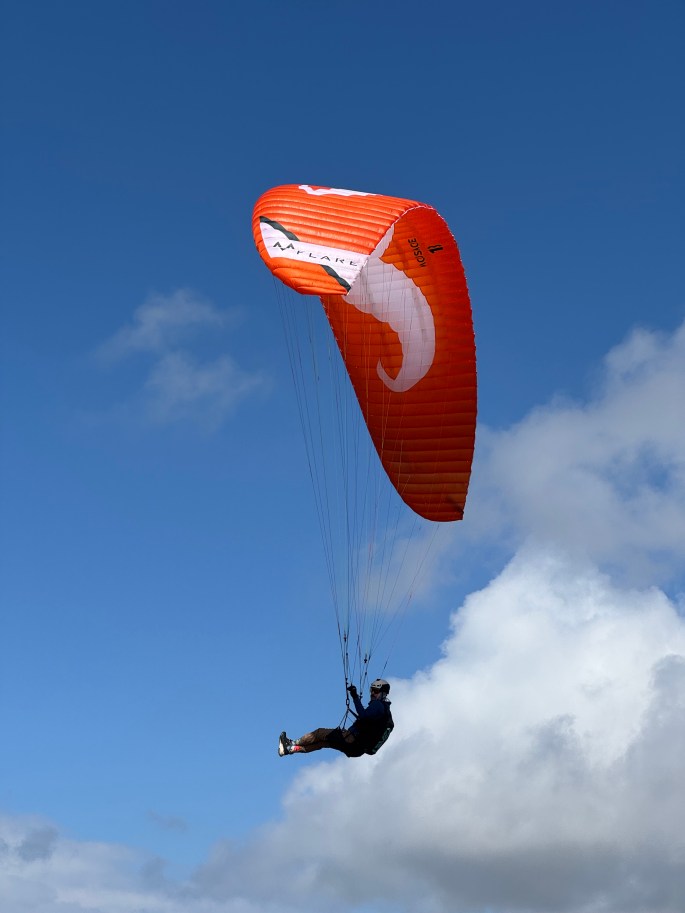
The stones are thought to have been placed around 550 CE, near the end of the Iron Age. Opinions on its function vary. It could have been a grave monument or cult center, or even a sun calendar, because of its positioning in relation to certain lunar events and the summer solstice. The stones keep their secrets, while parasailers take advantage of the updrafts along the cliff walls…..
We seemed to continually miss festivals in many towns we visited…. Usually by just a few days, darn it!
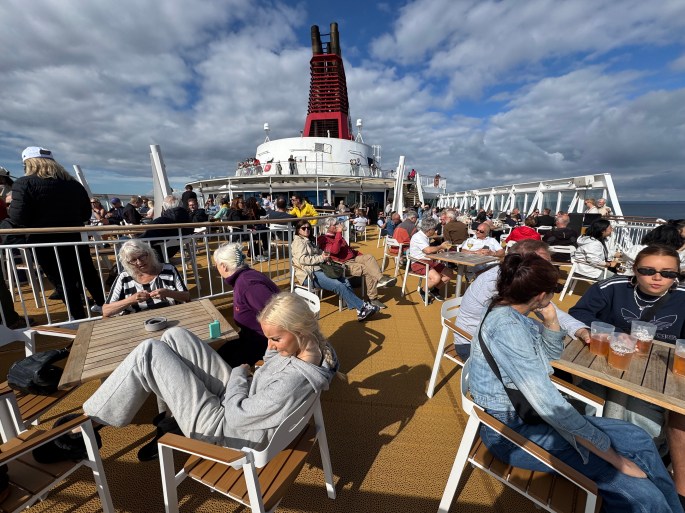
We crossed back into Denmark from Malmo, Sweden to take the overnight ferry from Copenhagen to Oslo, Norway. These ferries are one-day cruise ships, with dance clubs, bars, swimming pools, children’s play areas, multiple restaurants, private cabins… and the all-important duty-free shop. Quite a mob scene all around during the summer vacation months.
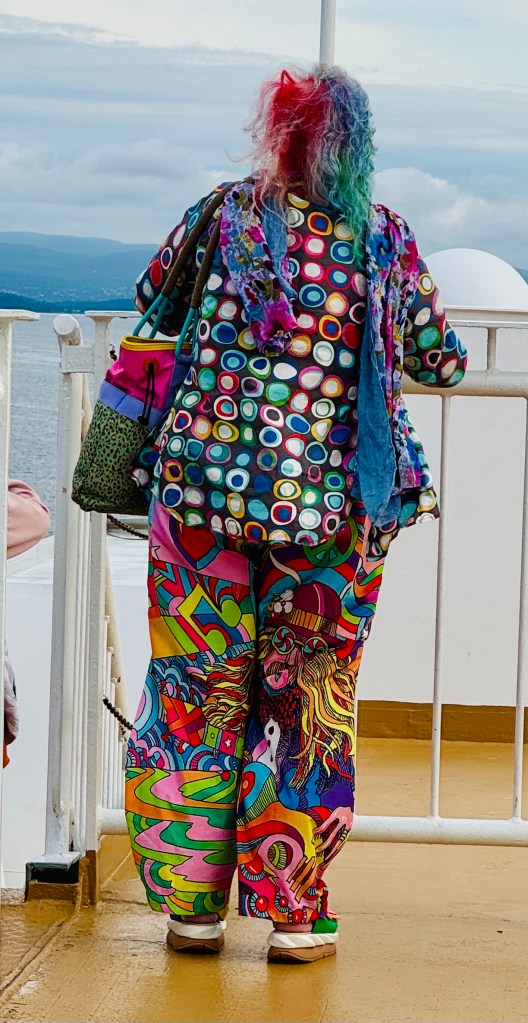
Some people really know how to dress to party…. Love her style!
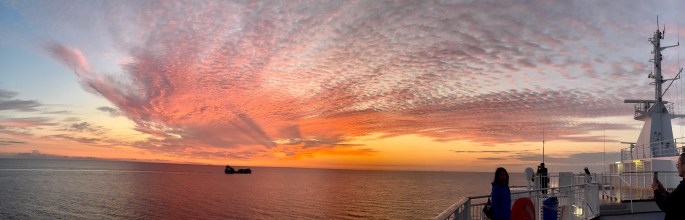
And as we left for Norway, an also-colorful sunset
We will return to Sweden – my gosh, we haven’t even mentioned ABBA yet! But for now we will be exploring Norway largely by train. Happy rails!
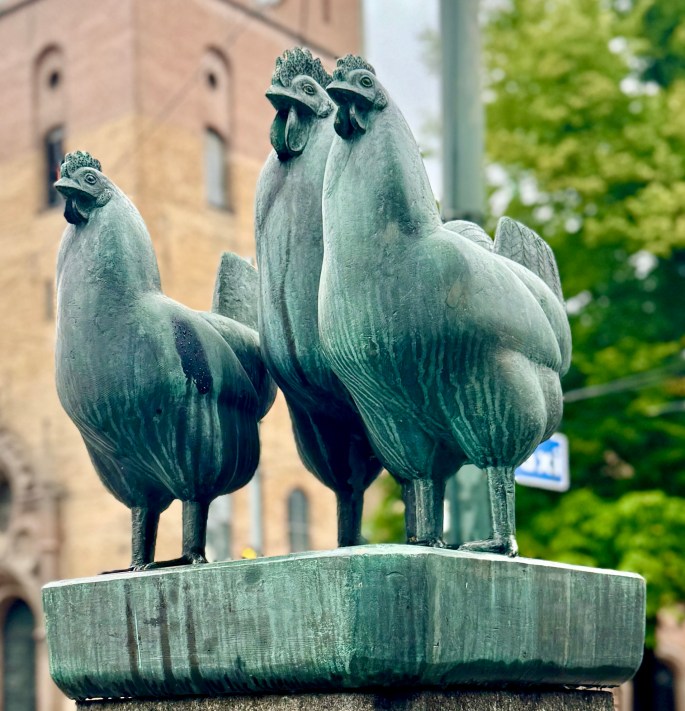
Tributes to the common hen are not common anywhere, but Henry found one!
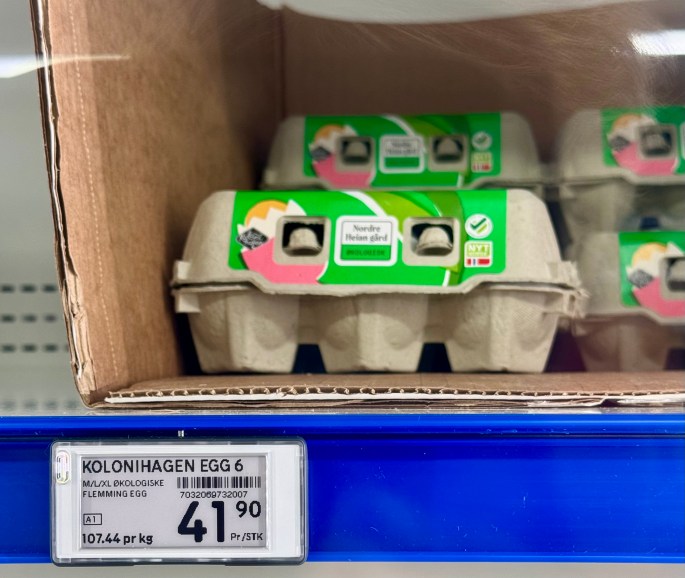
Maybe they deserve more respect with the price of eggs commanding so much attention nowadays. And speaking of which, Norwegian groceries have begun using electronic shelf labels on many products so that they can adjust prices in seconds many times a day, to stay competitive and to keep up with supplier price hikes.
Approximate conversion of the Norwegian price on this half-dozen is about $4.20 US…..at this particular moment.
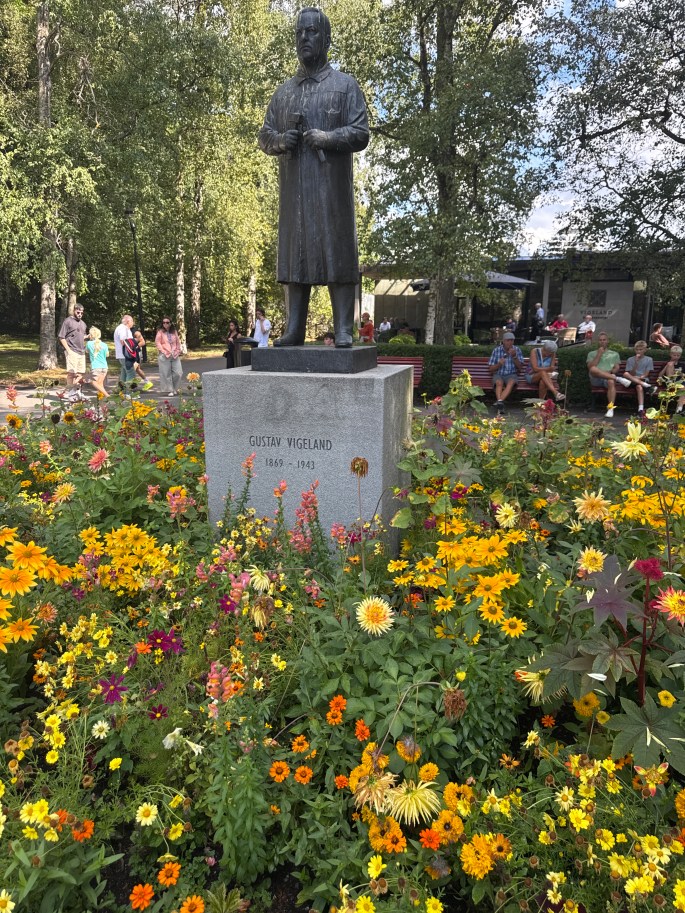
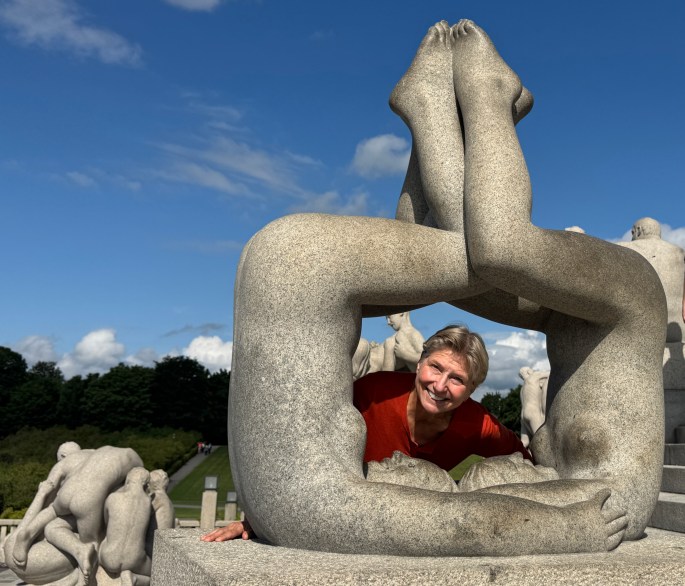
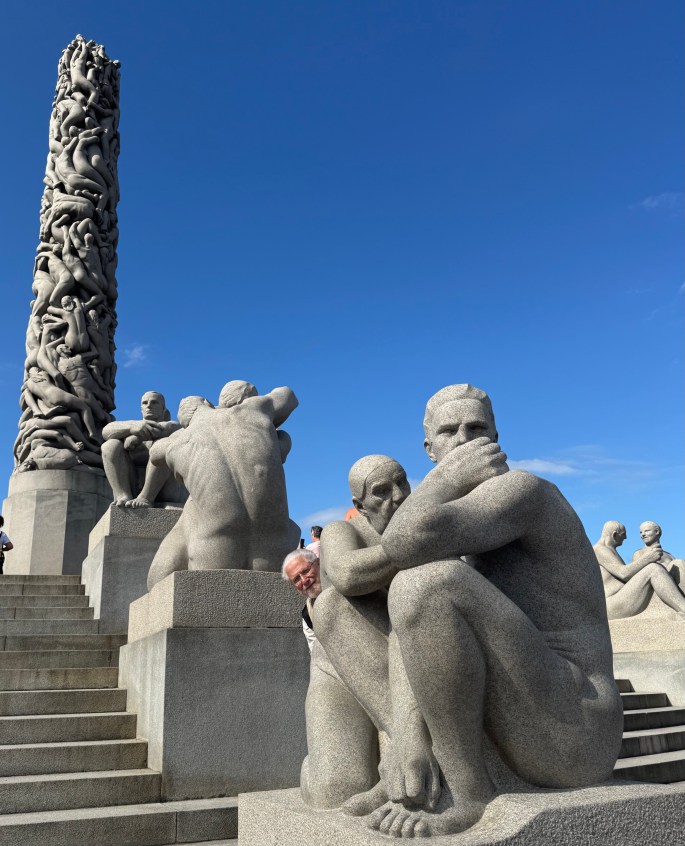
Gustav Vigeland was a sculptor who designed and populated Frogner Park in the early 20th century with over 200 of his works in bronze, granite and wrought iron.
The sculptures of human forms are intended to capture all aspects of the human experience, from birth, joy and love to isolation, loss and death. It’s an intriguing collection.
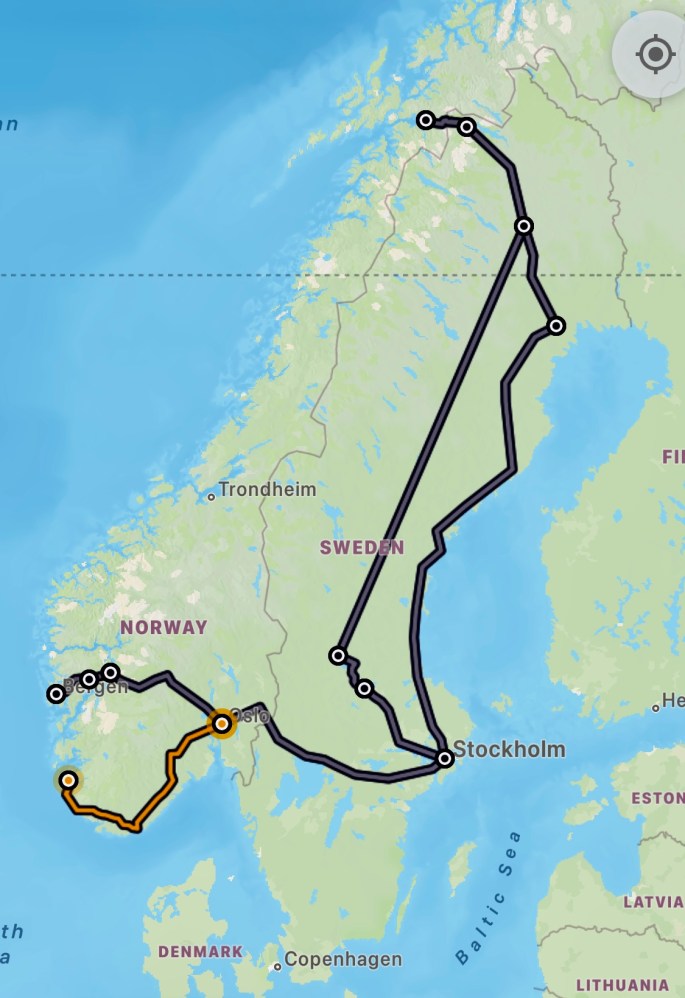
From Oslo, our journey will continue through parts of Norway and Sweden by train, our driver (Henry) wanting to enjoy the travel process, rather than dealing with traffic and roundabouts. Here is the planned route:
The first leg from Oslo to Stavanger will take over 8 hours in total, first by bus and then by train.
Stavanger
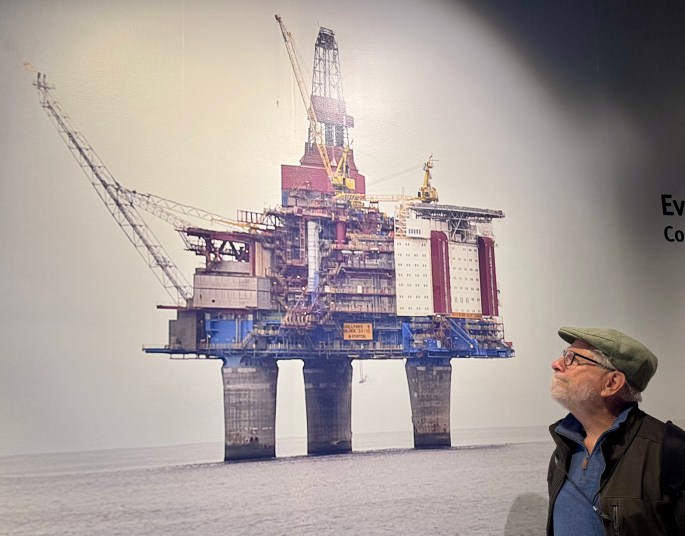
Stavanger is on the North Sea, a key center of offshore oil exploration. Its Norwegian Petroleum Museum documents the history of the industry in the area…
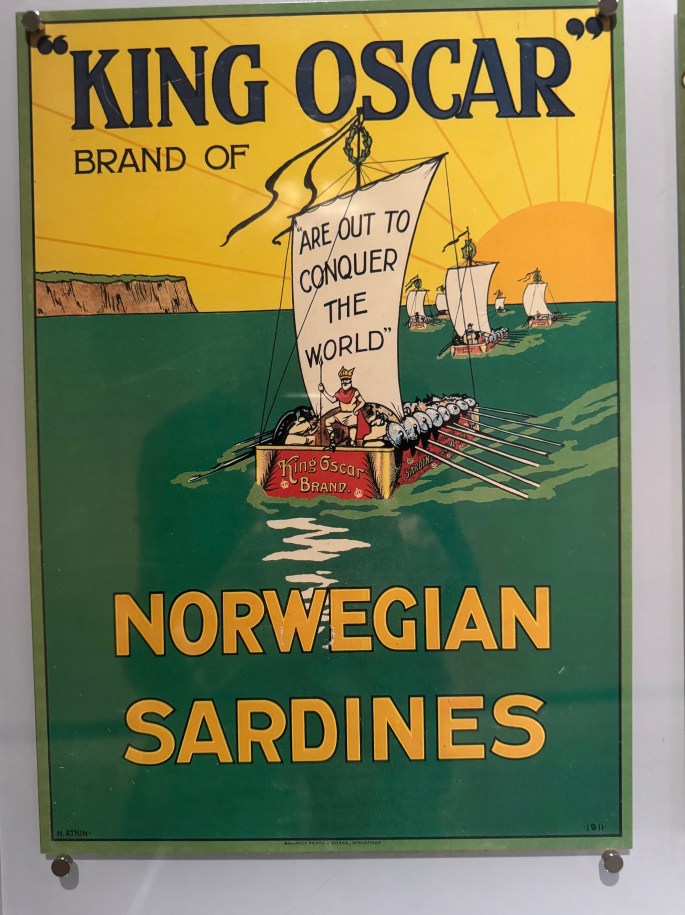
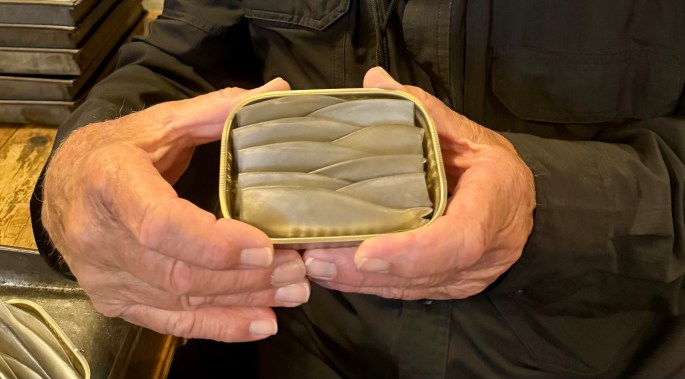
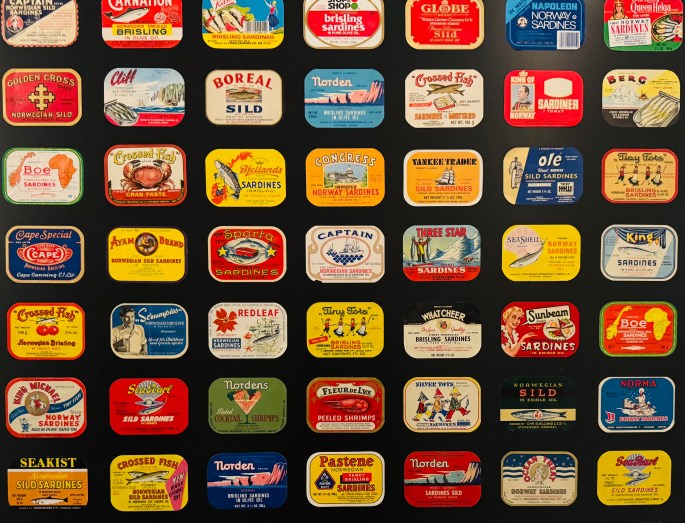
Of greater interest to the average consumer are the Norwegian Canning and Printing museums, two closely-tied businesses. Please note that when we say “canning” in Stavanger, we are talking primarily about sardines…..
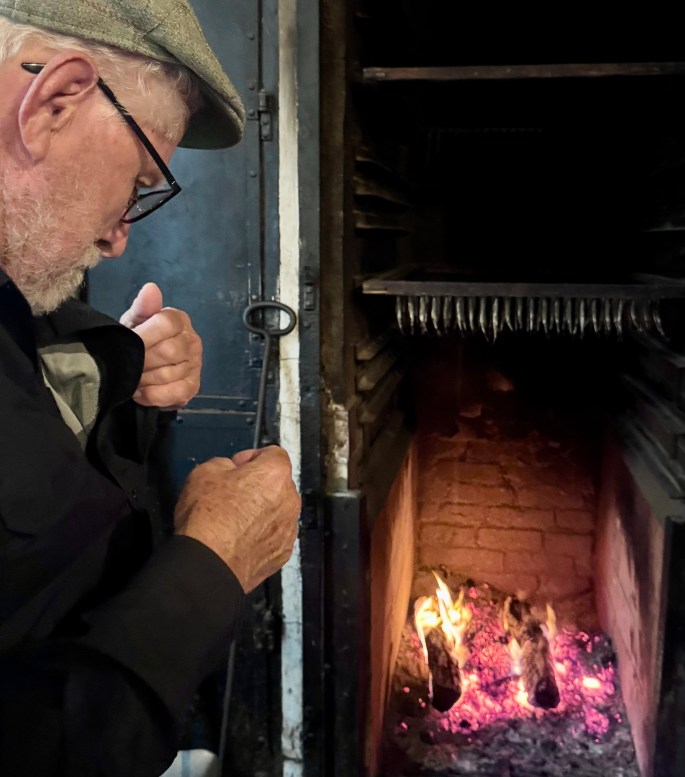
Even today, sardines are packed into their little tins by hand…in order to maintain the order and beauty of their presentation.Freshly smoked sardines were available for sampling.
The invention of lithography in 1798 enabled mass production of multi-color pictures…. As the canning industry emerged in the late 19th century, marketing depended on colorful labels, thus aligning the two industries in Stavanger…….
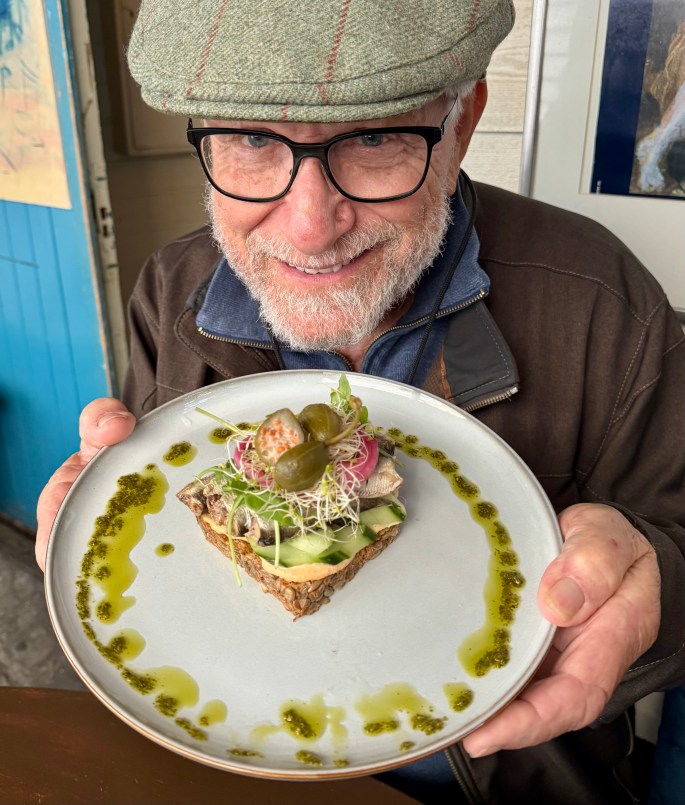
The modern sardine enthusiast enjoying an open-face smoked-fish sandwich…..
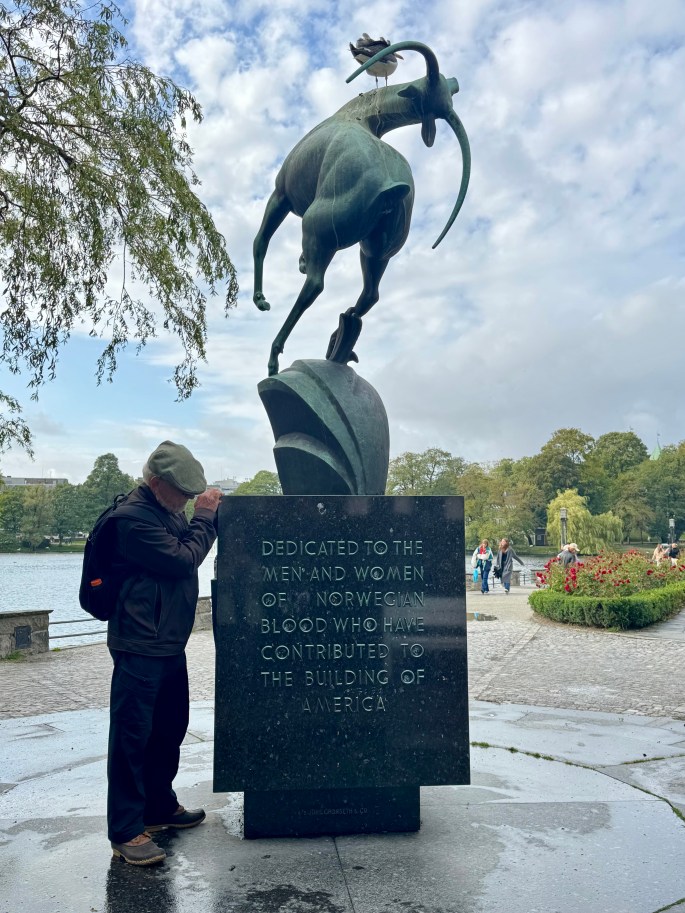
Stavanger celebrates its multi-cultural ties…. Here a tribute to the Norwegians who emigrated to America….
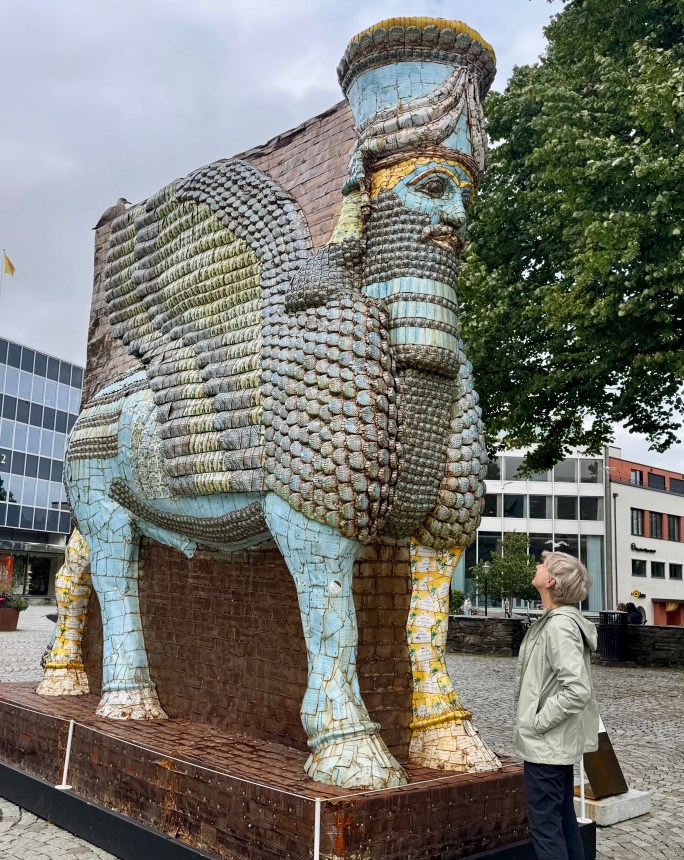
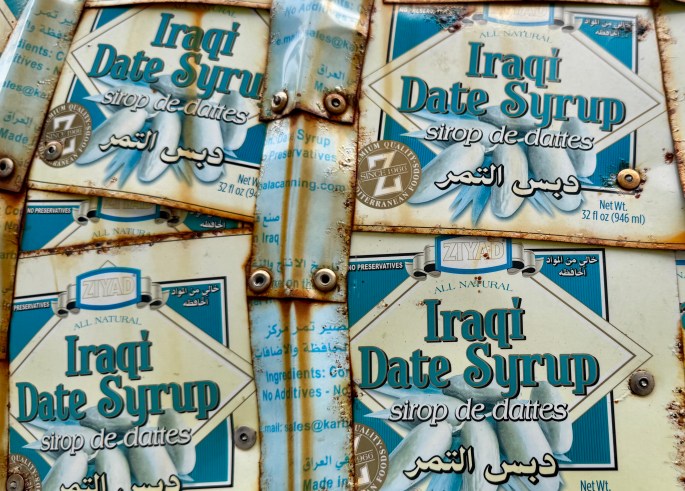
And this is a replica of an archaeological artifact from the ancient city of Nineveh from about 700 BCE. A winged deity, the Lamassu had stood near modern-day Mosul, Iraq until 2015, when it was destroyed by ISIS in the aftermath of the Iraq War.
It is constructed of old date syrup cans, an important commercial enterprise in Iraq that was also a victim of the war.
The artist intended this work as a reminder of the devastating impact of political conflict in less-affluent countries, the importance of culture and its monuments, and especially how human lives are affected…. Those that are lost and those that continue to search for sanctuary.
Unfortunately, similar scenarios continue to play out across the globe….. hopefully enlightened leadership will continue to strive for peace.
Bergen
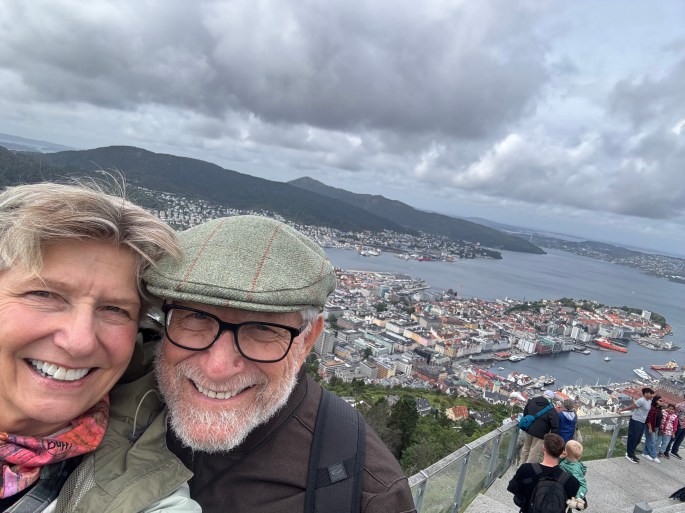
Onward by bus and ferry to Bergen, generally considered the rainiest city in Europe…
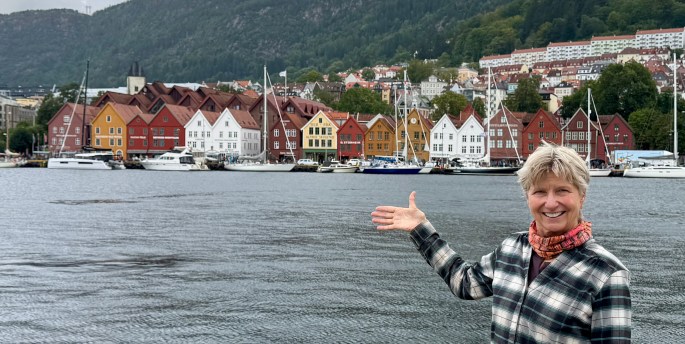
Plenty of rain and drizzle, but a fortunate brief break in the weather allowed a glimpse or two of the harbor and historic waterfront…..
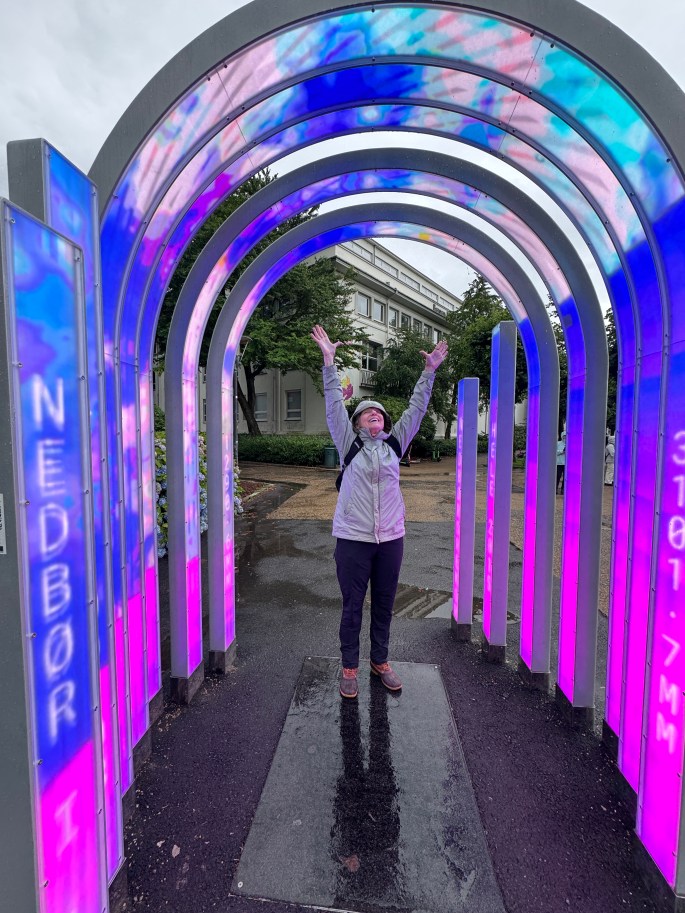
Rainfall is measured graphically on this bright arts-y rain gauge.
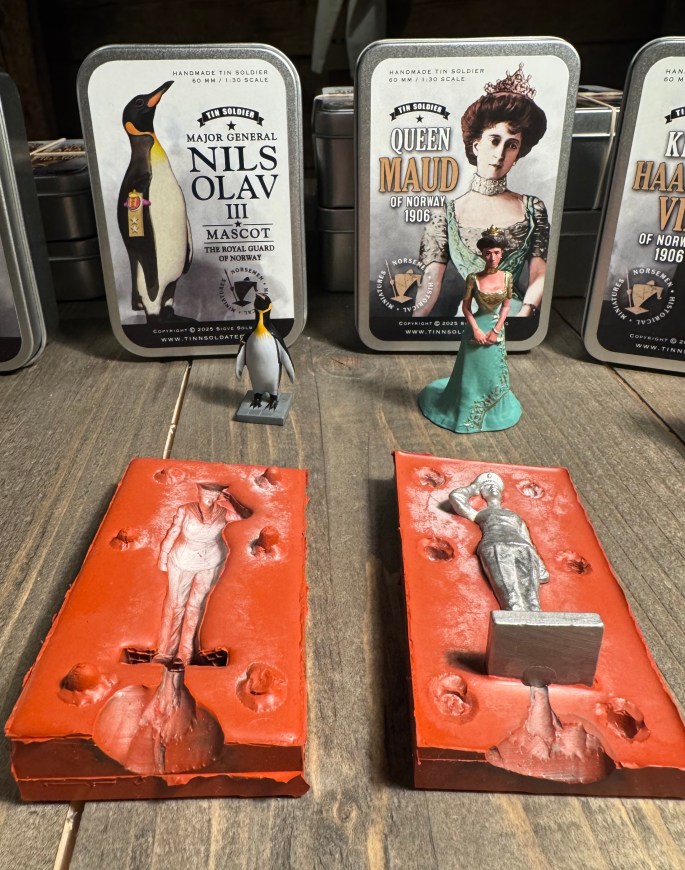
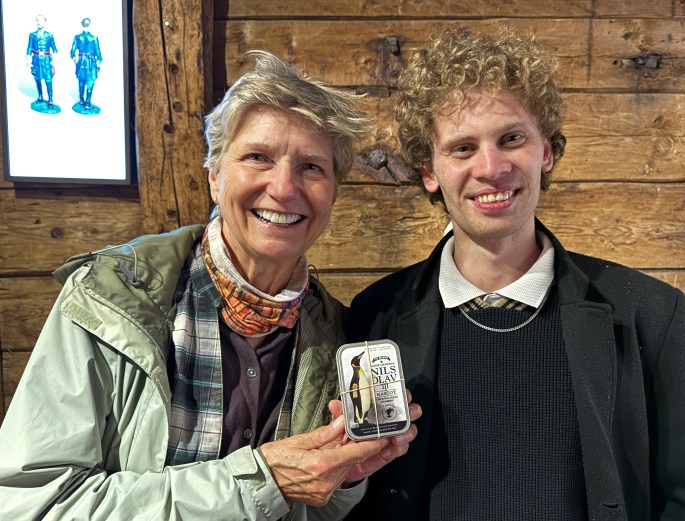
A fascinating conversation with a young man whose father makes tin soldiers, the only craftsman in Norway to do so in the old way, casting in molds and painting by hand. The son is learning the trade!
We acquired a tin “Nils Olav”, a king penguin who is the mascot and a Major-General in the Norwegian King’s Guard. Here’s a photo of him in real life inspecting the troops….
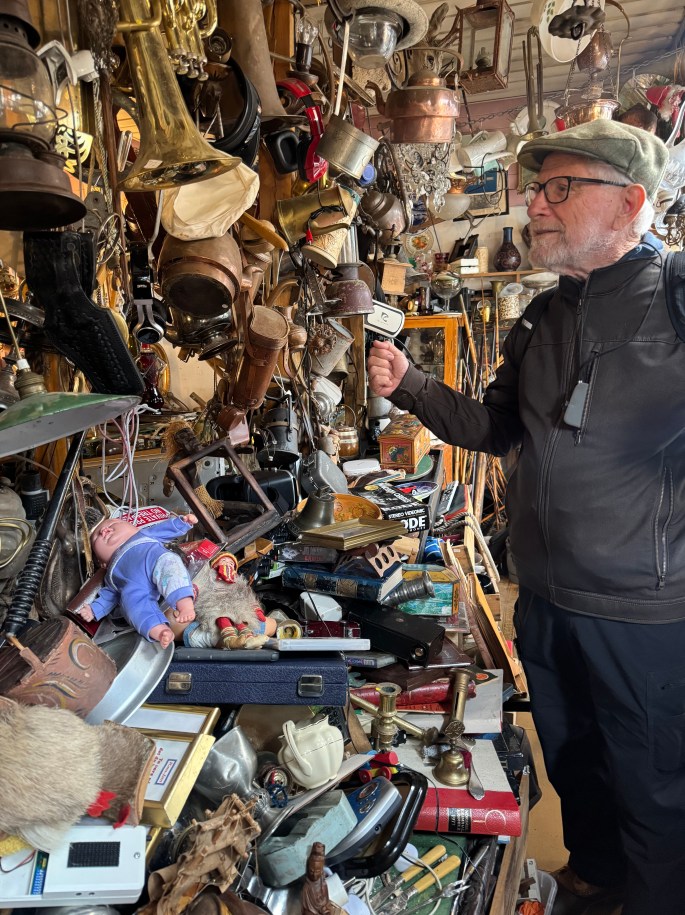
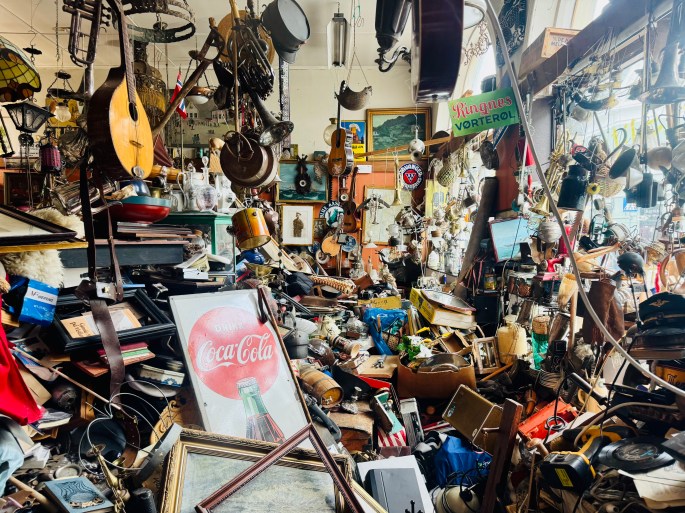
Bergen was the site of the most chaotic second-hand store either of us has ever seen….
It literally looks as if the owner simply opens the door and throws his acquisitions into the middle of the room. The term “hoarder” comes to mind… but maybe that is what it takes to be a second-hand specialist.
Some other miscellaneous images from Bergen….
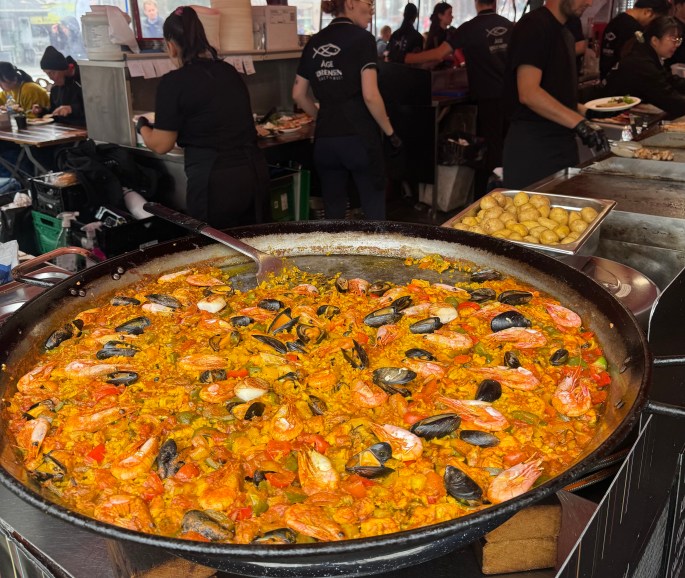
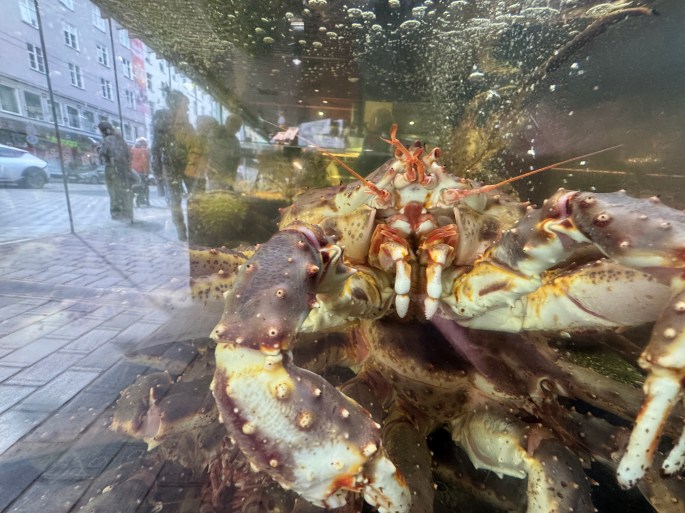
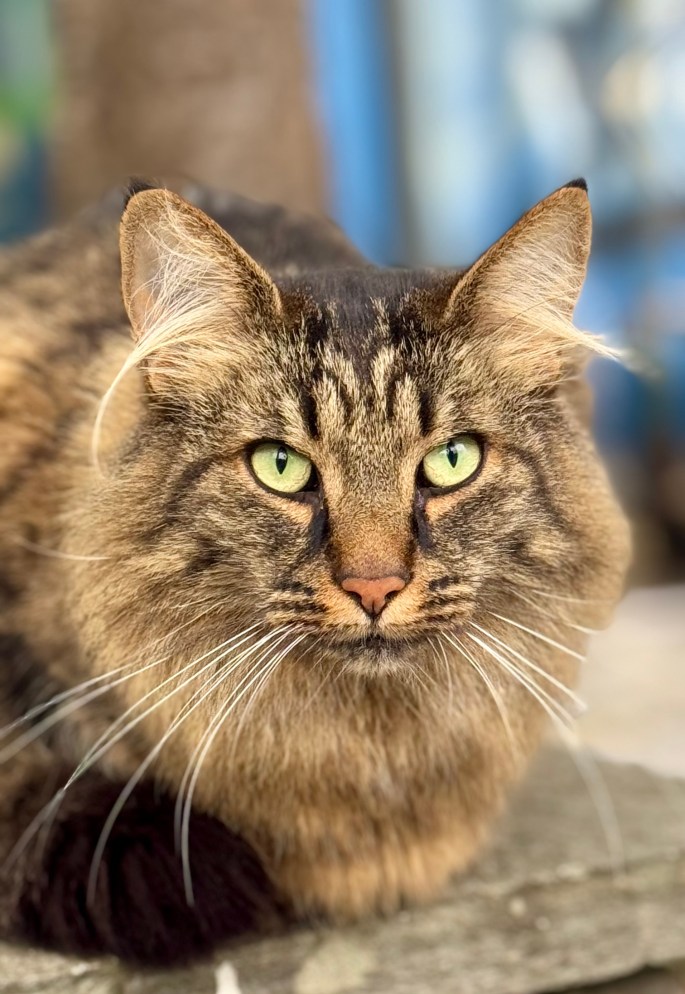
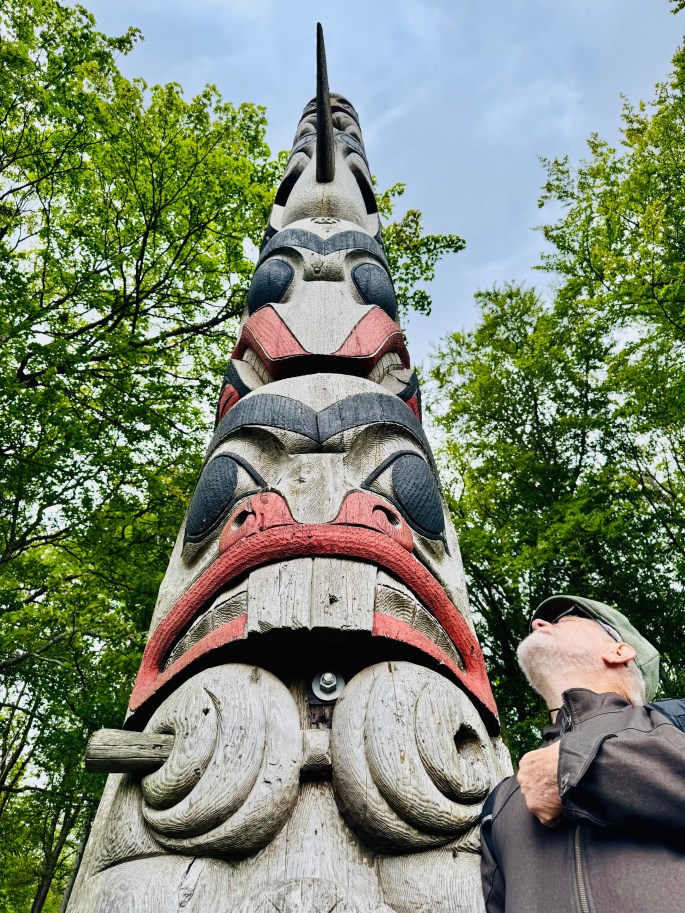
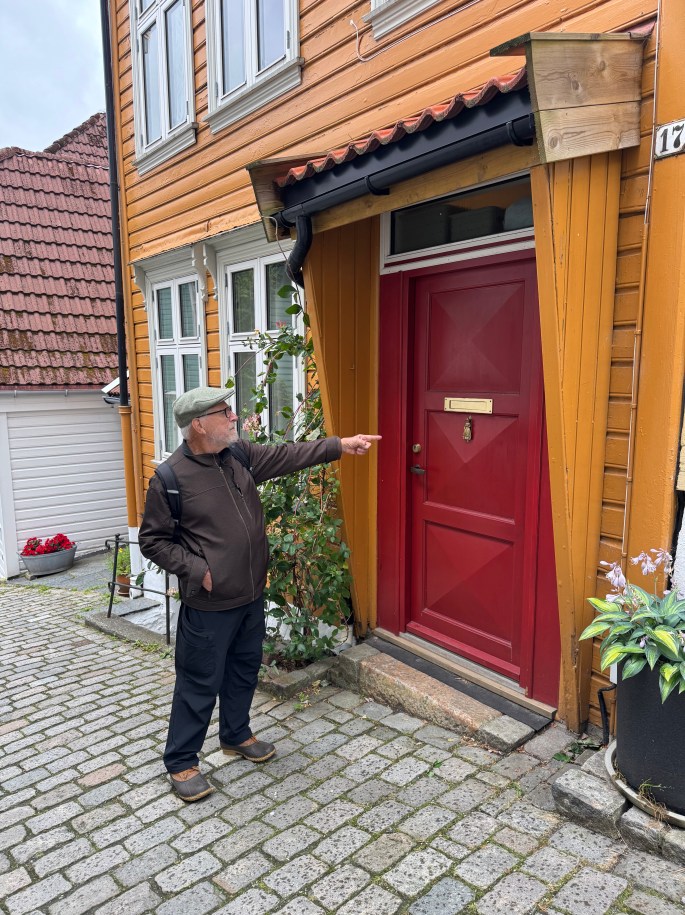
Gorgeous paella in the fish market….A not-so-fortunate crustacean, also in the fish marketStriking street cat…A totem from the Alaska, proudly displayed near the Bergen Aquarium.Admiring a knocker on a brilliant door in the old town.A well-deserved coffee break
Norway in a Nutshell – from Bergen to Voss to Gudvangen to Flam to Vatnahalsen to Oslo
Norway in a Nutshell is a tour package that takes one from Bergen through small towns by rail, bus and ferry…. Through magnificent fjords and mountains covered with waterfalls. Unfortunately, it is oversubscribed and mostly crowded. Probably best experienced in the off-season.
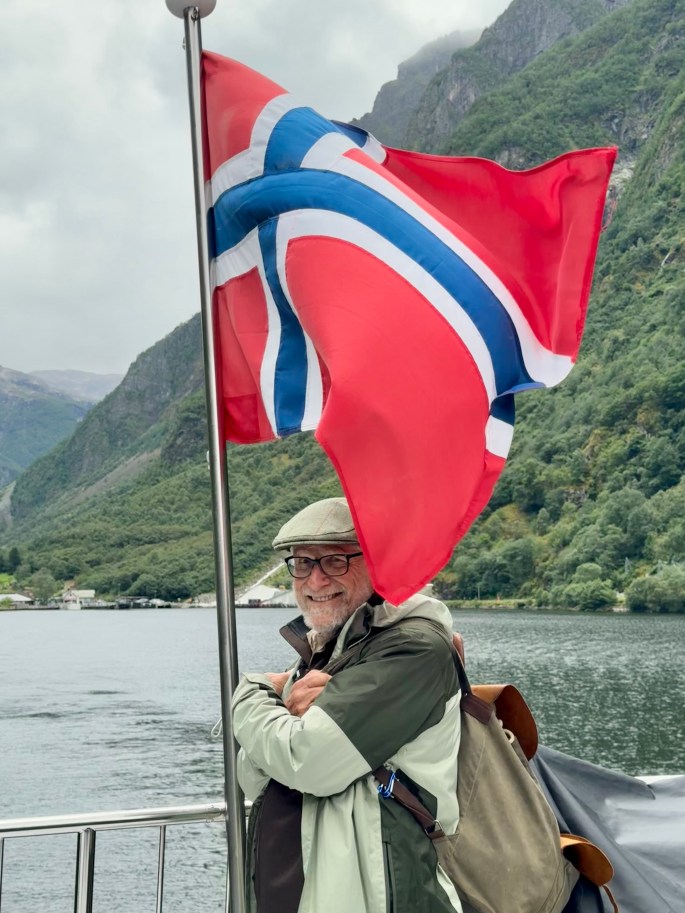
In Gudvangen, a tribute to the Vikings who launched their invasions from here….Aboard the wind-swept ferry.
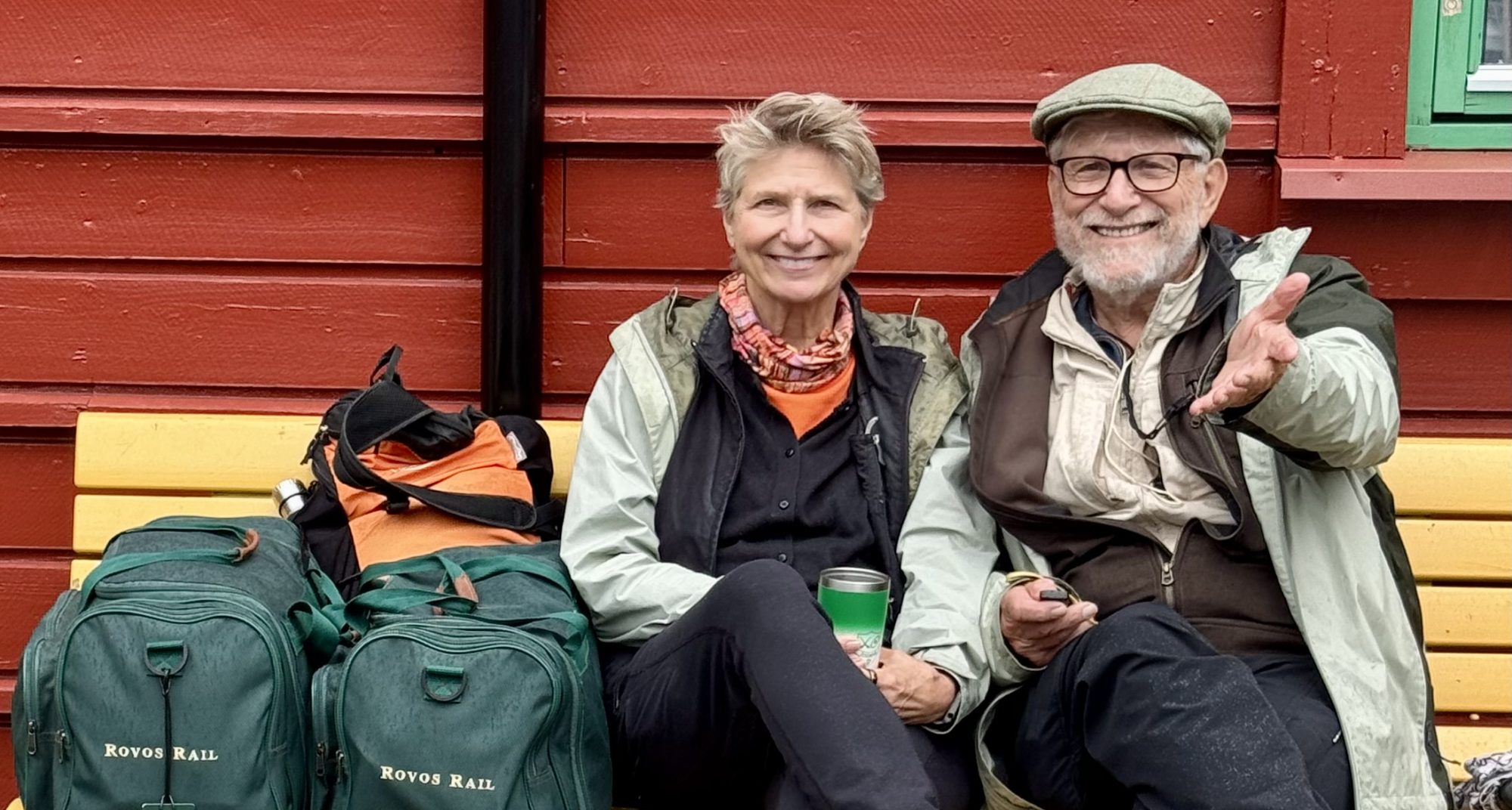
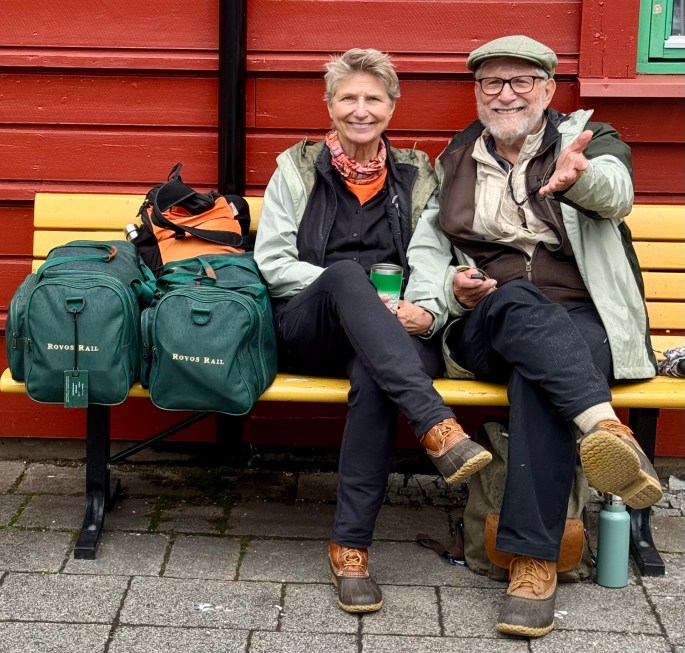
In Flam……a stranger wanted to take our photo…… maybe it’s the matching attire, matching bags, or simply our senior exuberance!
The train made a brief photo stop and dance performance next to a waterfall….
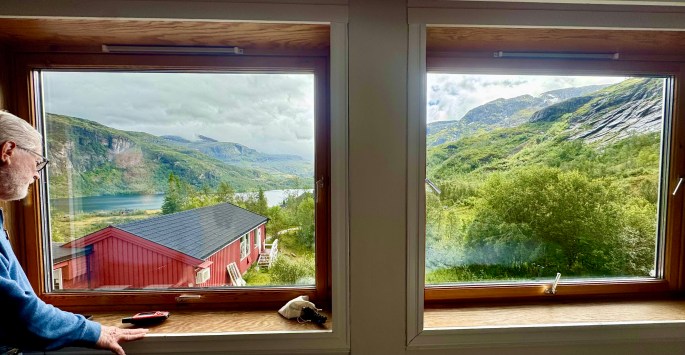
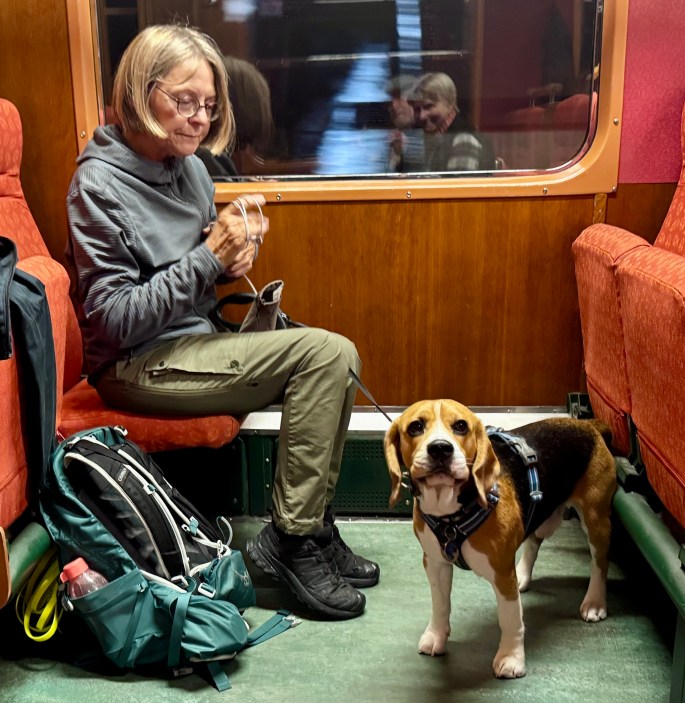
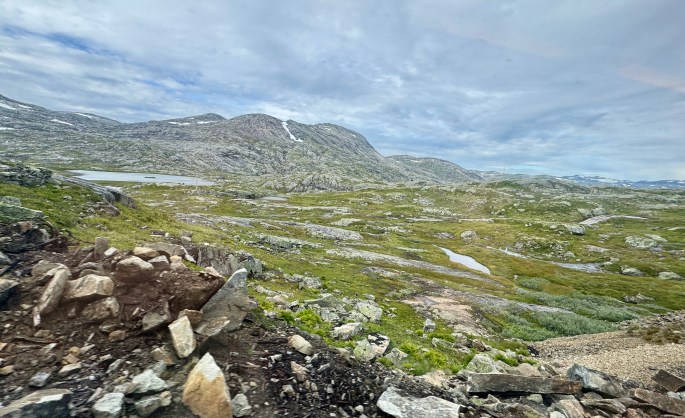
Beautiful views from our hotel room in Vatnahalsen…..Fellow rail travelers can take many forms.Scandinavian landscape that is not a fjord or a waterfall!
From Oslo, we will travel by rail on to Stockholm and further experiences in Sweden.








































 Travels with Henberta