South Africa, Part Three

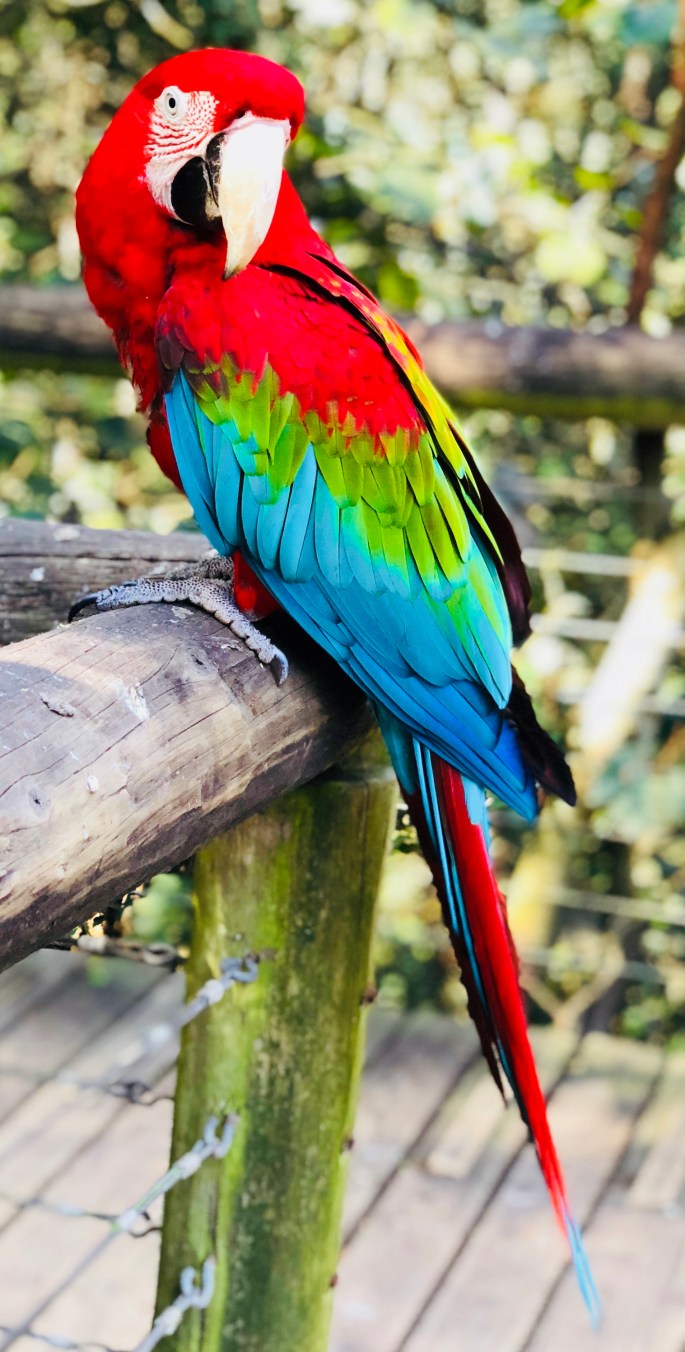
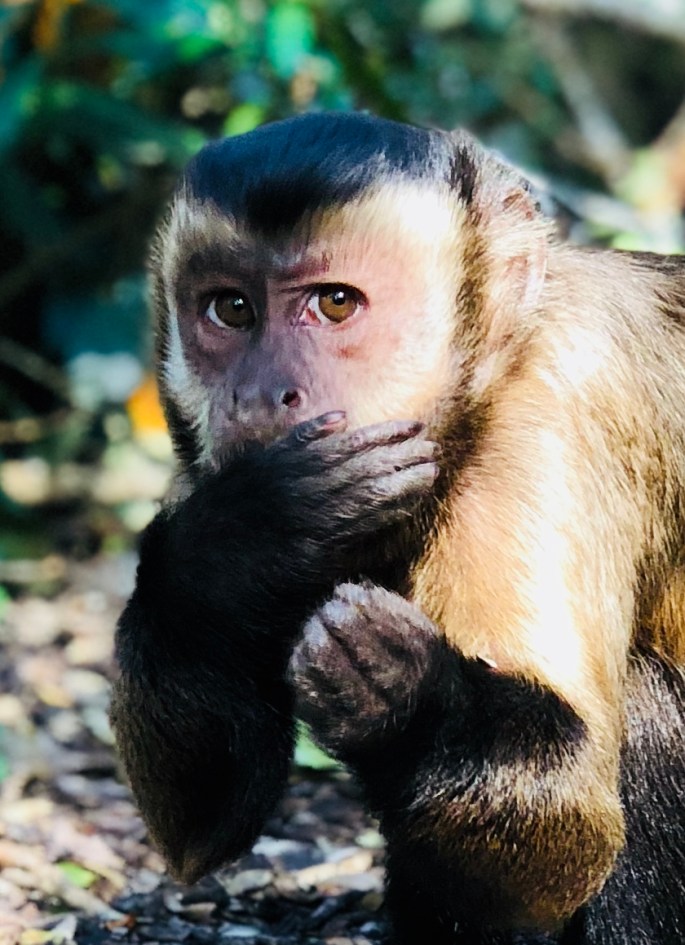
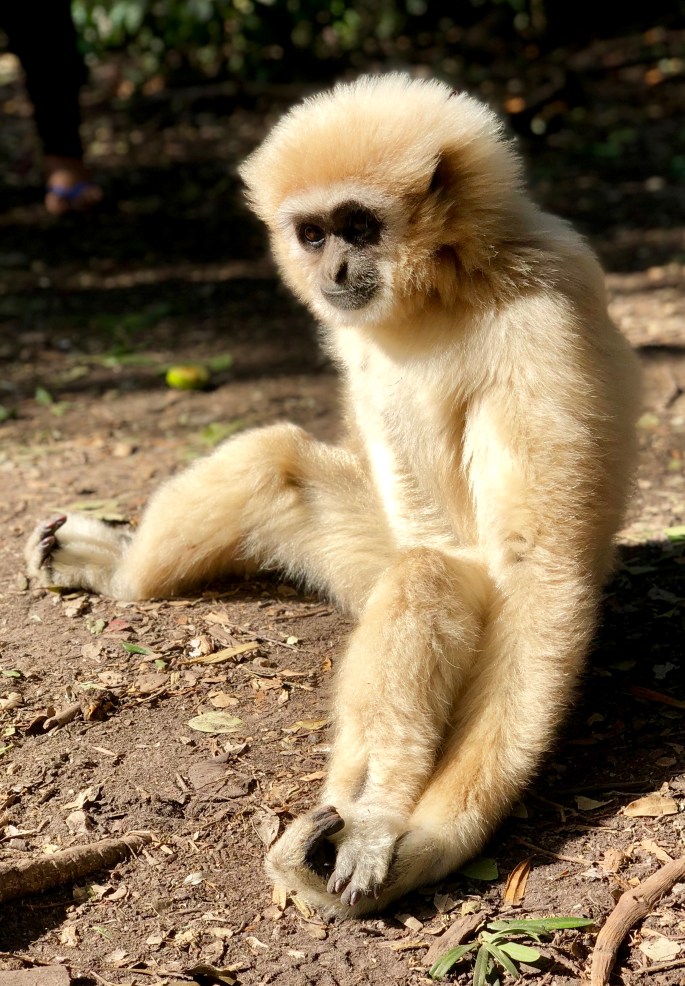
Plettenberg Bay is in the heart of the Garden Route, with lots of animal sanctuaries, including Birds of Eden and Monkeyland!

IMG_6602

IMG_6639IMG_6632IMG_6625

IMG_1671

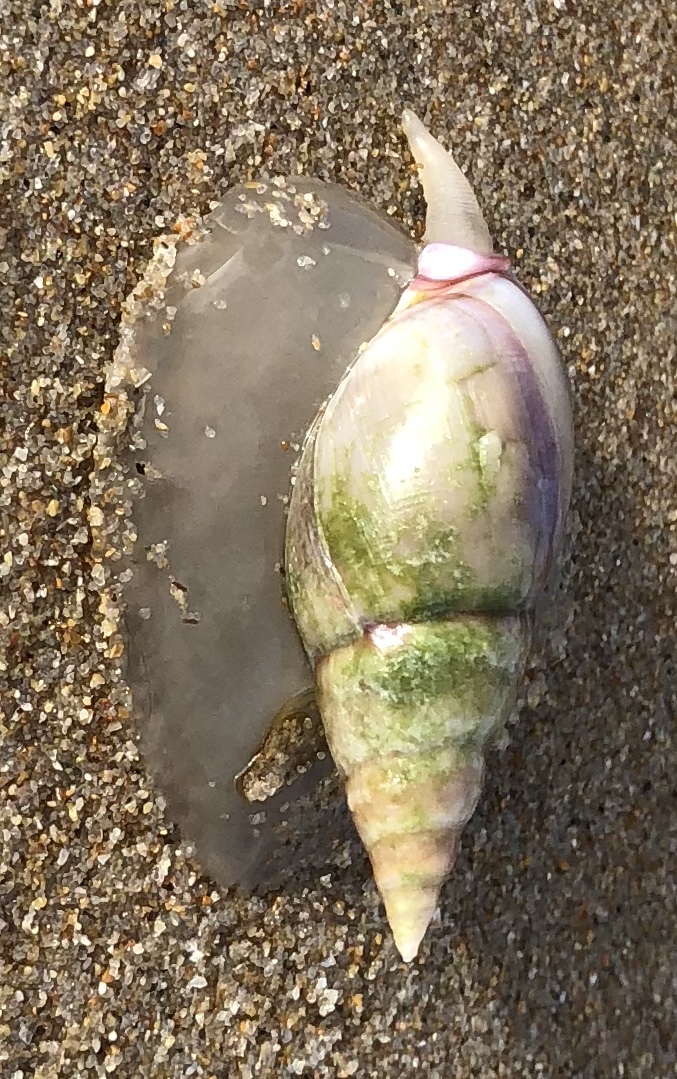
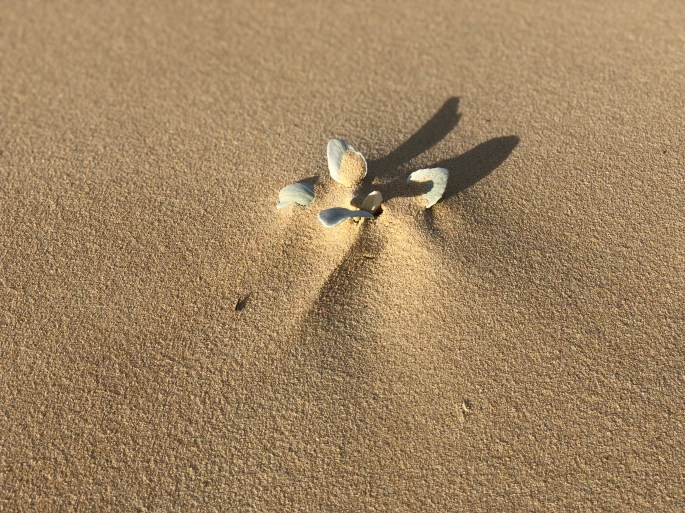
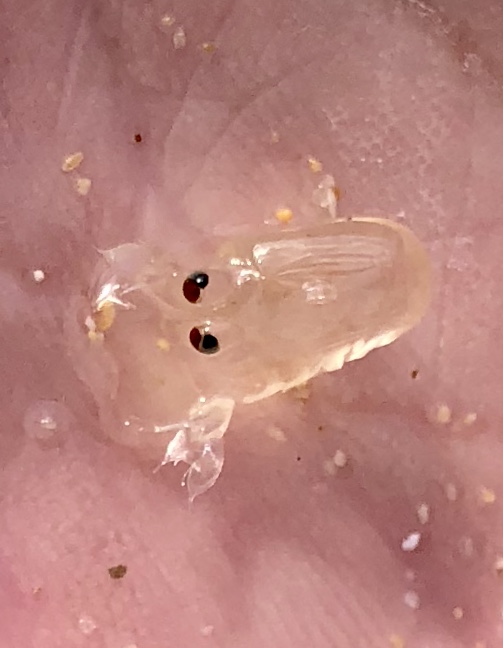
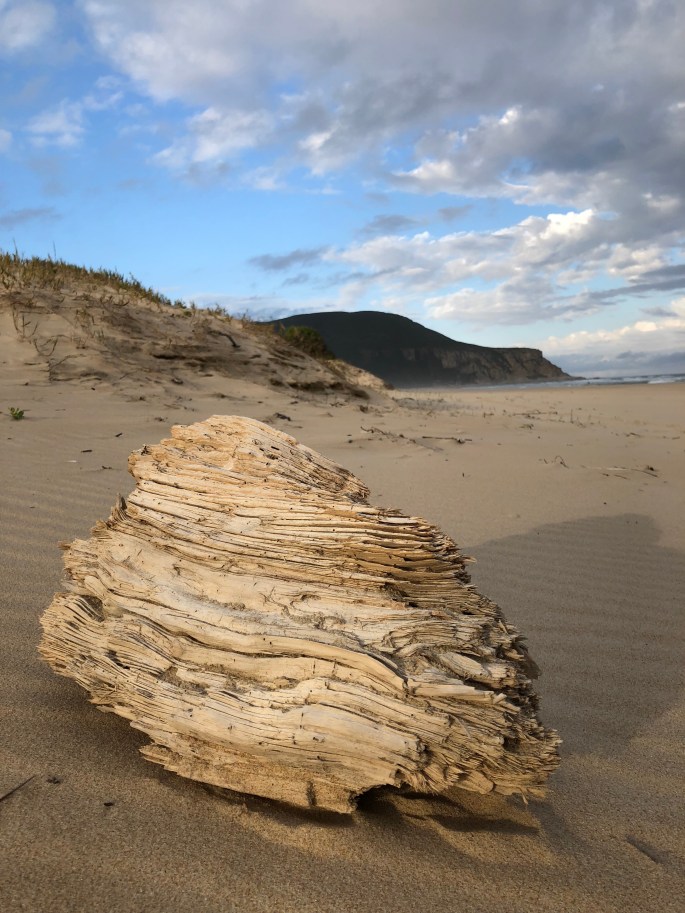
Nature Valley Beach was an isolated spot with lovely animal, vegetable and mineral features….

IMG_6664IMG_6675IMG_6667IMG_6685

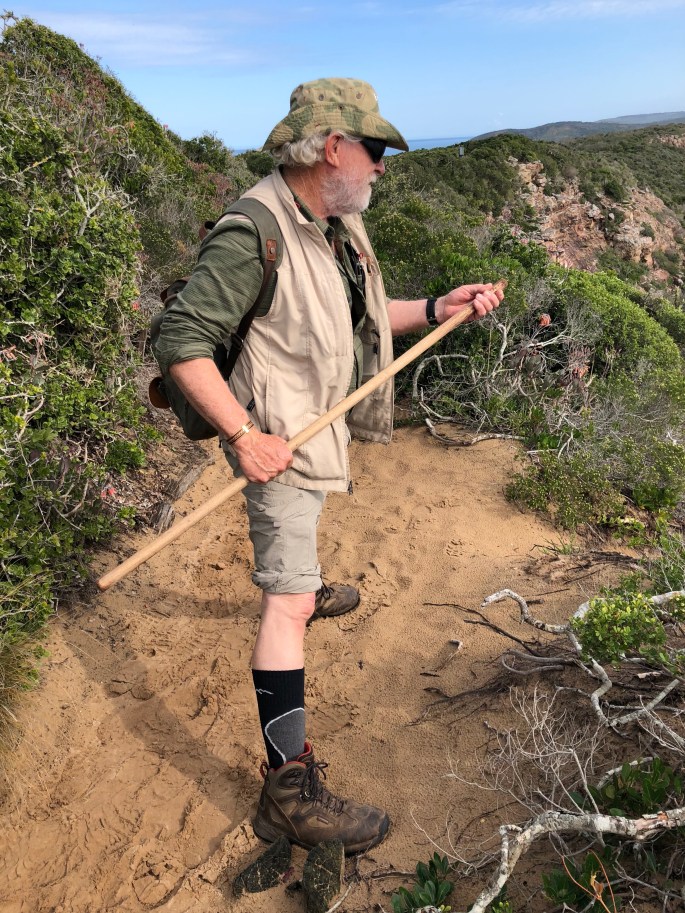
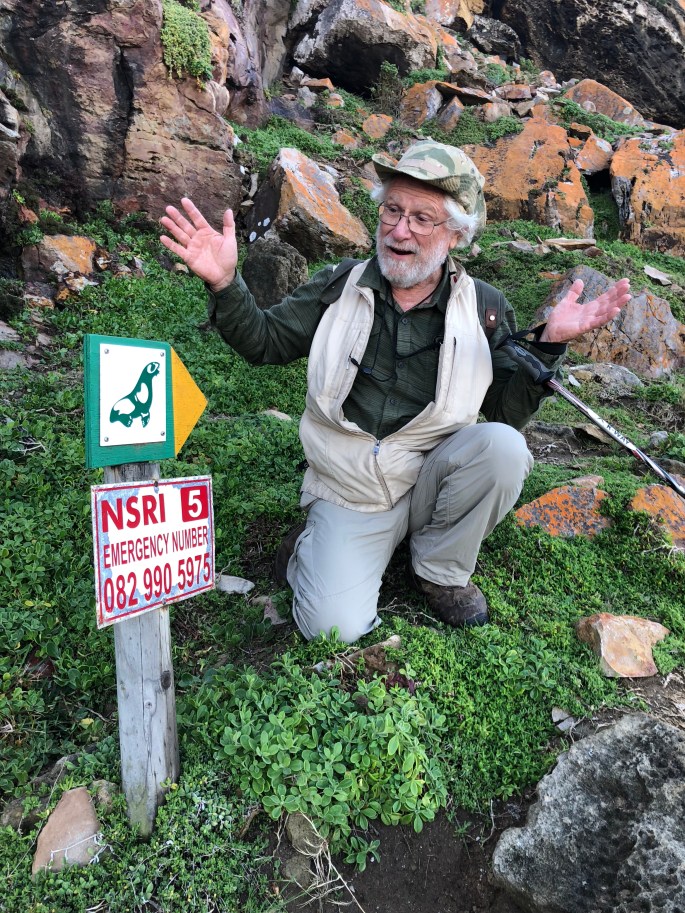
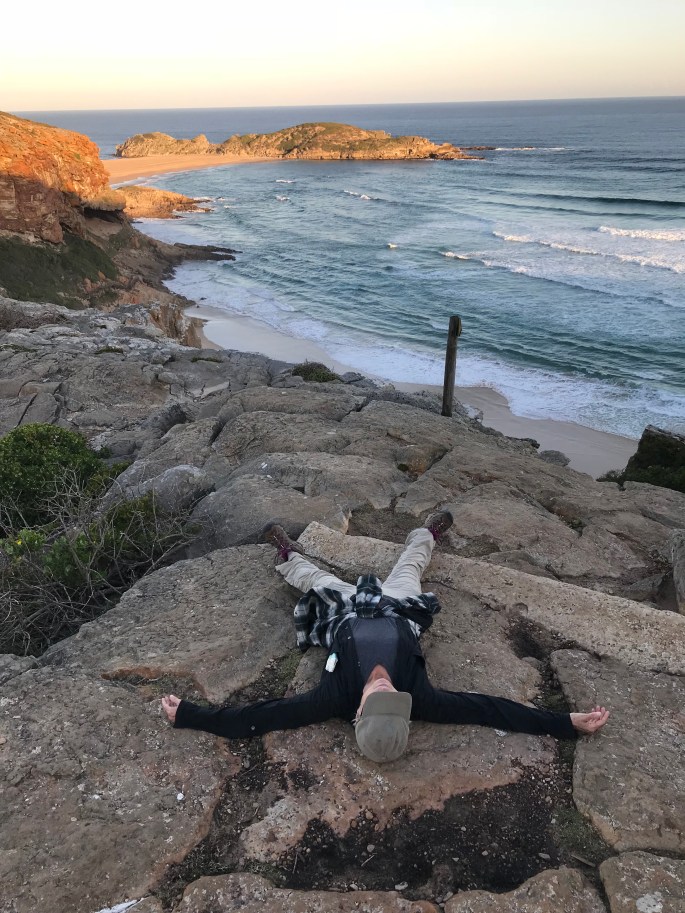
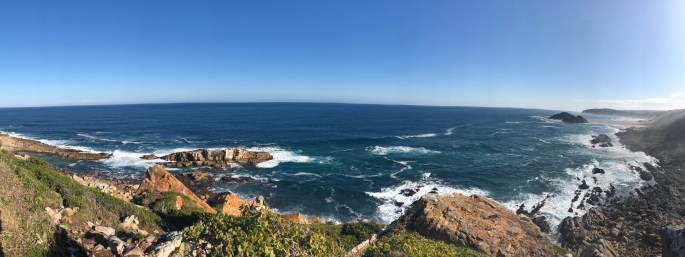
Robberg Nature Reserve has a challenging hiking trail – about 10 miles of narrow cliffside paths and grueling rock climbing, but worth the reward of seeing seals frolicking in protected inlets.

IMG_7495IMG_1839

RAS+BQnQStuEABmrY3AJ%QIMG_1915

IMG_6704

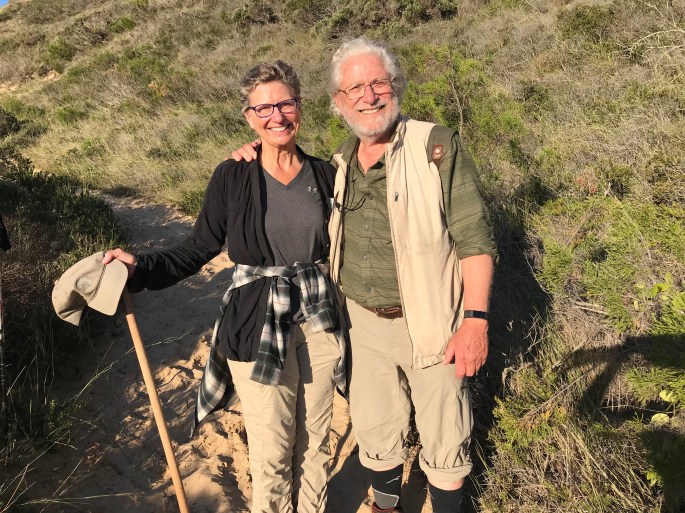
We were proud and exhausted after completing the trail….

IMG_1910

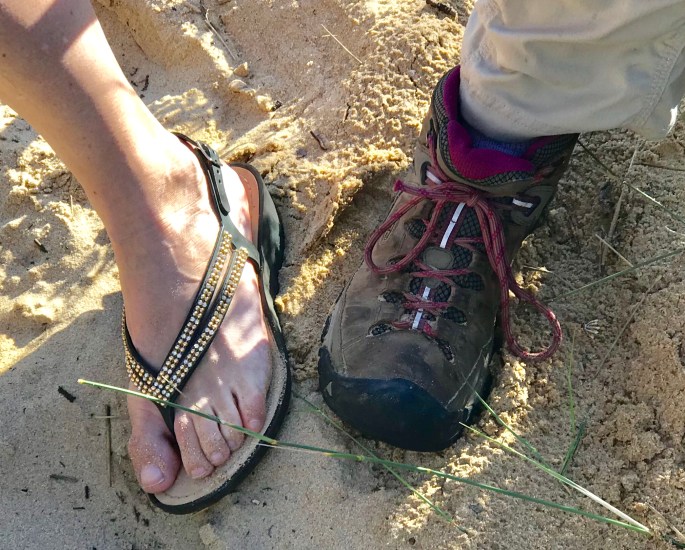
…but duly chastened when we encountered another couple who had completed the same circuit in much less time …… while wearing flip flops! 

IMG_1909

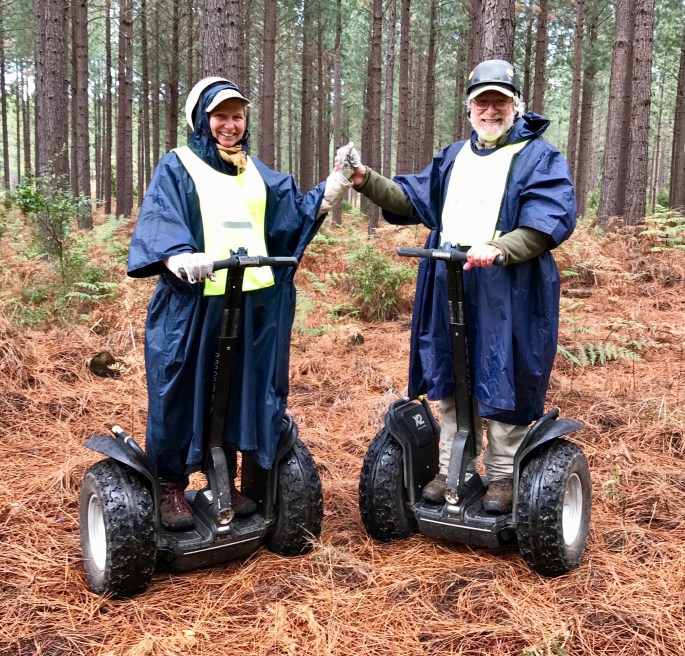
Tsitsikamma National Park felt like coming home to extensive pine forests.  Intermittent heavy rain did not deter us from exploring on Segways…..

IMG_1937

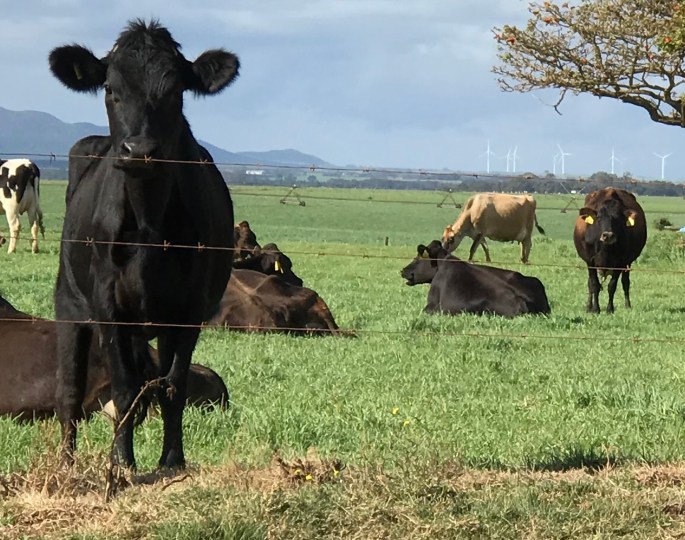
On the way to Oyster Bay, we passed through wind farms and pine plantations and saw lots of cows used in milk production (including a very newly-born calf) – all right alongside the Indian Ocean.

YlZ6K1O5RWy5PclqchOGAAIMG_2108IMG_6755

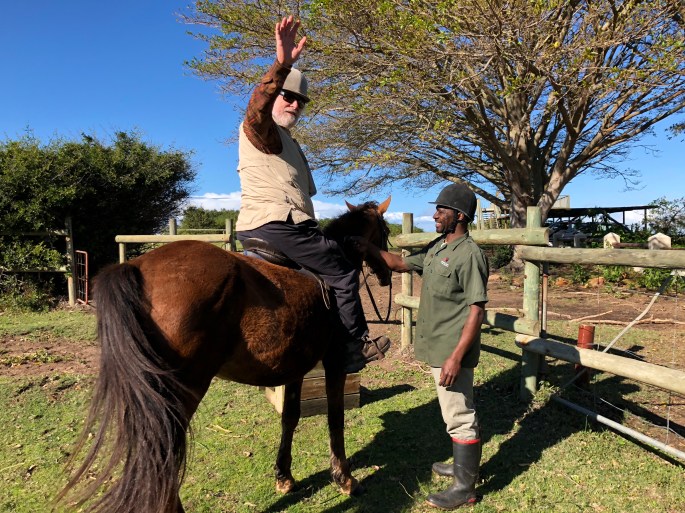
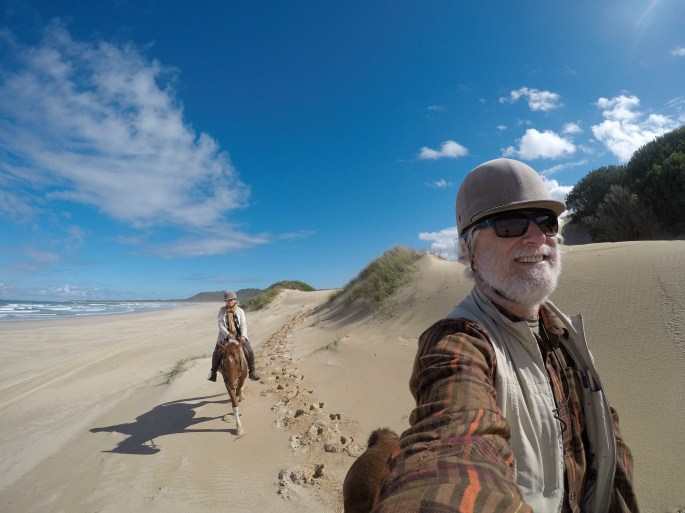
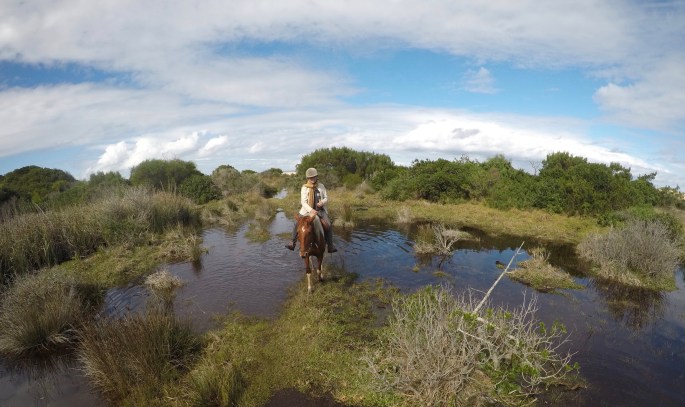
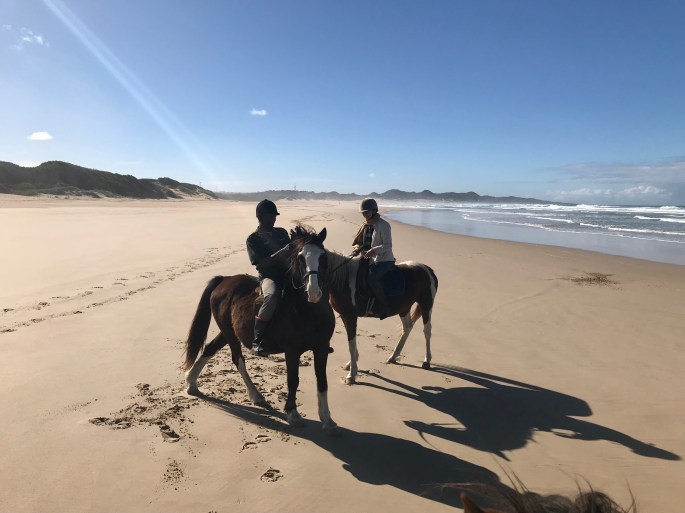
Oyster Bay was our opportunity for an equestrian experience, across the wetlands, over the dunes and along the beach.

nr+WuewXRomkVCbXDBAdegDCIM102GOPROGOPR8020.JPGDCIM102GOPROGOPR8041.JPGIMG_2135

QqL2jdWQSNaWAbDlXI0AHw

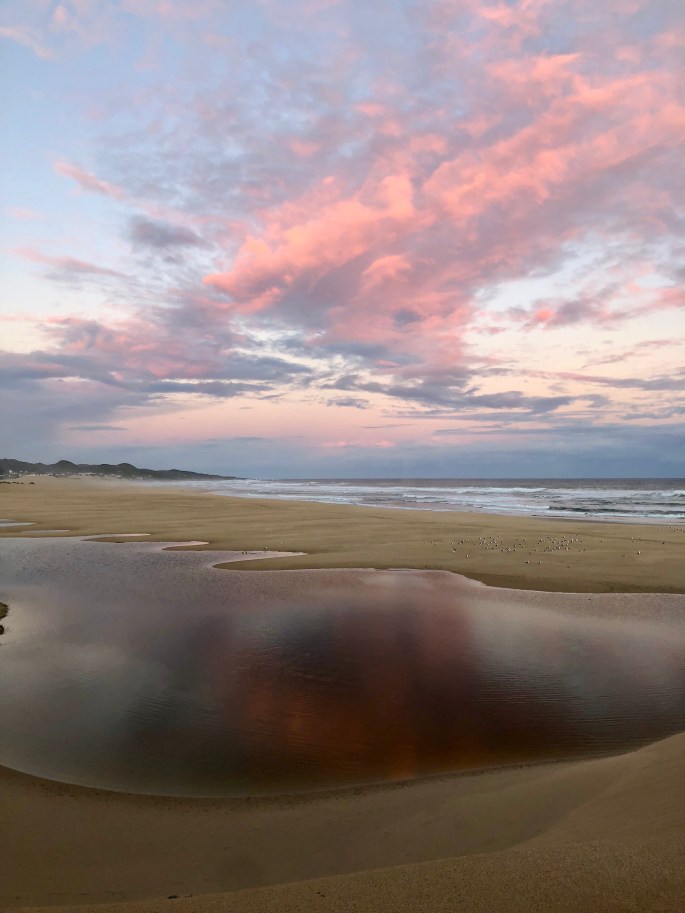
And a beautiful sunset…..

IMG_6762

Next, we leave the coast to head north for the last of our traditional South African safaris…….

South Africa, Part Four

Gorah is a truly classic safari camp in the Addo Elephant reserve, with an historic central lodge where we dined before a roaring fire our first night.

The accommodations are very elegant tents on permanent platforms….

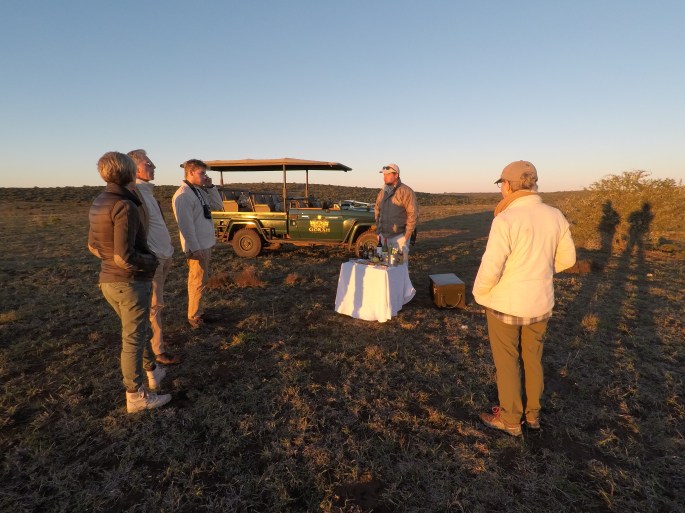
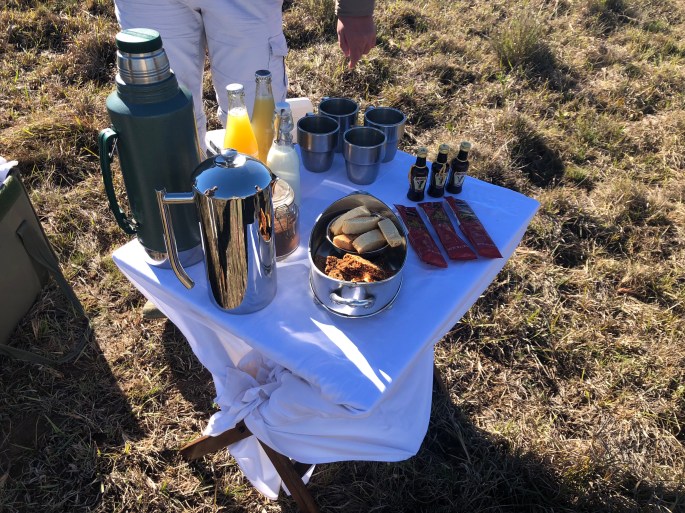
The safari drives include open vehicles and refreshment stops, in addition to animal sightings.  Not too many of the latter at this site, largely due to heavy rains just before we arrived.

DCIM102GOPROGOPR8054.JPGszY%NMsXRlu2z7Nf76FU+wIMG_2205

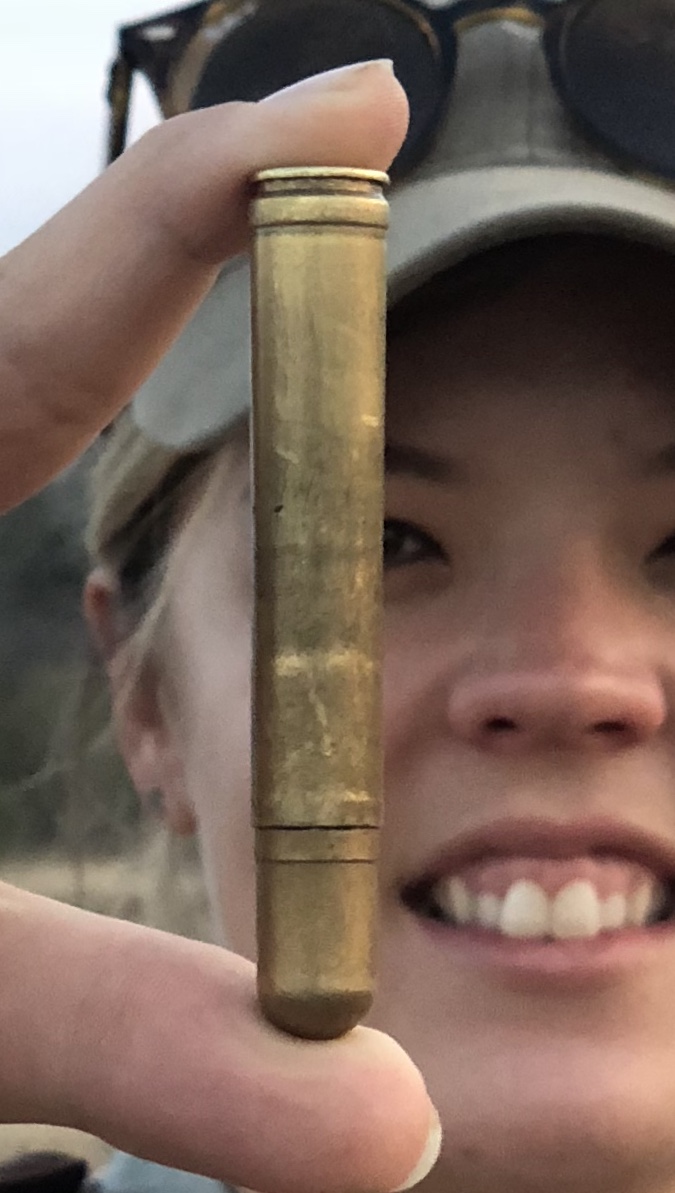
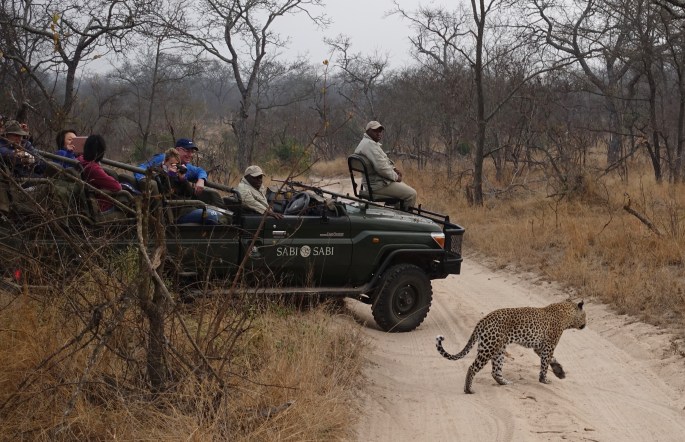
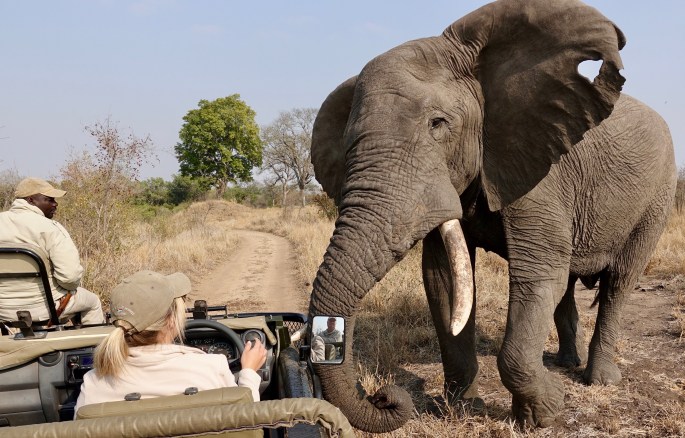
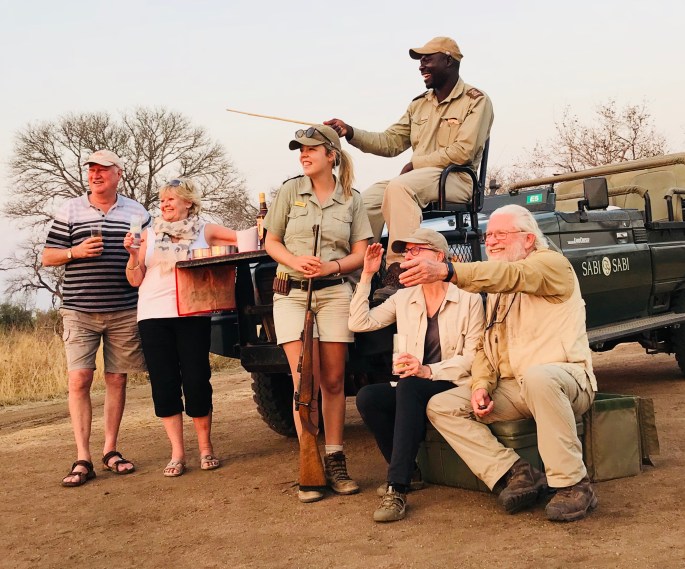
On to Sabi Sands, with some memorable close-ups with the animals, under the guidance of our first female ranger, Chanyn, who is armed and ready for….. bear, rhino, buffalo, whatever……

IMG_6799

DSC04892DSC04910DSC04962IMG_2395

We took a little time off from safari for some badly-needed professional grooming.

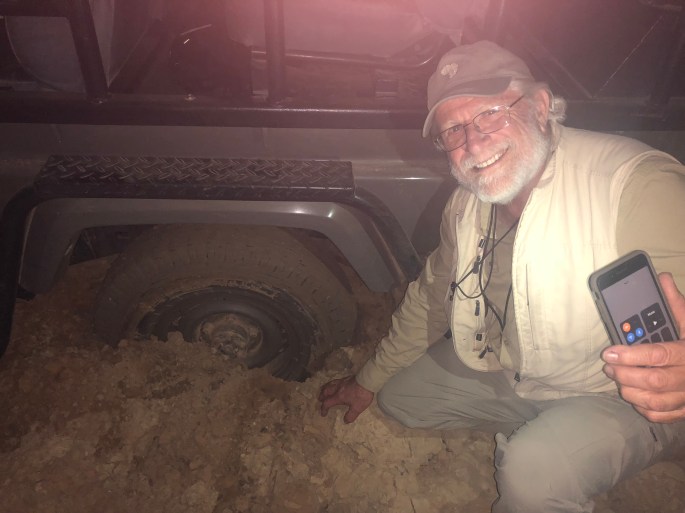
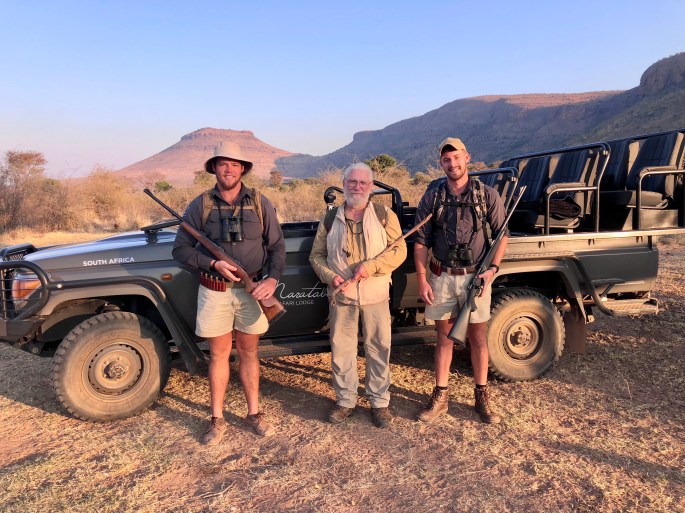
And lastly to Marakele National Park north of Johannesburg….. our safari vehicle got stuck in deep sand our first evening.

NUXDUci2TzeW4AwZB7gXbg

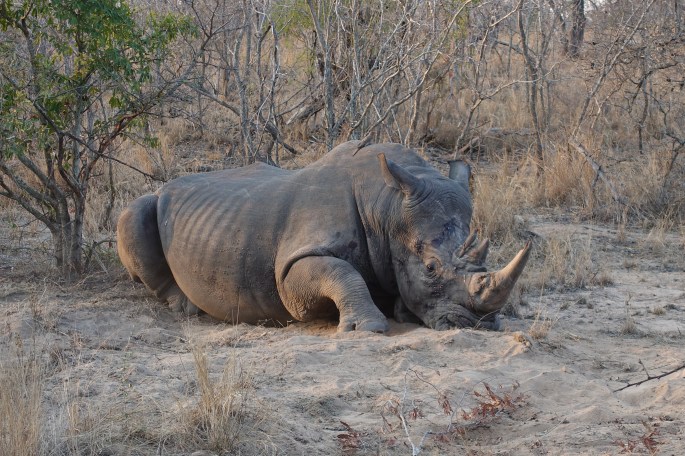
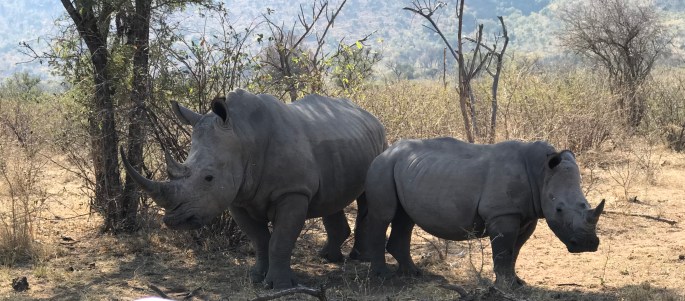
Lots of rhino there….

DSC05021IMG_5416

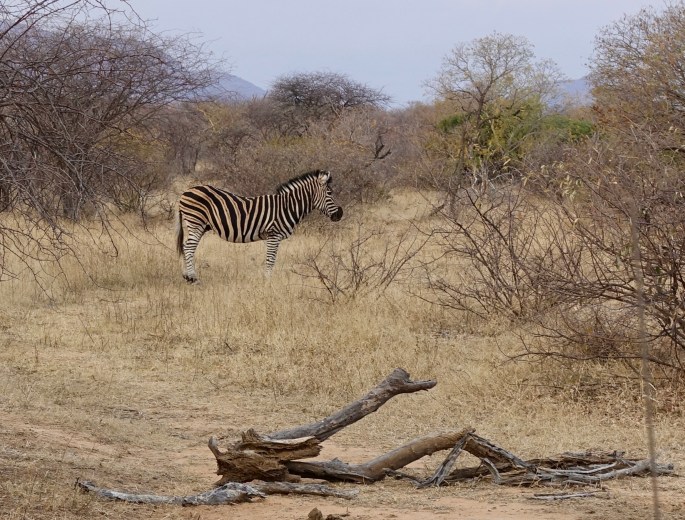
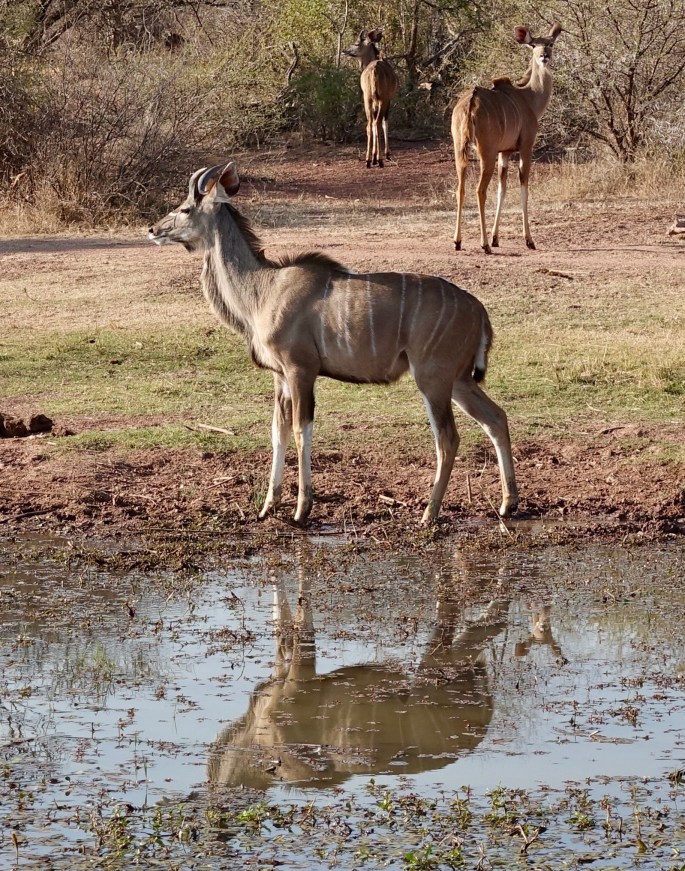
Zebra and my favorite antelope, the kudu…

DSC05037DSC05052

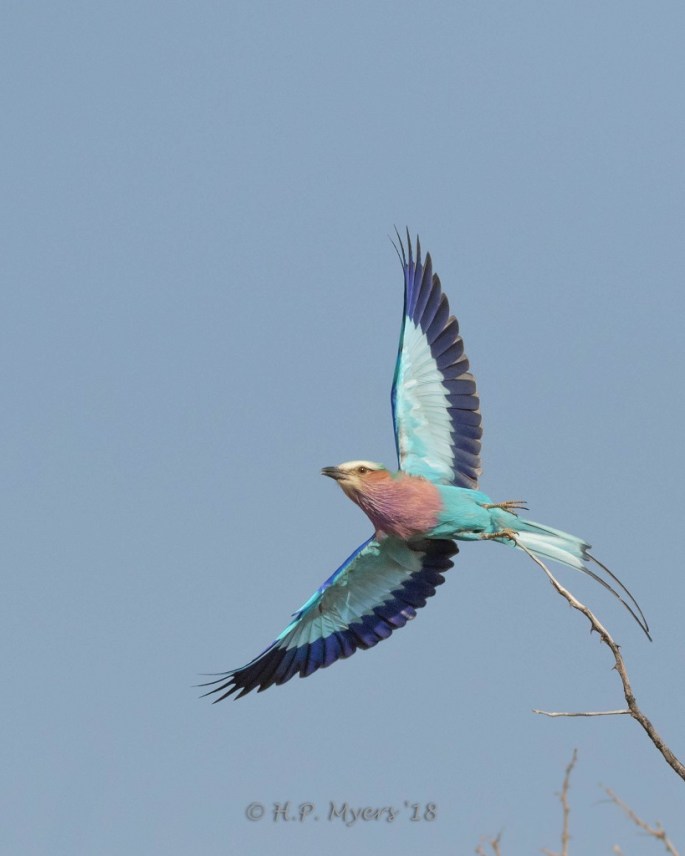
The bird life is incredibly diverse, but hard to capture on film….. here is one of the most brilliant birds in Africa, the lilac-breasted roller – caught in flight by our guide Hein, a professional-grade photographer.

_MG_0616

Walking safaris and water safaris were also on the menu….

DCIM102GOPROGOPR8129.JPGIMG_6850IMG_6843

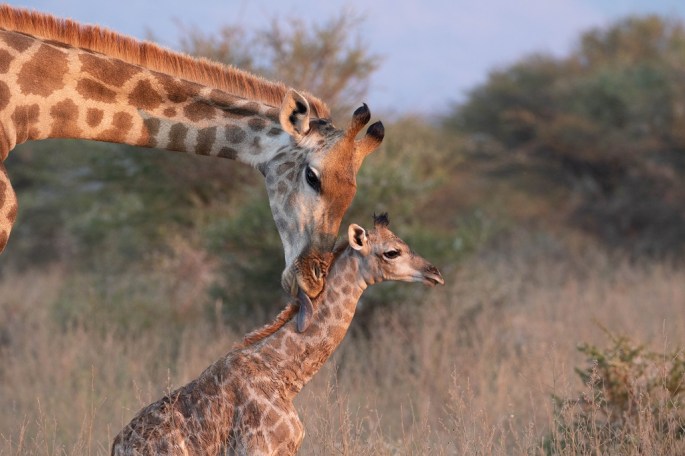
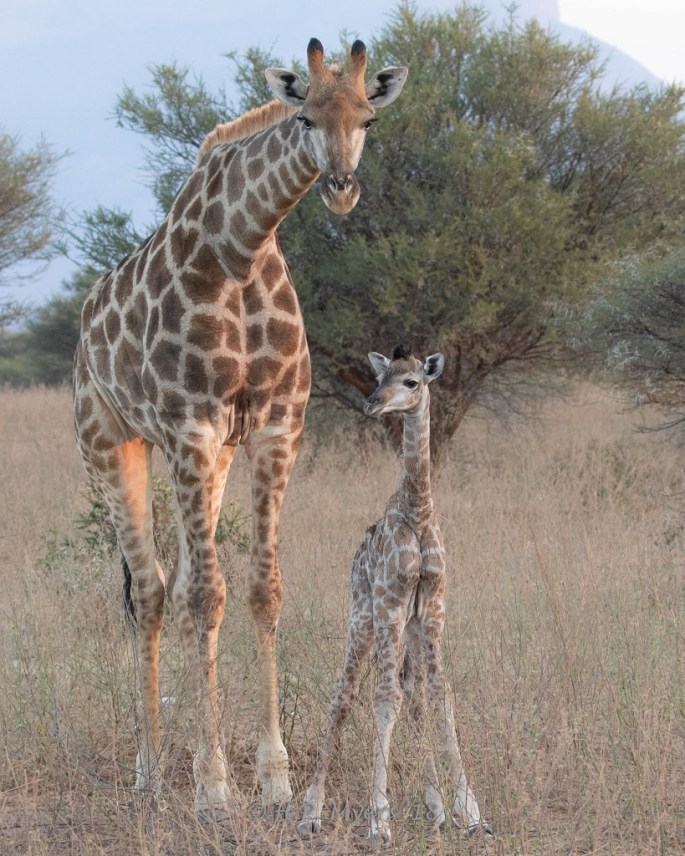
One of the biggest thrills of the trip was coming across a mother giraffe with a baby who had been born less than 2 hours before.  We saw the young one stand for the very first time, take his first steps, and nurse.  Absolutely fabulous…..  (these two photos also being to Hein’s credit)…

_MG_0983_MG_0999

If this is to be our last safari drive, at least it ended on a high note.  After so many outings, it’s hard to think that we may not be back to experience again the incredible feeling of this environment and being close to these precious creatures.   We are humble and extremely grateful.

This particular journey will continue, however, with a few days on the beach in Mozambique, then on to the wilds of Madagascar.

Mozambique

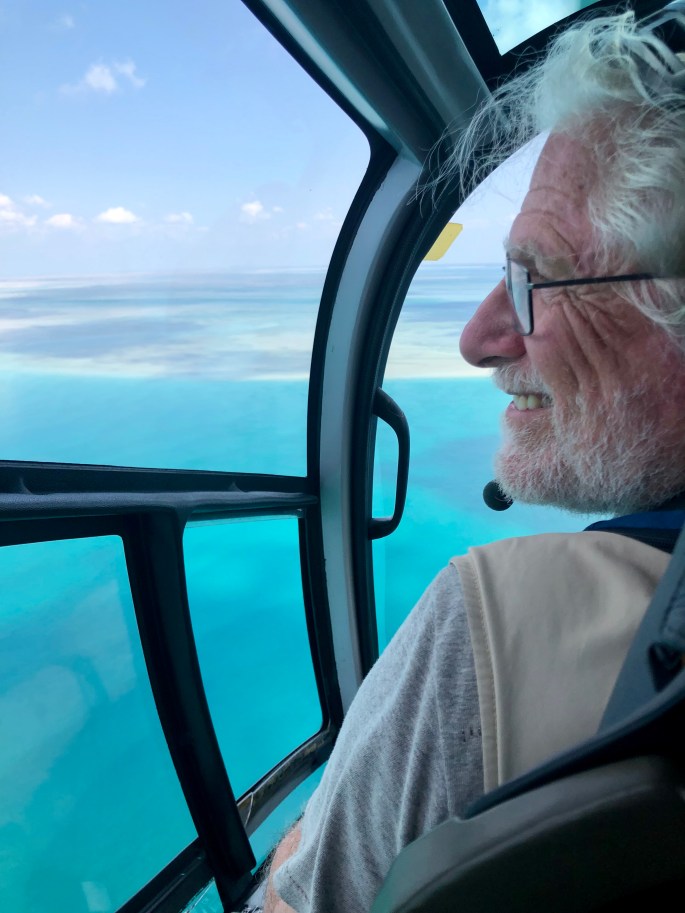
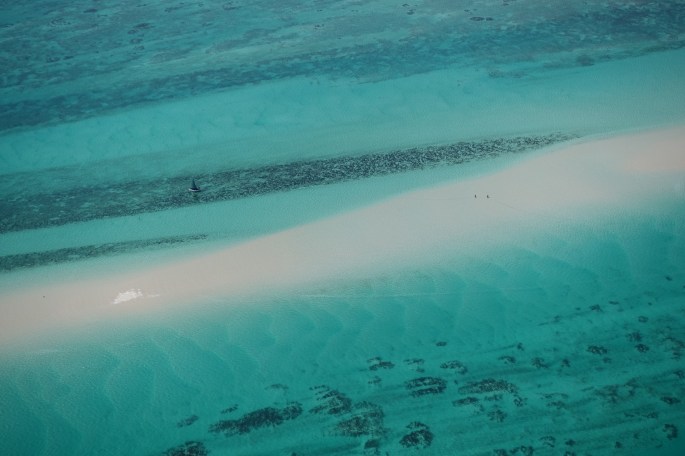
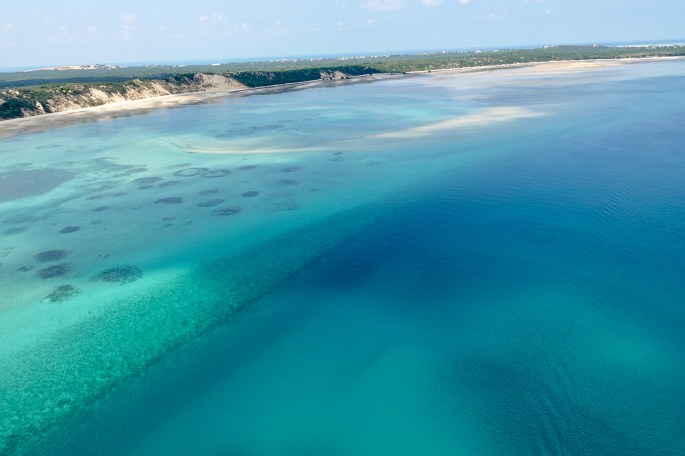
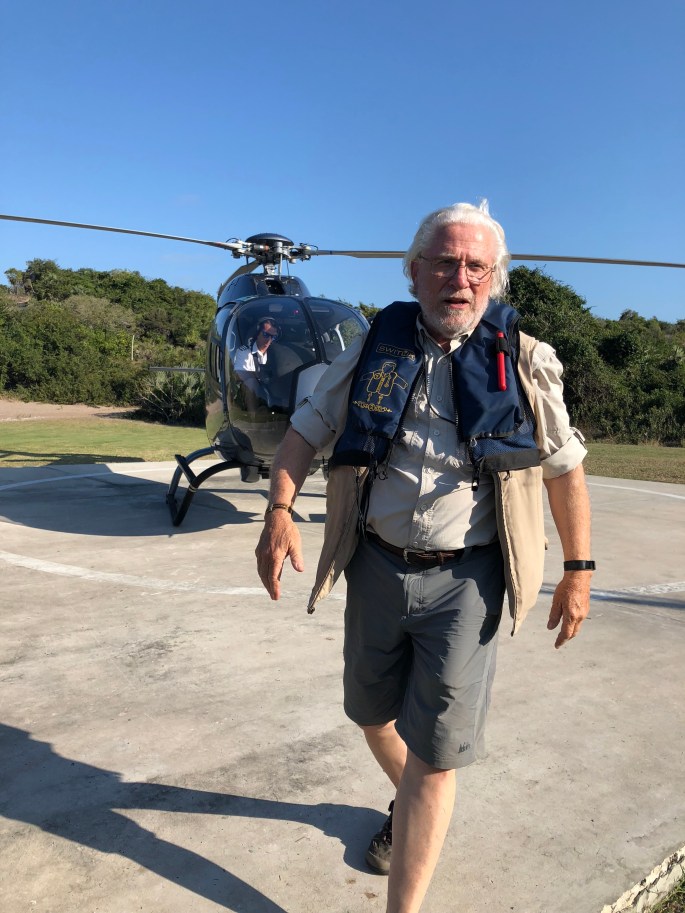
Tertius decided we should take a beach break from the rigors of safari life before moving on, so we spent several days at a swank resort on Benguerra Island in the Bazaruto Archipelago off the coast of Mozambique.  The most entertaining part of this interlude was actually the helicopter ride to the island…..

IMG_6928

DSC05114DSC05112DSC05106du5CUf4wQL6iQcKG9gb21w

We hiked around the island, climbed up and down the big dune, rode on a boat and did a bit of snorkeling….. the usual beach-y stuff.

Evidence of marine life was easy to find on the mostly pristine beaches….

The lizards help keep down the bug population…

IMG_6894

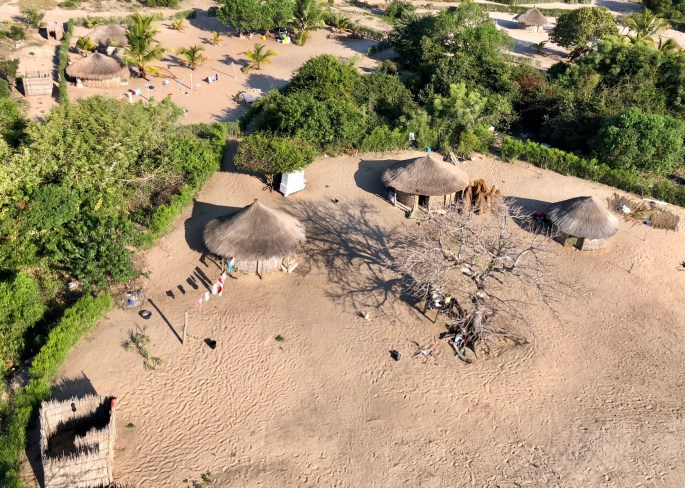
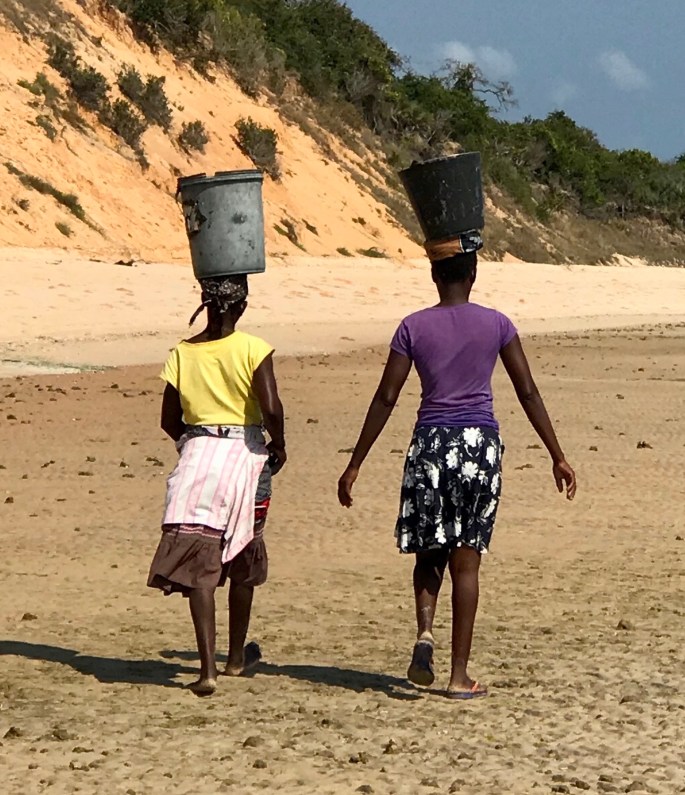
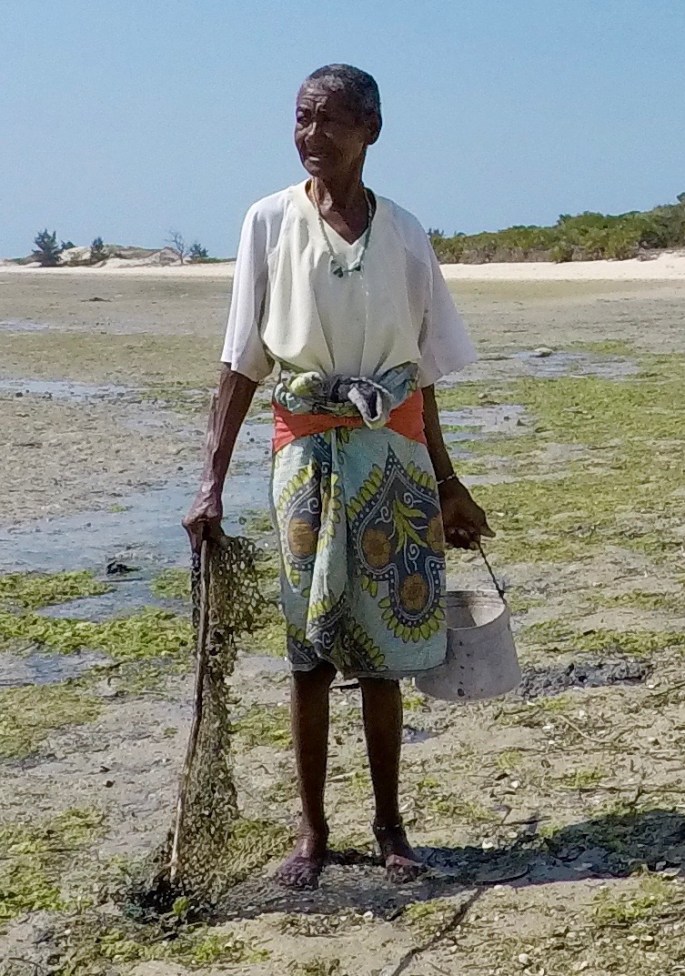
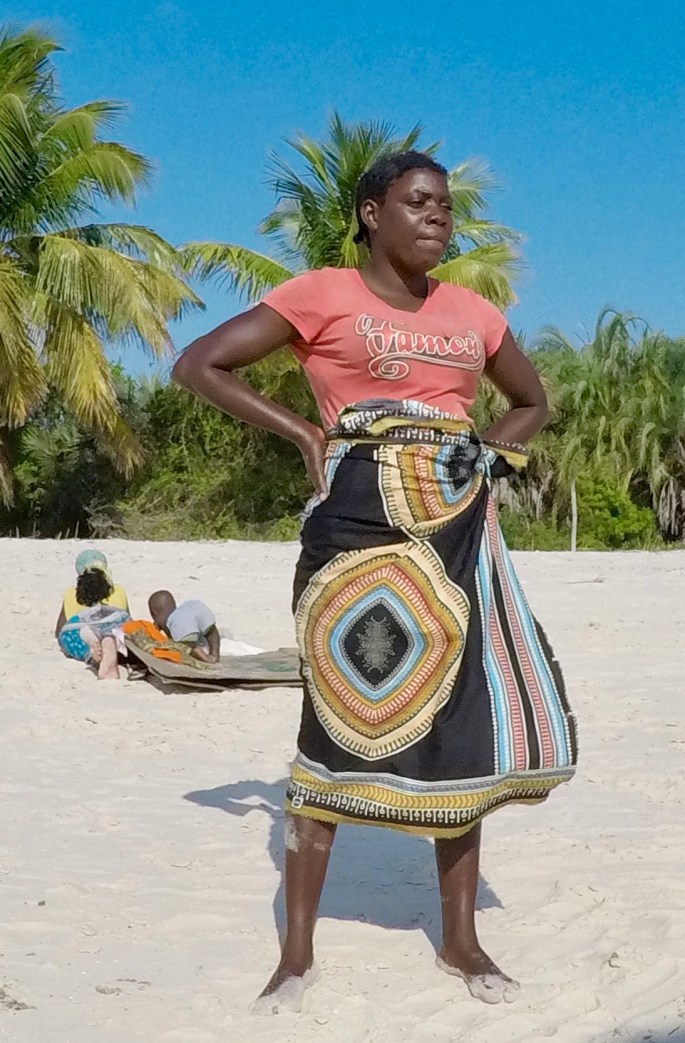
The local people are very pleased with the job opportunities that the two resorts on the island bring to them.  They live fairly simple lives… generally without electricity or indoor plumbing…. and are otherwise dependent on fishing and the fruits of the sea.

IMG_6854

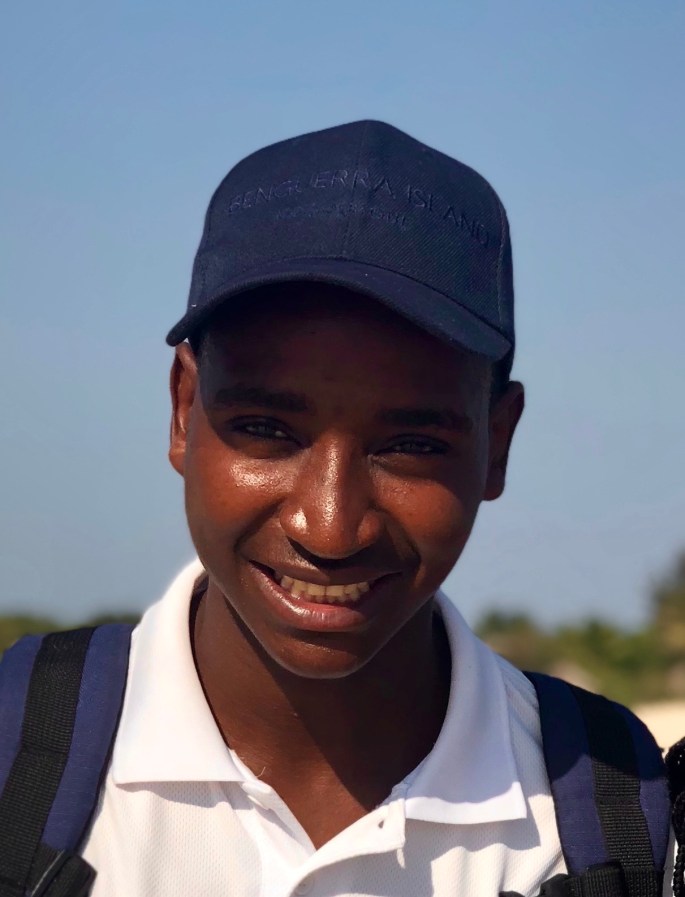
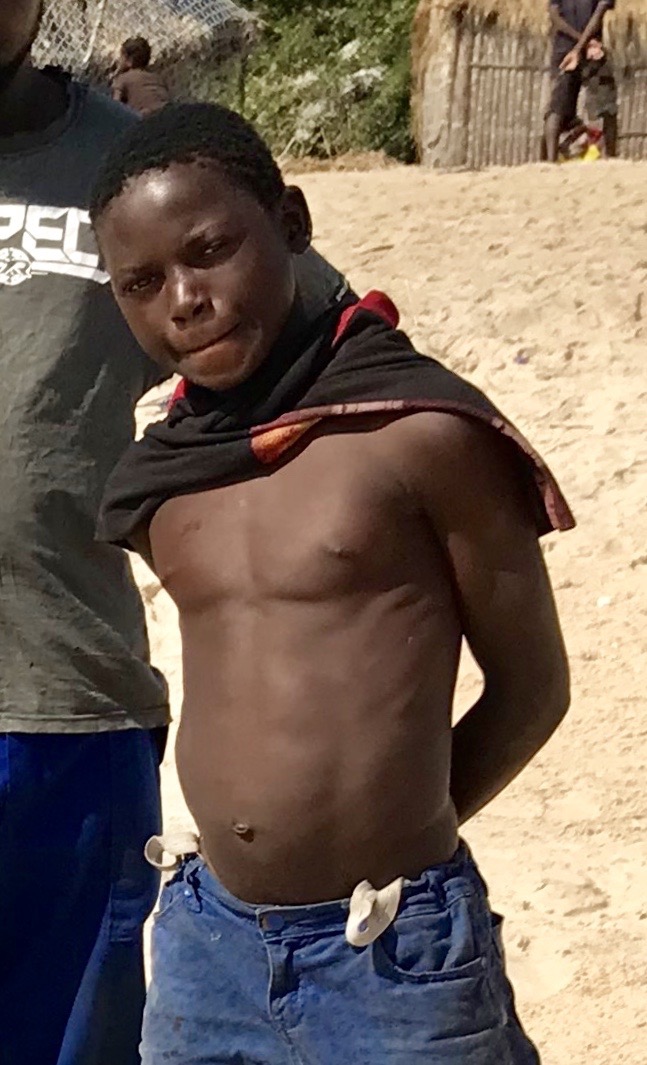
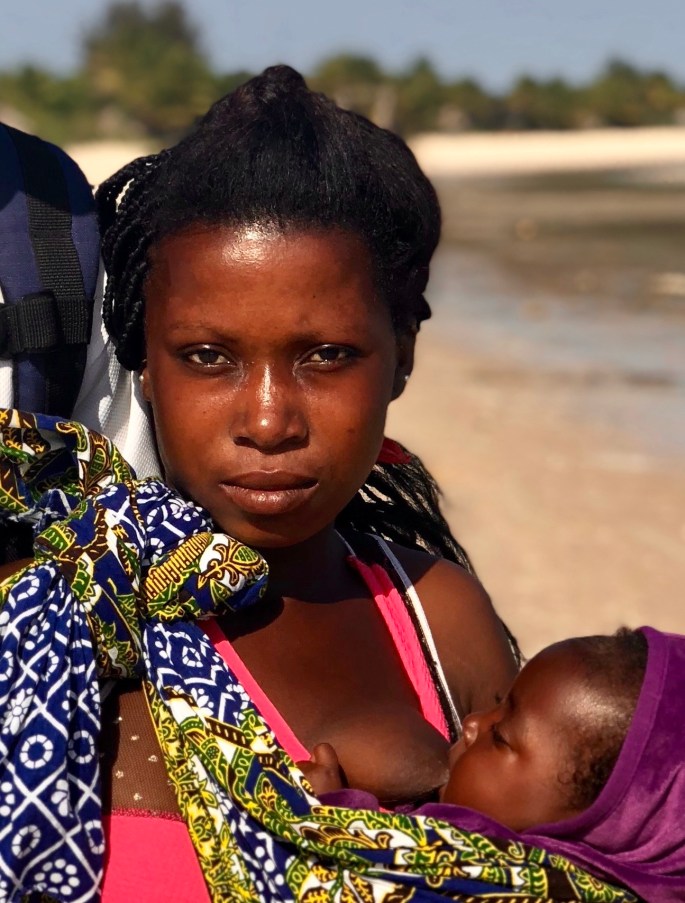
Here are some of the people we came across…..

IMG_6869IMG_3317 2DCIM107GOPROGOPR2050.JPGIMG_5519 2DCIM107GOPROGOPR2094.JPGIMG_6869 2

Lovely people who mostly seem to be content to stay on their little island and have lots of babies.  Some of them yearn for better education and opportunity, and we hope they get both.

On a different subject, a cautionary note for the traveler:  If you stay in a hotel with mosquito netting, there is probably a reason.  You should use it.  We didn’t one night and I have a dozen bites.  Sure hope the malaria prophylactics work!

And so we bid farewell to this little bit of paradise…..

IMG_5752

The flurry of blog postings recently means that we have had good internet service for a couple of days, so now we are completely caught up!  Tomorrow we leave for Madagascar and will hope to post again from there.

Madagascar, Part One

Apologies for failure to update until now.  The only time in Madagascar when there was fair connectivity, I was laid low with food poisoning… again.   My second excuse is that now that we are home, I’ve become distracted by other priorities.

My third excuse…. and a dilemma that still confounds me…..   is pure stupefaction over how to approach a report on our Madagascar experience.  

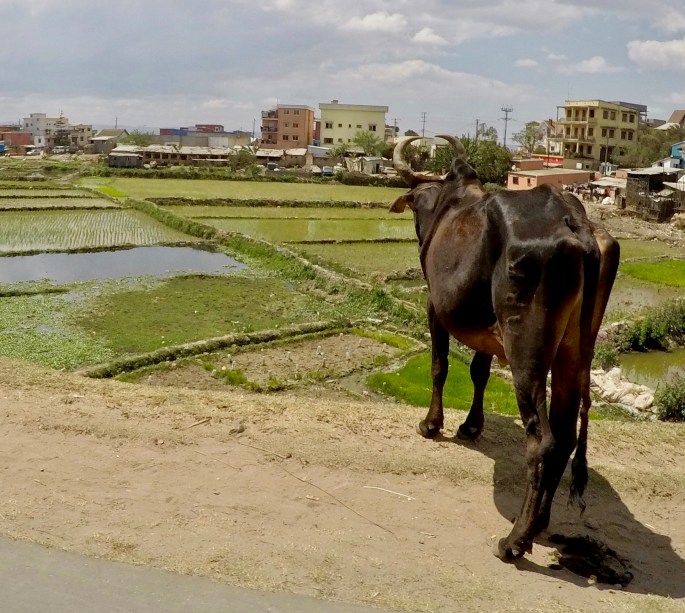
The first reaction upon arriving in the capital city of Antananarivo was excitement – Oh my gosh, are those acres of rice paddies at the entrance to the airport?
DCIM100GOPROGOPR3081.JPG

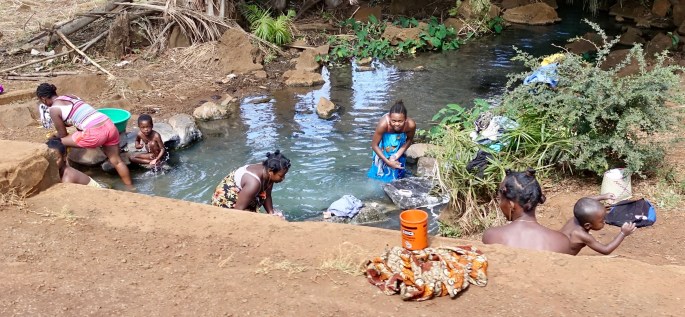
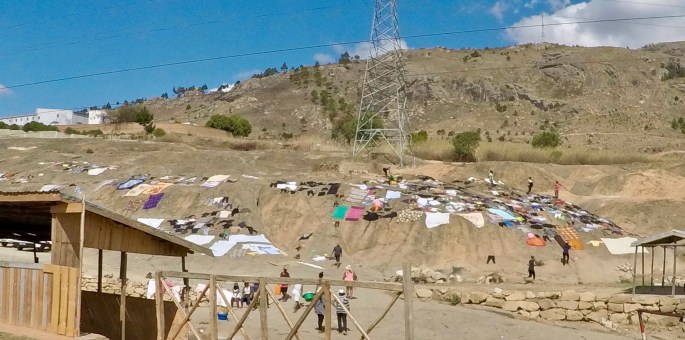
Look at all the laundry spread on the ground to dry in the sun!
DCIM107GOPROGOPR2350.JPG

DSC06771

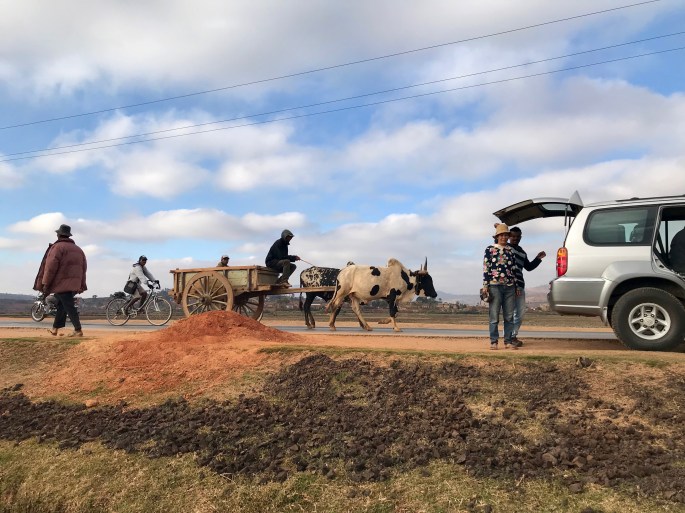
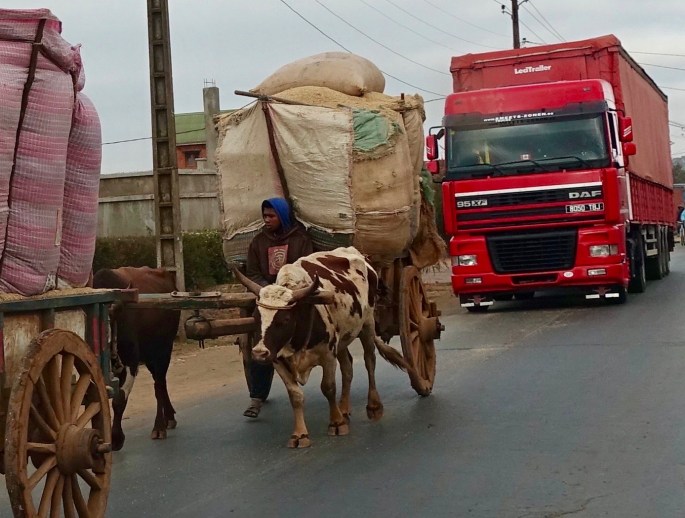
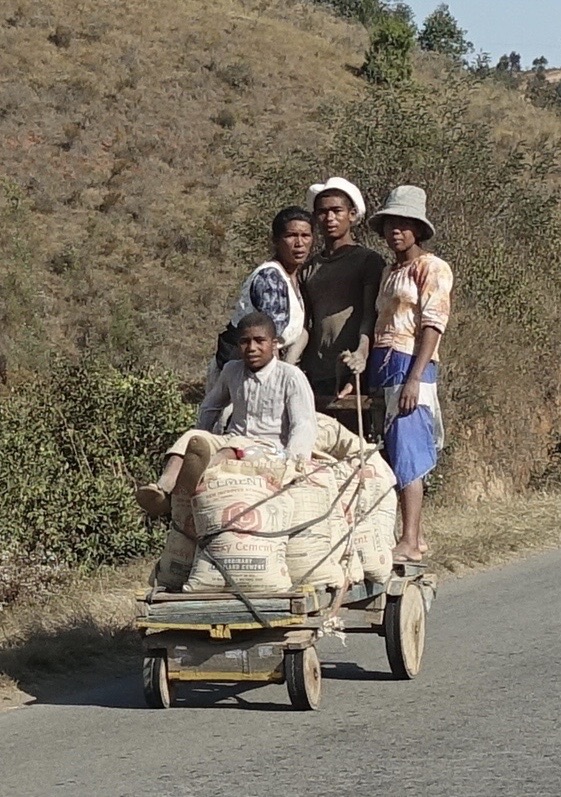
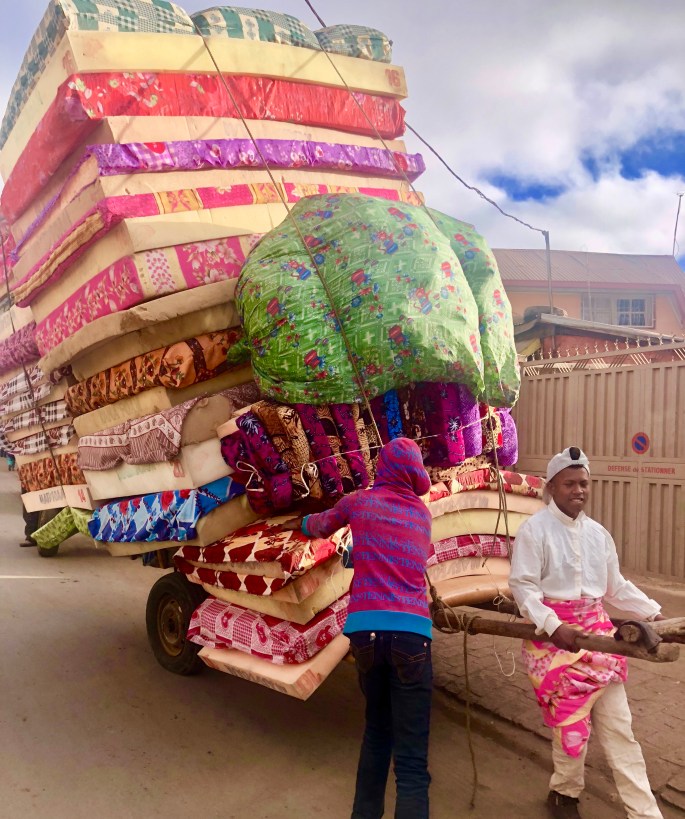
Ox carts in the roads!

fullsizeoutput_2a32

DCIM100GOPROGOPR3022.JPGfullsizeoutput_2a33

DSC05515

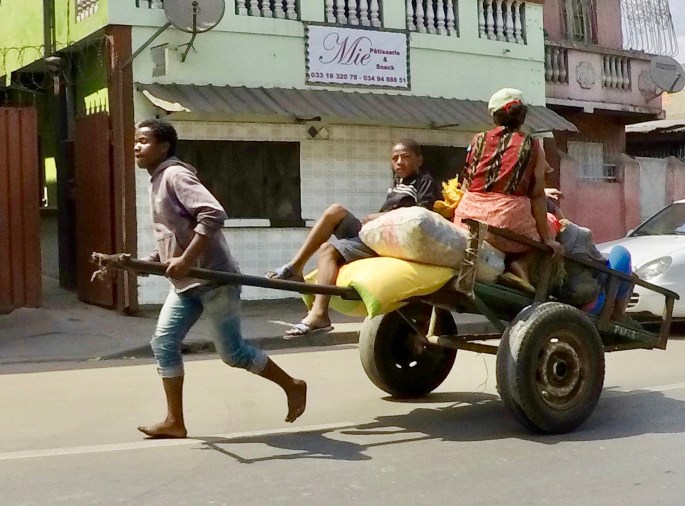
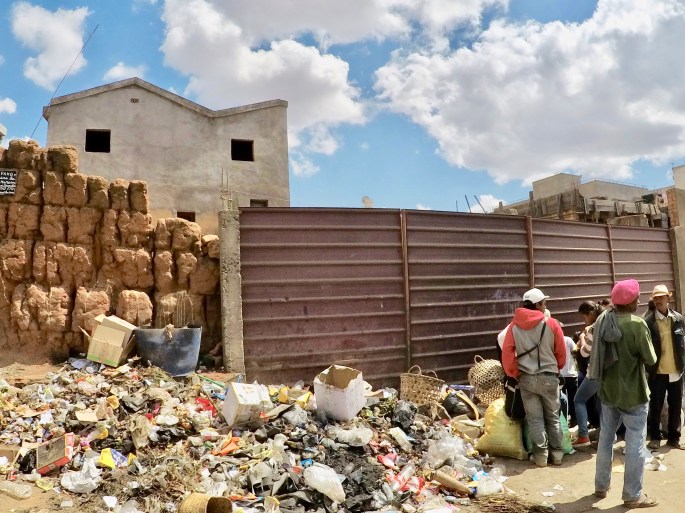
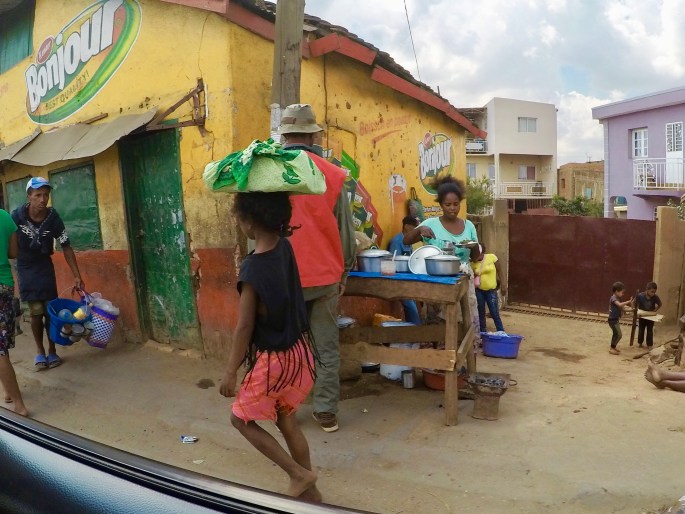
Humanity milling thickly along every thoroughfare!  Heaps of trash burning!

DCIM107GOPROGOPR2317.JPGHeaps of trash not burning!

DCIM107GOPROGOPR2295.JPG

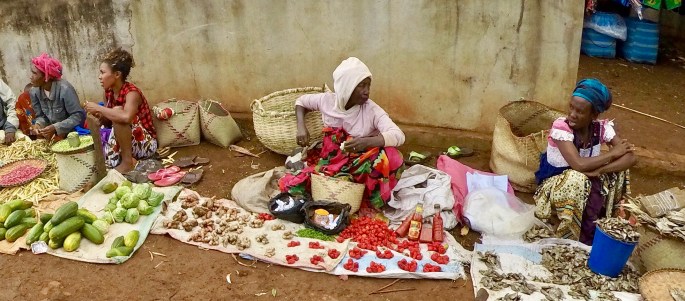
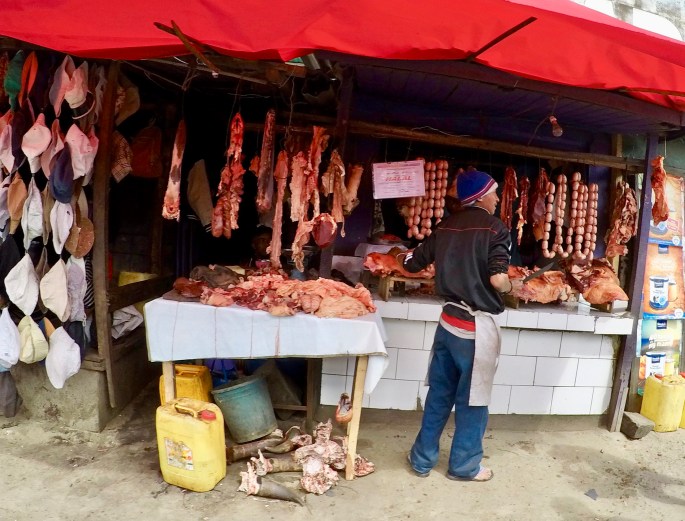
So many colors and textures!

fullsizeoutput_298b

DCIM100GOPROGOPR2945.JPGDCIM100GOPROGOPR2933.JPGfullsizeoutput_2a3a

What are they cooking over there?
DCIM100GOPROGOPR3054.JPG

DCIM100GOPROGOPR3047.JPG

DCIM107GOPROGOPR2308.JPGThe senses are assaulted by so many impressions that you can’t quite sort them all out.

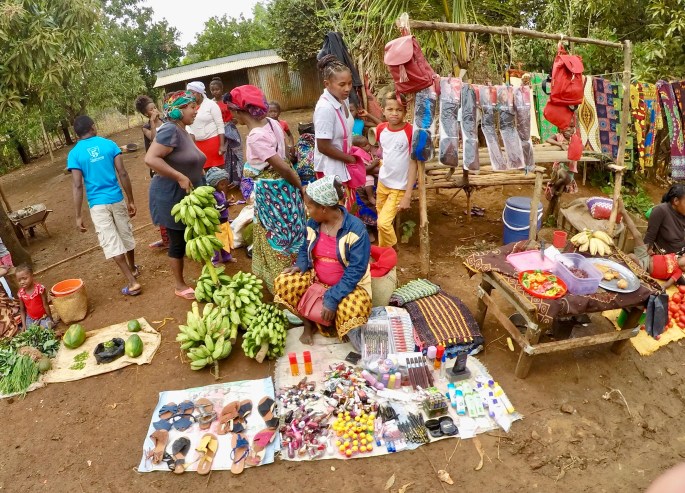
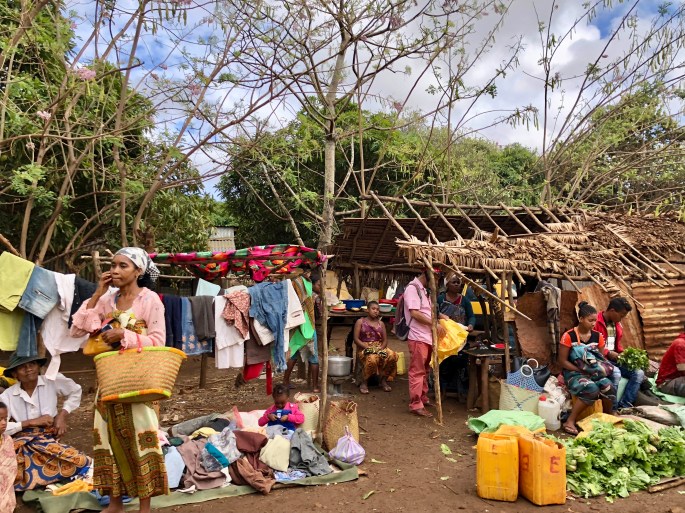
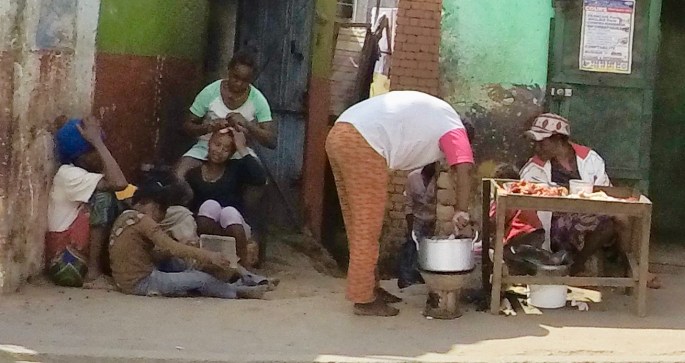
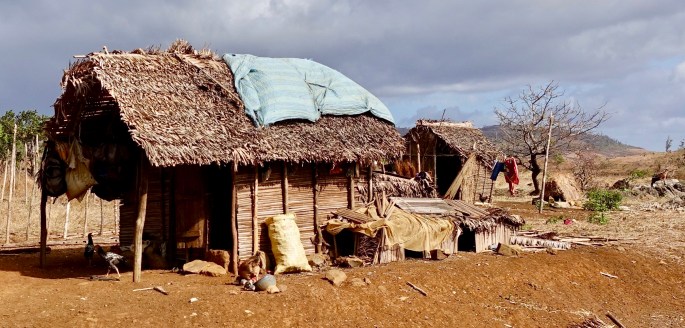
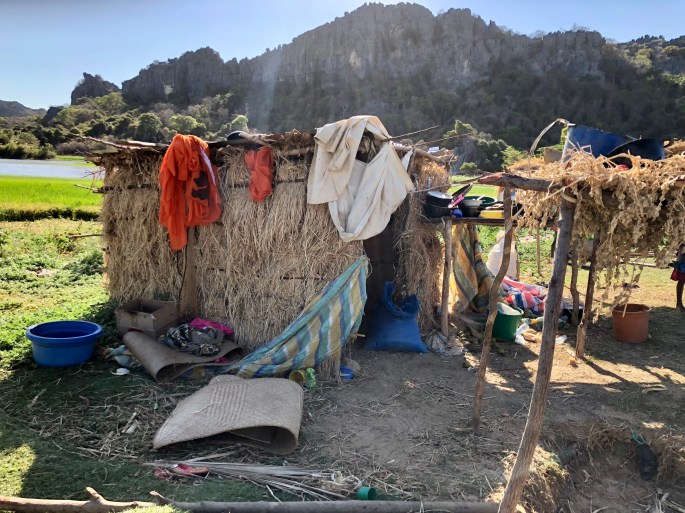
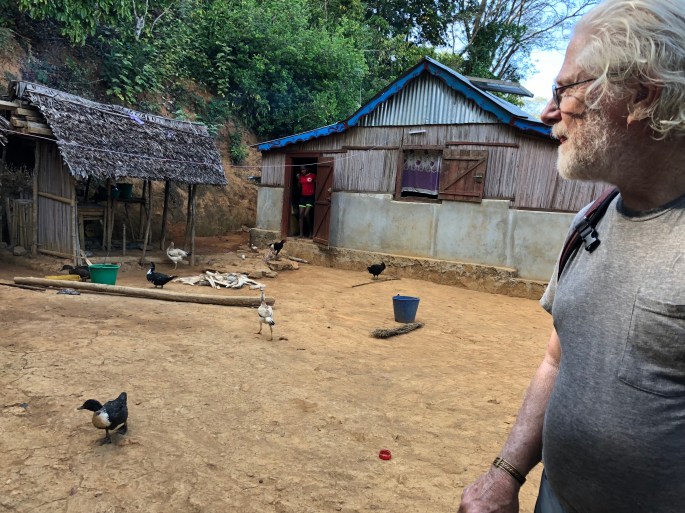
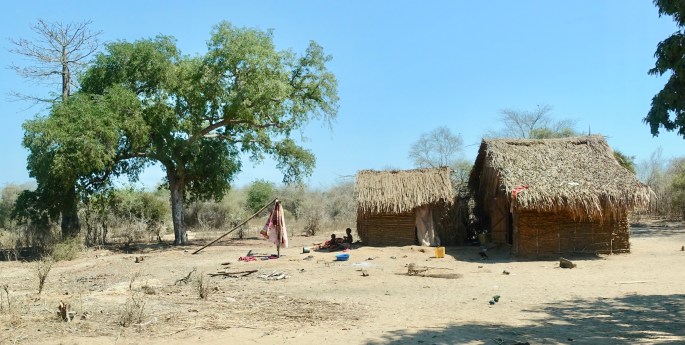
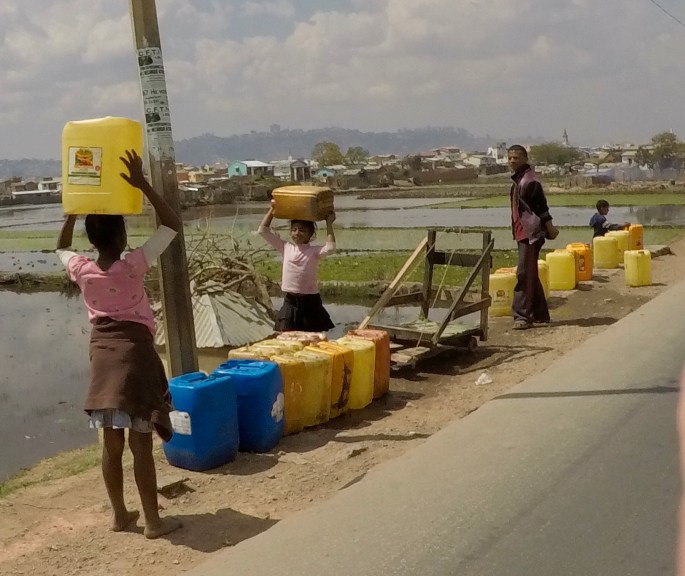
Then with additional exposure traveling from the city through the suburbs and in to the countryside some clear observations ….. Foremost, this is a very poor country.  Most of the lives of its people are lived outdoors on the streets, as the shacks/lean-tos/huts in which they sleep are extremely small and primitive, often with no indoor plumbing, power or cooking facilities.
DSC06443fullsizeoutput_2a39fullsizeoutput_2a3ffullsizeoutput_2998IMG_0879 

In many places, drinking water has to be physically transported.
DCIM100GOPROGOPR3060.JPG

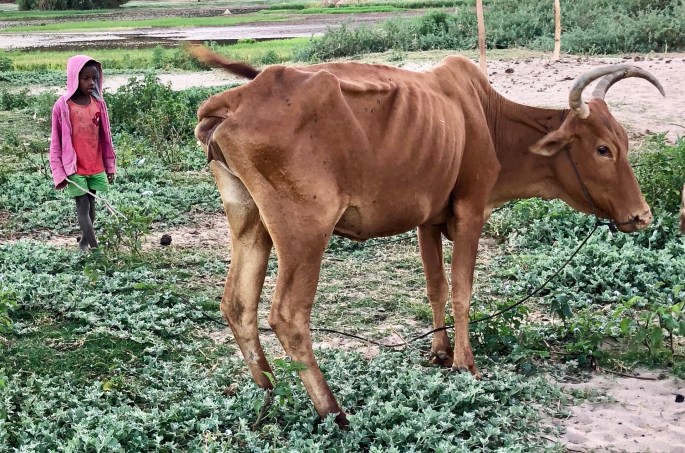
Emaciated zebu (cow) with a shepherd not much better off..
fullsizeoutput_2996

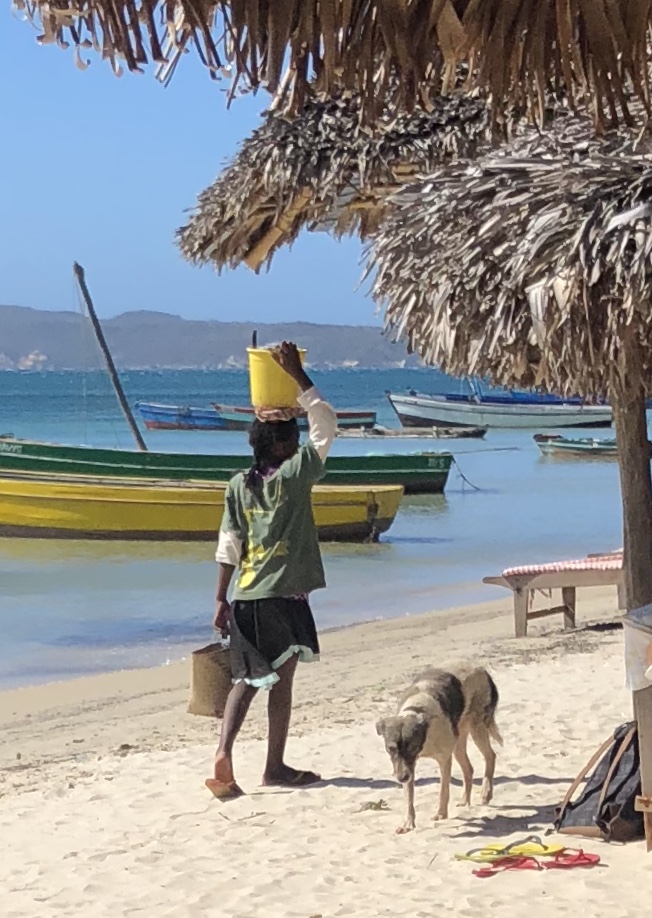
Obviously, animal welfare is not a big issue here.  Dogs are pests, not pets.
IMG_7294

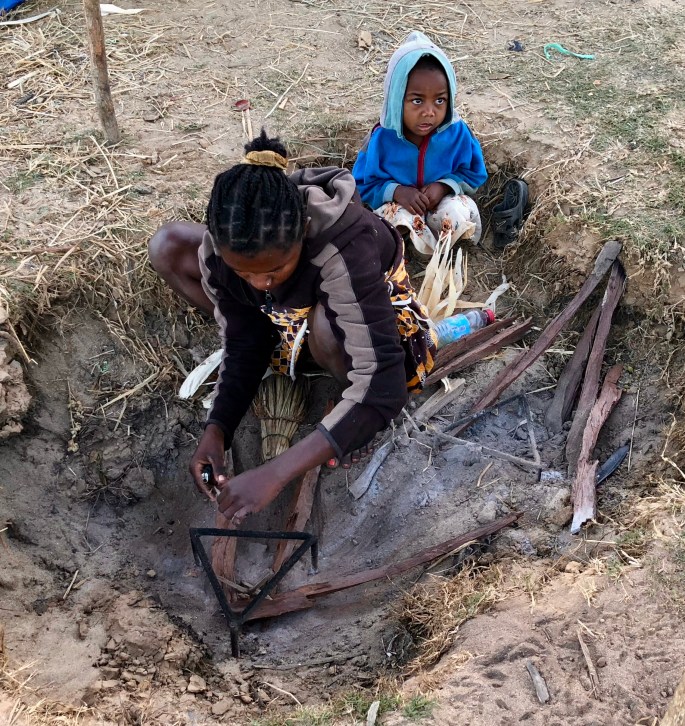
A young mother, proving her worth by making fire.
fullsizeoutput_2a4e

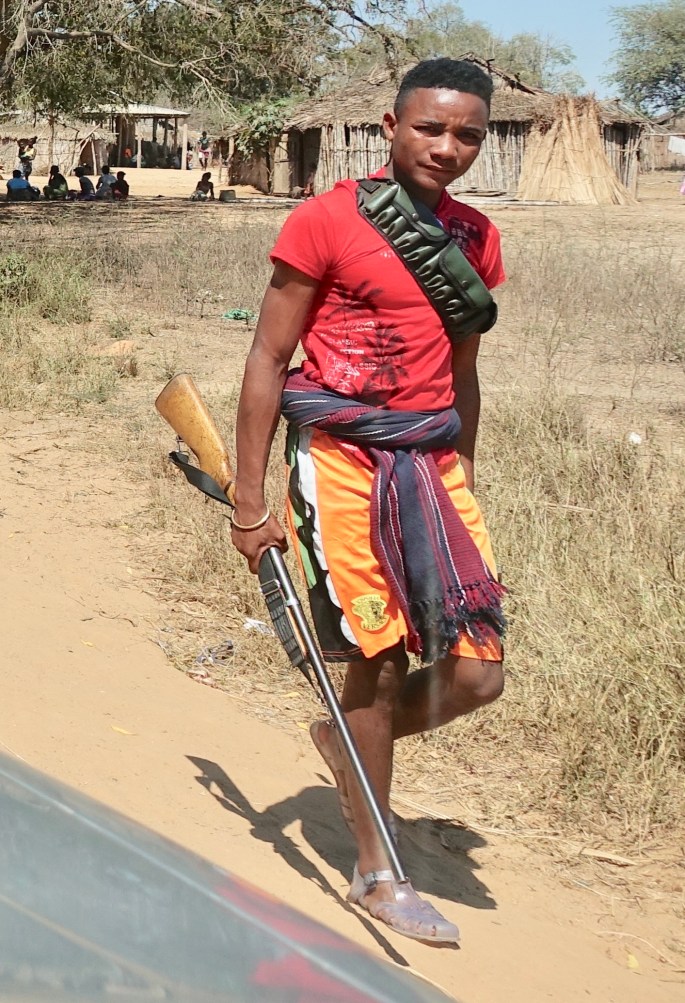
No telling what this guy is ready for…. 
DSC06445

Very few old people…. we think these two are probably our age….

Jillions of children. The birth rate is shockingly high.

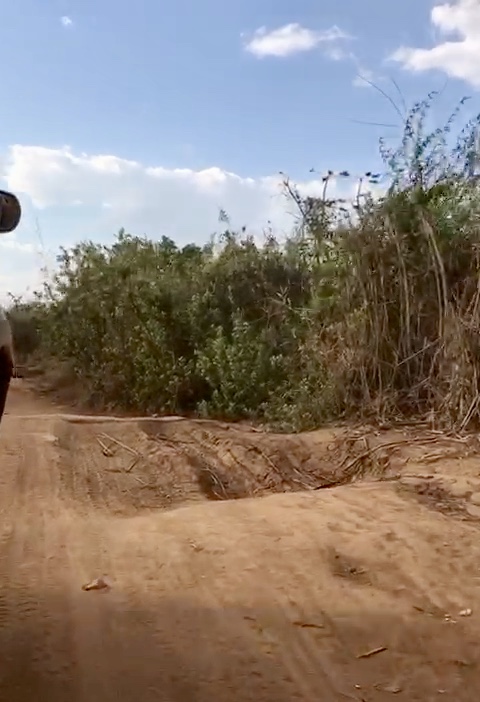
Along with the lack of resources goes a lack of infrastructure.  The roads, especially outside the several cities, are appalling, with potholes several feet deep and frequent breakdowns in the road ways.
fullsizeoutput_2a51 

What appears on the map to be a straightforward drive of 45 miles can take 6 hours or more to traverse.  On first blush – kind of fun, especially since a skilled local driver is behind the wheel.  But soon it becomes tedious, and then quite apparent that the difficulties in moving from one spot to another cripple local commerce, severely limit developmental opportunities for the people, and damage the potential for a robust tourist economy.


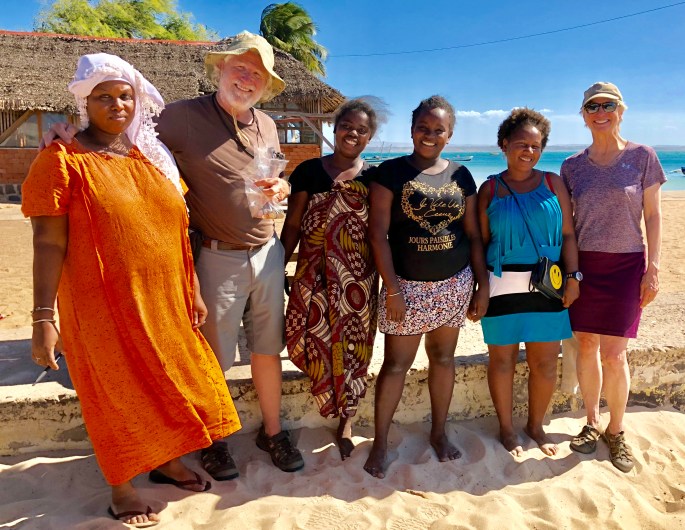
All that said, we had fun with some of the locals.
IMG_7297

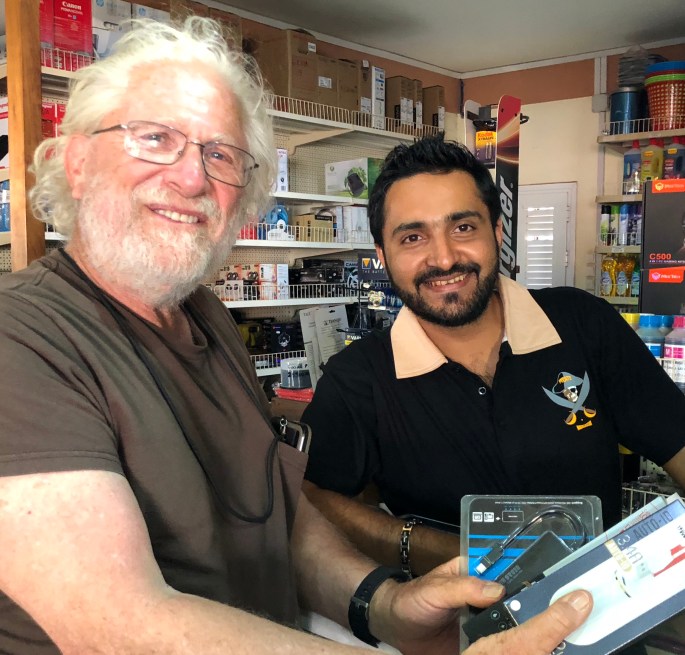
This guy saved our lives…. cables and chargers were stolen on one of our Air Madagascar flights; he had workable solutions.
IMG_7299

A boy and his goose.

fullsizeoutput_2a43

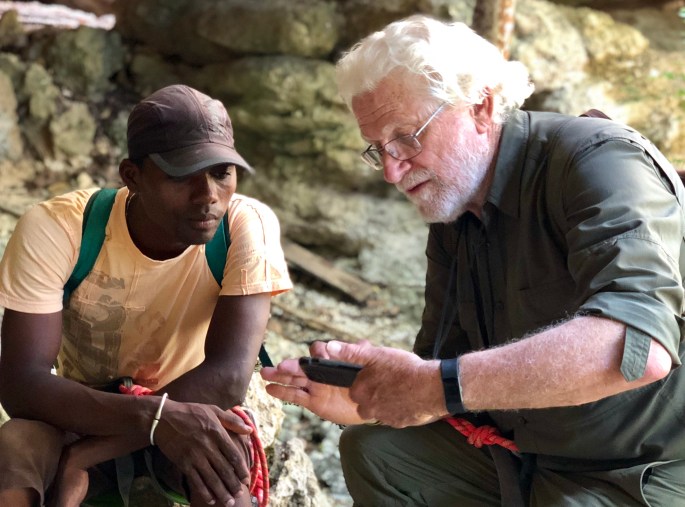
One of our guides has ambition to be a future president of his country (getting some pointers here from a seasoned senior….)
IMG_7166

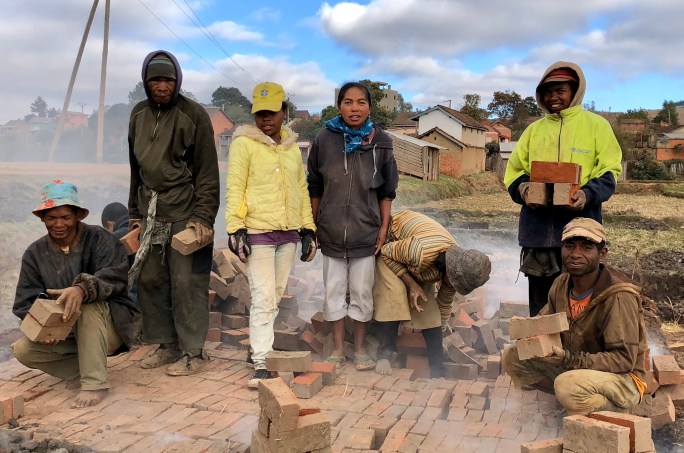
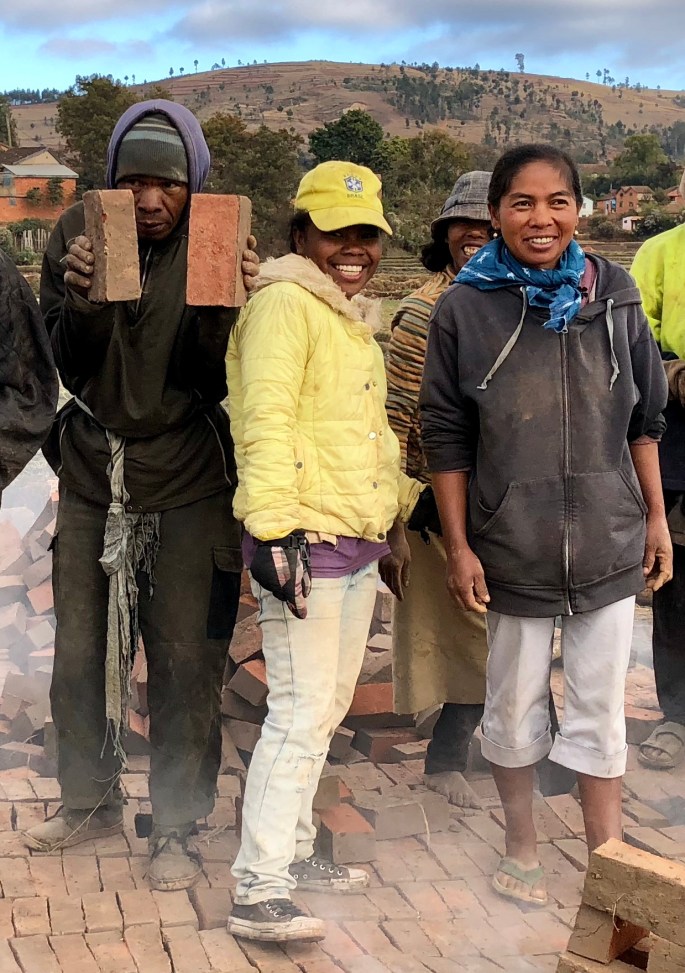
A friendly group of brick makers.

IMG_7090

IMG_7089

A final posting tomorrow with flora and fauna….. much more uplifting!
Madagascar, Part Two

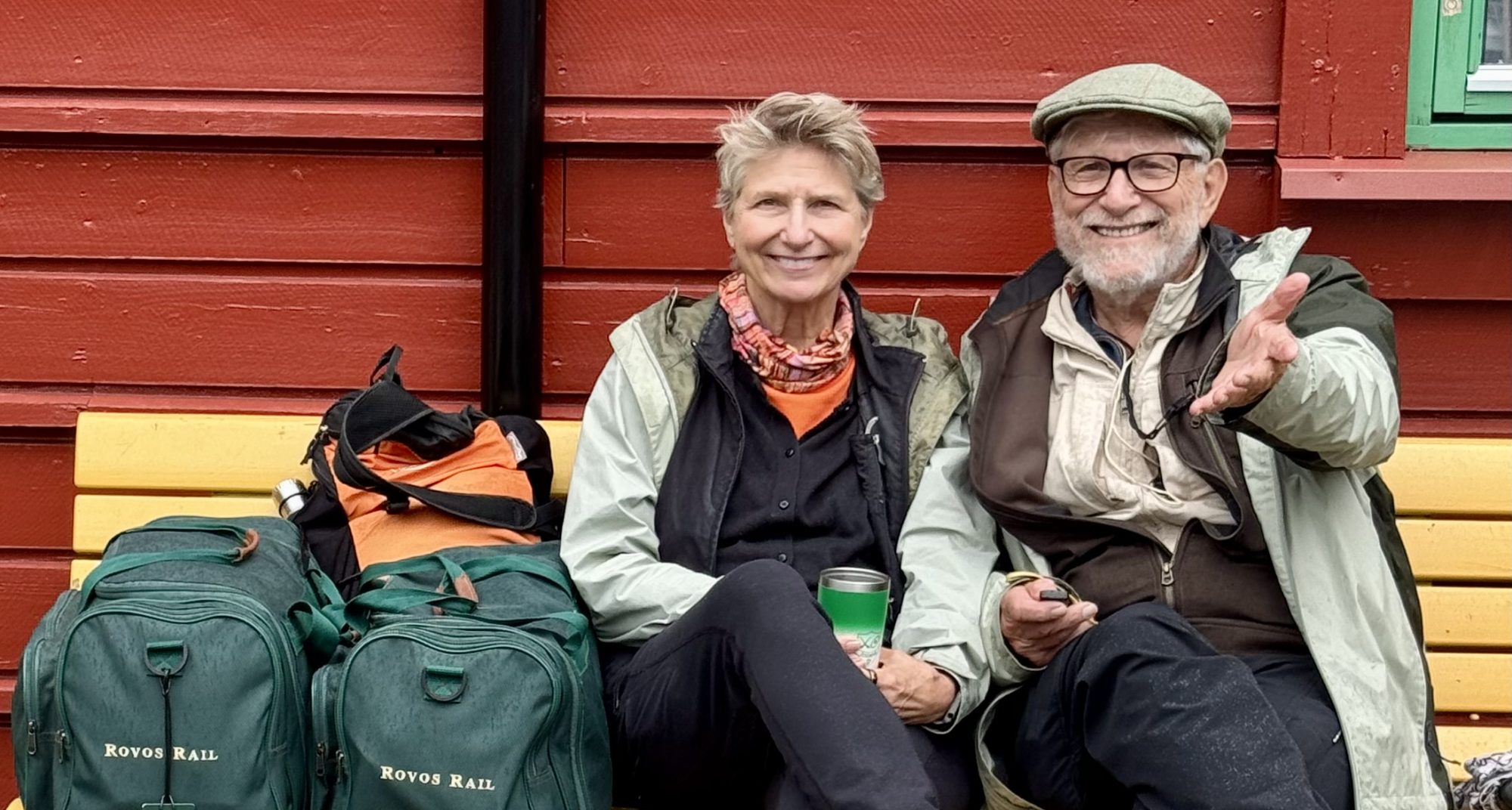
As promised, an uplifting look at the special beauty of this island off the eastern coast of Southern Africa.

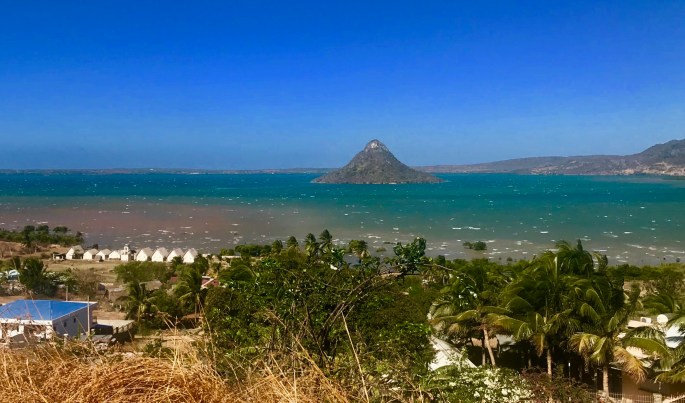
White sandy beaches….. clear blue/green water….

IMG_7354IMG_7364

IMG_7354IMG_7666

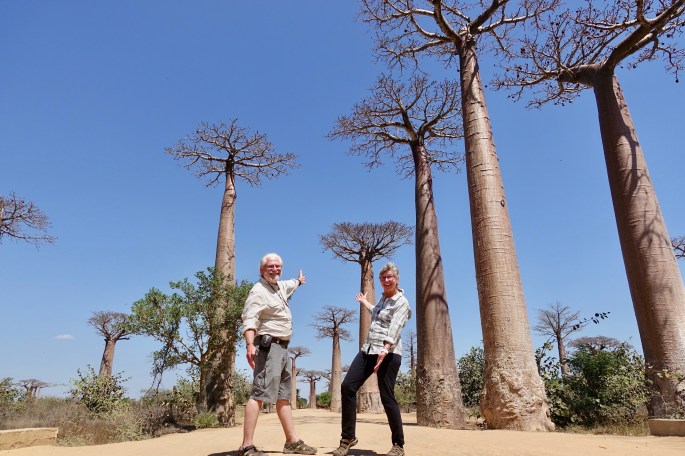
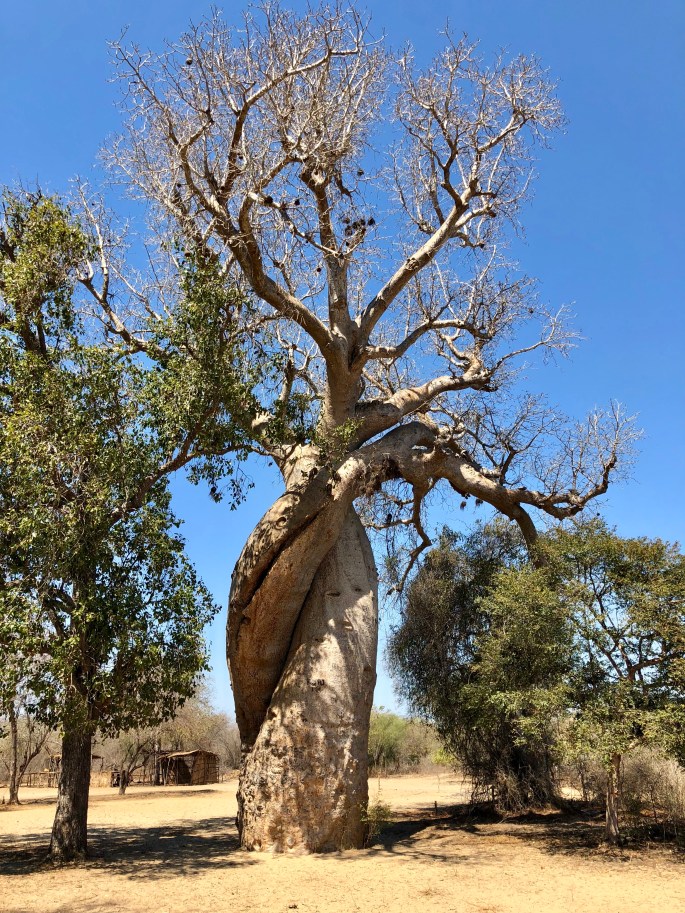
Baobab trees…..

DSC06487

IMG_7223

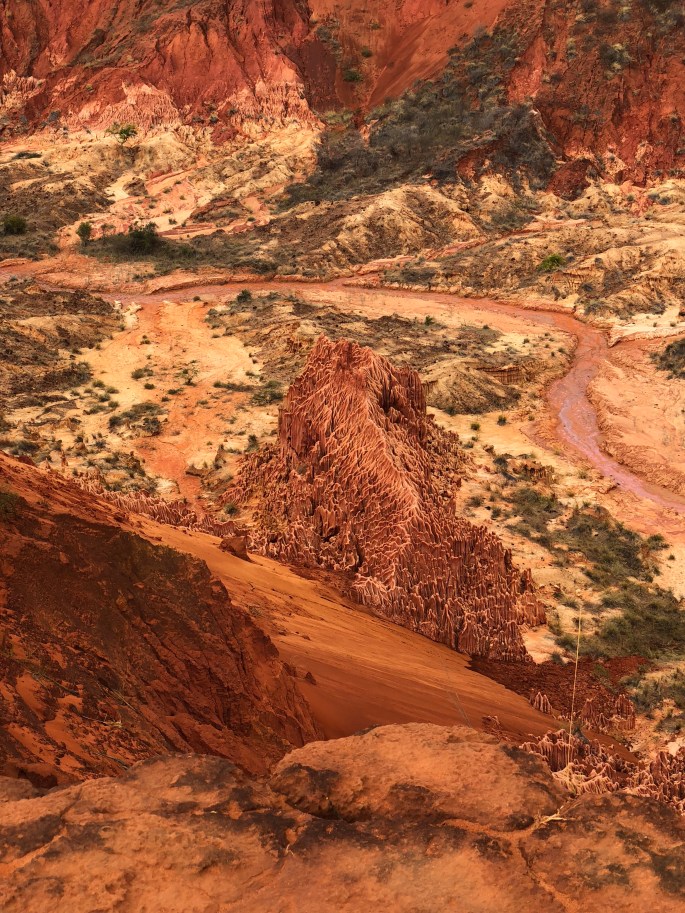
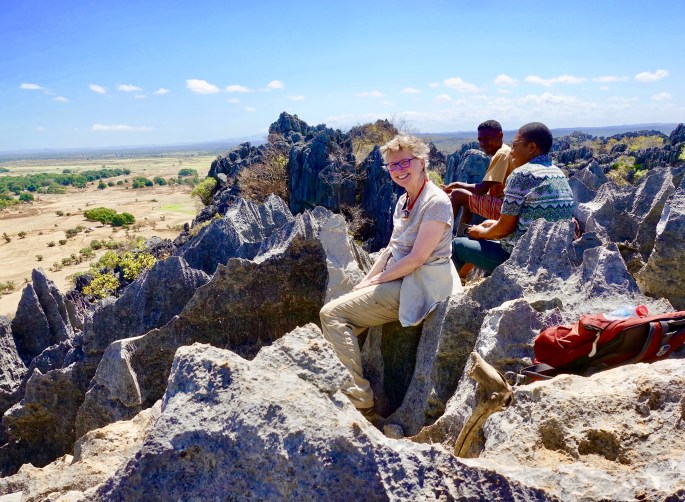
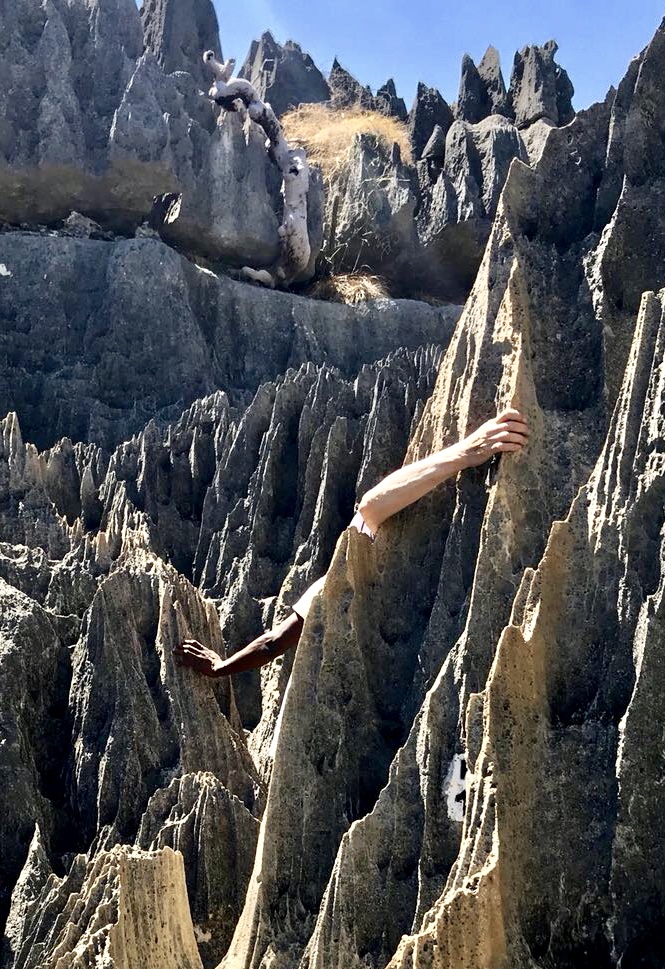
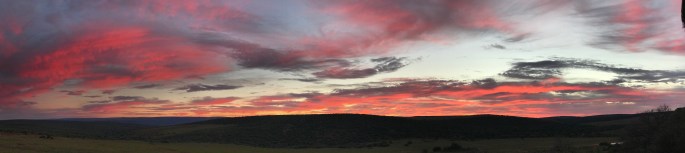
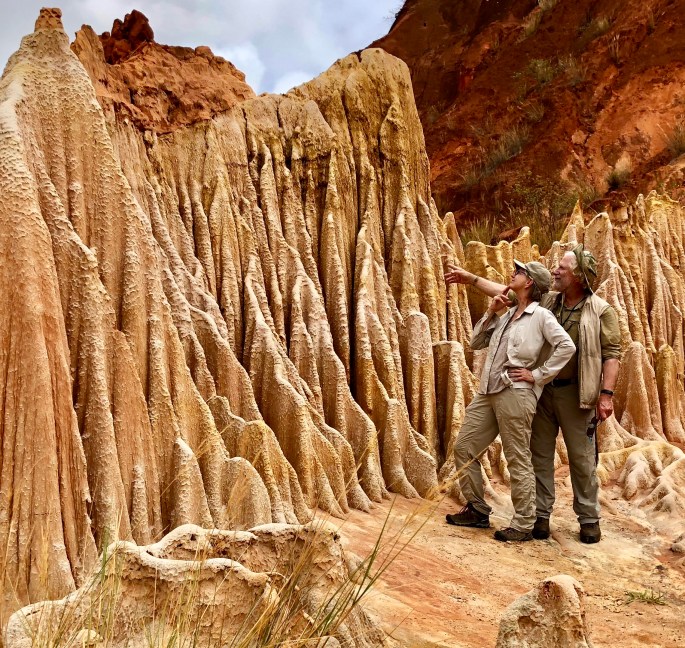
Amazing tsingy formations, geological features that distinguish the island….  and provide for very challenging “hikes”…..

IMG_7338fullsizeoutput_2991fullsizeoutput_2a4024621b6e-5e6f-4528-88ad-21168b9203eb

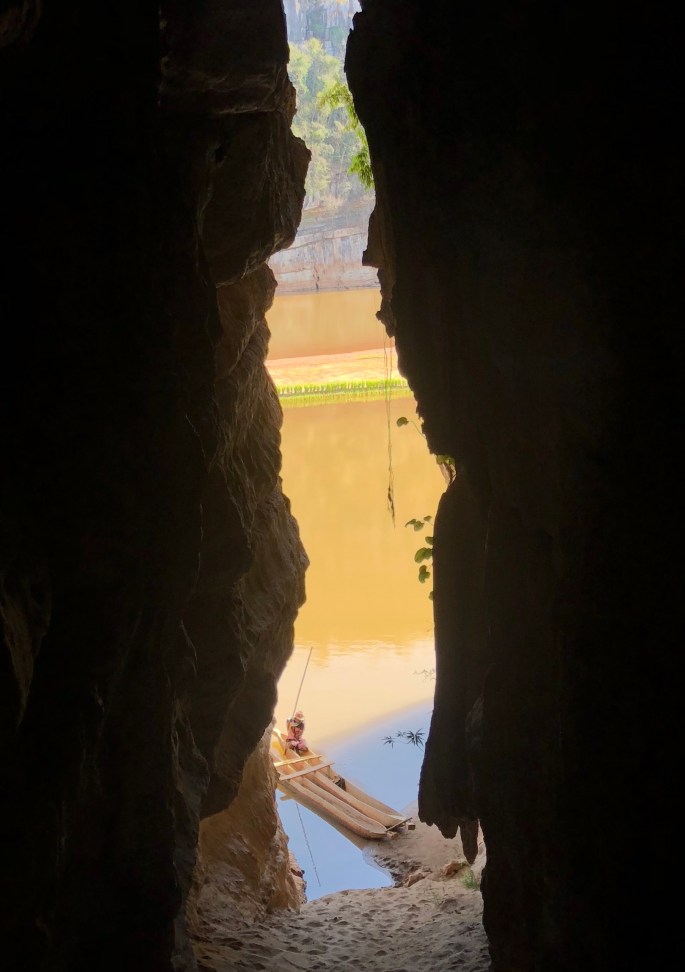
Lots of caves…

IMG_7155

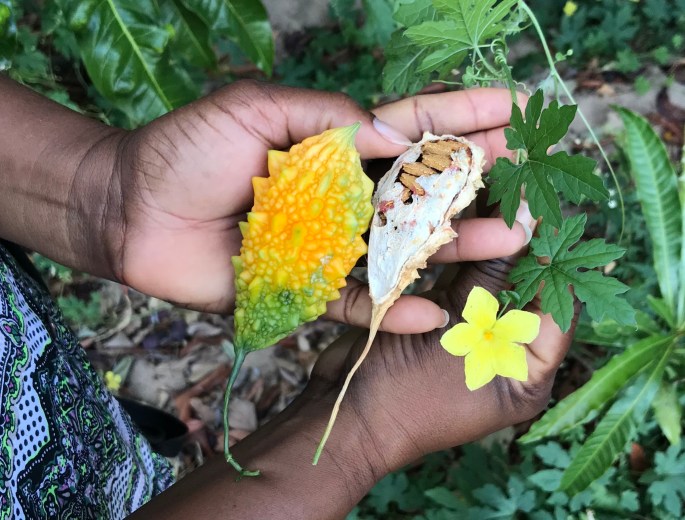
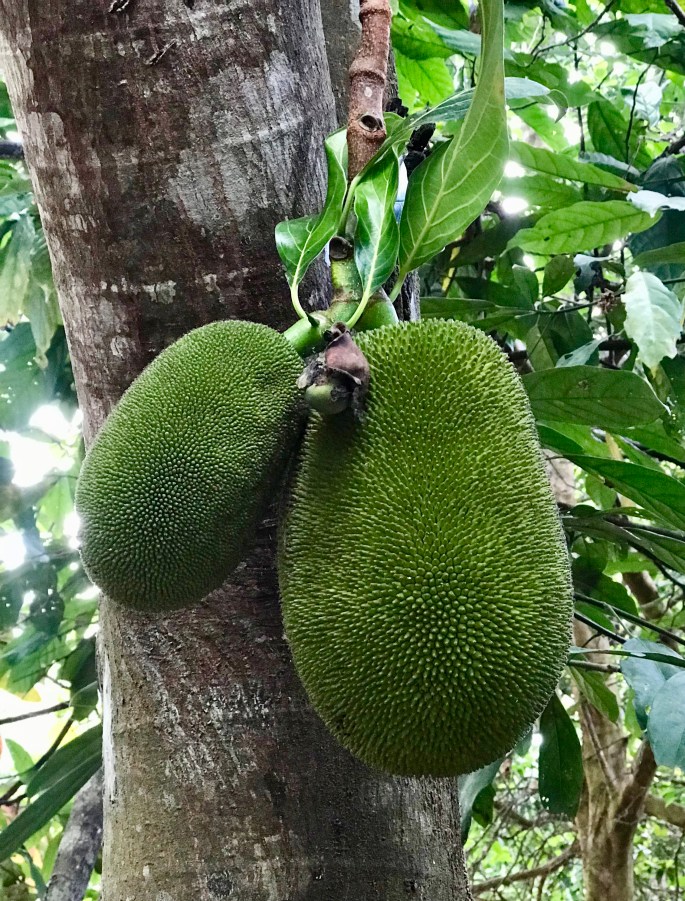
Flora!
IMG_7484IMG_7725IMG_7700IMG_7085

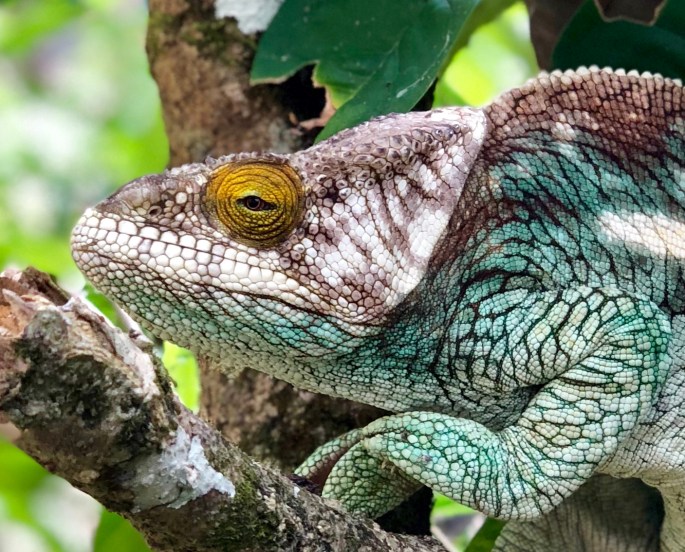
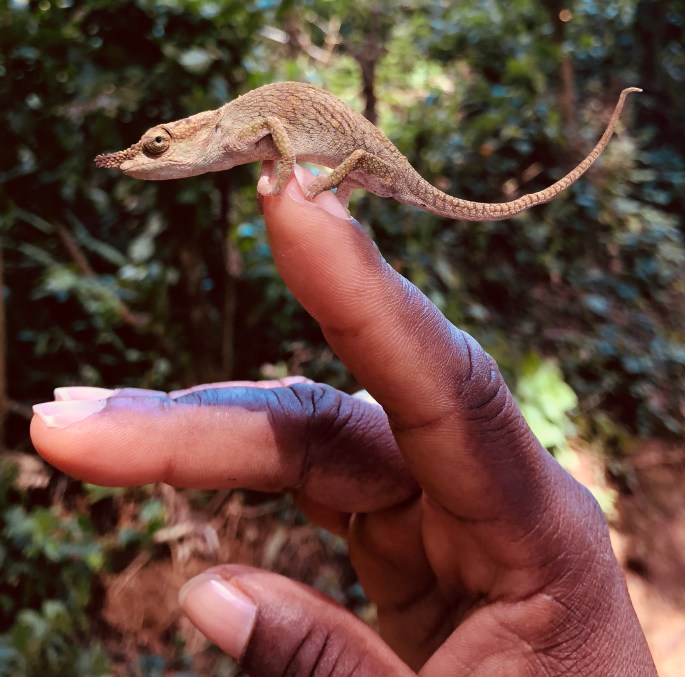
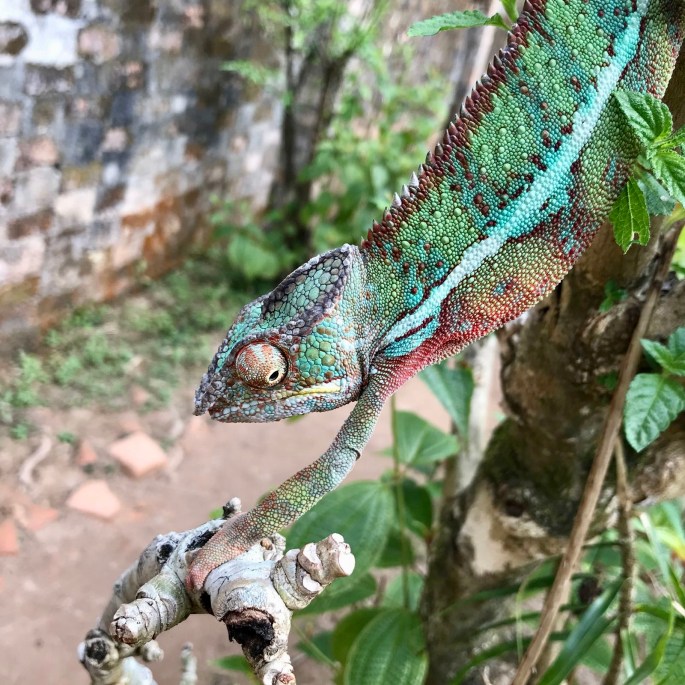
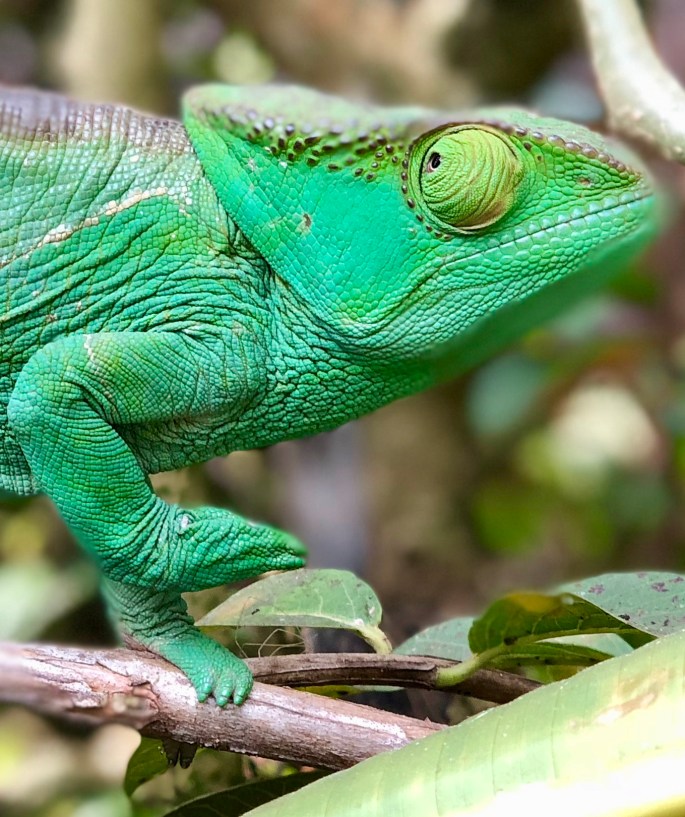
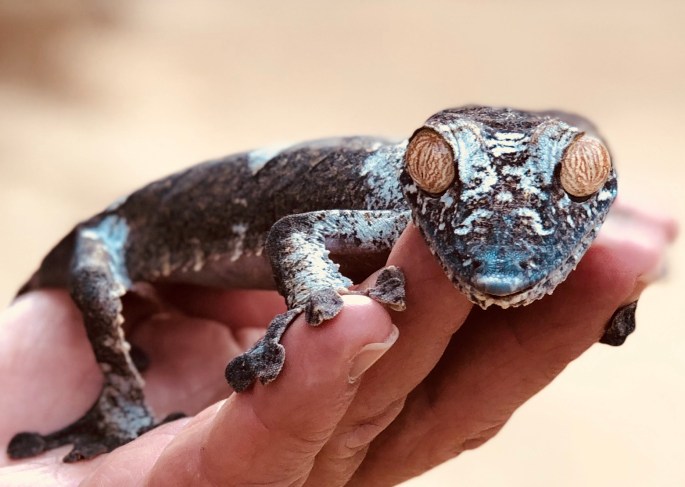
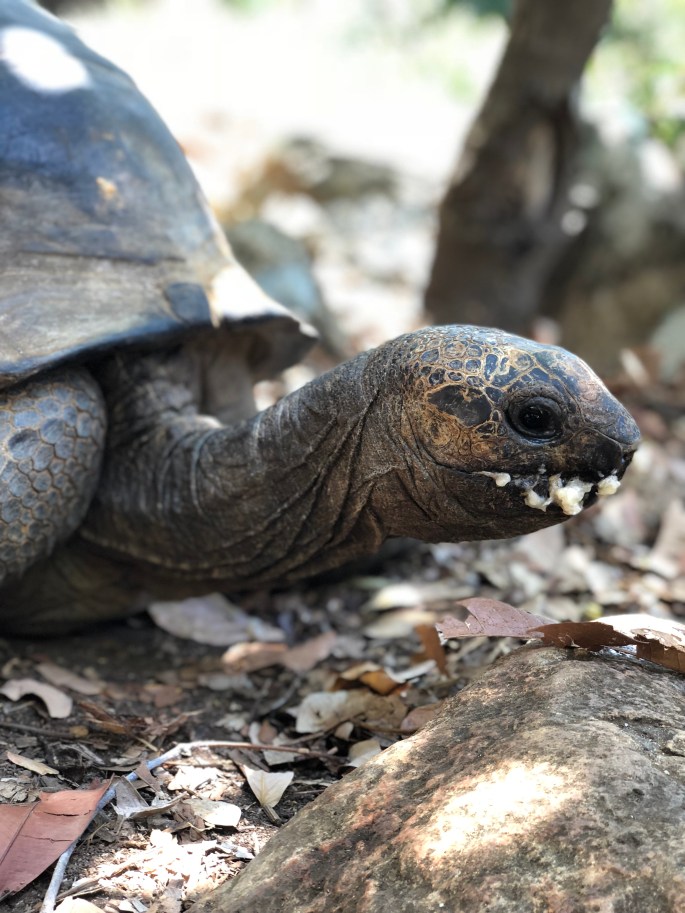
Fauna!  Separated from the rest of the world, unusual species have developed in Malagasy woods and jungles.  Many types of chameleons and lizards…..
fullsizeoutput_2971IMG_7307fullsizeoutput_2a4dfullsizeoutput_2973fullsizeoutput_298dfullsizeoutput_2a2b

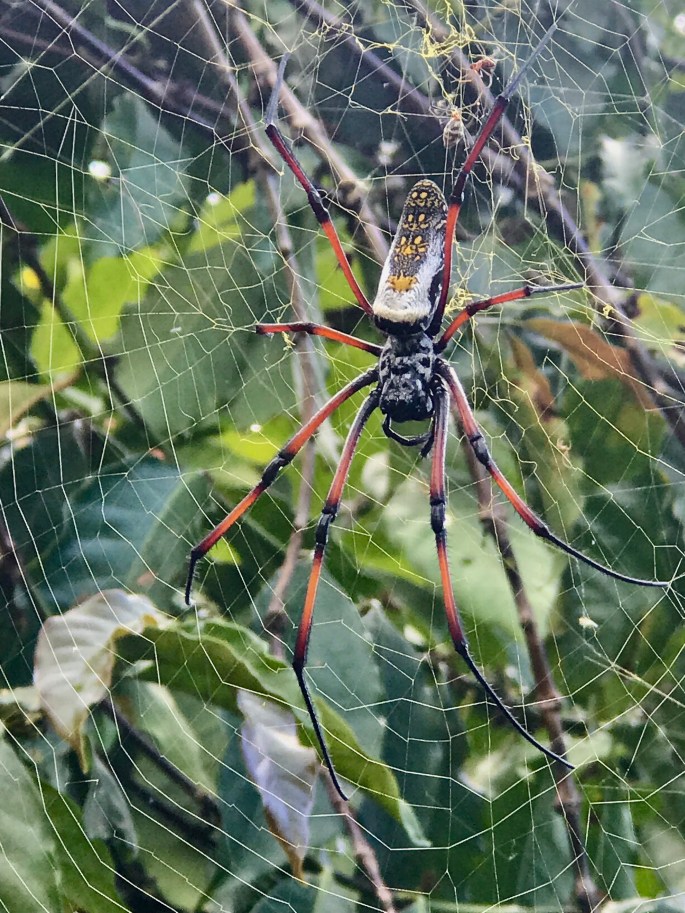
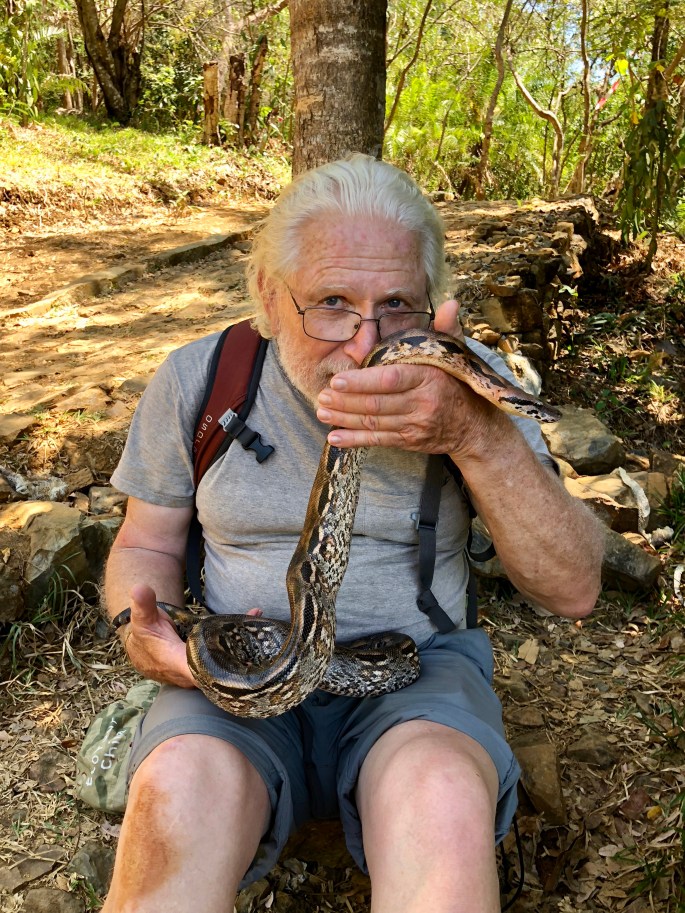
Other non-cuddly types

IMG_7709fullsizeoutput_2a47IMG_7405

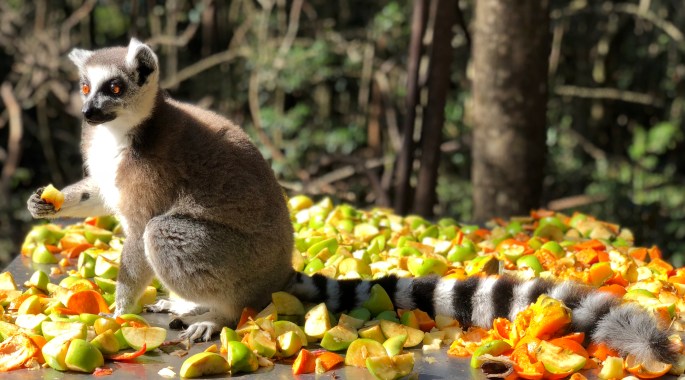
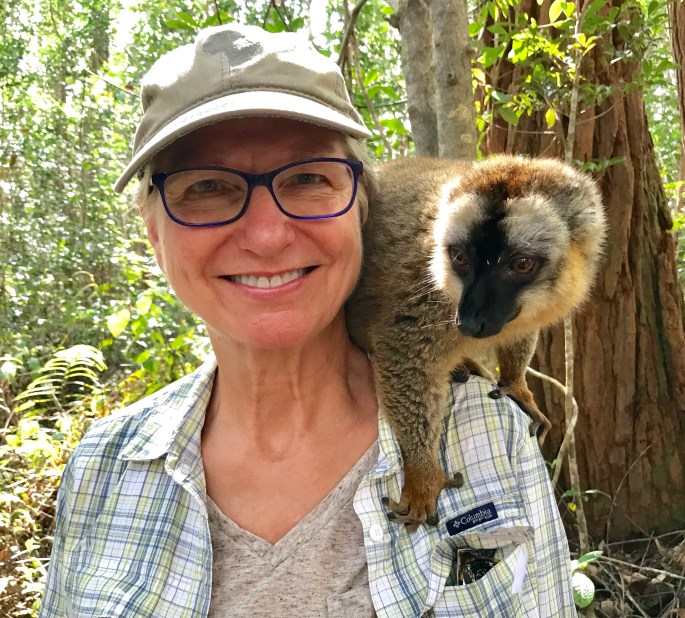
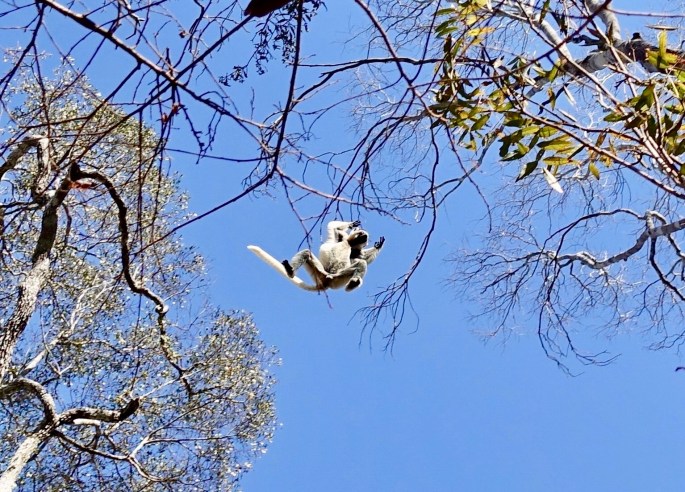
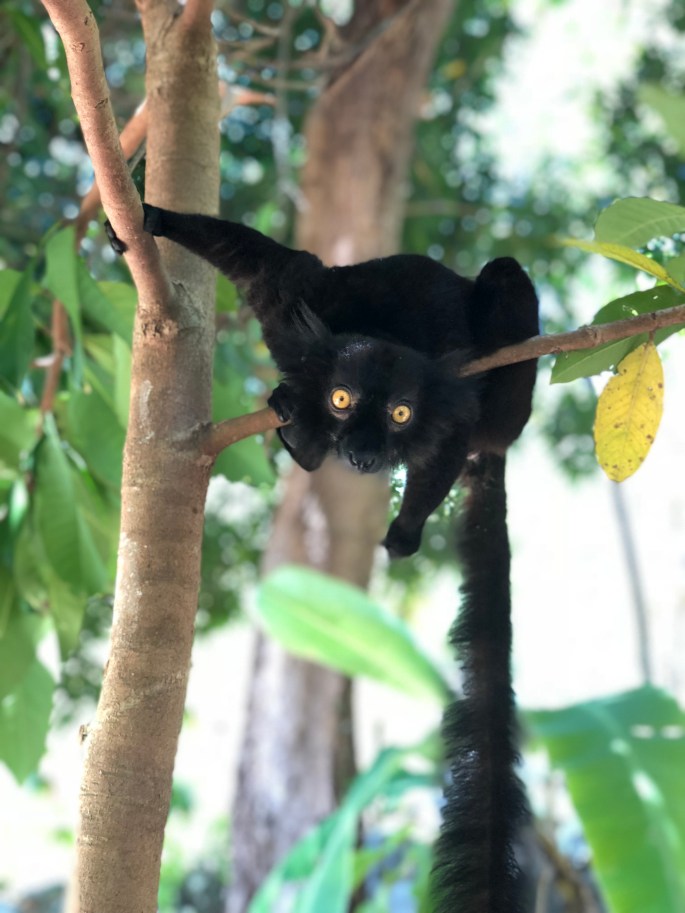
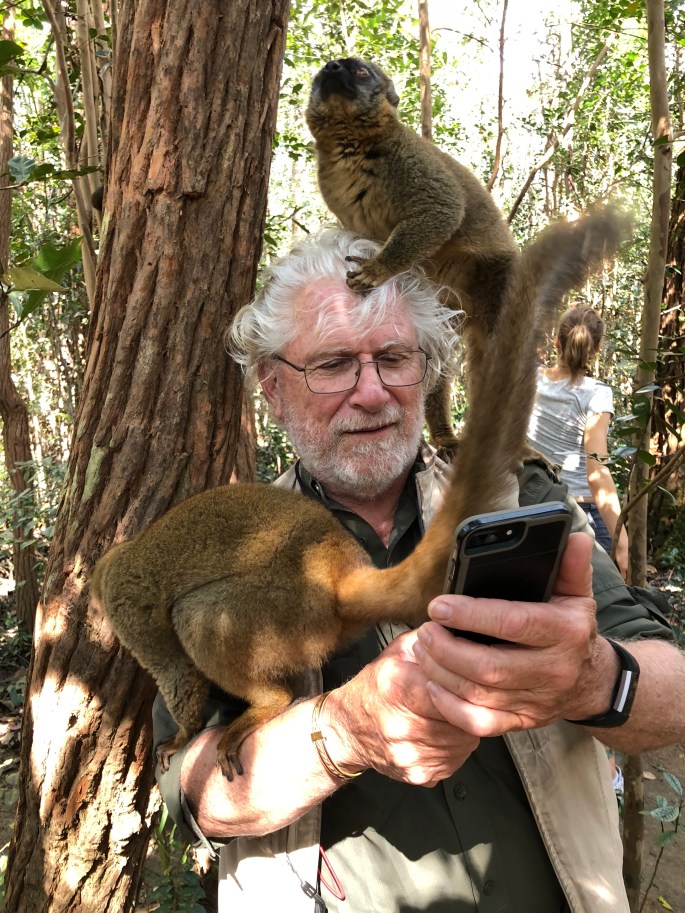
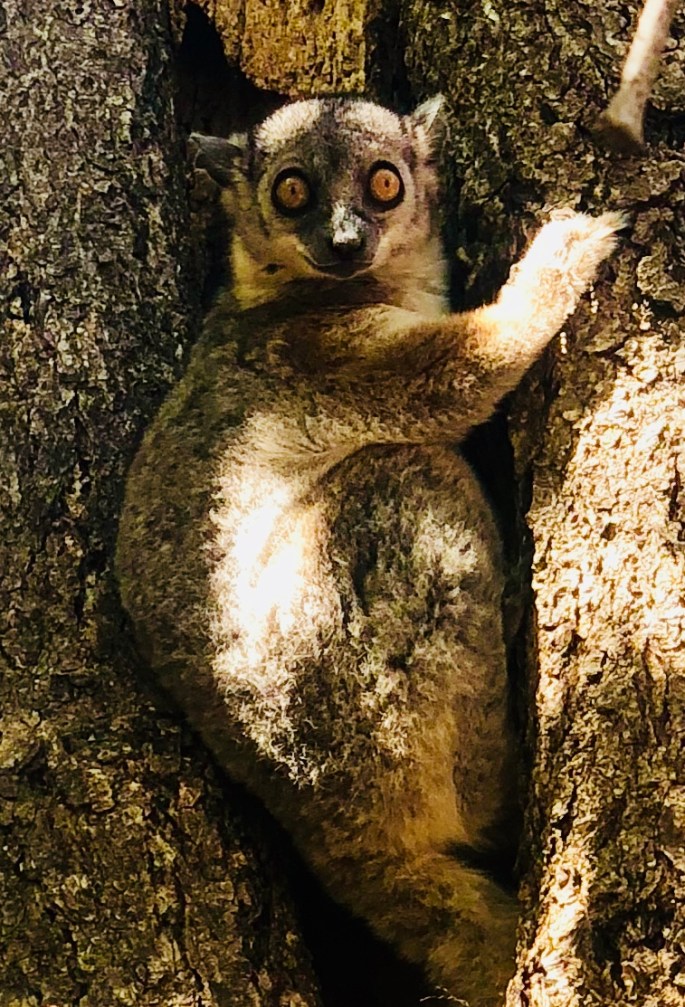
And finally….. the creatures most people go to Madagascar to see….. lemurs!

IMG_6337fullsizeoutput_2a38IMG_7406IMG_7034IMG_7162

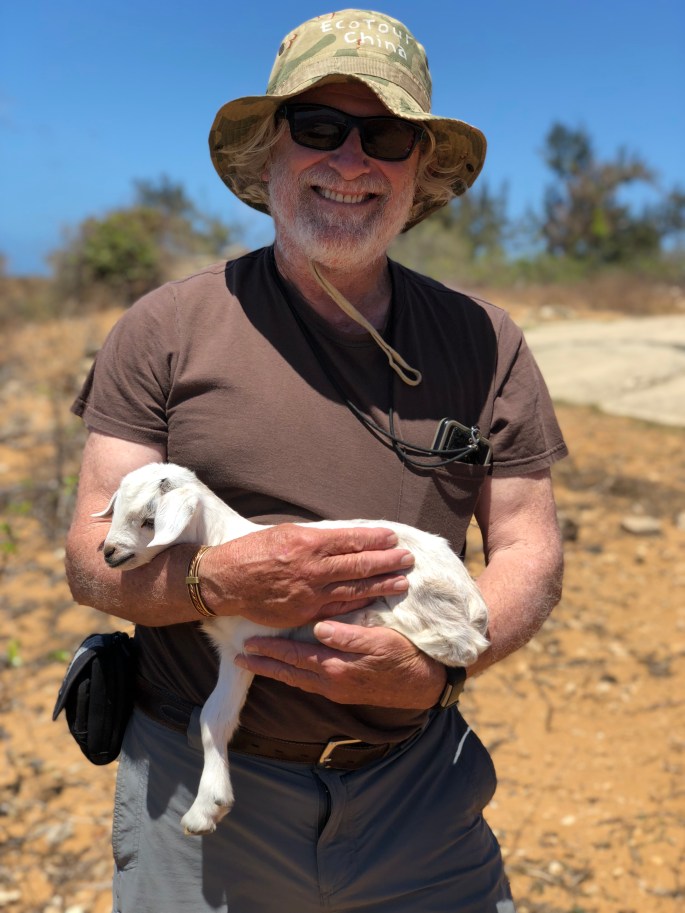
And a baby billy goat…. 

IMG_7281

There is so much more to this place, which we would be happy to discuss with anyone who has an interest.  But this blog now comes to a close on the Madagascar phase of our journey.

Johannesburg….. then Home

Two nights in Johannesburg before heading back home from this phenomenal and inspiring trip.

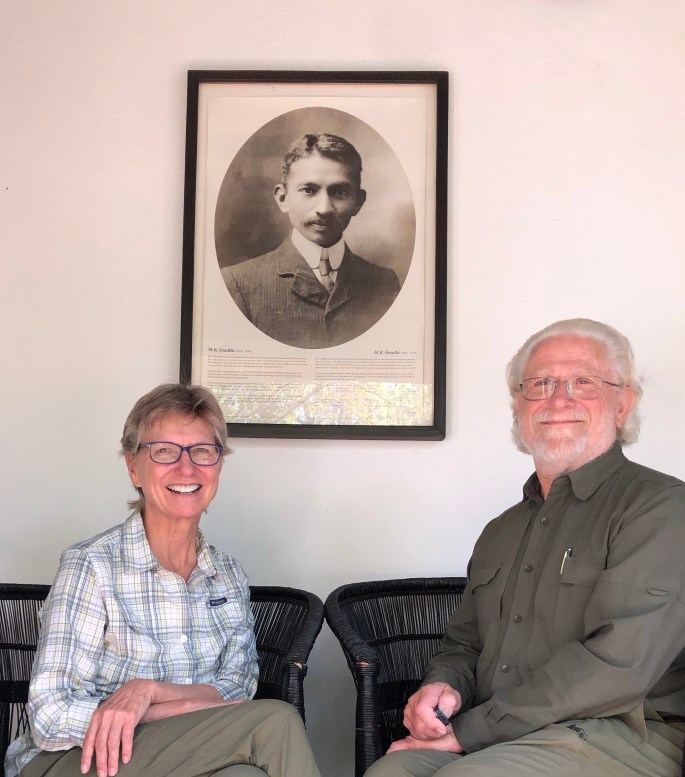
We had no great ambition for these last two days; however, we did stay at a small bed and breakfast located in a house that Mohandas Gandhi lived in for a couple of years while he developed his concept of non-violent non-cooperation, or Satyagraha, to bring about change.  Learned a few interesting things about his life.  

IMG_4747IMG_7496


Whoever you are out there, you must go to Africa.  What an amazing place.  Go for the animals and be awe-struck by their majesty.  Go for the scenery… still so untouched and raw in places, and unbelievably soul-stirring.   Go for what you can learn about politics; cautionary tales that can teach us how important it is for power to be balanced with compassion and humanity.   Go for the sociological lessons, both historical and present-day.  Go to get in touch with our anthropological roots.  You will emerge with a new respect for nature, and changed for the better as a citizen of this precious planet.

Upcoming – we will be traveling by conventional cruise ship trans-Atlantic to Europe early in November, spending some time in Normandy and Paris, northern Spain, and then returning with the trade winds via the same route Columbus used… on a true sailing ship, the Sea Cloud.  Back to East Texas the day after Christmas.

Happy days, all.

Vladivostok

The Seoul airport featured parades of local heroes and a concert.  Must have been something they cooked up to entertain the hordes of people moving through the area on their way to the recent winter Olympics.

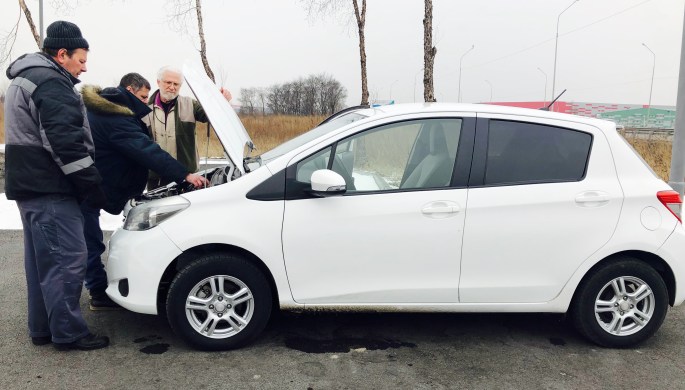
With a couple of days in Vladivostok, Russia, before boarding the train, we decided to rent a car and cruise around the region.  At our first stop, the car battery gave out, and we had to call on the local gas station guys for a hand.

fullsizeoutput_77b8

Down the road, a town with a street market.  Strange, this town is not on the map!  Let’s stop to see what is on offer.

Bought some sausage and fruit paste.   Henry as usual was quite popular, having a great time.

Fortunately, a kind gentleman with excellent English approached us and advised that this was a closed town near a military outpost (hence not on the map), and that we would be in trouble should the authorities notice our presence.   We left rather quickly…..

We spent one night in the town of Nokhodka, an industrial port on the Sea of Japan.  While looking for a place to stay, we lingered a little too long through a changing stoplight and were stopped by a police squad.  After a mutually unintelligible exchange of words and some fairly clear hand signals, we were allowed to move on.  Whew!  One near-miss and a full brush with authority all in one day!

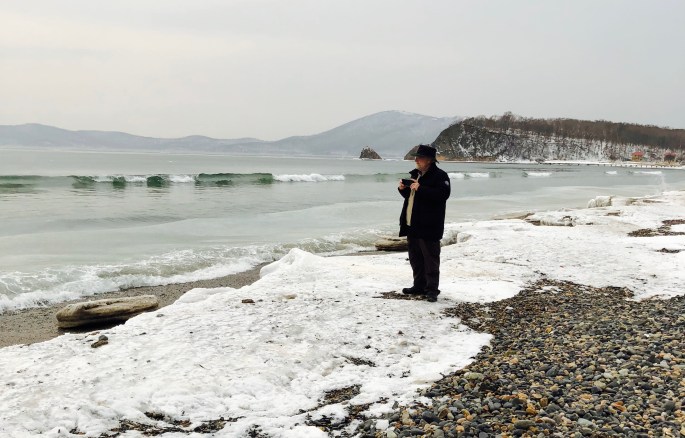
Have you ever stood on a snowy beach facing an icy wind, watching a milky grey sea throw ice floes at the shore?  Brrrr….

fullsizeoutput_77c0

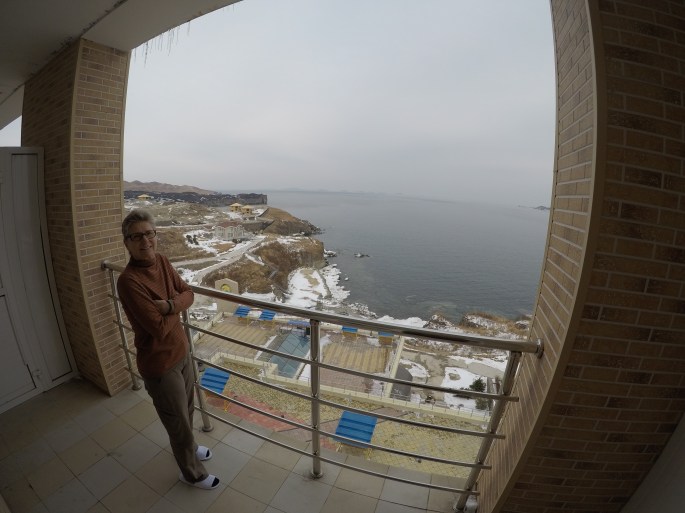
The next night was at a seaside resort in Slavyanka which is no doubt popular in summer, but empty at this time of year.   The hotel, like the one in Nakhodka, seemed to have never had English-speaking guests before – which in China would provoke a mob scene.  In Russia, the opposite.  Everybody was supremely indifferent to our presence.

DCIM102GOPROGOPR5474.JPG

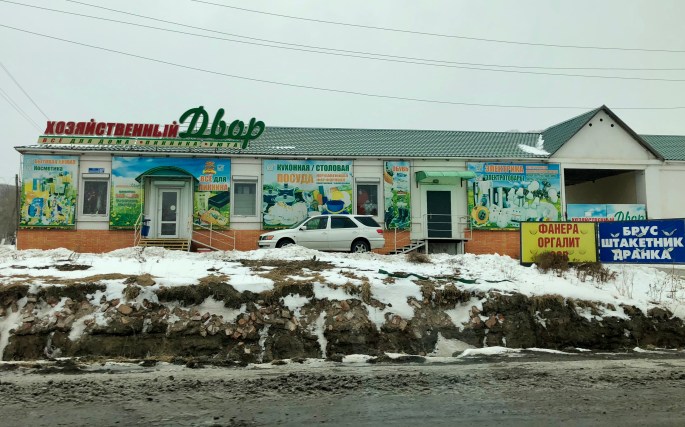
There are reasons this region is not a big tourist draw.  Pretty bleak overall….

…. with the occasional touch of color and whimsy.

fullsizeoutput_77c7

We return to Vladivostok for a one-day tour with the group that will join us on the Trans-Siberian railway…..  and board the train tomorrow night for an odyssey of almost 10,000 kilometers (6,000 miles) from Vladivostok to Moscow in 12 days.

Trans-Siberia, Part I

fullsizeoutput_7876

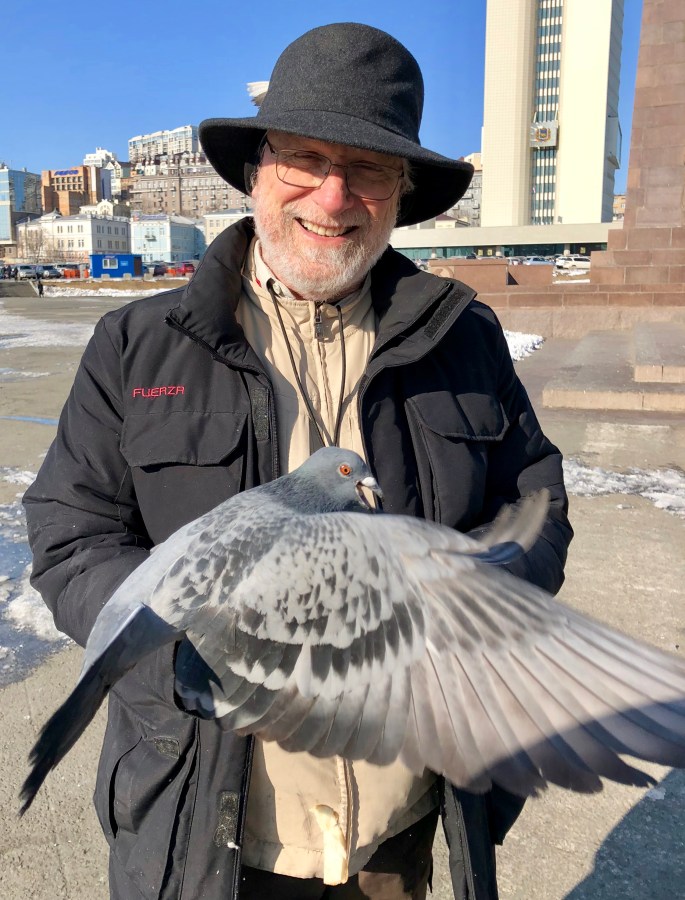
Vladivostok is the eastern-most city in Russia, an important port that was closed to the outside world until the 1990s.  Here you are not scolded if you feed the birds….

fullsizeoutput_7874

We boarded the train the evening of 6 March along with 12 other passengers and a guide or two.  Our section of the train consists of a restaurant car, a bar car and 4 carriages with accommodations for passengers.  It is towed by the regular Trans-Siberia train and will be parked at sites of interest along the way, to be picked up a day or two later by another scheduled train.

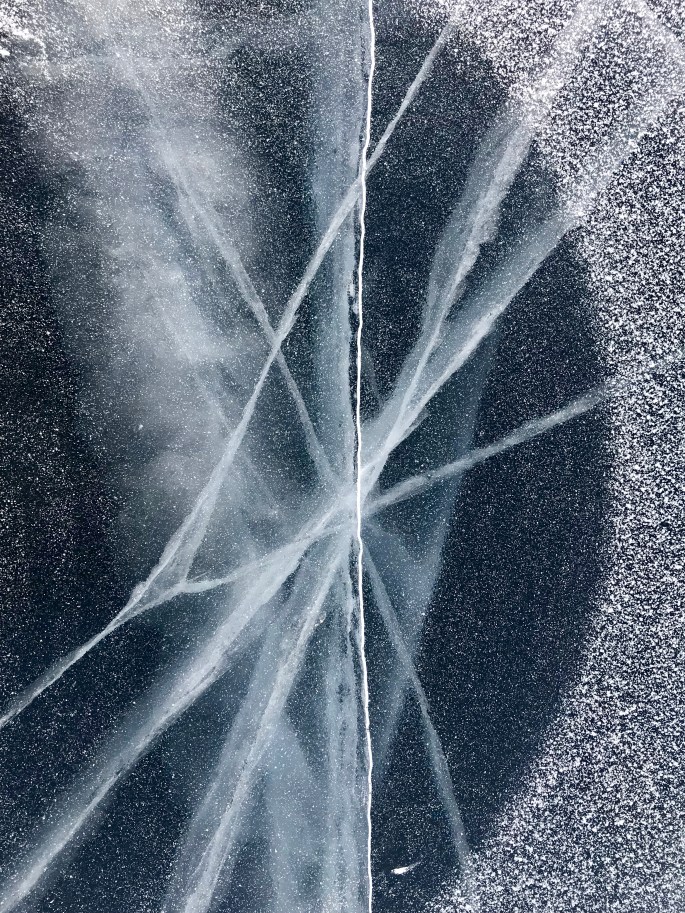
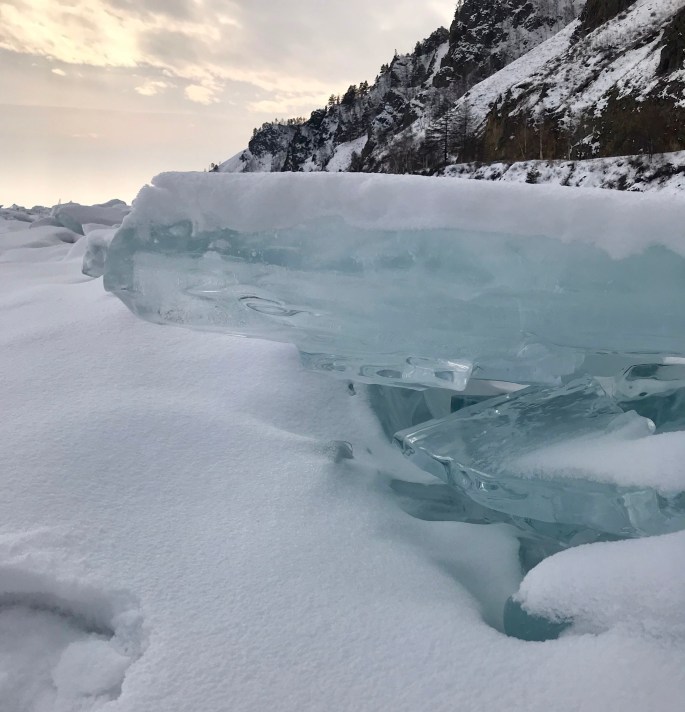
Quite frankly, the stops made in towns along the way so far are only of mild interest – Khabarosk and Ulan Ude.    The centrepiece of this voyage is by and large the train itself.  And Lake Baikal… a huge fresh-water lake that at this time of year is mostly frozen to a depth of over two feet.  The water is amazingly clear; the solid ice forms cracks and extrudes giant crystals.

fullsizeoutput_7895fullsizeoutput_7896

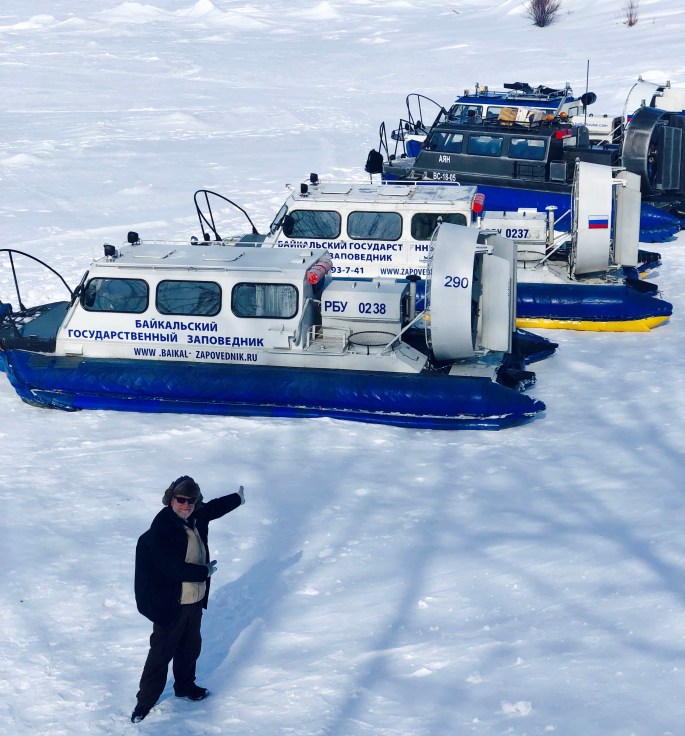
Here the train stops for two days, and the primary mode of transportation is hovercraft that slews along the icy surface at a pretty good clip.

fullsizeoutput_788e

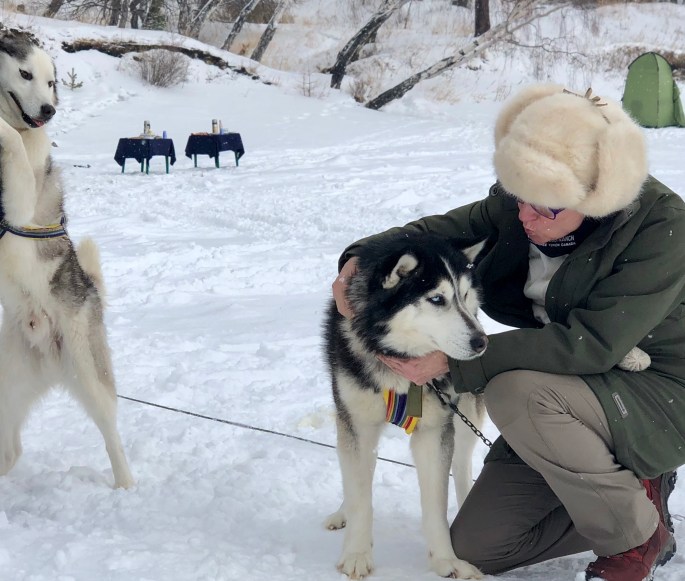
Other forms of transport include snowmobiles and dog sleds, although these activities for the elderly guests are closely monitored and very tame.

fullsizeoutput_789b

fullsizeoutput_789e

Please note in the background of this photograph are tables…. set with local delicacies, such as smoked fish, and always lots of vodka.  

Further merry-making on ice:

Nah zda-ROVH-yeh!  (Phonetic version of “cheers” in Russian…..)


Trans-Siberia, Part II

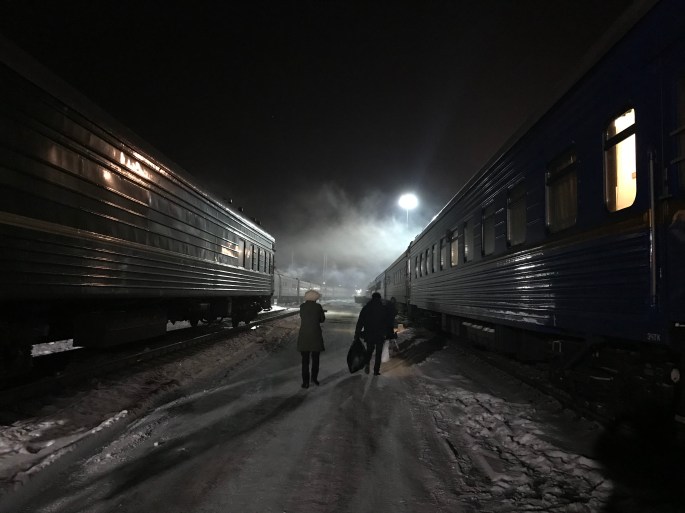
By the way, travel on the train is much rougher than on the cargo ship.  On the high seas, rolling waves come at fairly predictable intervals, although sometimes turbulent.  Train tracks that are over a century old (and constructed by what was basically slave labor) can deliver major bumps without warning, in addition to the jolts that come from connecting and disconnecting from the locomotive in stations along the way, often in the middle of the night.

It also gets pretty icy moving between cars when the temperature outside is well below freezing…..

fullsizeoutput_7aa3

That said, it’s still exciting and gives a deep sense of historical perspective.

IMG_5267

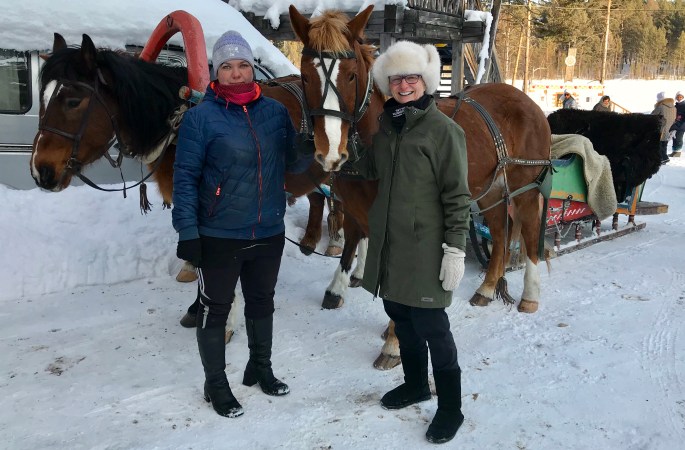
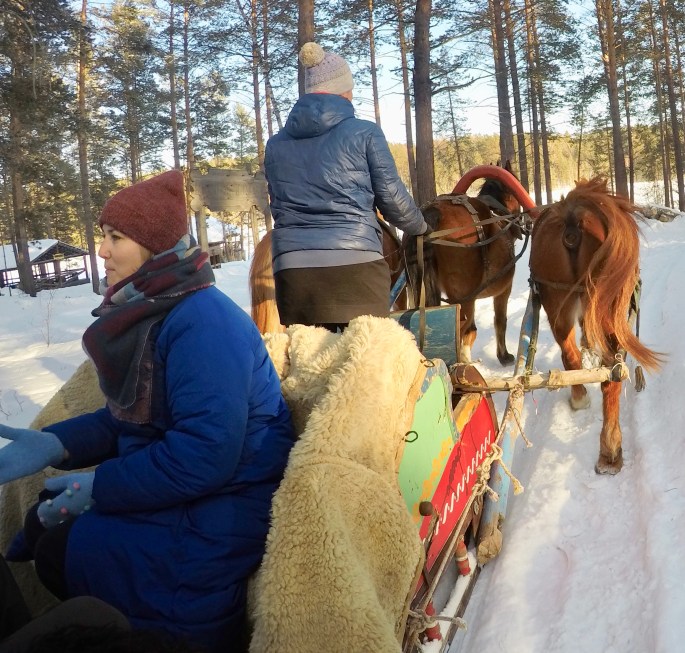
Additional off-train activities have included a troika sleigh ride…

fullsizeoutput_7b1bDCIM102GOPROGOPR6071.JPG

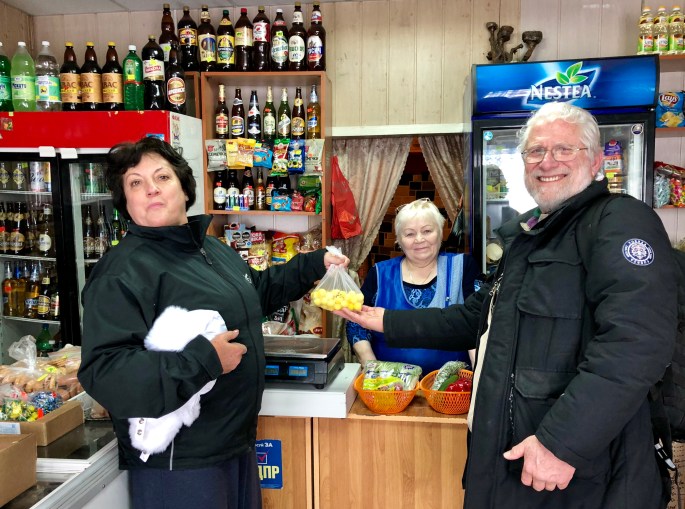
Shopping at a train-platform grocery stand…

IMG_5206

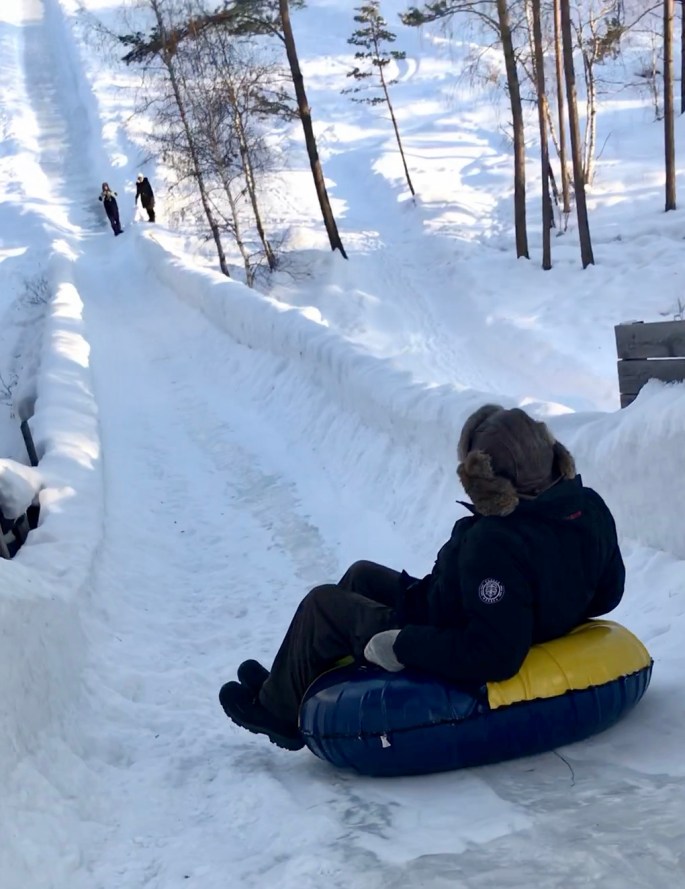
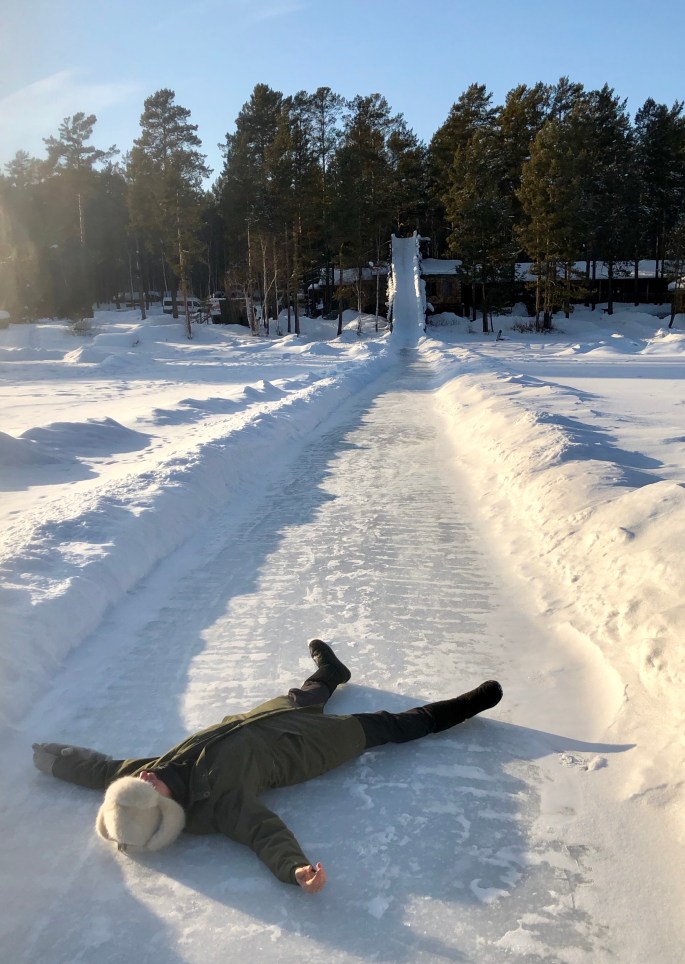
Tube rides down a steep icy chute….

fullsizeoutput_7b1fIMG_5226

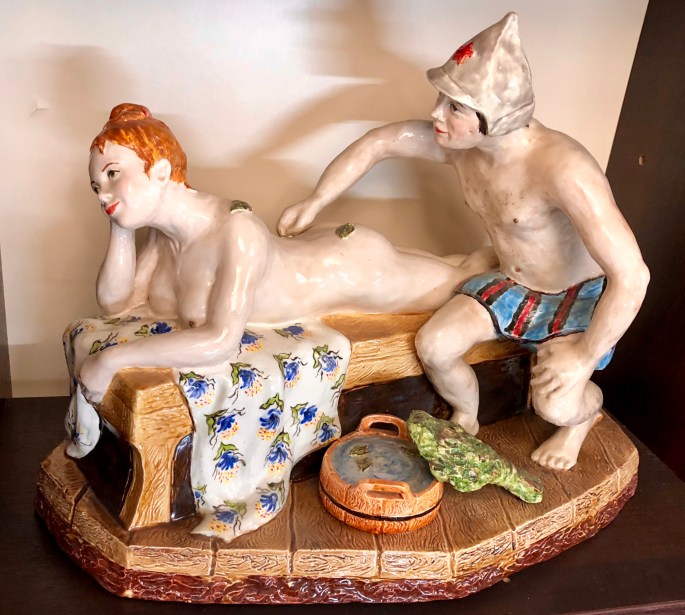
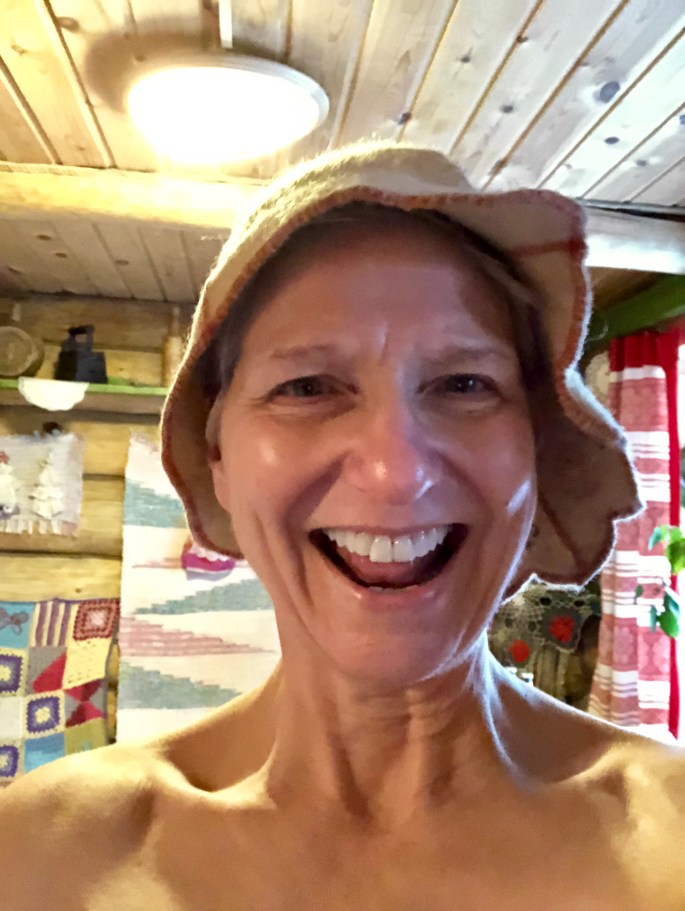
A visit to a private dacha (country home) for a lovely dinner and a special experience – the traditional Russian banya.  It’s basically a sauna where you sweat for a while, then are beaten gently with birch tree switches, followed by a roll in the snow or a bucket of chilly water.   Sounds questionable, feels great!  (And you are absolutely required to wear a goofy cone-shaped hat….)

IMG_5216fullsizeoutput_7b3b

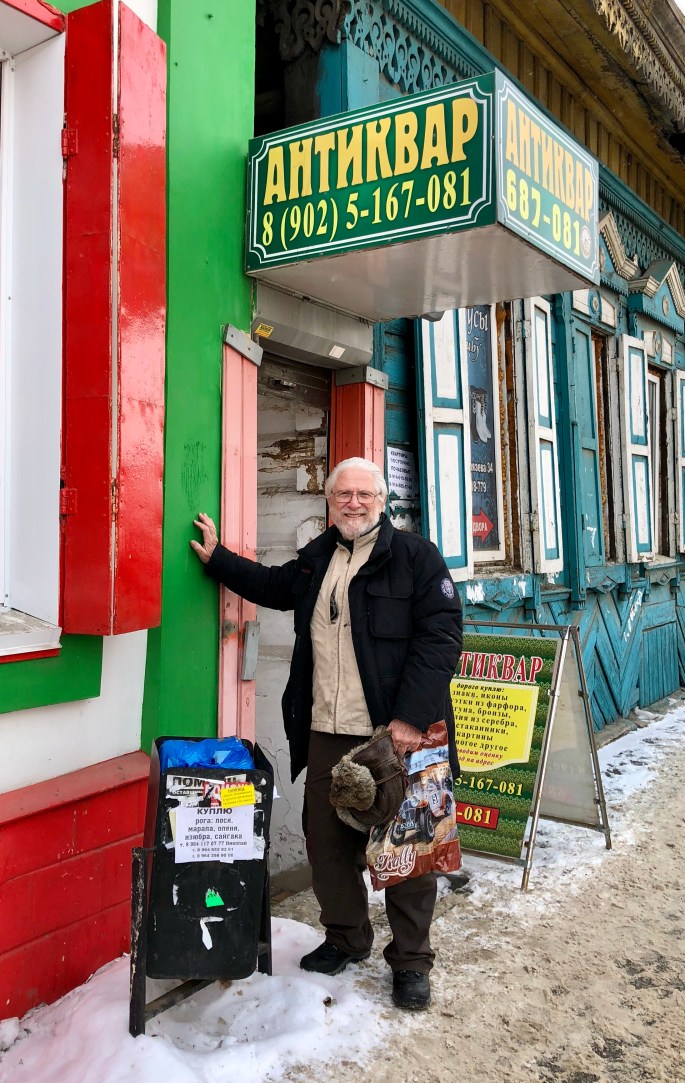
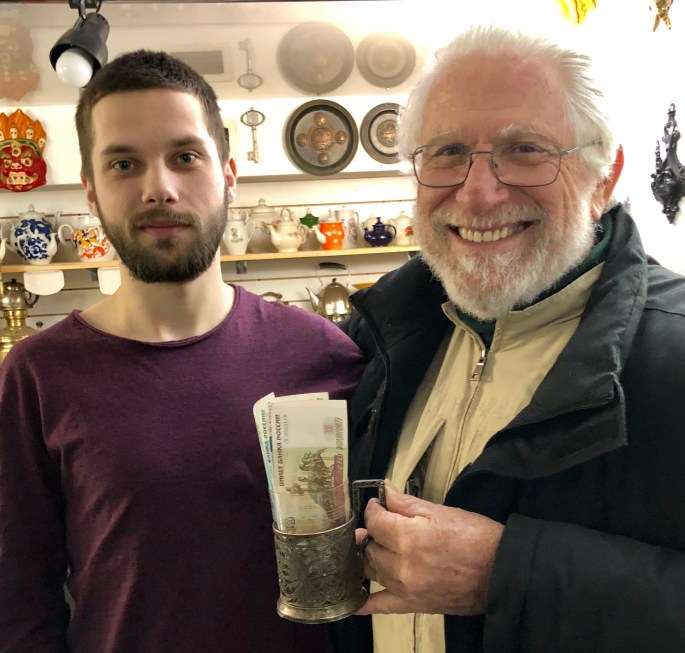
The purchase of a couple of “priceless”  second-hand tea glasses at a rare antique store…..

IMG_5220IMG_5215

Train museum…..

fullsizeoutput_7980

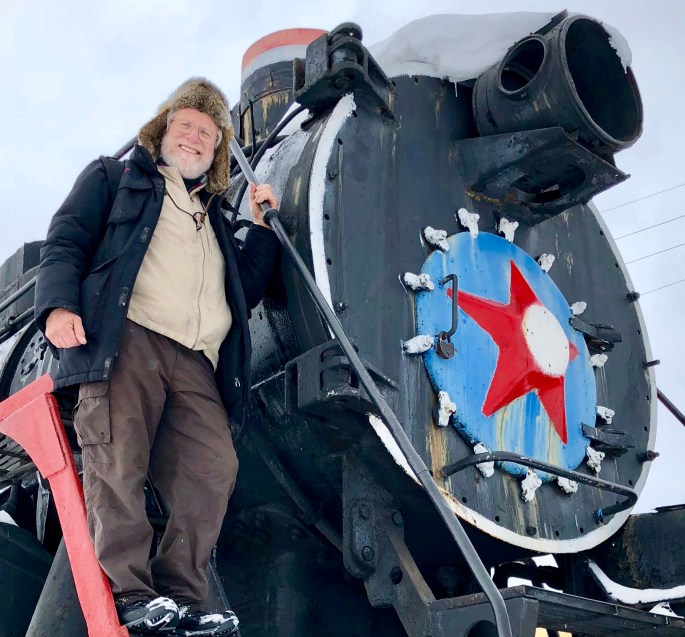
Silly photo ops……

Pigeon-feeding…..

More interesting painted wooden buildings…..

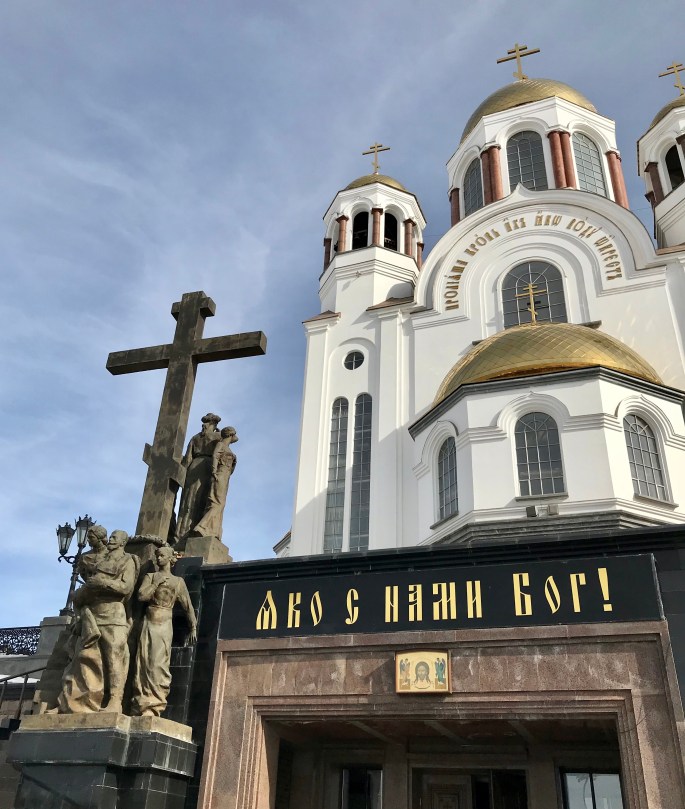
A pilgrimage to the place where the last of the Romanov family of tsars was executed in 1918….. the entire family has since been named as martyrs, and their worship has become a bit of a cult……

fullsizeoutput_7b38

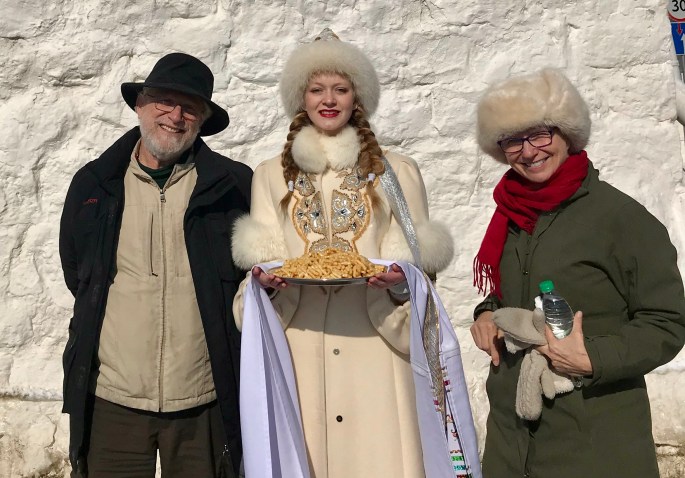
A greeting with a traditional bread treat in Kazan, capital city of the Tatar people…..

fullsizeoutput_7b30

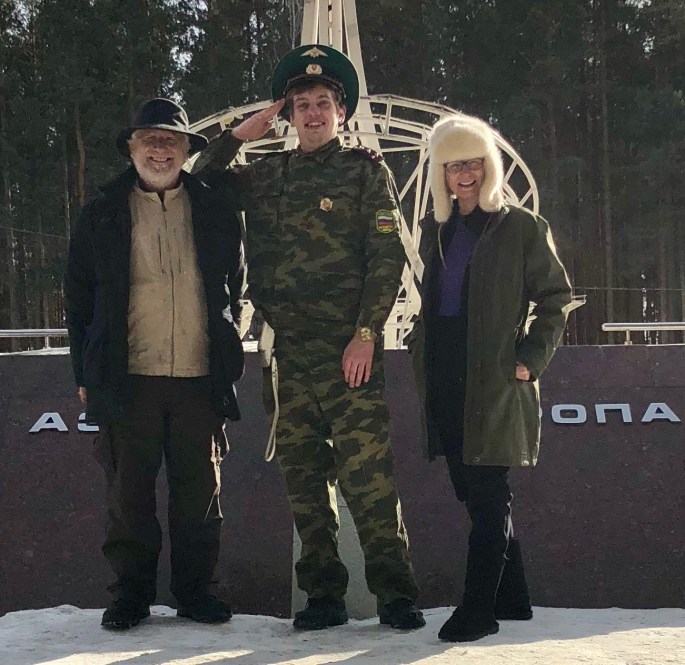
Straddling the border between Asia and Europe….

IMG_5260

Several concerts, including 19th century chamber music, classical opera and folk music, as well as some not-so-traditional art installations…

fullsizeoutput_7b20

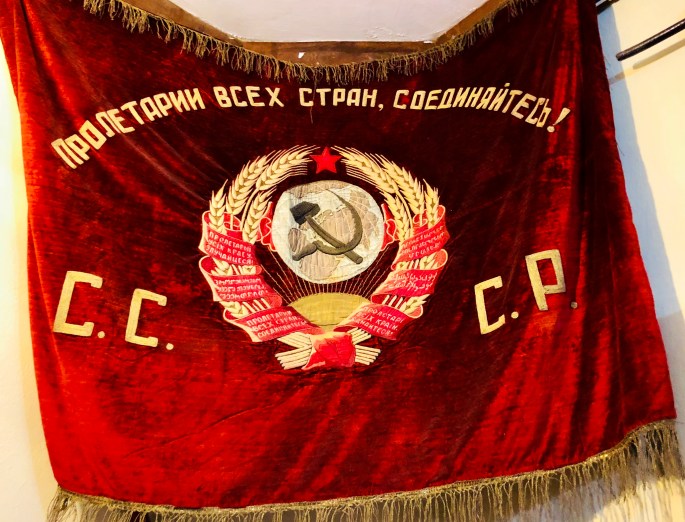
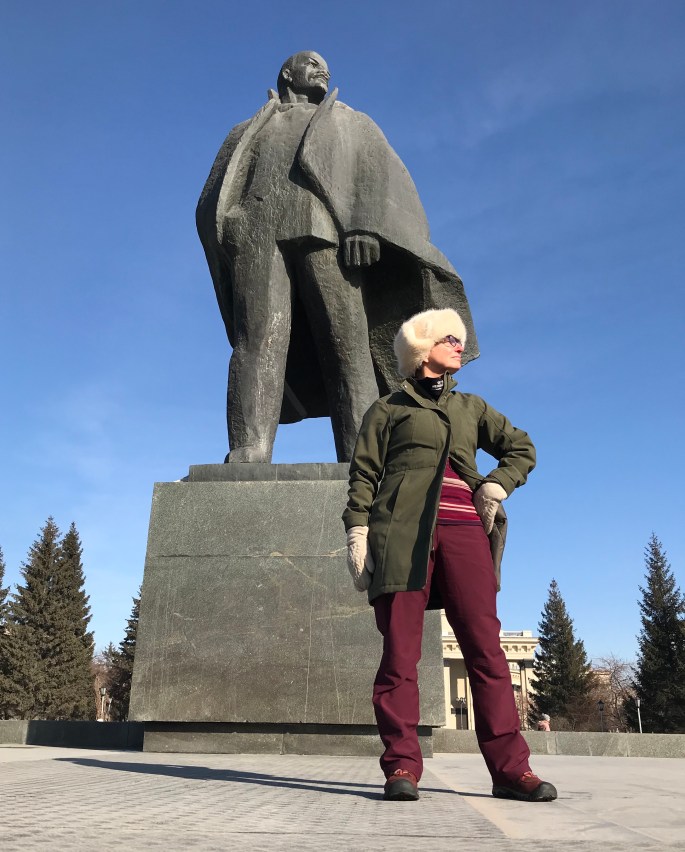
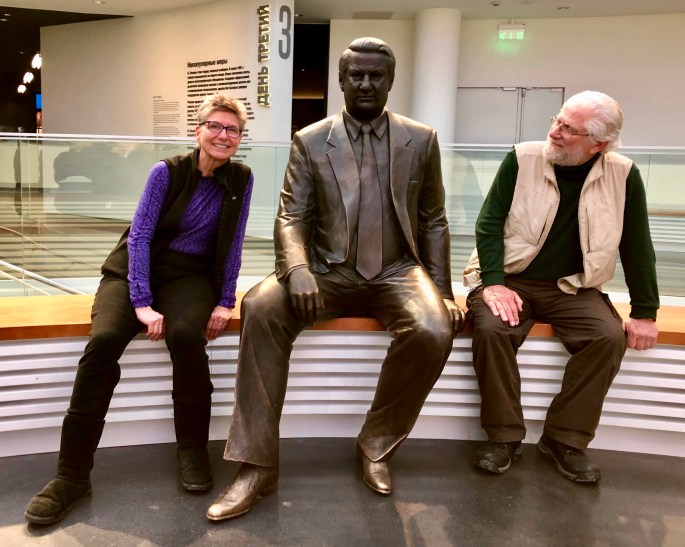
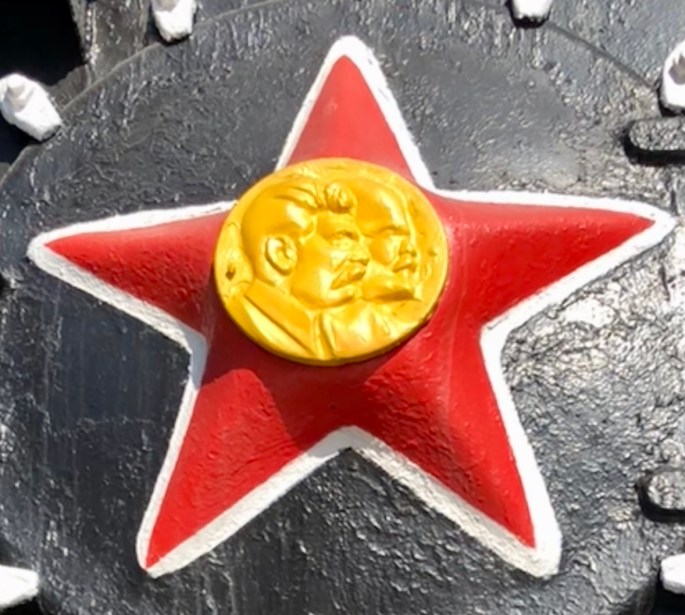
And finally…. just in case we have forgotten where we are….. oversight by past leadership…..

fullsizeoutput_7abefullsizeoutput_7877fullsizeoutput_7b35IMG_5256

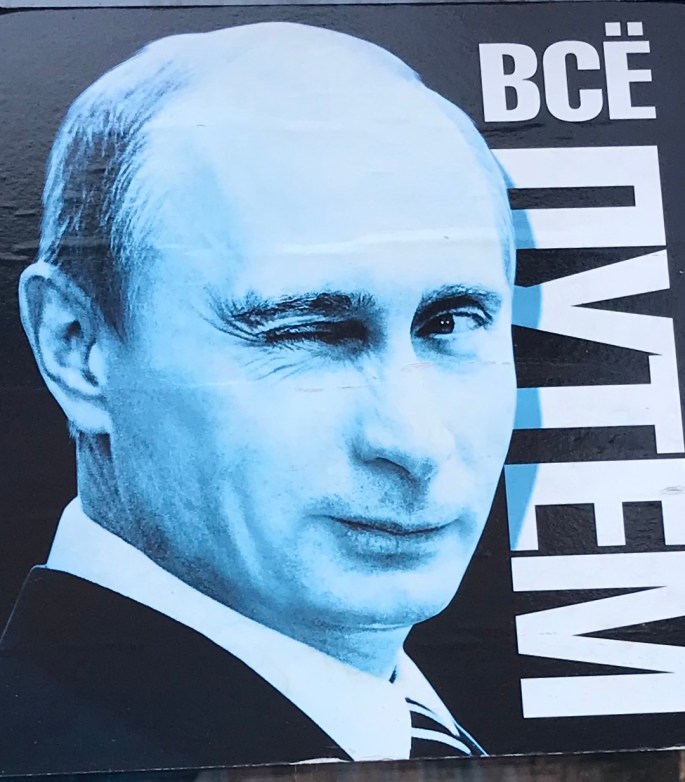
And the recently-reelected and most popular present….

IMG_4392


We have said farewell to our great group of fellow travellers on the Trans-Siberia railway, and have arrived in Moscow.    Report to come!


Moscow

Apologies to you all.  The energy to create thoughtful entries for this blog has ebbed.  

We have been beaten down by “the tyranny of the itinerary”. This has been our first trip using professional tour guides.  They have been well-meaning, knowledgeable, helpful and charming…….. but it is just not a comfortable way to travel.  Rushing from one “tourist site” to another, enduring a constant commentary on dates and statistics and being shuttled like a herd of Shropshire sheep…. all of this has taken its toll.  We will not do it this way again.

In the interest of completion, however, and in hopes of providing you with perhaps another interesting image or two….. we continue nonetheless.

Okay – Stalin was – as one illustrious pundit might put it – a “bad hombre”.  None badder.  Many hundreds of thousands of souls beaten, banished, murdered, starved, imprisoned and intimidated.  BUT, he also decided that Moscow needed some public works that truly distinguish the city today.  Like the “seven sister” skyscrapers built in the 1930s that adorn the skyline…

(Please note the sheets of ice on the Moscow River…..)

And the subway stations (no two alike) that not only house a very efficient transportation system, but also provide uplifting artistry…

The Soviet era also had some fine automobiles for the privileged…..

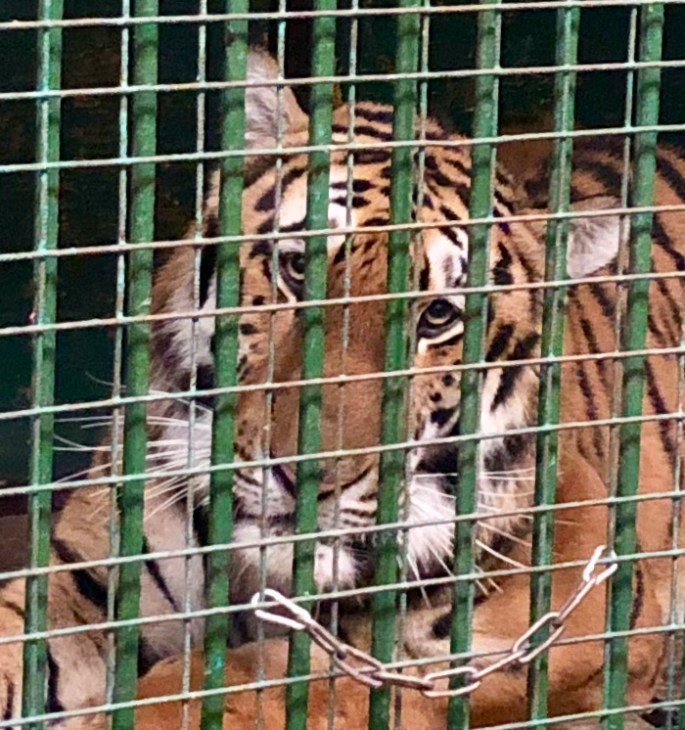
The Russians have historically loved circuses……. we did a “behind-the-scenes” visit.   Not entirely happy about how the animals are kept, but it could be worse.

IMG_5293

No city visit is complete without the purchase of a couple of geegaws from street vendors….

Some faces and scenes from the Tretyakov art gallery…

And a ghastly pirouette in front of the Bolshoi Theater….

IMG_5325

On to Saint Petersburg for the last chapter……..