Saint Petersburg

St. Petersburg. A city built at the direction of Peter the Great in the 18th century to the greater glory of….. himself. And at what a price. Many thousands of serfs died under wretched conditions while draining the marsh on which it sits and building its foundation. As locals blithely say, St. Petersburg was built on blood and bones.

There are no apologies, no recognition of this sacrifice. It seems as if every feature of the place – palace, stable, church, museum, theater, park, road – was devoted to the sole use and enjoyment of the tiny minority of nobles, while millions were mere human chattel, living in misery.

It is revolting to view room after room and museum after museum of baubles – snuff boxes, watches, gowns, carriages, Easter eggs, thrones, clocks, furnishings… even horse blankets and bridles – constructed of gold, silk, silver and loaded with gems and precious stones, all created for the exclusive use of the Romanov line of rulers…. few if any of whom appear to have had much in the way of redeeming qualities.

Catherine the Great created a private collection of art housed in a place she named the Hermitage; so called as to make it clear that these items, funded from the treasury of the Russian empire, were to be for her viewing alone. Empress Elizabeth had 15,000 ball gowns in her closet by the end of her realm, while the serfs froze to death.

The last tsar – Nicholas II – along with his wife Alexandra and five children – have been elevated to the status of martyrs in the orthodox church. People stand in line to kiss the feet of their statues and burn candles to icons in their names. Pilgrimages are made to the site in Yekaterinaberg where they were executed in 1918 by the Bolshevik government. Nobody talks about their callous indifference to the plight of the common people, or even of the murder of innocents in the tsar’s name who dared to speak out because they and their families were sick, starving and hopeless.

The visitor asks….. is there no museum or monument to the common people or the serfs, to show how they lived and to honor the sacrifices they made? Can we see where the servants and artisans who maintained the imperial lifestyle were housed? Of course not. Why would anybody want to see that? Well, if the tsar/emperor liked the bejeweled treasures he was acquiring from France and Italy so much, did he ever attempt to stimulate or encourage the growth of similar industry in Russia? Don’t be silly – why would he do that when he can use the wealth of the empire to buy it elsewhere?

No wonder this country was the starting point for a violent revolution dedicated to economic reform and the redistribution of property, however misguided it ultimately turned out.

Arrrggh, we’ve become clueless American bleeding hearts! Can’t we just admire the beauty of these creations for their own sake and get over this sick feeling of waste?

No, not really…….

Okay – rant over.  Now you know why there will not be a lot of photos of imperial goodies here.

The room at the hotel was really great, with a Currier & Ives view of the snowy park beyond our windows….

DCIM102GOPROGOPR6662.JPG

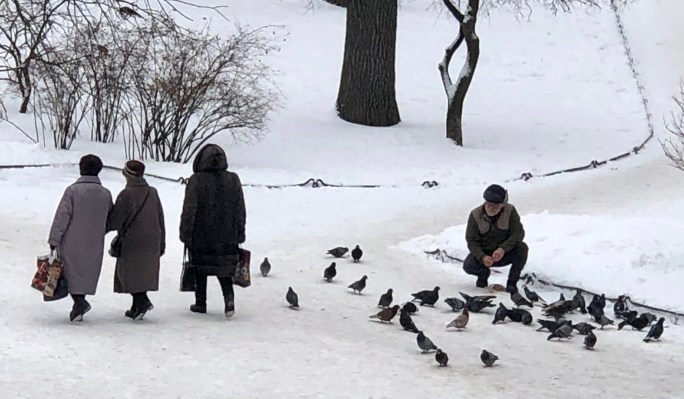
Pigeons in the park were well fed….. not that interested in crumbs from a well-fed East Texas forester…..
IMG_5343

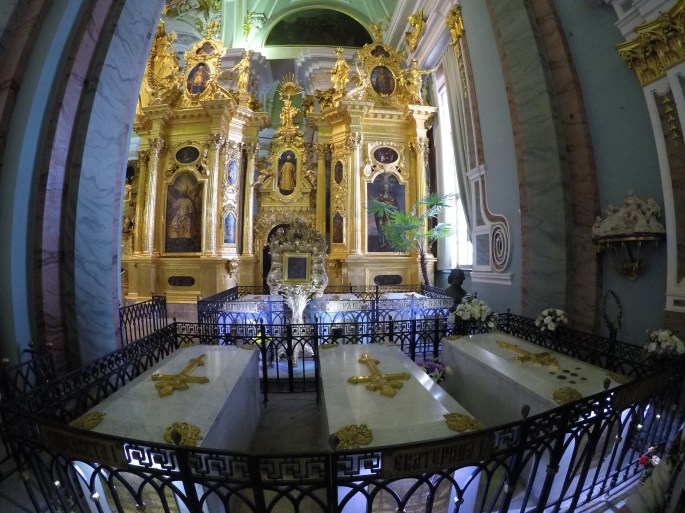
Insisted the guide – a peek at the (over-glorified) final resting place of the last tsar…
DCIM102GOPROGOPR6681.JPG

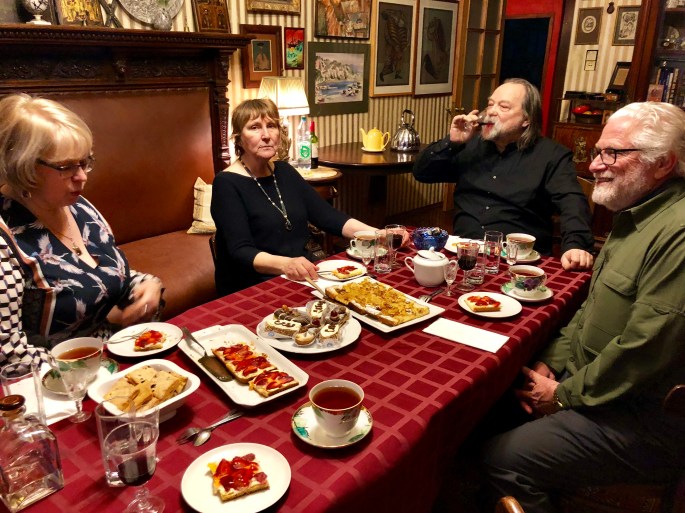
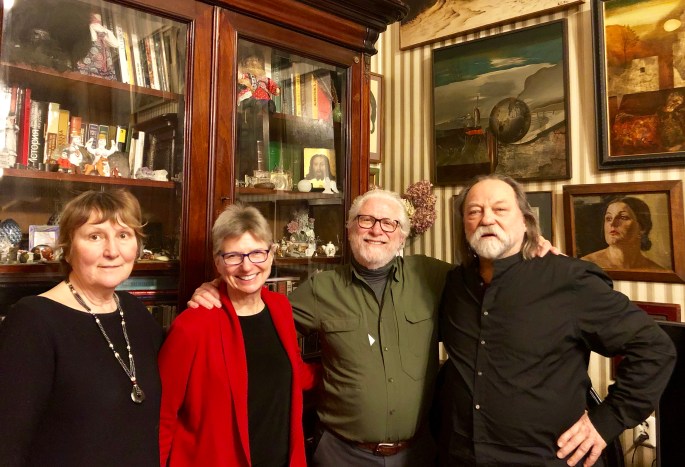
To give the tour operator credit for a good idea, a meal at the home of a local artist and his retired etymologist wife was a pleasure.
IMG_5352IMG_5355

And a ballet performance of The Firebird by Igor Stravinsky at the Mariinsky Theater provided a glimpse of Russian culture…..
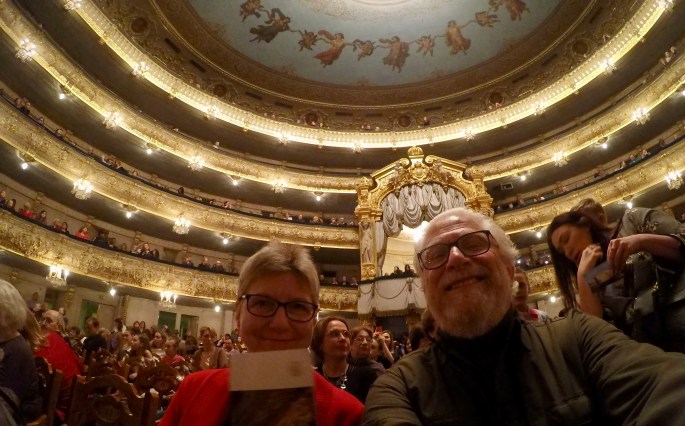
DCIM102GOPROGOPR6737.JPG

The only market purchase of note – local honey from the beekeepers’ daughter….
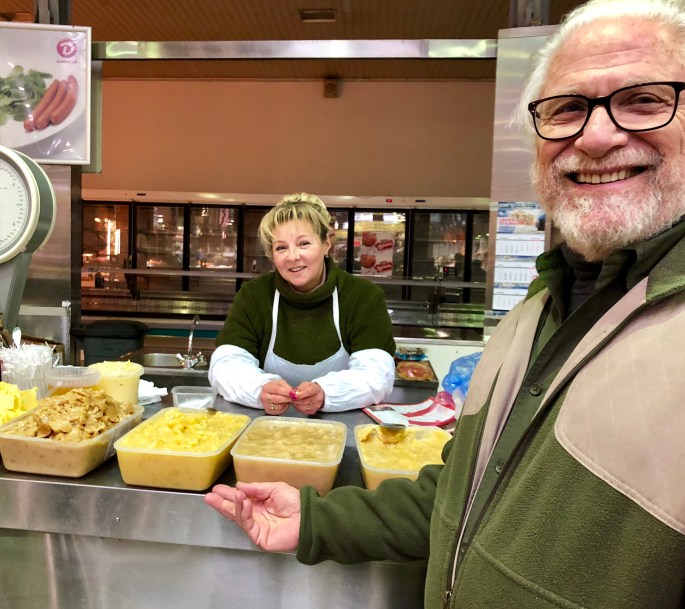
IMG_5359

And just a few shots of modern Russian art…..

March 26 – we have returned to the USA.  Thanks again to those who have followed our journey.  We appreciate your attention and comments, and wish you all a wonderful spring wherever you may be…..

Happy trails!


Postscript

Although sincerely meant, the tone of the last blog posting may leave the impression that this trip was generally disappointing.  

Not at all!  

Japan was delightful.  We were thrilled with the winter landscapes, and the people were welcoming and very kind.  In Russia we learned a lot about how the country has evolved since the fall of communism.  And of course the cornerstone of the trip was the Siberian rail journey, which was a phenomenal way of discovering something about this vast historic route.

We crossed paths with many fine folks as well – fellow travelers, local contacts, street vendors and guides.  If for no other reason, we wish everybody would travel like this…. to reinforce the fact that the residents of this planet have much more in common than we have differences…. to learn from our collective turbulent past to cherish peaceful coexistence and promote it for generations to come.

All in all, a great experience – although we have many things we will do differently should  we wander this way again.  

All the best to you and yours.


Japan and Beyond

Winter.  Snow monkeys
soak long in steamy onsen.
As will Henberta.

Some of you may recognize above the Japanese verse form called haiku, and perhaps the Japanese term, onsen, which generally refers to a communal hot spring bath.

Been home long enough.
Wanderlust consumes our souls….
The wild blue yonder

To Tokyo tomorrow; will spend a bit less than 3 weeks traveling through Japan, including the northern island Hokkaido where some mild winter sports are on the agenda.  Then off to Vladivostok, just across the sea in Russia.  From there it is almost 6,000 miles through a veritable winter wonderland on the Trans-Siberian railway to Moscow.  We only recently realized that we will be arriving in the Russian capital on the day of their national presidential election!  Should be an interesting time.  (Hmmmmm, wonder who will win?)

This blog will continue under the title “In the Land of the Rising Sun” on this blog page.  In the unlikely event you wish to look at previous postings from “On a Slow Boat to China”, I believe you can select that option at the top of the new blog home page.

Warm Texas winter;
We flee to the Orient
Seeking colder climes.

No more poetry….. at least no new compositions from me.  More news soon from the Far East.


Leaving Home

Although we will only be gone about six weeks, this trip nonetheless required a little preparation.

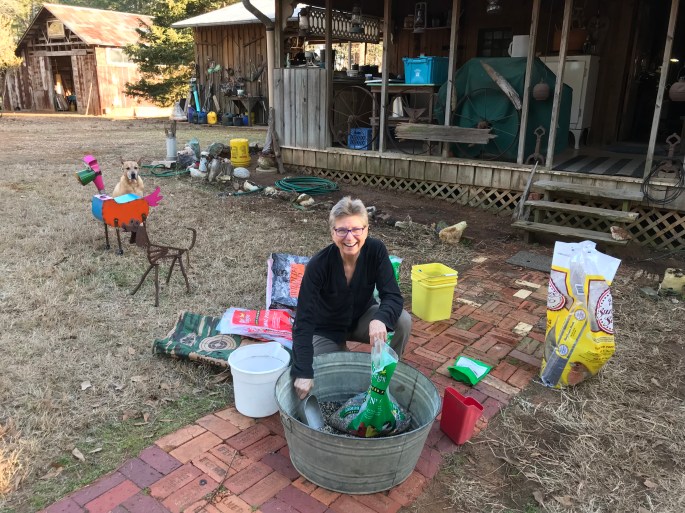
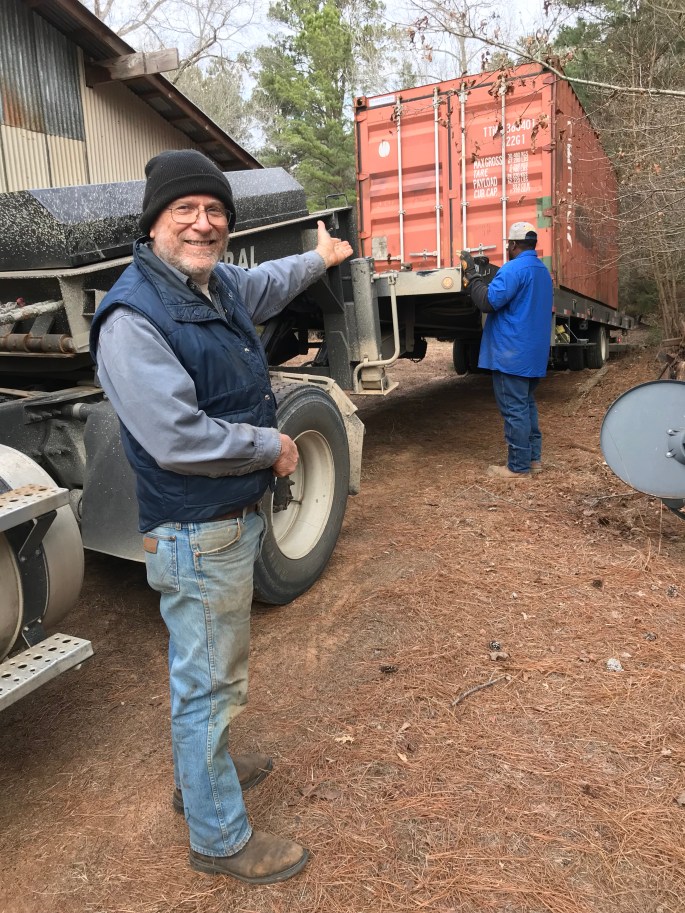
Henry became so enthralled with containers on the cargo ship adventure that he had to have one of his own for storage of farm equipment while we were gone.  It arrived about a week before we left.

IMG_1690

Equipment duly stored, provision had to be made for our feathered and furred friends.  Several hundred pounds of deer corn and bird seed were mixed and loaded into the feeders or stored for later distribution (thanks to Henry’s son Clay).

IMG_1694

And farewells were said to our less demanding animal companions:

IMG_4547

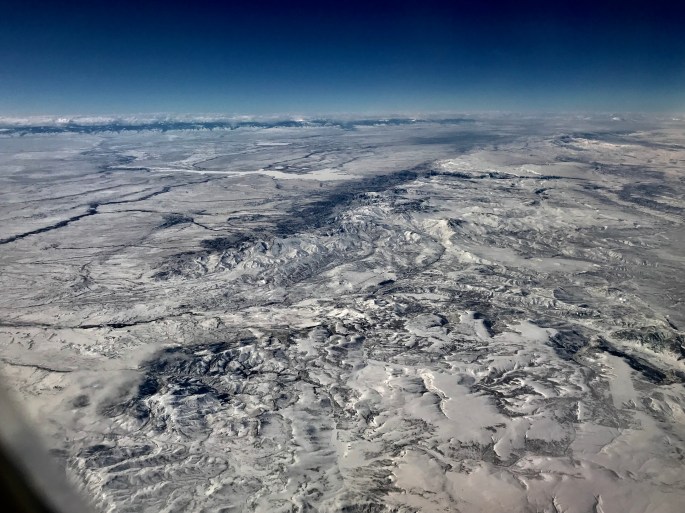
The journey across the Pacific that took us five weeks on a ship last fall took only 14 hours by air….

IMG_1708IMG_1736

And then we were in Tokyo.  Amazing!


Tokyo

Japan’s nickname, The Land of the Rising Sun, was given it by their neighbours to the west, China.  Not the only gift – China gave Japan much of the foundation of its civilization, including written language, religion, art, political organization and more.  These traditions have evolved, however, into a land and culture quite different.

As is so common in Asia, a national holiday was under way upon our arrival.  Tokyo Station was the only place in the neighborhood that had restaurants open for business.  In spite of jet lag and a spirited holiday crowd, we tracked down noodles and tempura for dinner.  Then a soak in the roof-top onsen (hot-springs bath) at our hotel before collapsing into bed.

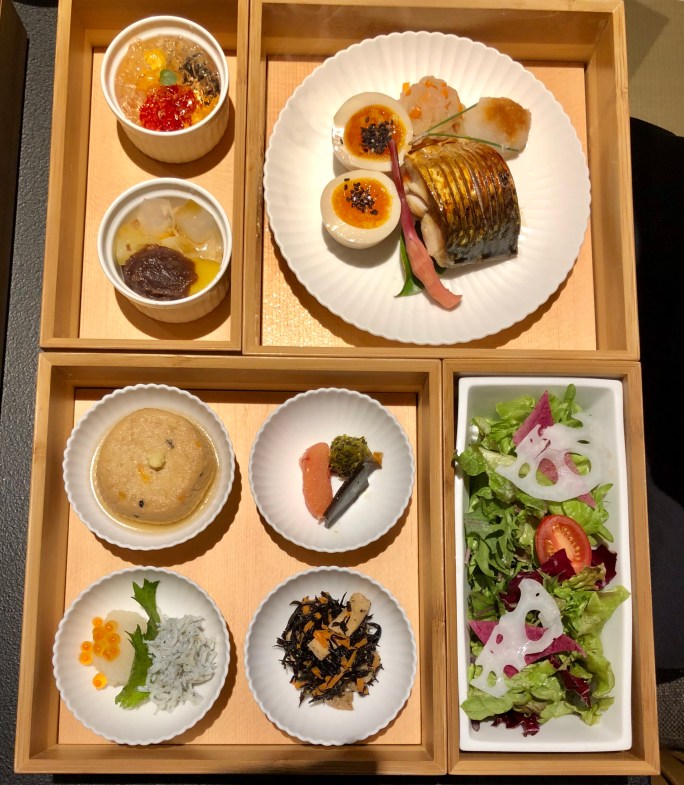
Japanese breakfasts generally incorporate many small dishes – including a bit of grilled or steamed fish, an egg, miso soup, rice, vegetables, salad, pickles, and a few bites of fruit.  Delicious and nutritious….

IMG_4568IMG_4559

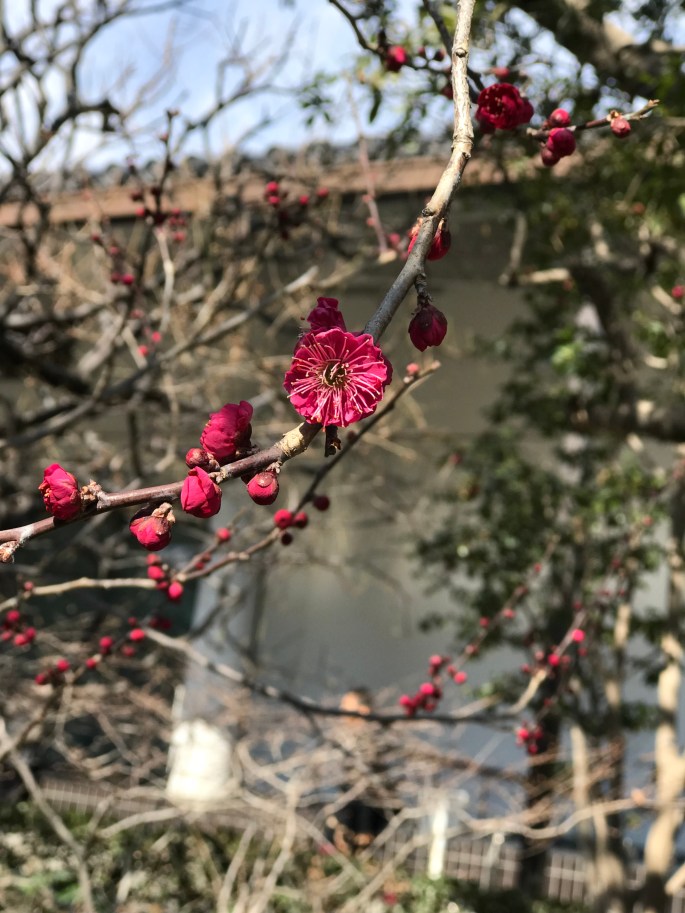
Although still winter, plum blossoms were out in places.

IMG_1800

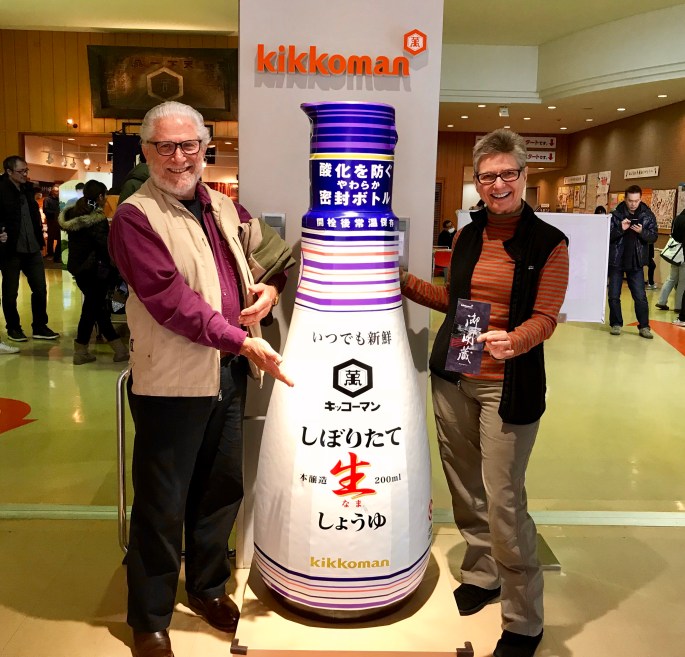
First visit was to the Kikkoman Soy Sauce Factory on the edge of Tokyo.  An iconic element of Japanese cuisine, it will become a staple in our stateside cuisine.

fullsizeoutput_7350

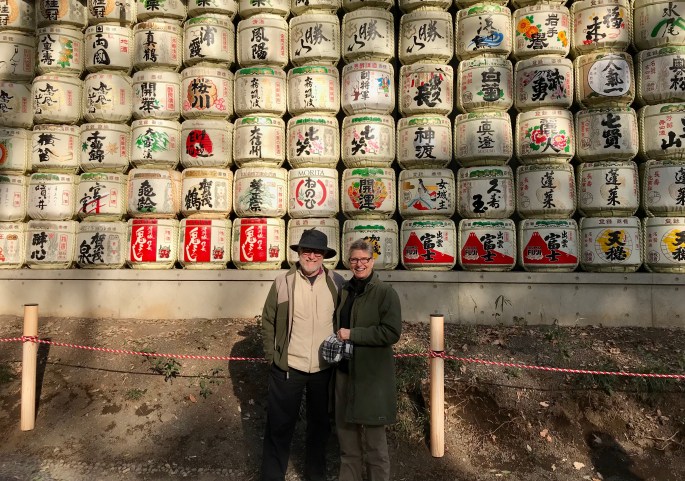
Over two full days here, several of the usual tourist haunts were visited.  

fullsizeoutput_7353

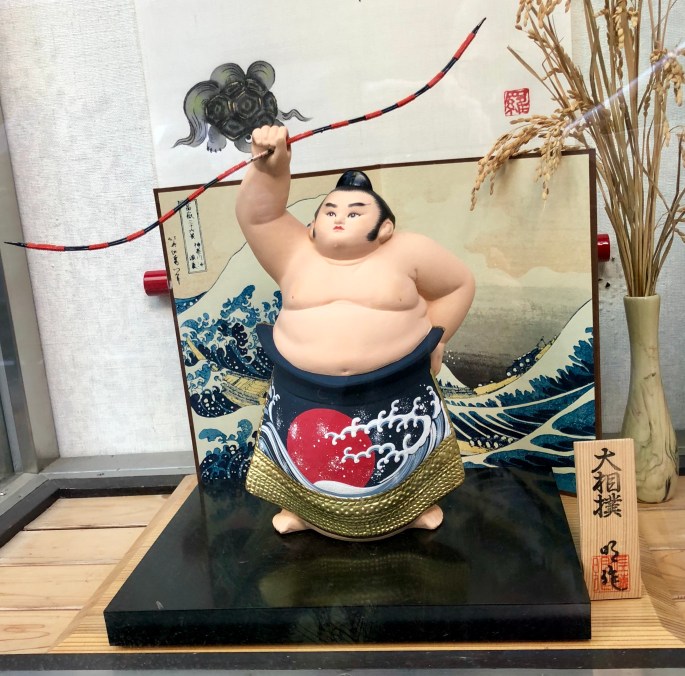
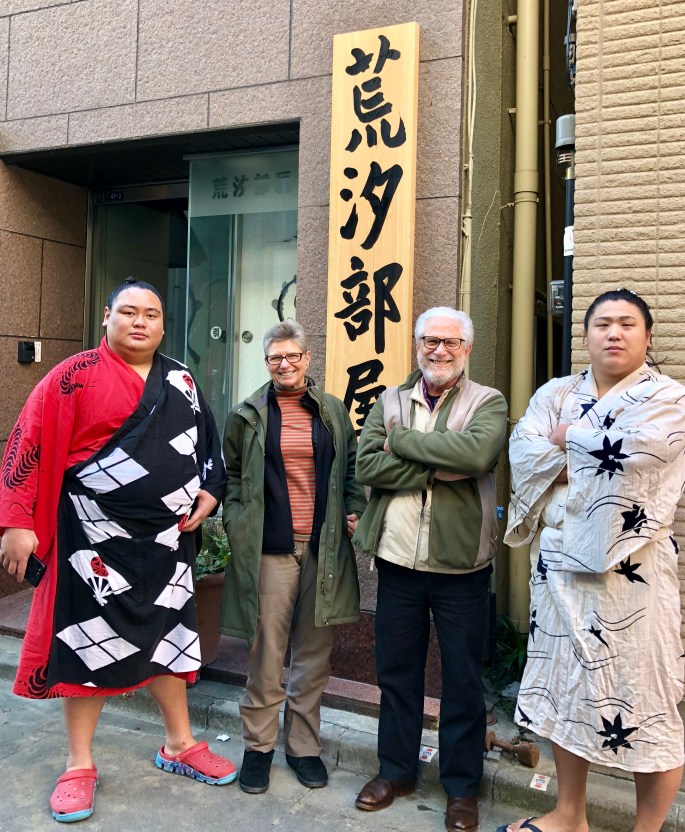
We also went to a “small sumo stable”.  Meaning, I guess that not only were there not many wrestlers, but they were also of less intimidating stature than most you hear about.

IMG_4570IMG_4574

The big fish market in Tokyo limits visits by outsiders, so we felt lucky to be there, especially since it will be moved to a more remote location in the next year or so.  Seemed like a good place to have sushi for lunch!

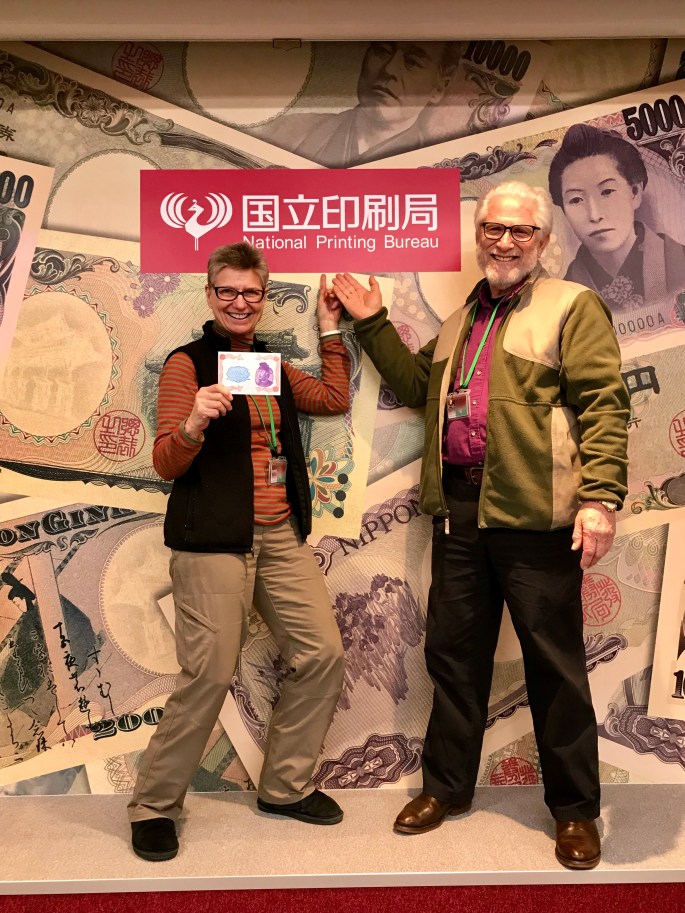
A tour of the National Printing Bureau gave us a real appreciation for the many ways currency is protected from counterfeiting…..

fullsizeoutput_7382

A juggler performs during “sake-hour” at the hotel each evening.  She has a great time!

IMG_4566

A short visit to Tokyo – we are looking forward to getting out into the countryside and will be heading north toward Nagano by bullet train in the morning, stopping at a copper mine on the way….

7-11

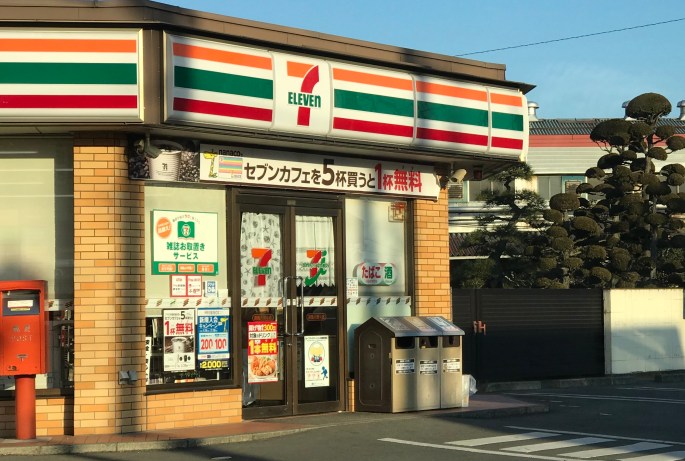
It’s quite jarring to see 7-11 stores on almost every corner in Japan!  

fullsizeoutput_7526

There is a Texas connection here.  In 1927, an ice-house owner in the Dallas area decided it would be a good idea to also sell things like eggs and milk to his customers as a “convenience”.  So was born Southland Corporation and the brand that became 7-11, along with a new retail system that spread through-out the United States.

Southland, through many acquisitions and mergers, good years and bad, ultimately fell upon hard times and reorganized.  In 1991, a Japanese corporation assumed ownership of 70% of the 7-11 company.

Today, 7-11 has about 64,000 stores, almost one-third of which (over 20,000) are located in Japan (a country about the size of the state of California).  The United States has just over 8,000 stores nationwide.

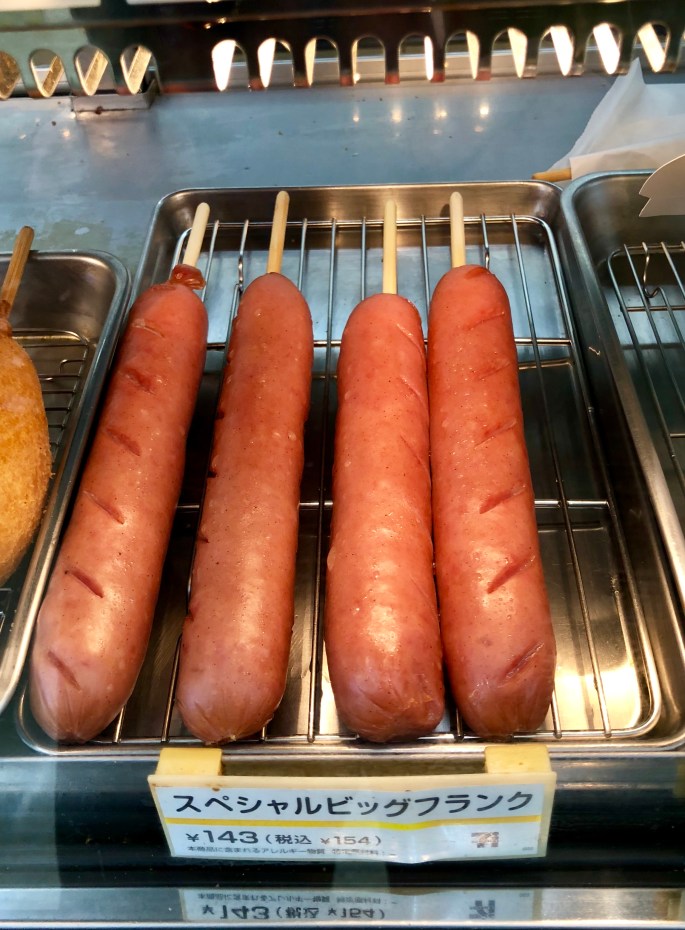
The stores look familiar in many respects, including the presence of a heated rotisserie near the front with hot dogs that appear to have been there since the Reagan administration.

IMG_4793

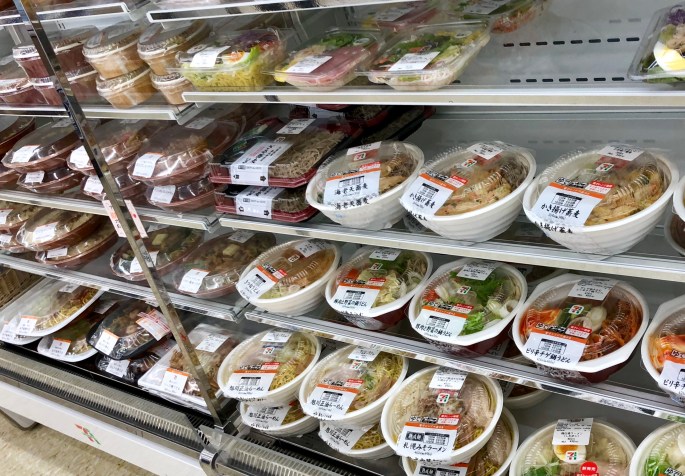
Here, however, they also boast a comprehensive selection of attractive bento boxes.

IMG_4794

 It is also the only place other than the Japan post office where foreigners can use debit cards to get local currency.

Feels like a taste of home, but actually, I’ll hope some day to find a bento box for lunch when I stop for a fill-up on a US road trip.


Ashio Copper Mine

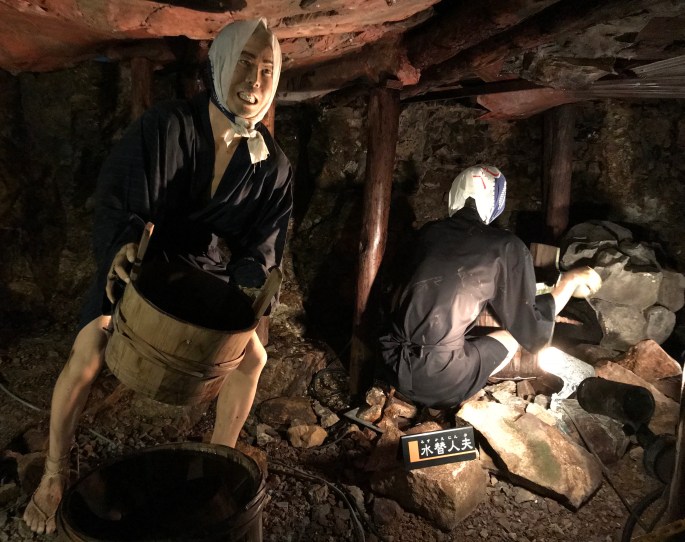
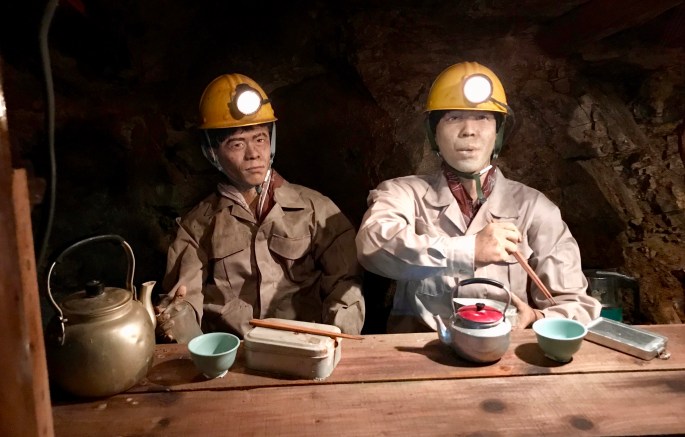
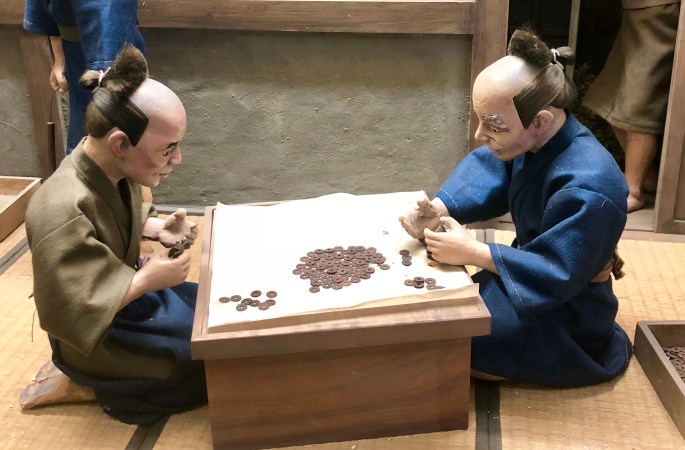
North of Tokyo on our way to Gunma Prefecture, we stopped at an old copper mine that was closed many years ago.  We were virtually the only visitors, and it was a fairly cheese-y operation.  We took a little train down into a mine shaft, and wandered through a portion of the old works.

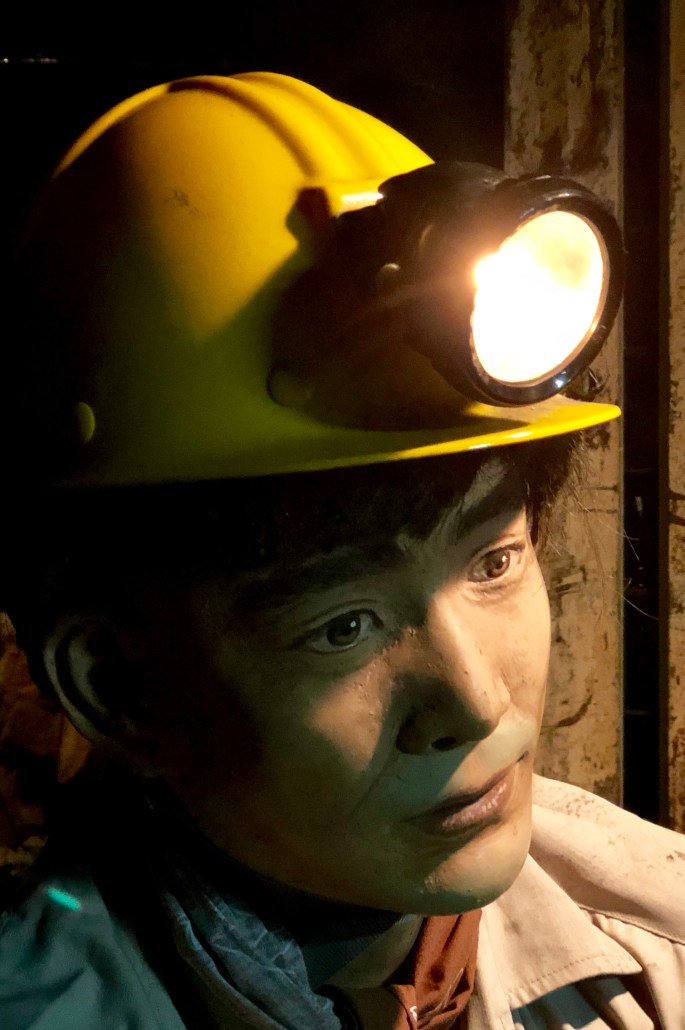
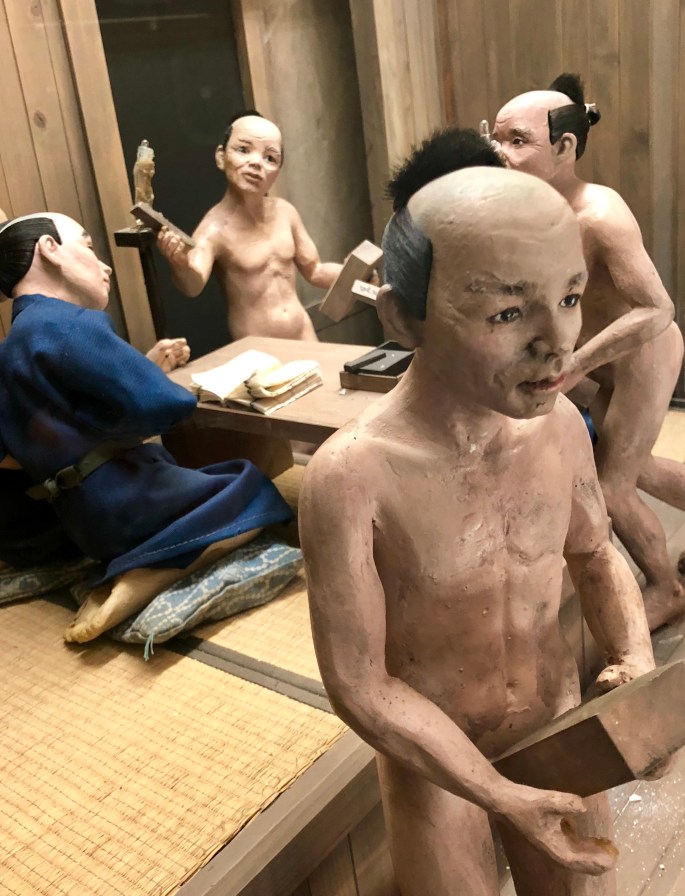
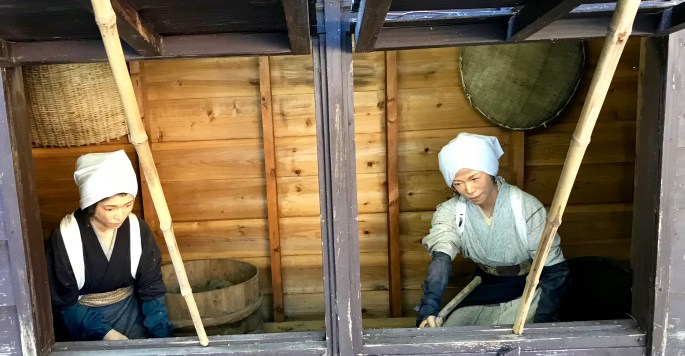
But like many of these wanna-be tourist sites, they had dioramas/staged re-enactments of historic activities…. and the scenes and mannequins were actually quite striking…..

fullsizeoutput_74b4IMG_4586IMG_4593fullsizeoutput_752bfullsizeoutput_7527fullsizeoutput_7529IMG_4592

Looks like a labor relations nightmare!

Ikaho (Gunma Prefecture)

It is easy to become enamoured with the onsen (hot springs baths) in Japan.  

The country is located on the Pacific “ring of fire”, a geological line that was caused by plate tectonics and is characterized by significant earthquake and volcanic activity.   One outcome is that hot springs occur almost everywhere, and the Japanese are avid about using them for their sybaritic pleasure.  Most Japanese inns include access to onsen; the public baths are separated by gender, but sometimes you have access to a private tub.

fullsizeoutput_74a7

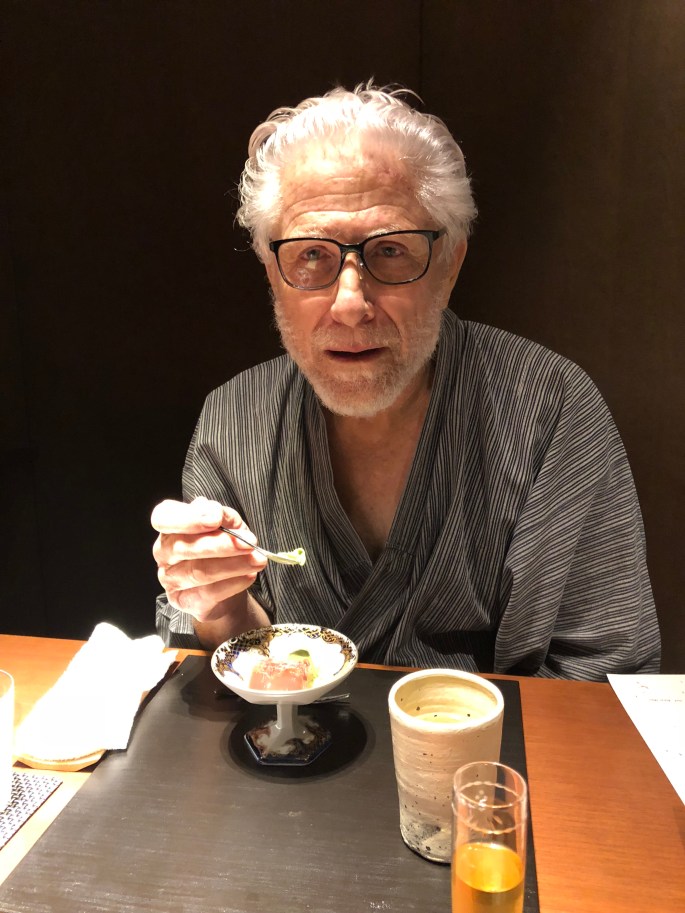
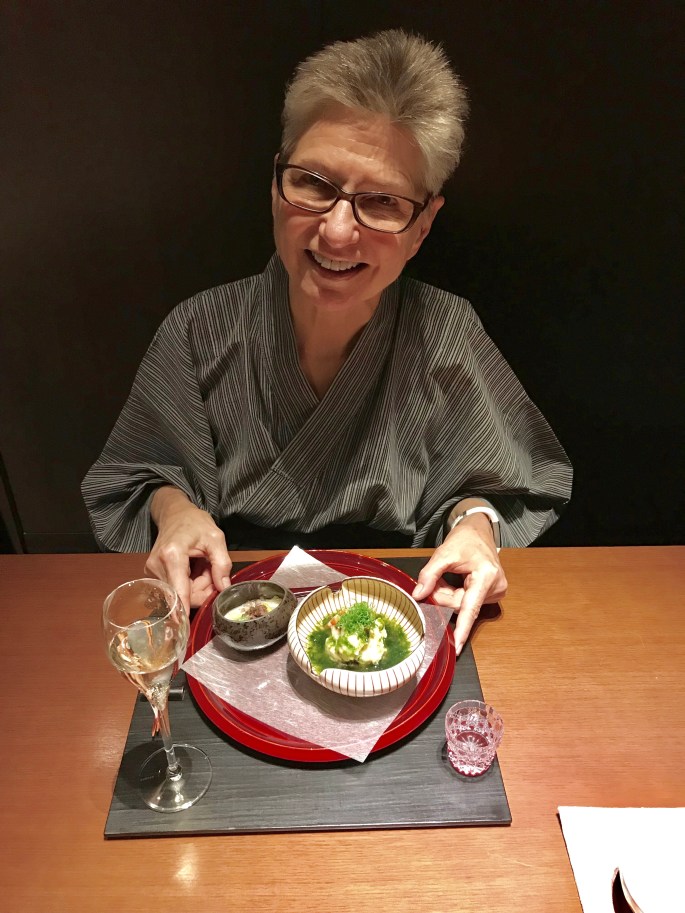
Japanese inns also supply pretty much all of the clothing you might require for your stay.  Guests put on their yukatas (robes) or pajamas for dinner and generally wear them in and around the inn.

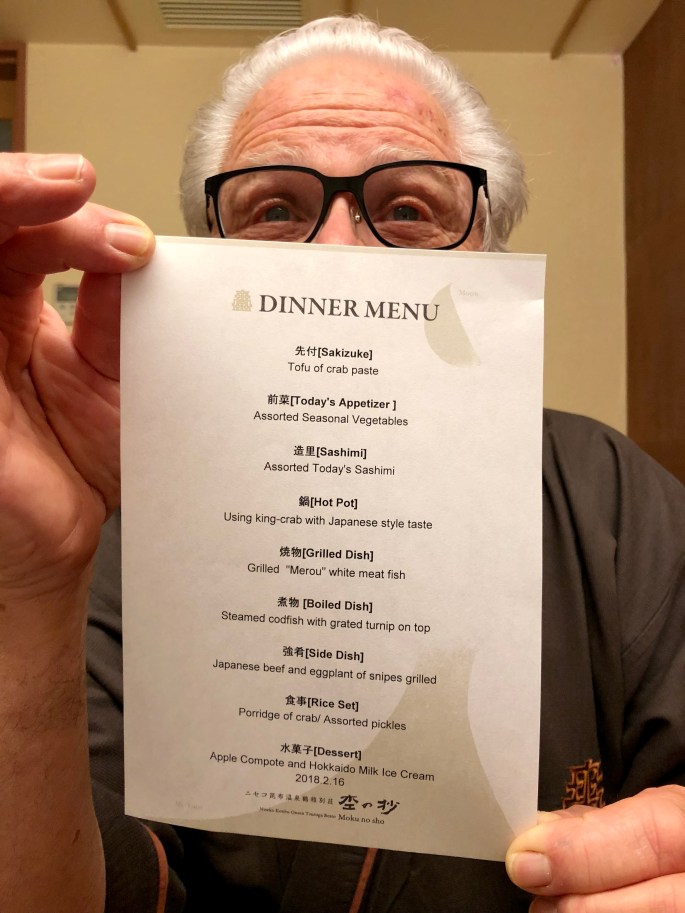
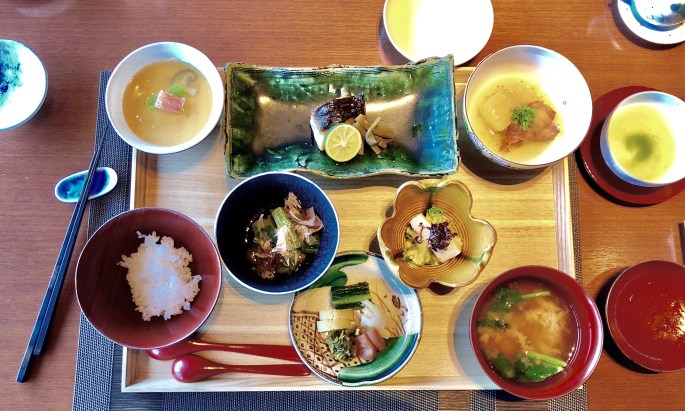
During our stay in Ikaho, we also learned what “kaiseki” cuisine is all about…..  Basically, each kaiseki meal is a feast composed of many small dishes – including lots of fish (even at breakfast), vegetables (steamed, pickled, boiled, raw), meat, hot pot, soup, rice and much more – beautifully presented on unique serving pieces.  A dinner meal can last more than 2 hours.

IMG_4658

fullsizeoutput_74ee

IMG_4659

It is a LOT of food.  You start off the meal with delight and anticipation…..

fullsizeoutput_7459.jpeg

And often end dazed and almost miserable…..

IMG_4613

We are trying to get a handle on this style of eating going forward.  Promise not to post too many more food pictures, unless they are truly unique.

This is our first trip with a professional tour guide.  Setsuko is knowledgeable, lots of fun and best of all, flexible.  

IMG_4629

Our next chapter takes us to the northern island of Hokkaido, where we will have a chance to experience some Japanese winter activities, and view a little wildlife along the way.


Hokkaido, Part I

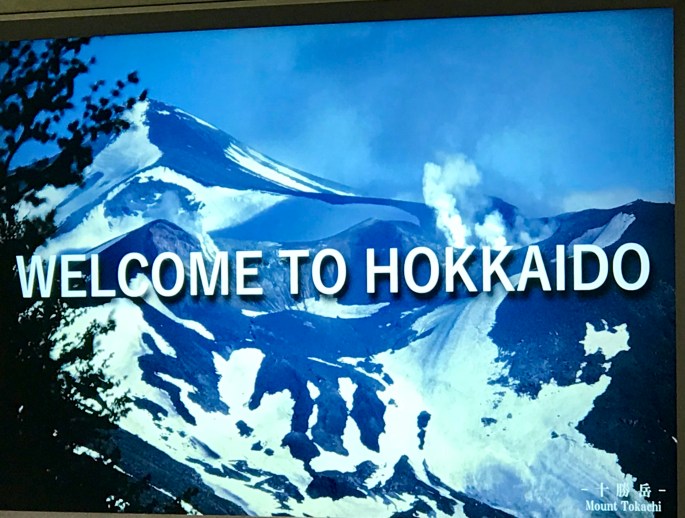
Hokkaido is the northernmost island of Japan…..

fullsizeoutput_758e

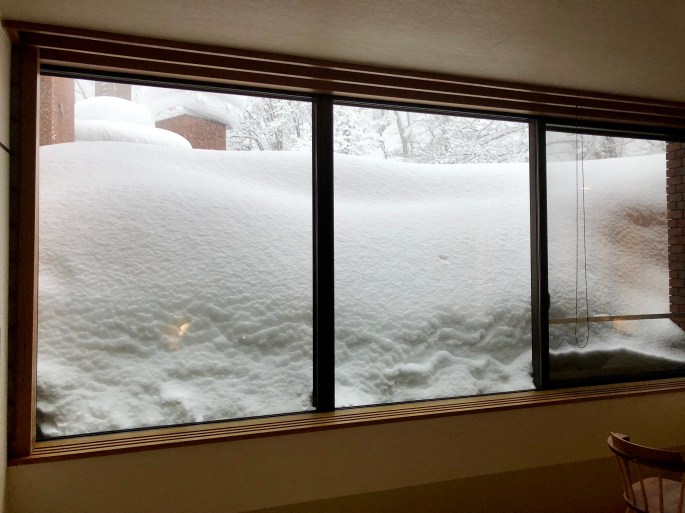
Mountainous and very cold and snowy in winter.  Average snowfall in Niseko is 15 meters!  Here’s the view from the hotel room:
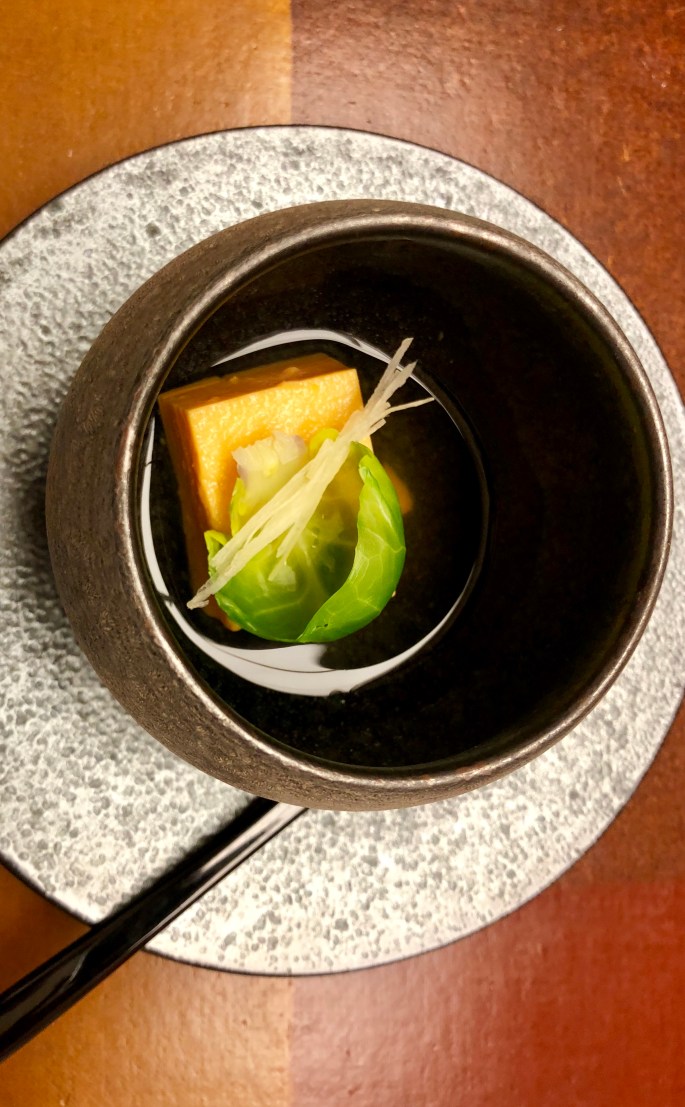
IMG_4665

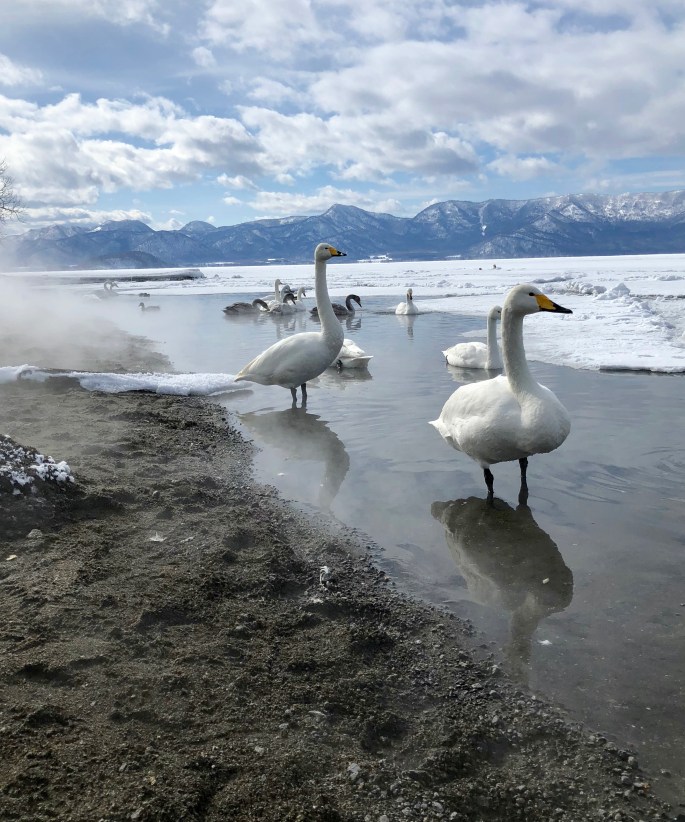
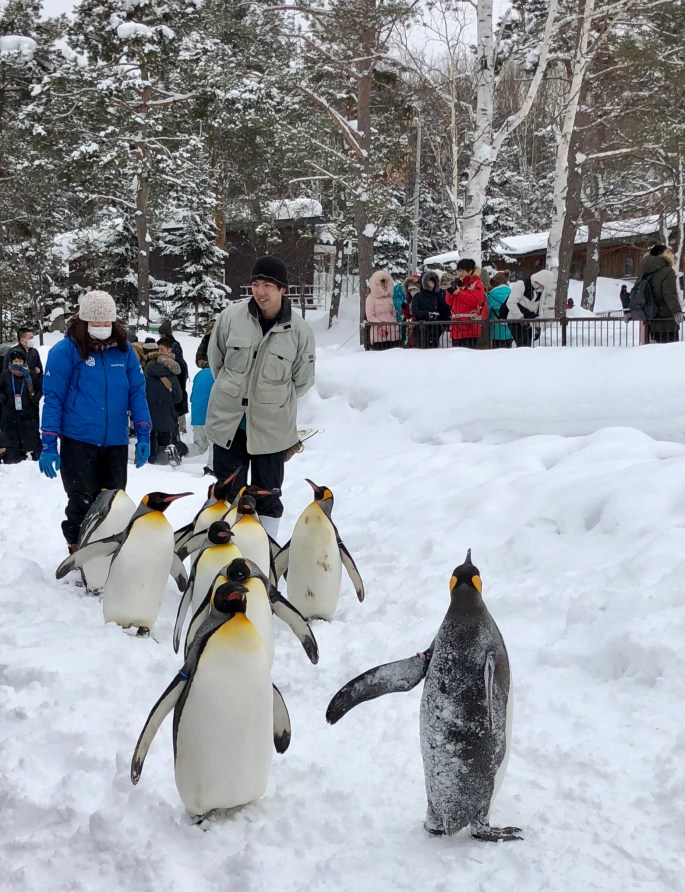
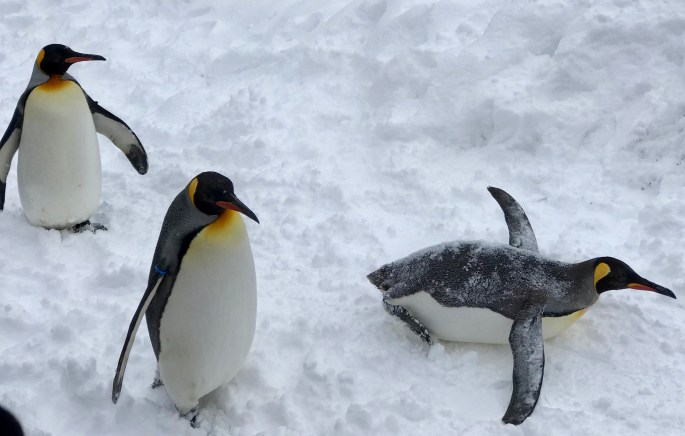
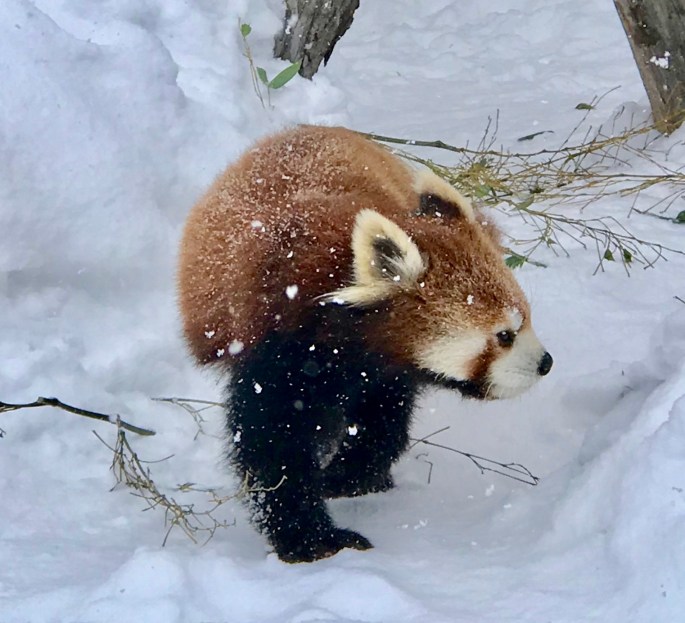
Frigid as it is, plenty of animals are at home here.  

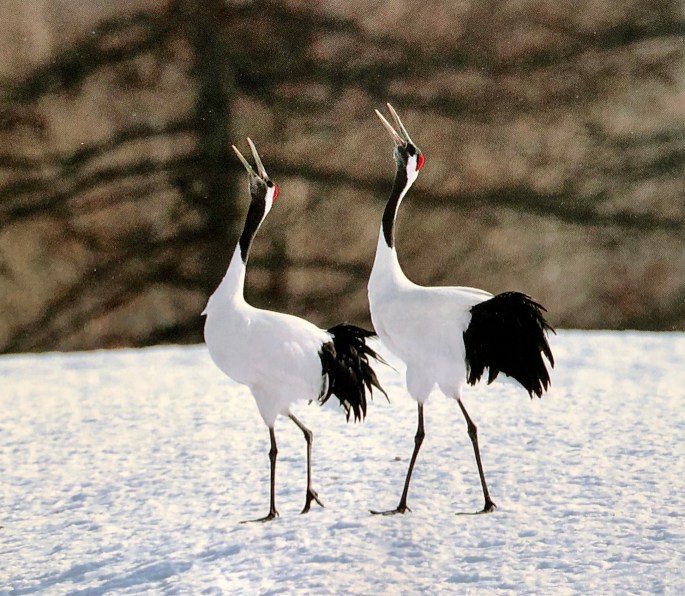
(Spoiler alert – all but two of these photos were taken by us personally…. they are included to show the full array of critters we saw but could not photograph well.  A pair of chopsticks will be awarded to any who can guess which two are not original….)

Several special areas are reserved for birds, such as the Japanese crane and the whooper swan:

IMG_4684fullsizeoutput_7577

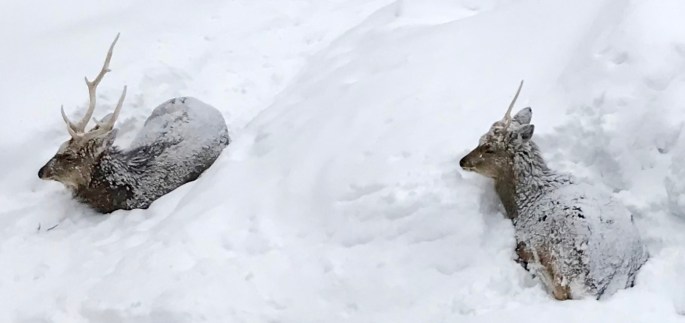
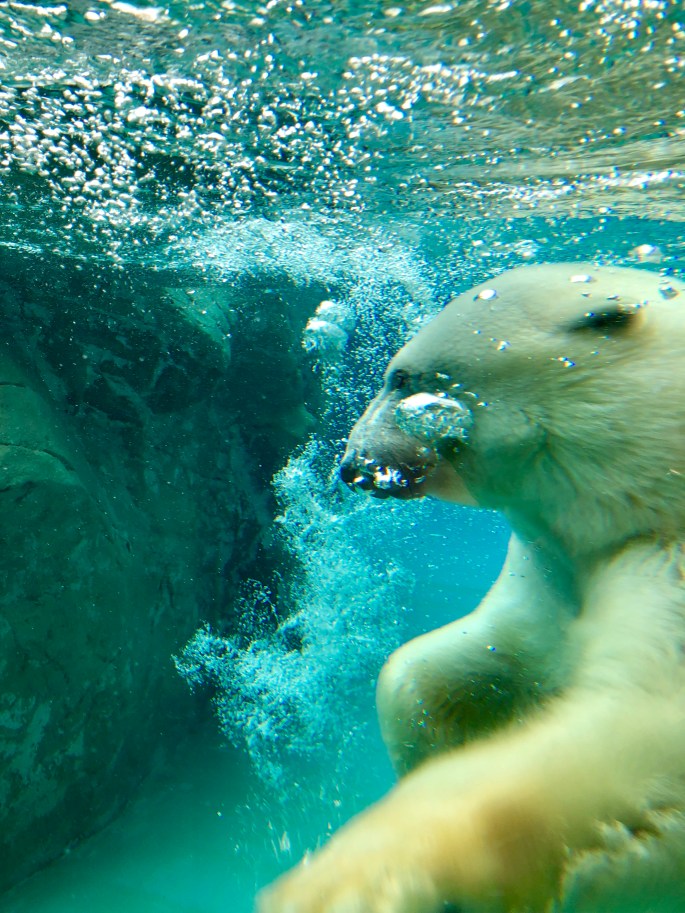
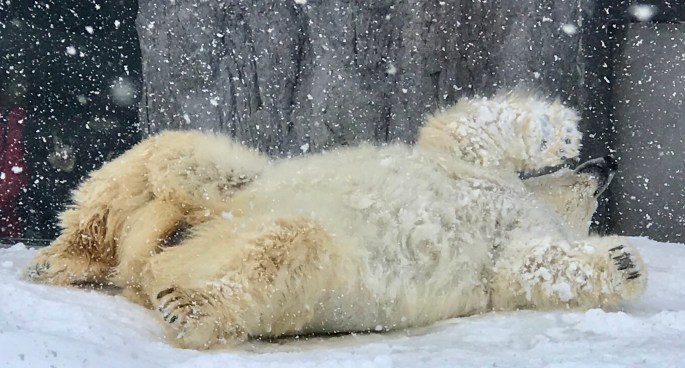
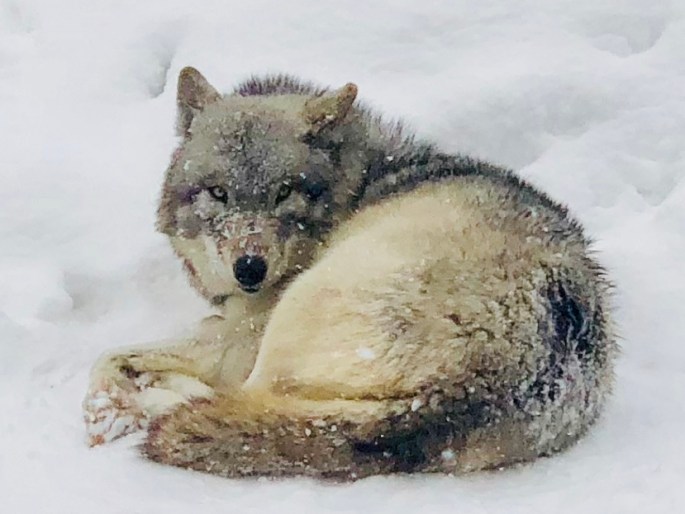
A wonderful zoo called Asahiyama is near Sounkyo.   Snow came down pretty heavily during the visit; amazing to see the animals in this environment.  Some were active and playful, while others simply accumulated a snowy coat…

IMG_4762

fullsizeoutput_758f

fullsizeoutput_7608

fullsizeoutput_7590

fullsizeoutput_7591IMG_4721IMG_4771

IMG_2717

IMG_4777

Lots of foxes were evident in the countryside, but were somewhat camera-shy.

IMG_4691

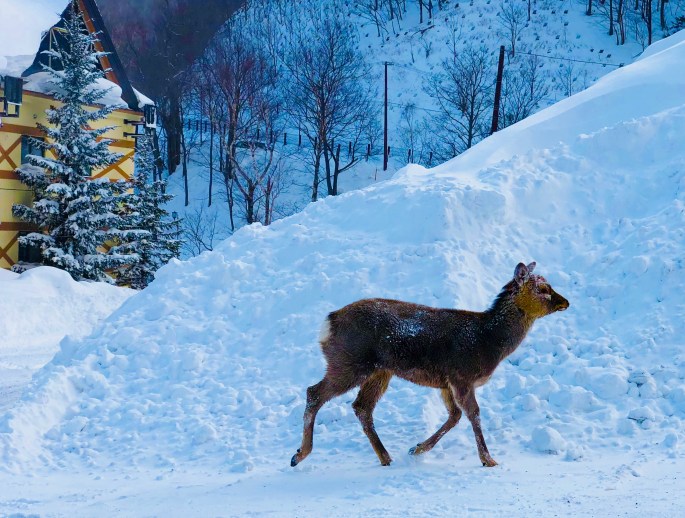
And once, a local baby reindeer just wandered down the street.

IMG_4760

More winter fun from Hokkaido to come!
 

Hokkaido, Part II

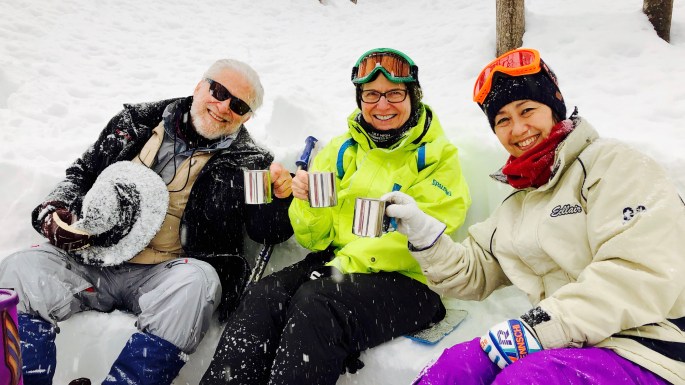
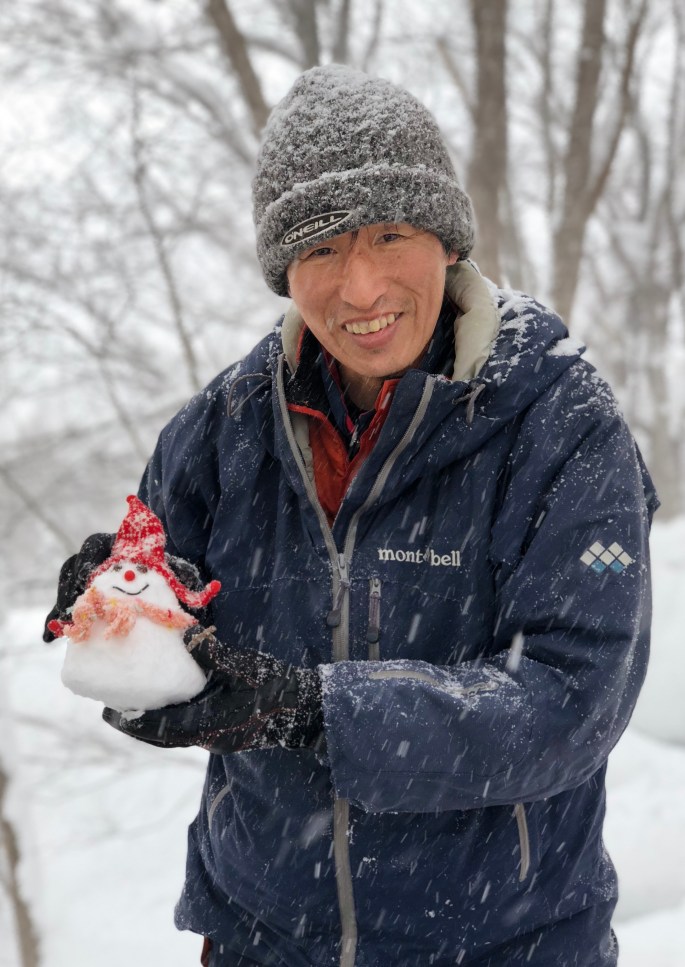
Hokkaido is a winter paradise, with tons of snowfall, bountiful natural beauty, and plenty of outdoor activities.  

IMG_4734

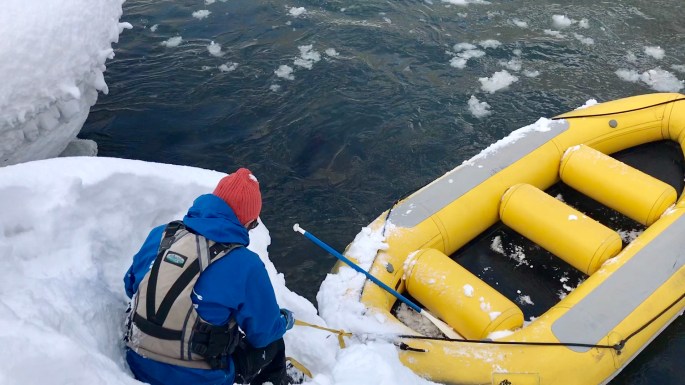
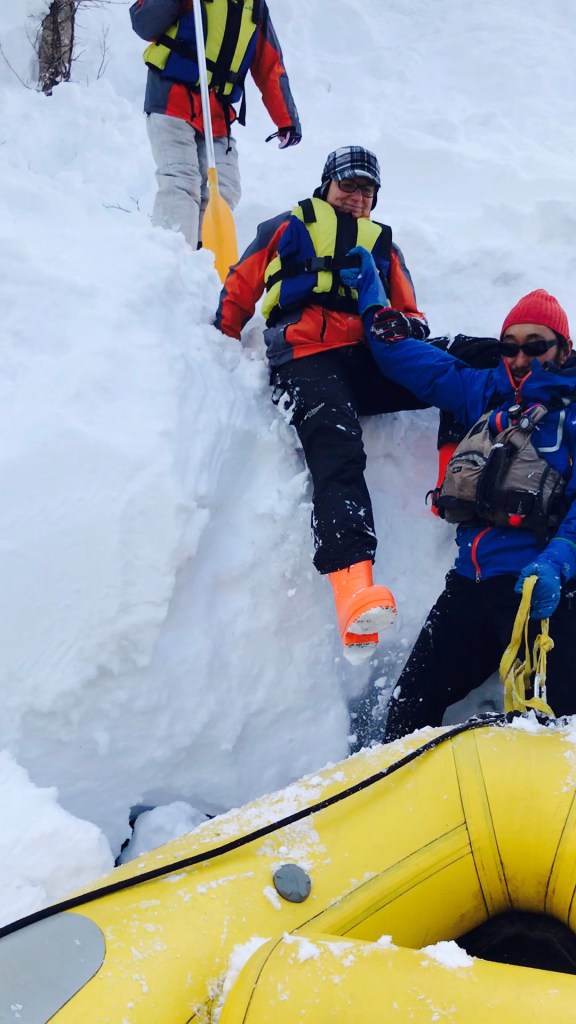
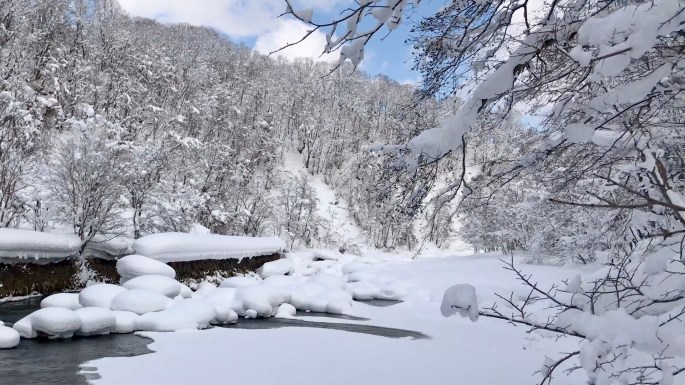
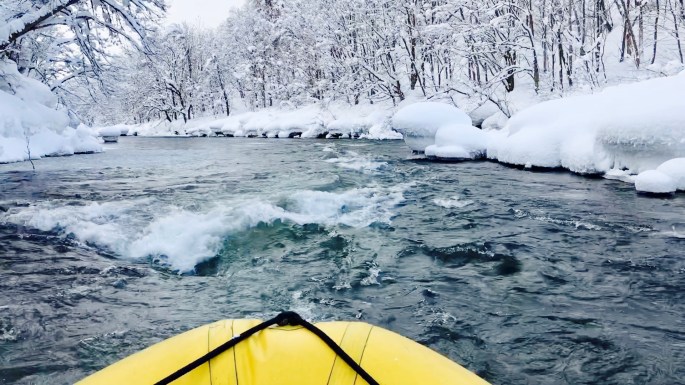
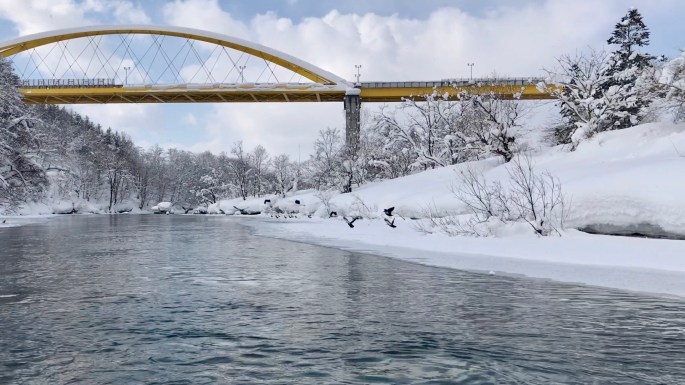
The “Niseko River cruise” turned out to be a float on a rubber raft over some very moderate rapids through a breath-taking frozen landscape.

fullsizeoutput_75effullsizeoutput_75f2fullsizeoutput_75f0fullsizeoutput_75f1fullsizeoutput_75ee

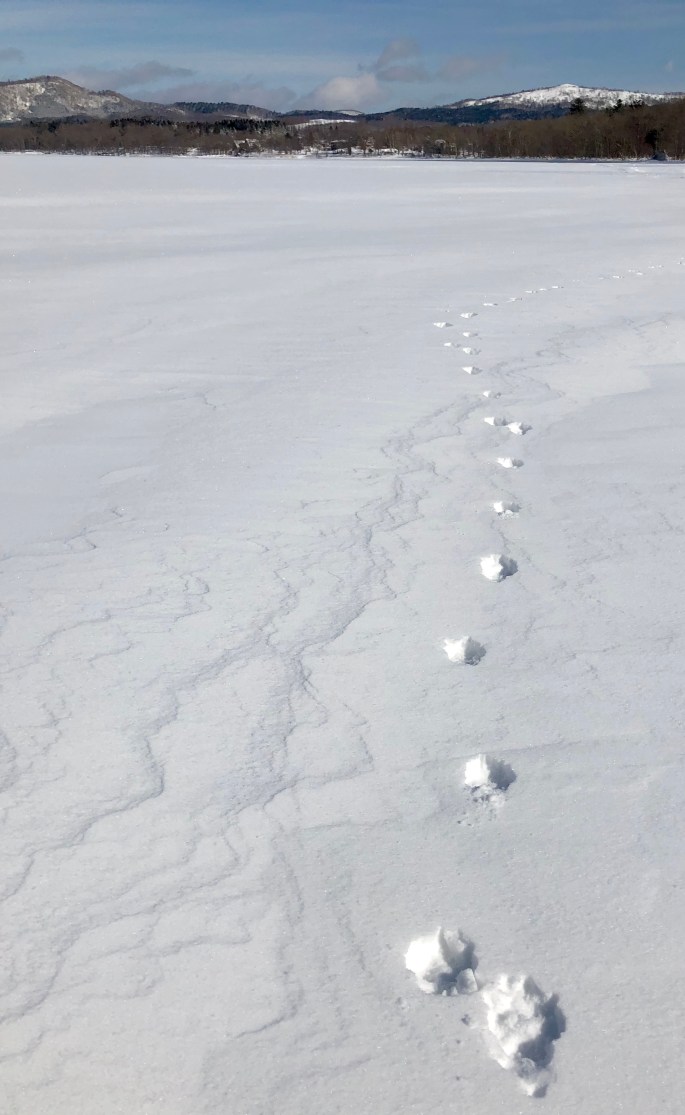
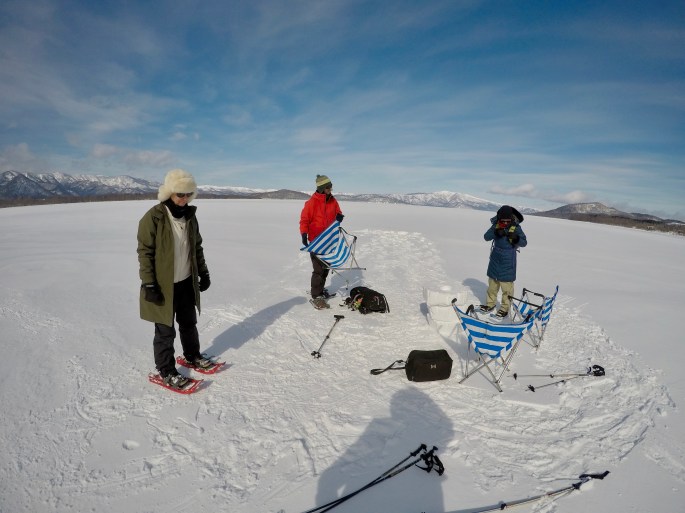
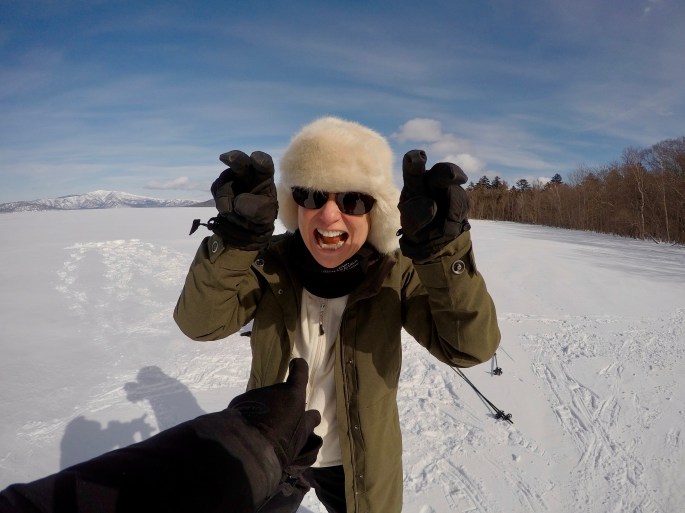
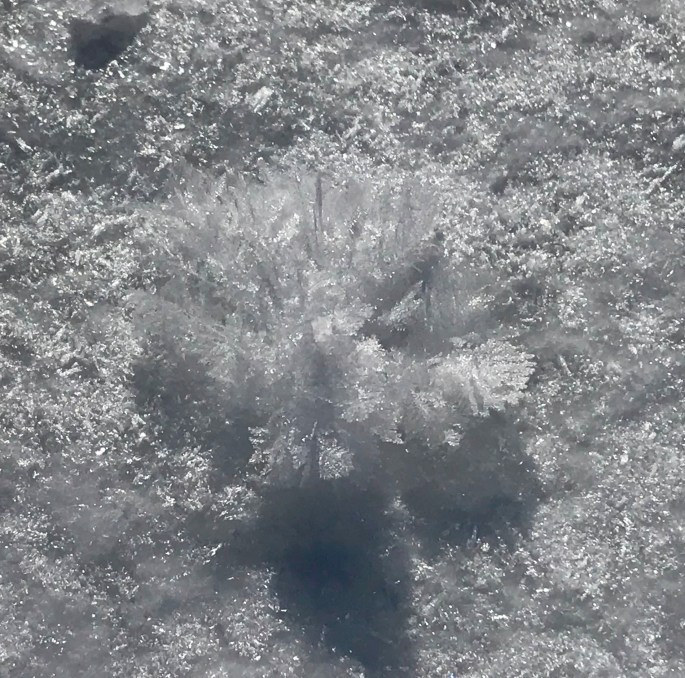
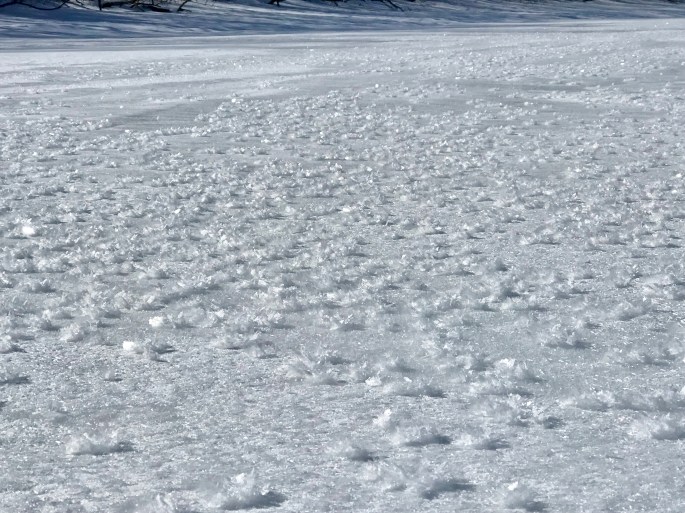
A couple of strolls on snow shoes brought nature close and revealed frozen lakes festooned with ice crystal “flowers”.

IMG_2409DCIM102GOPROGOPR5138.JPGDCIM102GOPROGOPR5137.JPG

fullsizeoutput_760afullsizeoutput_760cfullsizeoutput_75f4IMG_4678fullsizeoutput_75f7

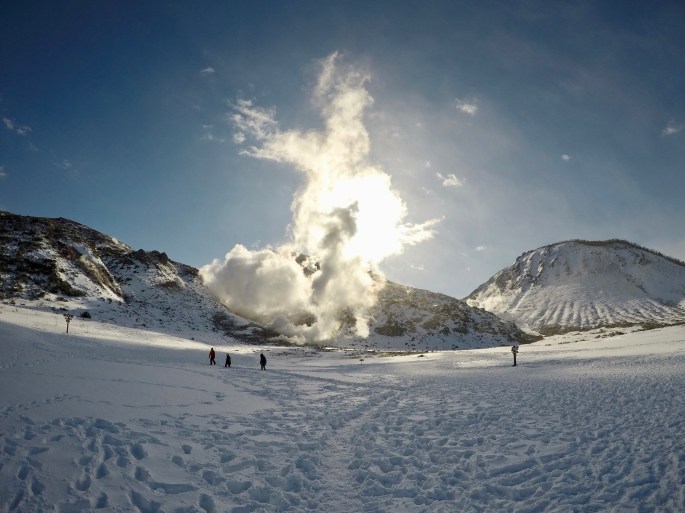
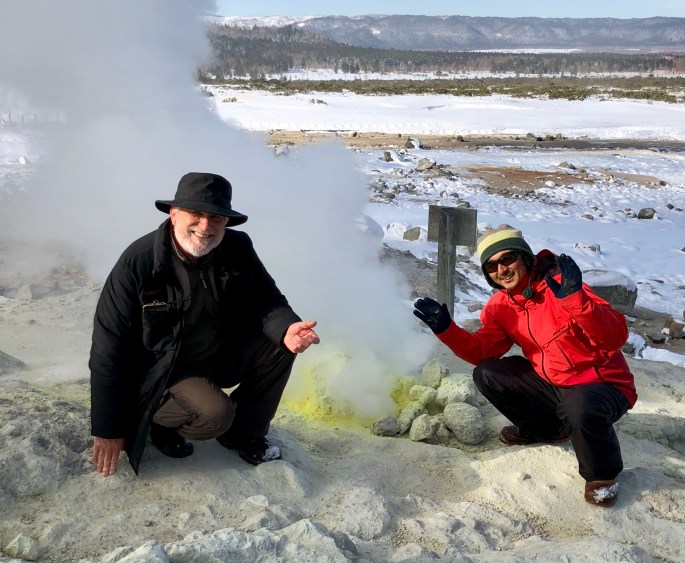
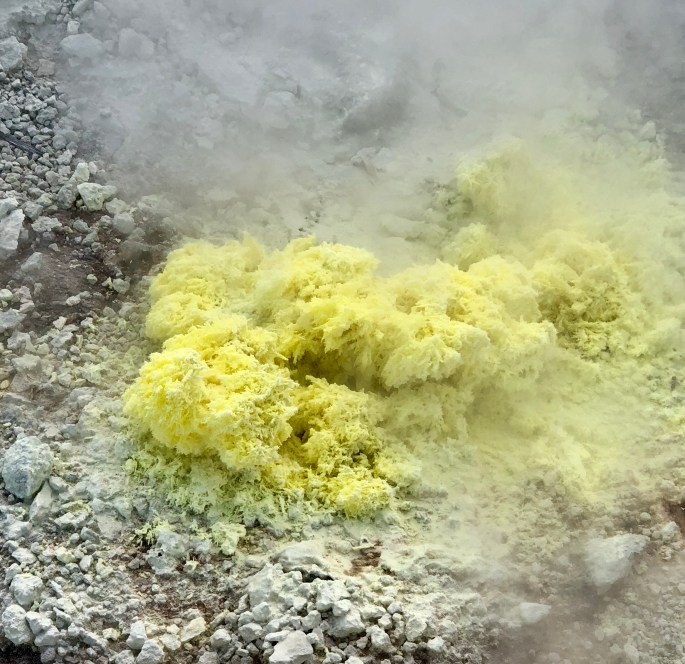
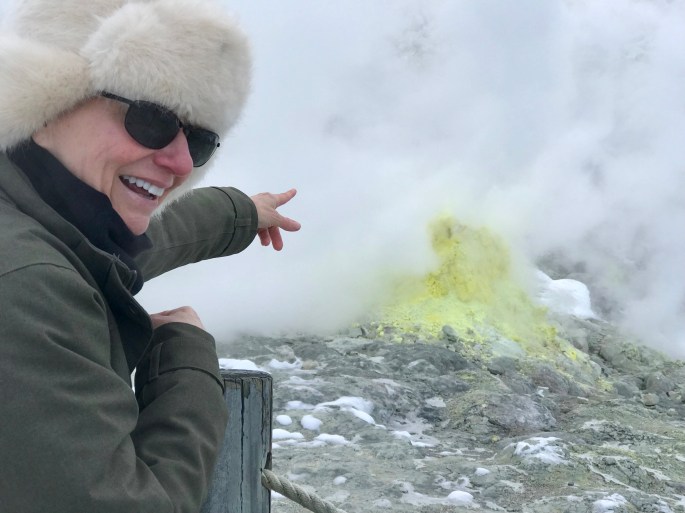
Being part of the “ring of fire”, the earth’s crust is fairly thin in places here, as illustrated by one of the sulphur hot springs sites.

DCIM102GOPROGOPR5142.JPGIMG_4726IMG_4729fullsizeoutput_75fd

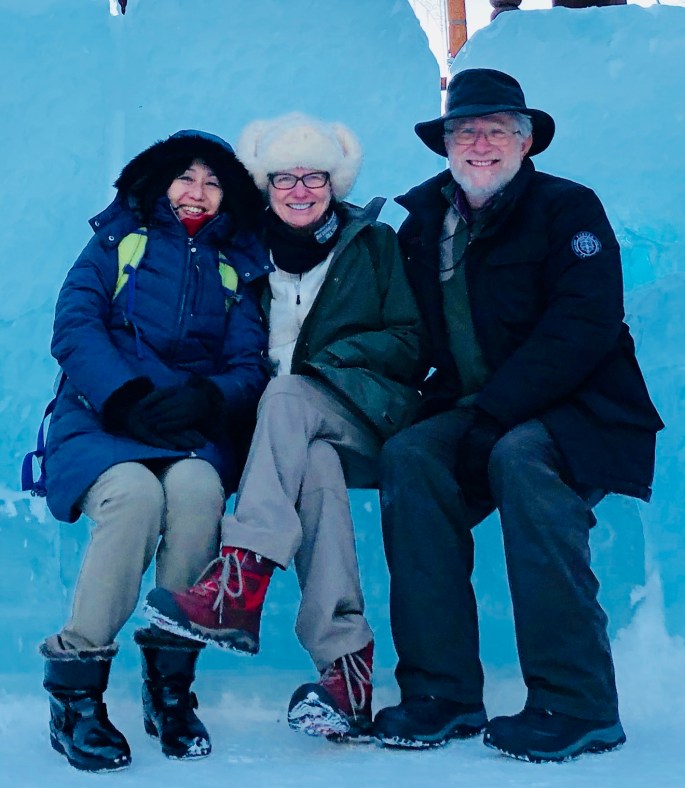
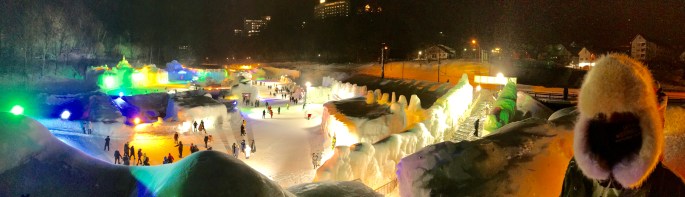
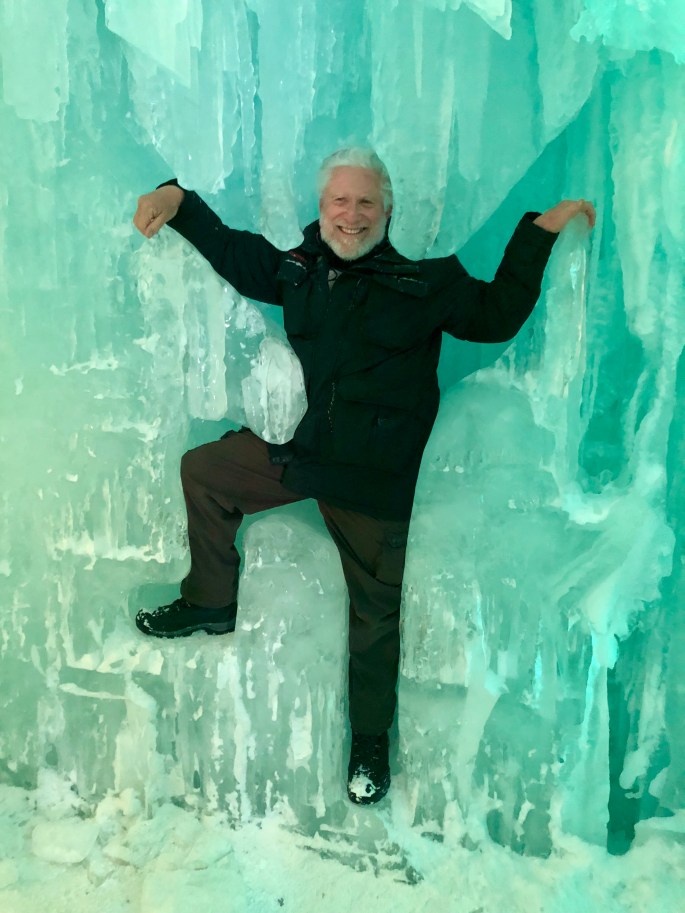
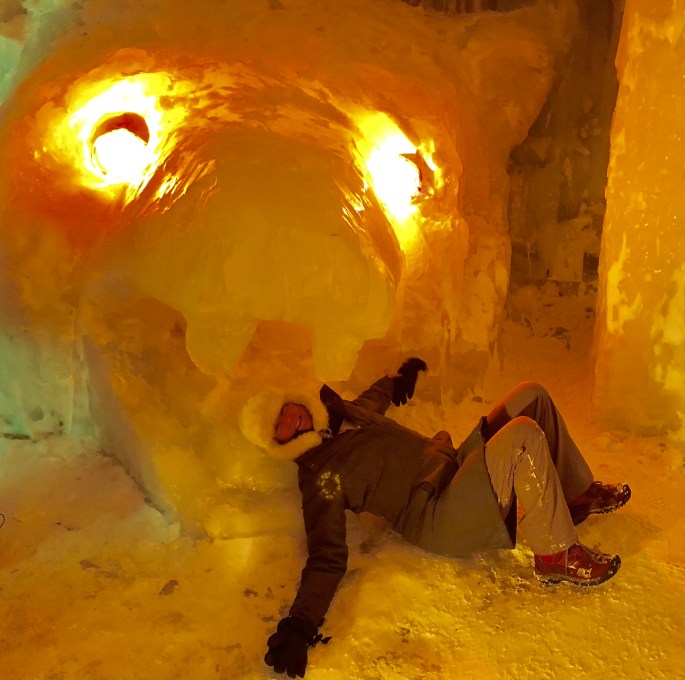
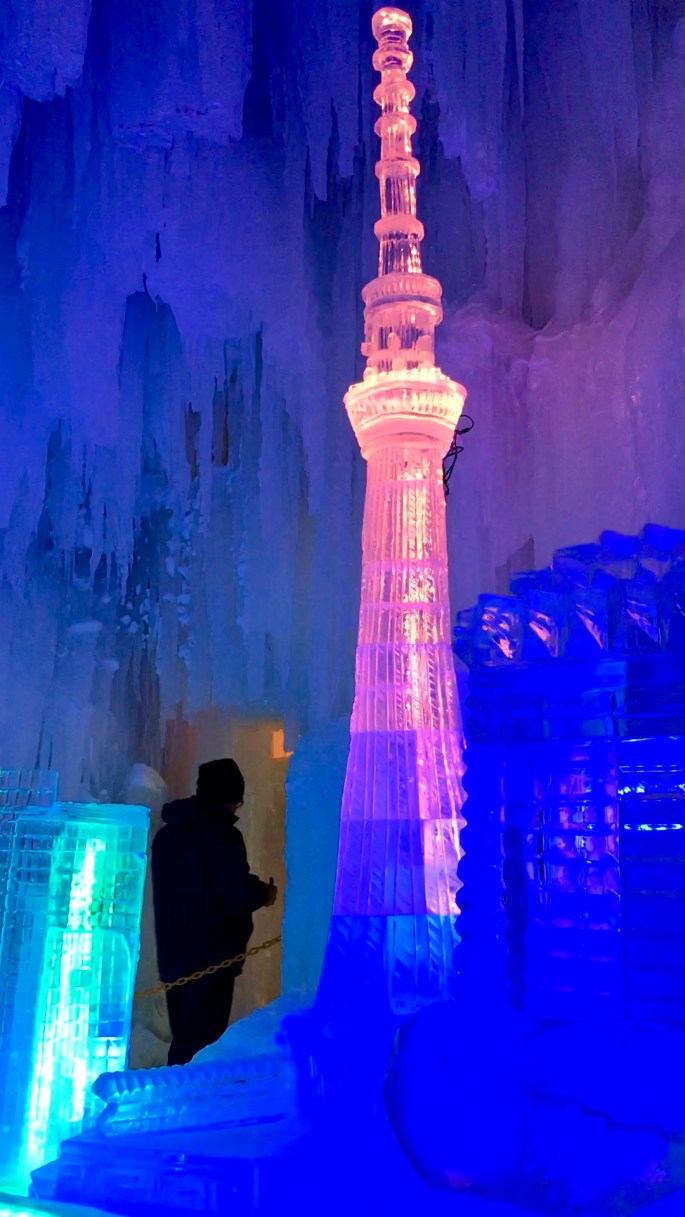
Sounkyo has a winter ice festival, with ice palaces, sculptures and coloured lights.

fullsizeoutput_7605IMG_4797IMG_4801fullsizeoutput_7609

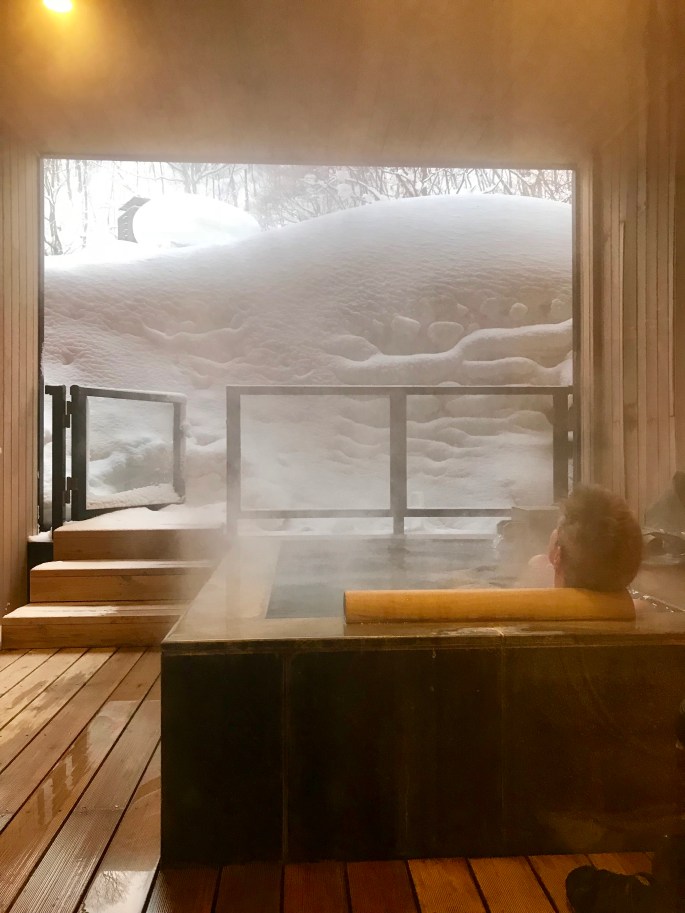
And what is more welcome after a day of ice and snow than…..

fullsizeoutput_75f3