At Sea Again

28 August, Port Klang, Malaysia

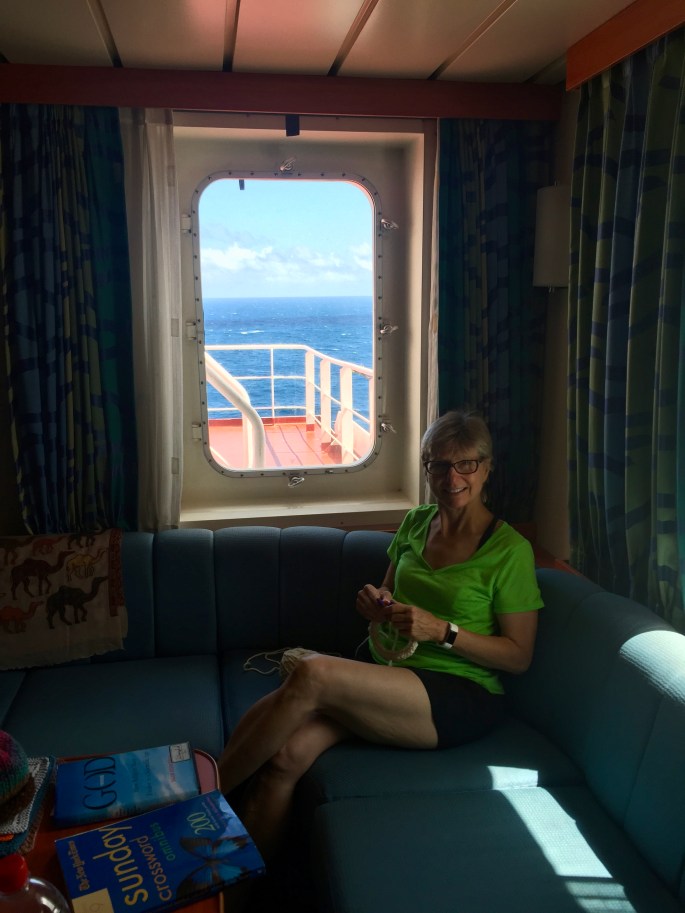
Shipboard life since leaving Dubai has been serene, although seas have been rougher since entering the Indian Ocean.  The crew is impressed that we have not been sea sick.  The needlework attempts continue, with a lovely view from one of our four picture-window portholes:

fullsizeoutput_59c

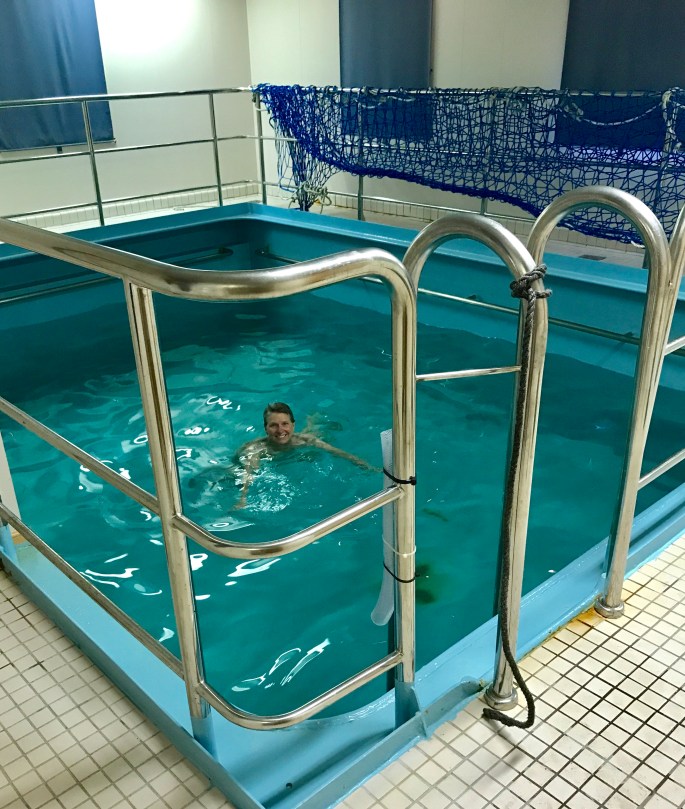
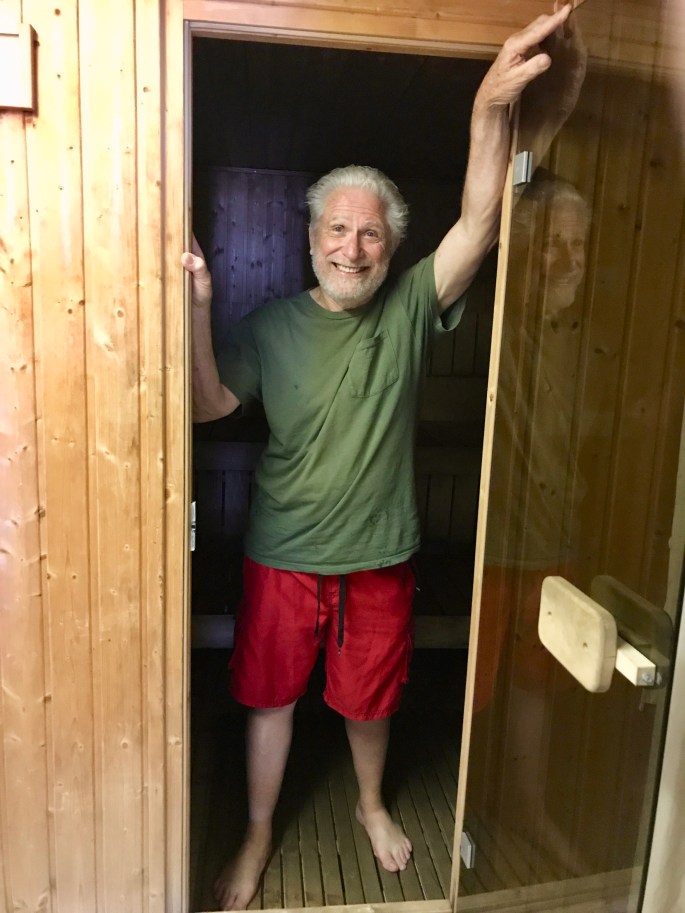
At the captain’s urging, we have started using the indoor pool and sauna (both as spotless and well-kept as the rest of the accommodations).  They pump fresh sea water into the pool each day, and we have so far had it all to ourselves.  It’s like having a private spa!

fullsizeoutput_588

fullsizeoutput_58a

And yes, sometimes we get a little bored.

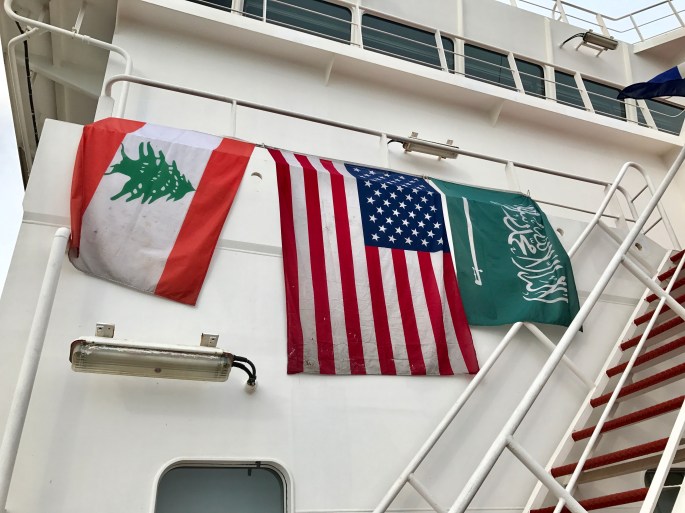
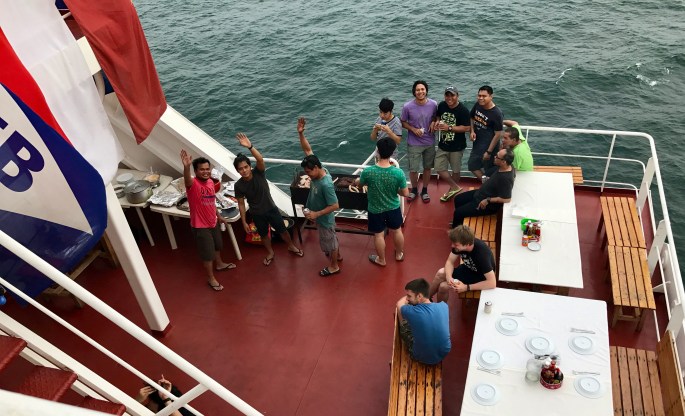
fullsizeoutput_5a1A couple of days ago was a bar-b-q party for the whole crew.  Very festive – flags from many countries were displayed, including those from Lebanon, the USA and the UAE.  The crew did the cooking… heavy on the meat.

fullsizeoutput_58d

fullsizeoutput_58c

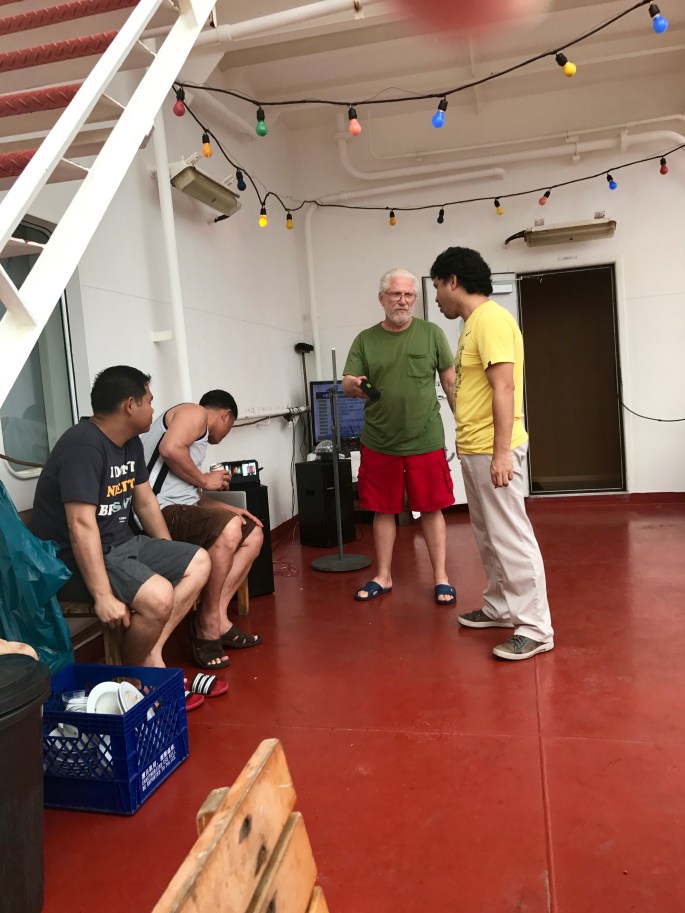
Henry tried to convince the Filipinos to listen to Willie Nelson tunes rather than doing karaoke Engelbert Humperdinck…. it only worked for a short time.

fullsizeoutput_59a

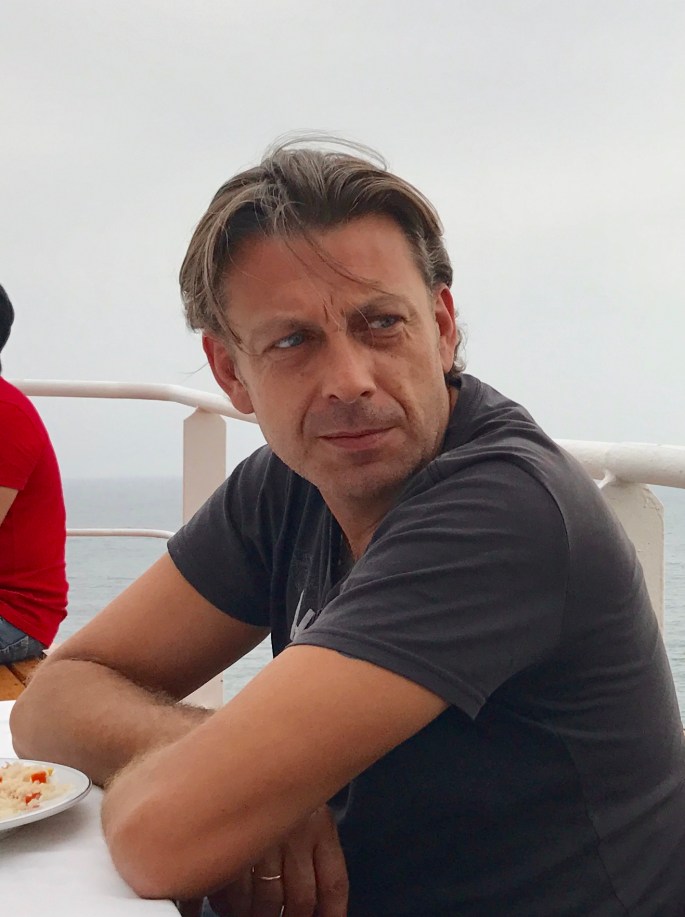
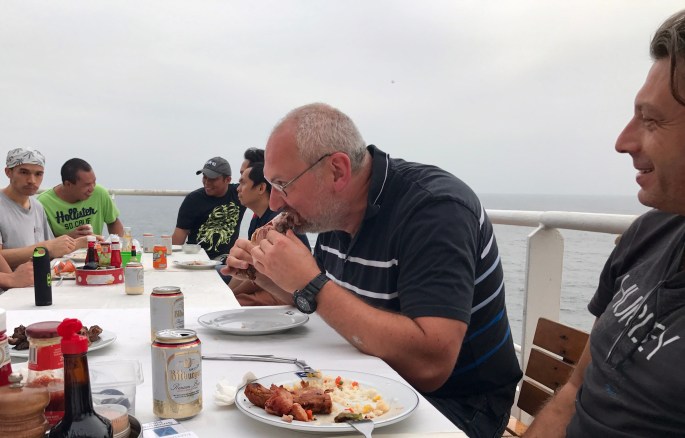
And here are pix of our hunky captain from Ukraine (really – I did not clip this out of a movie magazine!) and our hungry chief engineer from Poland.

fullsizeoutput_593fullsizeoutput_595

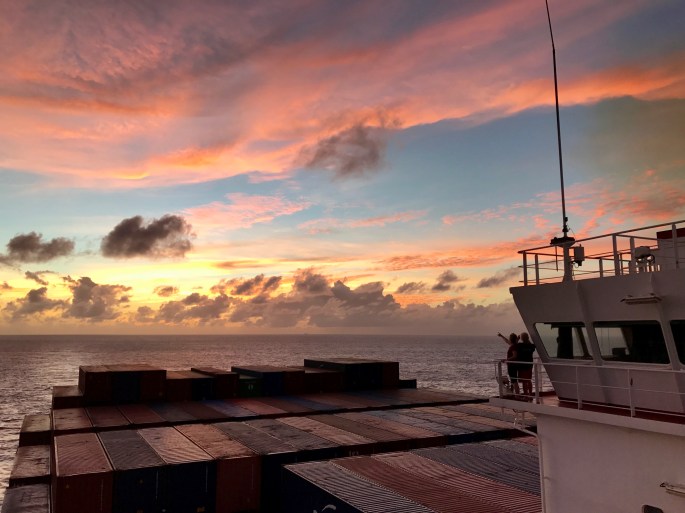
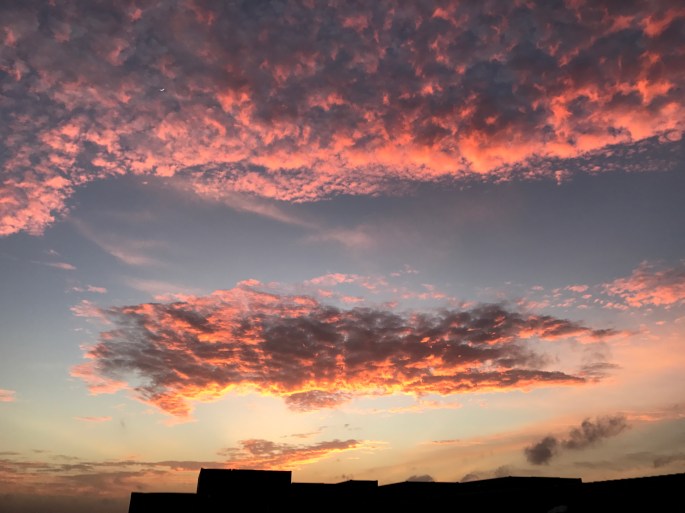
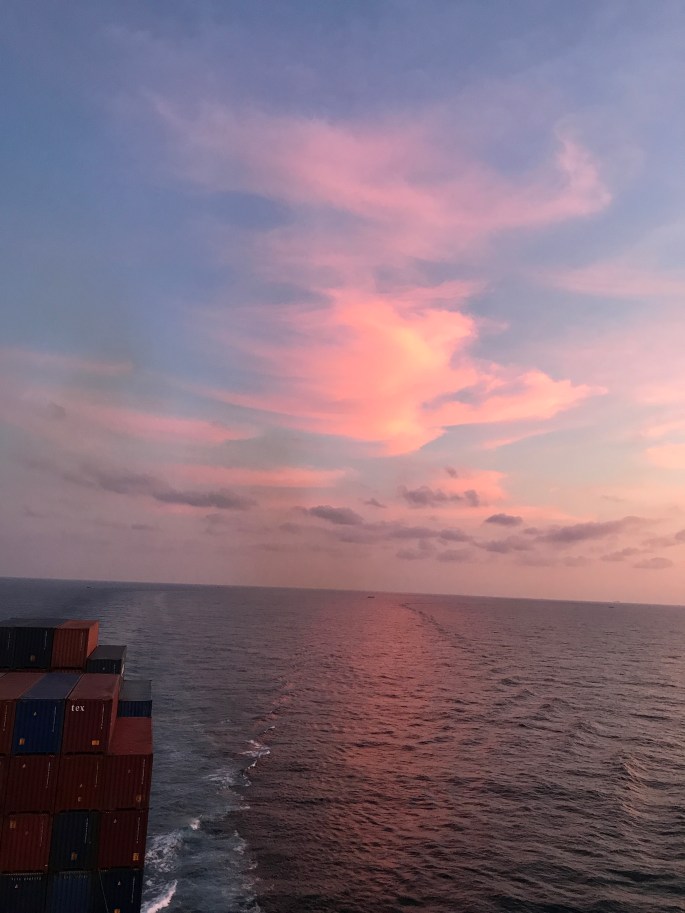
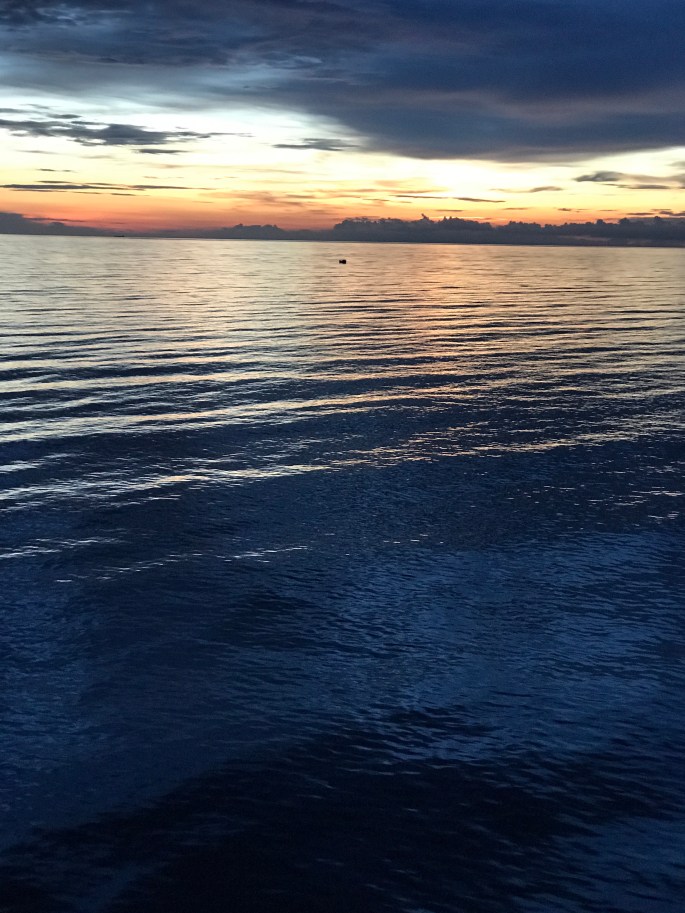
And it seems impossible not to include a couple photos of the spectacular sunsets that we hope to never take for granted.

fullsizeoutput_59fIMG_5572

The port agent has arranged a driver to take us into Kuala Lumpur for the day, so we will have one more posting before pushing on to China!


Tenth Port – Kuala Lumpur

2 September – port of Xiamen, China and 6 September, Qingdao, China

Updating this blog entry with photos!  

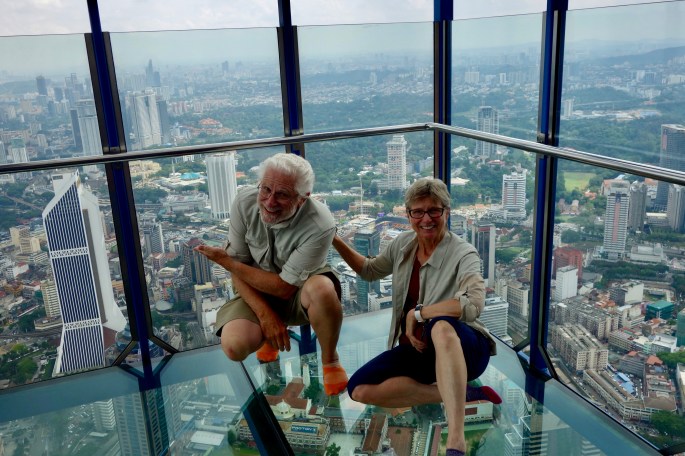
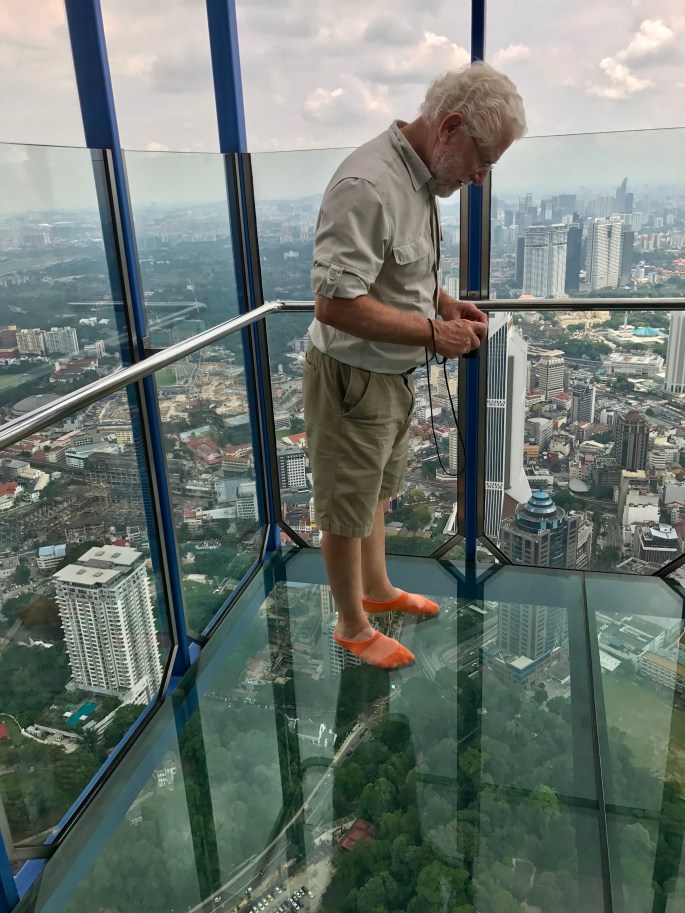
Our tenth port of call was Kuala Lumpur, Malaysia.  It’s a big city, lots of modern skyscrapers, a lot like Dubai.  

fullsizeoutput_5c9fullsizeoutput_5b6fullsizeoutput_5b2

We explored the markets and ate some Malaysian food off of banana leaves:

Back on board the ship, we rounded the tip of the Malay Peninsula, glimpsing Singapore in the distance – big city, lots of modern skyscrapers, a lot like KL… at least from afar.

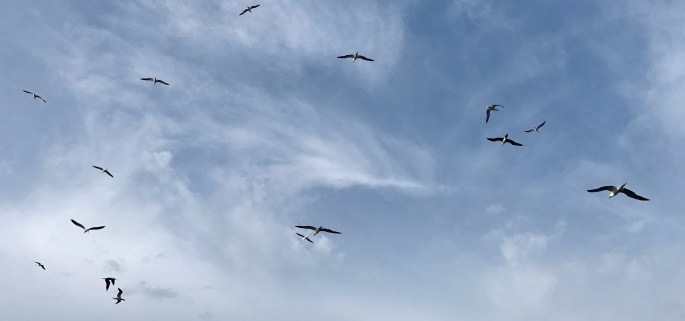
As we passed east of Vietnam, the ship was engulfed by many dozens of large seabirds – gulls apparently – with blue beaks.  They swooped across the bow and occasionally dove down to the water’s surface, sometimes plunging into the water to snag a flying fish.  These birds were without timidity around humans – never has a wild bird flown so closely to our heads.  A fascinating scene.  The deck (and Henry’s glasses and t-shirt) were splattered with their leavings.  

IMG_6032

We stopped for less than a day in Xiamen, China, but were not allowed to disembark as the BRICS summit is taking place in this city, and the authorities are very sensitive about security.  BRICS includes representatives from Brazil, Russia, India, China and South Africa (hence the name) who are meeting on common trade issues.  

A couple more sunsets:

IMG_6622IMG_6246

In just a few more days, we will disembark the Vela for good in Qingdao, China.  Our time on board this ship seems to have passed too quickly, but we are also looking forward to some adventure in China.  We proceed to Shenyang, where we will meet up with Zeng, a colleague of Henry’s who worked with him over several years in the blueberry fields near Wuhan.  From there, we plan to explore parts of Manchuria and Inner Mongolia.

We will report back once we are on terra firma again!  We hope all of our friends and family in South Texas and surroundings were able to make it through Hurricane Harvey without incident and are safe and dry.

Farewell, Vela

6 September – Qingdao, China

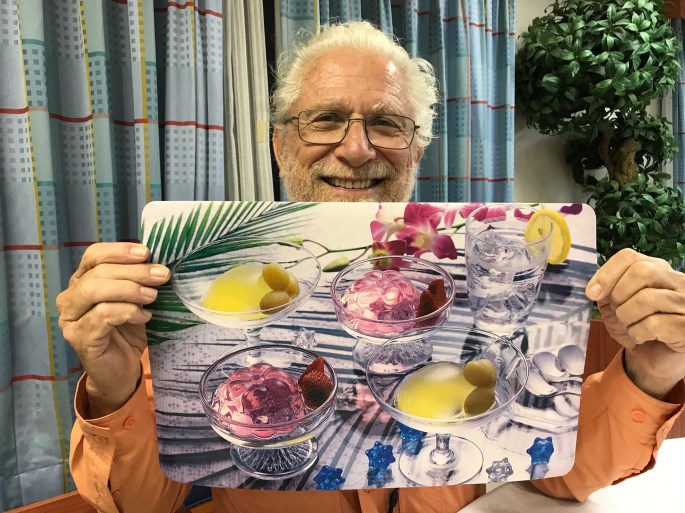
A few last reminiscences from Vela – we will always remember the special placemats we had on our table for the meals…. refreshing and colorful:

IMG_6556

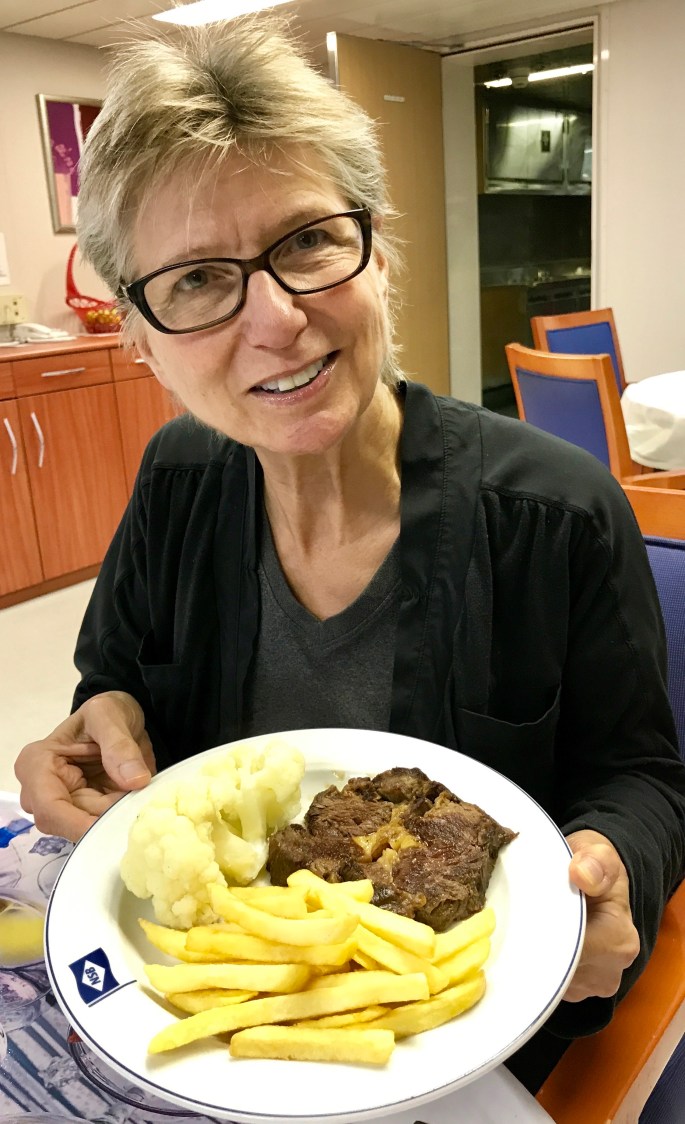
Yet often our food was brown/white:

IMG_6557

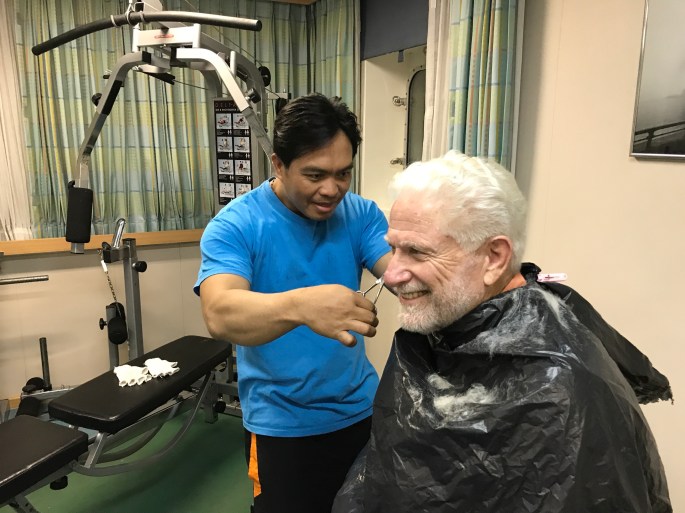
One of the Filipino seamen cuts hair for the crew; we needed trims which were carried out in the ship’s gymnasium:

IMG_6651IMG_6643

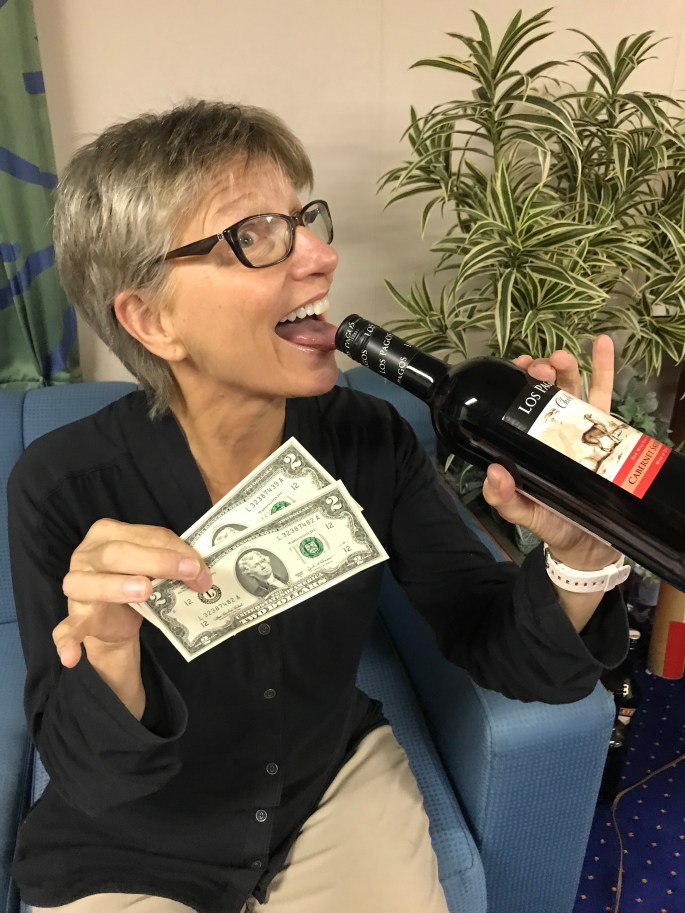
Some consumer items were available from the ship’s “slop chest”, including $4 Cabernet Sauvignon and “Sky Flakes” saltines made in the Philippines, “suitable for export”:

IMG_6632IMG_6638

A few more needlework creations, which will likely be used as gifts to our Chinese hosts in the couple of weeks to come:


Eleventh Port – Qingdao

6 September – Qingdao, China

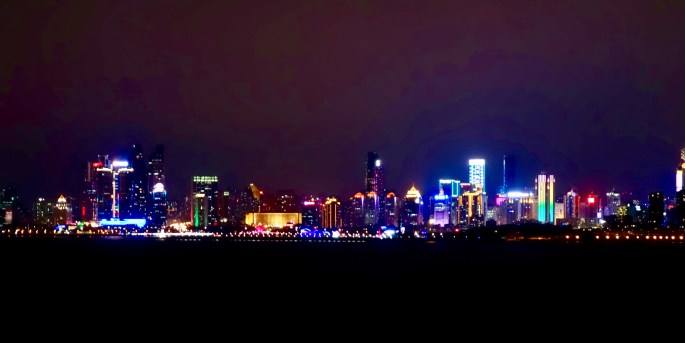
Qingdao – another huge city in China that few of us know much about.  We passed by downtown as we approached the harbor.

fullsizeoutput_5df

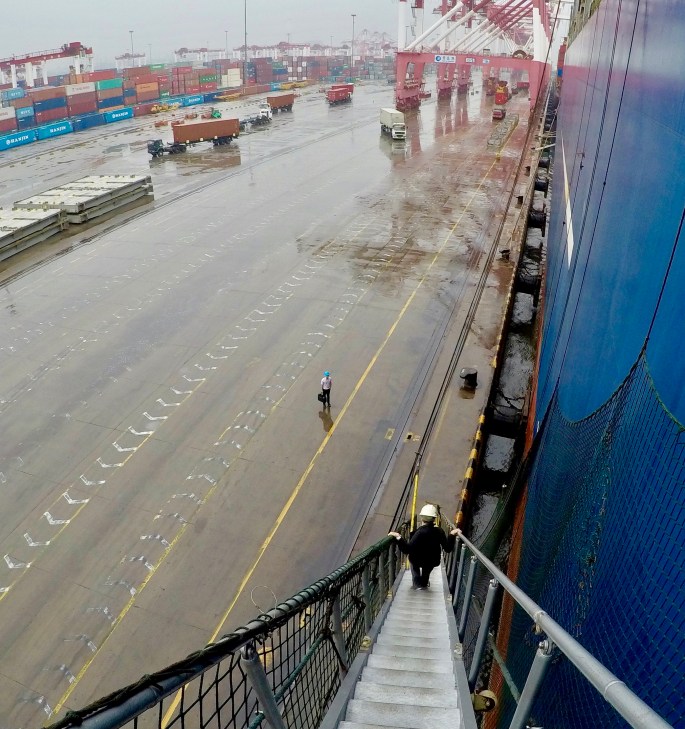
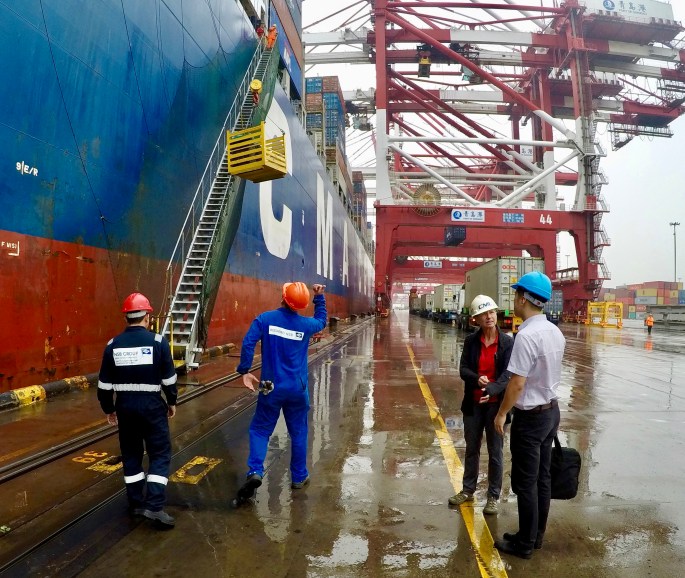
Disembarked the Vela in the morning with our considerable amount of luggage, which they lowered down the side with a winch:

DCIM101GOPROGOPR2892.JPG

DCIM101GOPROGOPR2894.JPG

Easy immigration passage into China.  In 2014 we had to provide details on our hotel arrangements, an invitation letter from a Chinese host, and could get a visa good for  one year.  Now our visas were obtained with only an application and are good for 10 years.  The immigration officer even smiled at us!

DCIM101GOPROGOPR2897.JPG

We spent our night in Qingdao in a western-style hotel a few miles from the train station.  The rainy weather cleared in the evening, and we went out to investigate the area.

Perhaps especially in urban environments, social and cultural activities seem to be key to the  neighborhoods here.  Groups of people from all walks were out enjoying the public squares and promenades….. ladies dancing together, children roller-skating, teenagers playing hacky-sack, and elders looking on.

fullsizeoutput_5f3

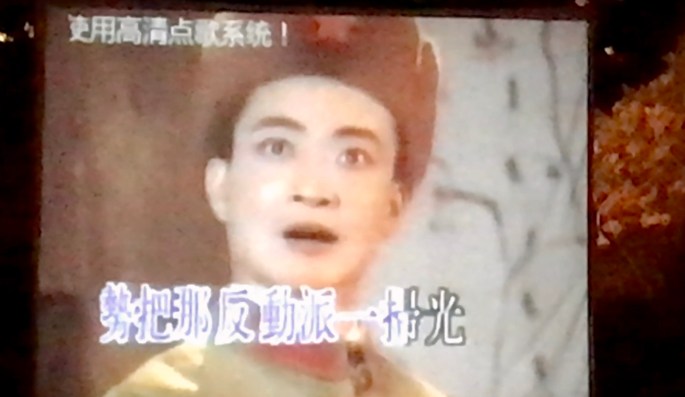
As we wandered, our attention was drawn to a screeching sound further down the street; we clambered through some bushes and came upon….. parking-lot karaoke!  A couple of dozen people had set up a huge video screen on a large paved lot, and were giving it their all to some classic Chinese faves:

fullsizeoutput_604

It was just awful in the most wonderful way.

And thus begins our 2- to 4-week sojourn in China.  (Our date of departure still is up in the air, depending on the schedule of the ship we will be taking home.).  We’re excited about seeing Zeng again and what we will do and see.


On to Shenyang

8 September – Shenyang, China

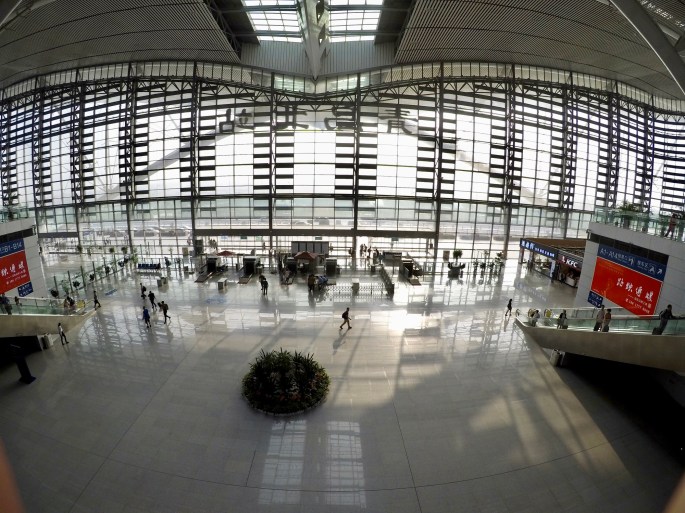
Qingdao’s new train station has a single waiting room…. that can accommodate 10,000 passengers.  It’s huuuuge.

DCIM101GOPROGOPR2914.JPG

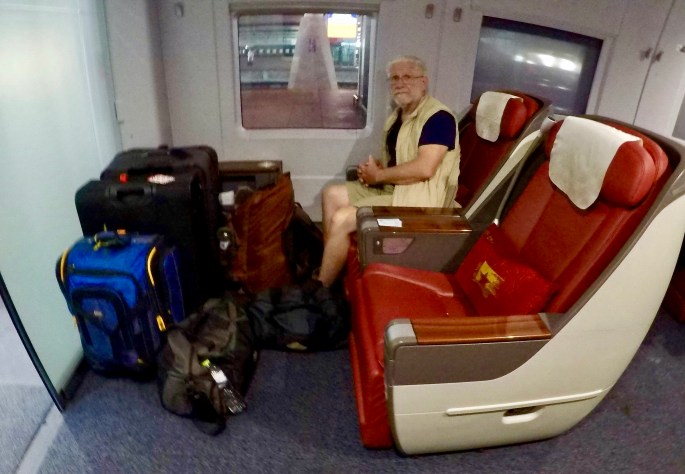
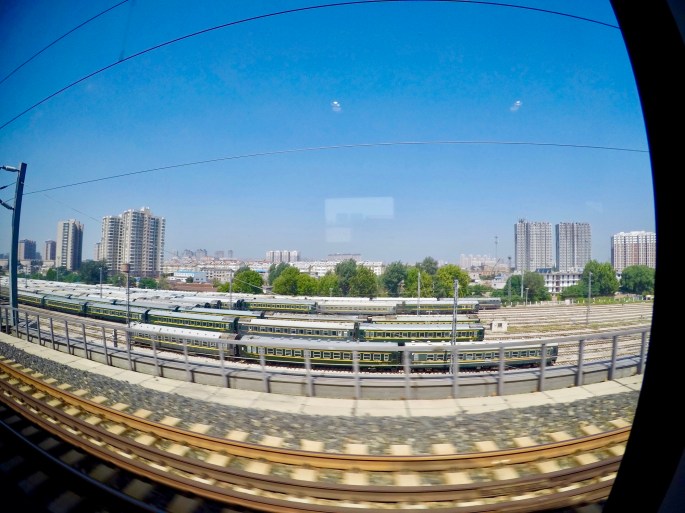
The bullet train to Shenyang takes 8.5 hours.  Our seats were quite comfortable, and the scenery zoomed past.

DCIM101GOPROGOPR2919.JPGDCIM101GOPROGOPR2965.JPG

Zeng met us at the station, transported us to our hotel, and shortly after took us on an extraordinary culinary tour of Shenyang.

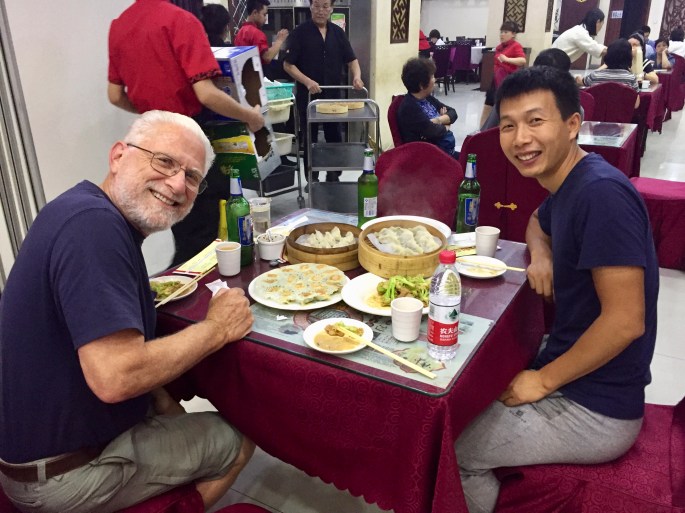
First stop was a restaurant specializing in dumplings that has been thriving for about 150 years.  So very good under any circumstances, but especially after cargo ship food…

fullsizeoutput_61c

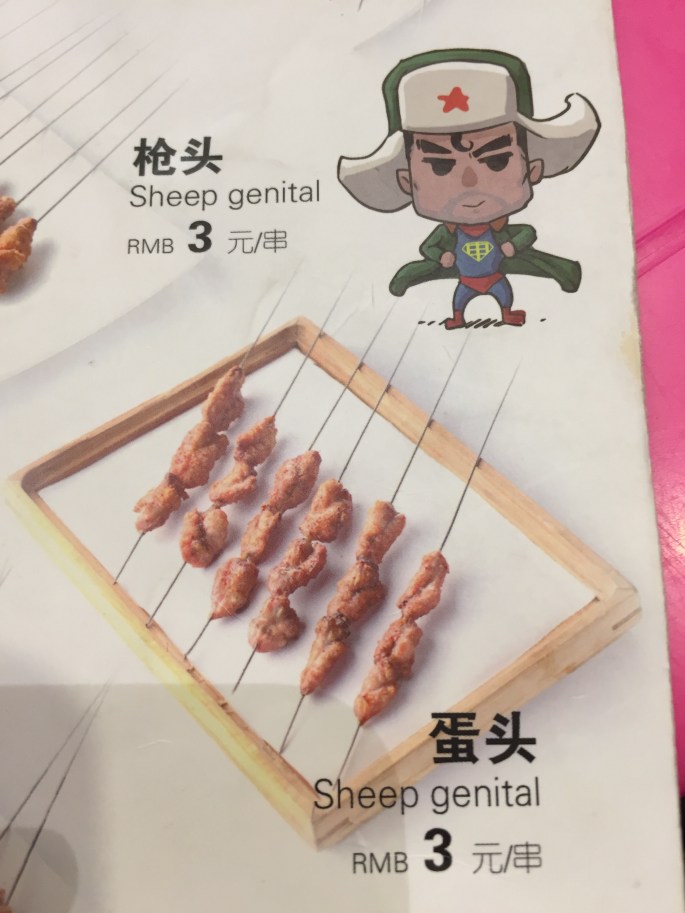
Next we went to a street food bazaar, with at least 100 stalls selling a mind-boggling array of seafood, quail eggs, pig brains, “irrigation sphere ball”, omelet, steamed buns, and creepy-crawlies such as scorpions, bugs, lizards, etc.  We were sorry we filled up on dumplings!

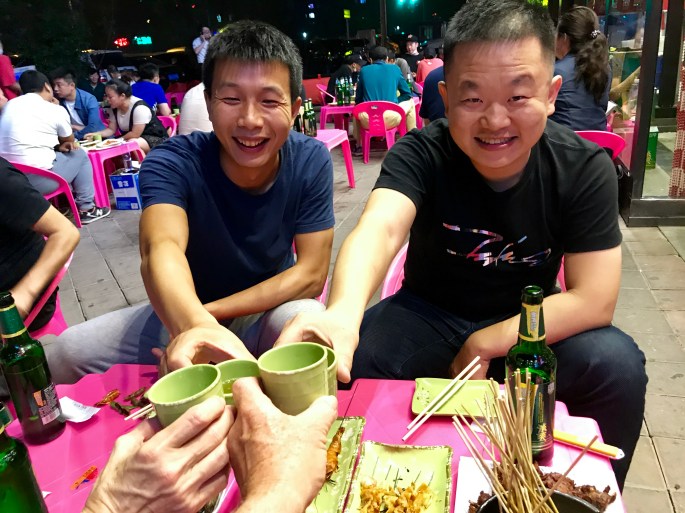
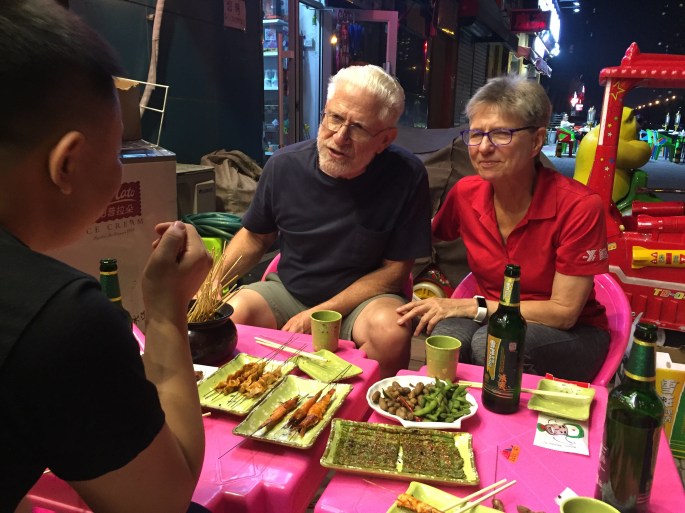
Finally we connected with a university friend of Zeng’s, Leo, at a popular spot for grilled meat.  Leo is an official with the government’s environmental agency – quite a challenging job.  (Henry enjoyed the grilled silkworms!)

fullsizeoutput_5feIMG_4125IMG_4127

Long day, full stomachs – but a great reunion with Zeng and introduction to the food of Liaoning Province.


Shenyang

9 September – Shenyang, China

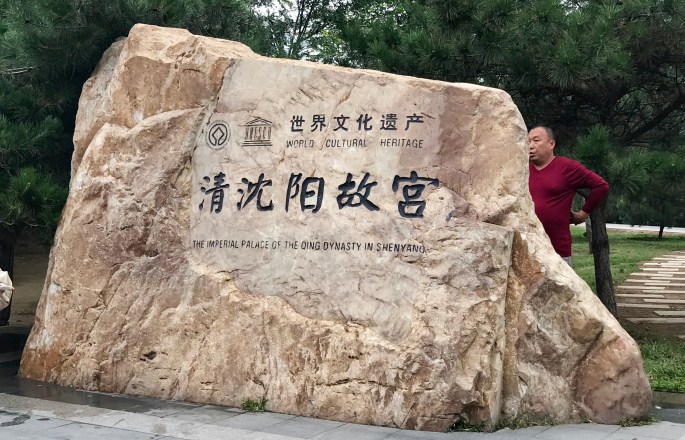
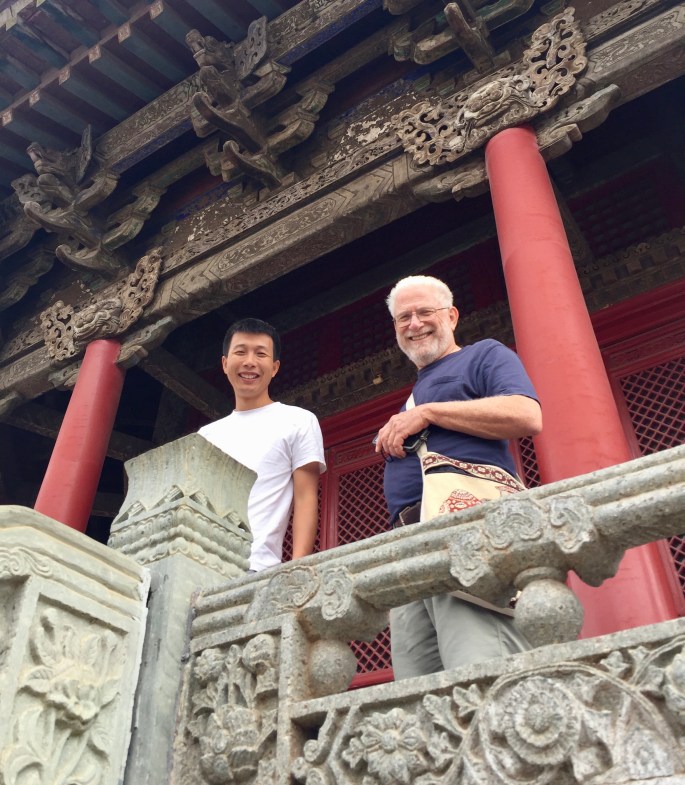
This city was the original seat of power of the Qing Dynasty, founded by an upstart Manchu leader in the early 17th century, around the end of Queen Elizabeth I’s rule in England.  The Qing Dynasty gets credit for unifying a number of warring fiefdoms into ancient China.  We visited the Qing Imperial Palace yesterday, which is second in size and historical import only to the Forbidden City in Beijing.

IMG_6920fullsizeoutput_620

Lots of Chinese folk were there learning about their heritage, but very few Westerners, if any, other than ourselves.

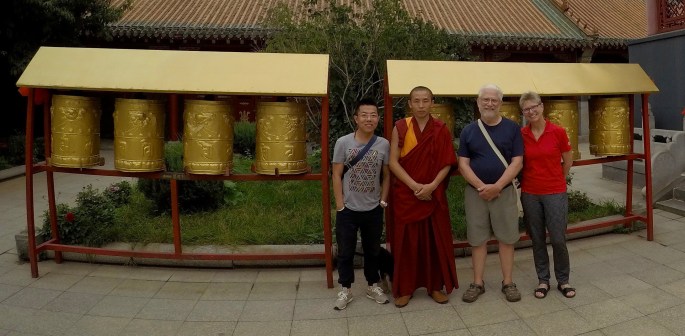
Zeng then introduced us to another friend from his university days – Tong, a professor at Shenyang University.  Tong will be taking us to visit Manchuria and Inner Mongolia, an undertaking for which he is uniquely qualified, as his father is Manchu and his mother Mongol.  He took us for a short walk to a Buddhist monastery right in the heart of the city.

DCIM101GOPROGOPR2981.JPG

The lama gave us some blessed prayer flags, which will ultimately festoon some part of Henry’s homestead in East Texas, hopefully bringing us good fortune and peace.

The monastery was a splendid, colorful oasis of tranquility and beauty.

Quite a treat both esthetically and spiritually!

Tong will be picking us up tomorrow, along with his wife Ooh, and perhaps one of his students – and we will be heading by car further into Manchuria and the countryside.

Unfortunately, we had to bid farewell here to Zeng, who must return to his responsibilities with Nanjing University’s agricultural extension service.  We hope to catch up with him and his wife Lisa again soon, either on this trip or when he can manage a trip to our country.

fullsizeoutput_626


Peeking at North Korea

Tong’s former classmate Chris, an economic development aide, joined us in Dandong, his home town.

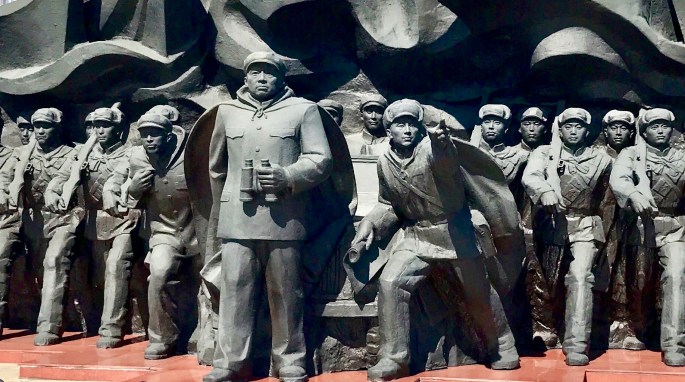
The “Broken Bridge” was built across the Yalu River from Dandong to North Korea by the Japanese in 1908 or so, at a time when they held this part of China; it was bombed by the American forces in 1950 to prevent China from providing aid to the Northern forces during the Korean War. It has somehow become a popular Chinese symbol of the communist fight against American aggression.
fullsizeoutput_67d

It’s also a prime spot that the Chinese tourists visit to look over at North Korea.
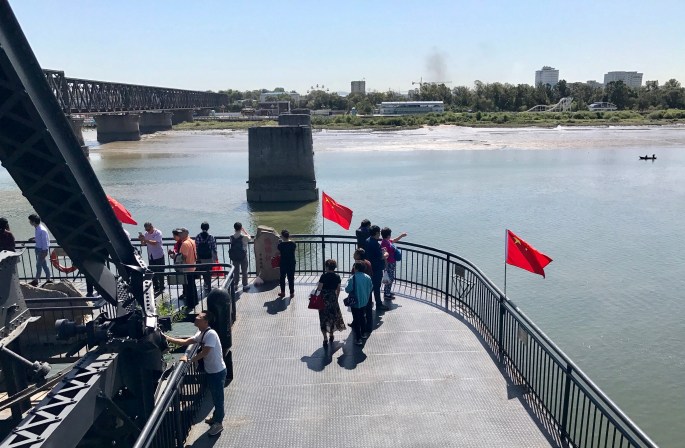
fullsizeoutput_682

It’s a bleak picture. The Chinese side of the river is a modern city, with broad boulevards and skyscrapers, colorful lights after dark.
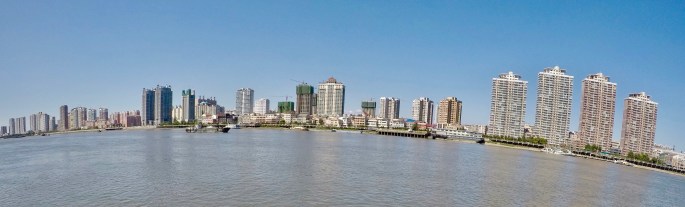
DCIM101GOPROGOPR3142.JPG


The North Korean side is dark and destitute; a few communist-era concrete buildings, some burned-out old ships, and an overgrown amusement park where we heard that Kim Jong Un sometimes rides the ferris wheel or roller coaster while his subjects starve. 
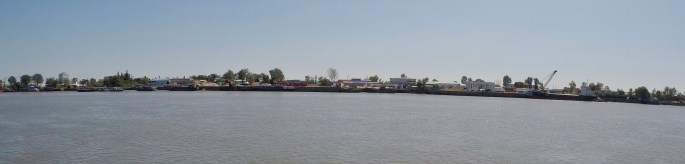
DCIM101GOPROGOPR3143.JPG

The contrast:

DCIM101GOPROGOPR3147.JPG

The Chinese on the street are full of stories about atrocities – round-ups of hundreds of refugees being pierced through the shoulder, strung together with wire and dragged back across the border before being shot in the head, and cannibalism as food supplies dwindle. Chris says that few of the stories are true; only a handful of refugees have actually been shot, and most of them are welcomed into China and then shuffled off into South Korea. The truth may be somewhere in between.

Although the Chinese government has been supportive of the North Korean regime in the past, its position has modified as Kim’s government has become more aggressive and erratic. The Chinese people seem scornful of the plight of their neighbors; there clearly is a sense of superiority and very little sympathy, if any. It’s a sad place. Needless to say, the dolphins are not regnant here.

Still a bright light or two – Henry met a 93-year-old World War II veteran on the Chinese side whose wheelchair is draped with platitudes about peace, love and the fellowship of humanity. His smile tells his story.
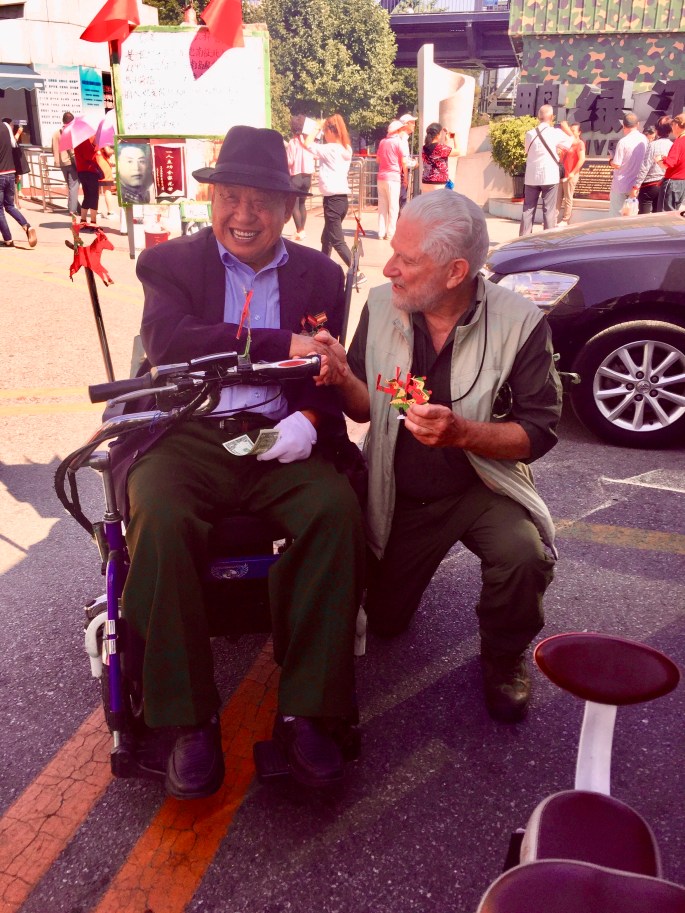
fullsizeoutput_689

You can also get your shoes repaired cheaply and conveniently.
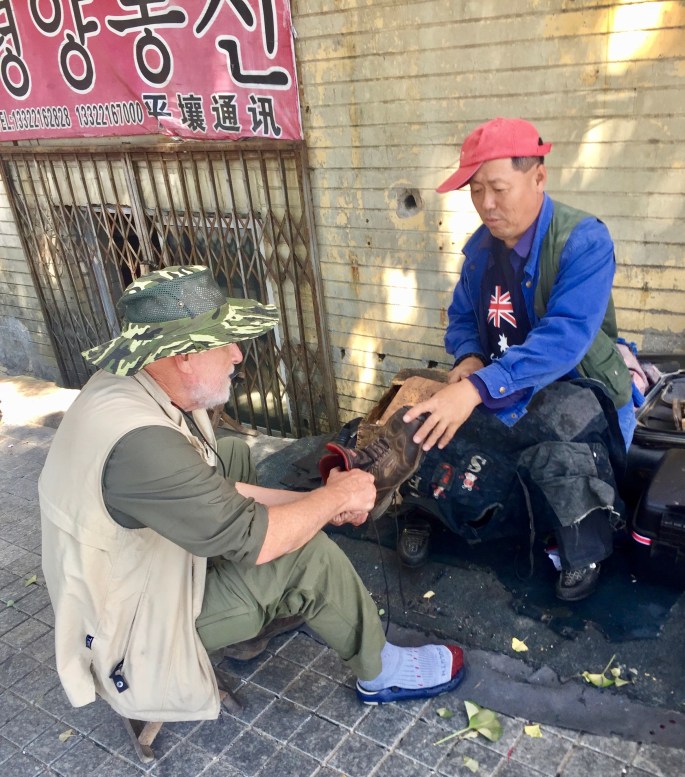
fullsizeoutput_68d

If you have a fender bender, the police review video cameras on the spot, make a ruling (in our case against the taxi that scraped us), and you immediately drive to the body shop for a cosmetic job.
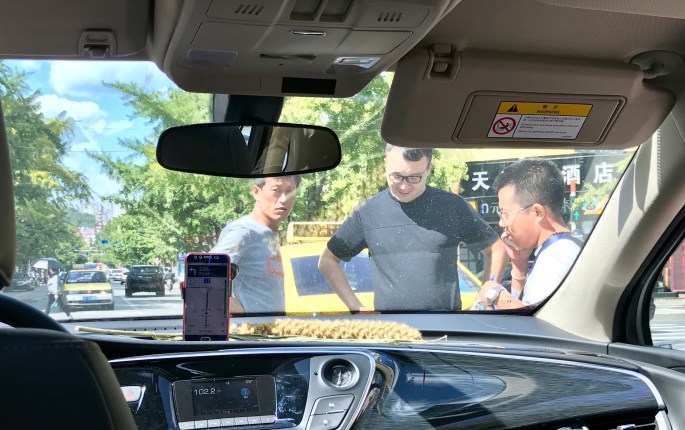
fullsizeoutput_693

Off then to Phoenix Mountain, a Chinese “touristic site” where you can take a cable car part-way up the mountain, and from there experience an absolutely terrifying climb through boulders, along very narrow passages and atop spiny ridges at dizzying heights to glass walkways with glorious vistas, but only if you can overcome your paralyzing fear to look around.

Deadened by the horrific ordeal, we drove through the dark back to Shenyang for the night. (Henry might have a different opinion on the Phoenix Mountain experience.  He can write his own blog.)
 

Manchuria, Part I

12 September – Dandong, China

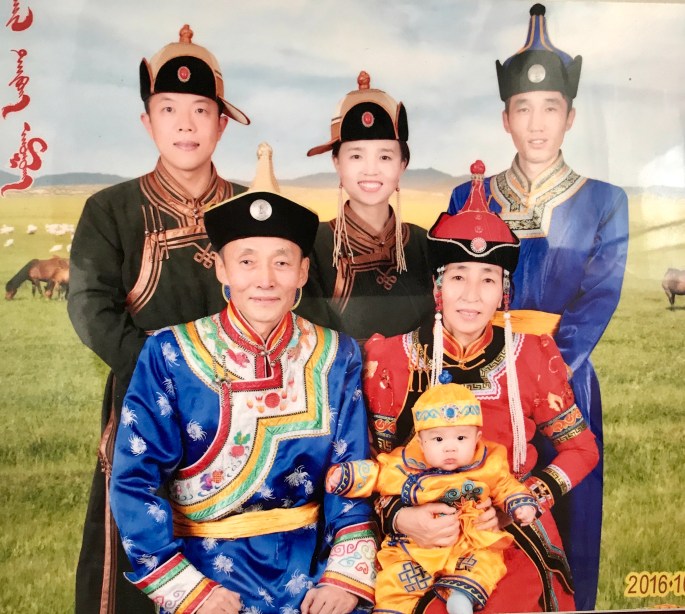
Tong and his wife Ooh picked us up in Shenyang; their 15-month old baby would be staying with Tong’s parents for the next few days.  Here is a traditional photo of the family (with Ooh’s brother on the right):

IMG_7004

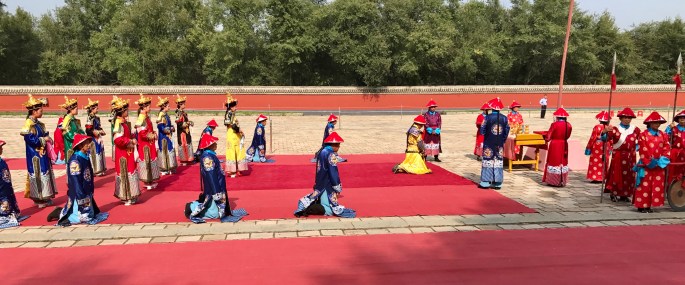
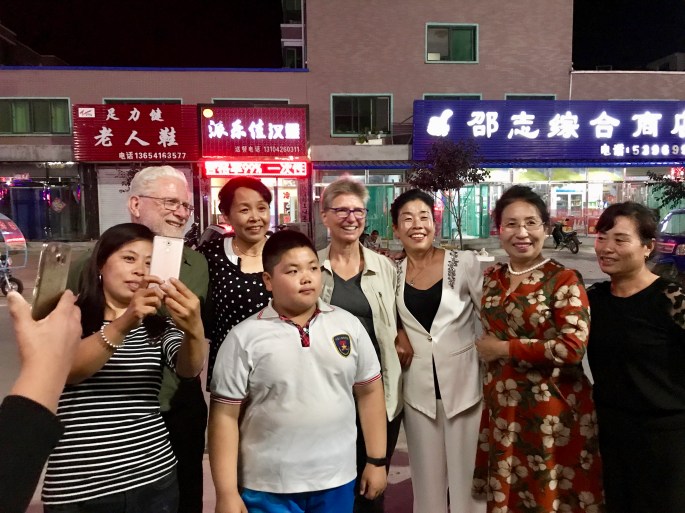
We drove to Hetuala City, a tourist site that was the home of the Manchu emperor who established the Qing Dynasty.  It’s a bit cheesy, with an historic re-enactment of the ascendancy of the emperor.  Once again, we were the only Westerners there, and we got more attention than the performance.  People would jostle each other aside for a chance to stand near us, to surreptitiously touch a sleeve or to pose with us for a photo.  It’s unnerving…. really gives you an appreciation for people who are “different” in some way and what they have to put up with.  Our guide apologized, but said that for some, we were the first foreign people they had ever seen.

IMG_7015

In China, only certain hotels will accept foreigners as patrons; apparently, the government imposes reporting requirements on innkeepers to keep track of the non-Chinese guests.  In any event, the on-site hotel was not equipped to accept foreign people; Tong and his wife had to drive to town to pick up the appropriate government official, bring him to the hotel – where he completed the necessary record keeping – and then return him to town.  In the interim, Henry helped one of the other guests “smoke out” a cricket from the hotel steps for her pet collection, while Robbie anticipated sampling some rose rice wine.

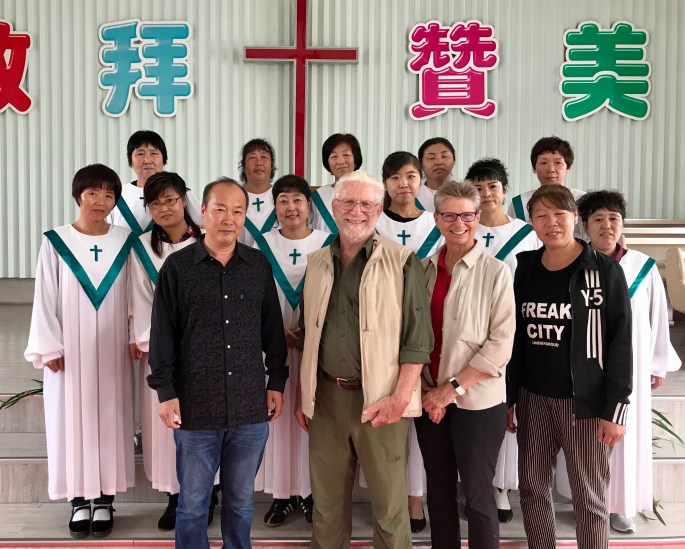
The next day, a Sunday, we went to the nearby town of Yongling to check out the local market, and ran into a congregation from the local church.  We visited with the minister and had a very brief performance from the choir:

IMG_7058

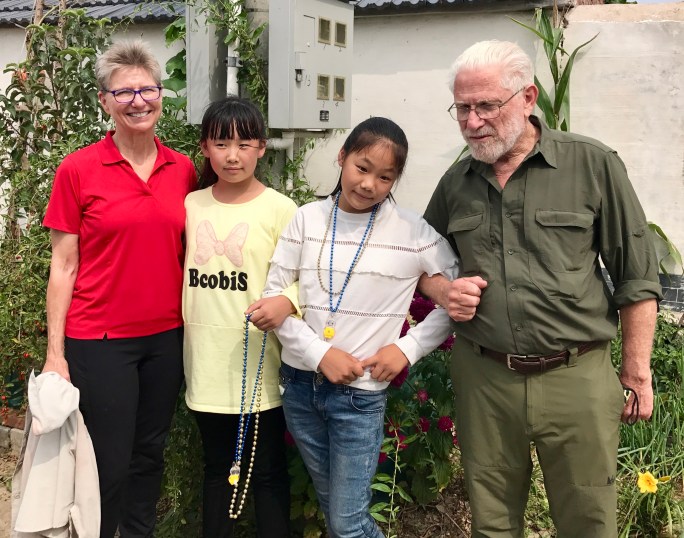
We were invited to the home of one of the church ladies, and met a number of her fellow villagers, including a couple of shy but excited ‘tweens:

IMG_7079

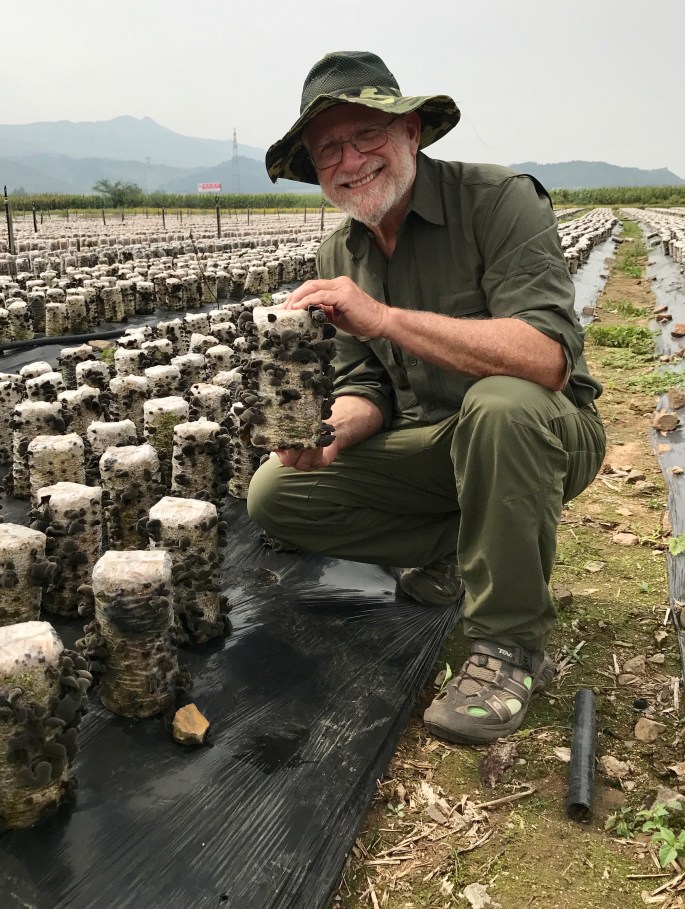
A neighbor of hers is a mushroom farmer – interesting to learn how they are grown, harvested and stored.

IMG_7102

On down the road, we stopped to inquire about some trees that were under cultivation (they were a type of Japanese maple), and were taken in by still another enthusiastic and welcoming crowd of folks.  We joined them for some wine and sampled their Sunday dinner.  It was a little intense for our taste…. the first thing Henry found in his bowl was a chicken head!  But they were so kind and happy….

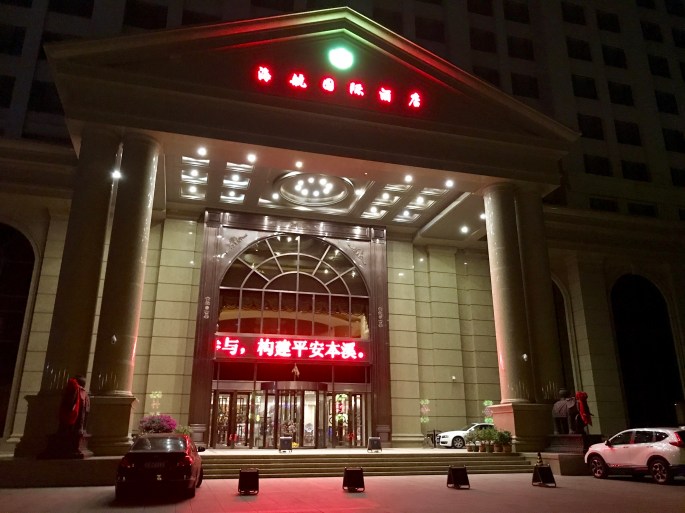
The hotel in Benxi where we were to stay rejected us as foreigners (wah!) – the only hotel in town that would accept us was a huge monster that appeared to have been constructed primarily for communist party officials (and was almost deserted).

fullsizeoutput_670

Today we passed through a mountainous area – where Henry found some logging activity (!), and we saw a koi cultivation operation and some millet fields:

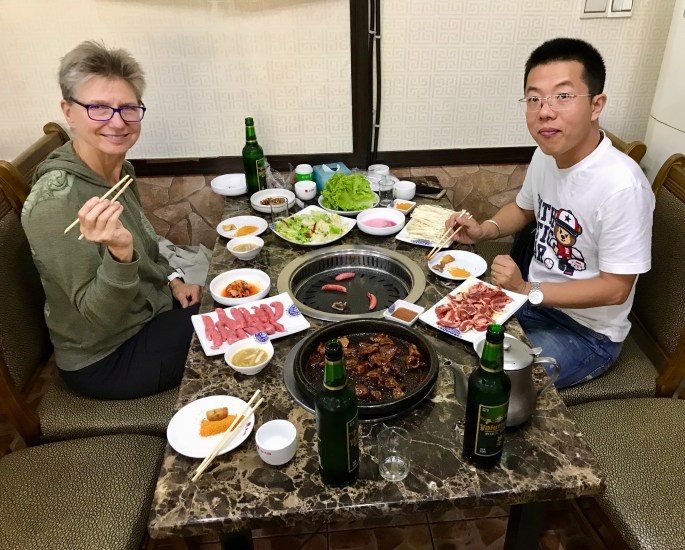
We stopped for the night here in Dandong, which is a stone’s throw across the river from North Korea (about which there will be more to say in the next posting).  Ooh has left us to return to her baby in Shenyang, so it was just the three of us enjoying Korean barbecue for dinner…. and it was delicious.

IMG_7212

Until next time!


Manchuria, Part II

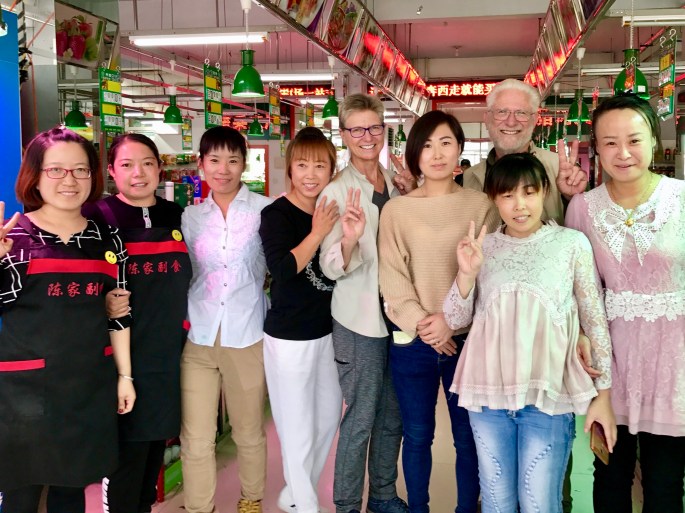
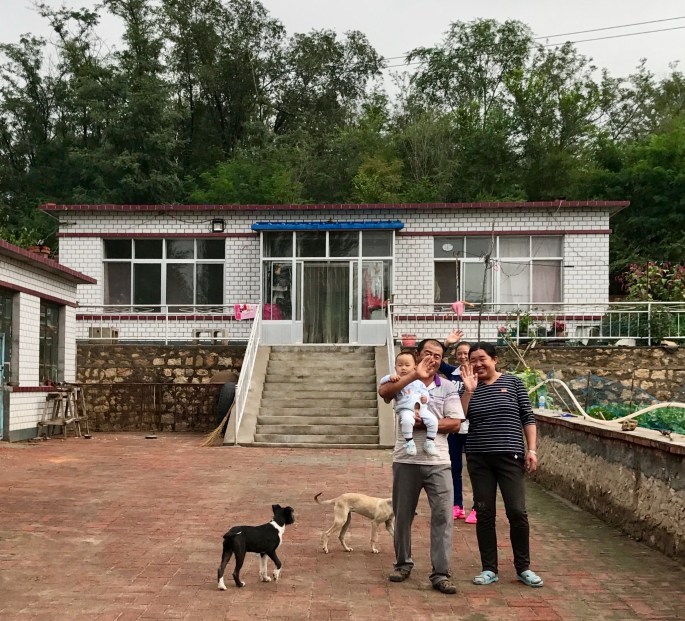
Tong grew up in a small Manchu village, a farming community of about 13 families near Xinmin, west of Shenyang.  On our way there, we stopped at a grocery store to pick up some fruit, where all the workers wanted photos taken with the foreign visitors.

fullsizeoutput_6a0

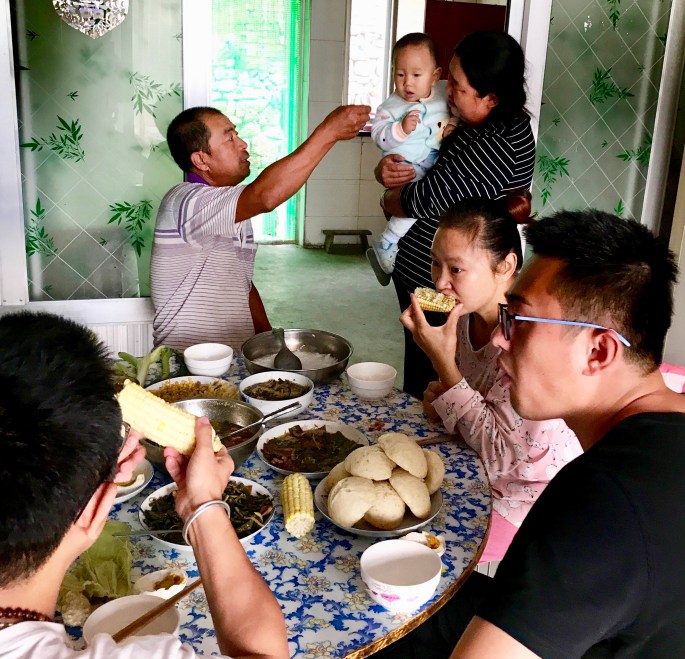
Tong’s aunt and uncle and a variety of other relatives welcomed us to their home, where they keep geese and pigs, cultivate a diverse vegetable garden and help manage the local corn crops. 

Most people in rural areas have similar living arrangements – a house with a central hall containing the kitchen and dining room, and rooms on each side with “brick beds” for sleeping and living areas.  (Many have converted to standard beds as tastes have changed.) They have electricity, television, internet, but no running water or sewage systems.  Water comes from a shallow water well through a hand- or electric-powered pump.  Drinking water is bottled; cooking water comes from the well and is boiled; water for washing is pumped into a wash basin.  The toilet is outdoors, a concrete pit that is occasionally scraped out and combined with animal waste for fertilizer.

The brick bed on the left was heated by a small fire of corn stalks and twigs and was more comfortable than we expected.  The face washing from the basin was not quite up to the standards to which I’m accustomed, but everyone else was spotless and well-groomed.

The near-by village had the evening ladies’ dance party that is so popular through-out China; we dropped by and caused a bit of a sensation by our presence.   Lots of pushing, shoving, picture-taking and cell phone videos.

fullsizeoutput_6ae

The next day, we went to what was once the largest pit coal mine in Asia, which has since been played out.  It had several communist and Soviet-era memorials.
The best thing was the rock and mineral museum next door, a legacy from a Chinese benefactor with a collection that was just extraordinary.  The museum was actually closed for the day, but they opened for the foreign visitors, and charged only half price.  Henry was in heaven on many levels.

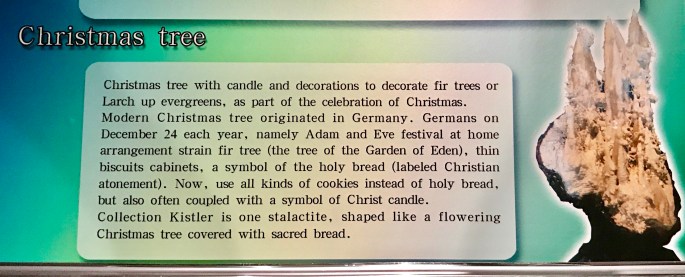
The scientific descriptions in English in the museum were quite good.  They did have a little problem, however, getting the facts together on Western Christmas traditions:

fullsizeoutput_6c4

Hmmmmm… Adam and Eve festival with Christmas trees covered with sacred bread……

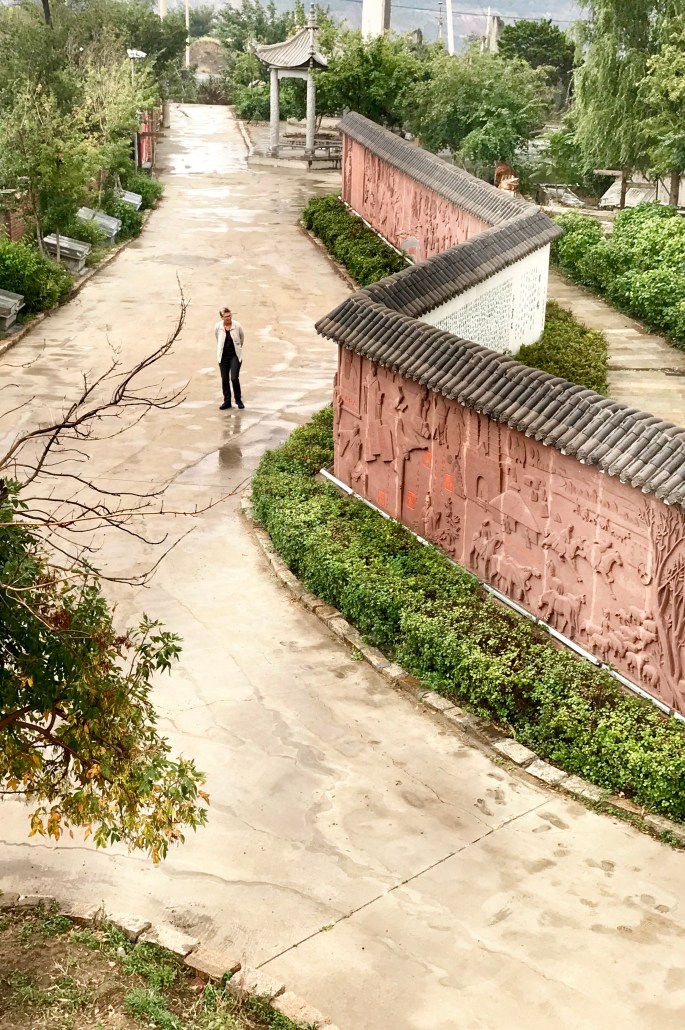
Behind the museum was a garden with a great selection of Chinese sculptures.

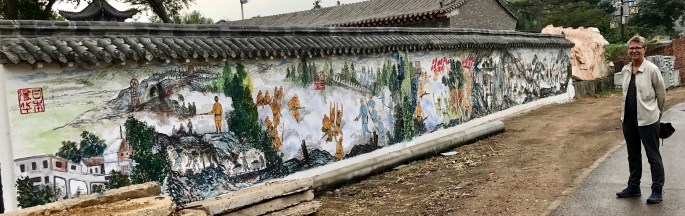
And lastly a couple of wall murals, the first showing the history of the mine area back to the dinosaur age; the second depicting the horror of the Japanese operation of the mine as a slave camp, and its subsequent liberation by the Red Army.

fullsizeoutput_6d1fullsizeoutput_6e1

Amazing things to see and do at every turn and in the most unexpected places!

Inner Mongolia, Part I

Another of Tong’s classmates, a Mongol, lives with his family in a farming community near Fuxin.  Their living arrangements were much like those of the Manchu family, but with differences in the traditional dialects and music (and of course other cultural distinctions which we could not…… distinguish.).

fullsizeoutput_6f4

They have donkeys in addition to pigs, chickens and pet dogs!  We stayed on another brick bed, with the chickens in an enclosure right next door, and a verdant garden outside:

Dinner was concluded by singing some traditional Mongolian songs.  Nobody was impressed with our attempts to reciprocate with pathetic versions of “Deep in the Heart…” and “The Eyes of Texas”.

fullsizeoutput_6e7

By the way, we have been joined by one of Tong’s students, Yuan – above right in the photo.  He is a student of English and soil science and has been very helpful and nice.  We enjoyed our stay with the family and the “little prince”, the male child who is the focus of everyone’s attention. 

Our first official night in Inner Mongolia was in the city of Tongliao, where we had a traditional dinner, complete with Mongol music, pretty girls, and mare’s milk victuals.

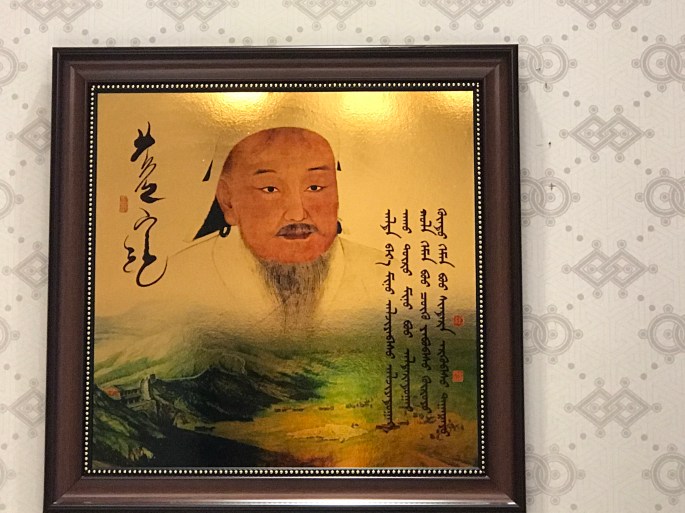
And remember who came from Mongolia.  Genghis Khan – who not only conquered Asia and solidified the Silk Road – opening up trade to the Middle East and Europe – but whose DNA, due to his exuberant coupling with conquered peoples –  is also in more than half the citizenry of the world (according to a recent report).

IMG_7782

We are off to the grasslands!  Hope you are all well.