Broken Hill, in the far west of New South Wales, is a burb of almost 18,000 people – the oldest mining town in the country, with a history dating back to the 1880s. The area was a rich source of silver, lead and zinc and was continuously successfully mined well into the 1990s. The Line of Lode Miner’s Memorial overlooks the town, honoring the more than 800 workers who lost their lives in the effort.
Sounds grim, and it looks a bit that way… but creativity flourishes wherever humans congregate.
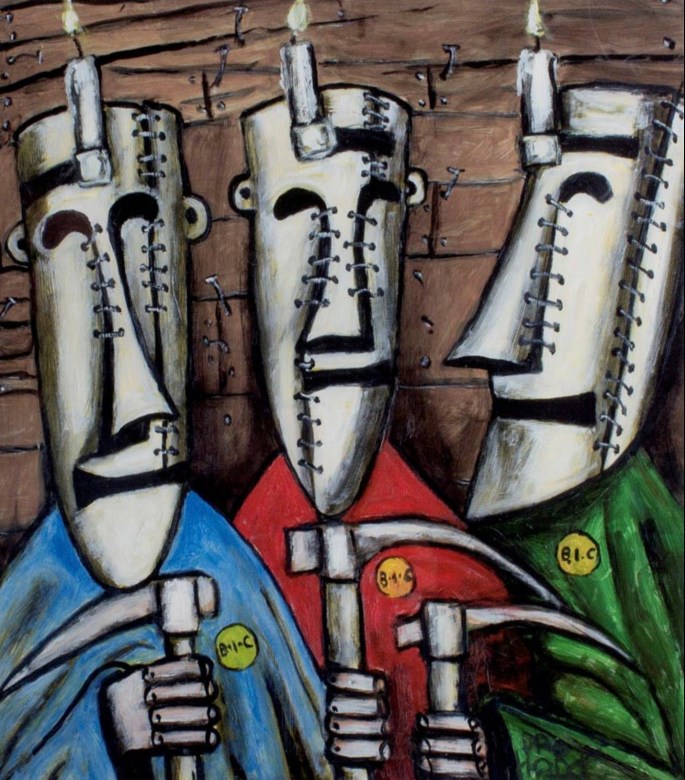
Pro Hart was a miner here who became one of Australia’s most prominent and beloved painters. His gallery is full of vibrant paintings and sculpture…..
The town is home to several other galleries for artists known and aspiring.
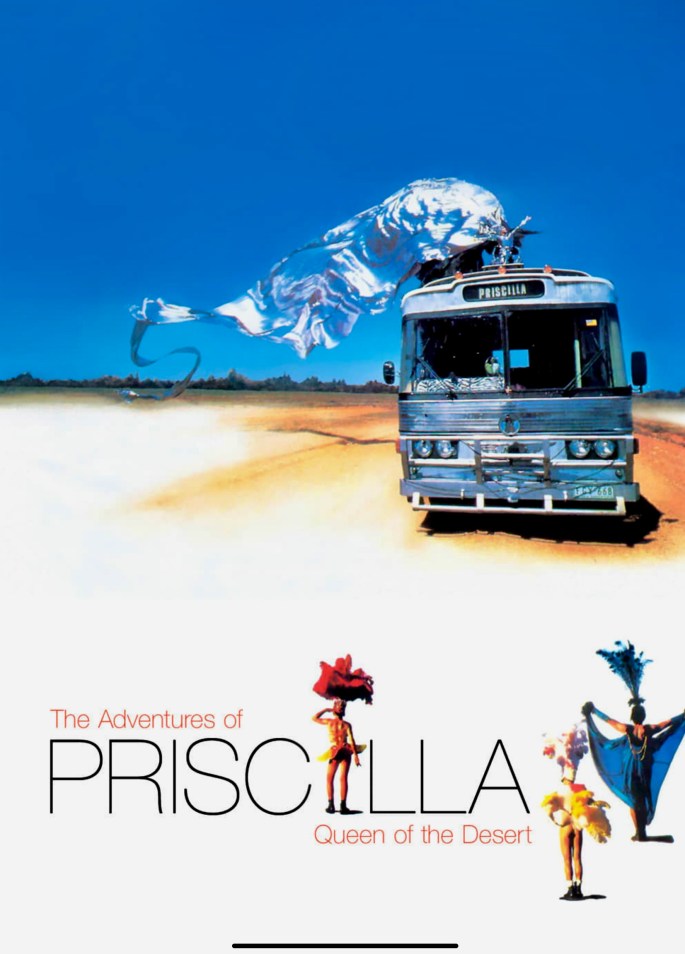
But Broken Hill’s most fabulous claim to fame is that it was the filming location for iconic scenes from the classic 1994 movie, “The Adventures of Priscilla, Queen of the Desert.”
If you have not seen this film, please do so. You’ll laugh; you’ll cry and you’ll be touched by its humanity.
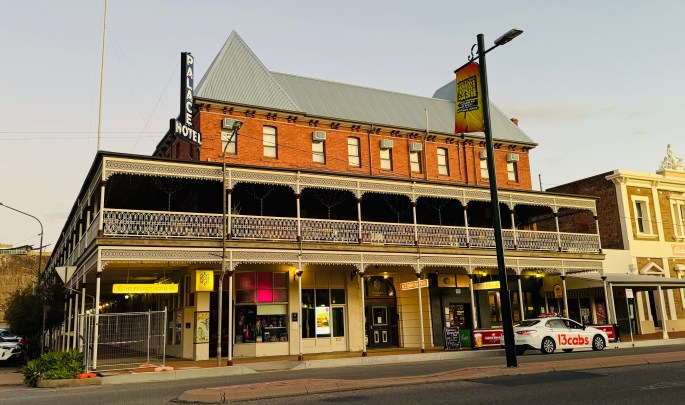
We stayed at the Palace Hotel, built in the late 1880s and prominently featured in the film….
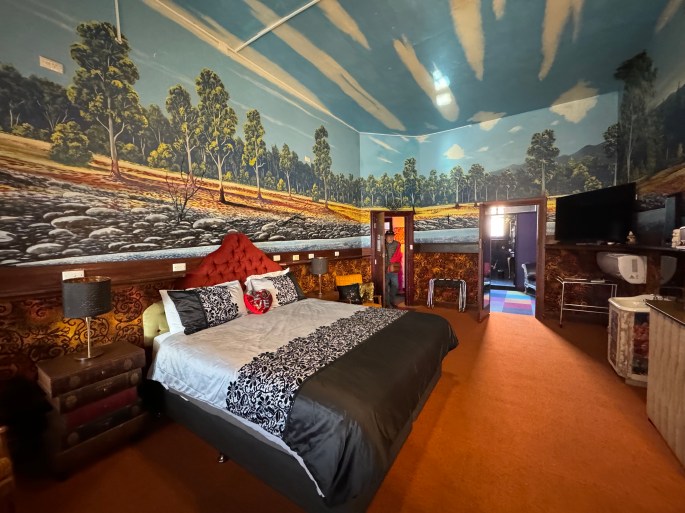
An indigenous artist painted murals throughout the hotel and its famous bar…..
The Priscilla Room is where the protagonists stayed….. and we did too!
Memorable and kitschy… the only regret being that we missed the drag show!
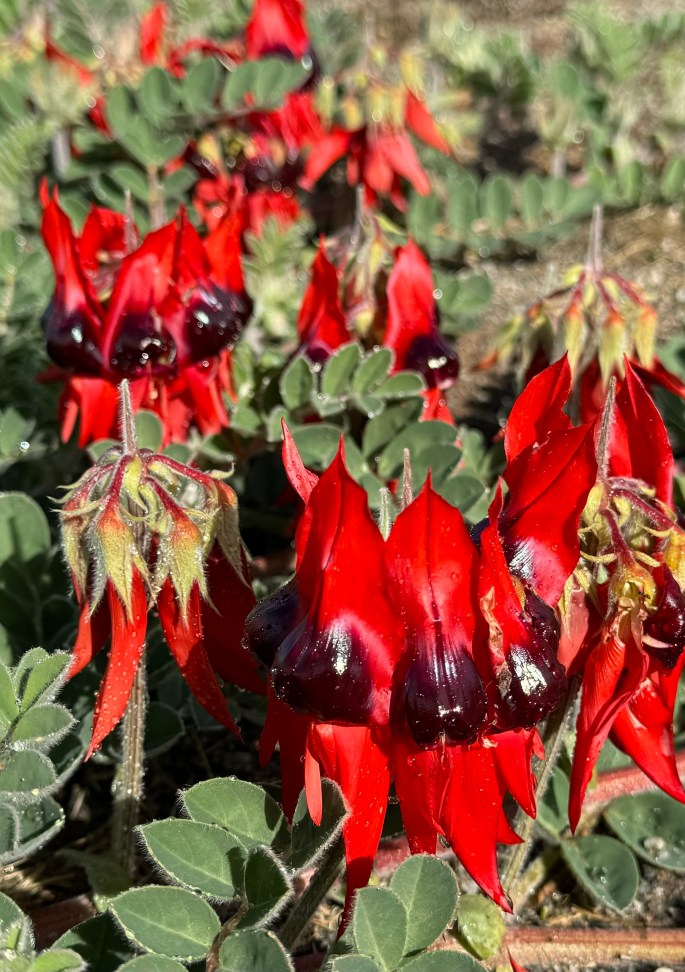
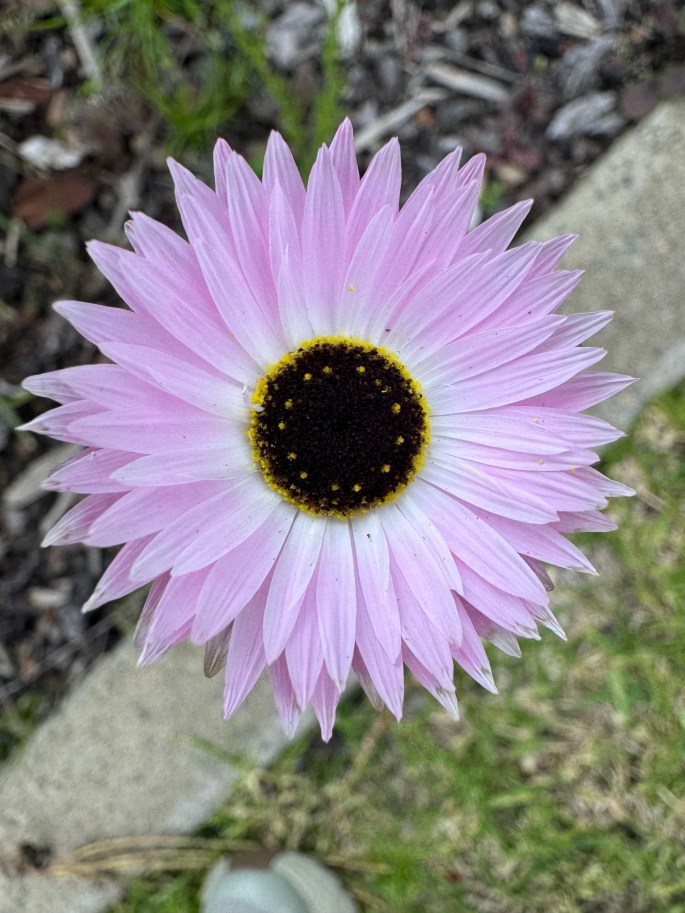
The Sturt’s desert pea is an extraordinary flower common in the outback, but the only ones we have seen were in a colorful patch in town…
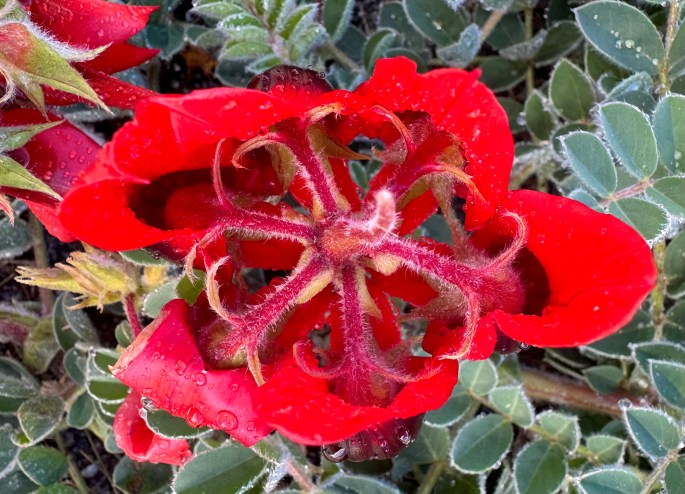
View from above, showing the fascinating internal structure…..
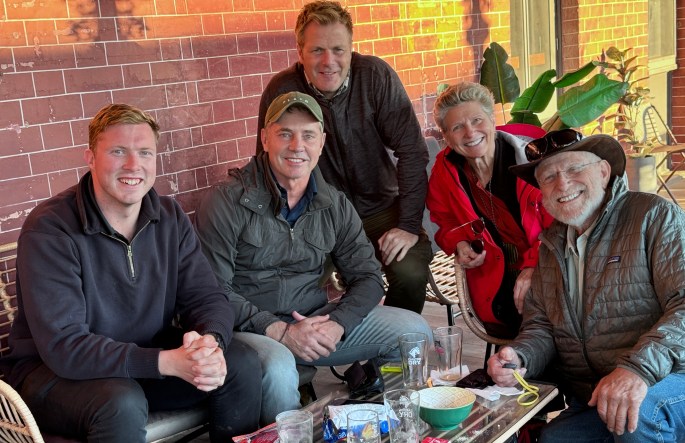
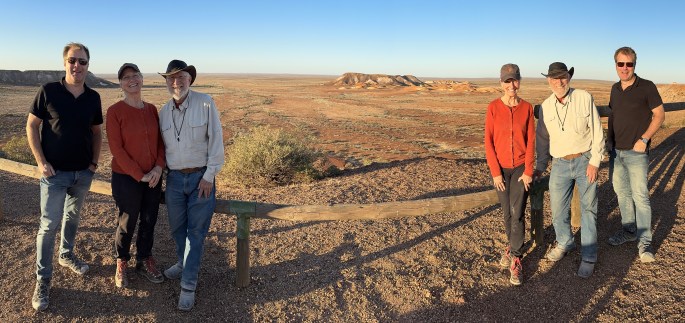
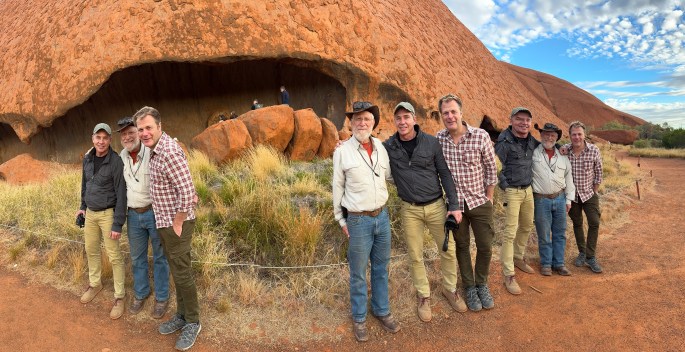
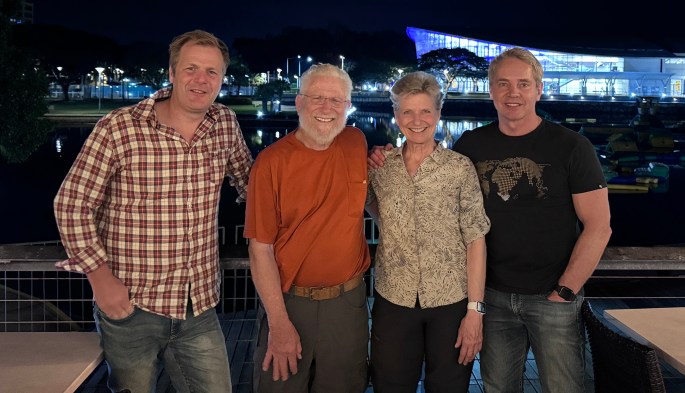
Will close this post with an occasionally-obligatory group photo……
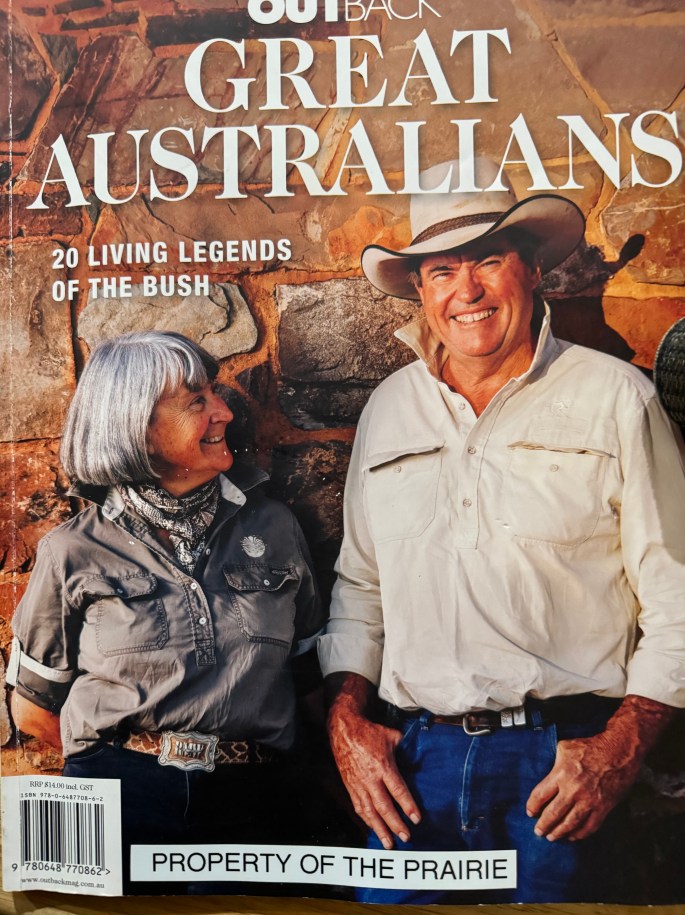
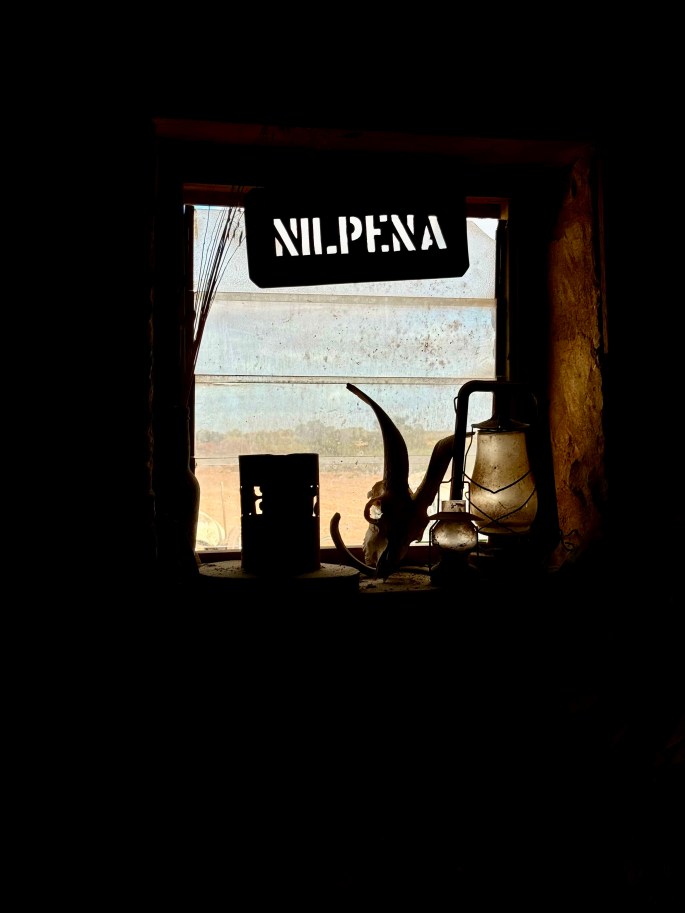
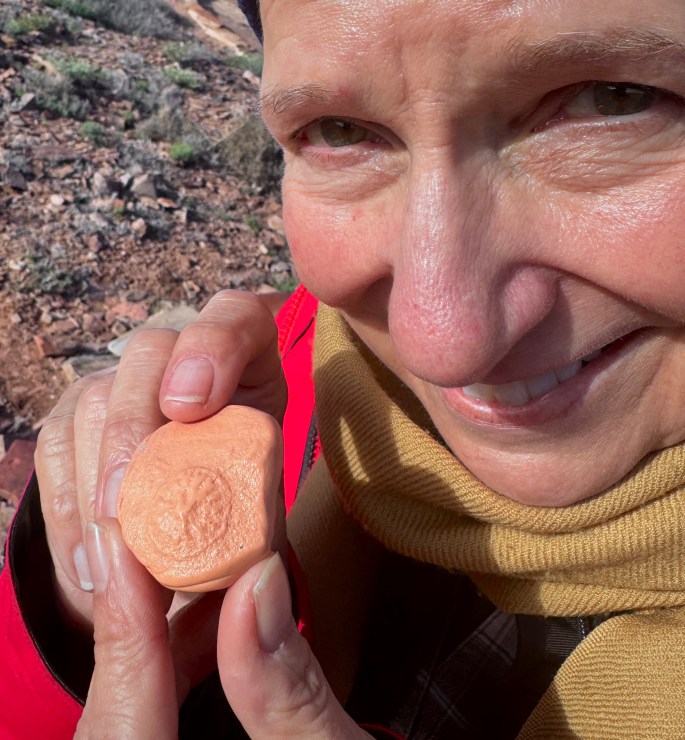
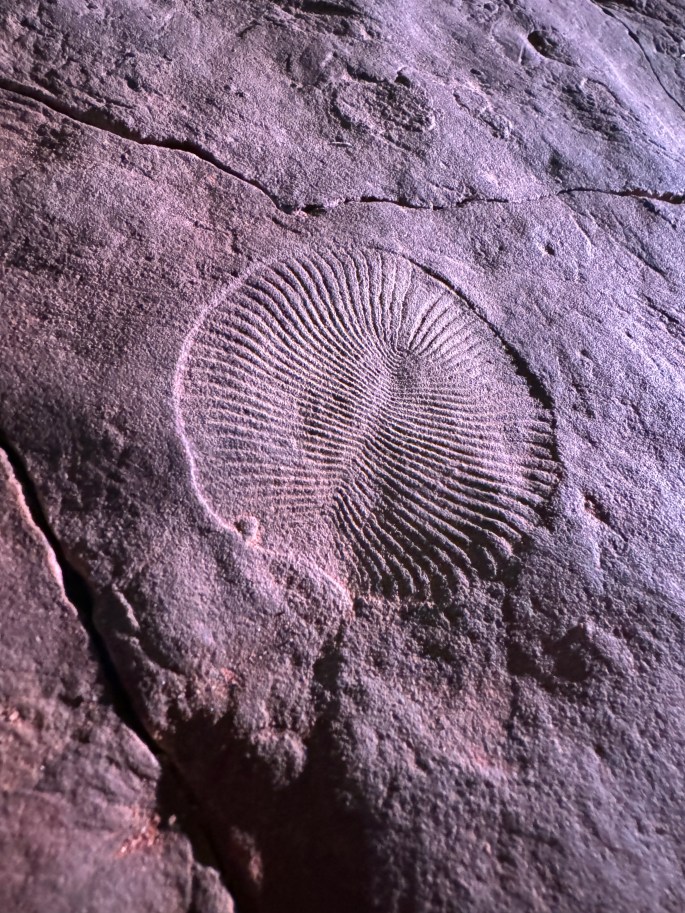
Parachilna, in the Flinders Ranges of South Australia, is near fossil beds that are quite exciting for researchers and scientists investigating the beginnings of life on this planet. Jane and Ross were instrumental in locating these incredible fossils, and the land on which the Nilpena Ediacara national park is located was formerly part of their sheep station….
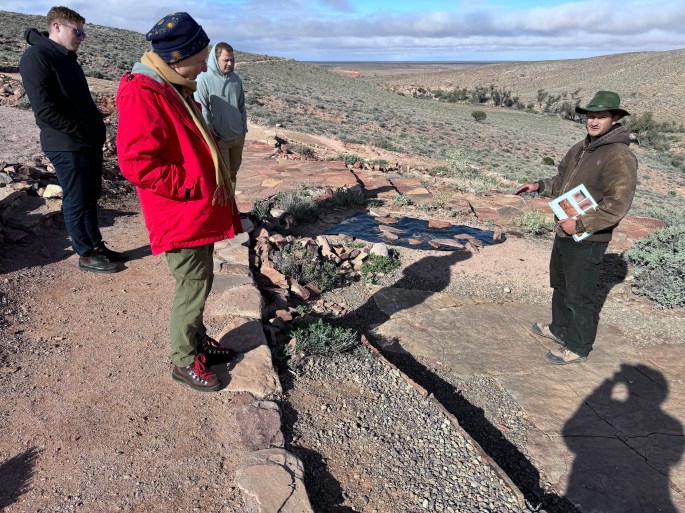
Researchers spend several months here each year investigating the vestiges of soft-bodied creatures that date back over 500 million years. Phil is a PhD candidate who showed us around; his enthusiasm is infectious…..
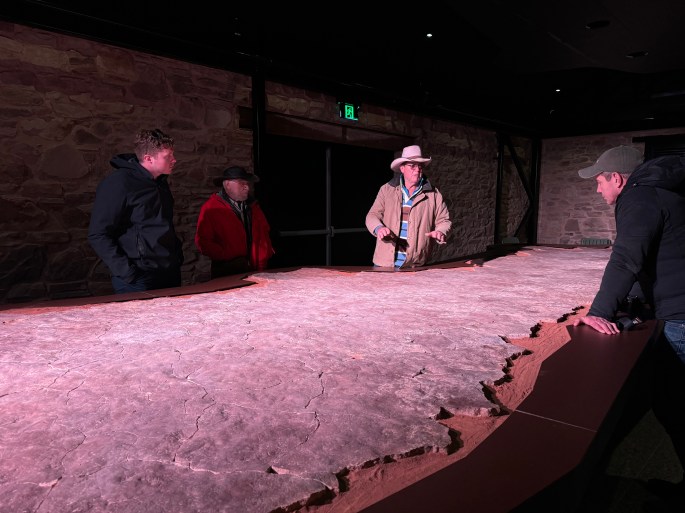
Ross took us on a drive through the area, then showed us a stunning audio/visual presentation that vividly imagined what early forms of life may have looked like…
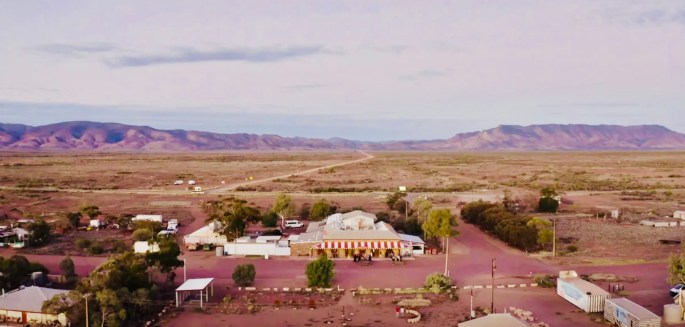
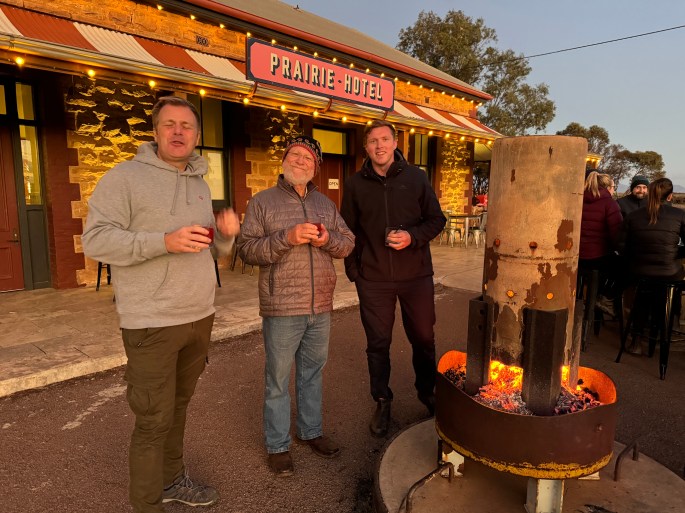
Almost as cool, Jane and Ross run an upscale and comfortable accommodation in this remote location called the Prairie Hotel….
It’s a great location for a sundowner…..
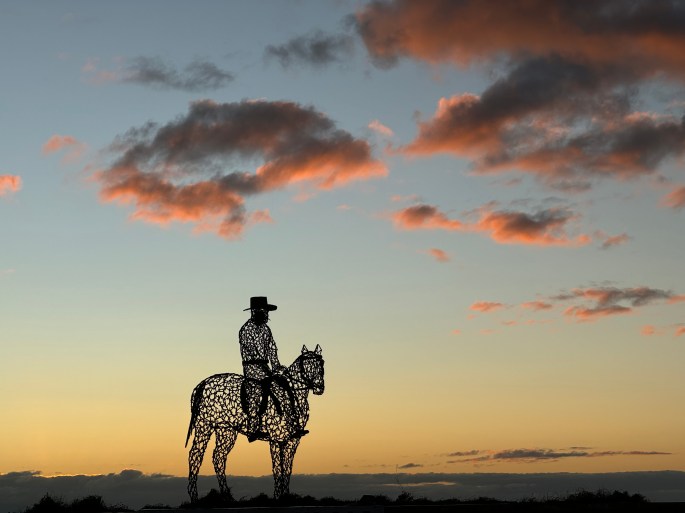
With a little rustic art on the horizon….
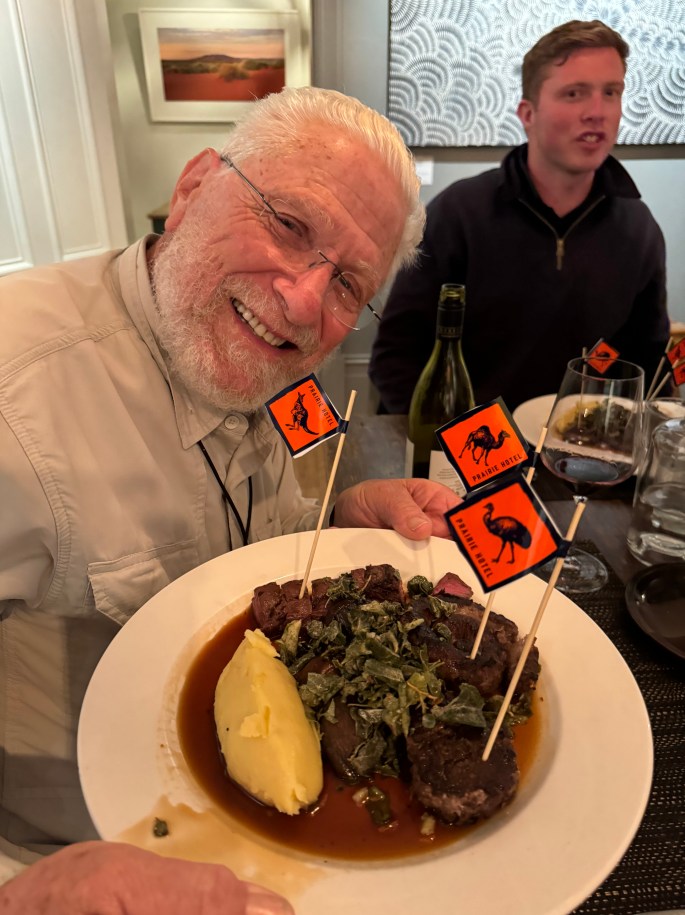
And a kitchen that prides itself on presenting platters of Australian feral game…here including kangaroo, camel and emu. Sorry, vegetarians!
So many unique destinations – each memorable for a vista, an experience or a human encounter, or a combination thereof –
Arkaroola…
A nature reserve and lodge in the Flinders Ranges, and a notable Dark Sky destination. Each day toward sunset, guests are invited to grab a beverage and watch the feeding of the yellow-footed rock wallabies that live nearby…. So cute.
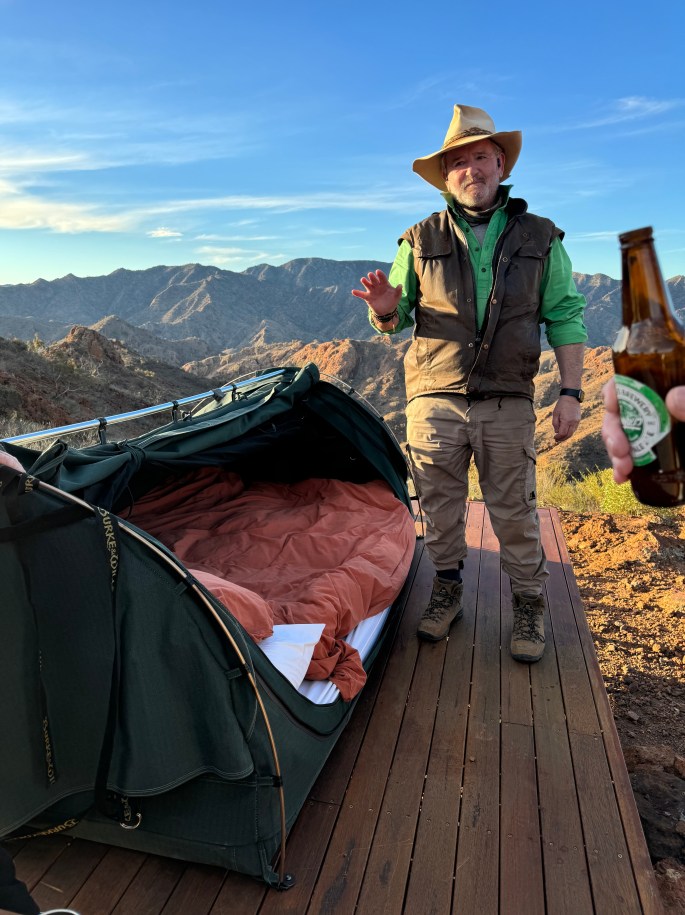
The moderately mountainous terrain provides a great setting for a sleepout under the stars. While Tertius and Ty held back, the hardy elders amongst us ventured off with several others along the ridgeline to a well-placed campsite.
Our guide explains how to tuck ourselves in for the night.Each couple had a private sleeping deck….
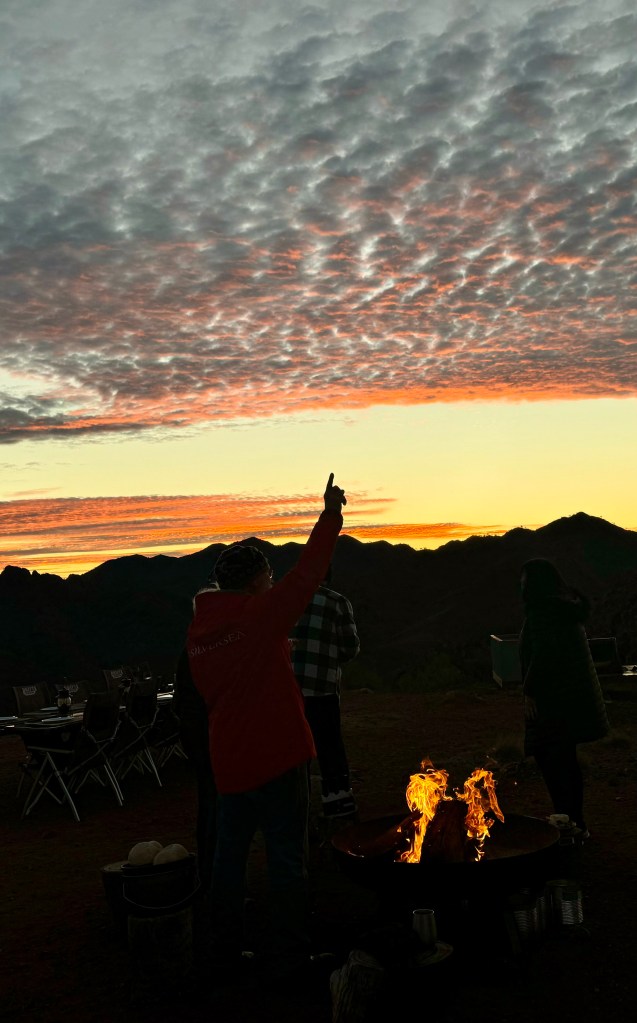
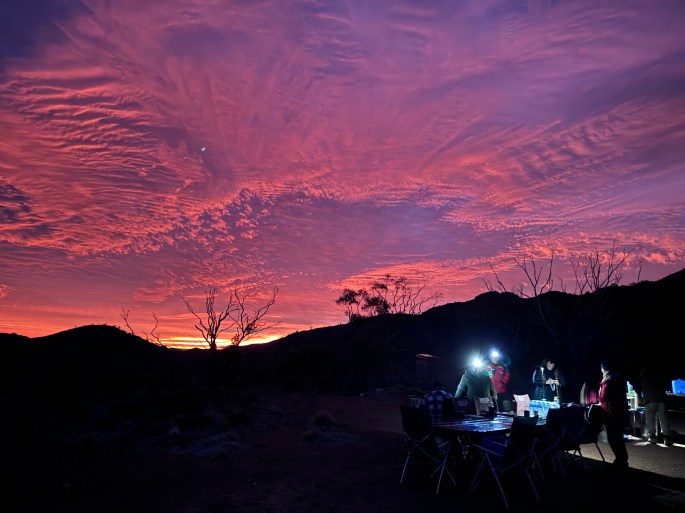
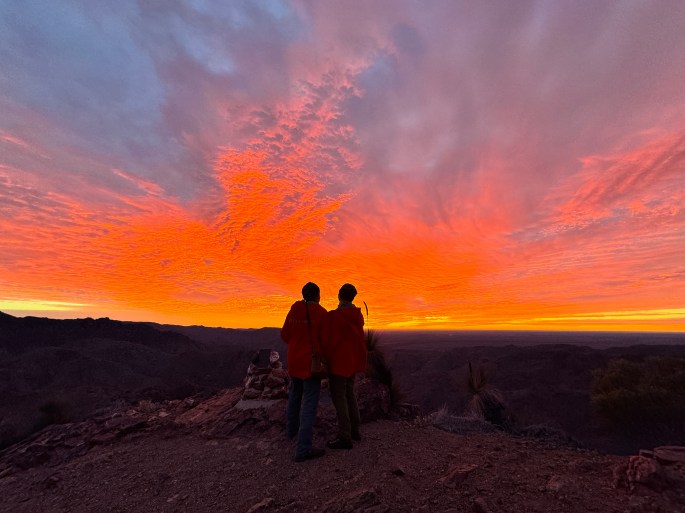
Although clouds and high winds prevented a spectacular star-viewing, conditions were perfect for the coming and going of the sun….
Henry makes a point around the fire…The sunlight just starts to color the sky while the intrepid campers gulp some coffee…Vivid sunrise….And a lingering afterglow.
What a gorgeous color palette! Ain’t nature grand?
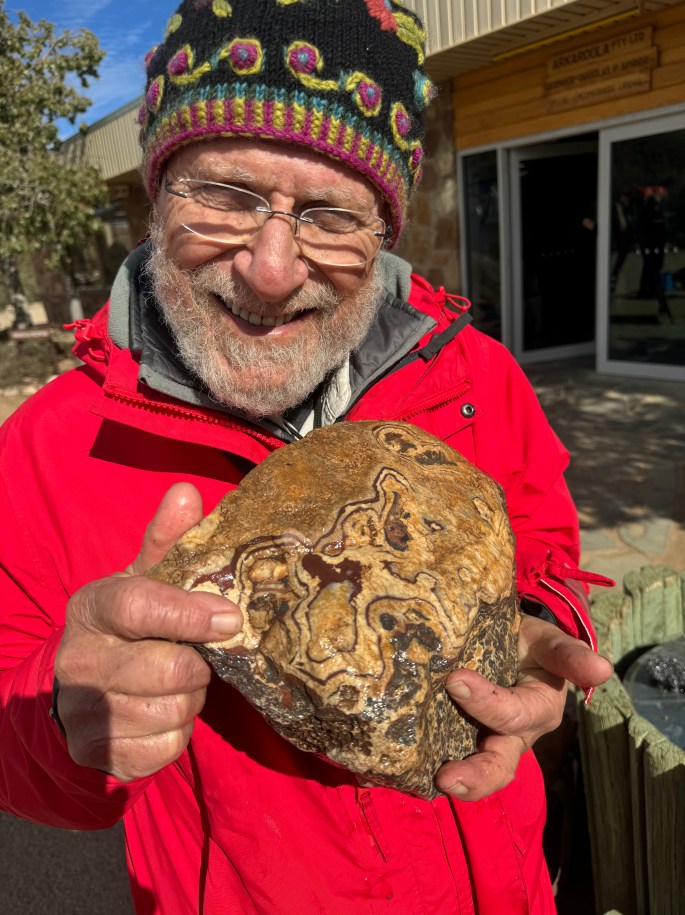
The guide spotted a pretty amazing rock on our way back down to the lodge…. Unfortunately a bit too big for Henry to stow in his luggage……
The one that got away……
Andamooka
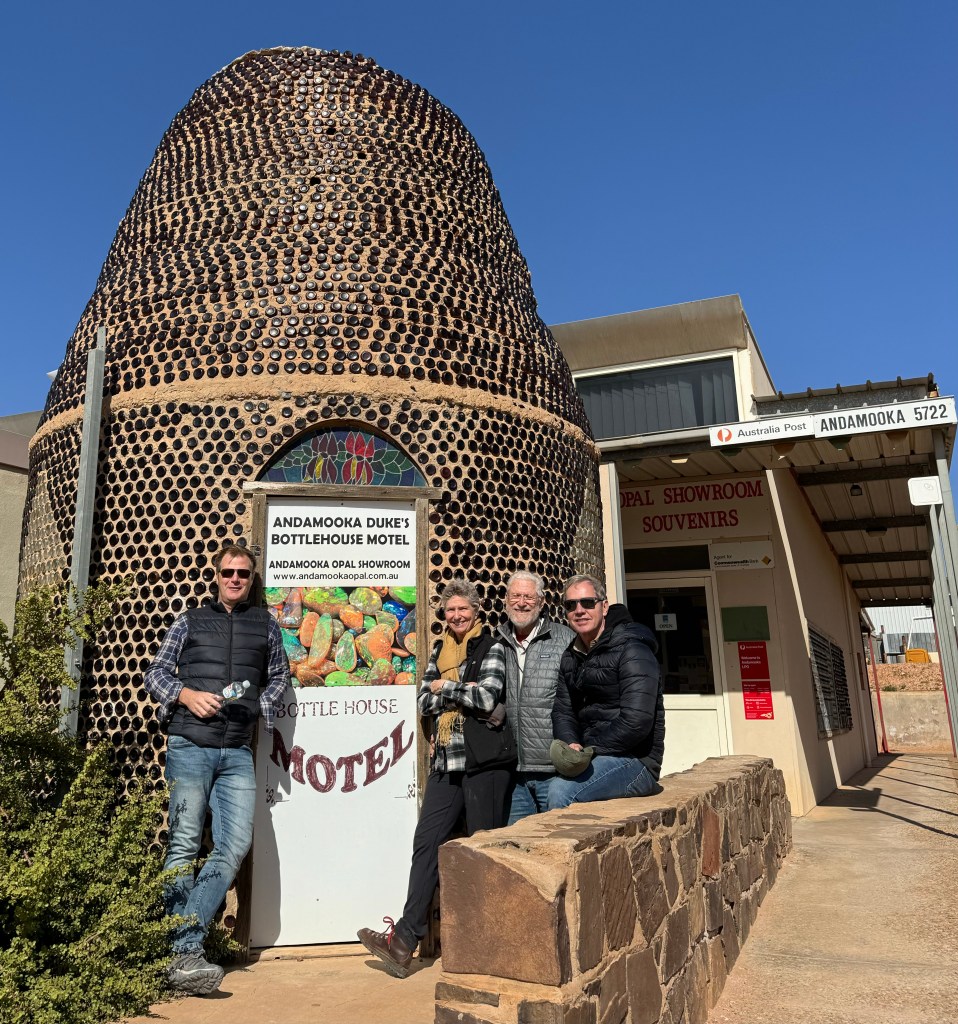
Andamooka was our first foray into opal mining territory. It’s a town of several hundred sturdy characters and really nice folks. We stayed at Duke’s Bottlehouse Motel, and Peter Duke showed us around.
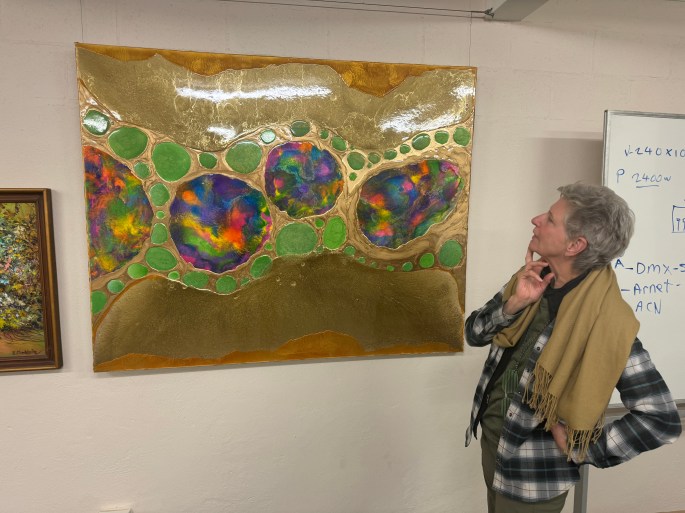
The opal museum, and beautiful artwork by local artist Leila…
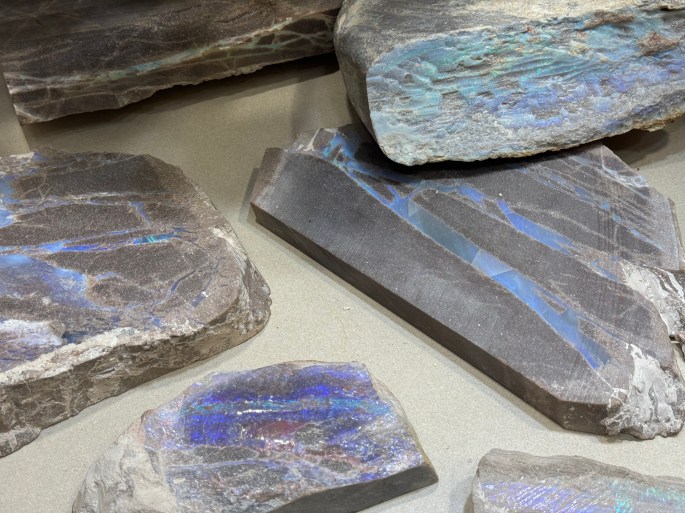
Something like 95% of the world’s precious opal is produced in Australia. Because of how opal naturally occurs, it does not lend itself to large-scale commercial mining, so opal is found and extracted by individual miners working small tracts. The area in and around Andamooka is pocked with holes and piles of sand and rocks where miners have pursued their dreams. Here we examine some of the basic cottages that the early miners inhabited in the 1930s:
Peter was kind enough to take us to his claim and clear out a space for us to do some looking on our own….. even using his excavator (doesn’t everybody have one?) to uncover some new material.
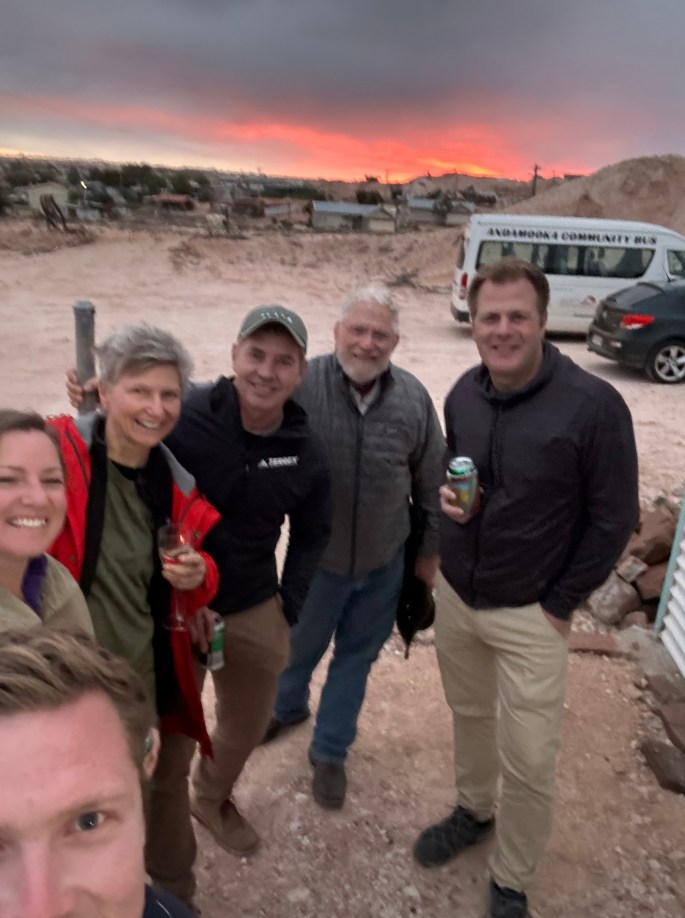
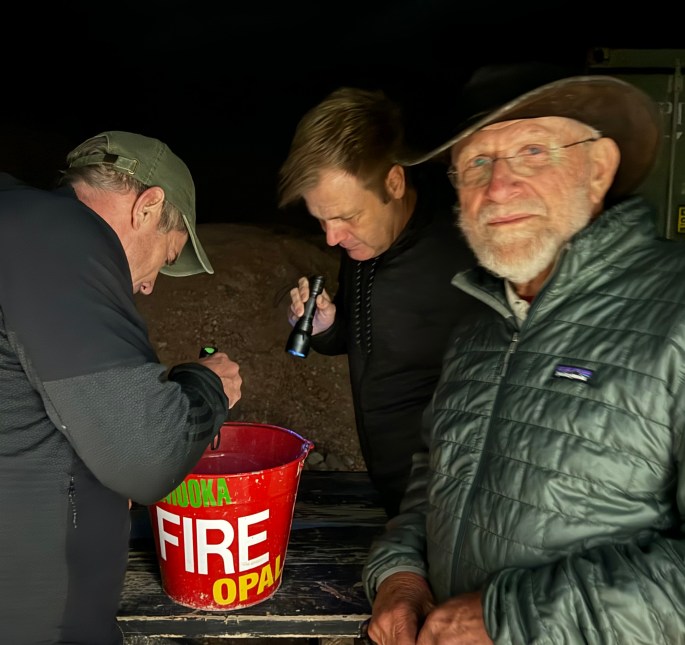
Opal mining is called noodling, and works best with an ultraviolet light to evaluate the quality of the findings. …. And we did some more of it in town after having a beer and watching a sunset with our new local friends.
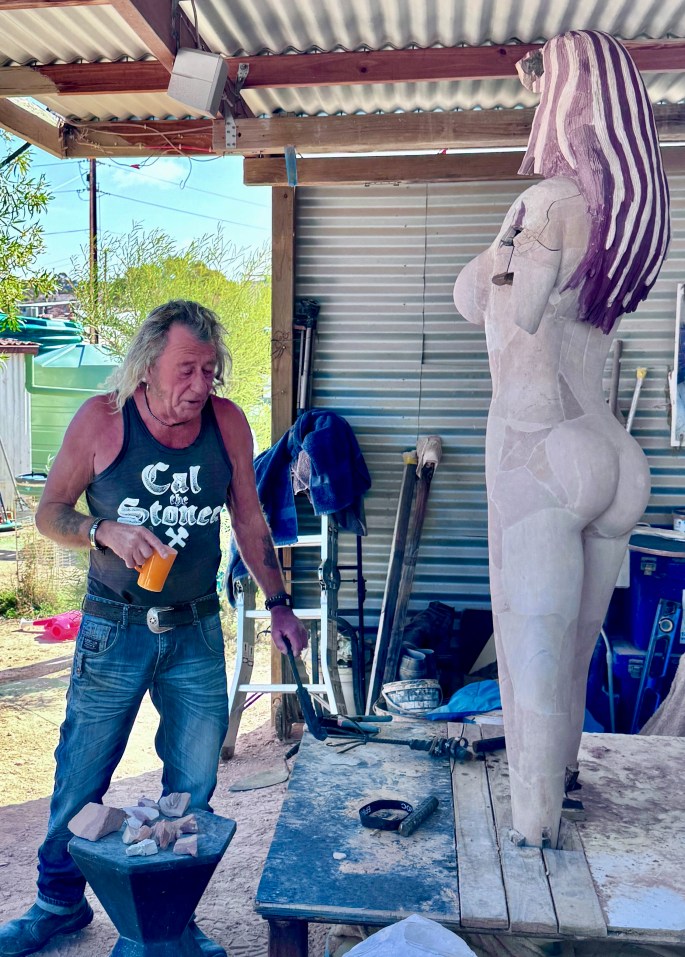
Speaking of characters – Cal the Stoner is an incredible artist and artisan, who carefully selects and works pieces of stone into amazing pieces of art. In progress is “The Goddess”…
His Andamooka tiger is extraordinary…. Each chunk of sandstone is precisely worked, taking into account not only its shape but its color – and fitted into the greater sculpture.
The Tiger took over three years to create…. His fangs, claws, eyes and nose are all fashioned from opal material.
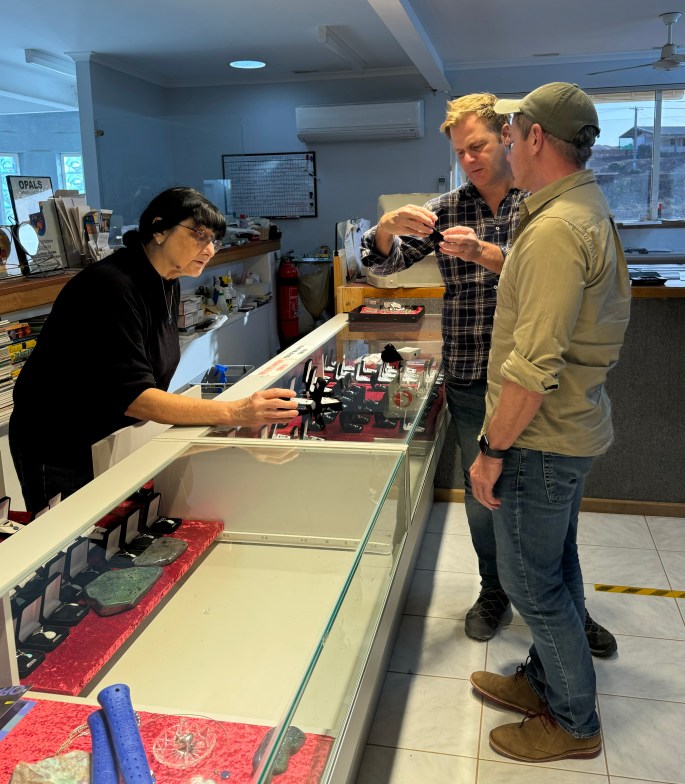
Before moving on, Ty and Tertius did a little shopping with the help of Peter’s wife, Margot.
Unfortunately, our noodling efforts were not successful, so we had to buy our souvenirs!
Muloorina
Muloorina is a large cattle station located near the shore of Kati-Thanda-Lake Eyre. If full of water, Lake Eyre would be the largest lake in Australia; however, it is shallow and salty and dries out quickly in the heat of the Red Centre. Just a quick stopover, Muloorina was notable mainly for our celebration of Ty’s birthday……
The station owner was kind enough to make Ty a cake…
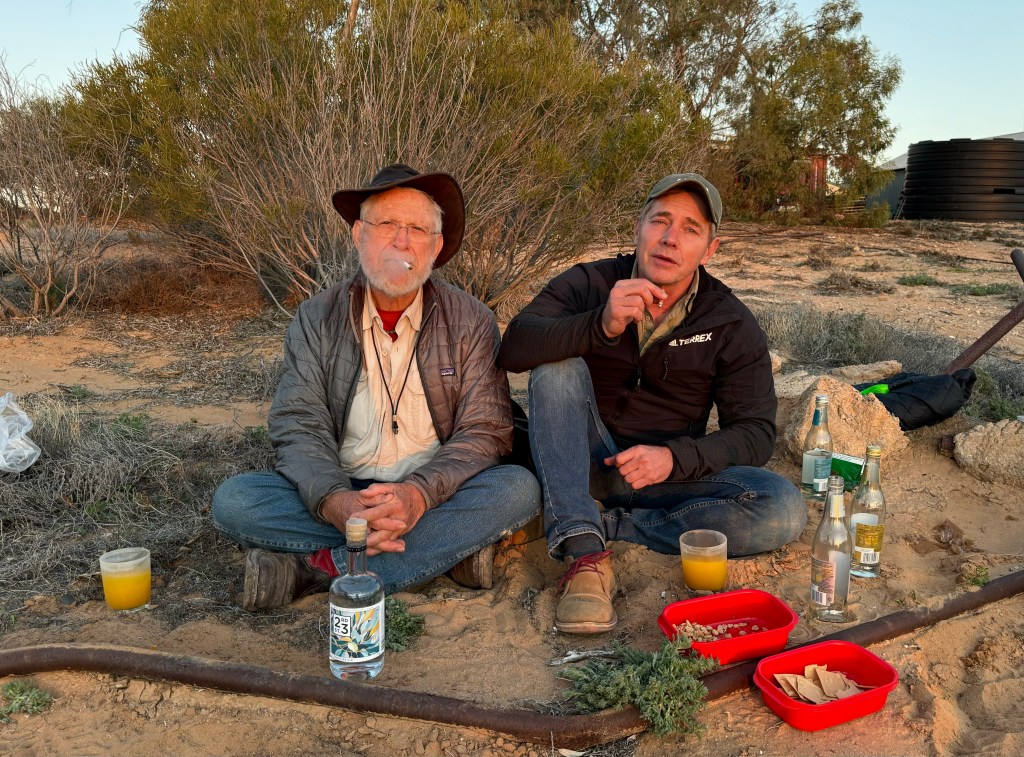
Tertius and Henry celebrated by taking their once-a-week smoke break.
Do not try this at home!
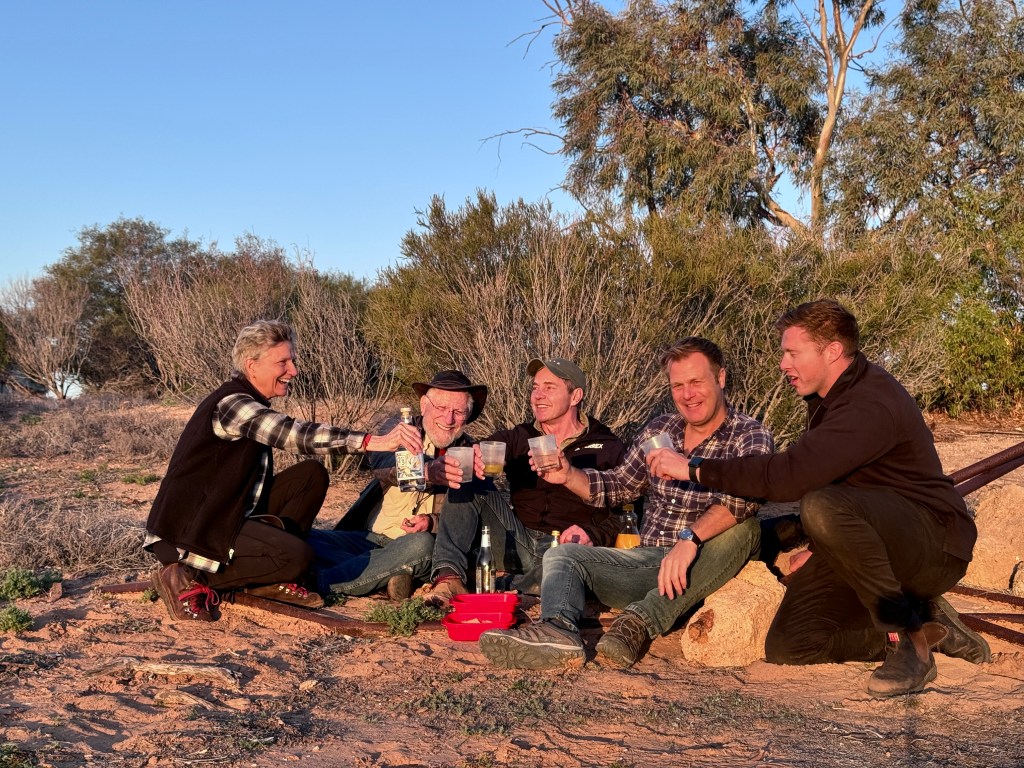
We brought some gin and tonic to have a group toast.
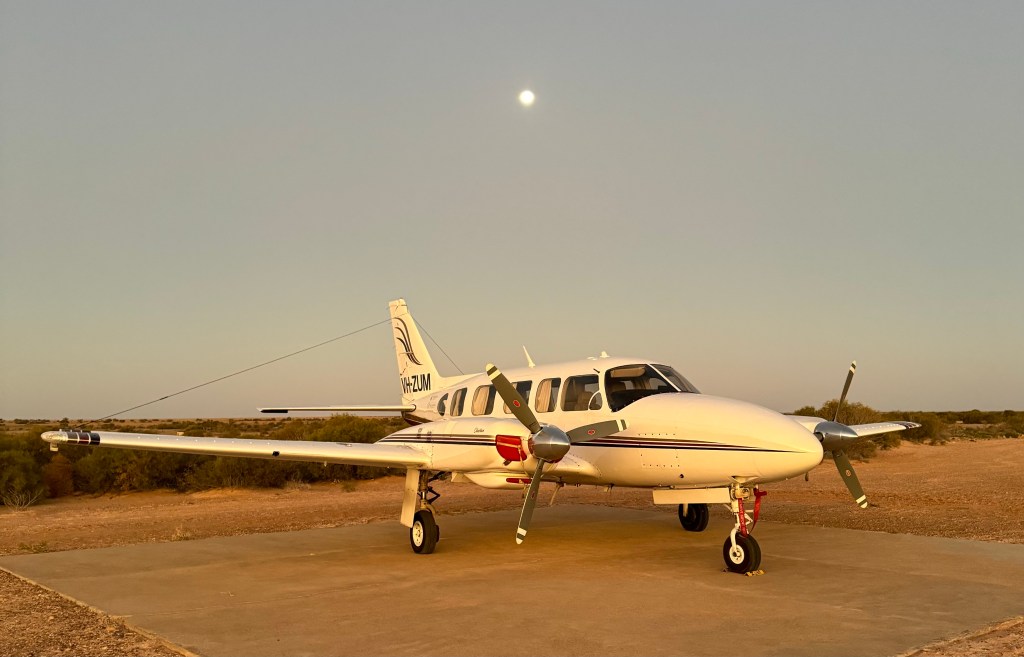
And Tertius caught a nice photo of our trusty plane as the moon rose over Muloorina….
William Creek is an iconic hotel, pub and way station in the middle of the dusty, barren and remote Outback. People drop in for a cold one and/or a night’s rest while traveling by land or air.
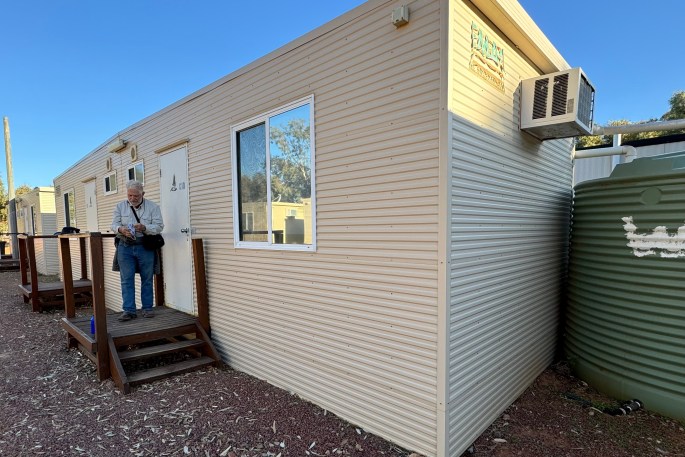
Not a glamour destination – our accommodation was a metal “donga”, a transportable building often used in isolated locations as quarters for seasonal workers in mining or construction operations…..
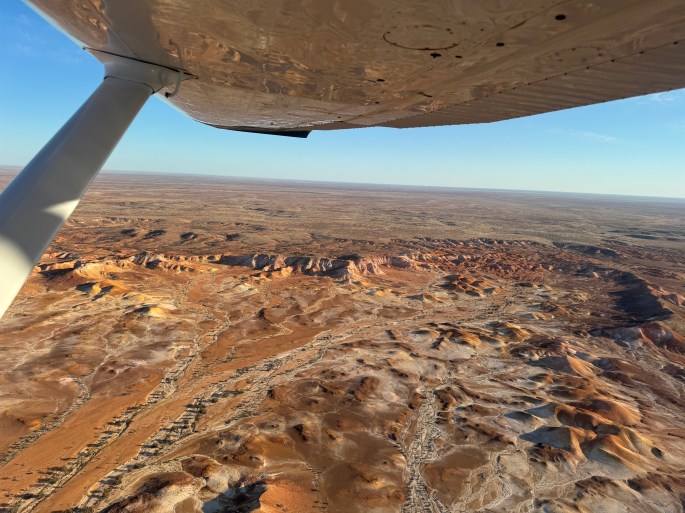
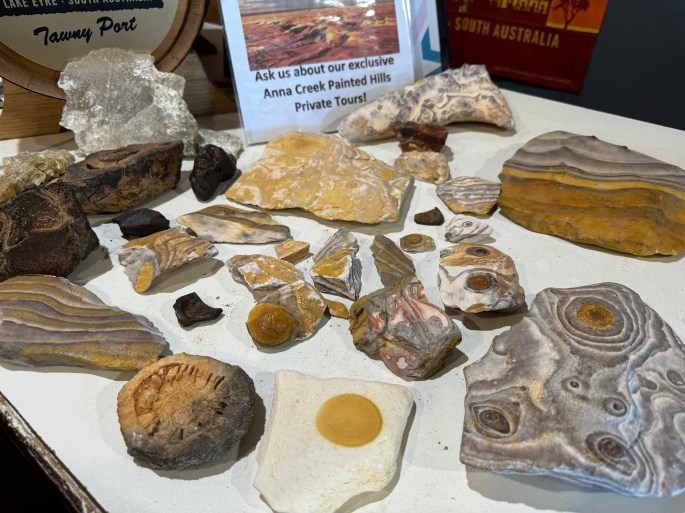
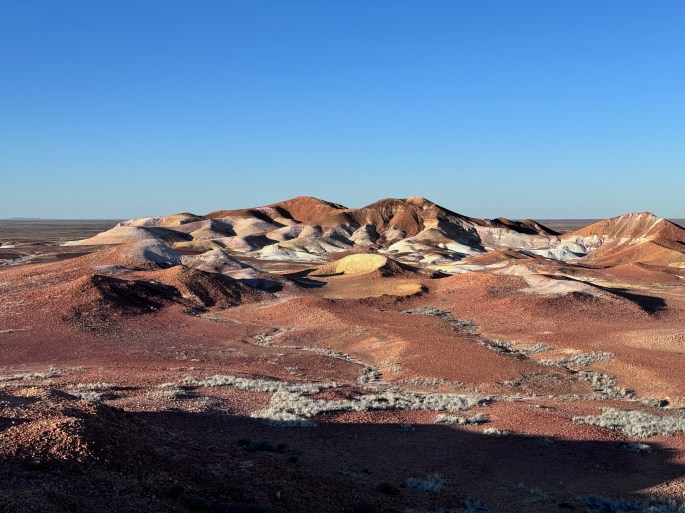
But it was air conditioned and the food in the pub was good! Also of interest are the nearby Anna Creek Painted Hills, colorful outcroppings which stand out against the flatness of the surrounding desert. They are only accessible by light plane…
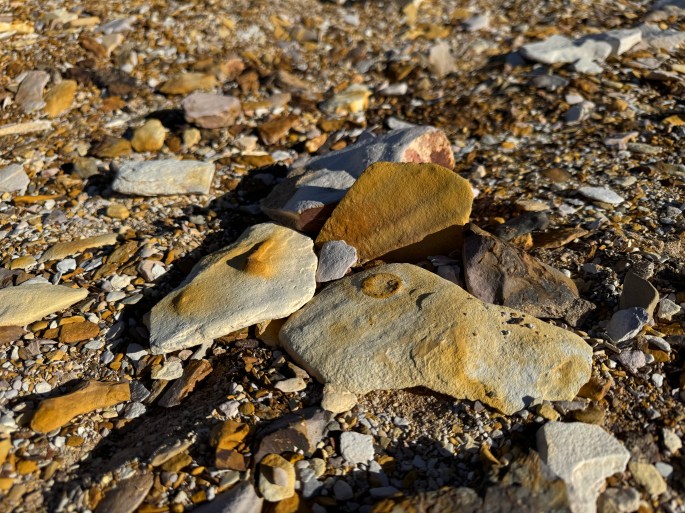
An ancient sea laid down striking layers of sandstone…..
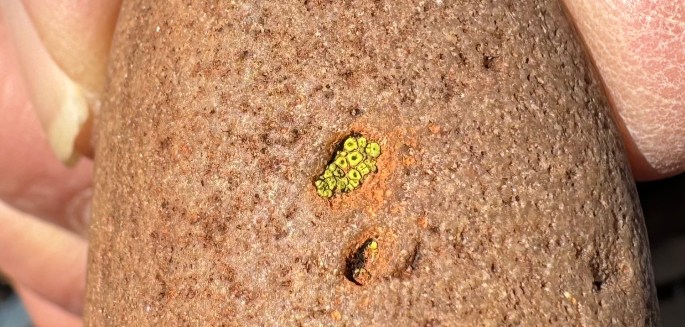
Even in the bleakest landscapes, life asserts itself.
A tiny bit of lichen blooms in a hospitable niche.
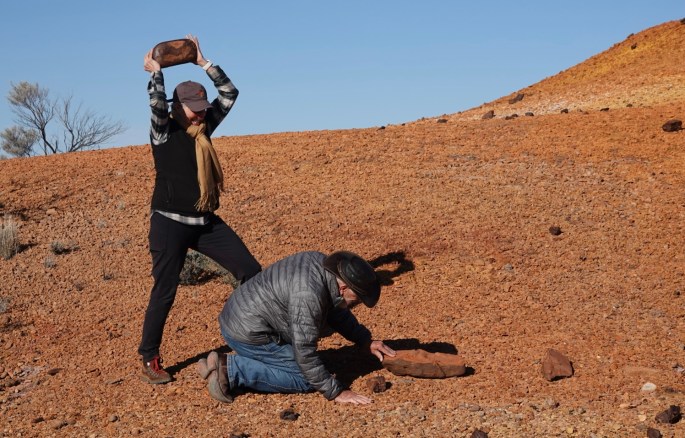
Sometimes the stark landscape encourages dark impulses……
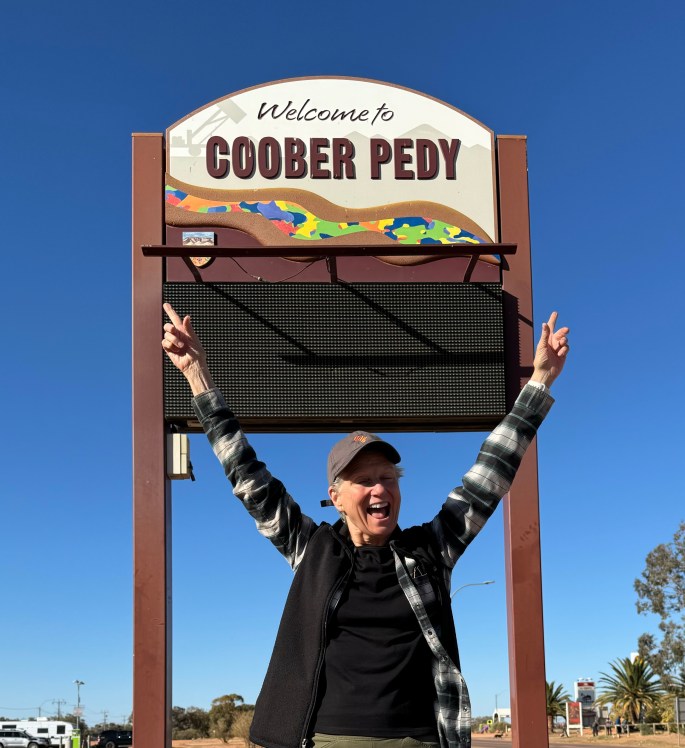
Coober Pedy
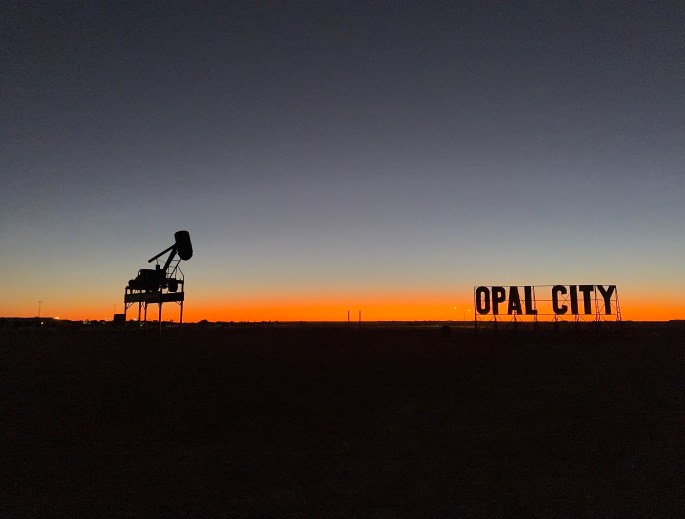
Another major center of the opal mining business…..
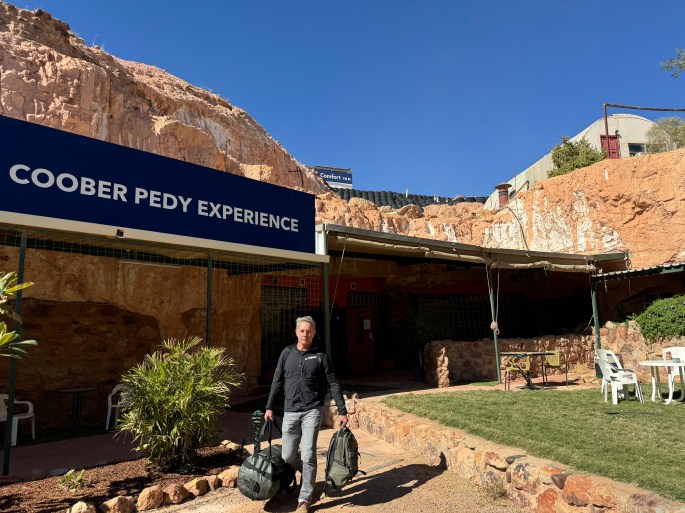
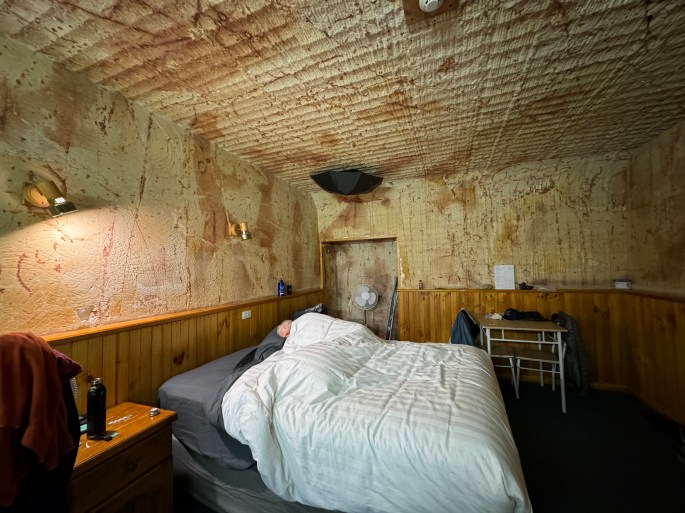
Coober Pedy is notable as residents – mostly in the mining business – traditionally built homes underground to insulate them from the intolerable heat of summer. We stayed in an underground motel….
It was very dark, very quiet and quite comfortable.
The inverted umbrella in the corner of the ceiling conceals the end of a pipe that conducts fresh air from the surface
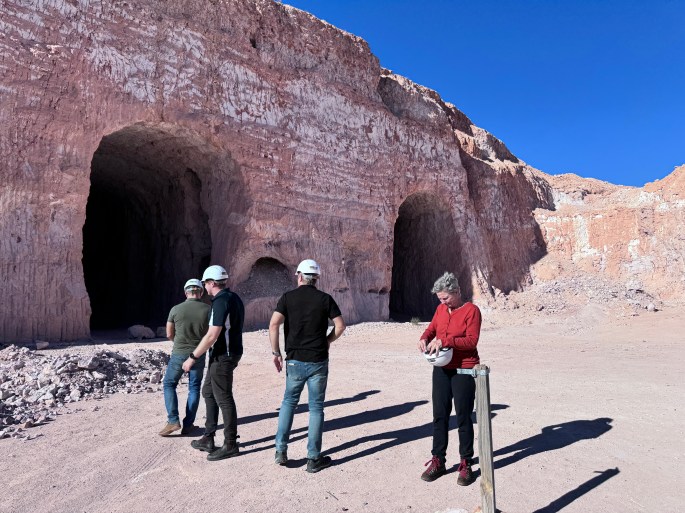
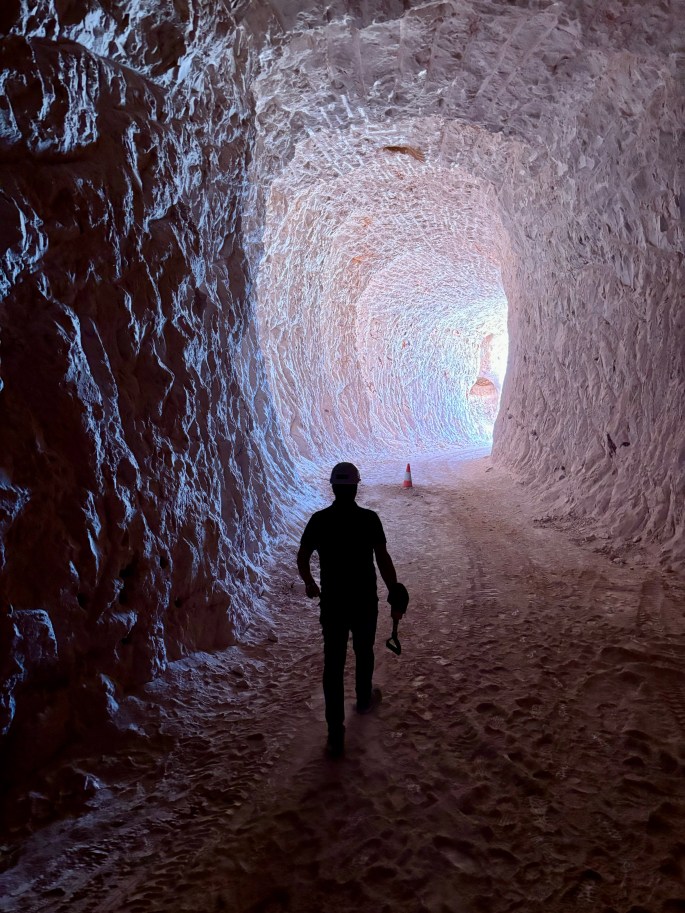
We got to go “noodling” in one of the underground opal mines….
… but emerged – alas – with no significant finds.
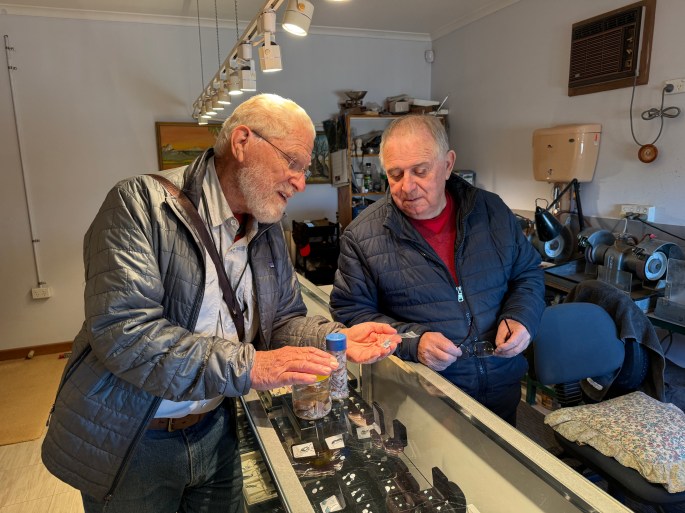
Henry did score some nice raw opal material and samples from Bill, a soon-to-be-retired Italian miner…
The Breakaways are another sandstone stand-out in the desert near Coober Pedy.
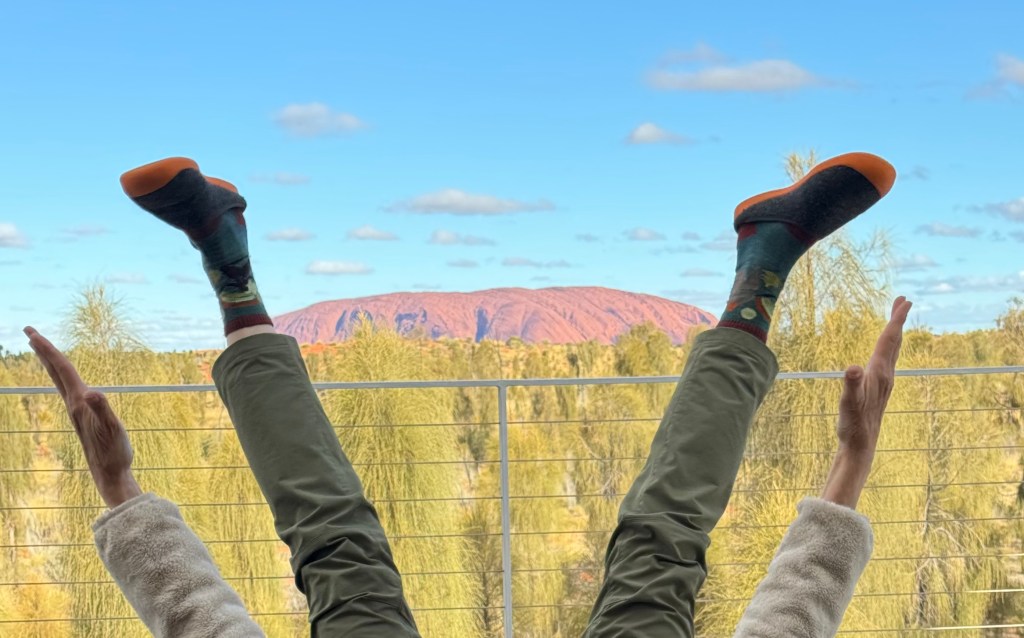
And we had some fun with iPhone visual effects….
A brief word about Vegemite, a distinctively Australian culinary product. It’s a paste made of the yeast that is left over after brewing beer, mixed with vegetable and spice additives.
It was first manufactured for mass consumption in 1923 and marketed as healthful for children…. Full of B vitamins. Savory. Definitely an acquired taste – not too bad when lightly smeared on very heavily-buttered toast.
Mt Dare
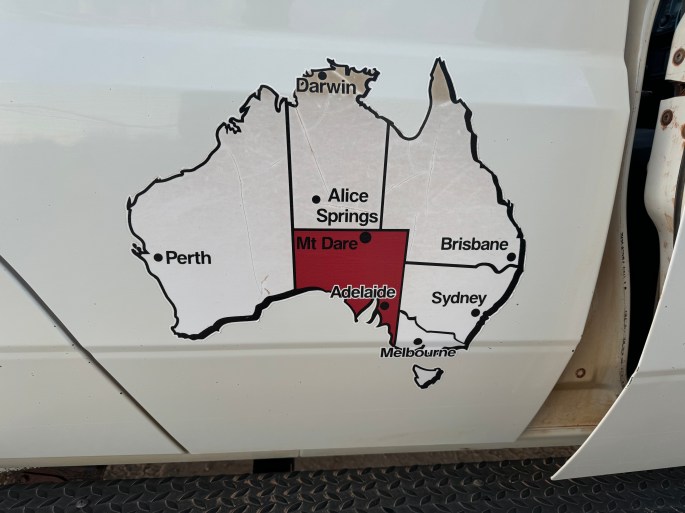
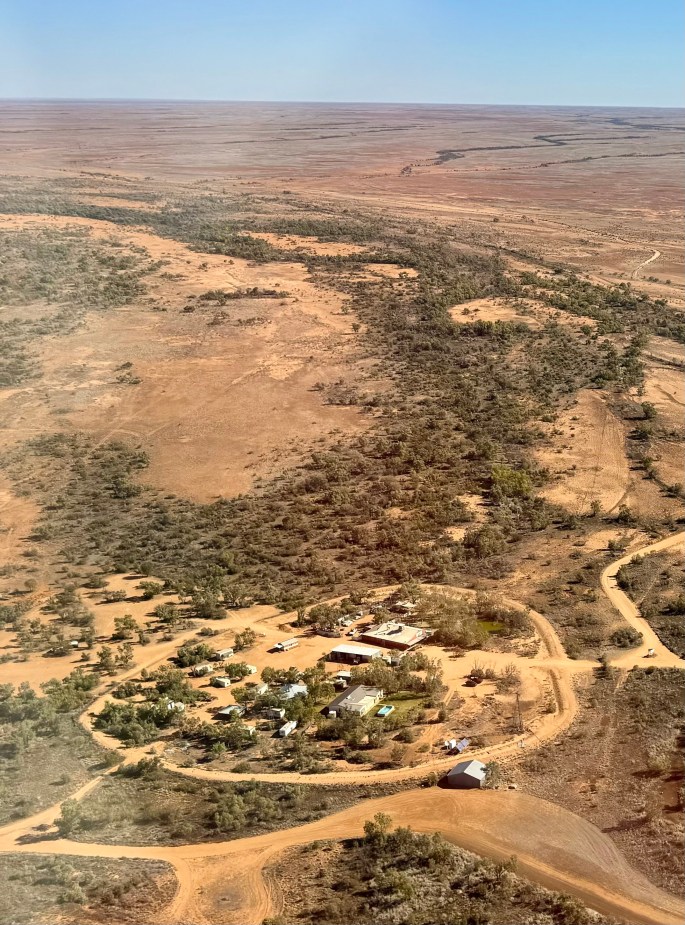
Mt Dare is almost exactly in the middle of the continent of Australia, located on the edge of the Simpson Desert.
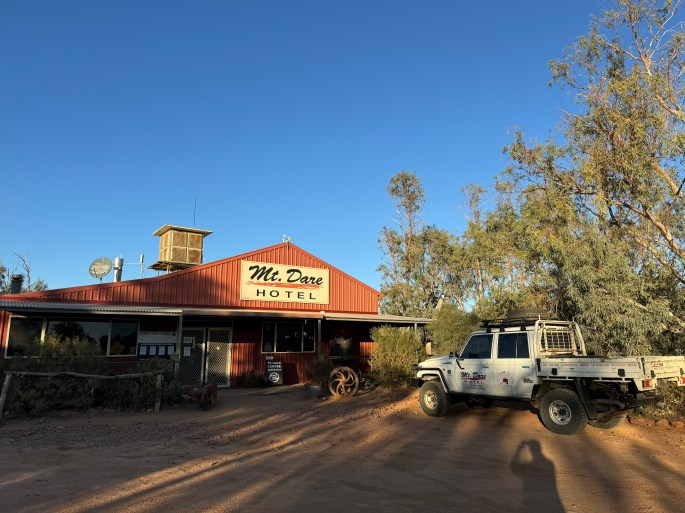
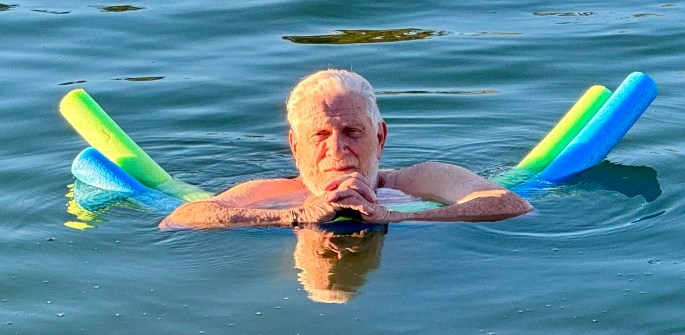
It is also a haven for travelers through the far reaches, with a pub, recreational vehicle park and simple accommodations. Witjira National Park is a bumpy hour’s drive from Mt Dare, featuring Dalhousie Springs, a natural warm-water pool that is quite pleasant in the cool winter air….
Tiny fish called gobies live in the pool and enjoy gently nibbling your skin!
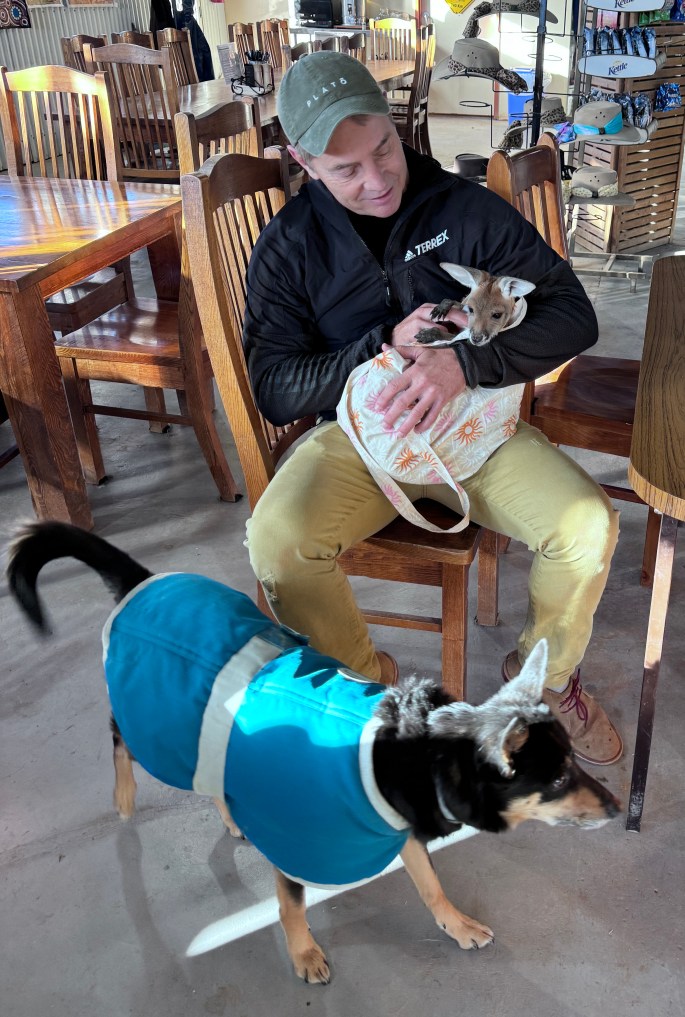
Back at the pub, the owners have a small animal menagerie, including an orphaned joey (baby kangaroo), named Didgeridoo.
Adorable now…. When he grows up, he could be as much as 6 feet tall!
He enjoys being cuddled in his pouch, while the dog gets a little jealous…..
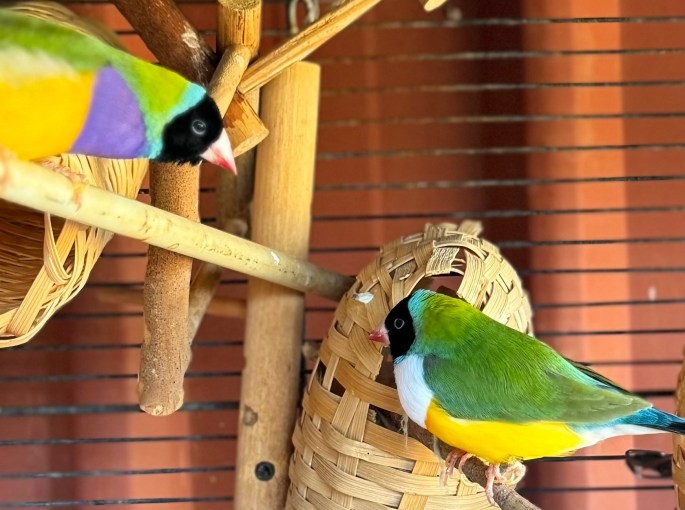
They also have a couple of Gouldian finches, gloriously vivid birds that are native to Australia.
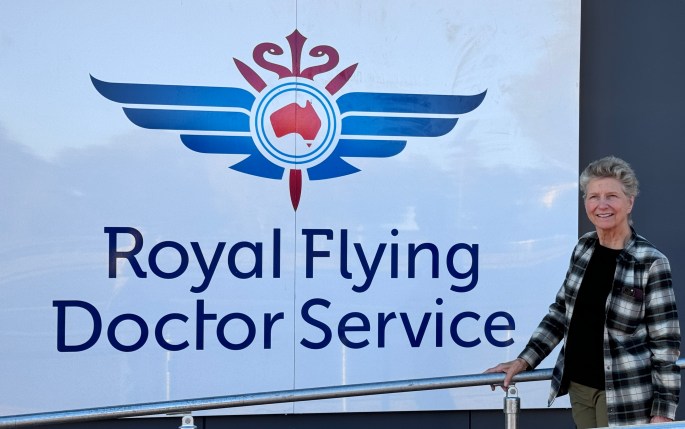
A word about the Royal Flying Doctor Service (RFDS)….
Remote, sparsely-populated locations and communities – such as William Creek, Muloorina and Mt Dare – have no medical facilities, and depend on the RFDS for crucial emergency services as well as routine health care. Founded in 1928, the RFDS is supported by the government, but also relies heavily on donations.
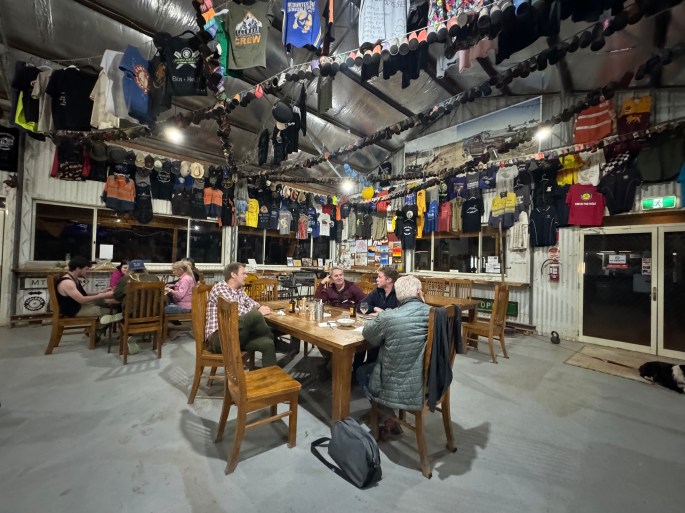
The folks at Mt Dare promote the RFDS enthusiastically. Visitors are invited to hang a memento from home – such as a beer holder or T-shirt – in the pub in exchange for a donation to the medical service.
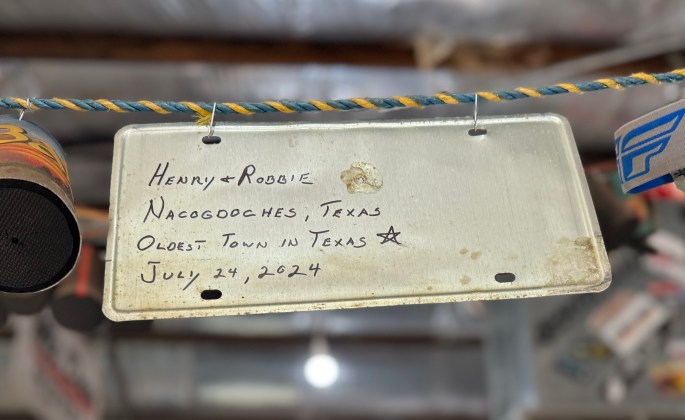
Henry just happened to have a Texas license plate and a bit of cash so that we could hang a Lone Star trinket from the ceiling…..
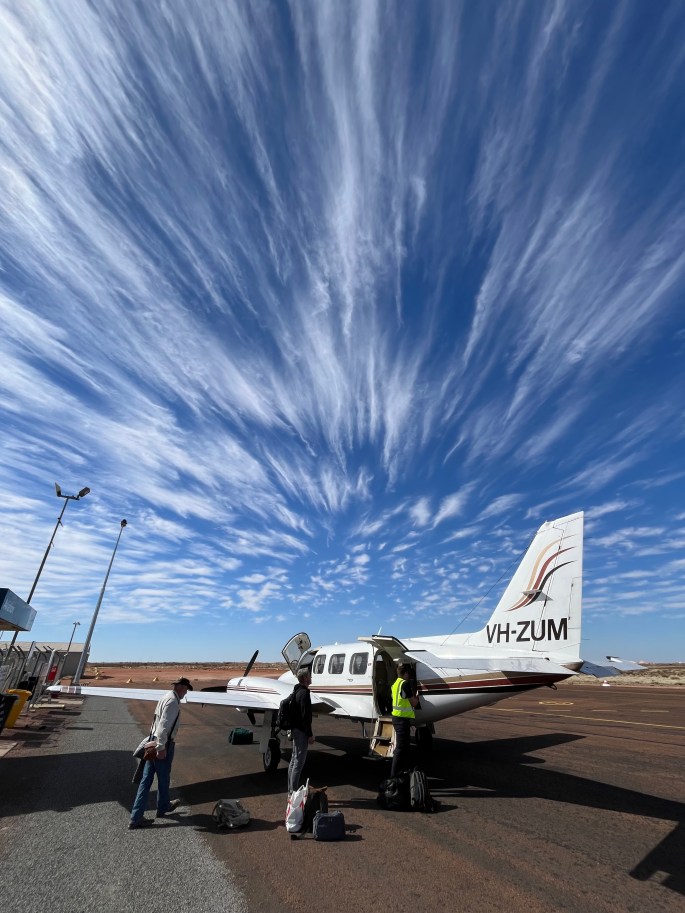
Will close this post with another pretty-plane picture as we prepare to depart Coober Pedy….
(Please remember to click on the title of the blog posting so that you can see the very cool videos that appear in this post.)
Uluru – Ayers Rock
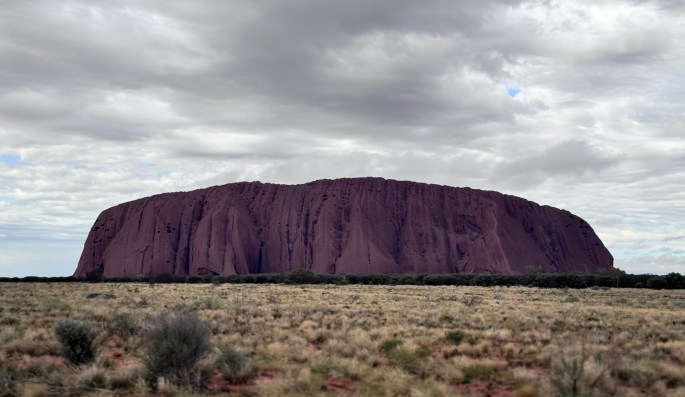
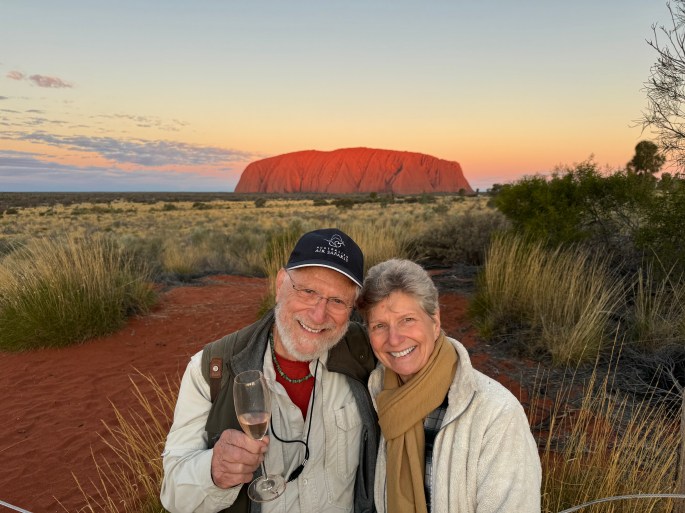
The classic Center-of-Australia landmark and spiritual focus for many aboriginal people….. Uluru, also known as Ayers Rock. It is true that the color of the rock varies with the time of day and weather conditions.
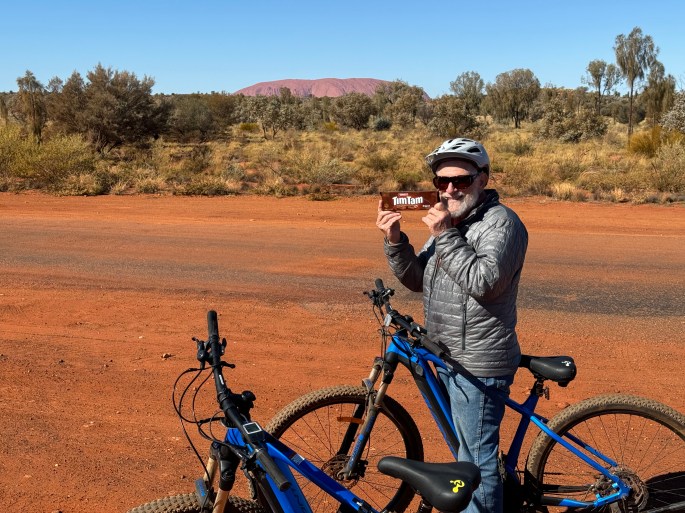
Purplish during an overcast, occasionally rainy moment….Bright orange-red at sunset…Brown in the light of day. (Henry is showing off a package of Tim Tams, a favorite treat of Australian children… crunchy cookie with a thin chocolate coating.)
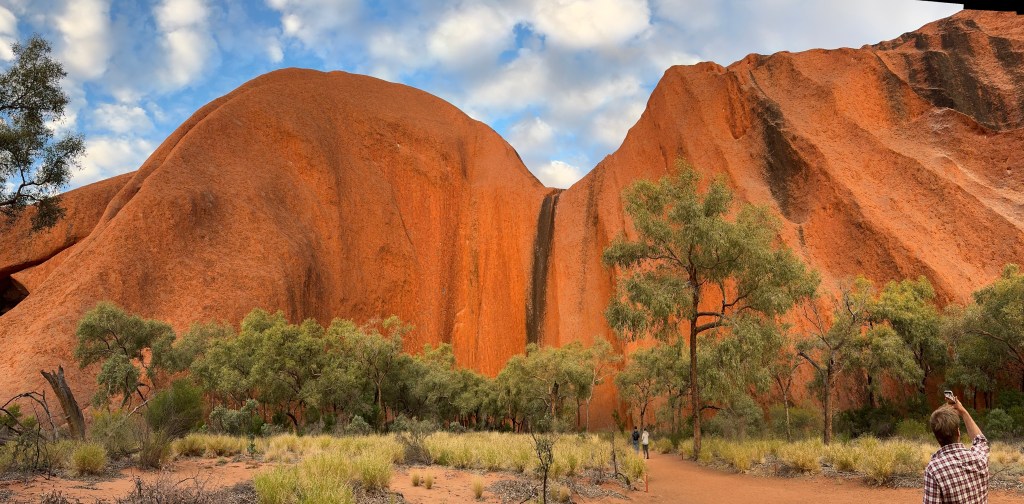
In times past, climbing to the top of Uluru was a popular activity. Unfortunately, tourists were often disrespectful of the ecology or the religious significance of the area (or both), so climbing has been banned for about 5 years. Approaching on foot can still yield some awe-inspiring perspectives.
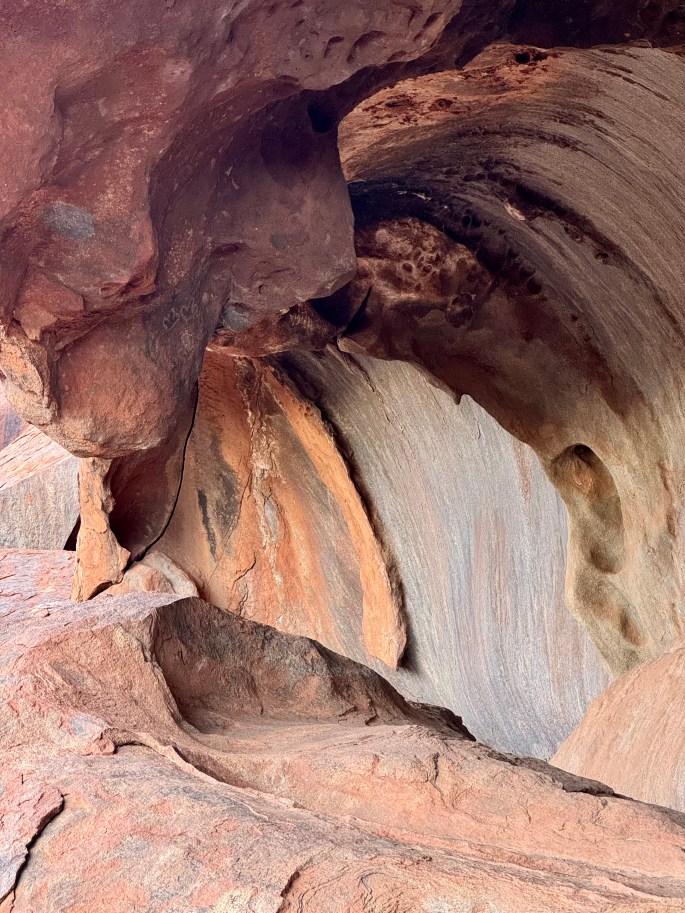
(More fun with Photos)Incredible textures and shades of color in a cave at the base….
We stayed at Longitude 131 luxury camp….. a fairly pricey option, but worth it for unobstructed views of the big rock.
Purnululu – the Bungle Bungles
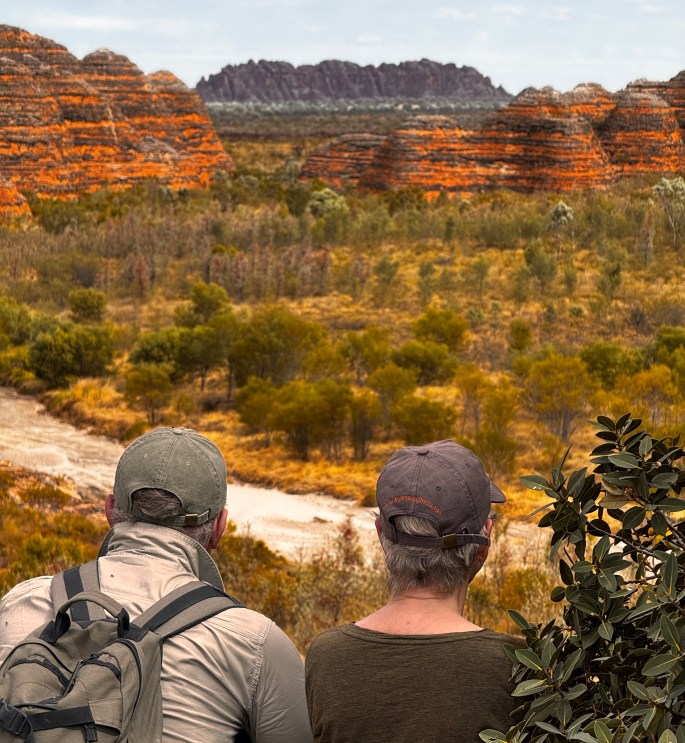
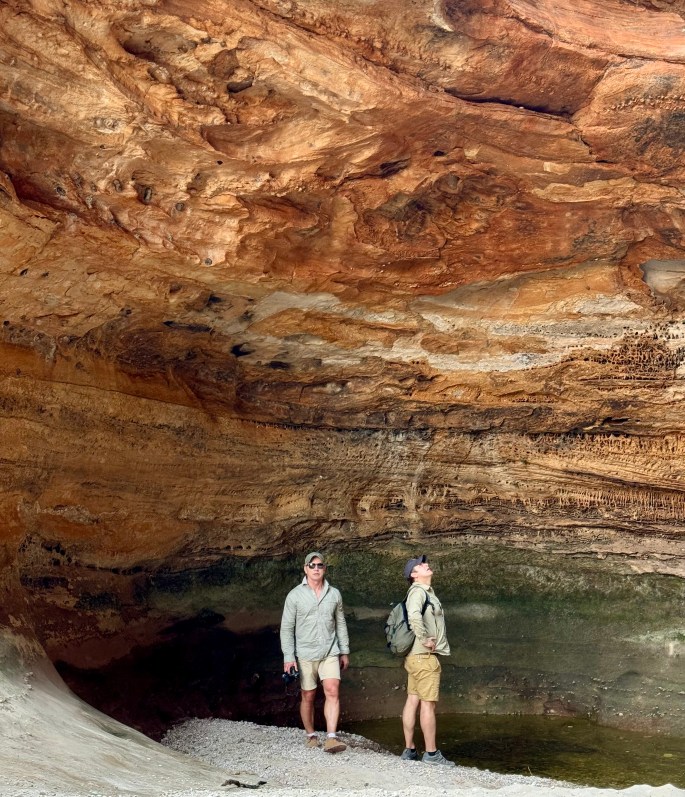
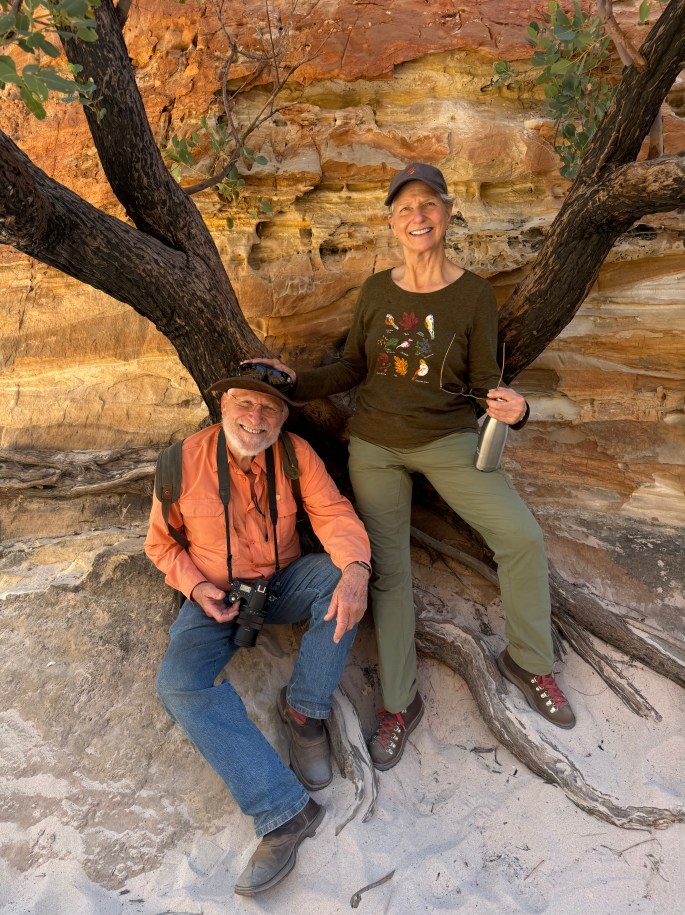
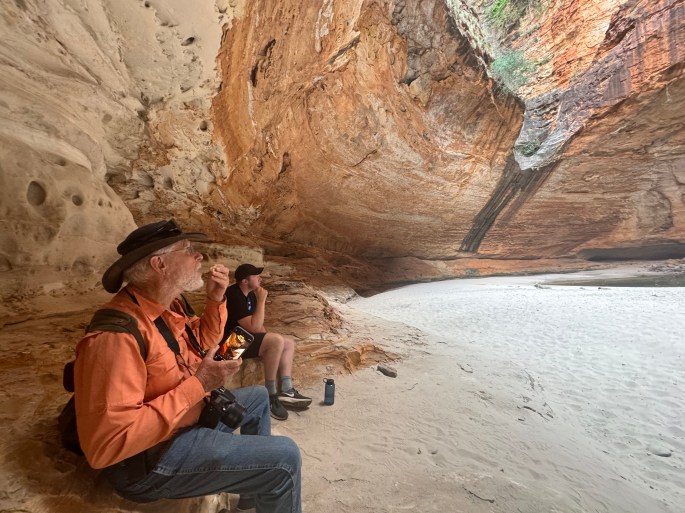
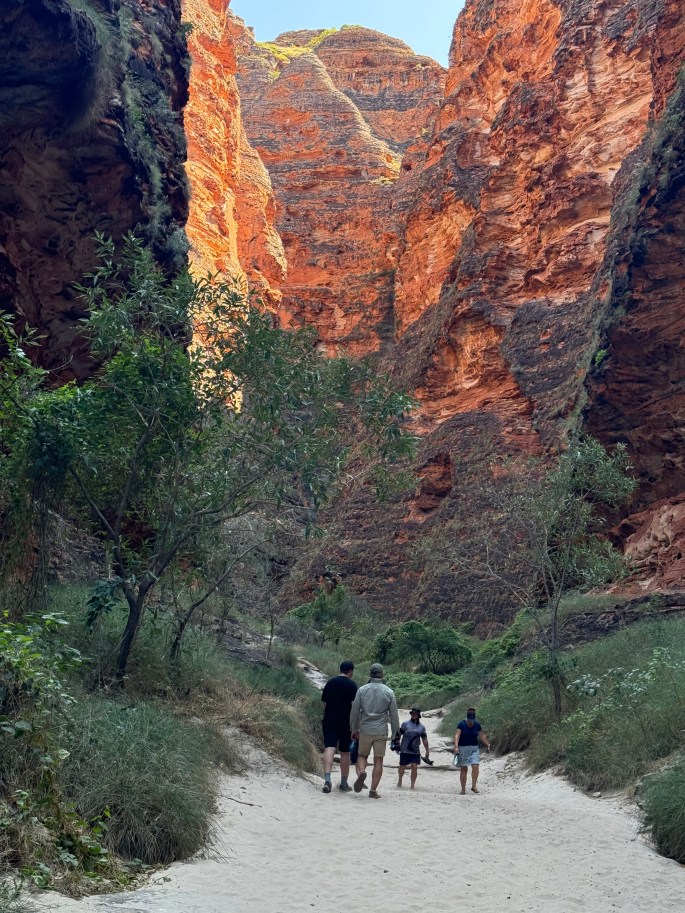
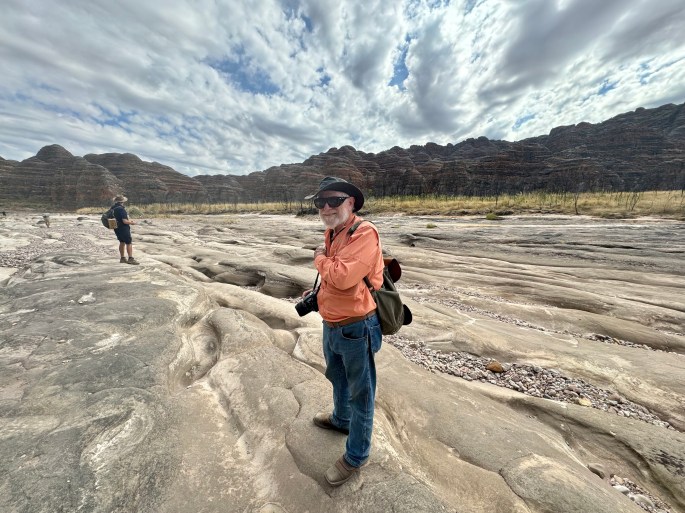
A long flight requiring a refueling stop took us out of the cool, dry outback desert to a more temperate region – Purnululu National Park, home of the distinctive beehive-shaped hills of the Bungle Bungle Range. Hiking was the order of the day.
Here we stayed in a pleasant but basic bungalow on a dry river bank.
Bullo River Station
Bullo River is a privately-owned cattle station with a lovely homestead, including very nice accommodations. This was maybe our favorite destination. There is bird life, both domesticated….
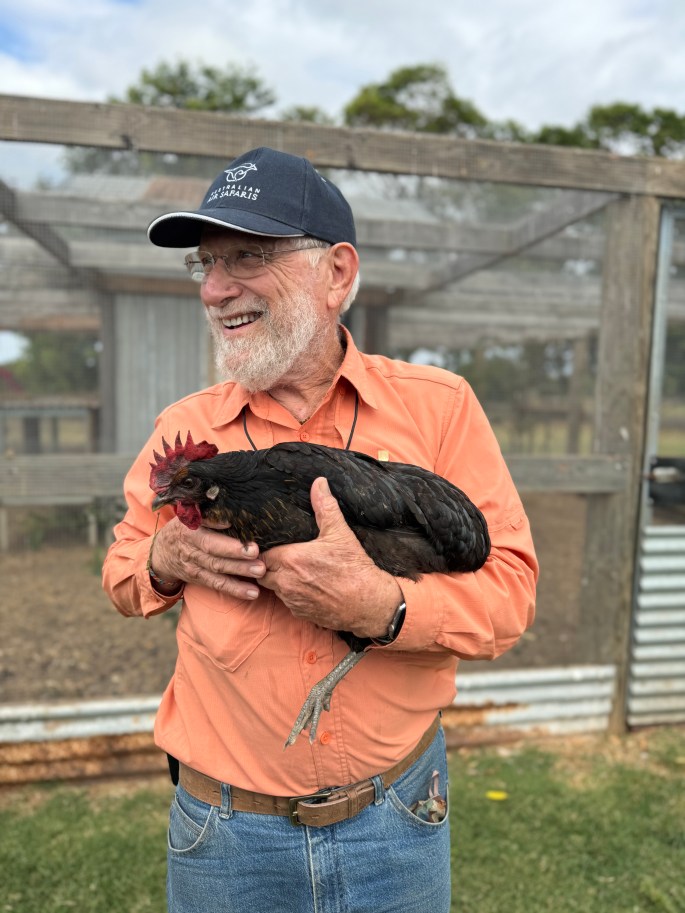
Hens work hard to supply breakfast for staff and guests.
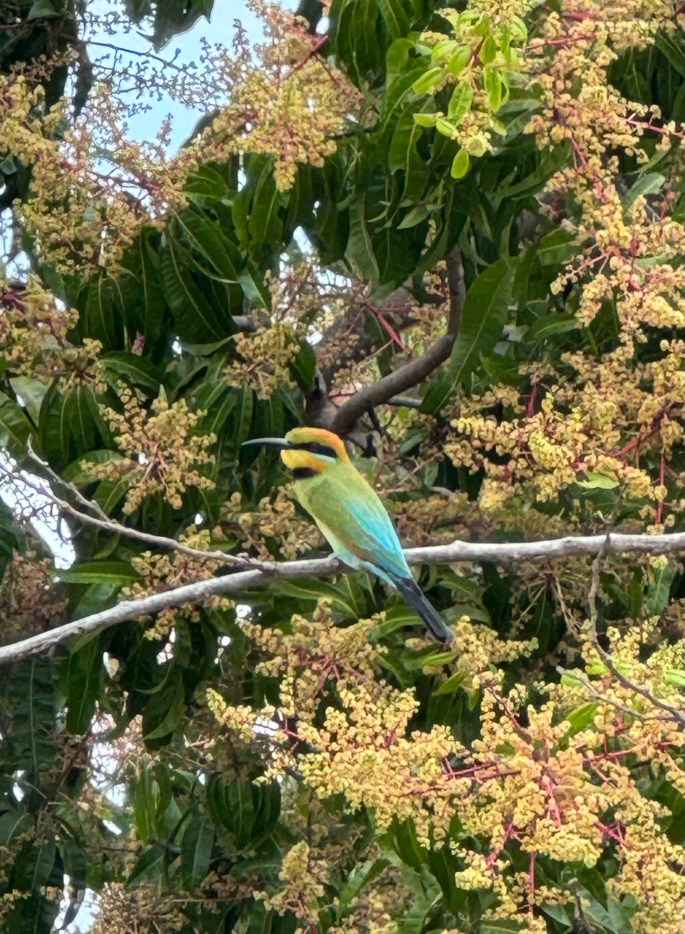
and wild…..
A gorgeous bee-eater
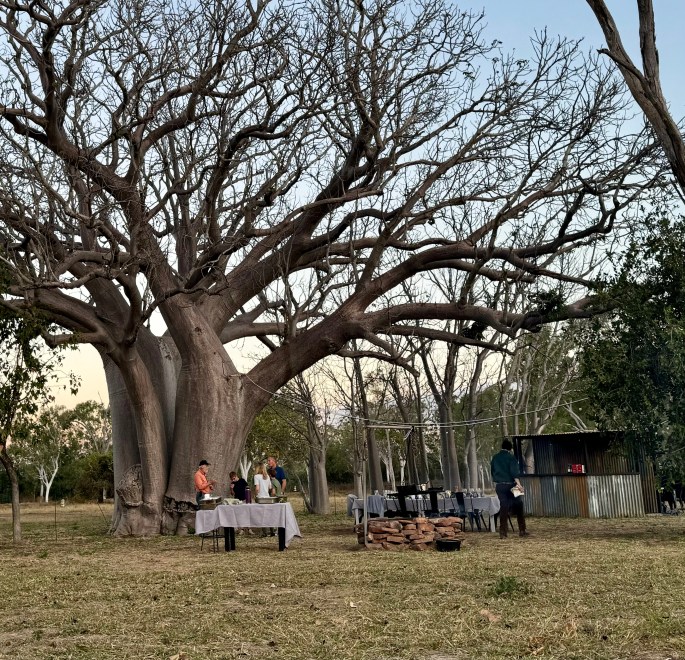
Also, open-air cook-outs amid the baobab trees. (Baobabs are common in Australia; they are otherwise only found in Africa. Ty and Tertius felt right at home.)
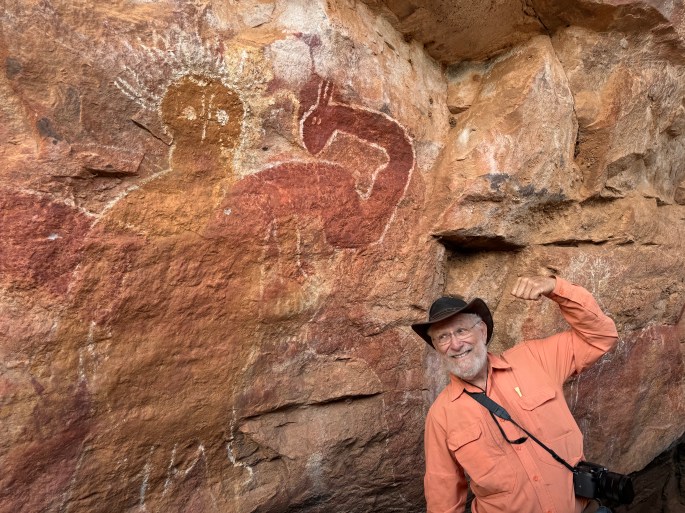
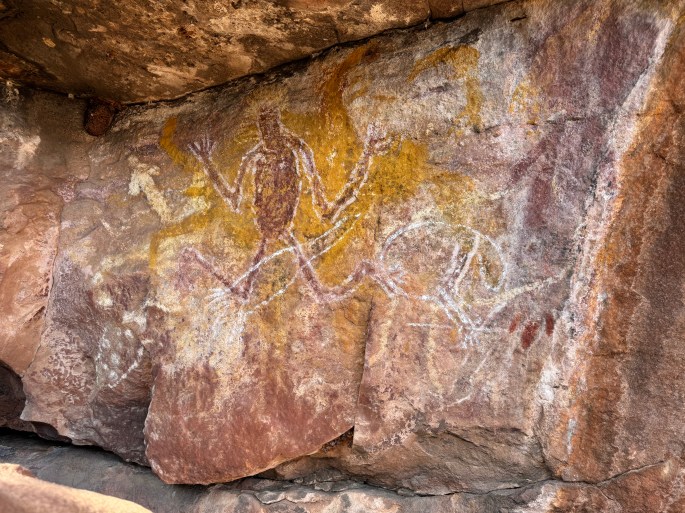
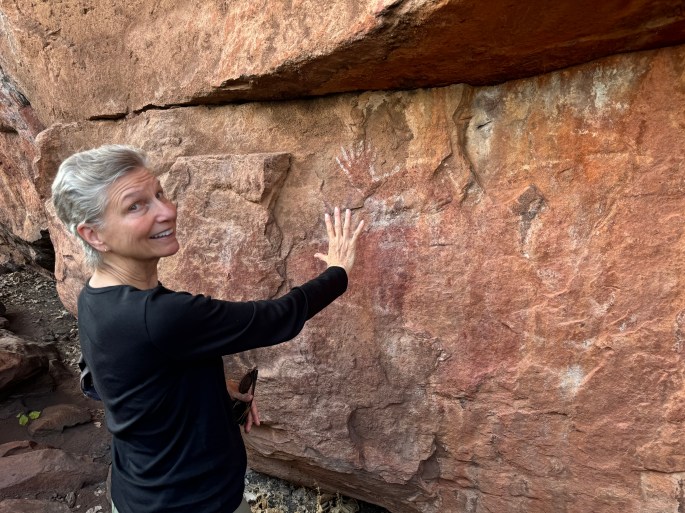
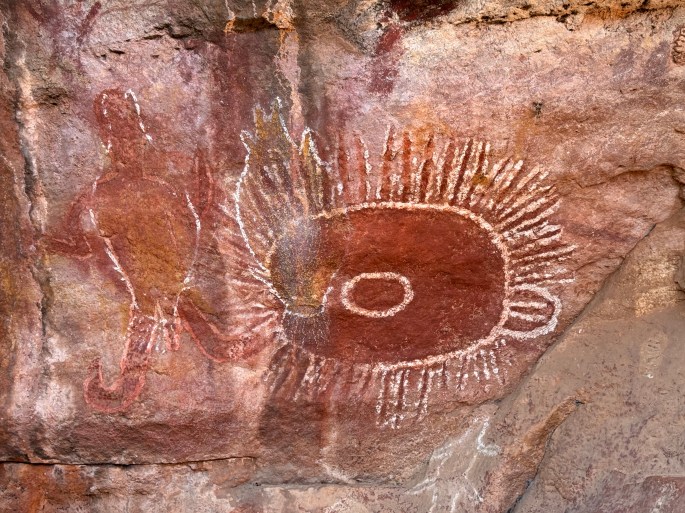
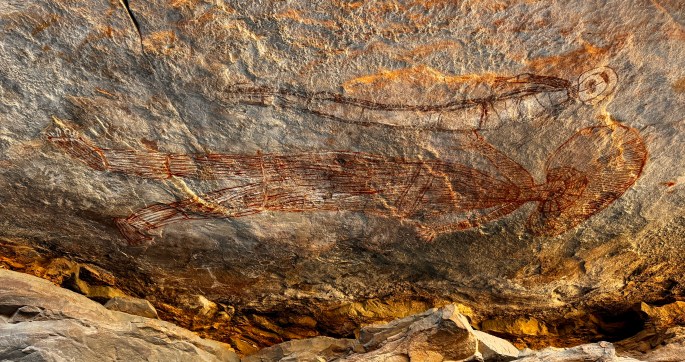
Aboriginal rock art – several thousand years old or more!
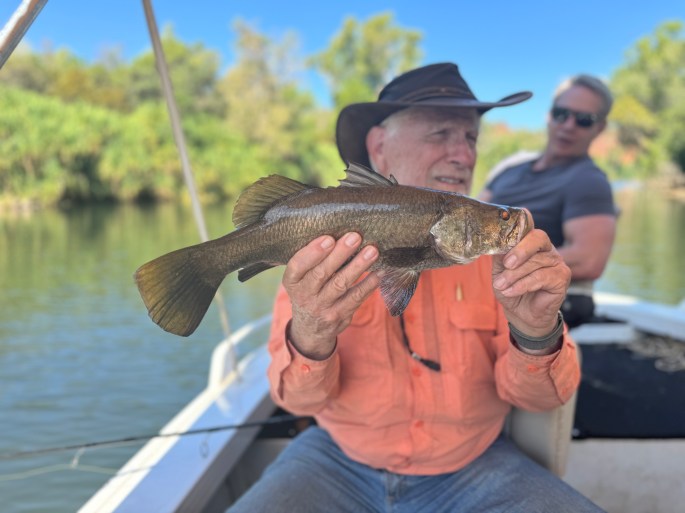
Henry was lucky (or skilled?) to catch a barramundi fish in the river (which he then released….)
Luck almost ran out for a young white-bellied sea-eagle that snatched up the fishing lure and became entangled in the line. The sea-eagle is one of the largest raptors in Australia, reaching a wingspan of more than 6 feet when mature. The video below tells the story of this guy’s release, thanks to our intrepid friends Tertius and Ty. (This is a fairly long but exciting clip.)
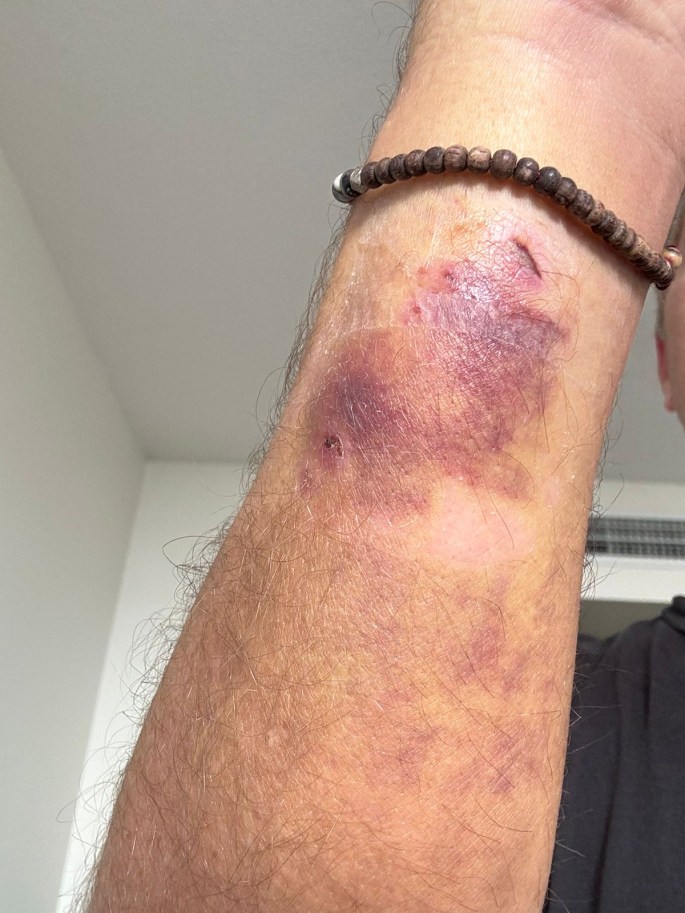
Both Ty and Tertius were gouged by the freaked-out bird. Since we were in a station far from any medical facility, the lodge manager contacted the Royal Flying Doctor Service for a satellite consultation. The rescuers have since had tetanus shots and antibiotics…. Here is Tertius’ wound several days later.
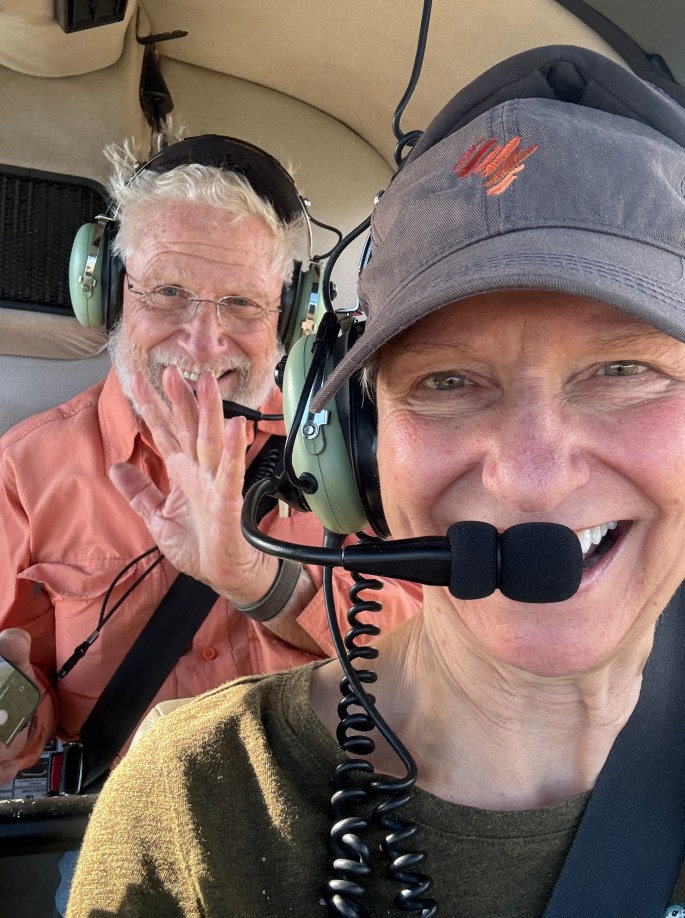
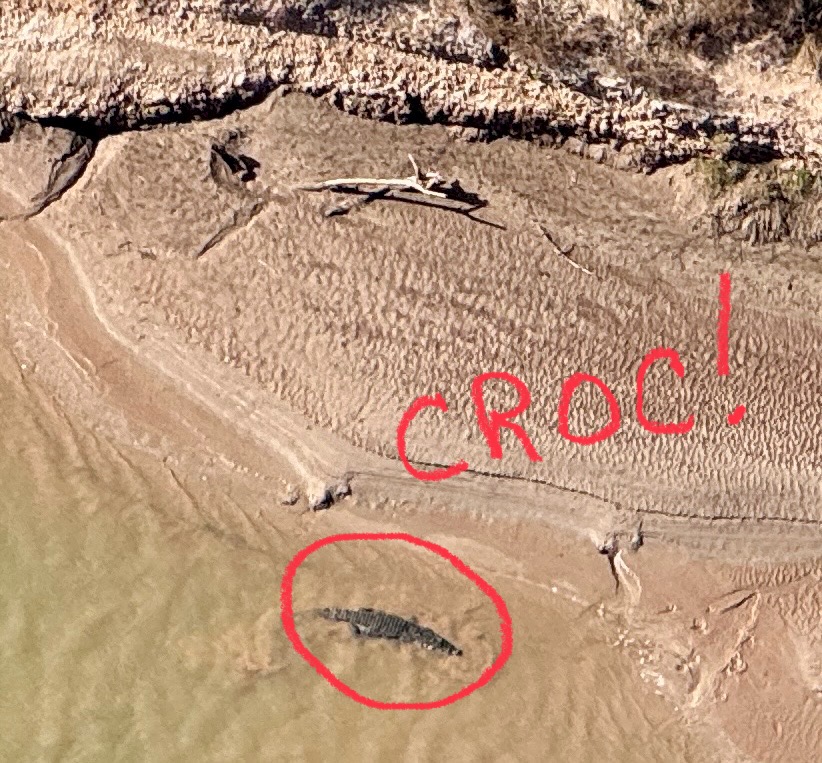
Perhaps anticlimactic was a nice helicopter ride around the station, with a glimpse or two of crocodiles…… who, as Henry pointed out, might well have interfered in a really bad way with the eagle rescue attempt!
A couple of you – Iain, Galen and Russell, thanks for your comments! – note that this trip has been heavily rock-oriented….. and wonder how much excess weight in rocks we will have upon our return to the US! We still have a ways to go, but Henry has shown remarkable restraint (probably because his passion is agates, which have been mainly absent from our wanderings to date). Will report later!
Darwin
Unbelievably, our arrival in Darwin at the Top End of Australia brings to a close our flying safari. We bid farewell to Tom, who started as pilot but became our trusted companion/nursemaid and friend. We hope to see him again, either here or when he comes to visit the US.
Tertius and Ty also moved on….. to a day or two at the Great Barrier Reef near Cairns on their own before heading back to Cape Town and home. Hard to say goodbye, but we will seem them again as well.
After a few days in Darwin we will continue to explore Australia.
(Lots of videos in this post. If you get the email version, please remember to click on the title of the posting above so that the videos will load for viewing.)
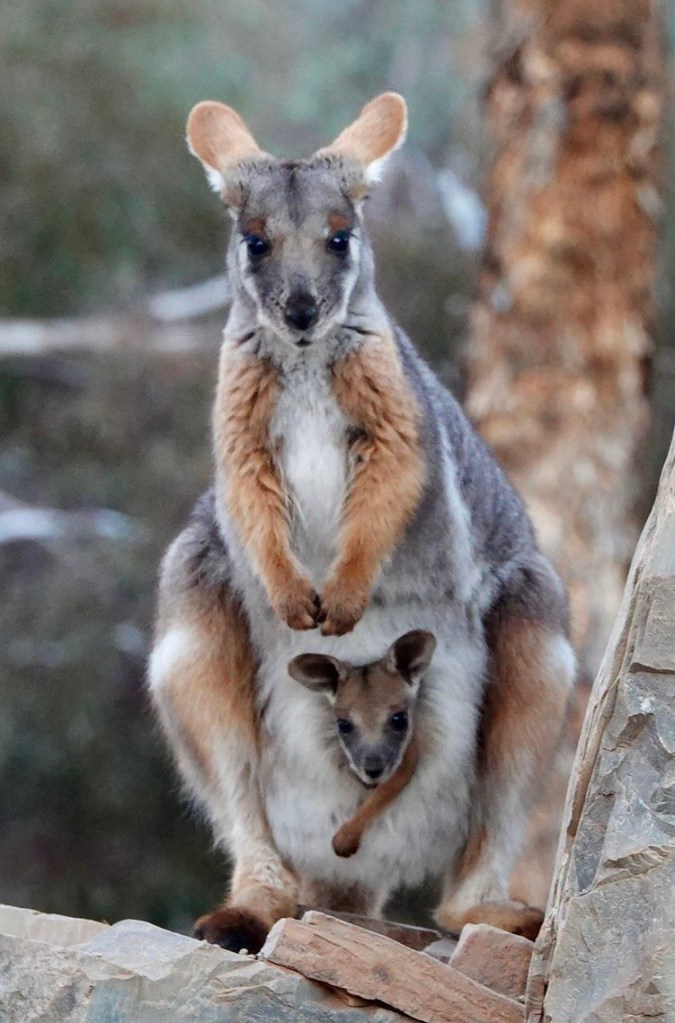
Here’s a wonderful photo Tertius took of a yellow-footed rock wallaby mom and baby at Arkaroola in the Flinders Ranges.
Great moment, great framing, great colors. Thanks, Tertius.
Darwin
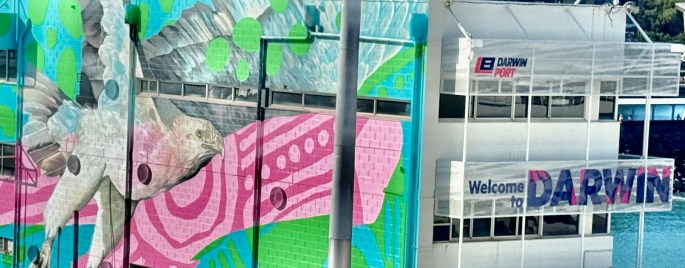
Henry and I spent a quiet few days in Darwin in an apartment overlooking the harbor. Just enough commercial traffic to be interesting, but not too much. Nice warm temperature with sea breezes.
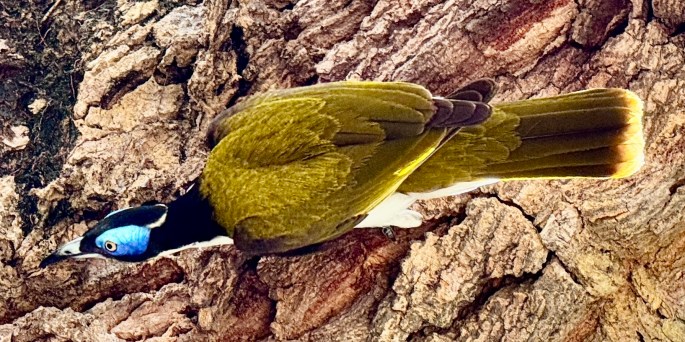
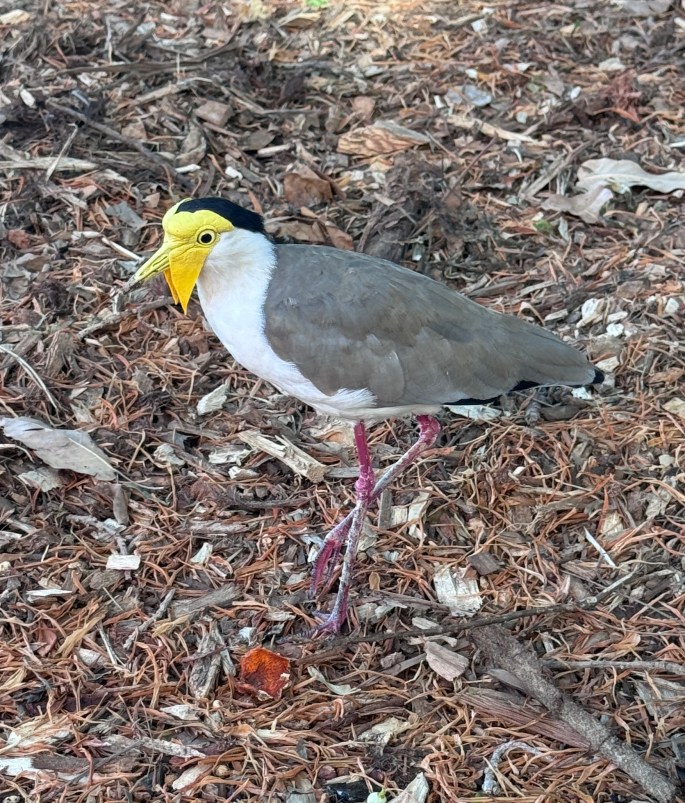
A few colorful birds in the town…..
A blue-faced honey-eaterMasked lapwing
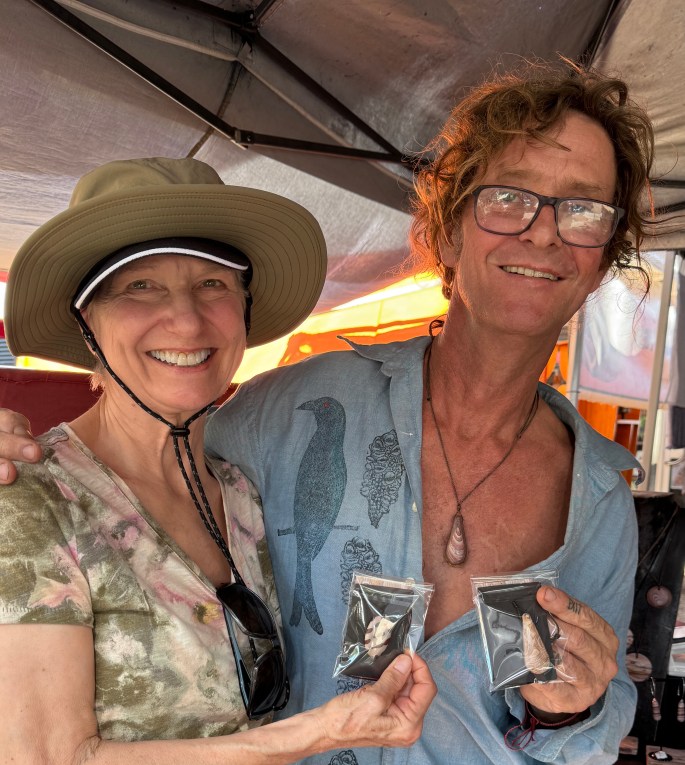
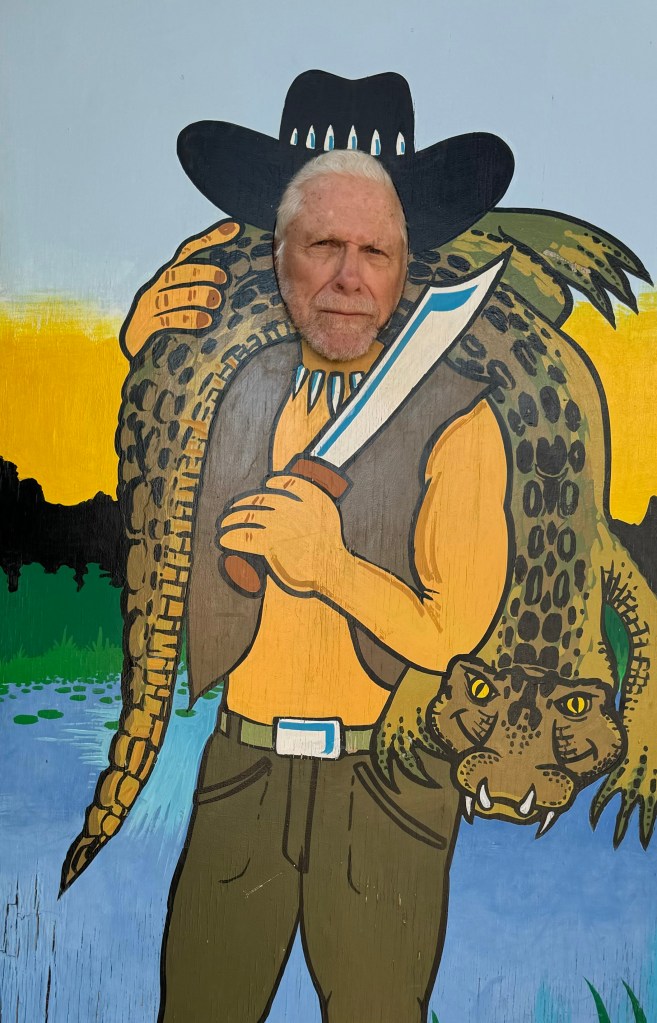
No visit complete without a trip to the local markets and a goofy photo op
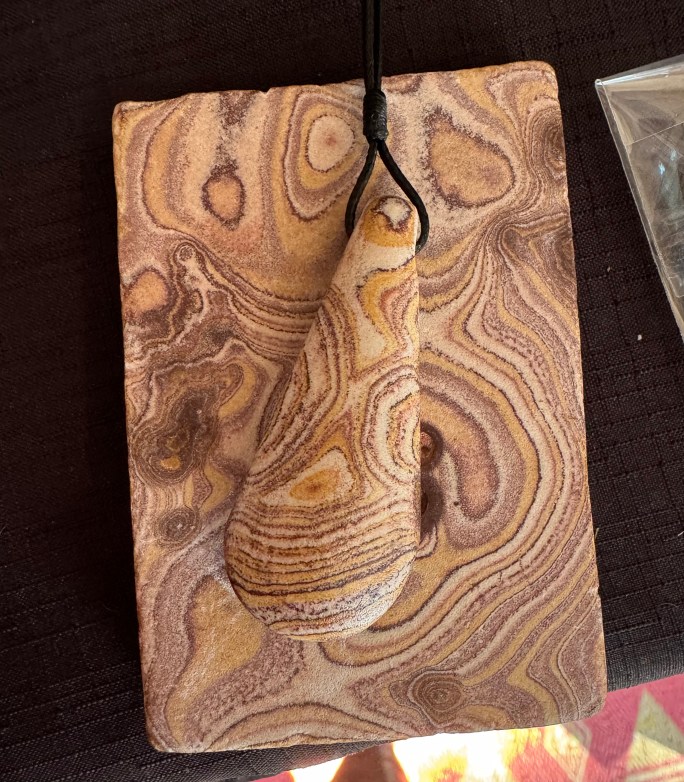
Jimmy’s an enthusiastic rock hound…. Making beautiful pendants out of sandstone rocks from the regionRockophile Dundee!
Bamurru Plains
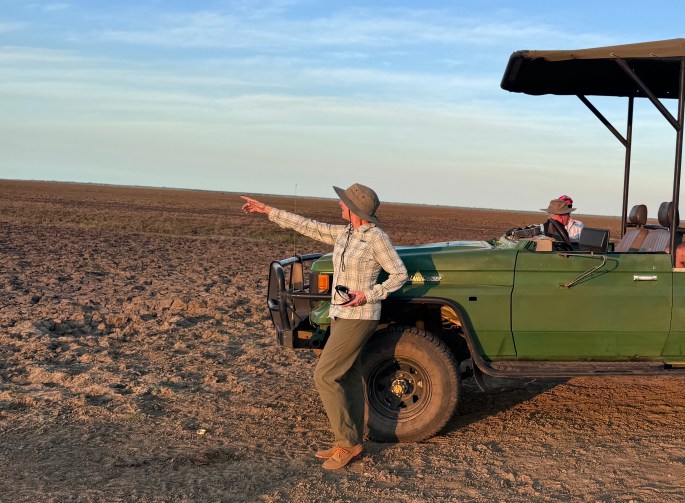
Bamurru Plains is a lodge located on a water buffalo station about 3 hours east of Darwin on the edge of Kakadu National Park. It’s intended to be very much like an African safari experience, with game drives on land and by airboat on the floodplains. The concept and location of the lodge are outstanding; the service was odd and inconsistent, but did not interfere with our enjoyment of the surroundings.
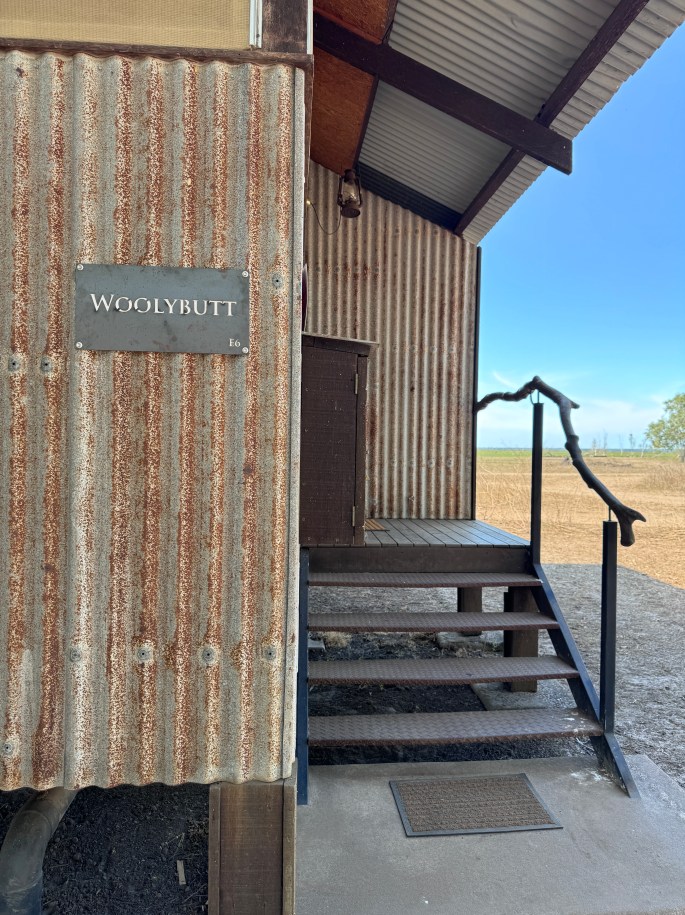
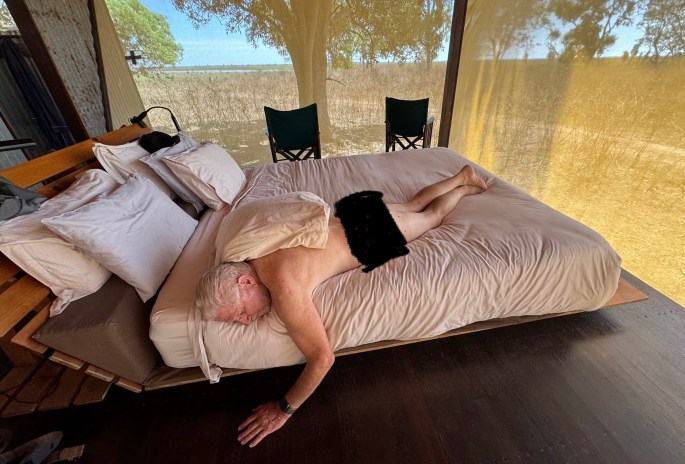
Accommodations are small tents with mesh walls so you can hear and see the surrounding wildlife.
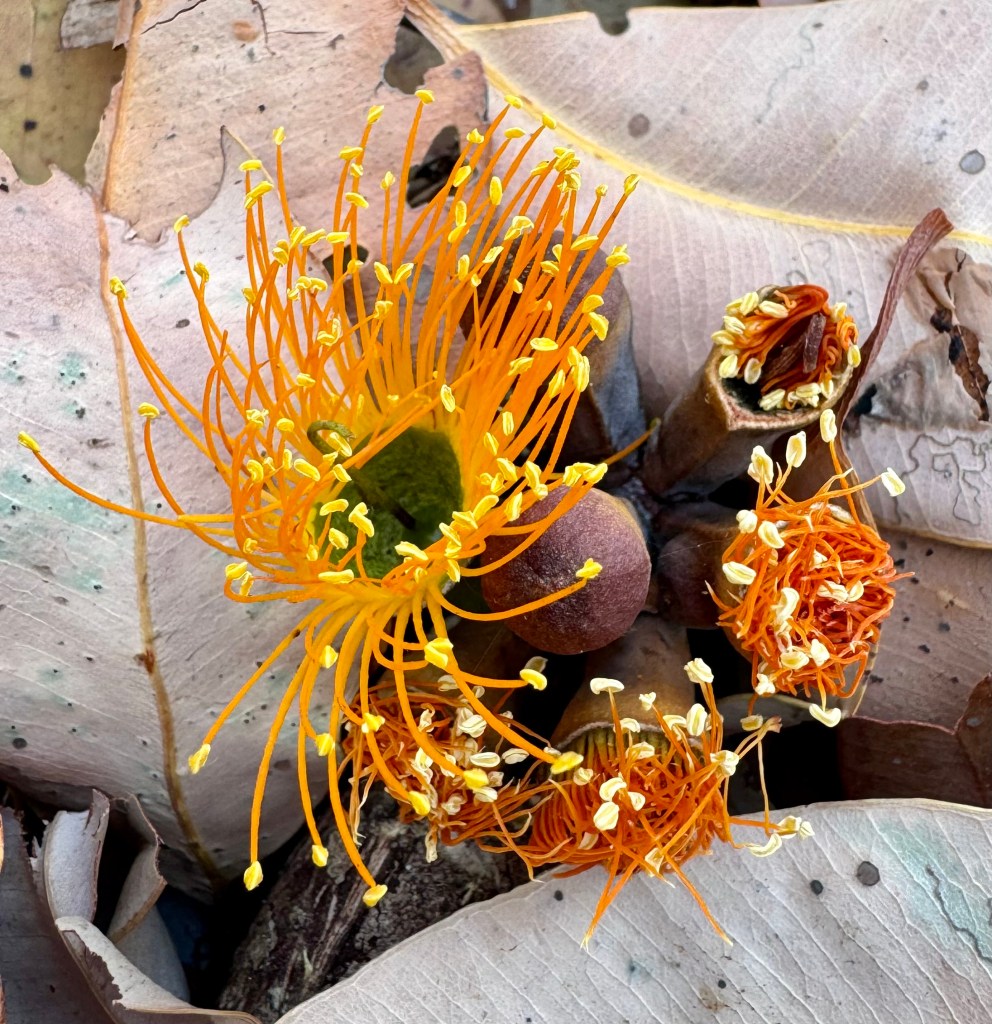
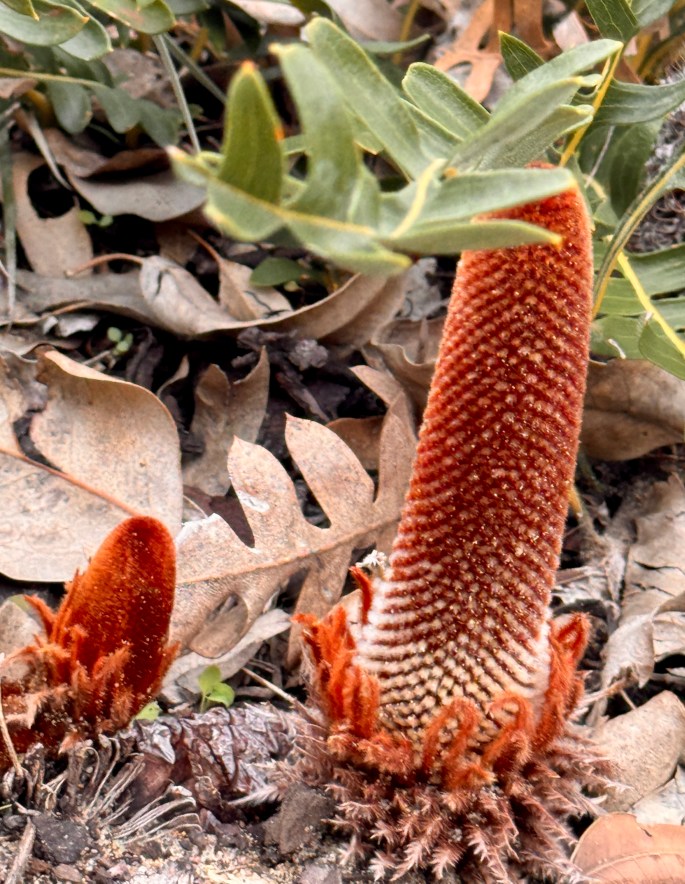
Woolybutt is not a descriptor of the occupant, but a brilliant orange flower that is common in the region……Or is it?
The best part of our stay was waking at sunrise to the first bird calls and the sound and sight of buffalo drifting by the tent.
Airboats conduct visitors through the marshes and floodplains, an environment very different from Australia’s dry center…..
Lots of birds and other wildlife…..
Magpie geese
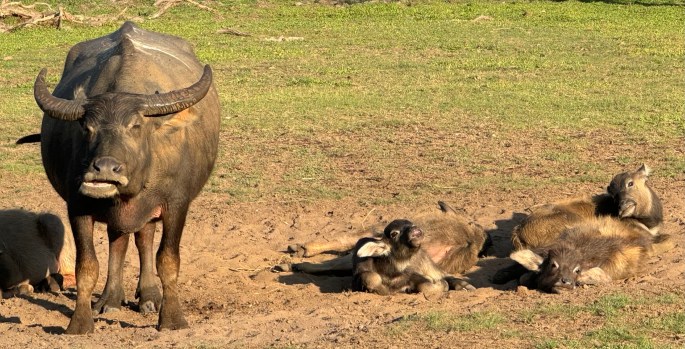
Water buffalo
A jabiru, or black-necked stork
And a special sighting of a lone dingo – or wild dog – galloping through the watery plain.
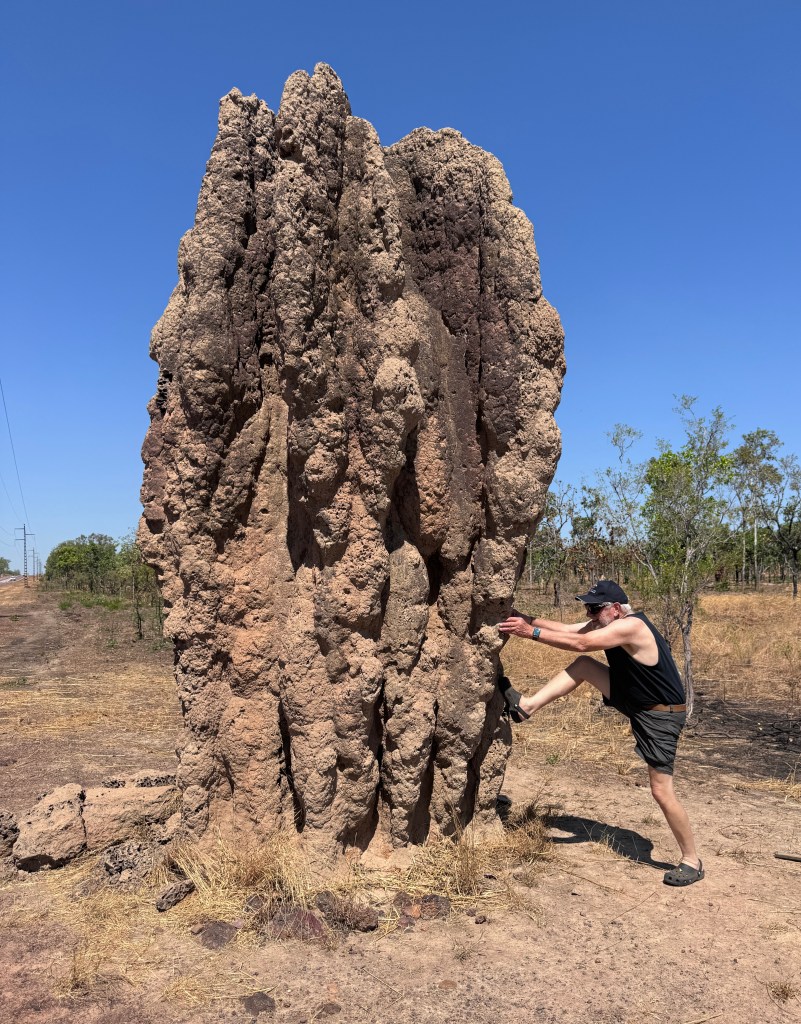
Land drives usually focus on plant life, although it’s hard to miss the termite mounds, that sometimes grow to tremendous size…..
Henry did not topple this one, although it has long been his dream to take apart a mound to admire the extraordinary architectural design…A granny buffalo protects a nest of calves while their moms graze elsewhere.
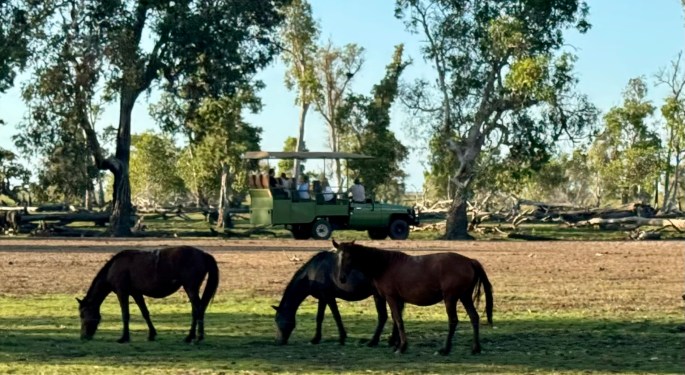
Brumbies are wild horses. They are not native to Australia; instead were brought by European settlers and later made an escape of their own.
Big kangaroos have not been in abundant evidence so far, but wallabies (their smaller relatives) are great fun to watch. This is a beautiful clip that Henry created.
A wallaby mob in slow motion with buffalos on the floodplain in the distance.
A wallaby face-off – starts with a handshake, becomes a three-way brawl, and ends with a friendly amble.
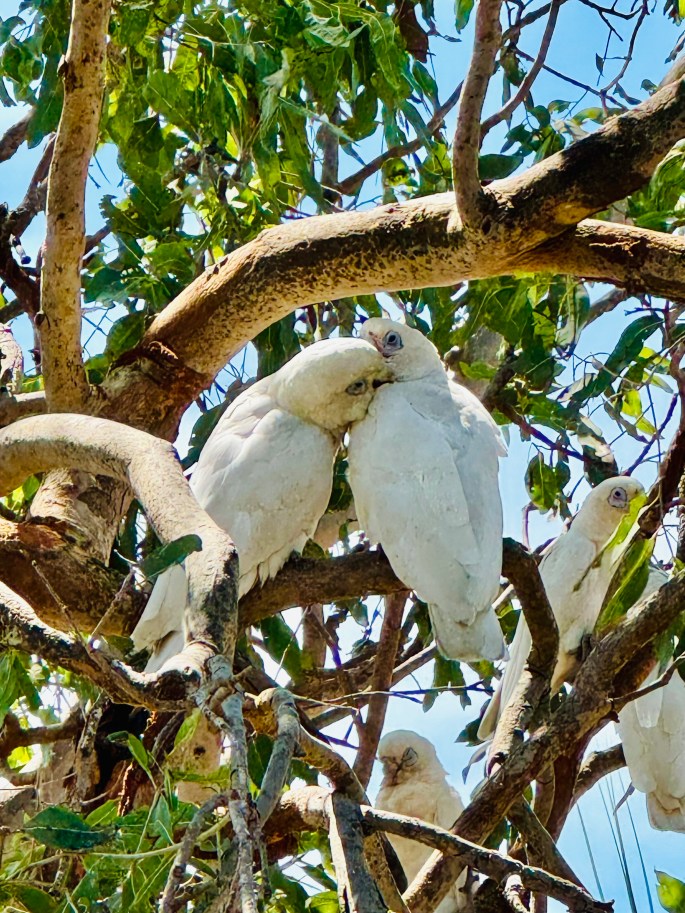
The lodge area is overrun at times by raucous corellas, a variety of cockatoo.
A couple in a quiet, intimate moment
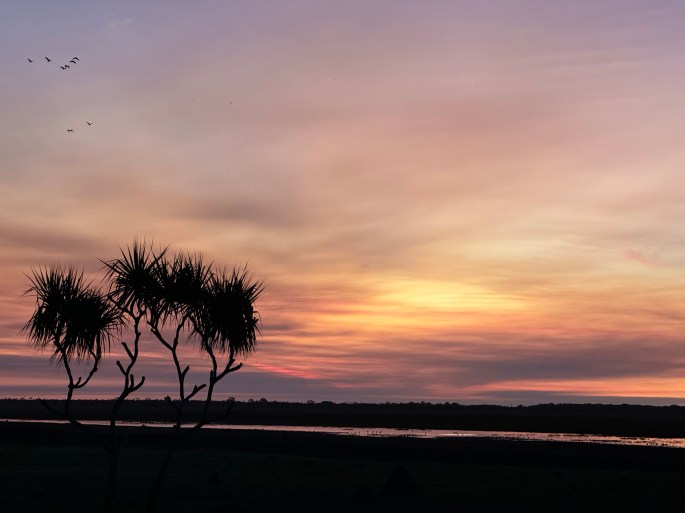
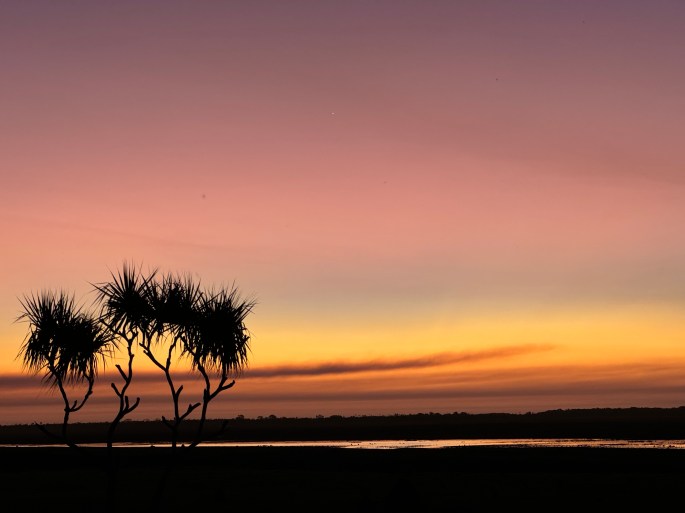
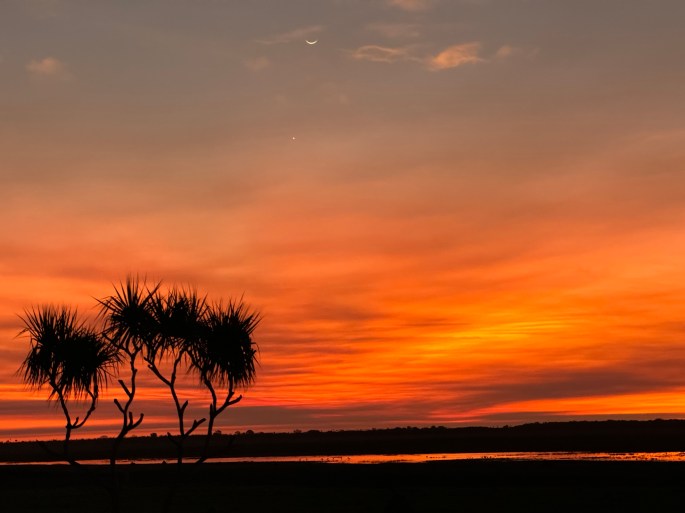
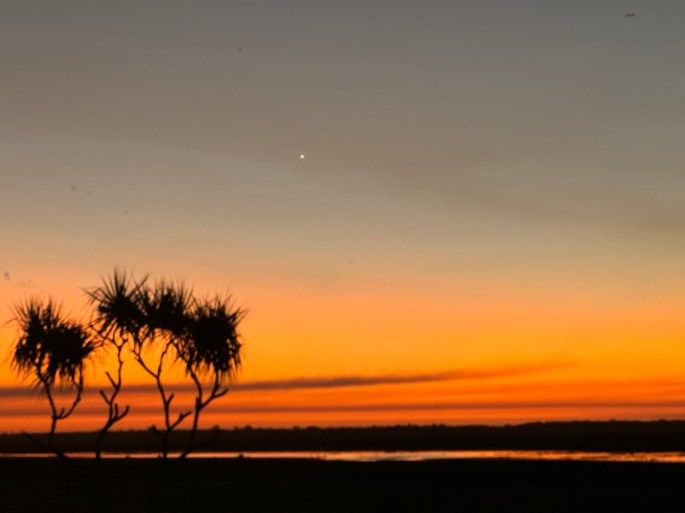
Will end this post with a series of sunset views over the floodplain…… which obviously became a compelling photo subject.
The Kimberley is an undeveloped and relatively undiscovered area that stretches along the northwest corner of Australia from Darwin. Smaller cruise ships call at points of interest on the coast; in our case, a Silverseas expedition ship with about 200 passengers that ventured across the Kimberly and all the way south to Fremantle (near Perth) over 17 days.
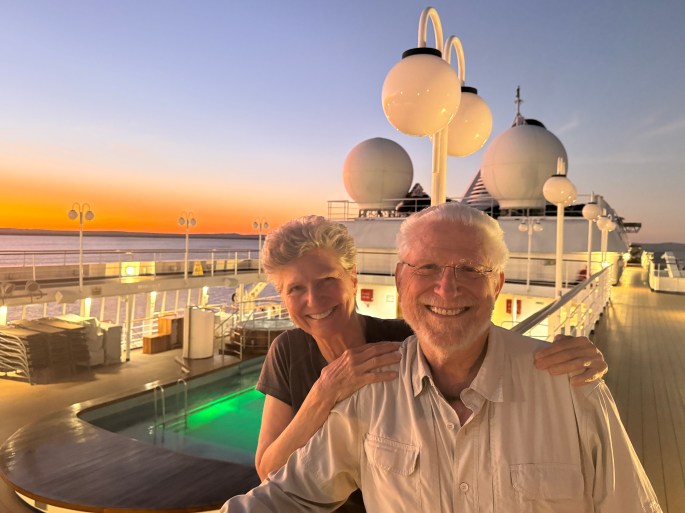
The ship had the usual comforts….
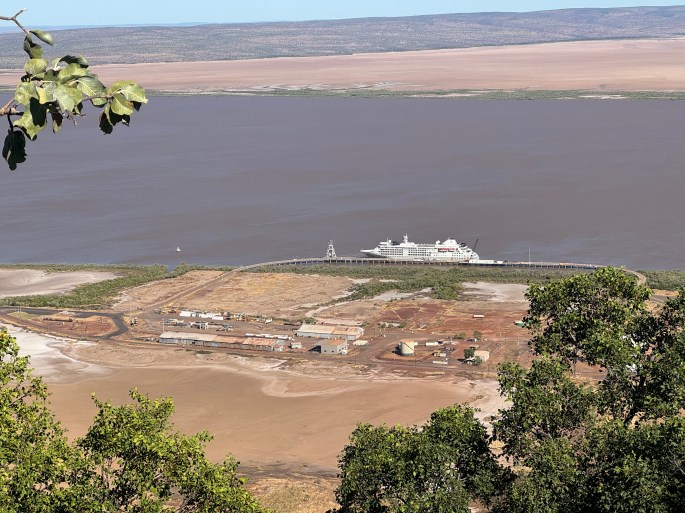
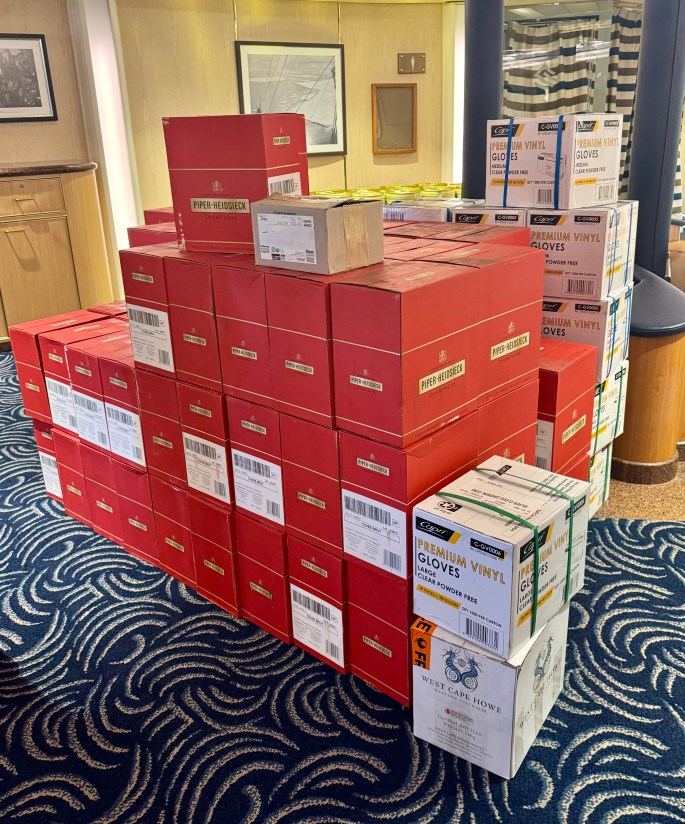
Unfortunately, a supply foul-up precipitated a major crisis….. no champagne in state rooms on embarkation! Luckily, they were able to catch up at our first stop, the only real “port of call” on the itinerary……
Glad to see they also laid in a large quantity of vinyl gloves – presumably for the kitchen staff and cleaning people….
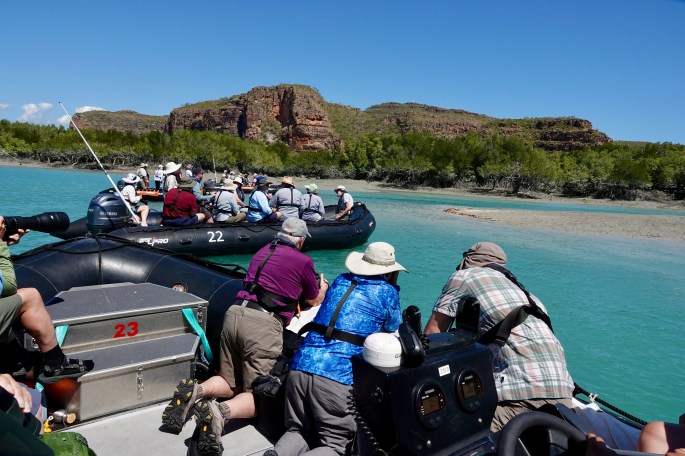
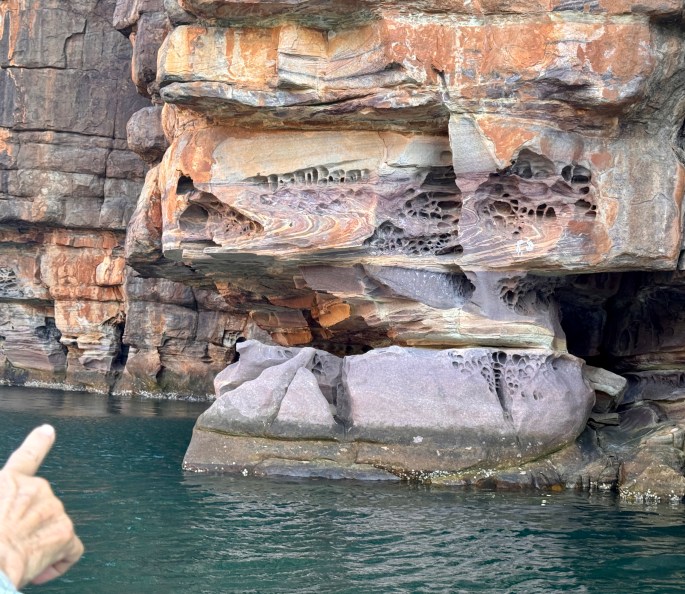
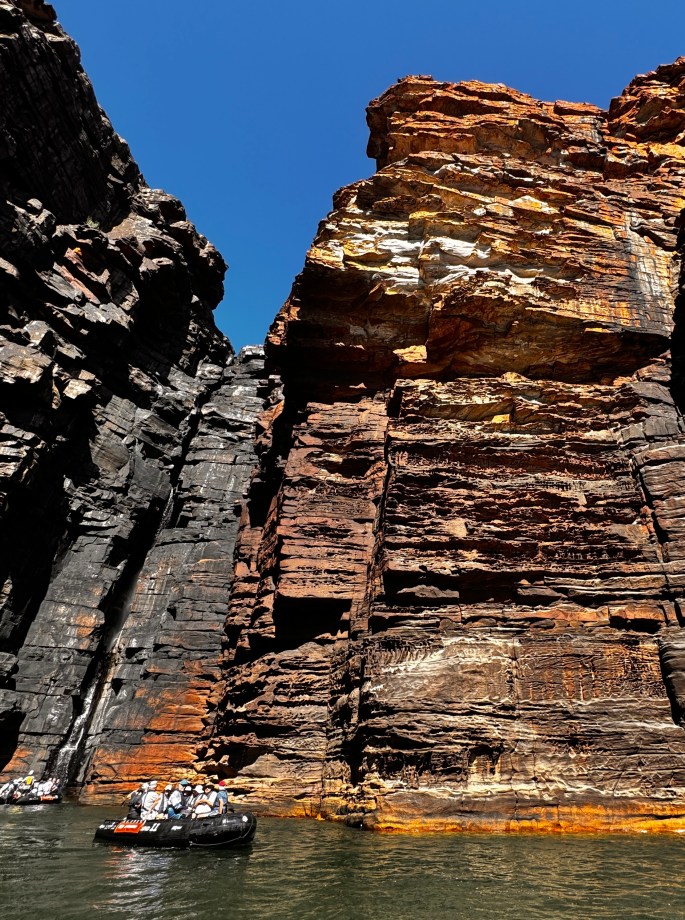
As noted, the area is extremely wild and unpopulated with no infrastructure to speak of. Aside from that first stop, all off-ship activity was conducted from Zodiacs, which are basically very stable motorized rubber rafts. Sometimes they landed the rafts on beaches for a walk or swim, but most adventuring consisted of cruises along the coast to see the magnificent geological formations or to look for wildlife.
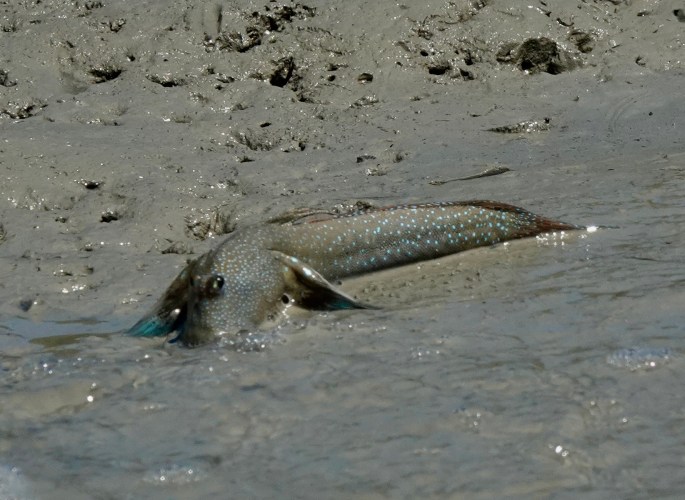
Some interesting wildlife viewings. Here are mud skippers…. Fish about 8 inches long that thrive on land!
Not great video quality, but you get the idea. They were great fun to watch!
Jillions of birds.
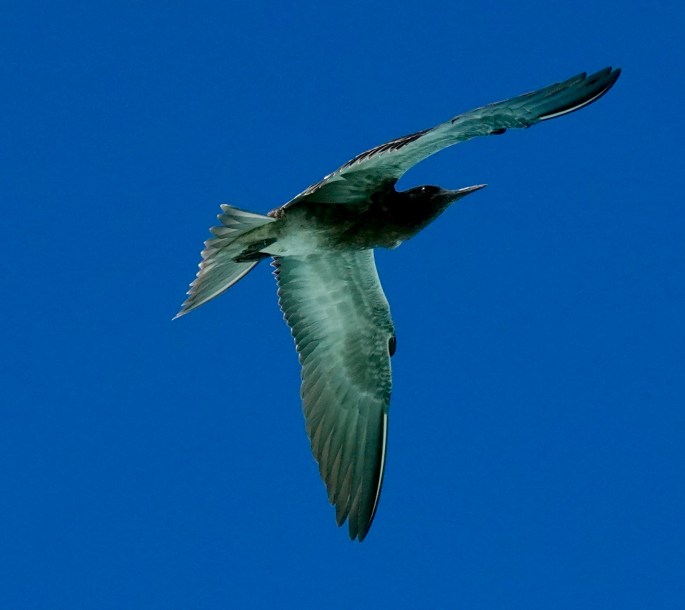
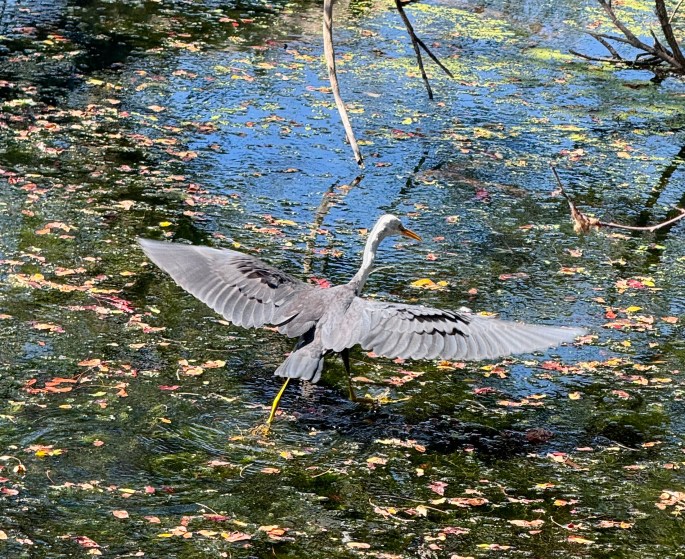
The green color on this sea bird’s underside is actually a reflection from the crystal-clear water in the bay.A really nice photo Henry took of a marsh bird walking on water.
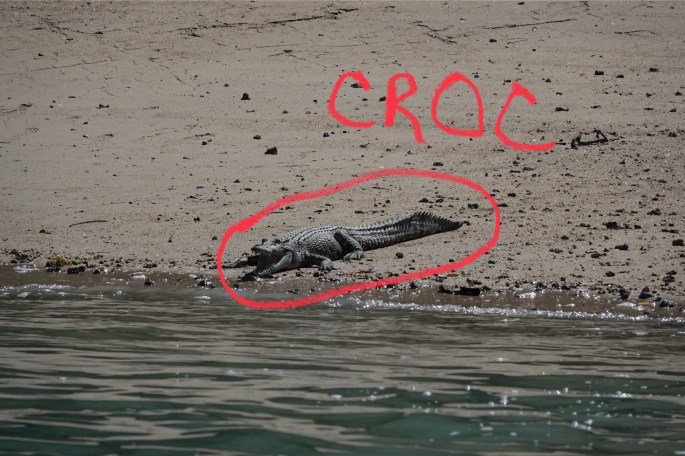
Saltwater crocodiles were high on everybody’s list of critters to look for..
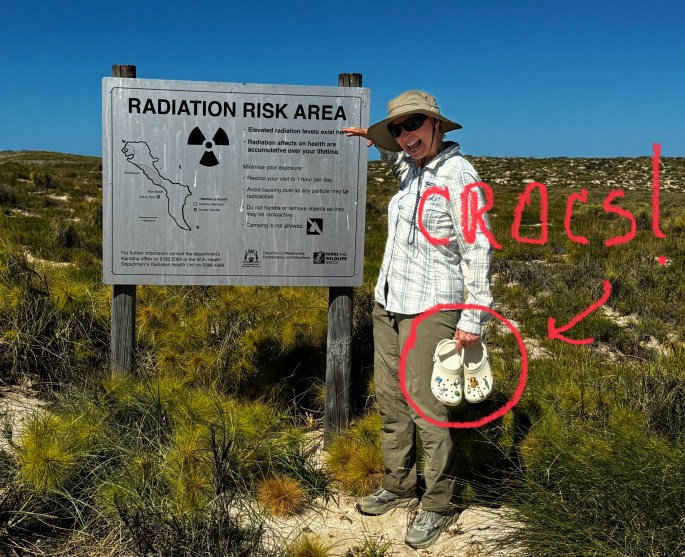
Baby croc lying on the beach.Best sighting was back at the ship!Sorry, couldn’t pass it up….
Ningaloo Reef is a vibrant healthy coral reef that has plenty of colorful marine life, wonderful for snorkeling. Perhaps it will become as popular as the Great Barrier Reef in eastern Australia, but we hope not. It is unspoiled and perfect as it is.
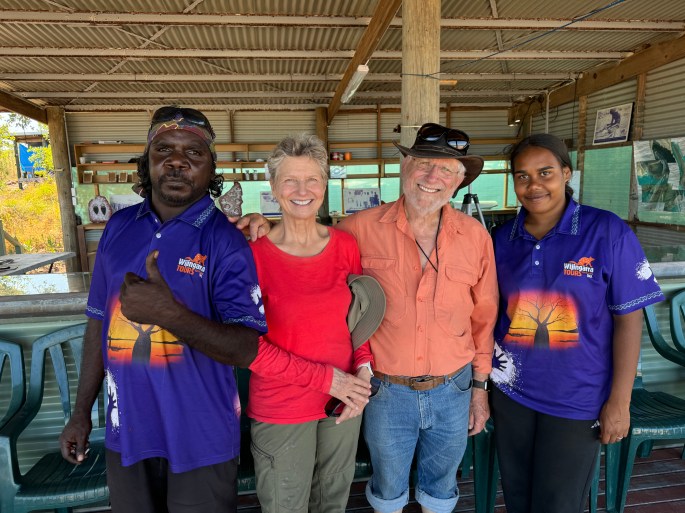
Finally! A chance to visit with aboriginal people who showed us some examples of the rock art that is a huge part of their spiritual heritage.
Gideon and Raelani were very happy to receive from Henry a little piece of our ancient history – some polished petrified wood specimens from West Texas.
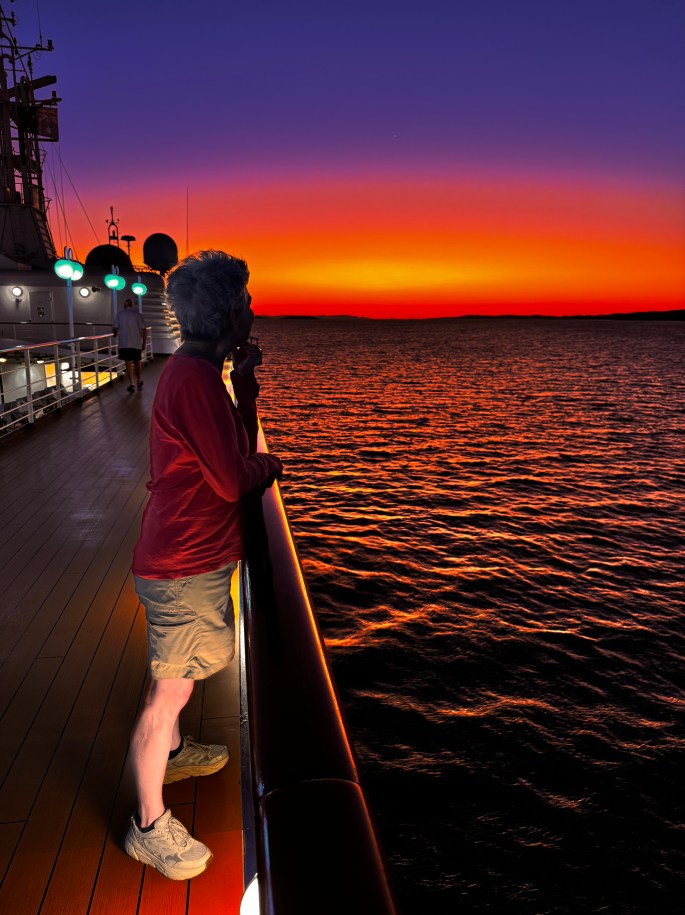
The most exciting wildlife encounters were around the ship! (Where we also had some phenomenal sunsets.)
One evening a pair of tawny nurse sharks visited, swimming slowly and gracefully alongside. These creatures are about 9 to 10 feet long, or over 3 meters. I never knew that sharks could be so appealing!
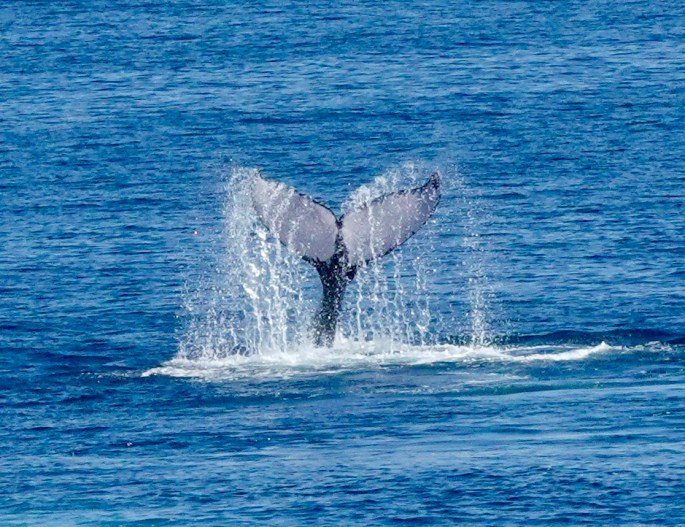
For two days, the ship was surrounded by humpback whales who were on their annual migration from Antarctica. It was awesome in the true sense of the word, as they approached within yards of the ship.
We have many minutes of whale video – just ask if you want me to send you more!
Frankly, we became rather weary of the limitations of the Zodiac cruise format, but the whale experience was worth it!
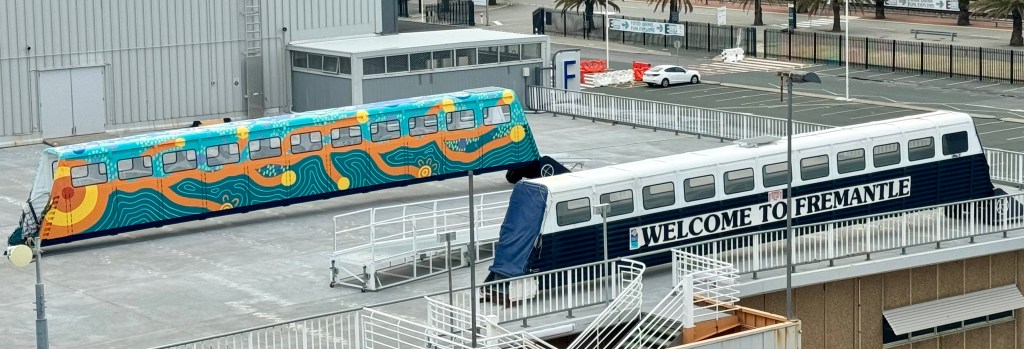
Silverseas cancelled several planned stops in the face of a large storm system approaching Fremantle, so we made for port for two days through relentless high swells and wind. Everyone was brought low by the heavy seas, and we were quite happy to reach our destination.
From here, we’ll spend a few days in southwestern Australia, before boarding the train for Sydney!
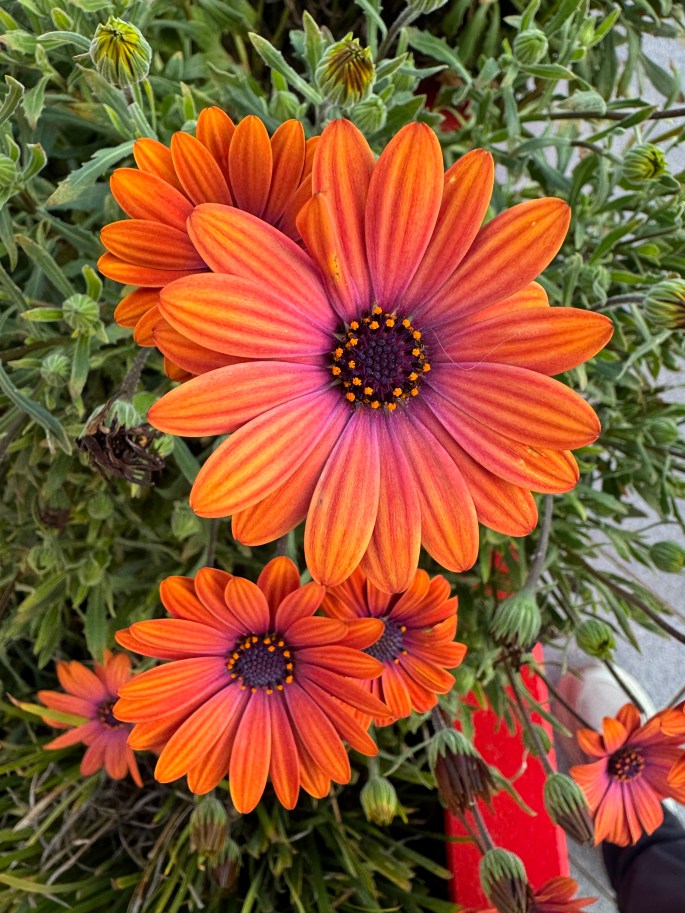
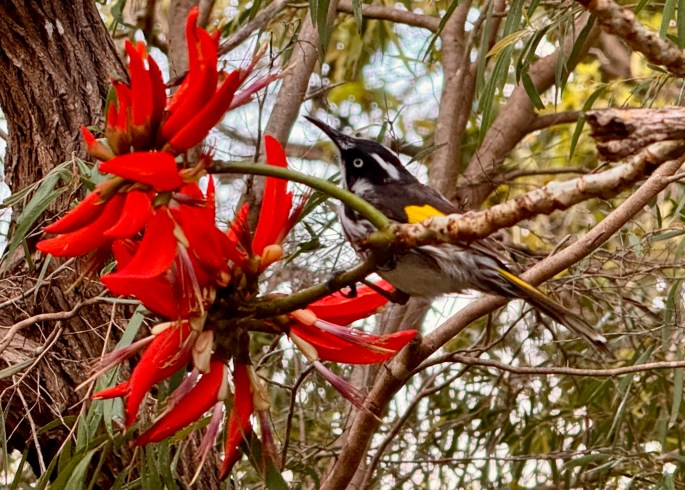
This post will include lots and lots of photos….. First, some flowers and birds along the way; don’t know all of the names, but pretty nonetheless.
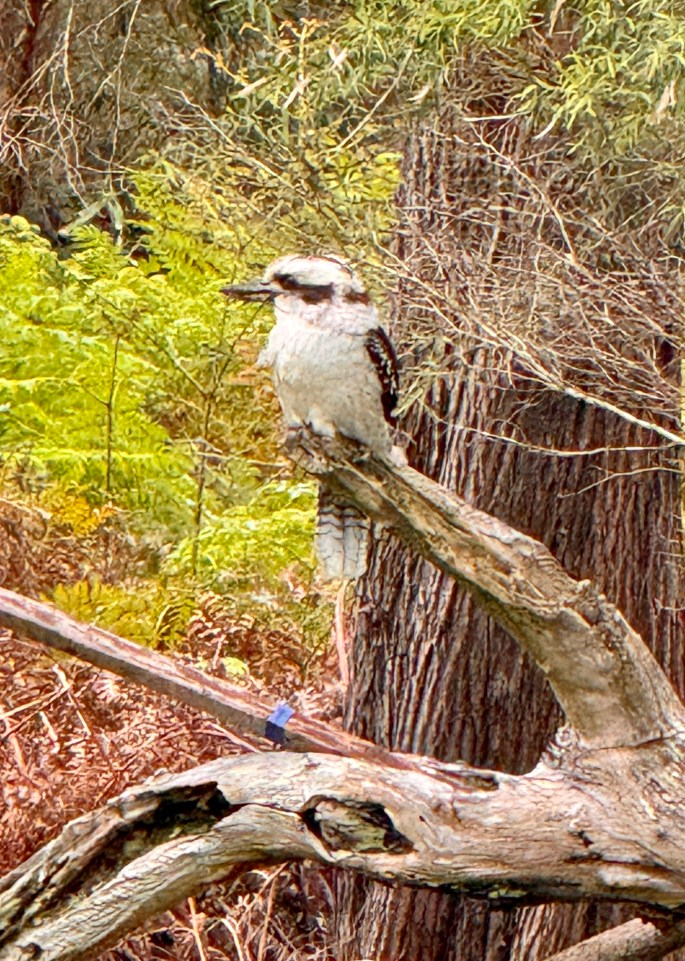
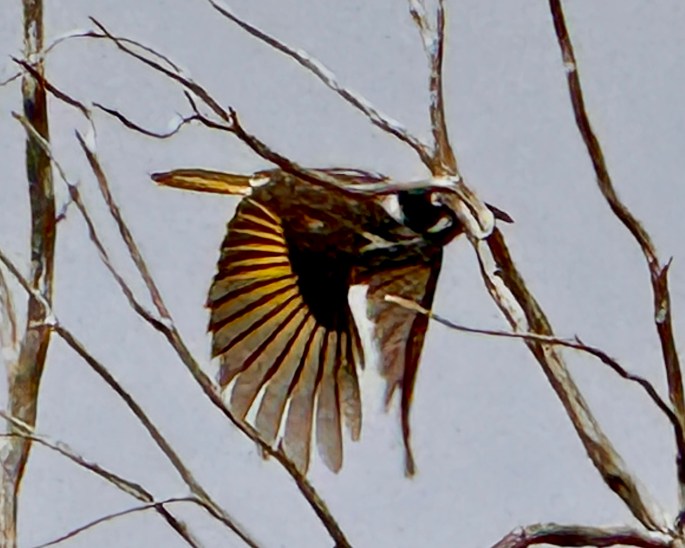
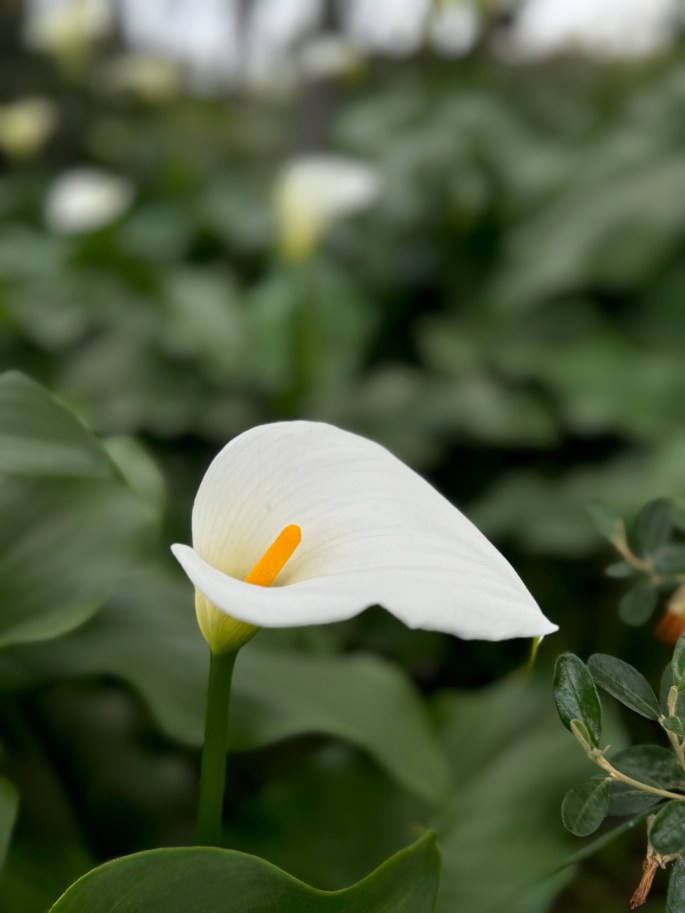
Kookaburra!Great moment caught by Henry of bird in flight……Honey-eaterThese lily look-alikes blanket the woodlands… very pretty but an invasive species that people are trying to eliminate.
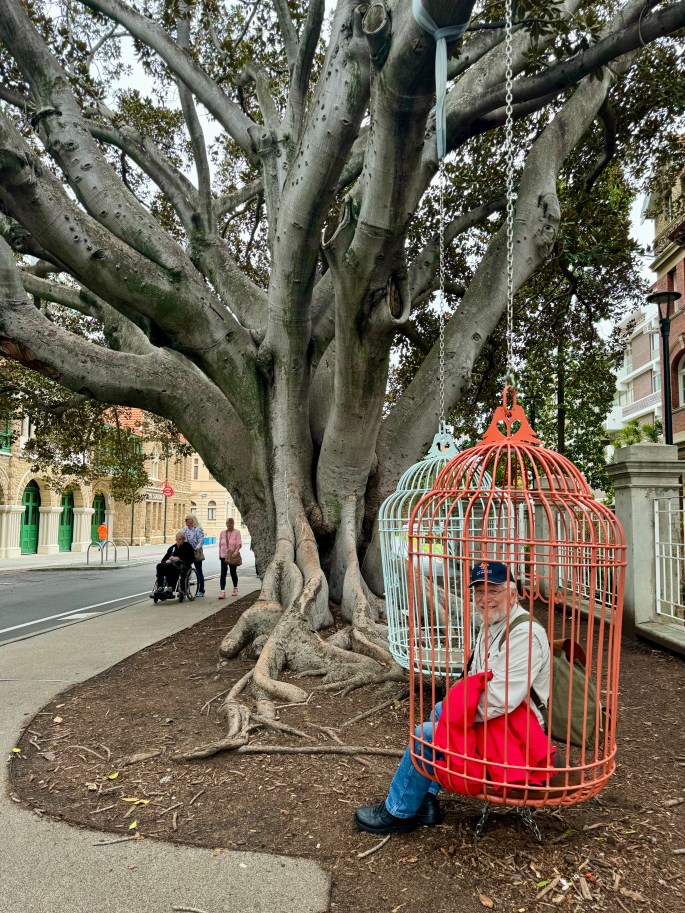
Here’s a caged bird of a different feather…… near a mighty fig tree in Perth.
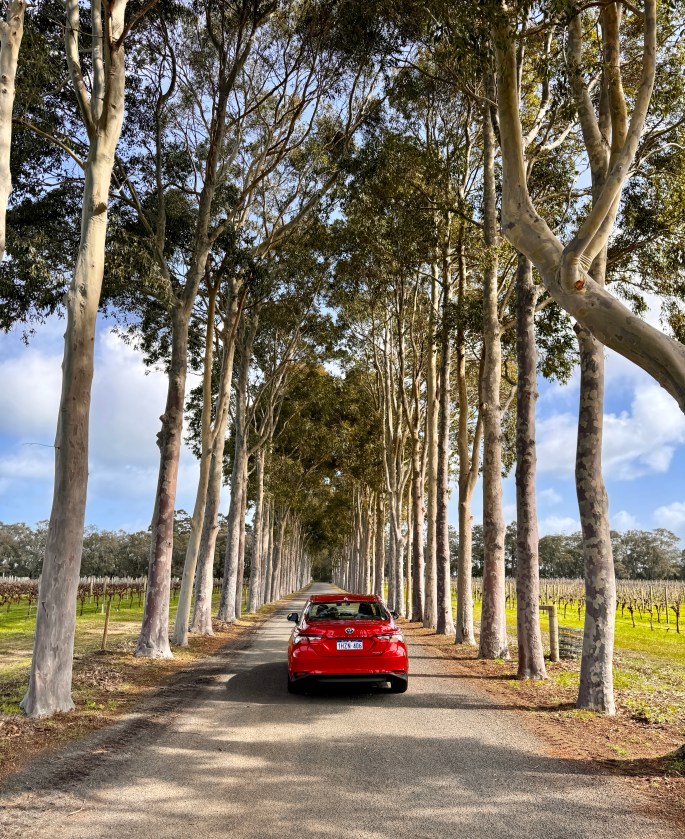
Southwestern Australia encompasses the area from Perth south through the wine lands of the Margaret River to the far point of Cape Leeuwin and across to Albany and the Stirling Ranges.
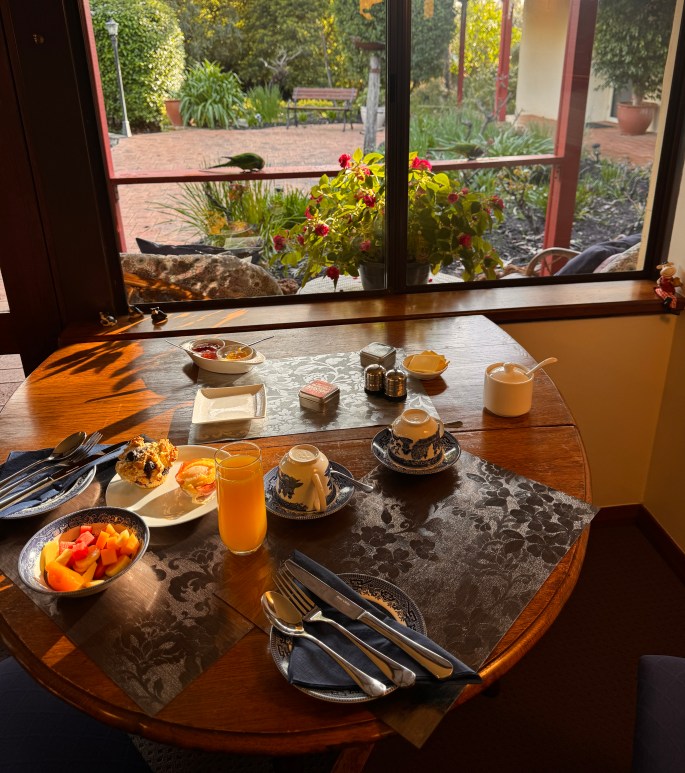
One more bird photo…. Australian ring neck parrots at a bed and breakfast…..
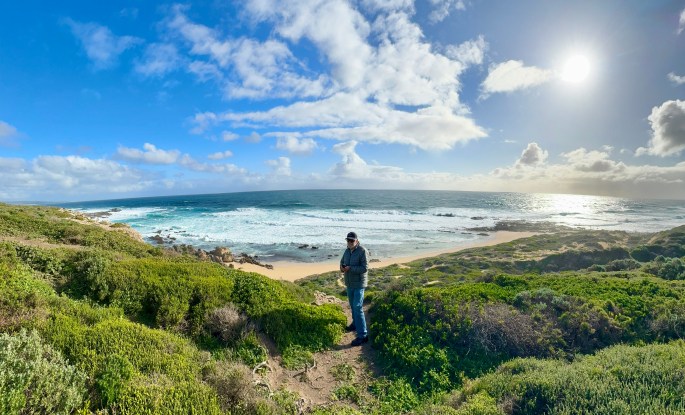
There are three places in this part of the world that provoke the same response from almost everybody when they are mentioned. That comment is, “Oh, it’s beautiful there!” The places are Tasmania, the South Island of New Zealand…. And the Margaret River area south of Perth.
It is beautiful there.
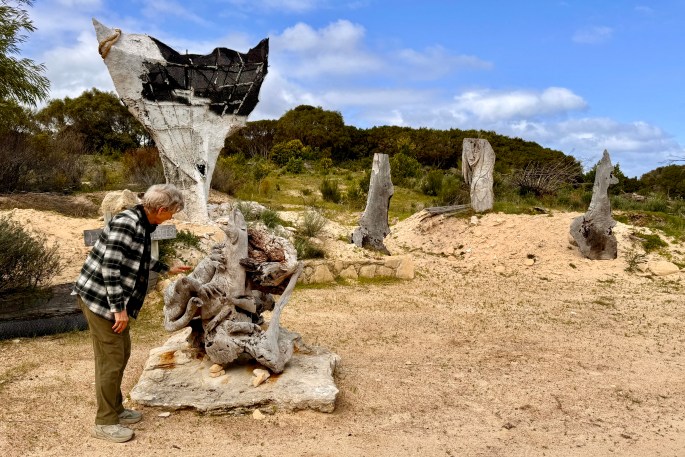
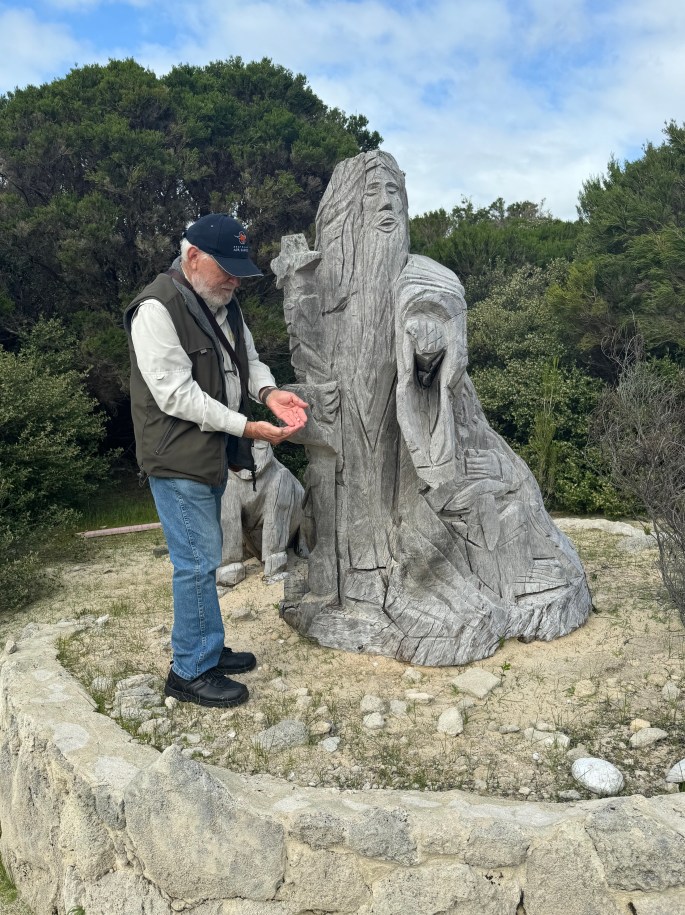
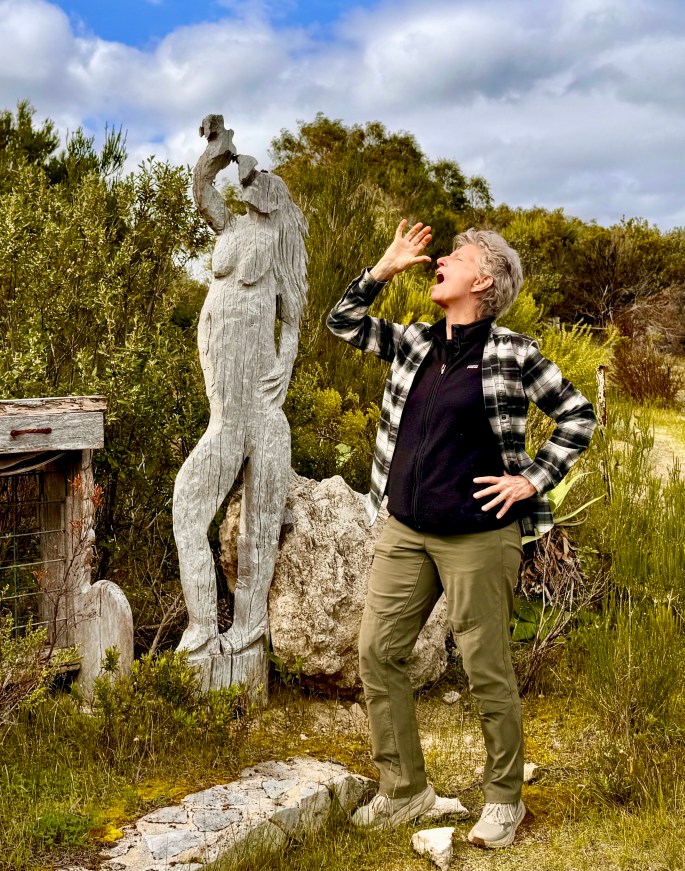
And at this time (winter), there aren’t too many other people. We didn’t see another soul – not even the proprietor – when we visited this wooden sculpture park situated on a bluff next to the ocean.
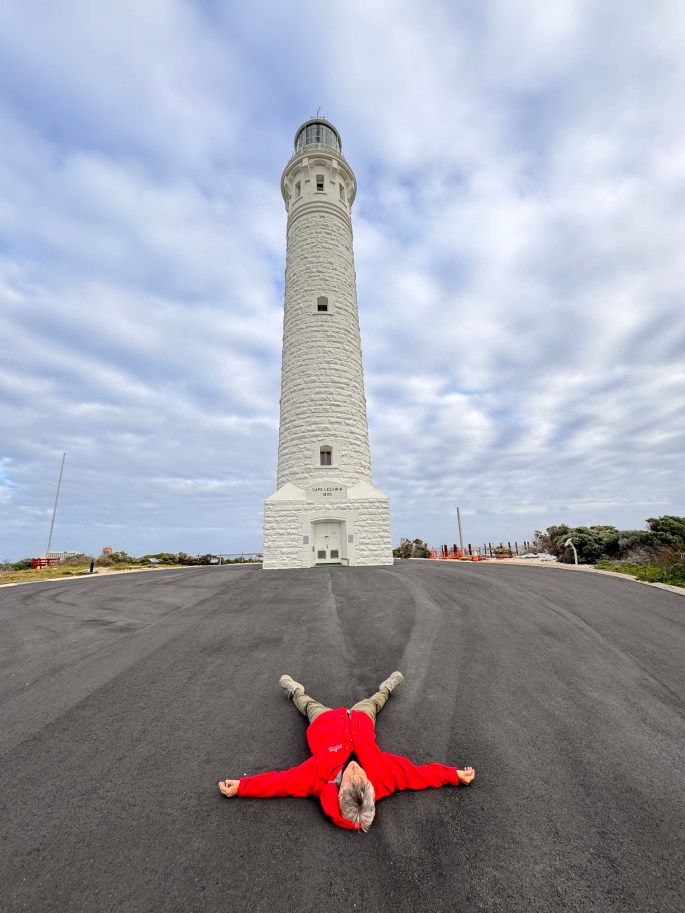
Cape Leeuwin is the farthest southwest point in Australia – from here, Africa is just across the ocean to the west and Antarctica is to the south.
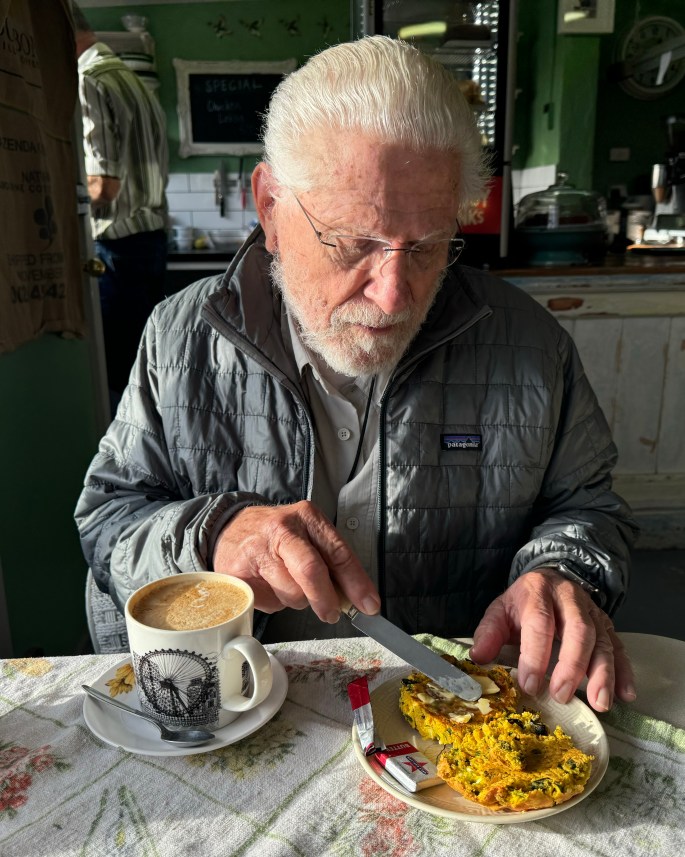
The nearby town of Augusta was the site of (arguably) the best meal of the trip so far….. a large mug of fresh coffee with a gorgeous turmeric-toned savory scone warm from the oven. OMG, that was good.
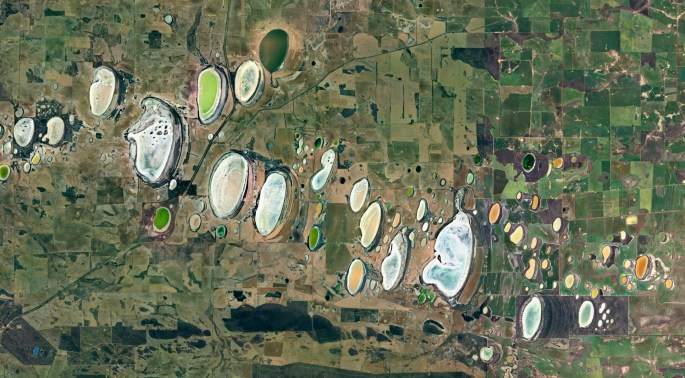
Google Earth had an intriguing view of jewel-like lakes just north of the Stirling Ranges.
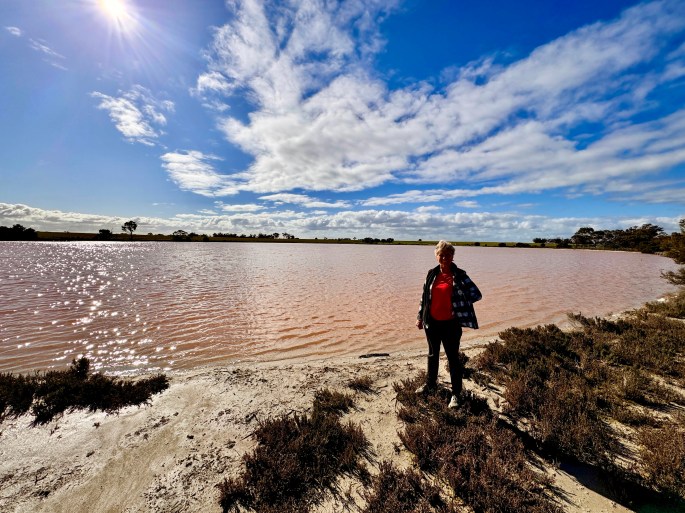
Unfortunately, few of the lakes could be seen from ground level, except for this not-so-spectacular pink one.
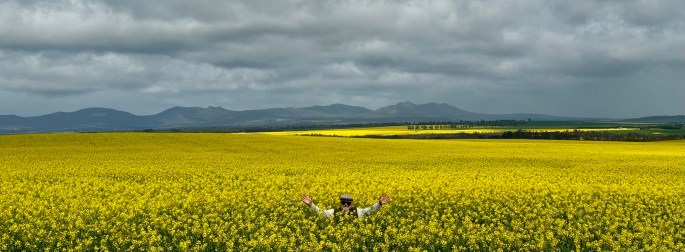
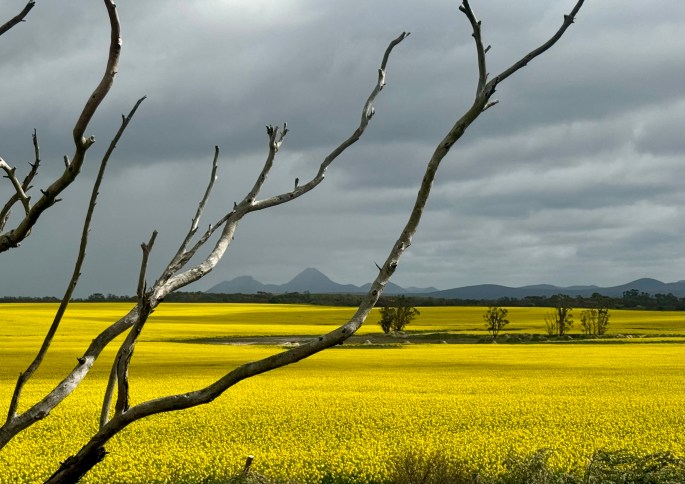
There were, however, vast fields of brilliant canola.
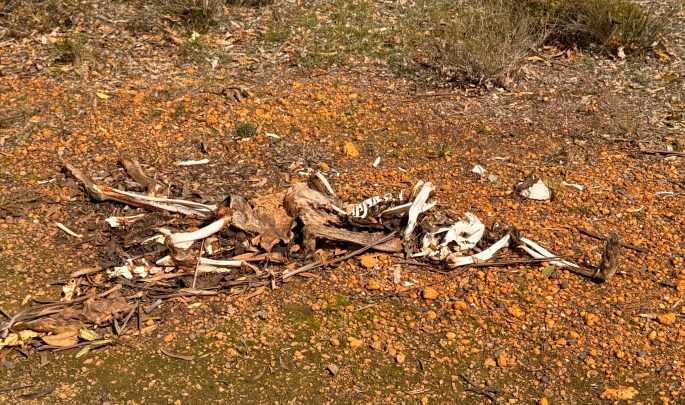
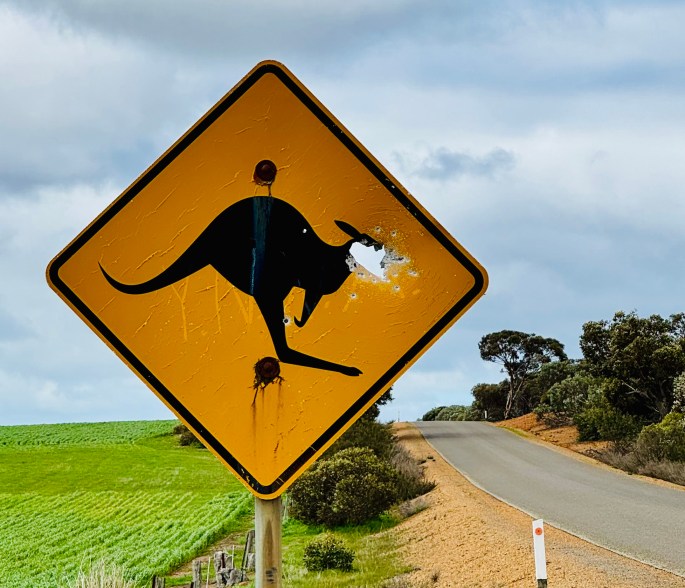
The farmers in the area appear to be not too fond of the wallabies who pilfer from their crops…. Lots of bones and carcasses on the side of the road….. and a warning for those who are tempted.
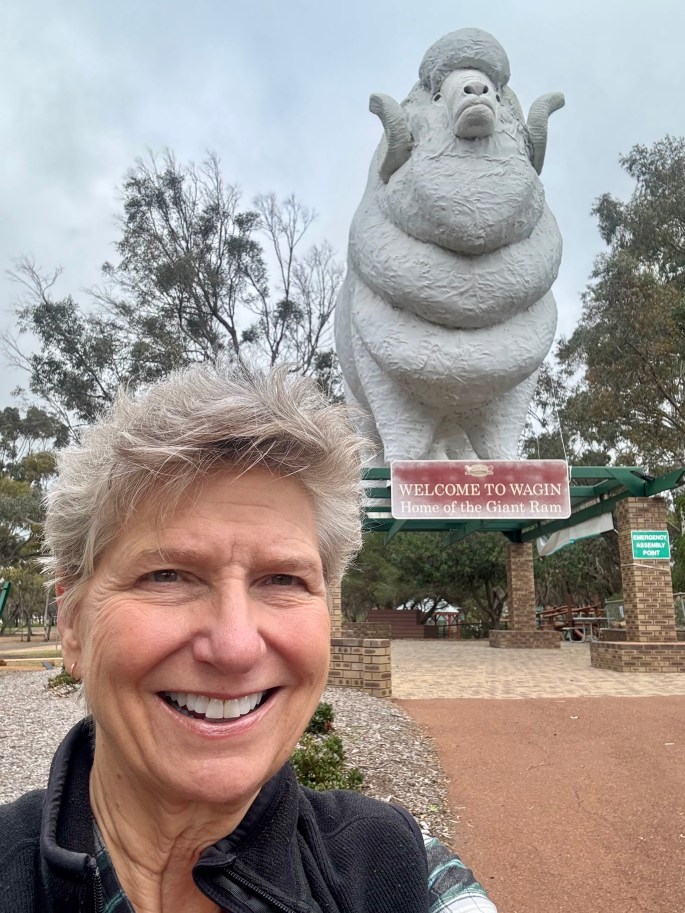
On the way back to Perth, we just had to stop for a photo op with the giant ram in Wagin.
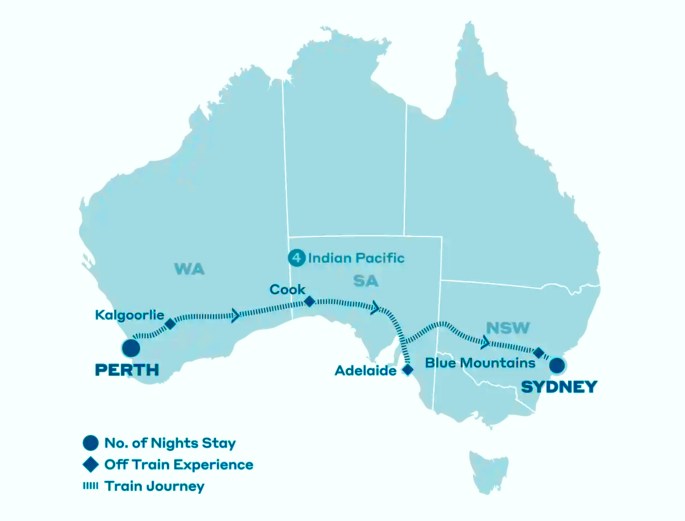
Perth was the jumping-off point for our last crossing of the Australian continent….. on board the Indian Pacific train to Sydney.
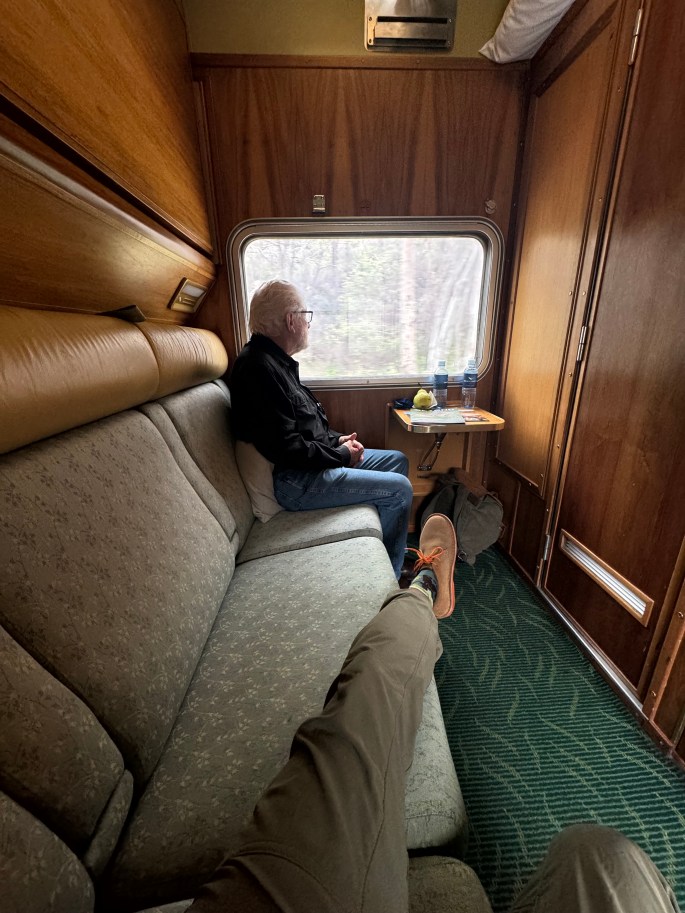
The train crosses the continent in four days, accommodations quite comfortable.
Brief stops include Kalgoorlie, the site of a giant pit where gold is mined day and night.
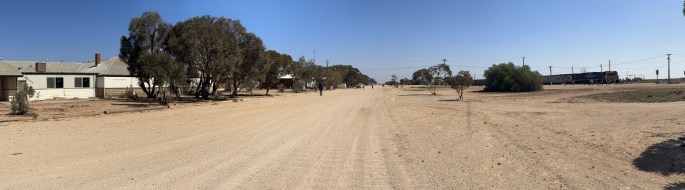
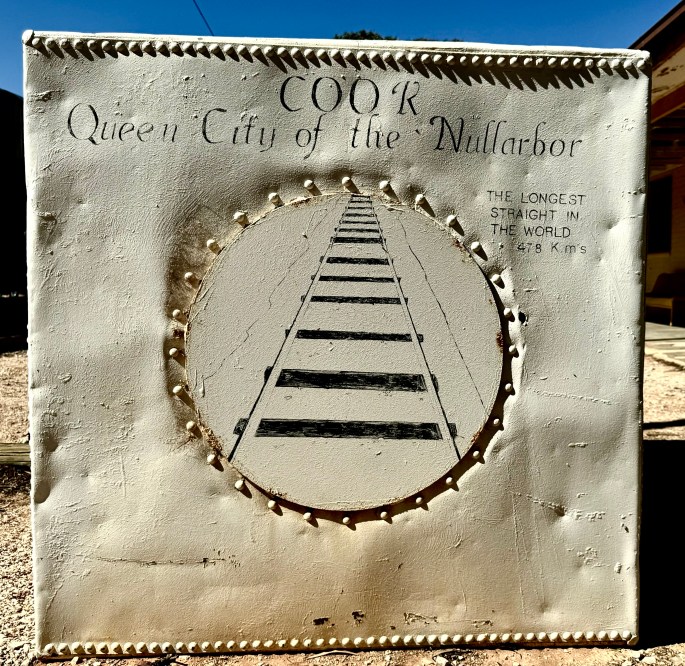
Cook, a ghost town that marks a section of track that is the longest straight segment of railway in the world, 478 kilometers.
Cook also boasts a persistent population of flies…
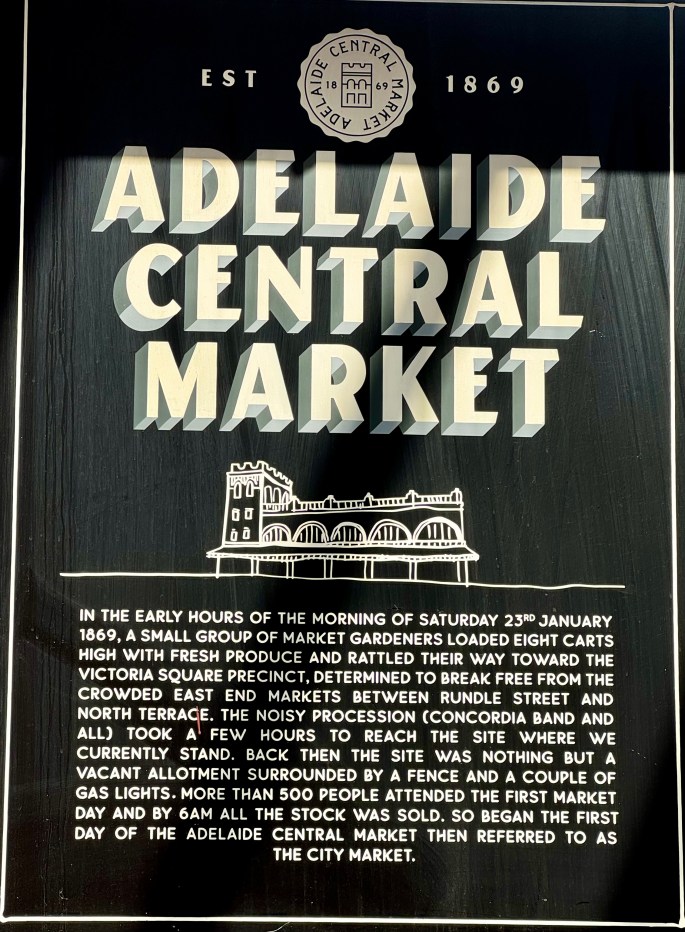
A few hours along the way in Adelaide, with its vibrant market….
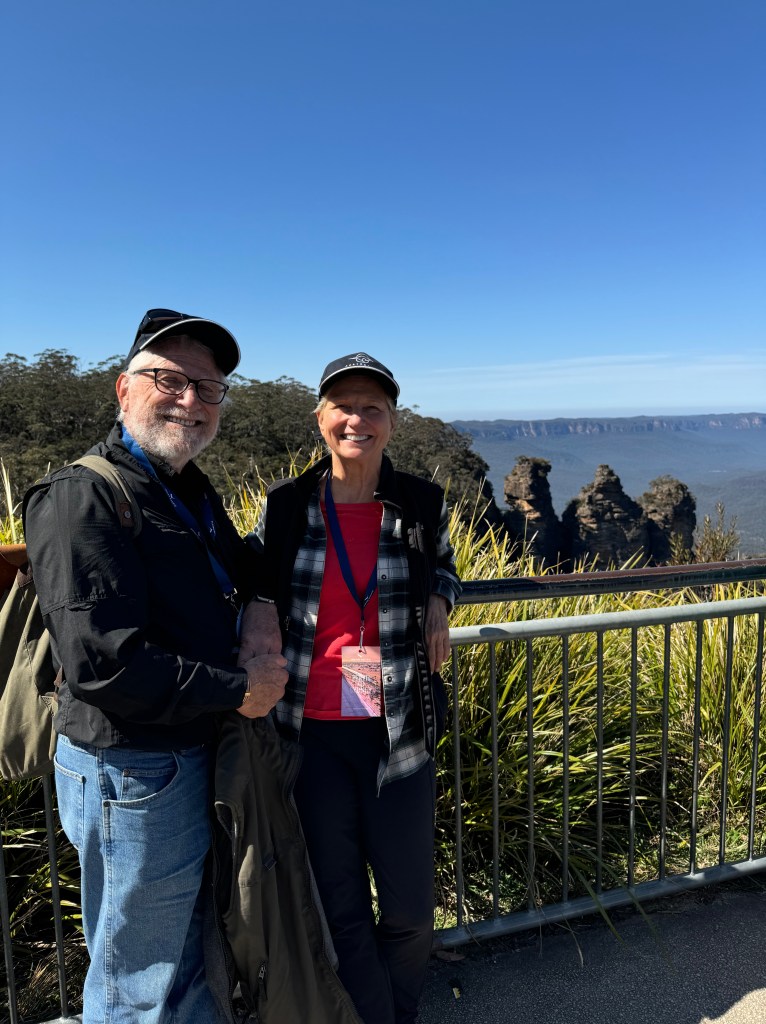
Another short stop in the magnificent Blue Mountains…..
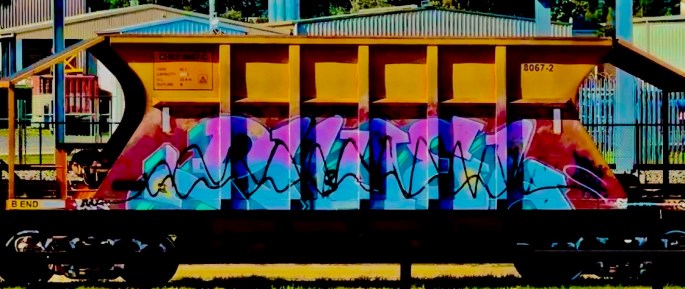
With his eye for color, Henry made note of some remarkable graffiti on rail cars….
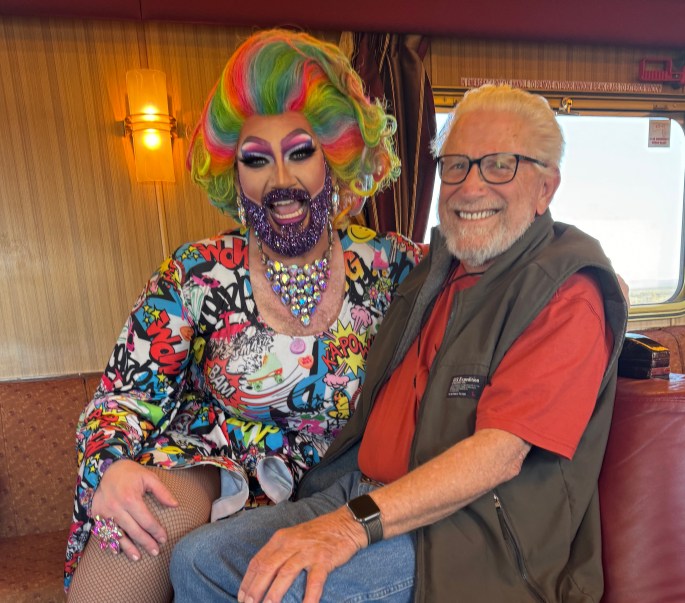
And made a colorful friend in the bar car!
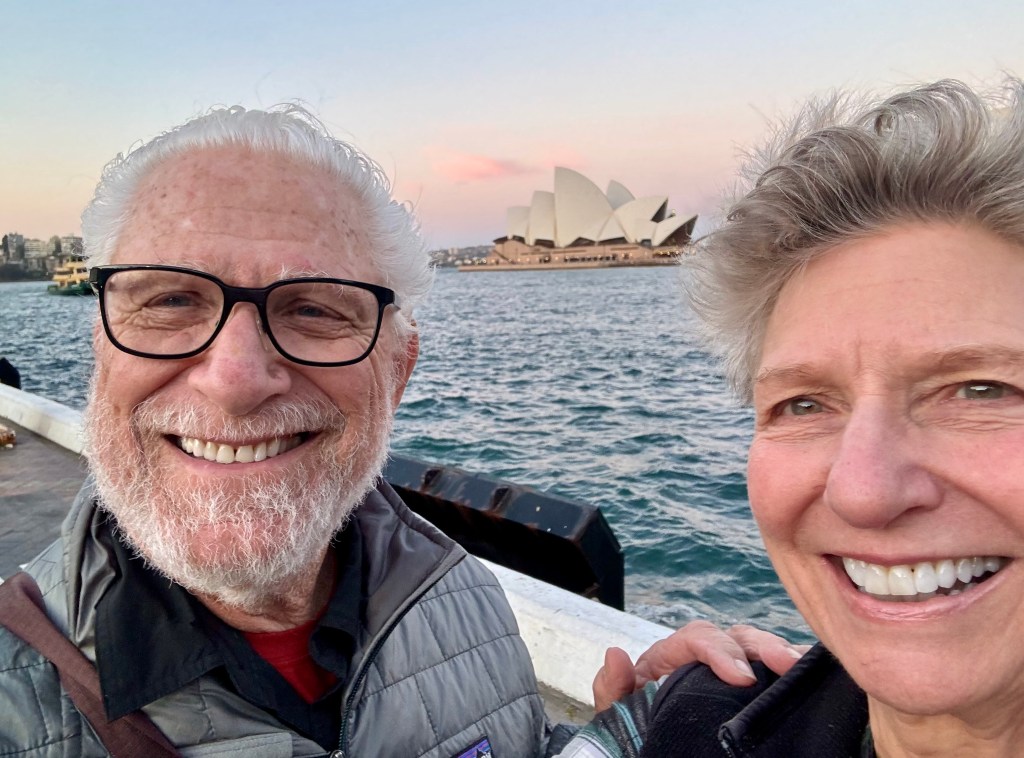
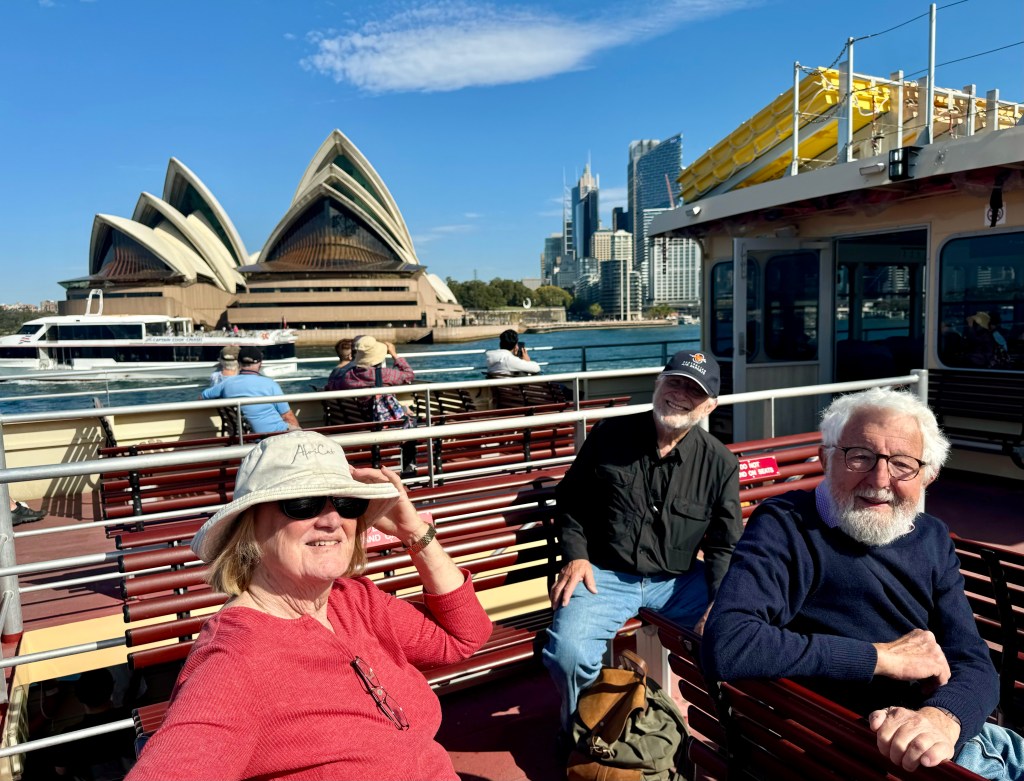
We finally ended up in Sydney, where we cruised around the extensive bay with friends Stephanie and Warren, who we met on the expedition voyage along the west coast.
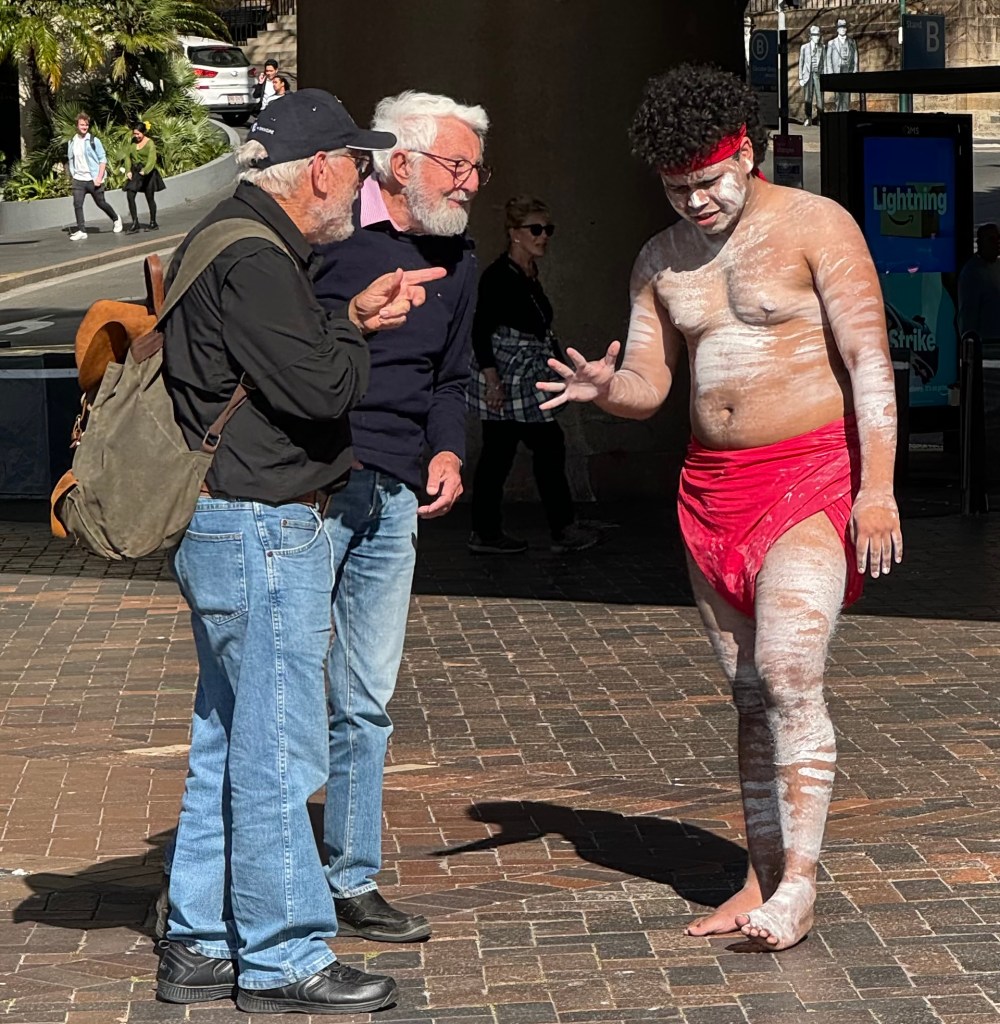
Henry and Warren giving some fashion tips to an aboriginal street performer…..
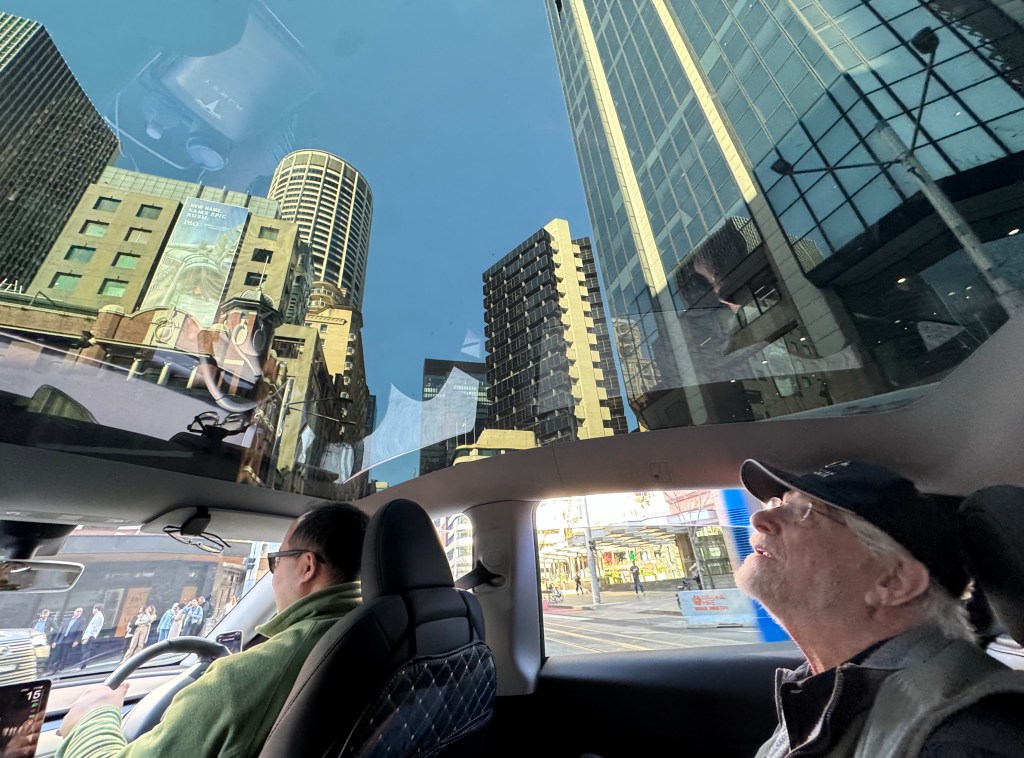
To cap off our time in Sydney…. A ride to the airport in an Uber car with a curved glass roof! (Easy to impress us simple country folk.)
Having crossed Australia by air, sea and rail, we head next to Tasmania.
(Please remember to click on the title above to enable you to load and see the videos in this post!)
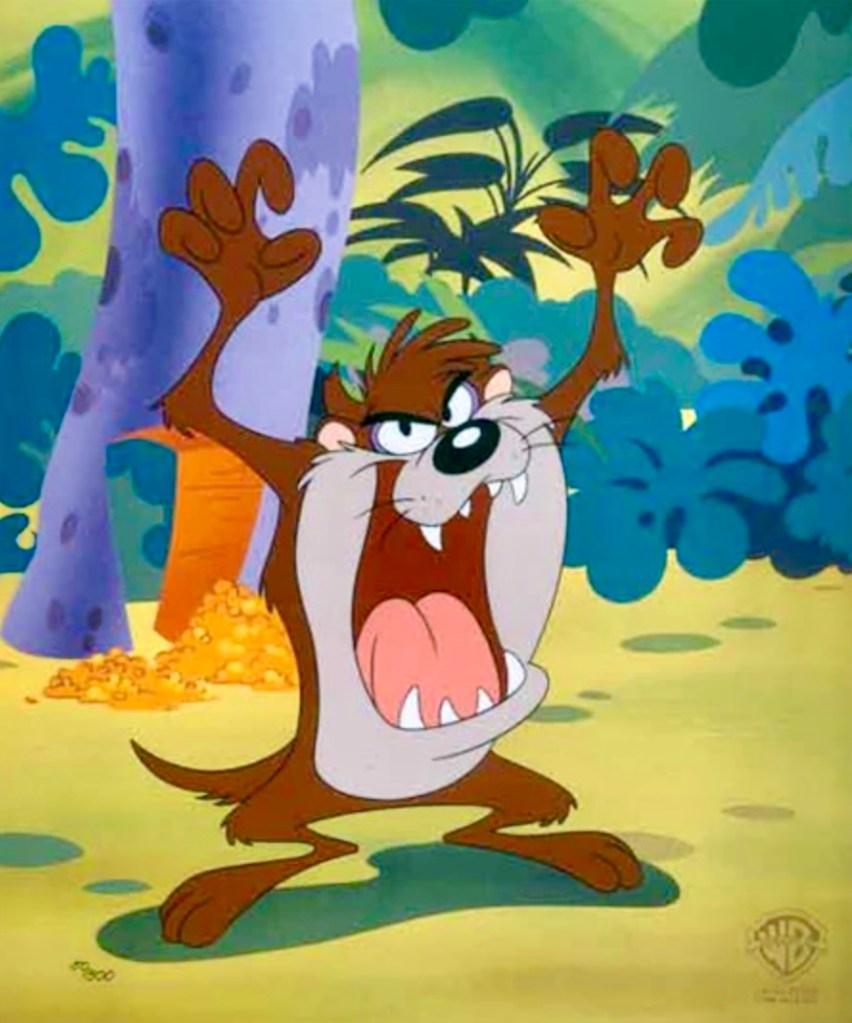
I am surely not the only person whose earliest memory of “Tasmania” as a place is entirely derived from the Looney Tunes cartoon character, Taz the Tasmanian Devil.
A state in the commonwealth of Australia, Tasmania is a heart-shaped island south of the mainland whose people have an independent streak. Its remoteness leant it an air of mystery, exoticism and wildness…. In reality, it is populated by educated people who mostly live in regular houses with flush toilets in communities with grocery stores and zoning disputes. But it is indeed beautiful there. Clean, neat and sparsely populated with thoughtful citizens who are sincere about keeping it that way.
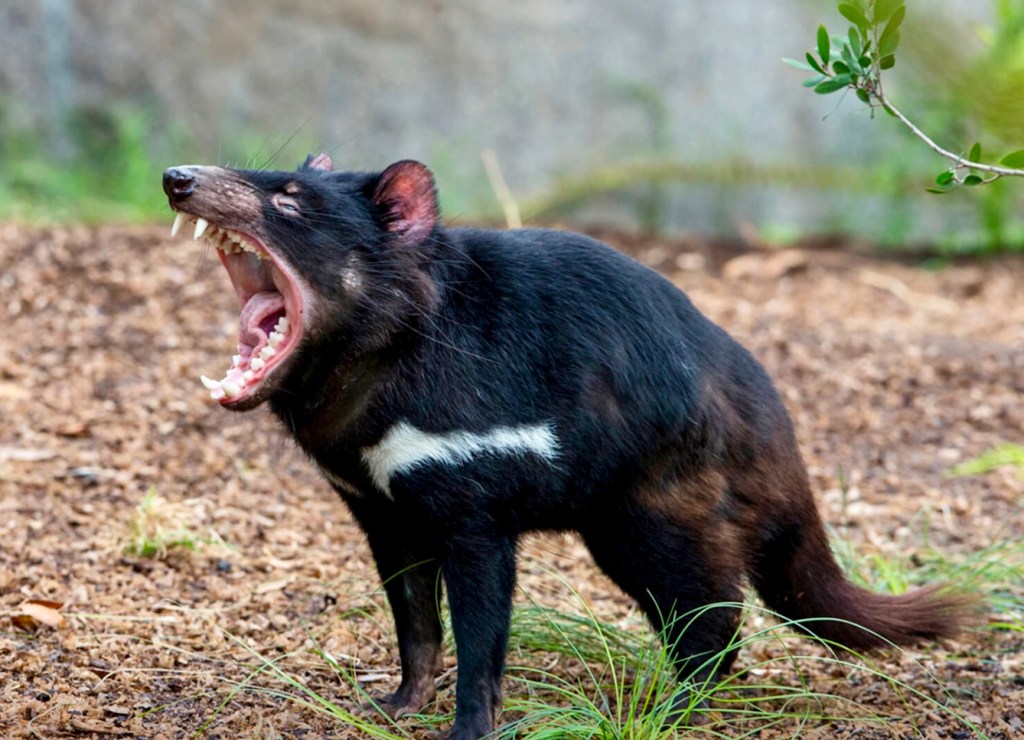
Here is (somebody else’s) photo of a real Tasmanian devil…..
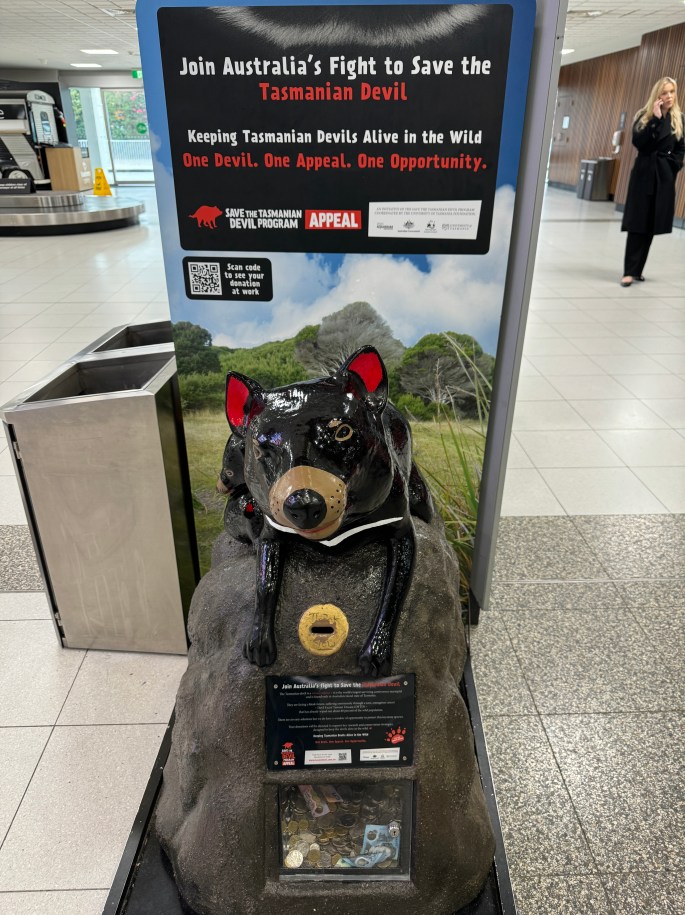
This cat-like marsupial, rarely-seen, is endangered; their population was severely depleted due to disease several decades ago. We did not see one, but we are helping fund their survival…
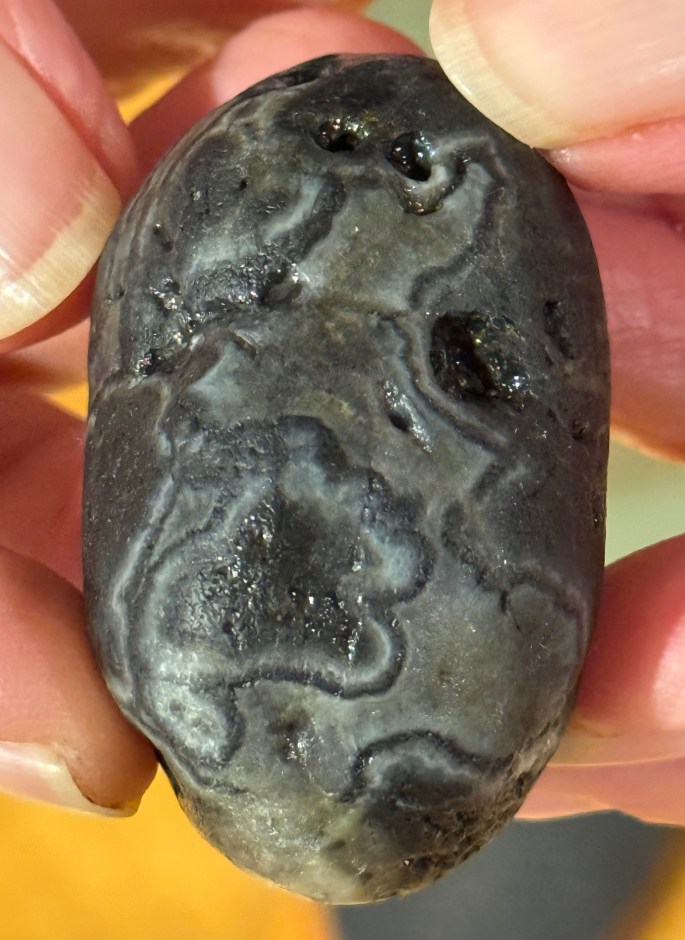
The beaches on the north part of the island were reputed to have agates! They do indeed have lots of stones….
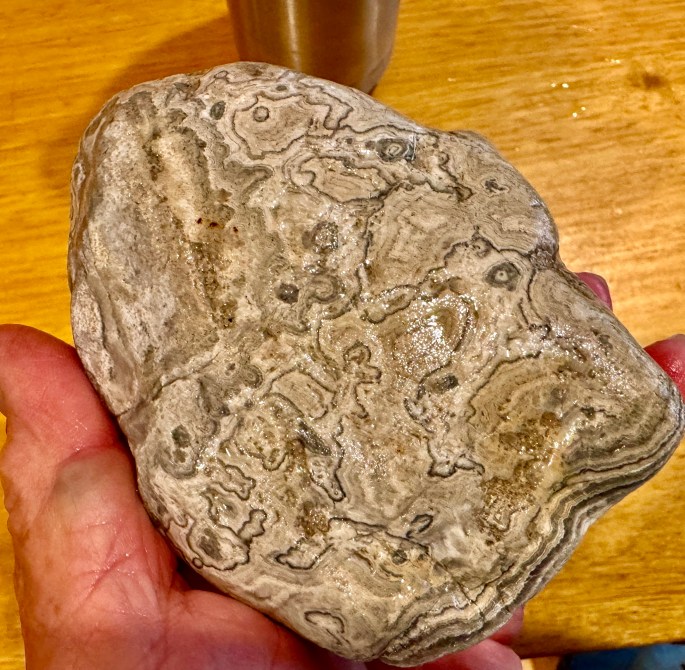
….. including just a few specimens of interest.
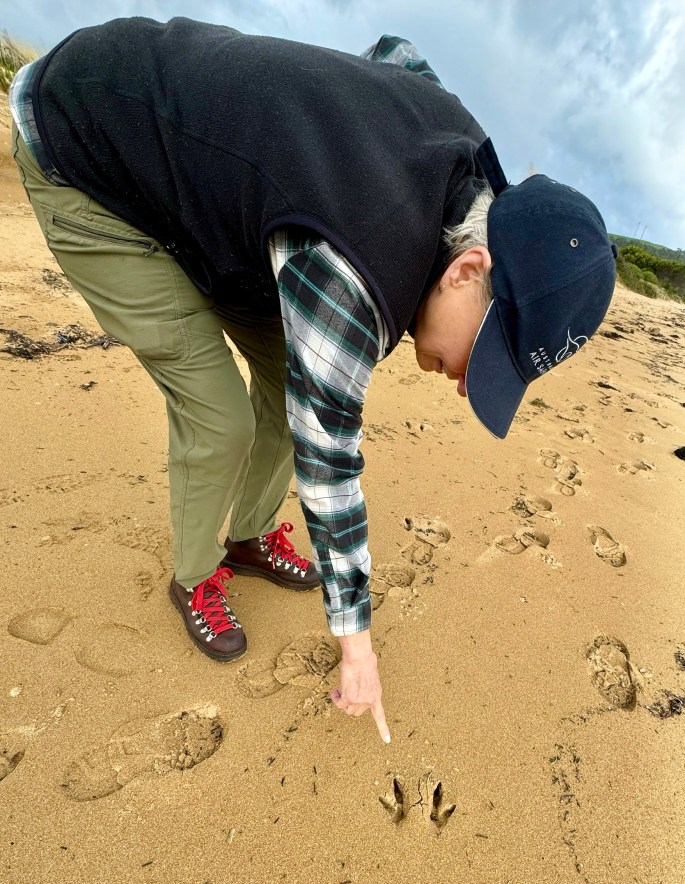
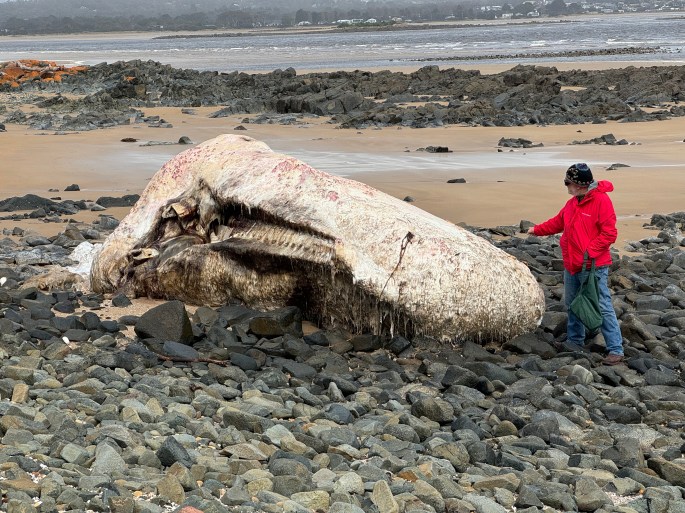
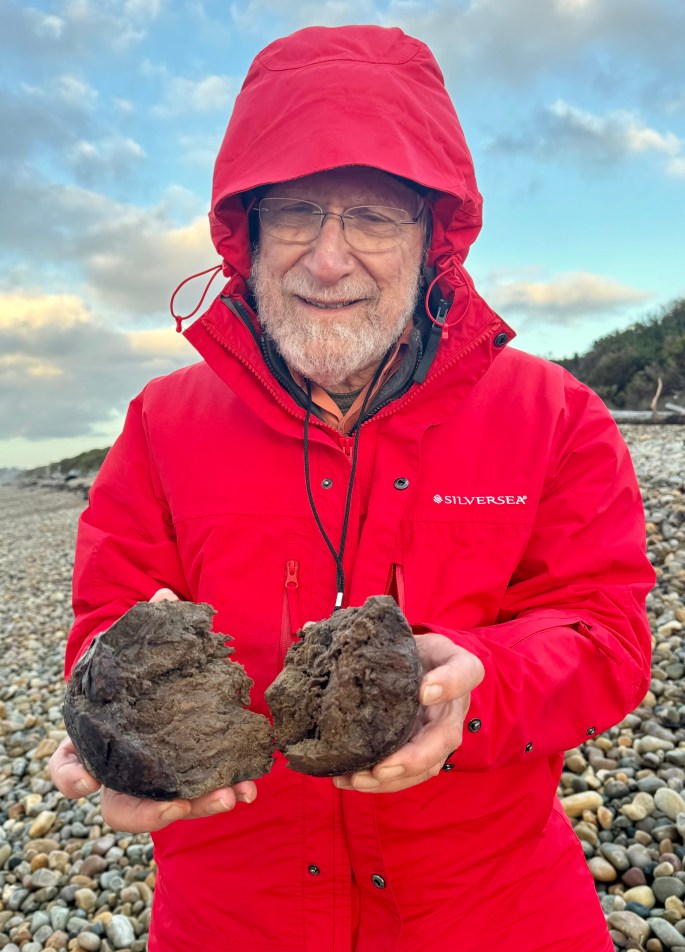
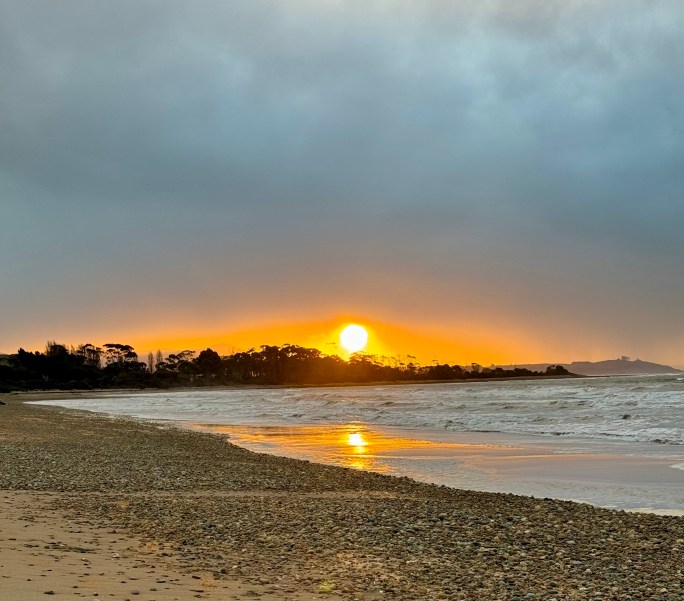
Other things found on the beach…..
Wallaby tracks!Beached whale …. Way past its prime…Big ball of an undetermined stinky substance….. whale poop? Decent sunset on an otherwise cold rainy afternoon
Friendly people along the way….
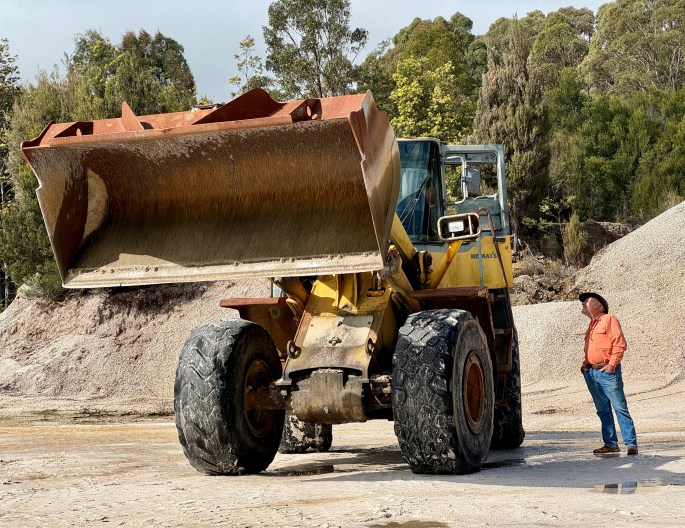
The owner of a gravel pit allowed us to spend a few hours scrabbling through piles of material….. after a spirited discussion of the state of the world.You never know what interesting pieces you might find in a gravel pit!
This lady was cruising through the coastal town of Burnie along with her beloved companion, Charlie Brown.
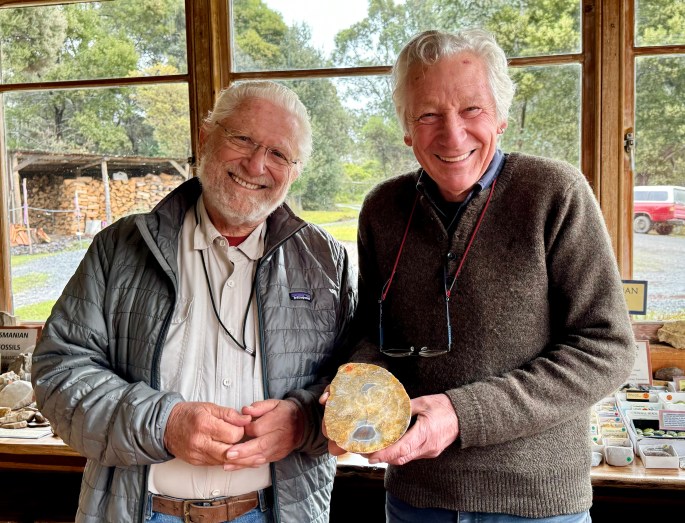
Boris has a rock/mineral/lapidary shop on the south side of Tasmania. He pointed out some likely spots for agate-hunting.
Virtually every person wanted to talk about the upcoming US election, as they recognize how their own fate is so tightly related to the policies and actions of our country. The presidential debate was aired live throughout Australia, and most people watched it! A news show called Planet America is aired twice a week in Australia, where two well-informed analysts discuss US political events with no apparent partisan bias.
They film in a mock-up of the Oval Office!
It’s humbling and a little embarrassing to realize that people in other countries are often more thoughtful about the impact of our actions than some of our own citizens!
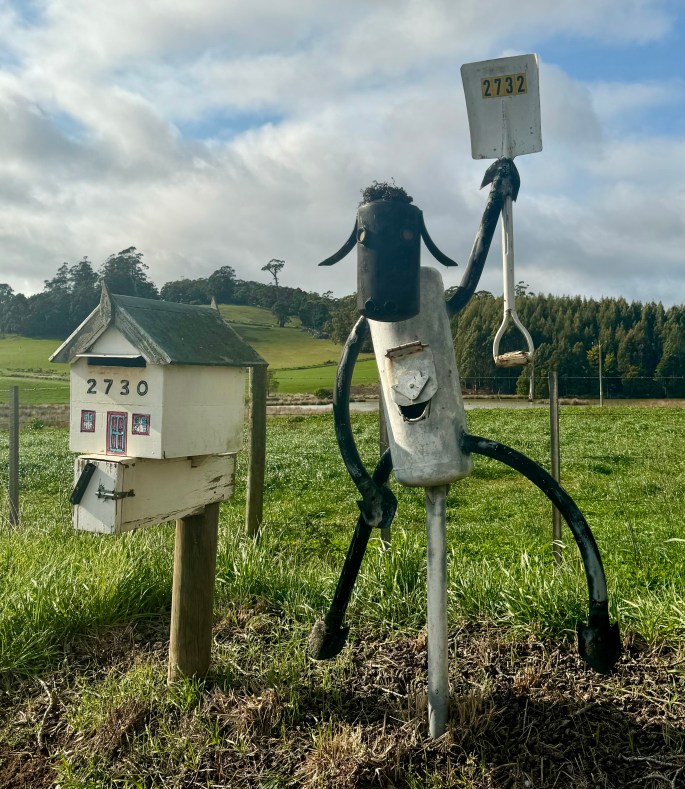
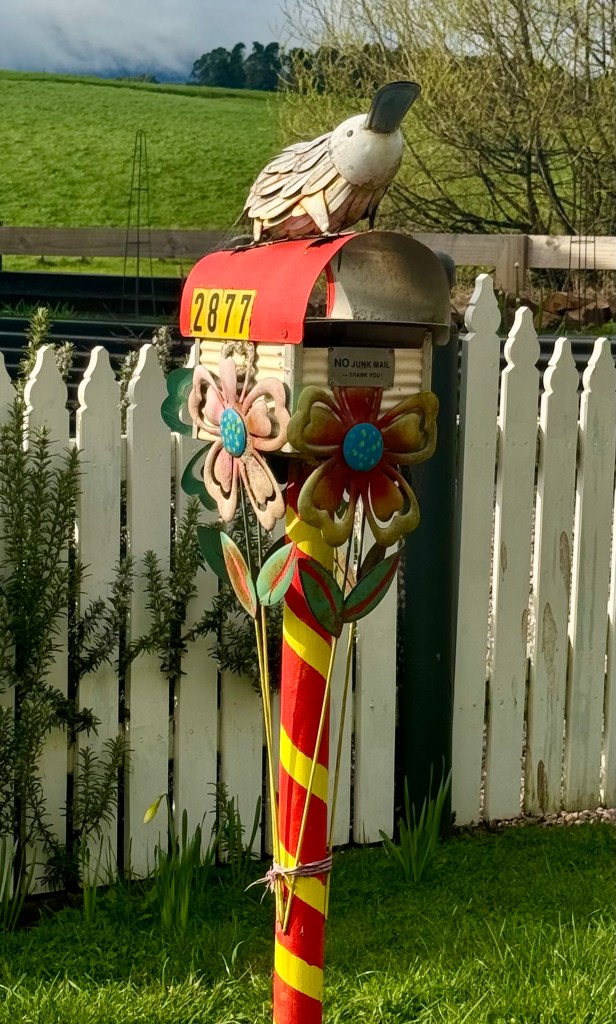
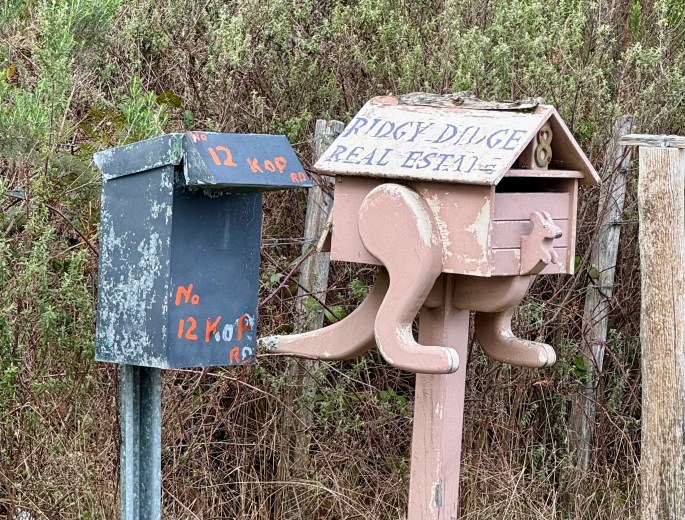
Back to the travelogue…… One area in the heartland of Tasmania featured whimsical mailboxes…
Platypus on the top…. the only one we saw.Tasmanian tiger…. A species that is extinct, although there is a bit of disagreement about that. A movement is afoot to clone them with some existing genetic residue!Collection not complete without a kangaroo/wallaby!
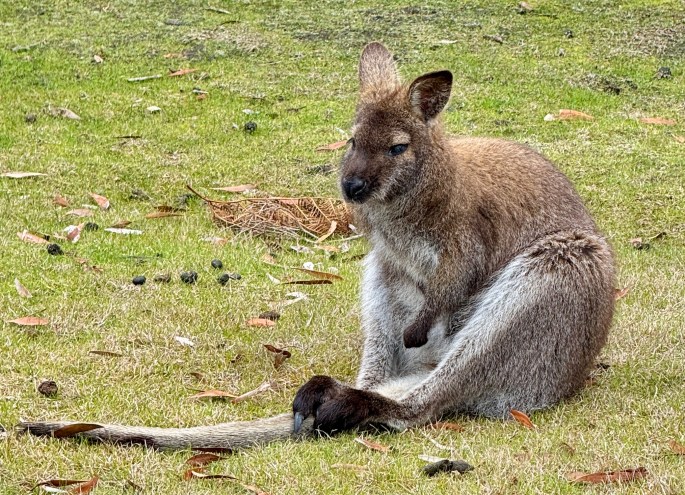
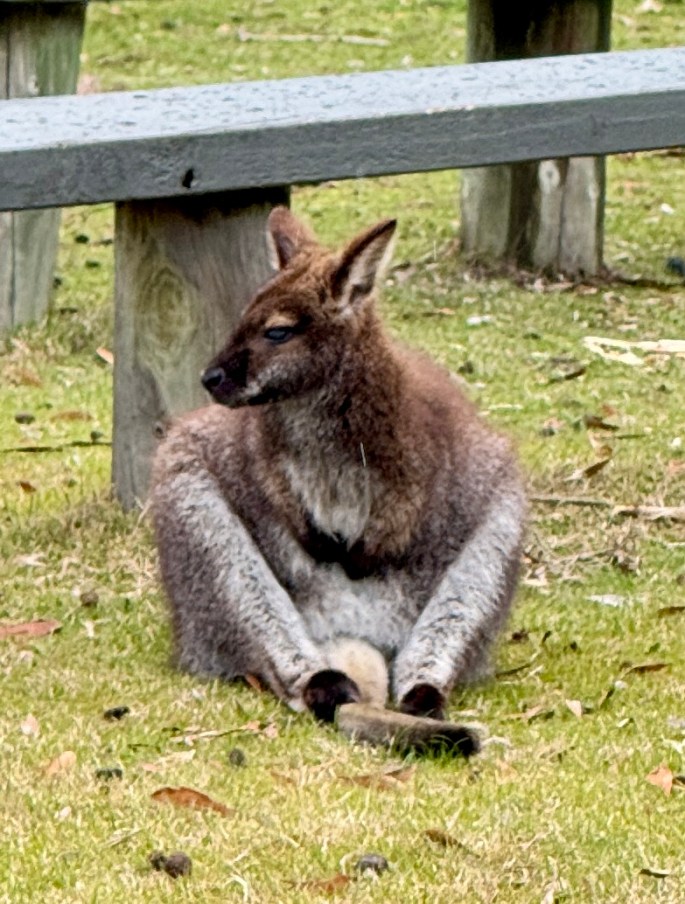
Speaking of which, the bouncy marsupials abound in Tasmania too…. These were taking a well-deserved rest after a busy morning.
This tribute to the whales whose numbers were greatly depleted by early settlers is located about as far south as you can go in Tasmania, and hence Australia,
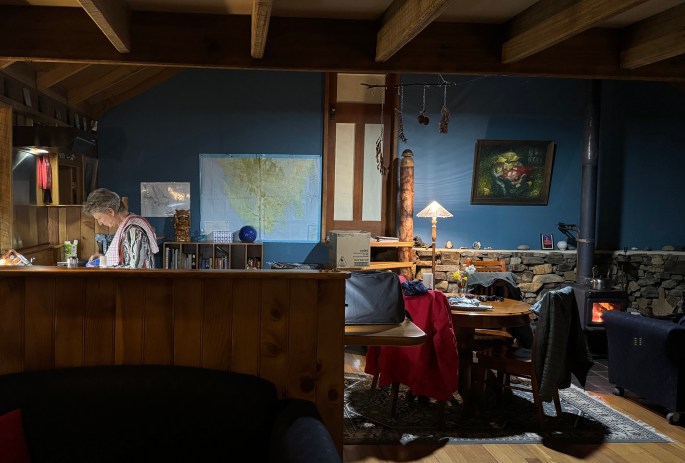
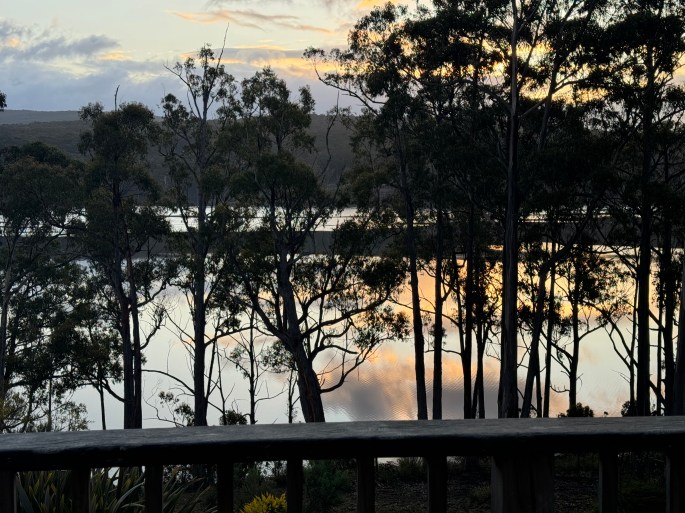
Not far away is the charming rustic shack where we stayed with a much-needed wood stove…. And a gorgeous sunrise view over Hastings Bay.
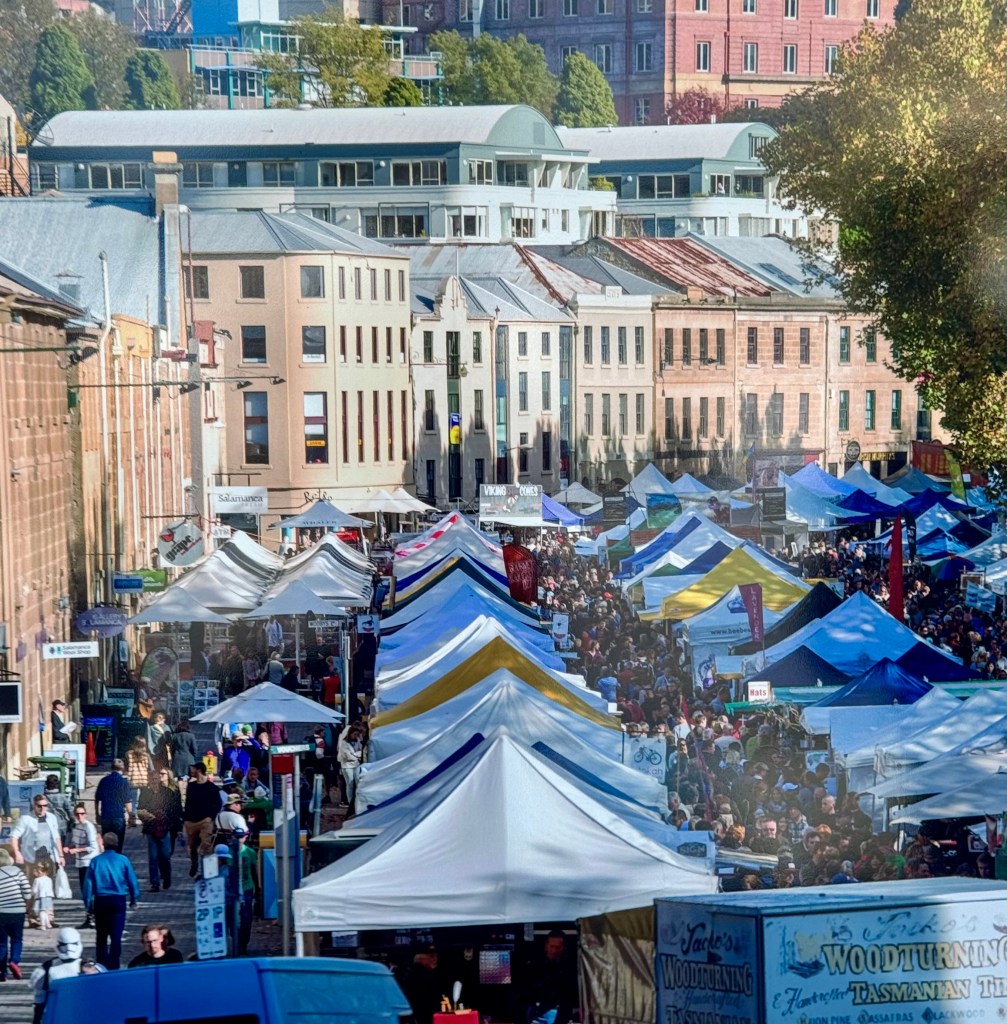
We ended our sojourn with a few days in Hobart, Tasmania’s capital city of about 200,000 people. It is a beautiful place with a thriving waterfront and a colorful Saturday market.
This is a photo of a photo of the market….. the day we visited, it was pouring rain and cold and windy.
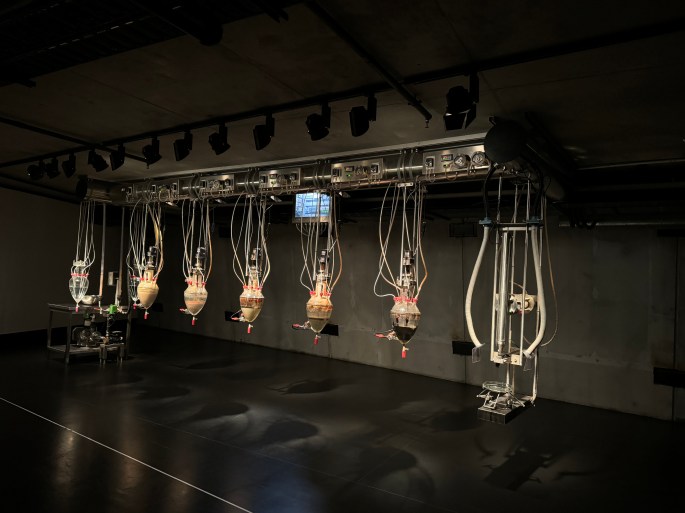
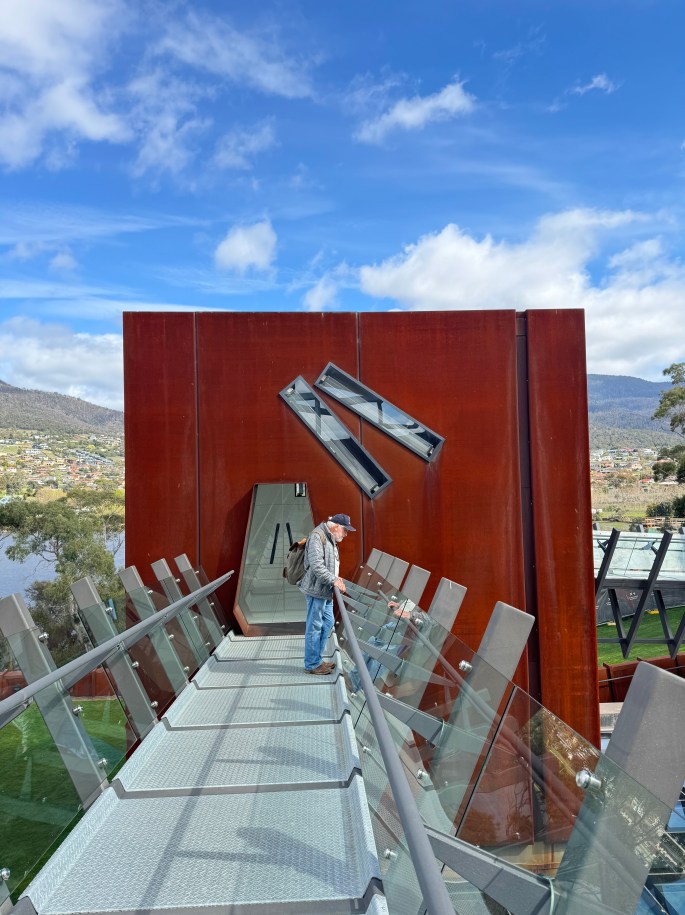
Another prime attraction is the Museum of Old and New Art, or MONA – which was built by a native son who made a fortune – not in tech, but in gambling! It’s an eclectic collection of fascinating and often confusing pieces. It’s well worth a few hours
This display duplicates the digestive process, from feeding right down to elimination. It’s called Cloaca. (We didn’t stay to witness the outcome.)
And so ends our time in Tasmania…..
And indeed farewell to Australia!
It’s been a great time crisscrossing the continent – by air, sea, rail and automobile. One more stop to make before heading home – back to New Zealand and the South Island.
(This posting contains a number of brief videos; if you would like to view them, you need to click on the title of the post to load the page.)
Better late than never. Yes, we have been home from this trip for just over six weeks….I contemplated not finalizing it with a last blog posting – not because our experiences aren’t worth sharing, but just out of sheer laziness. I will not rest easily, however, until I post a conclusion.
The South Island of Aotearoa is in fact quite beautiful …. Even in the cool and wet weather of very early spring.
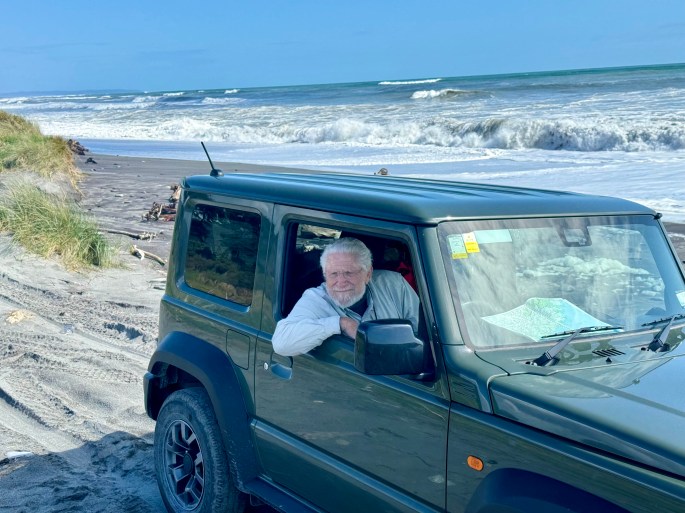
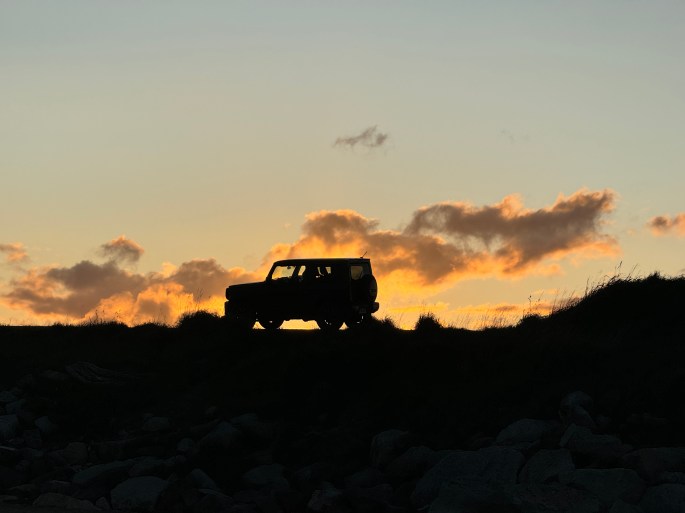
The quest for rocks continued as we visited many beaches in our cute 4WD rental…..Fortunately, beaches are fairly easy to find on an island!
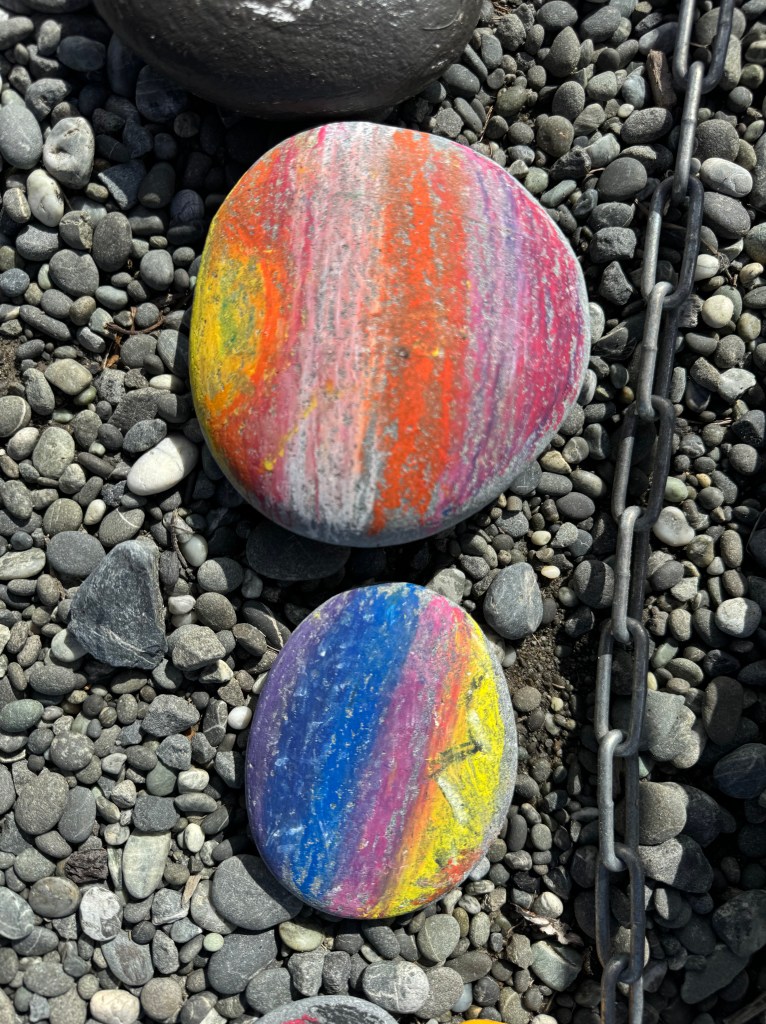
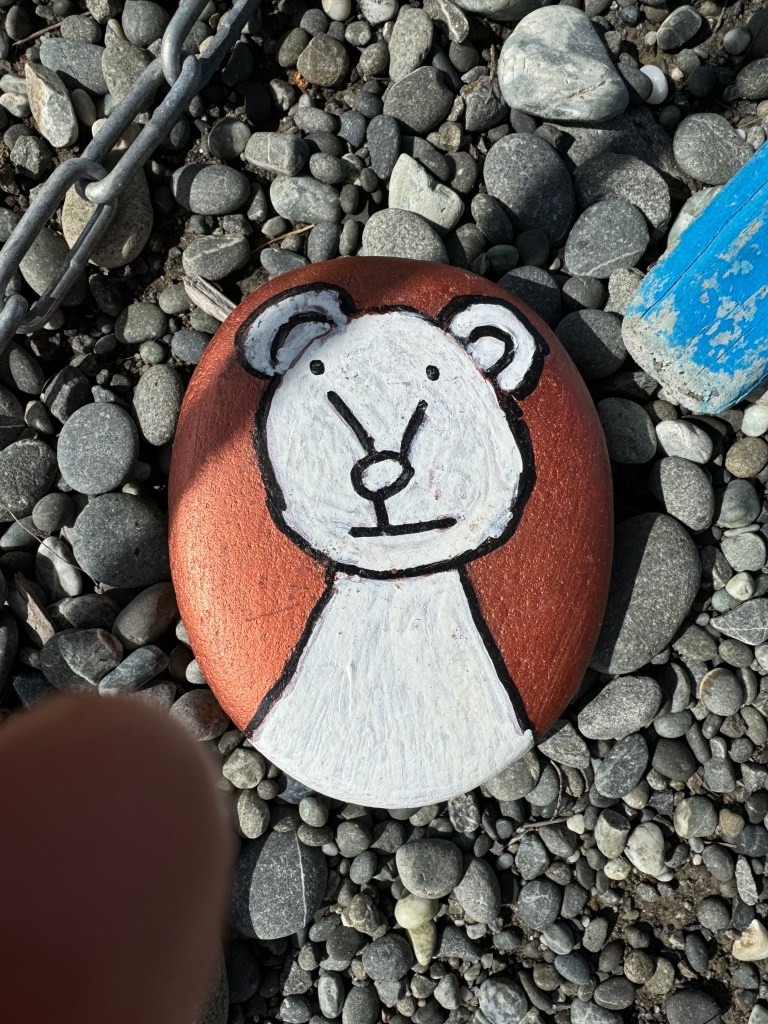
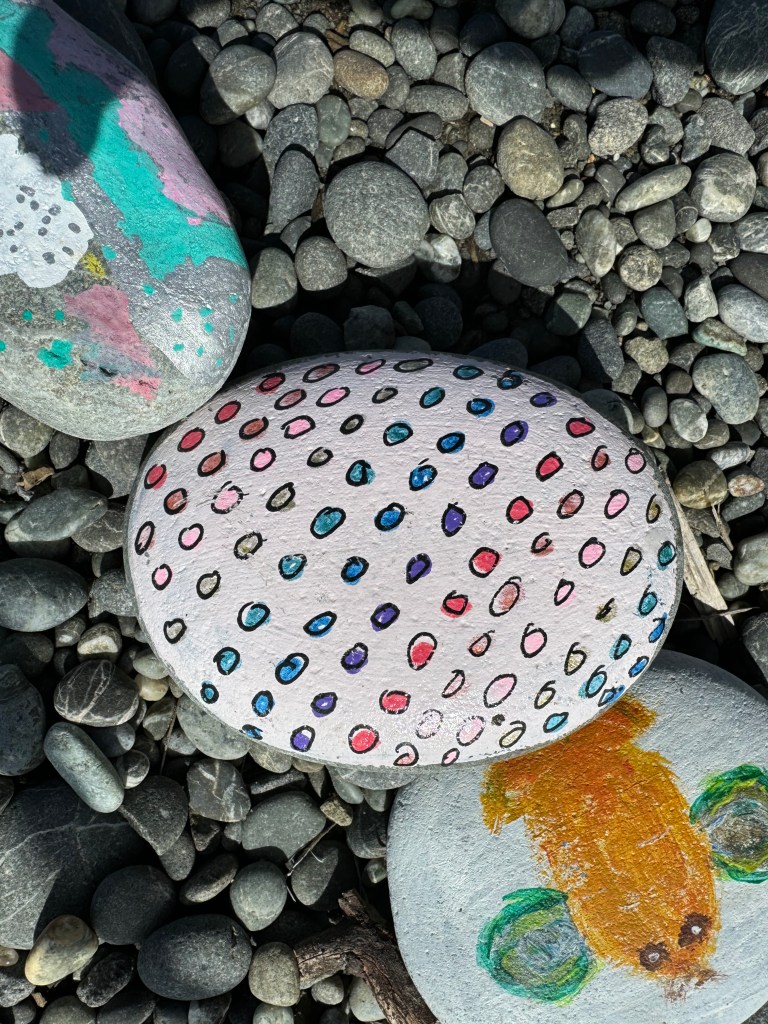
Here are some particularly appealing specimens found in Birdling Flats near Christchurch…. (We left them in situ as they were clearly meant to be.)
Obviously not for a serious rock hound…… Without much in the way of agates, the big draw on the South Island is the greenstone known by the Māori as Pounamu. It’s a type of nephrite jade… not as precious as the other type of jade called jadeite. But very special to the Māori and stunning in its own right.
Sometimes the intrepid rock hound is not fast enough to avoid getting icy water in his boots!
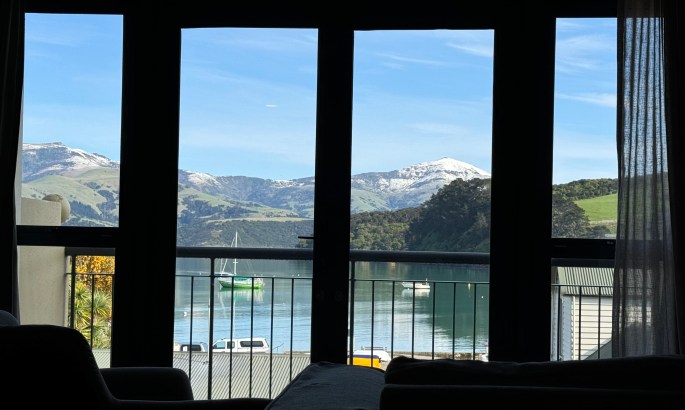
Akaroa is a lovely little town not far from the rock beach… colorful and serene when the weather cooperates.
Always game for accommodations with a view!
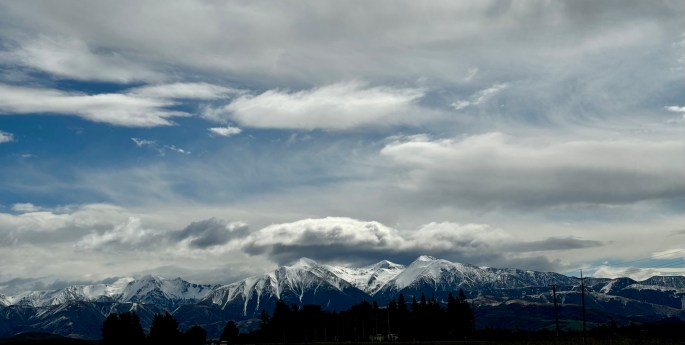
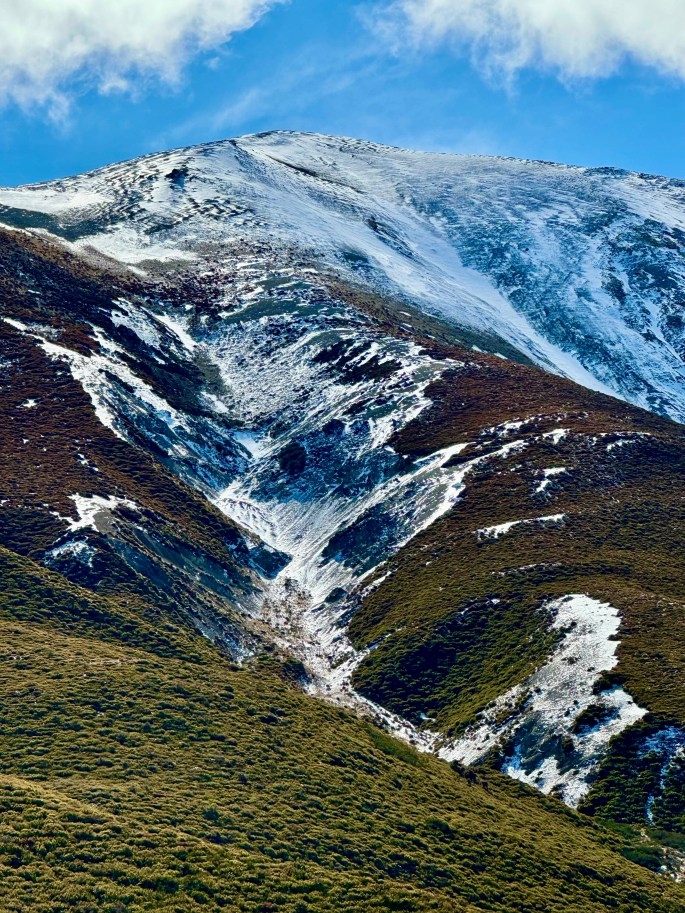
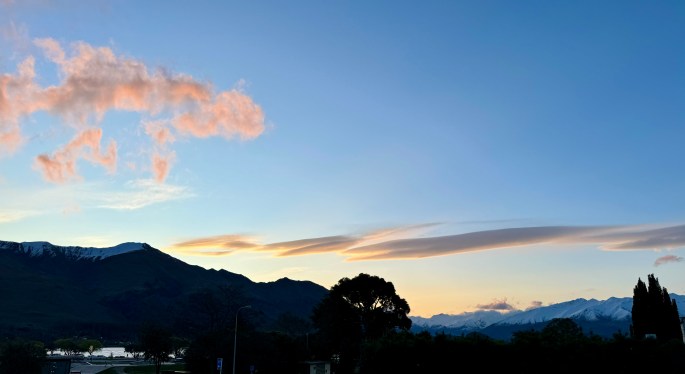
Mountain ranges run along the spine of the island
Arthur’s Pass was closed for road construction except for very limited windows of time. The delay was no problem at all… we visited with friendly people – both native Kiwis and immigrants – who work together to make Arthur’s Pass a nice place to live and visit.
The Punakaiki Pancake Rocks are on the western shore…. An exhilarating place to see, especially when there’s just a little sleet!
The birds seem to be indifferent to the crashing waves surrounding their nesting sites.
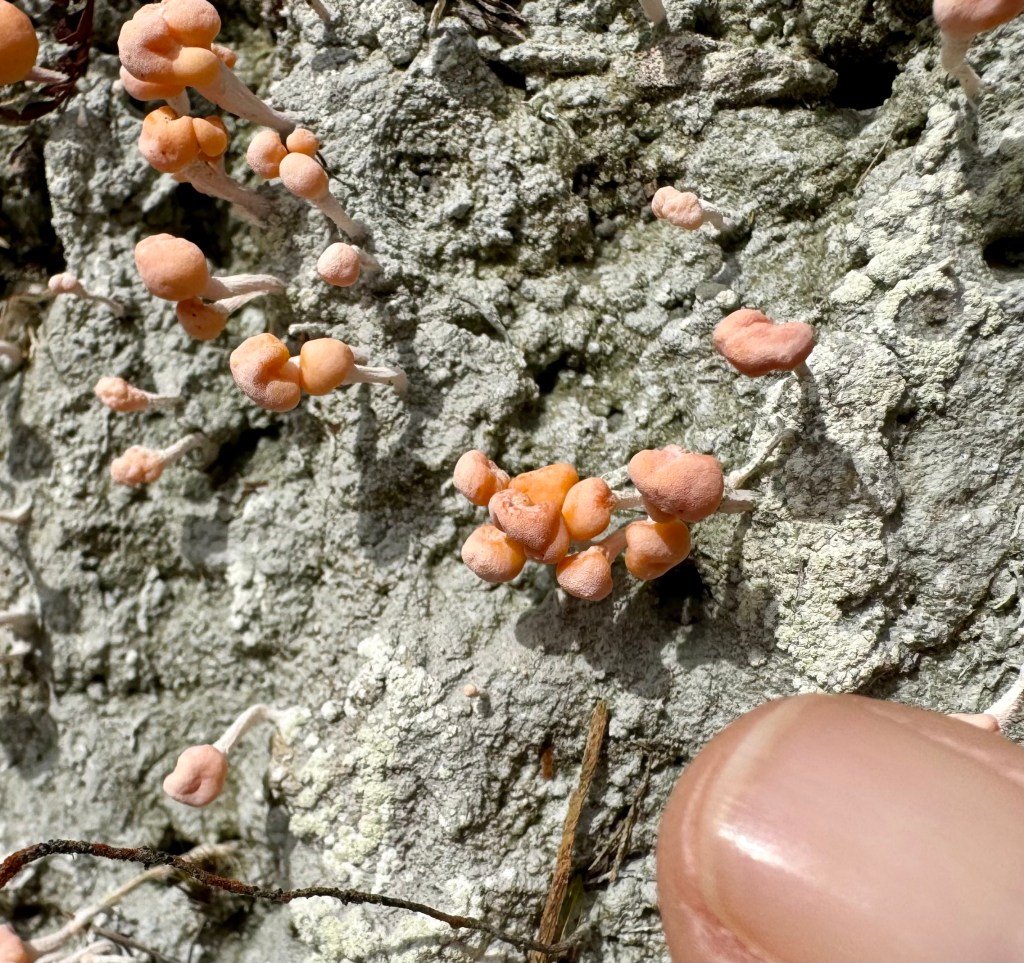
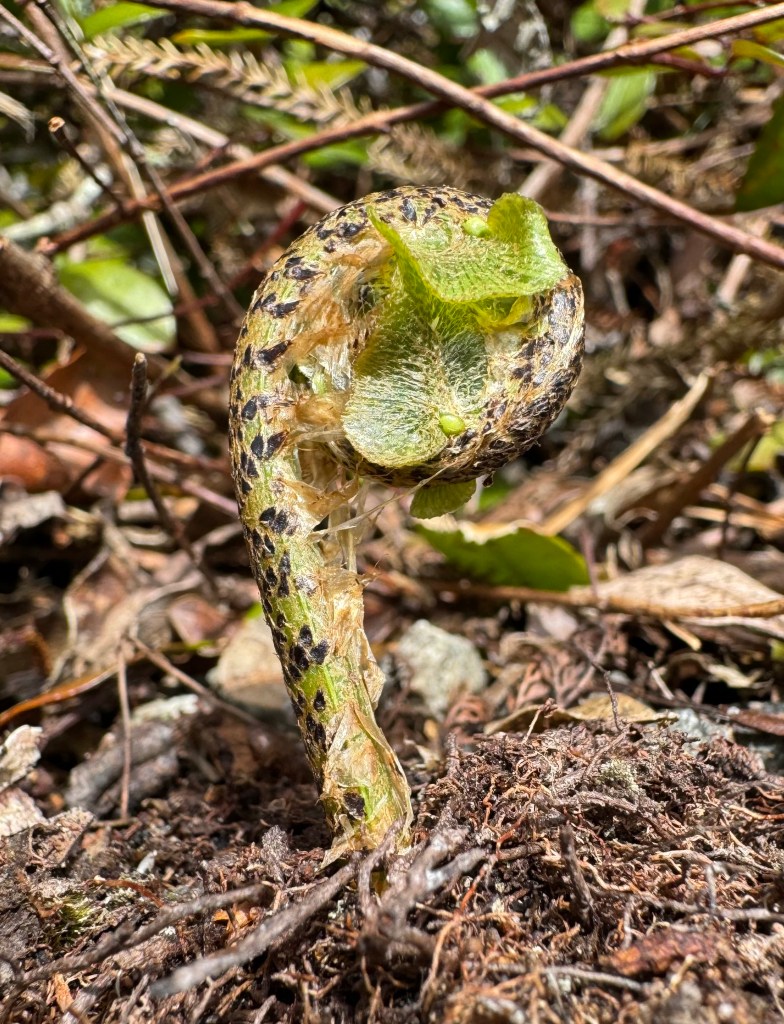
The Hokitika Gorge is home to some small wonders of the natural world…..
Teeny mushroomsBaby fern
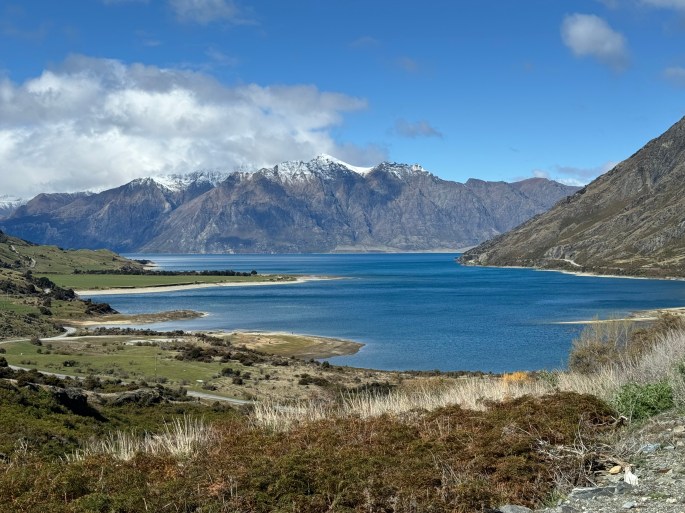
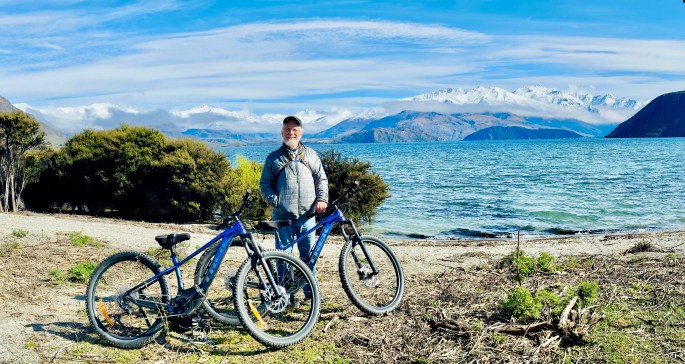
The region near Lakes Wanaka and Hawea is a bicycling paradise….. easier for old people to navigate on e-bikes!
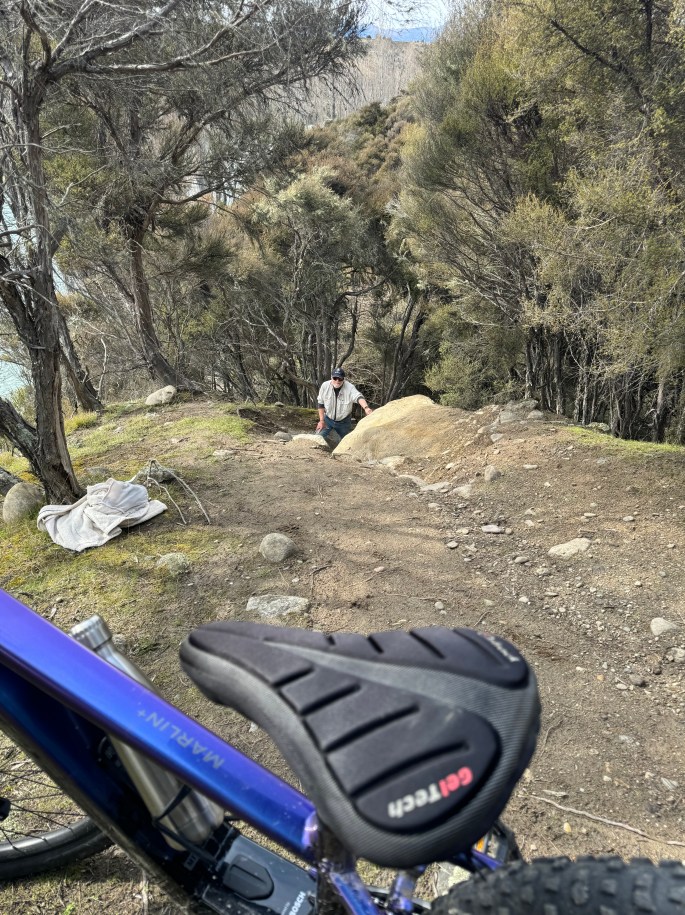
The only hiccup was getting lost on the trail…. And having to negotiate a 60-foot vertical drop carrying bicycles!
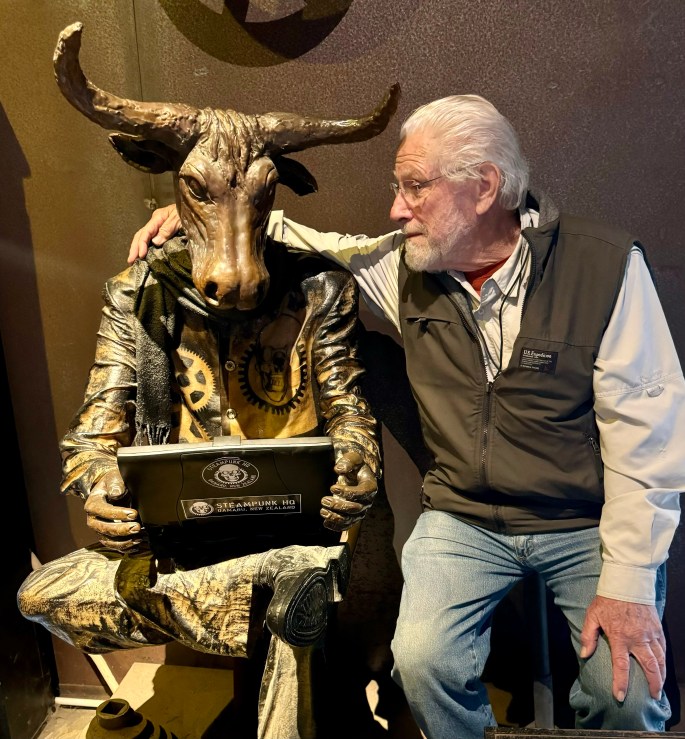
Back on the east coast, Oamaru bills itself as World Steampunk Headquarters. (FYI, steampunk is a retro artistic/fashion style based on 19th-century industrial design.)
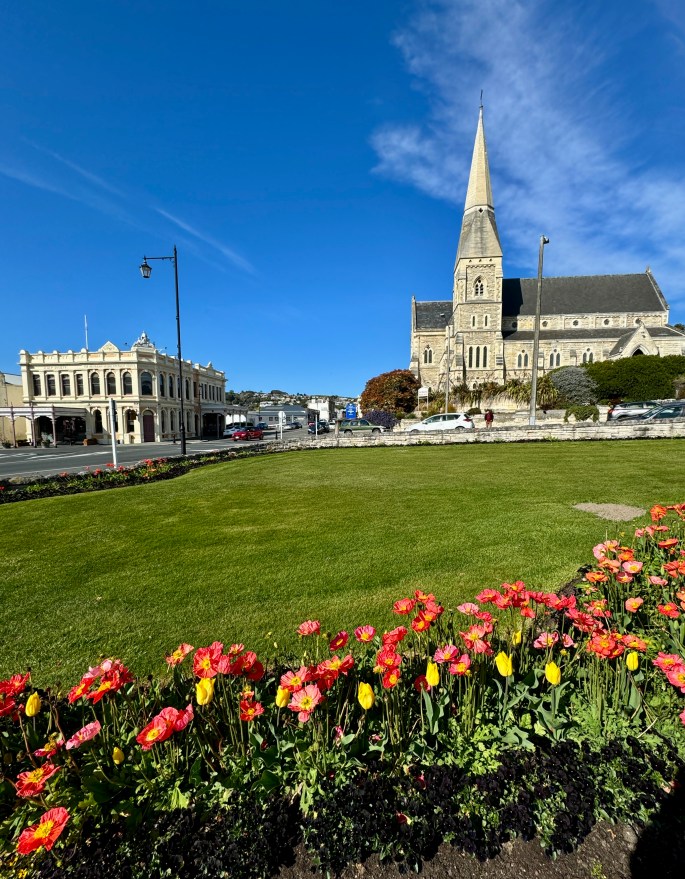
Oamaru is also a pleasant Victorian-era town with early tulips making an appearance on the town square.
Along the coast from Oamaru to Dunedin….
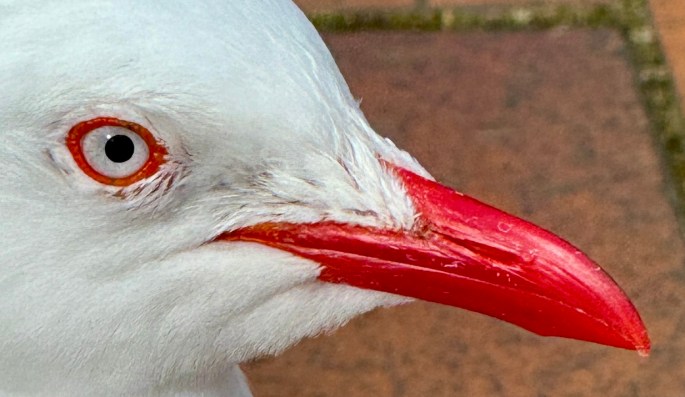
Extraordinary coloring on a cheeky seabird…..
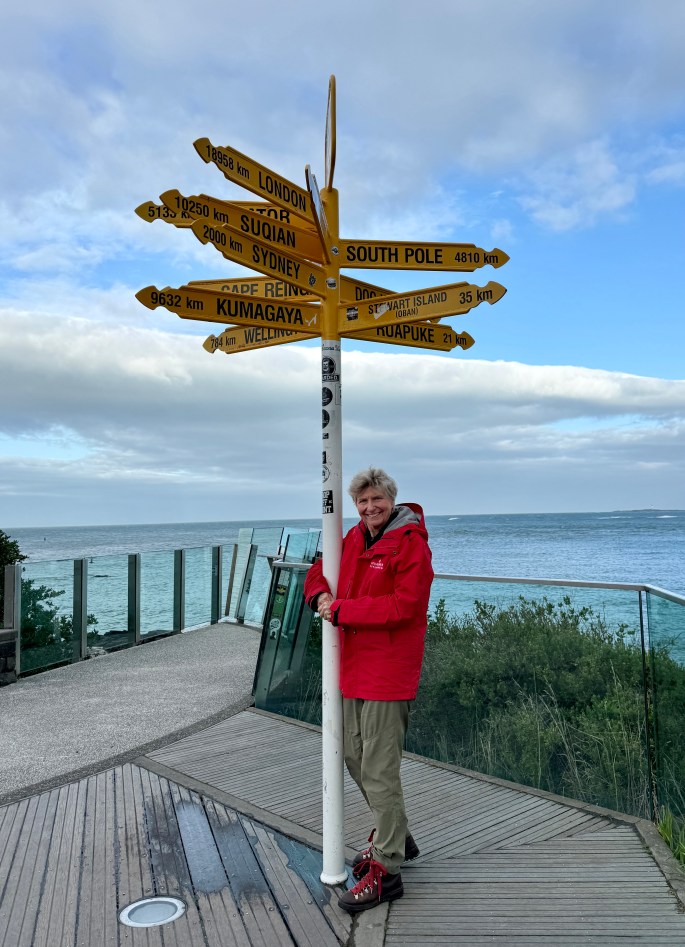
Bluff is a seaport and the southernmost town on the New Zealand mainland. Not a lot there, except a much-photographed signpost…
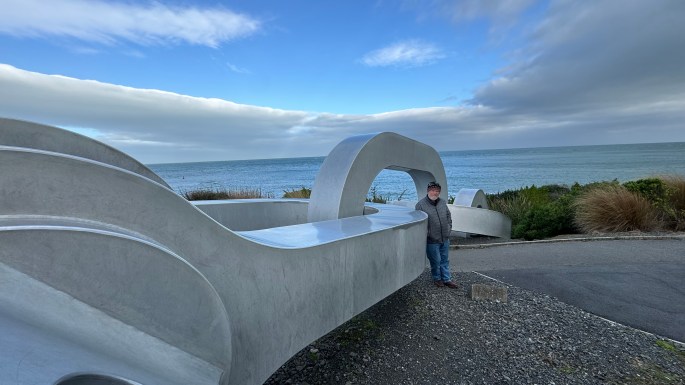
….and a chain sculpture that has its twin on Stewart Island, just across the Foveaux Strait… symbolizing the tie between the two.
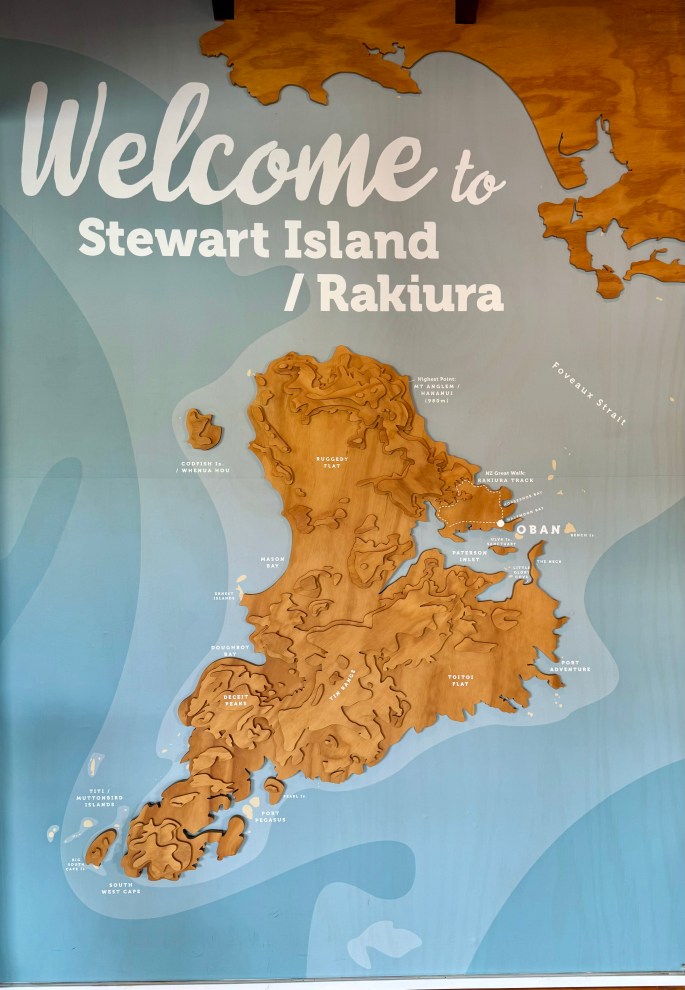
And across the strait to Stewart Island…. On the most turbulent ferry crossing we have ever experienced. (Barf bags readily available and often used……luckily not by yours truly!)
(And understand that iPhone smoothes the video out quite a bit.)
If you head south from Stewart Island, your next stop would be Antarctica!
An arty welcome to the main village of Oban…..
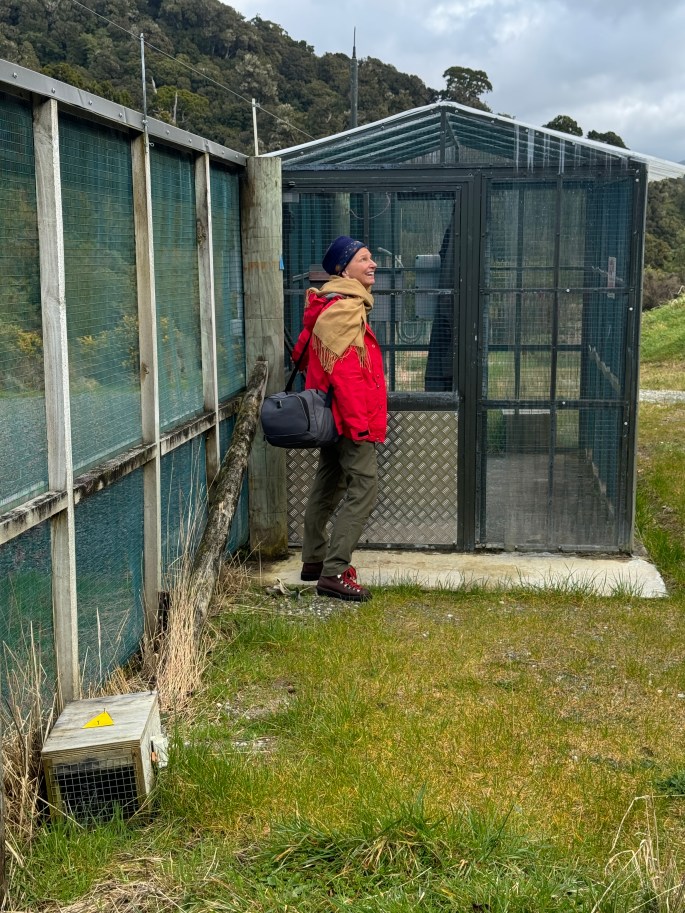
A special glass house in a wildlife reserve on the Island…..
The wildlife reserve – a kiwi bird habitat – is surrounded by a fence and restricted access gate, designed to keep out predators, such as stoats and feral felines…..
Hoped to see some kiwis feeding at night, but unfortunately, the only mammal visible was… a wild domestic-type cat. Waaah. (The authorities were notified of the intruder.)
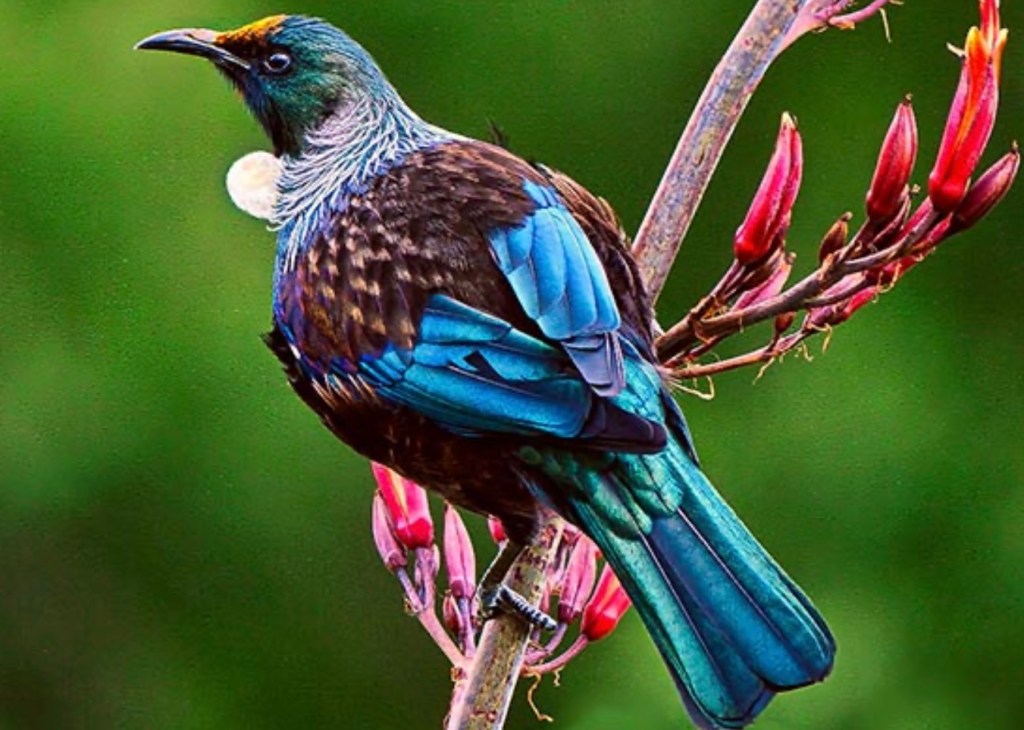
Here, however, is the delightful bird known as a tui. Not a great video, but they are hard to get close to, and the film captures a snippet of its unusual sounds.
They are striking birds… here is a photo of a photo of a tui in full sunlight:
!!!!!!!!!!!!
The final stop on the South Island was Queenstown, quite a tourist-y place…. With a scenic gondola ride, go-kart course and schlock-y city center – none of which takes away from its spectacular location on a lake in the mountains.
Lastly, here are a few cultural/food discoveries from the road…..
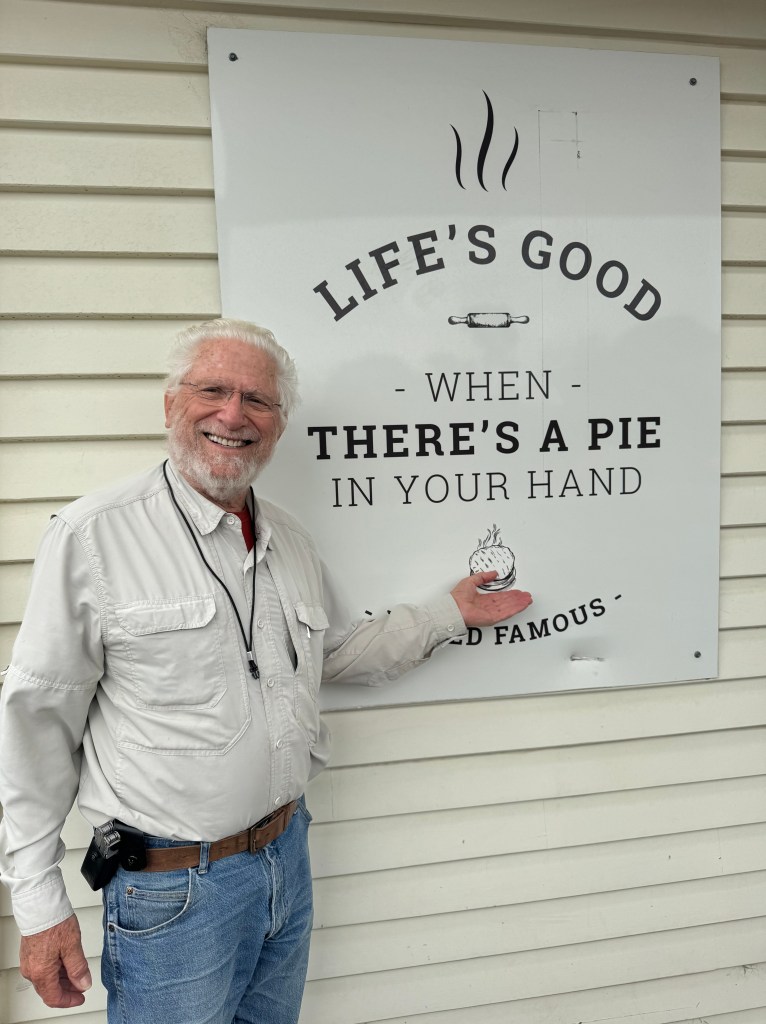
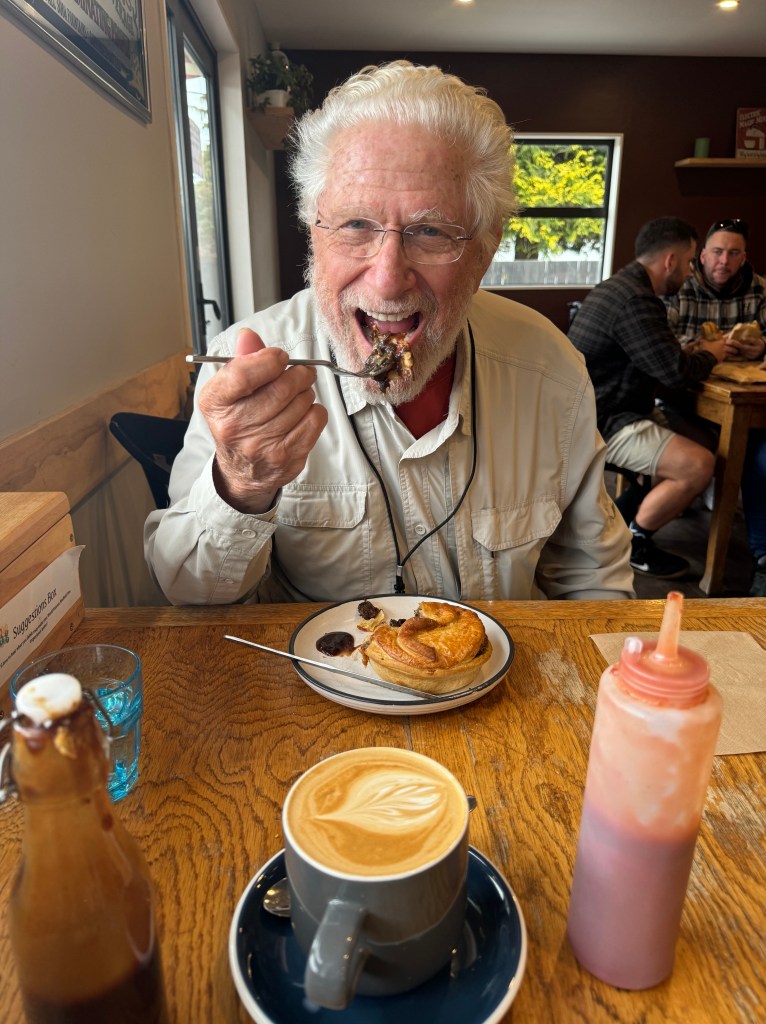
Hand pies ……
Originally developed as lunch fare for mine workers…..Quite popular Down Under… even if you eat one with a fork! Wonderful on a chilly day.
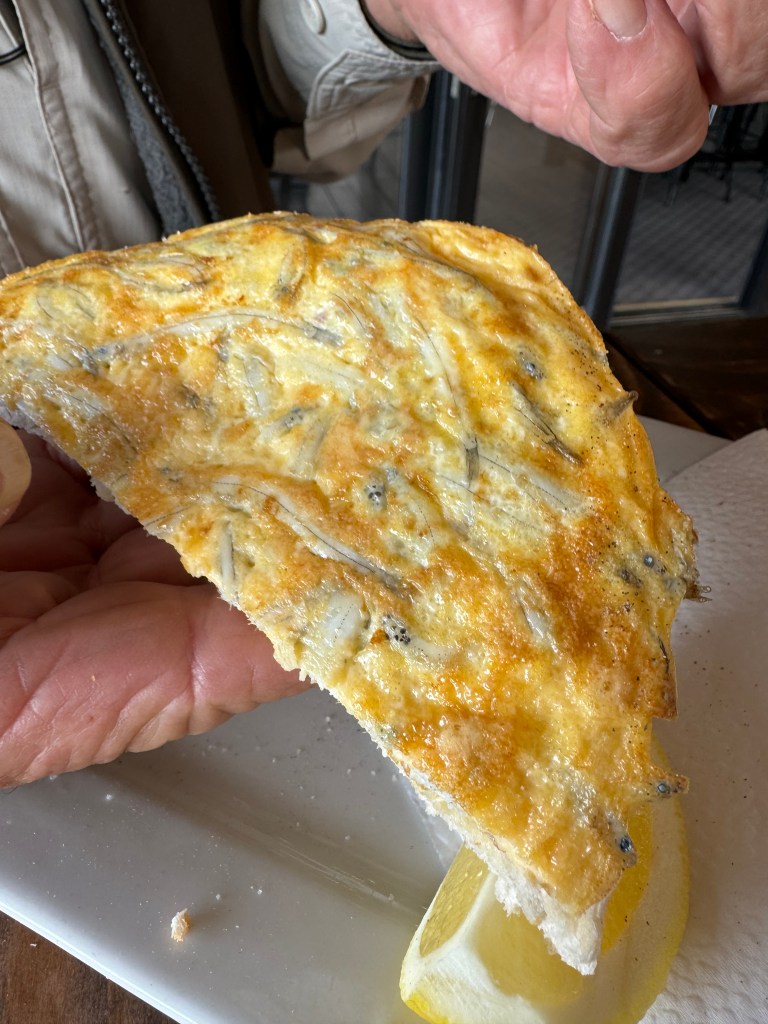
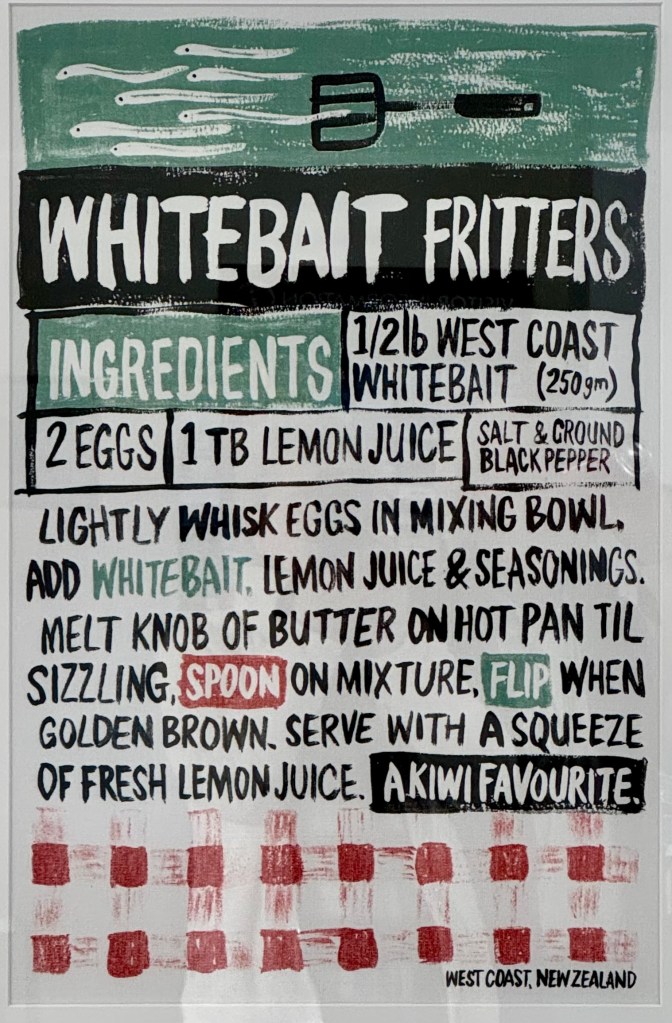
Whitebait fritters….. little teeny disgusting fish, fried up whole with eggs. Not for everyone.
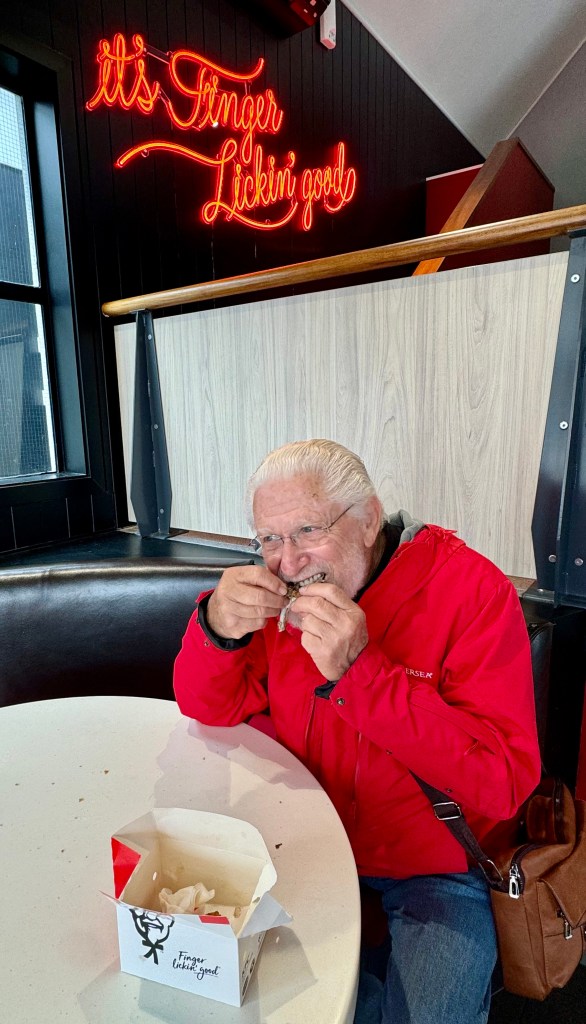
KFC is all around the world – had to try some. Conclusion – just like the original. Greasy, salty and tasty.
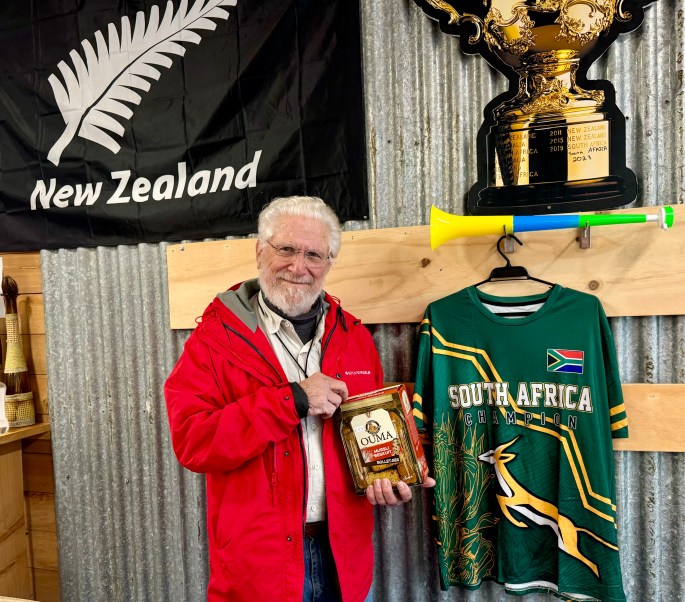
In Hokitika, a shop that caters to South Africans! Gotta love Ouma’s rusks with your morning coffee.
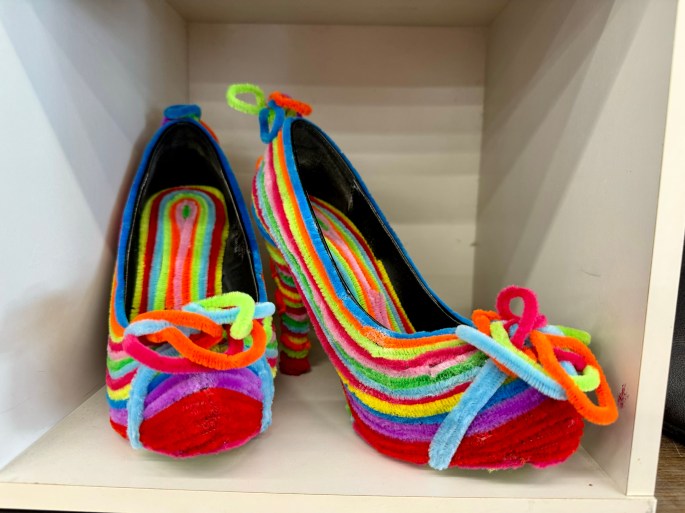
One of the finest discoveries in an op shop (thrift store, in case you’ve forgotten)……
Yes, pipe cleaners…. And absolutely fabulous! Unfortunately, not a size either of us could wear.
Gosh, a lot of turf covered in our four months Down Under! Adventures both stirring and commonplace, but all in all rewarding. The more we travel, the more we are humbled at our own ignorance. And thrilled to have the chance to see, hear and understand just a little more.
Arthur Frommer… the originator of $5 per day travel back in the 50s and 60s….. just died at age 95. Probably sharp as a tack to the end….. He believed travel to be transformative – critical to the process of learning and growing as a human being and recognizing our relationship to the planet and its other inhabitants. For him as for us, the most genuine experiences don’t require elaborate planning and need not be expensive. (Although a splurge now and then doesn’t hurt….) Kudos to him and his legacy.
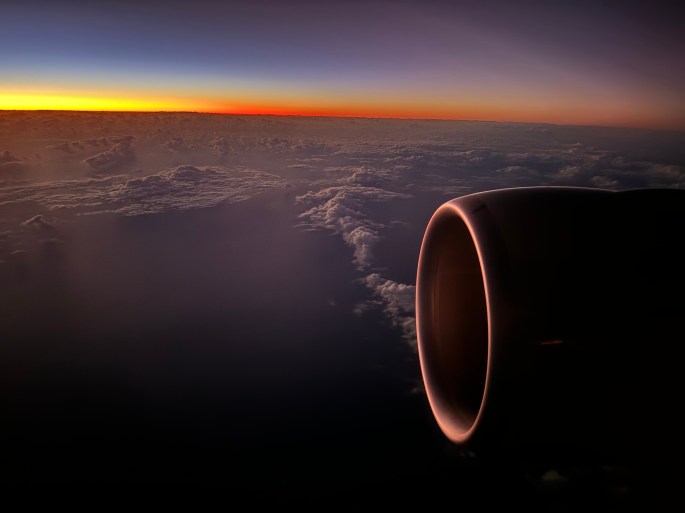
Henry is a master of airplane-window photography. This closing image was taken on the flight from Auckland back to Texas.
We will mostly be home until the spring, with a foray next summer to Ireland and Scandinavia.
Best wishes to you all for a happy and peaceful holiday season, and a new year filled with hope.
































 Travels with Henberta