South Africa to Namibia by Train

Rovos Rail operates several high-end train itineraries; we boarded in Pretoria, just north of Johannesburg, to travel west through South Africa, and then north through Namibia to Walvis Bay on the coast, a journey of ten days.
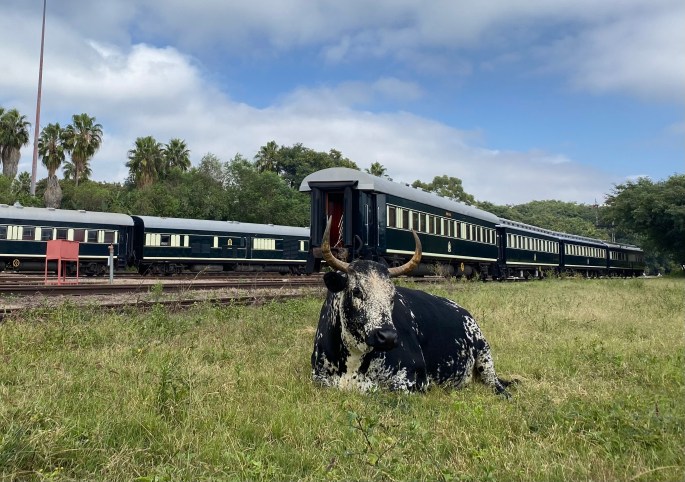
Cows in the train yard!

(The steam engine in the video was just for show at the station – the actual train was powered by diesel and electric power.)

The passenger compartments are very nicely done – each car was salvaged, reconditioned and decorated according to exacting standards of workmanship.

It’s not an historic relic, but rather the dream of a train enthusiast, Rohan Vos, who started the operation twenty-something years ago.

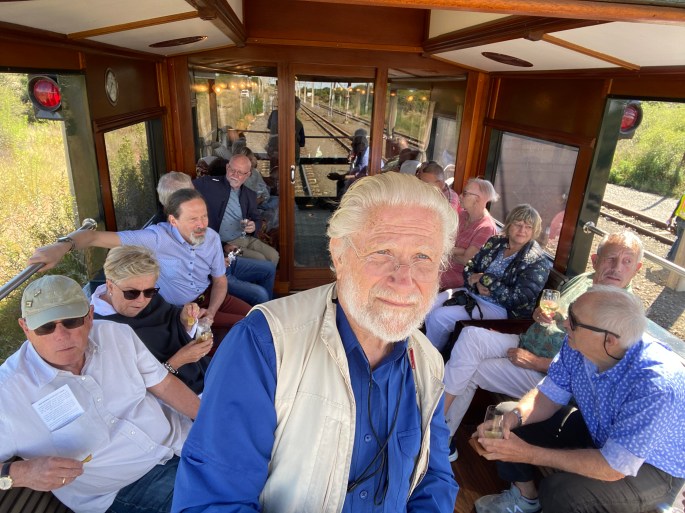
One of our favorite spots was the open observation car at the back of the train.
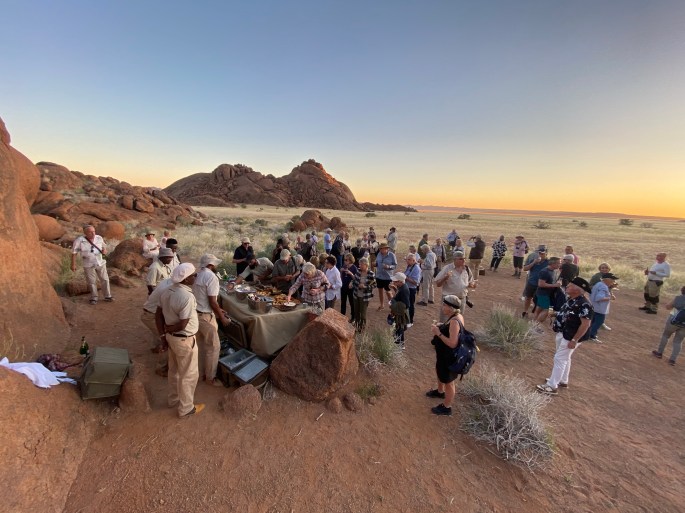
About 50 travelers were on the trip, here having an off-train sundowner.
Due to mechanical problems, some vandalism on the tracks and scheduling conflicts, travel was delayed or rerouted frequently….. but we nonetheless got to visit all the sights along the way, and ultimately arrived at our destination only a few hours late.

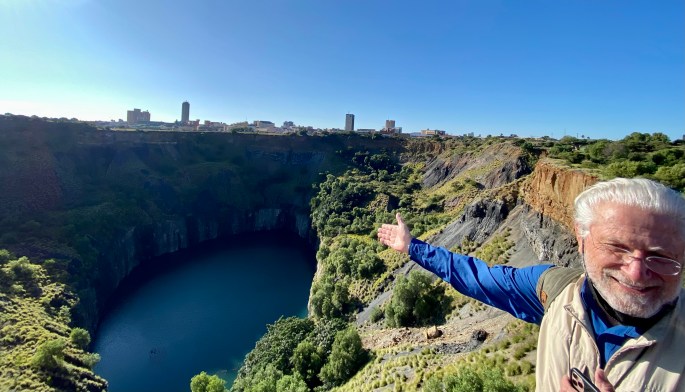
The first and most interesting stop was “The Big Hole” in Kimberley, South Africa, formerly an open-pit and underground diamond mine, the original source for the famed DeBeers Diamond company. It is supposed to be the biggest hole ever dug by hand, at about 700 feet deep and over 1,500 feet wide.
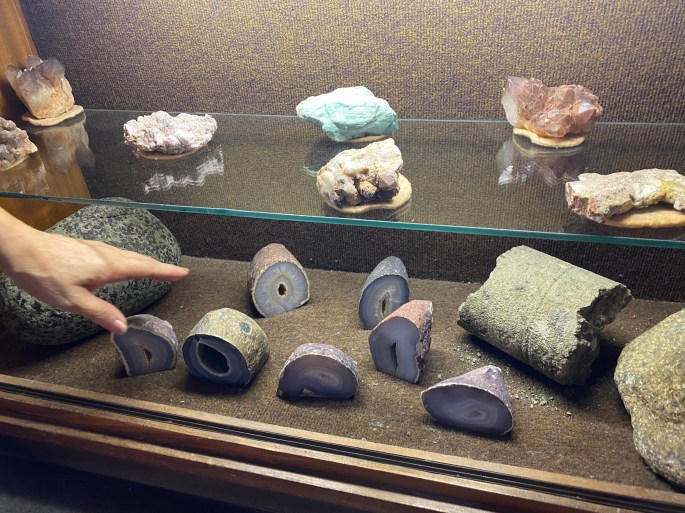
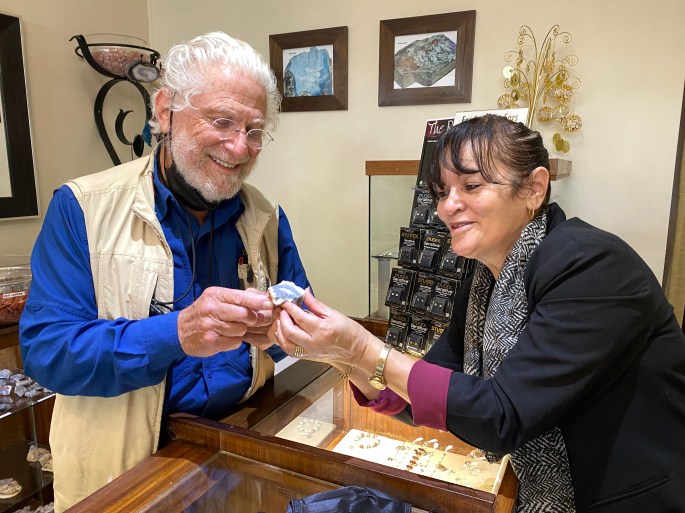
Henry found some beautiful specimens of Botswana banded agates at the associated rock shop…. and we acquired a few, of course.
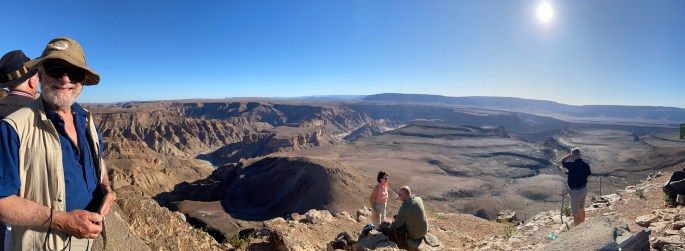
Fish River Canyon in southern Namibia is the second biggest canyon in the world, after our own Grand Canyon……. Impressive as it is, it just isn’t quite as grand.
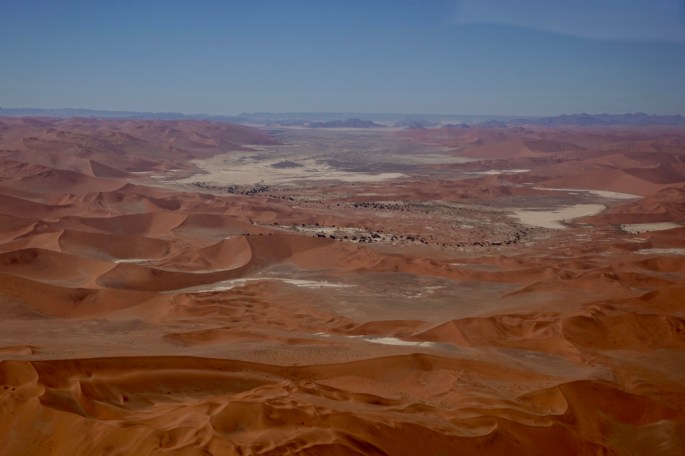
Sossusvlei features some of Namibia’s famous sand dunes, a part of the enormous Namib Desert.
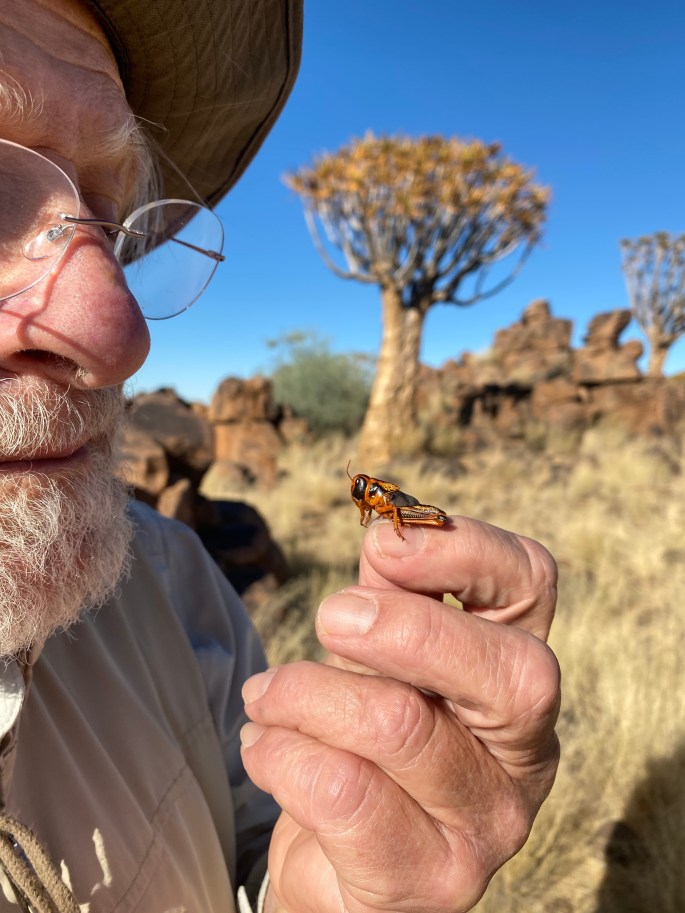
Locusts and grasshoppers have been a major problem in southern Namibia lately, with some devastating results for farmers…… dead locusts littering the ground in some places; in other places, they are very much alive.
Included on the journey was an overnight stop and a couple of game drives at Etosha park, around a salt pan in northern Namibia. Here are some of our nature encounters….
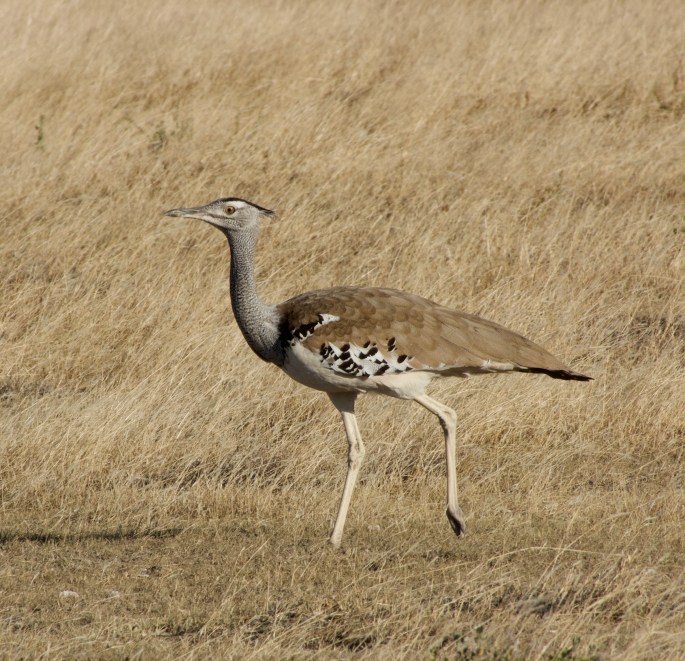
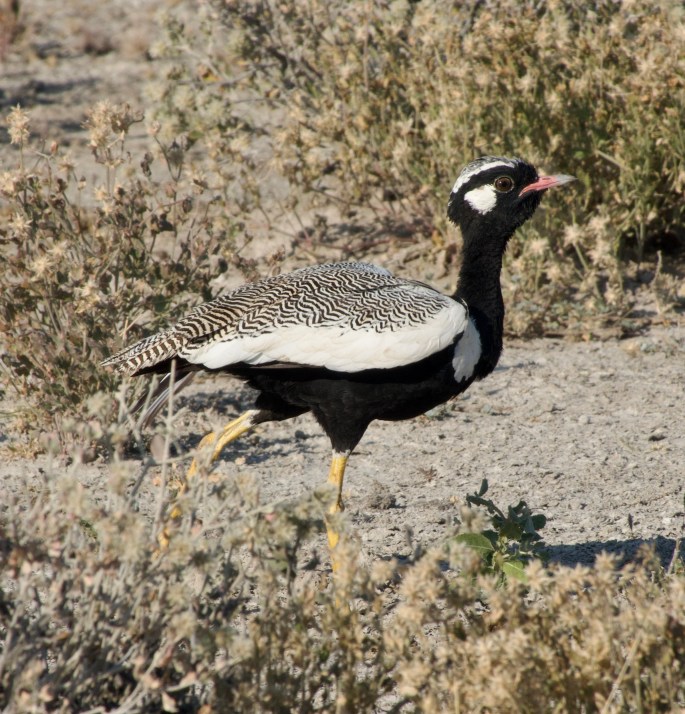
Kori bustard, the world’s largest flying bird
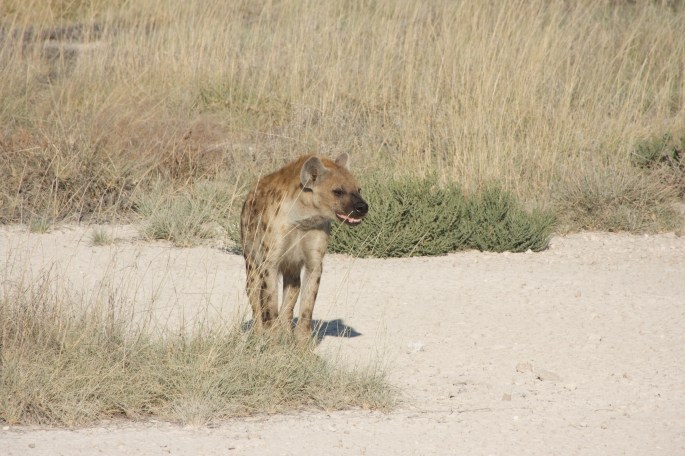
Spotted hyena
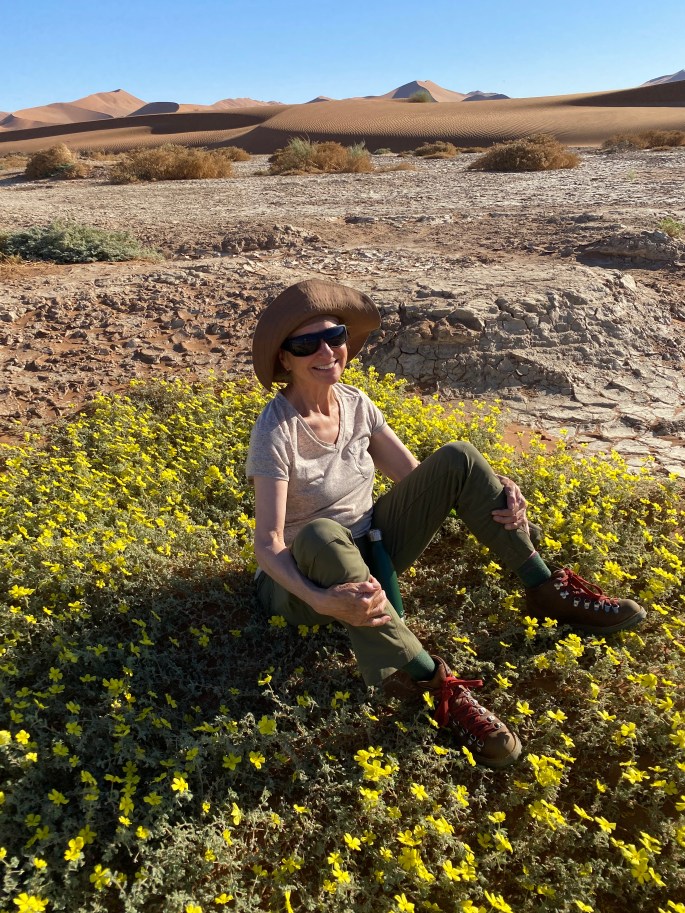
A tiny desert flower
D
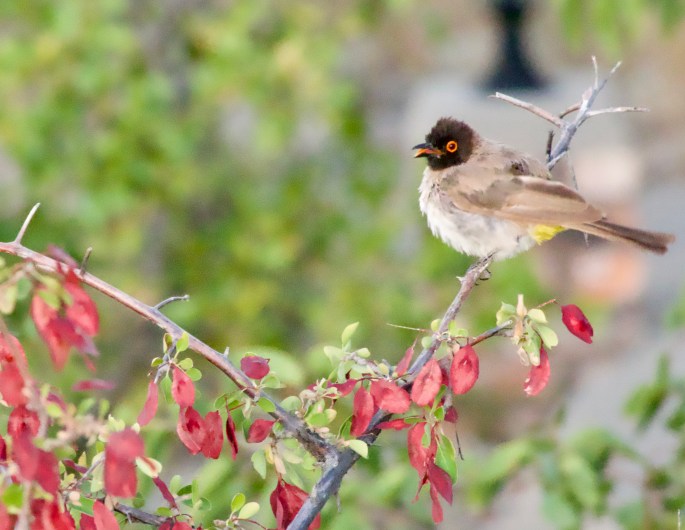
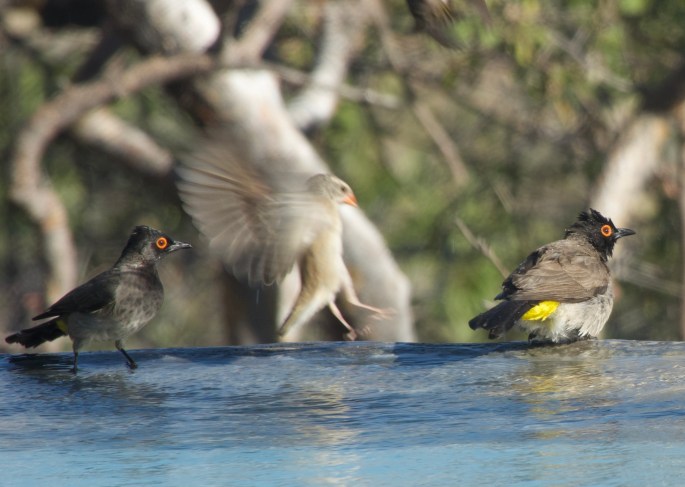
Red-eyed bulbul (we think)
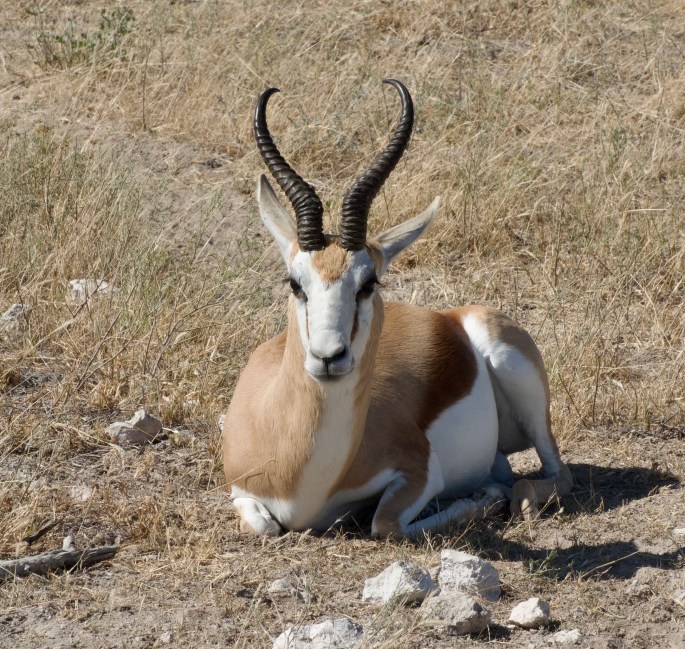
Springbok
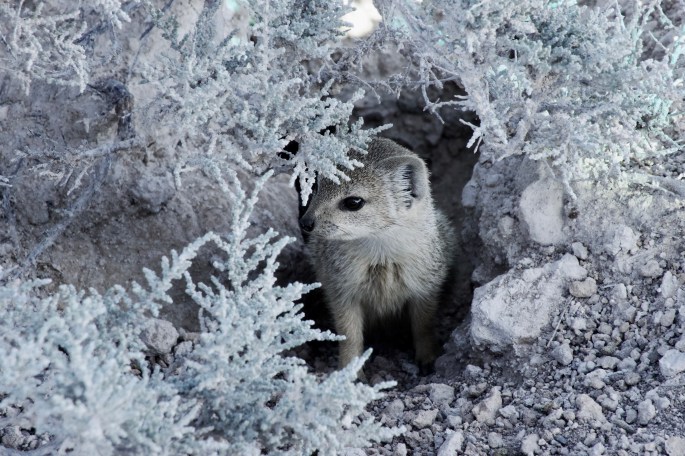
Mongoose
Zebra at a water hole

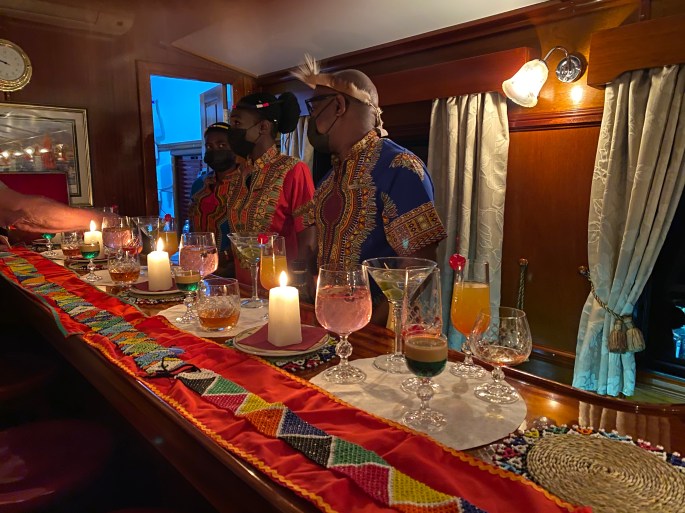
Final night on board the train featured a staggering variety of cocktails, many of which we unwisely sampled.
Our fellow passengers were mostly South African, English or Scandinavian. We enjoyed meeting them and sharing travel stories. Only one other American was on the trip. (We think many of our compatriots remain quite cautious about travel.) Del is a bright, charming, funny and curious 93-year-old from California.
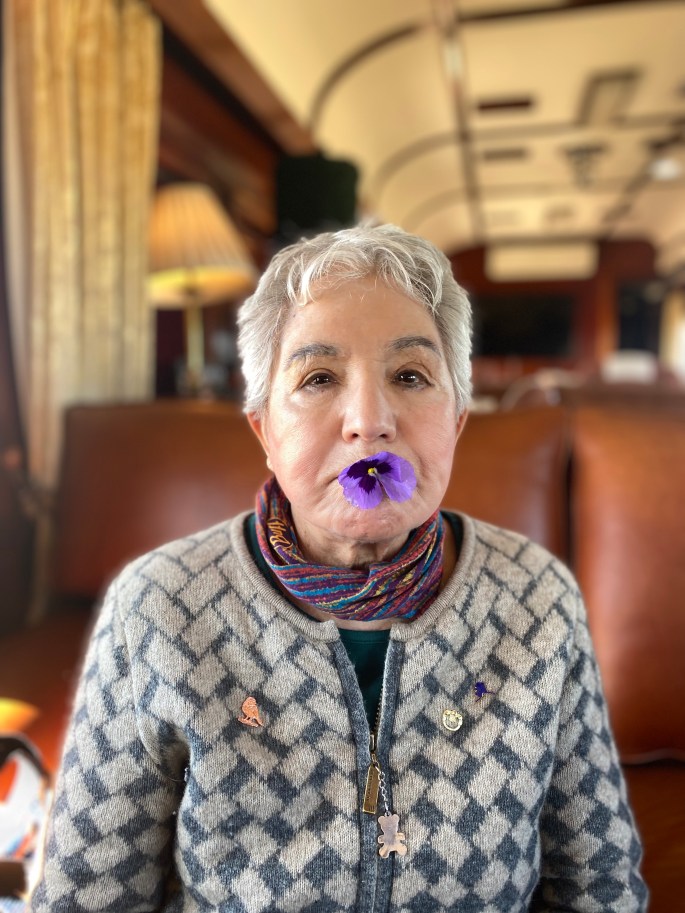
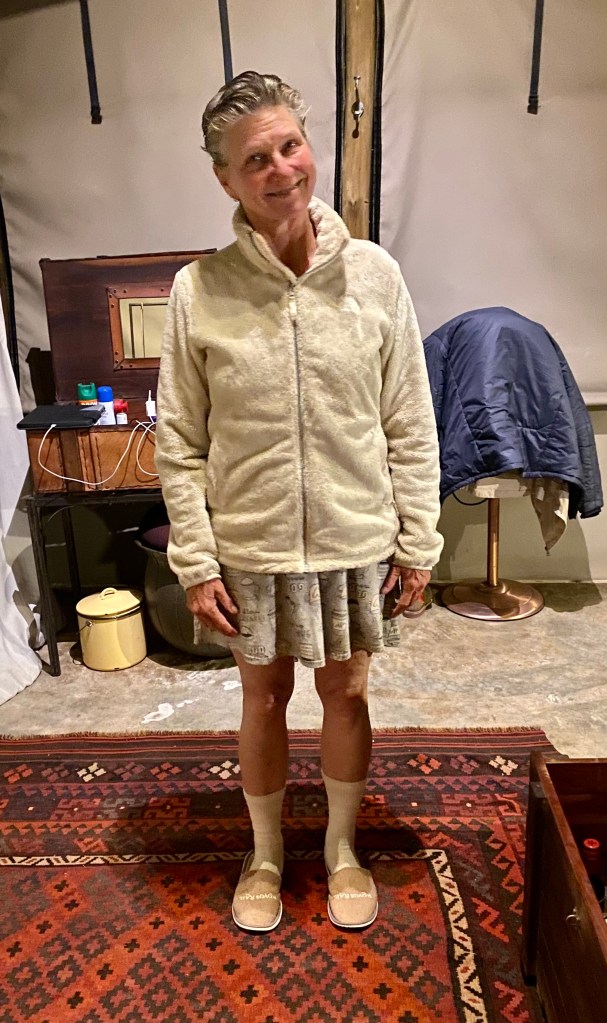
She was great fun to be with, and we hope our paths will cross again….. even though her youthful looks and energy make us look pretty creaky in comparison…..
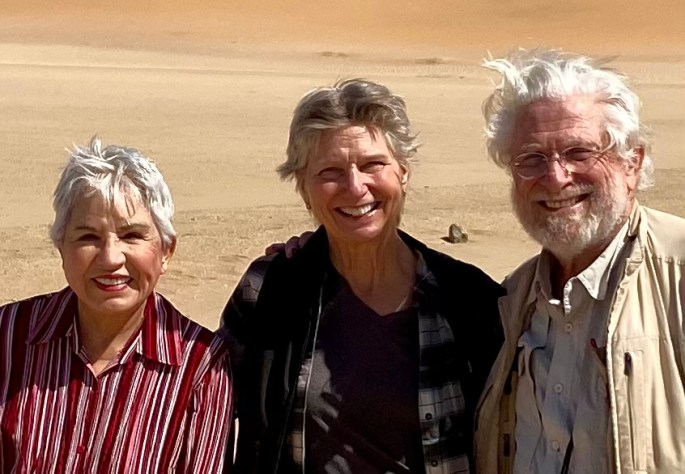
So the rail network finally delivered us to Walvis Bay, where the land portion of our Namibian odyssey will begin!
Namibia, Part I

Namibia is such a spectacular country, on so many levels. One of the attractions is that it is the second most sparsely-populated country in the world (after Greenland). That fact becomes apparent as you drive through the vast expanses of countryside.

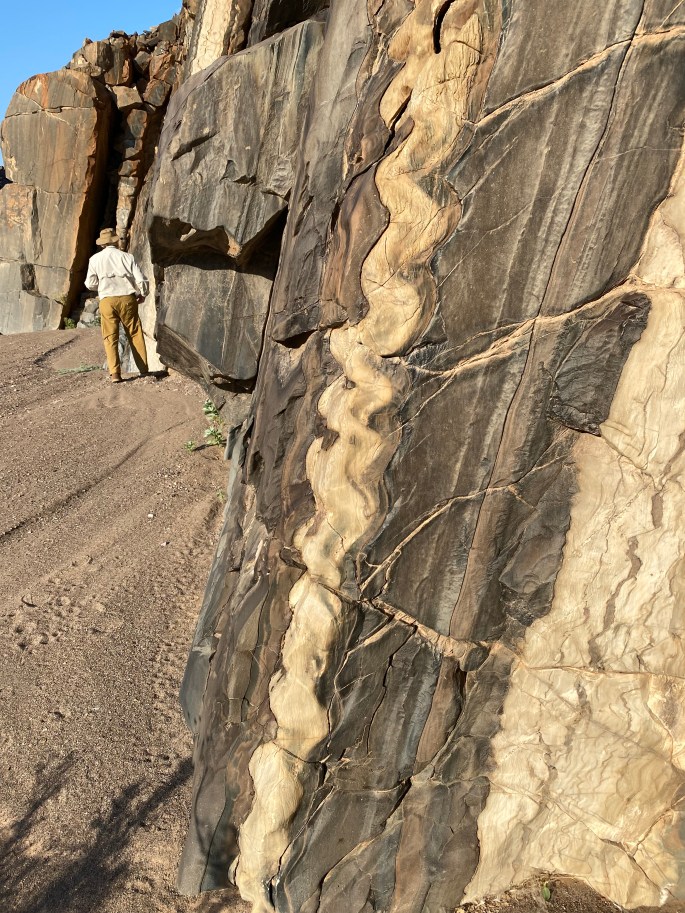
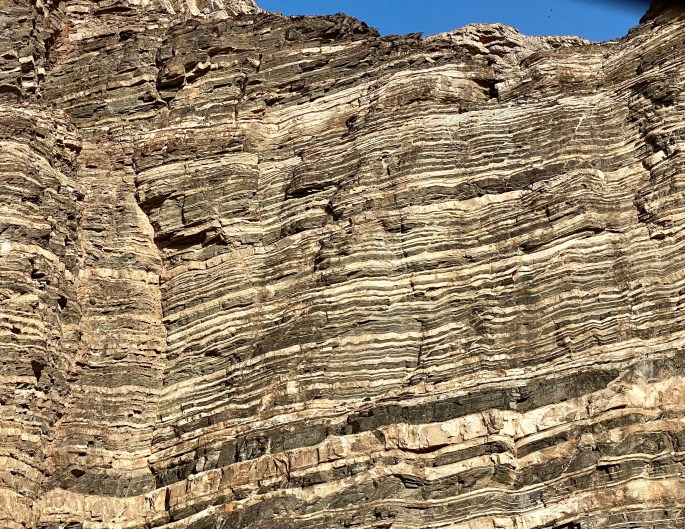
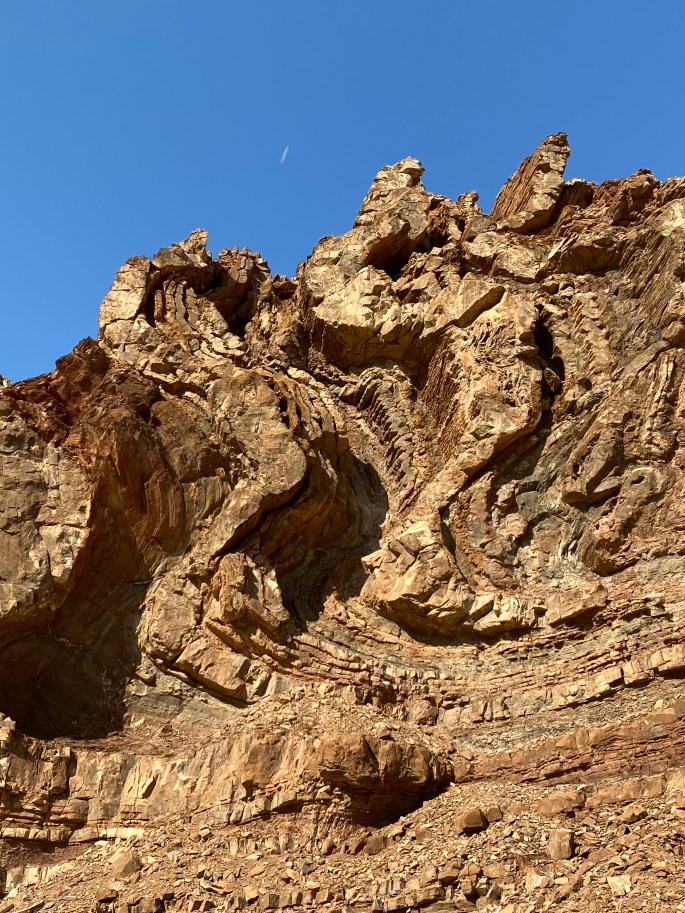
This country is also a geologist’s dream. Many phases of its development over eons are apparent on the surface……

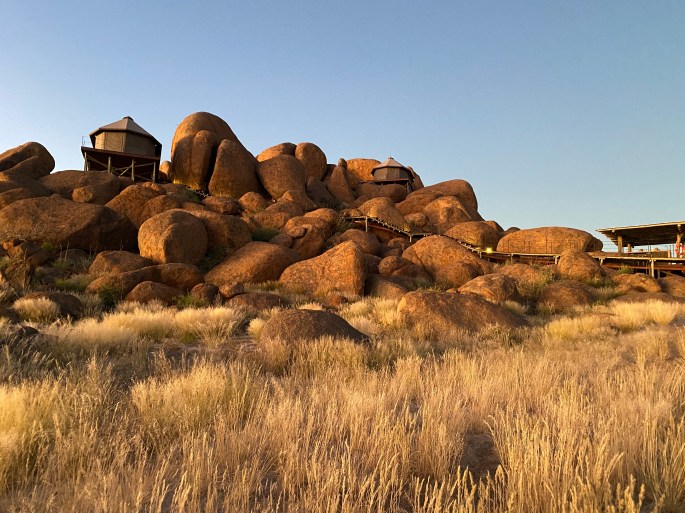
(Even the lodges take advantage of the incredible geologic features!)

Lots of minerals and gems have been mined here… including many kinds of gemstones, diamonds, copper and amethyst, the purple form of quartz. Tertius has a friend who mines amethyst in the Goboboseb Mountains, who gave us a sampling of the mining process…..

Of course, some people can find special specimens without all of that hassle….. like buying from a street vendor in the coast town of Swakopmund…

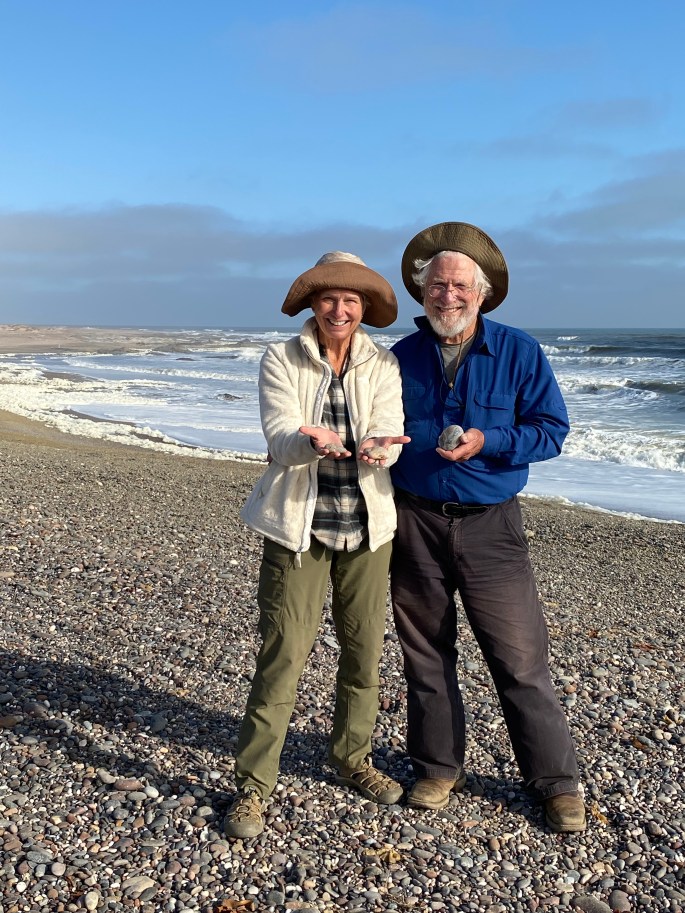
Or picking some special pieces up on the beach…..

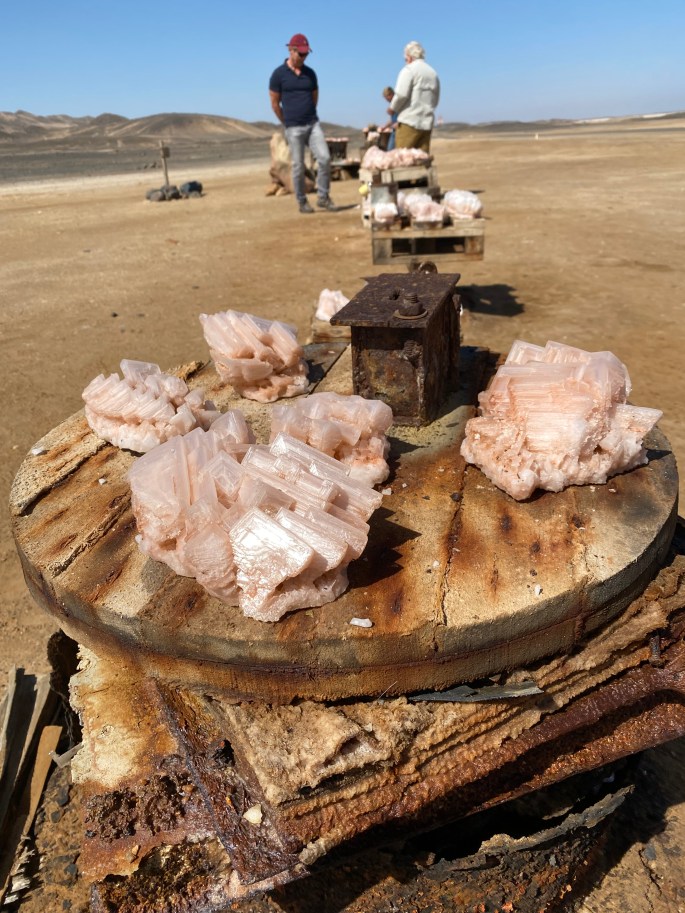
Finding a salt crystal offering on the side of the road….

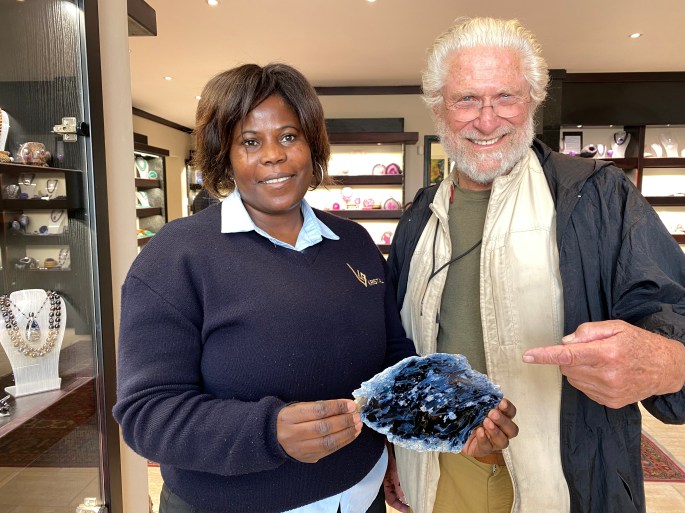
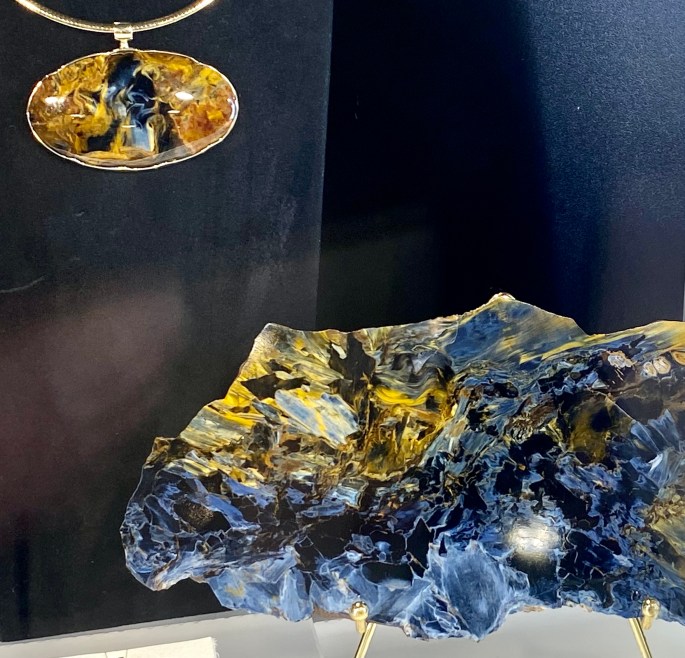
Or even purchasing a gorgeous piece of the semi-precious stone called pietersite, almost exclusively found in a specific area of Namibia……

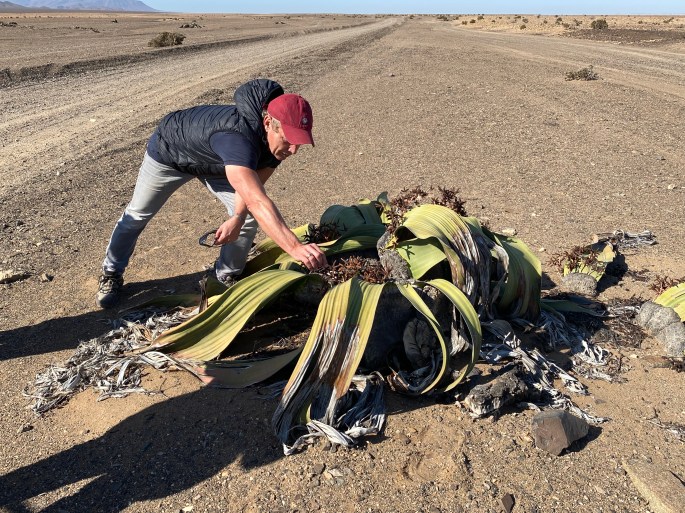
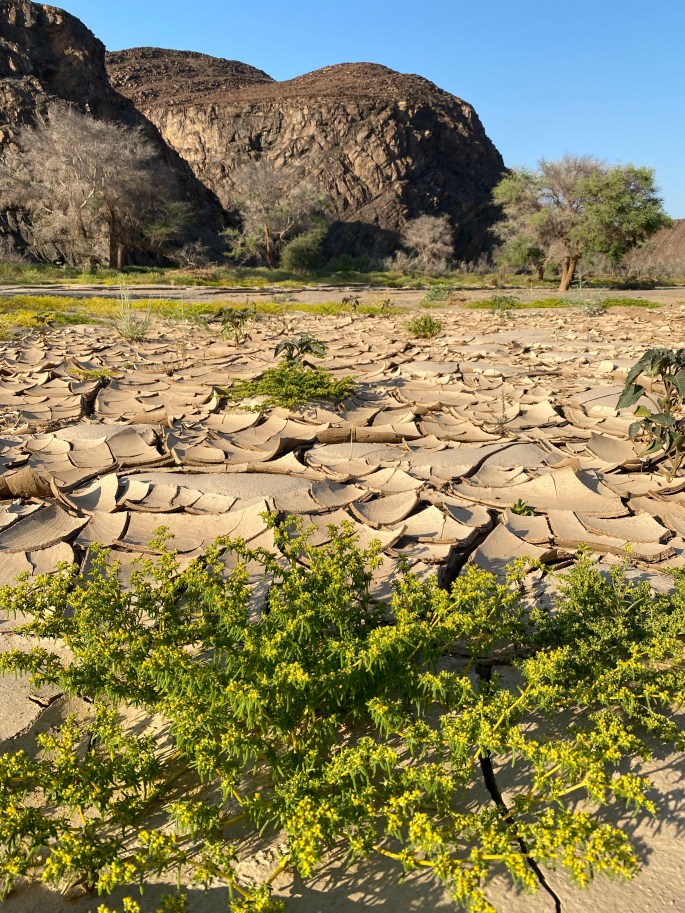
It’s also very dry here….. apparently not a very welcoming environment for life. And yet the welwitschia, the national plant of Namibia, is well-suited to the dry terrain. Not a particularly attractive part of the landscape….. Tertius explains here, however, that this plant may well be two thousand years old! Age triumphs over beauty!

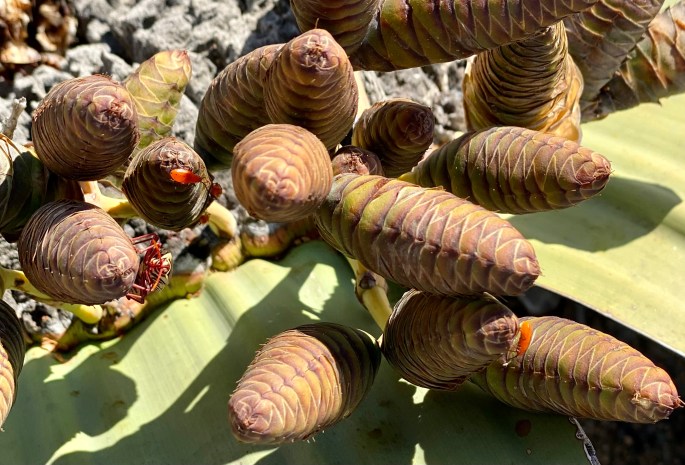
And here are the male welwitschia parts, ready to start a new generation in the desert.

And still nature compensates in other amazing ways…..

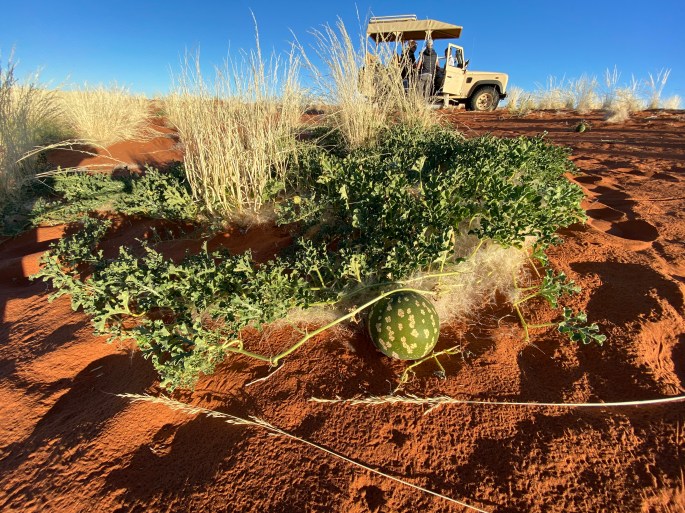
These melons are not very sweet, but provide needed moisture to many desert-adapted creatures.

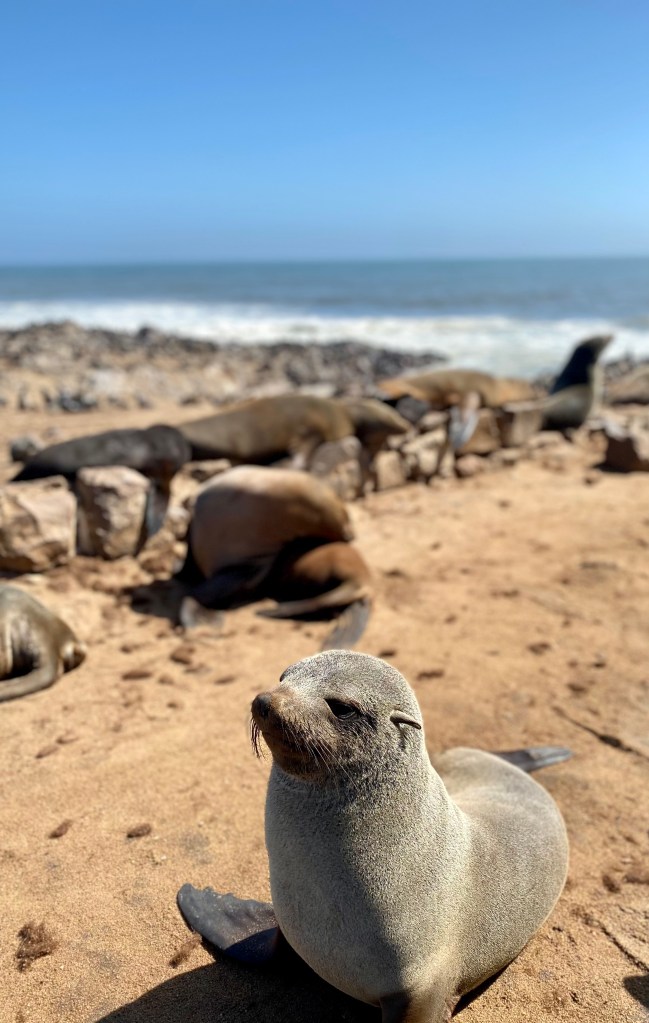
Cape seals proliferate along the coast in small colonies and large….. as many as 10,000!

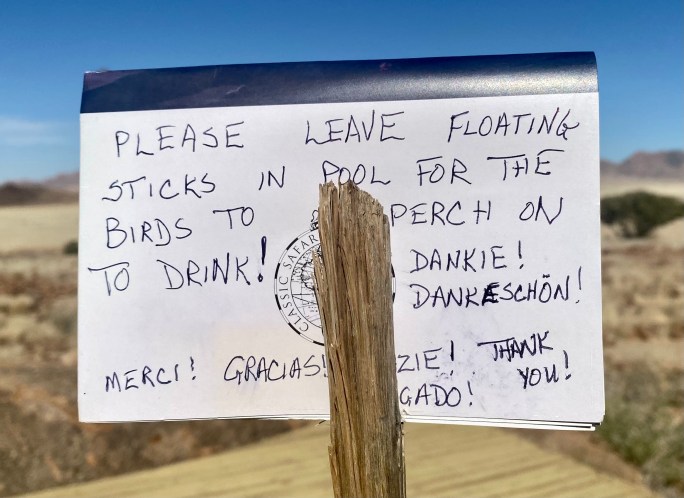
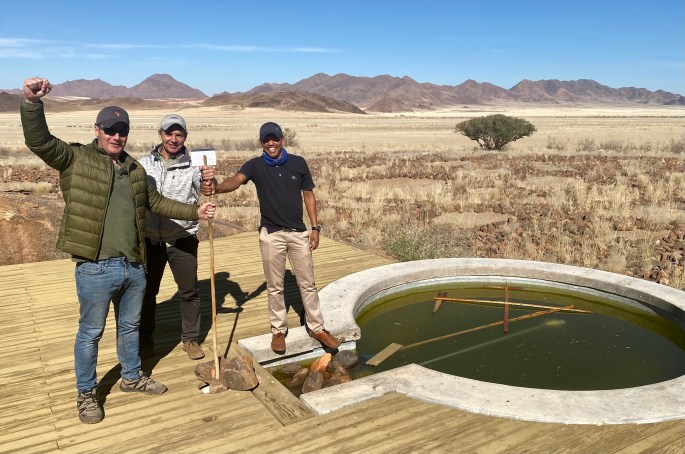
Sometimes people ”interfere” with the lack of water…. At this pandemic-abandoned lodge, birds were frustrated at not having access to the water in the plunge pool. Enterprising humans (Ty, Tertius and our guide, Jake) found a way to help them out….

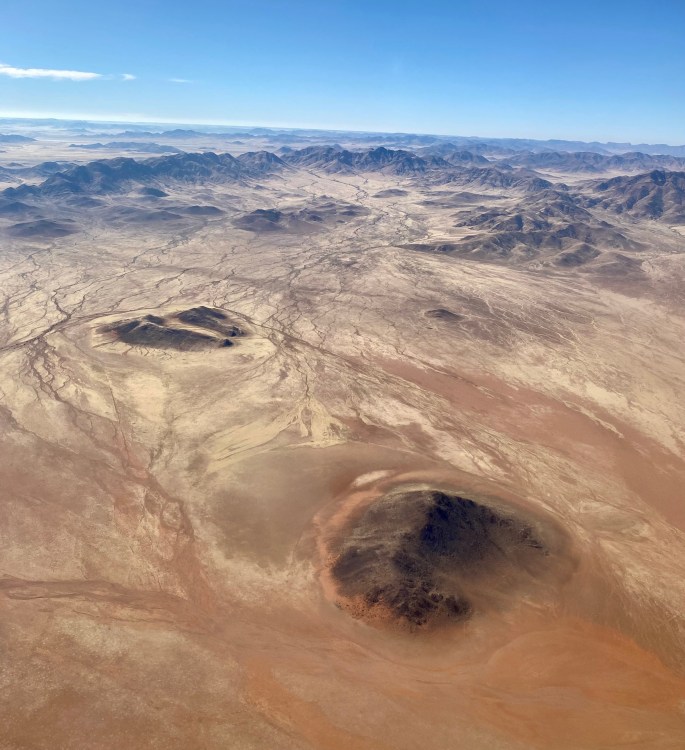
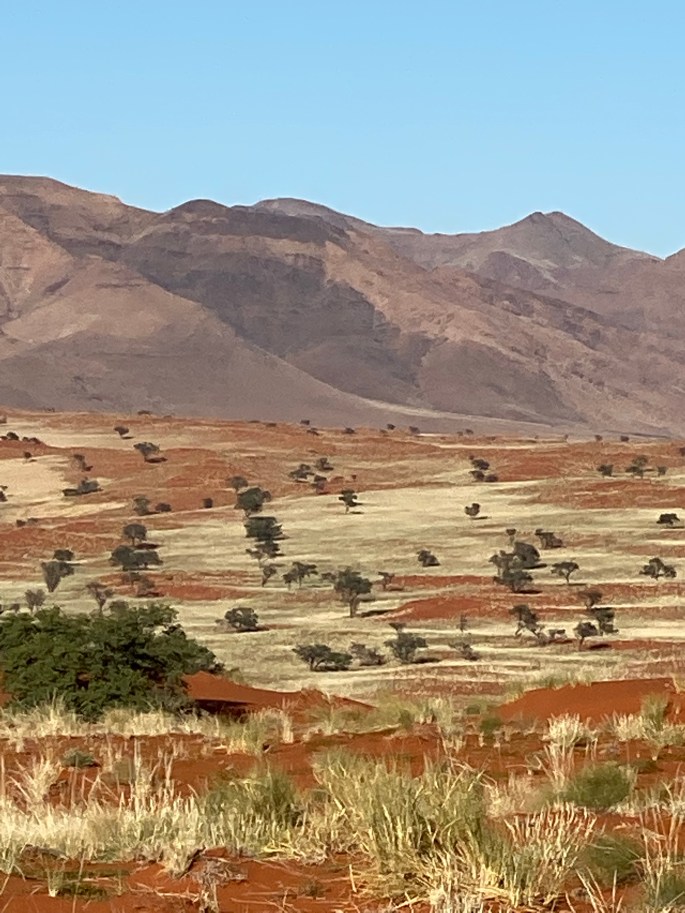
After a generous rainy season earlier this year, the NamibRand reserve in the central part of the country was lush and colorful….. the bare round areas in the landscape are called fairy circles. No one knows for sure why they exist here….. theories of termite infestations or poisonous plants abound. But they remain a mystery.

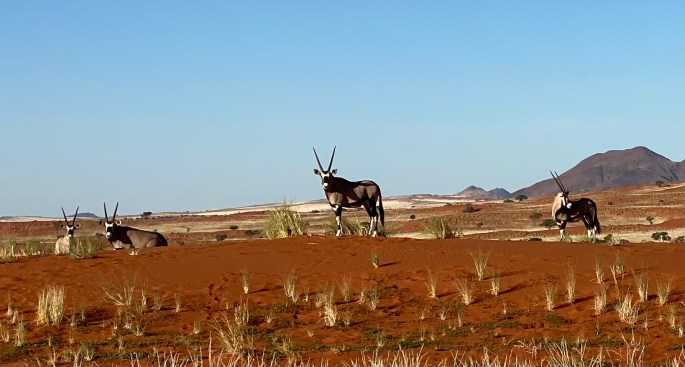
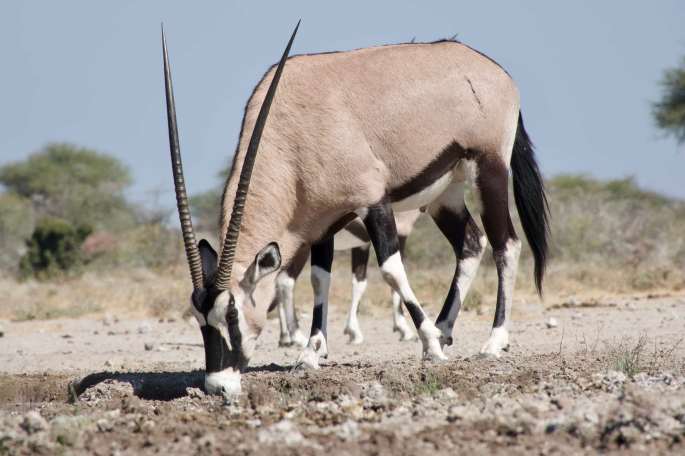
Not dense with wildlife, the area includes some quite handsome residents — among others, the gemsbok, also known as oryx.

(Sorry for the long time between posts…. much has been happening but internet service has not permitted any posting. Tertius has also done some terrific drone videos…. but not available just yet. Hopefully we’ll get more opportunities to update soon, but if not, please bear with us!)

Another Hiatus

Dear friends and family –

I have several posts that are scheduled to be published over the next two weeks, so please stay tuned.

However, please know that beginning this evening (June 7), we will have virtually no phone or internet connectivity until possibly the first of July. If you have an emergency and you’re on Henry’s satellite Inreach distribution list, you can send us a note that way and we can respond.

Hope all is well with you all

African Wildlife, Part III

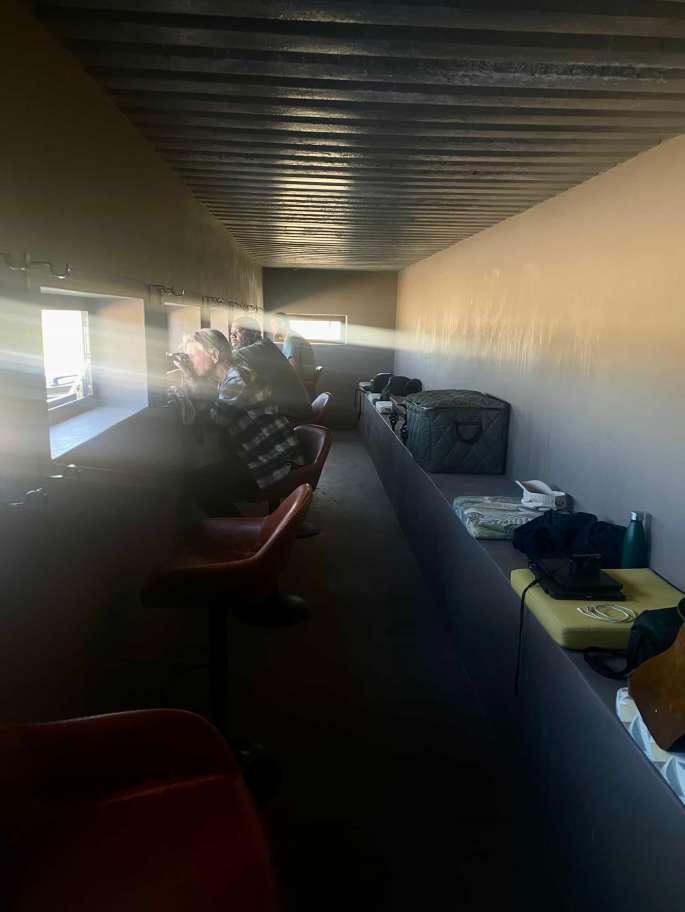
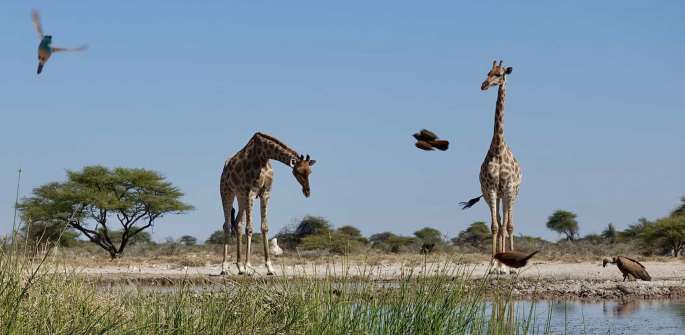
More animal photos, some of them taken from this hide near a waterhole at Onguma reserve, near Etosha Park in Namibia…..

Flying birds, giraffe and vulture on the ground
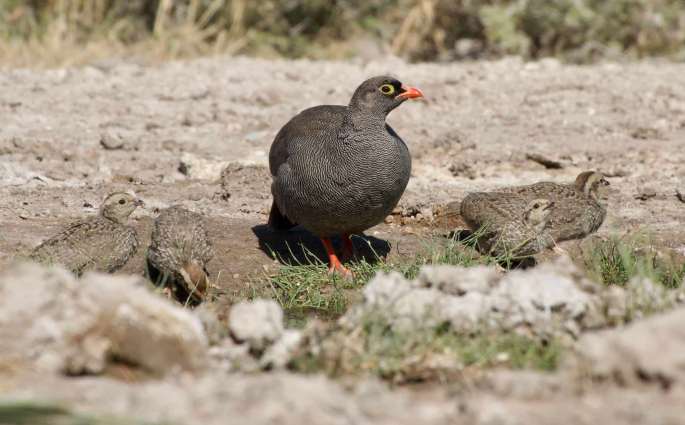
Red-billed spurfowl with babies
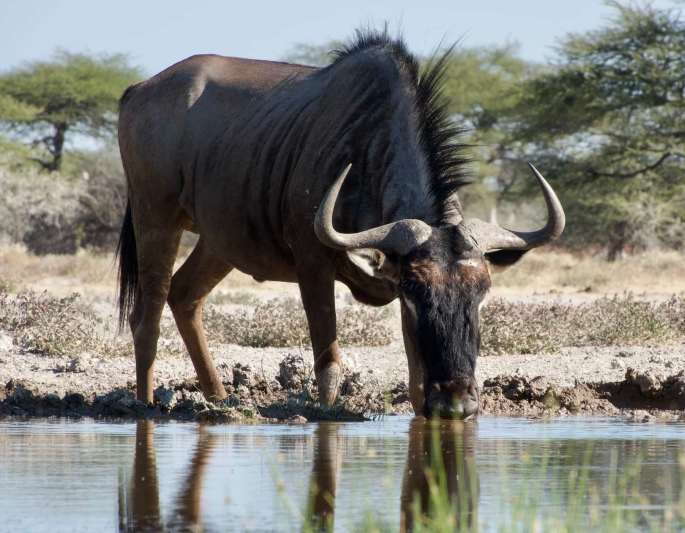
Wildebeest
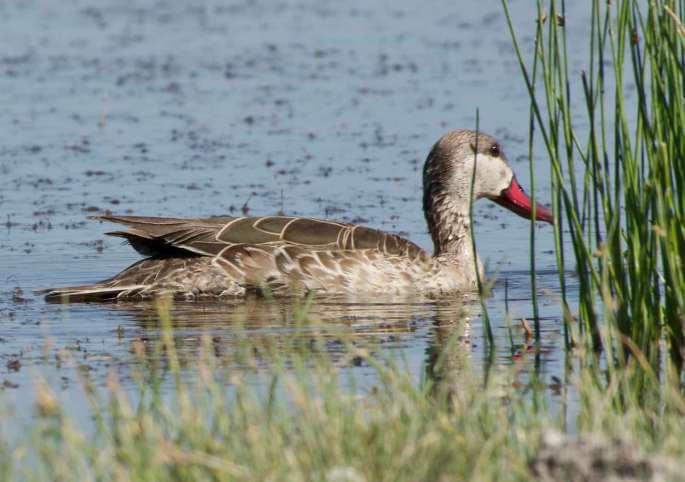
Duck
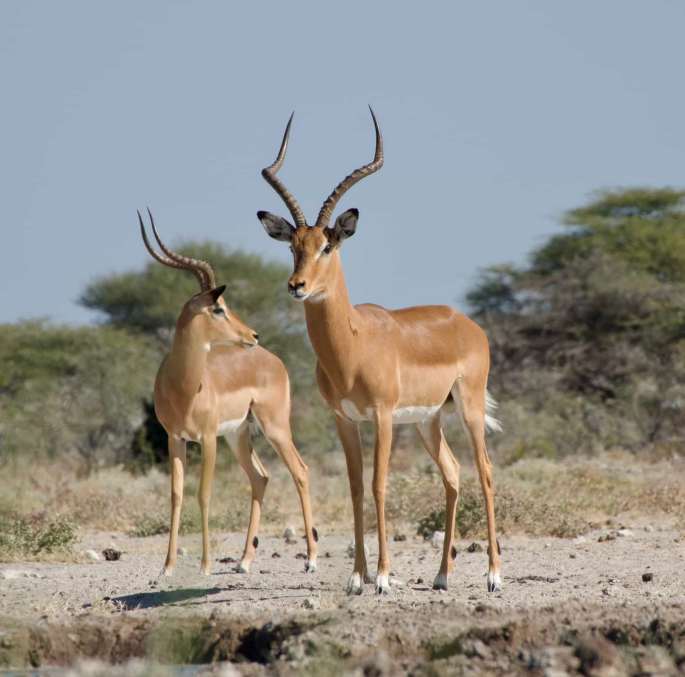
Impala
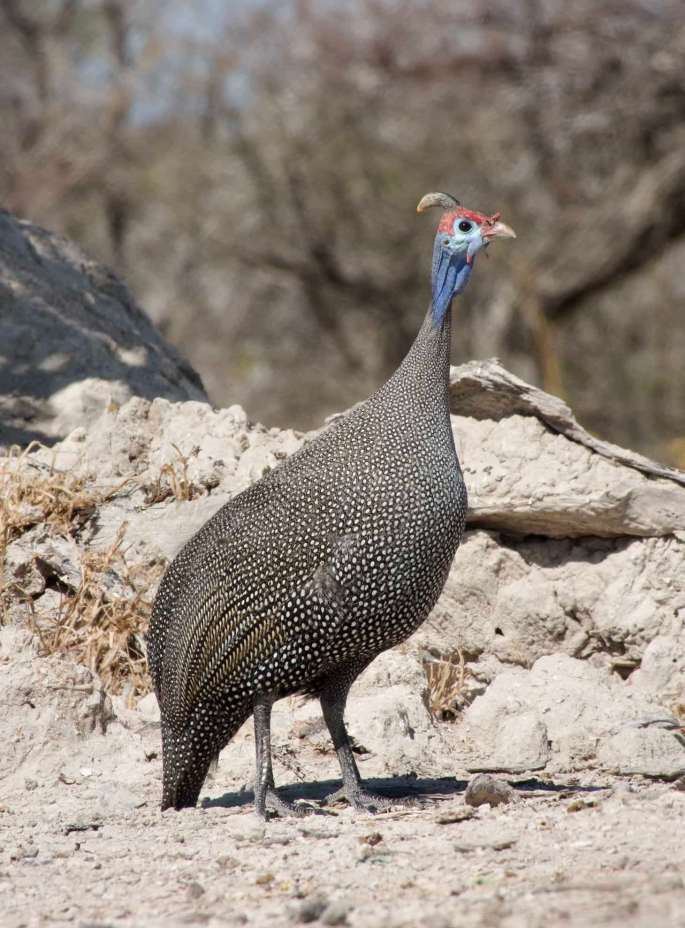
Helmeted guineafowl
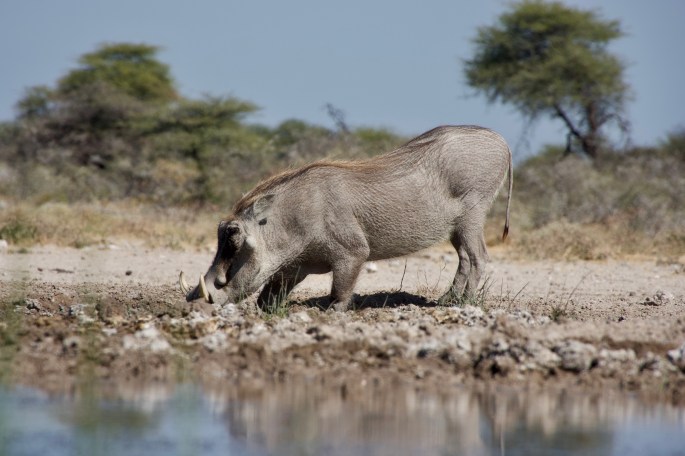
Classic warthog
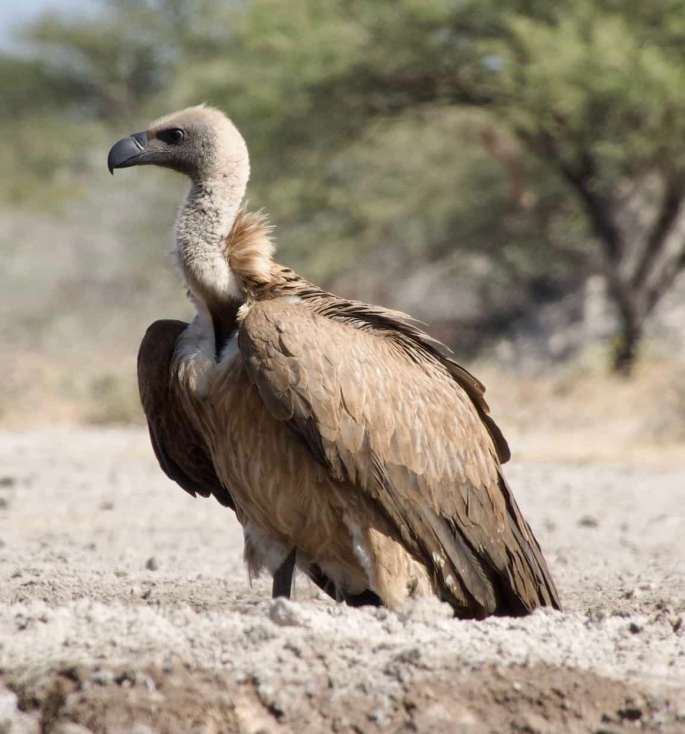
Vulture
Gemsbok
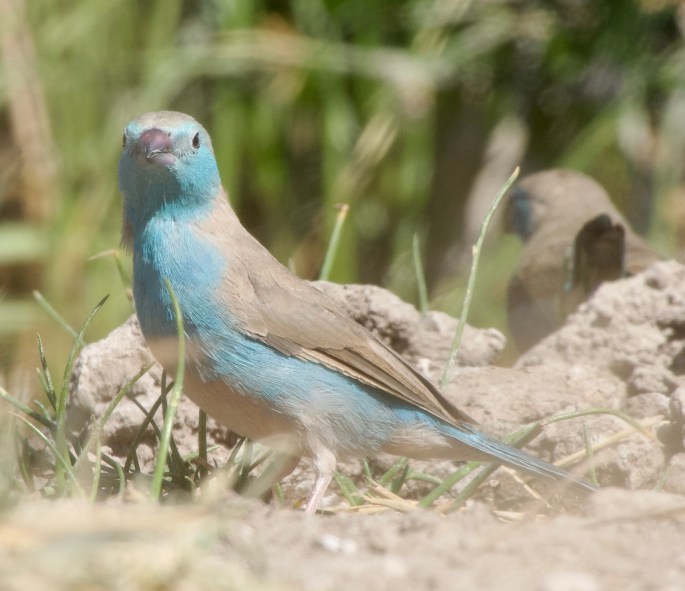
Blue waxbill
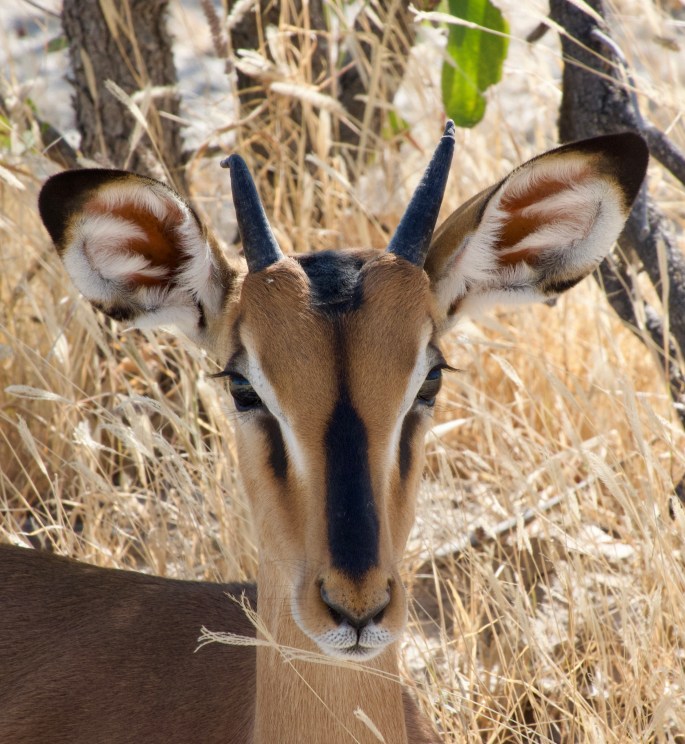
Young black-faced impala
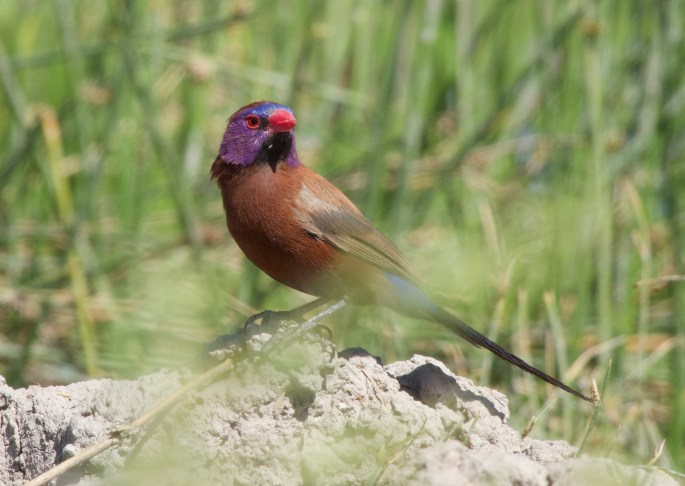
Violet-eared waxbill
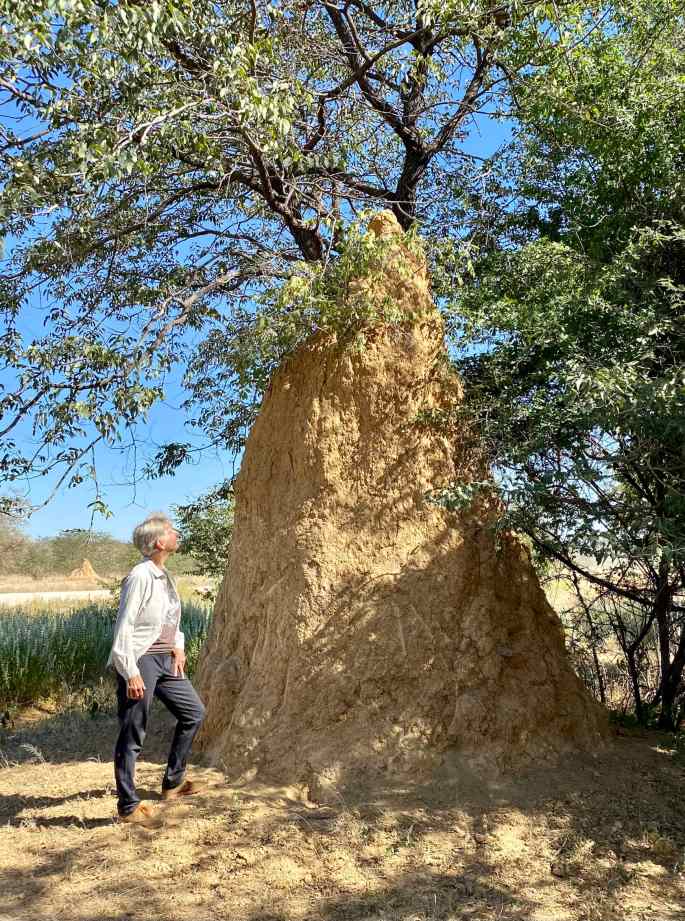
Termite mound!
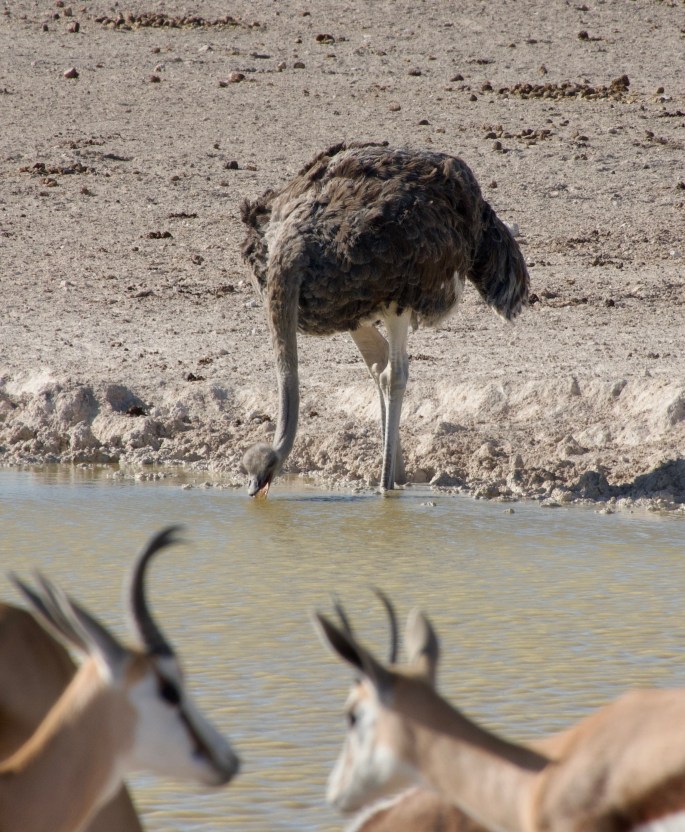
Ostrich (springbok in foreground)

Namibia, Part II

“Wild camping” in Namibia is less about actually sleeping outside than it is a grueling road rally with multiple vehicles – a combination of endurance test and obstacle course in 4-wheel drive campers through dry and not-so-dry river beds and over extreme rocky terrain. The roads were so rough that my spinal column easily collapsed another centimeter or two over the course of our three-week journey. As you will see, however, the breath-taking landscapes, adventure, camaraderie and cultural encounters more than made up for the bumps along the way.

Here is our combination conveyance and occasional home over the last month….

Tertius, Ty, Henry and I were joined by Tertius’ friends Yvonne and John, and Yvonne’s parents Carla and Arthur – 4 vehicles in all – for an incredible trip through Damaraland and Kaokoland in Namibia’s northwest region.

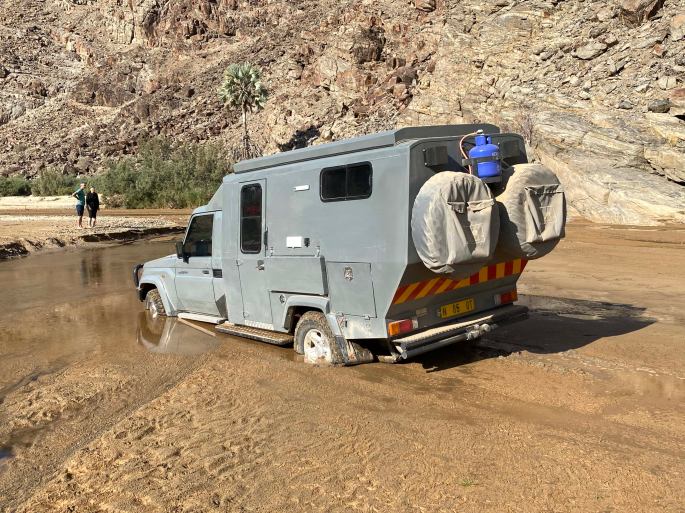
A key element to the success of this type of trip apparently is the process of extracting oneself from the hazards presented on the way. Crawling slowly over rocky outcrops, much as we did on the Sani Pass in Lesotho, was a challenge, but more so was the sandy wet soil of the Ugab, Hoanib and Hoarusib riverbeds……..

Tertius captured some great drone footage of our caravan brought to a halt while Arthur’s camper was stuck in the sand.

Many options for freeing the beast were put forward and attempted….

Finally….. and as we were told, inevitably – a workable solution was found…..

Sometimes, only human intervention can save the day…..

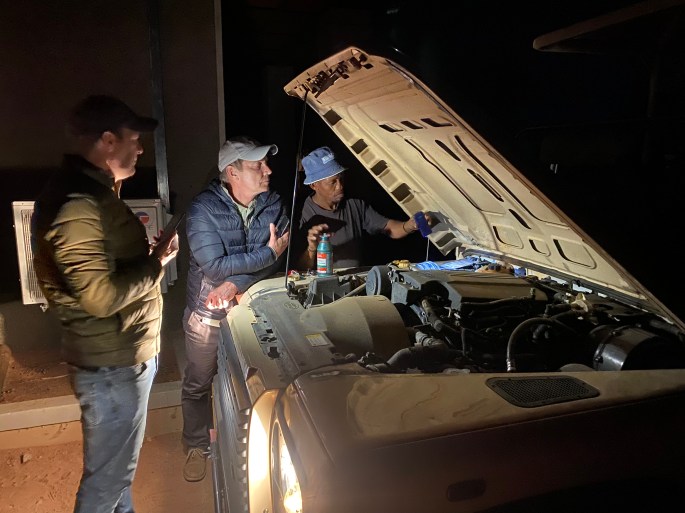
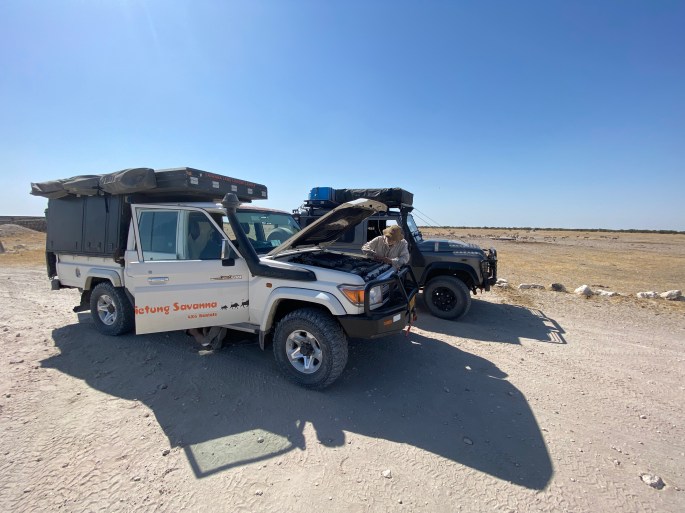
Such abuse over a continuous period is hard on the vehicle in question…… Here, Tertius, Ty and a local advisor ponder a possible transmission issue.

The spare fuel tank on our trusty steed was nearly dislodged after so much jostling. Here, Ty and Tertius strap it to the chassis with some spit and baling wire.

….. while Henry does some maintenance work on a battery that keeps failing.

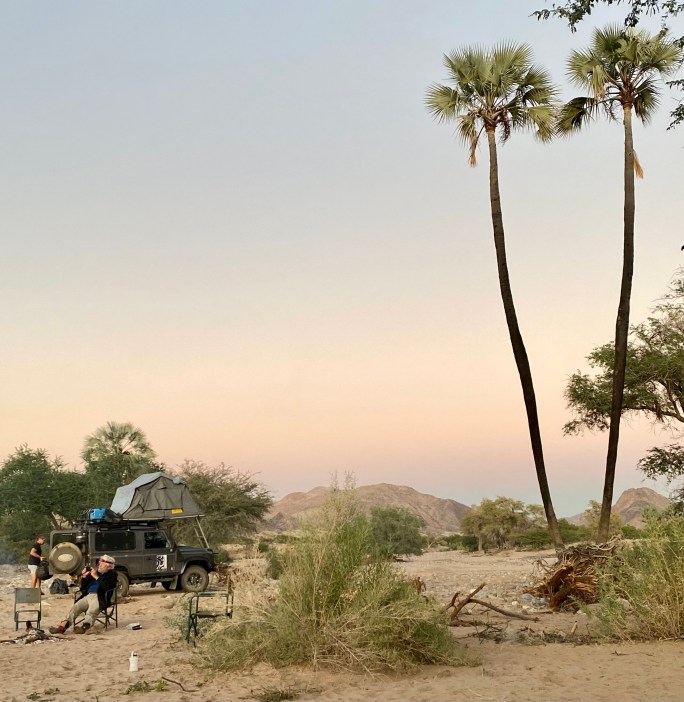
Once the day’s maintenance and breakdowns are taken care of, you must find the perfect spot for the night…

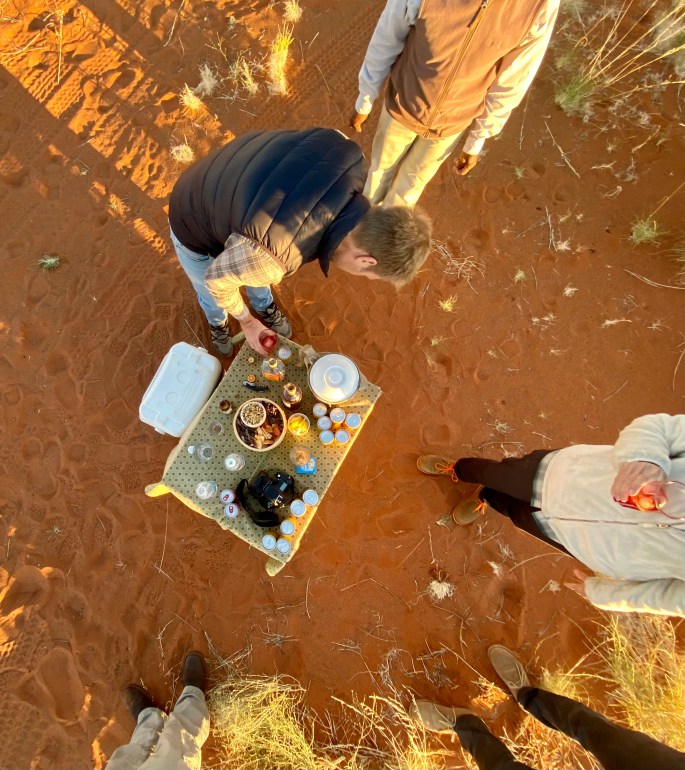
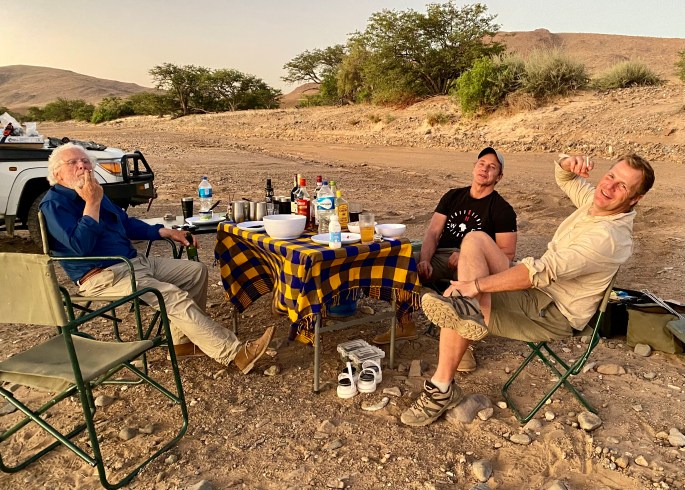
And then….. the indispensable and most crucial phase of wild camping – laying out the drinks table and indulging in same!

Some people enjoy a smoke with their cocktail(s)….

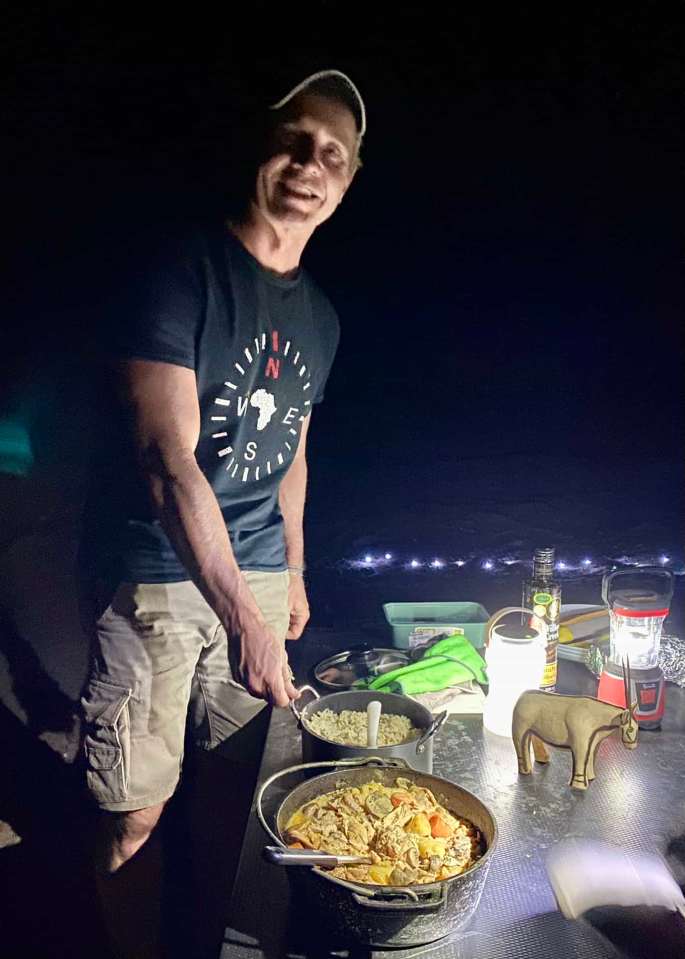
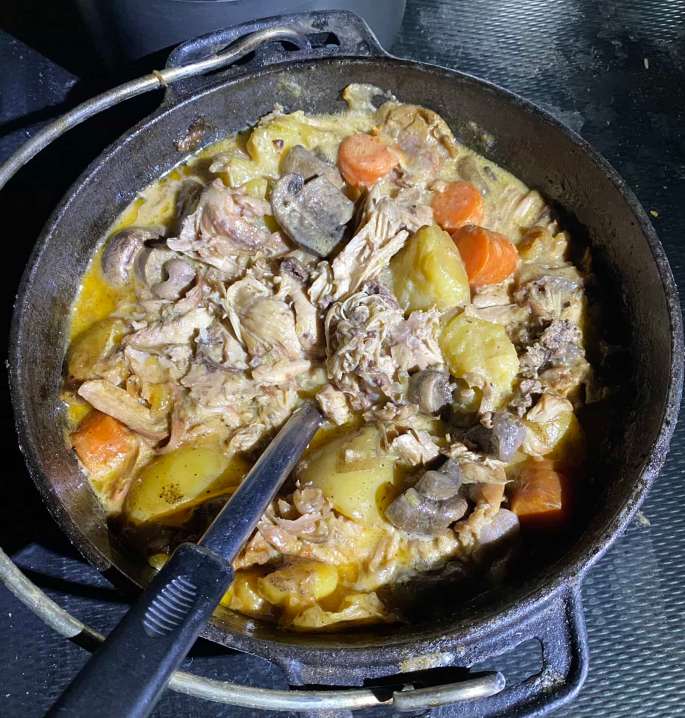
Sooner or sometimes much later, food is consumed. Here, Tertius has prepared potjiekos, a traditional Afrikaaner dish…..

It’s basically a stew of meat with vegetables, prepared (without stirring) in a special pot over a wood fire (this one, obviously, chicken).

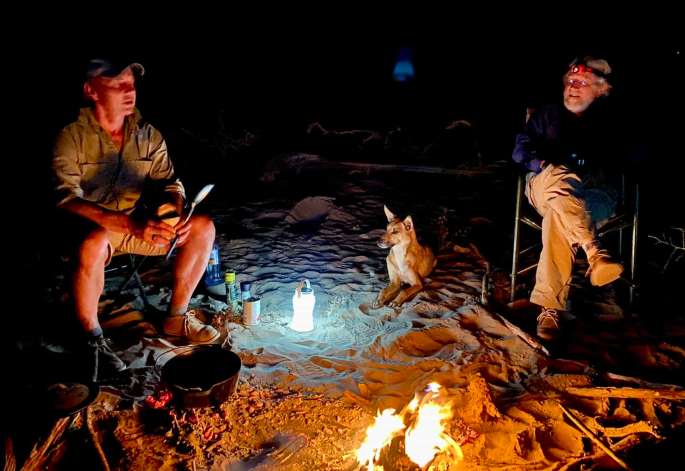
Sometimes, a local visitor (we called him Gideon) will join the group around the fire….

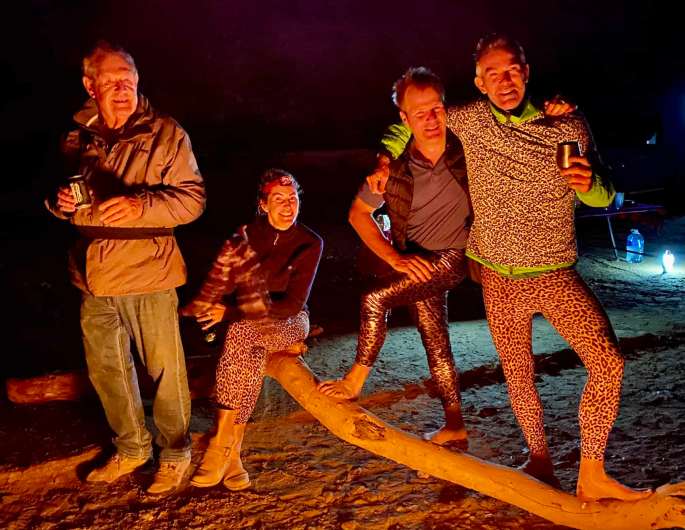
And sometimes hilarity ensues…..

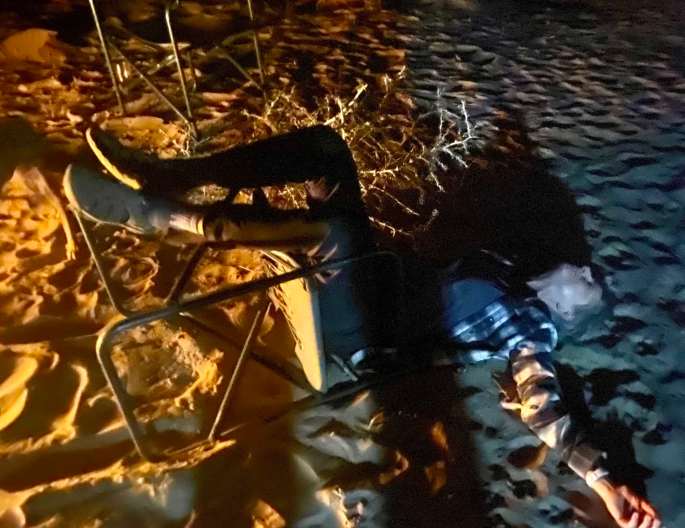
Another victim of the treacherous sand!

More to come as technology permits!

African Wildlife, Part IV

Some more animal photos, a few taken from this lovely location above a waterhole near Etosha…..

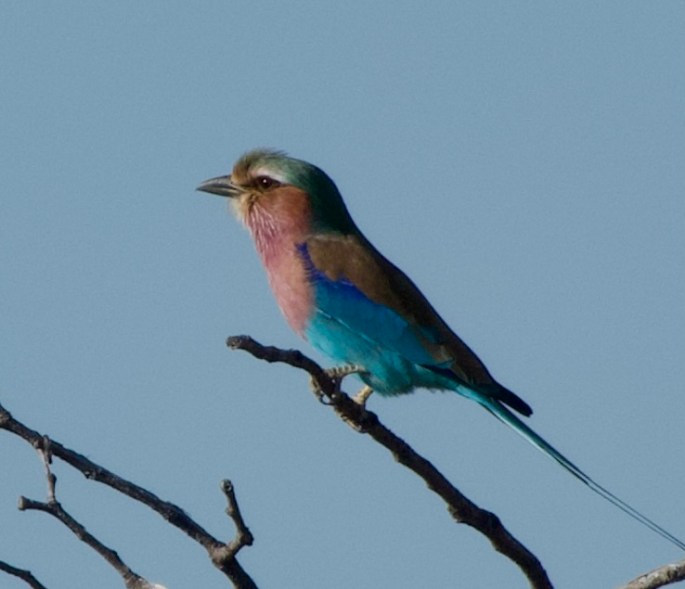
Lilac-breasted roller
Lizard of some sort
Oryx, springbok and ostrich
Lapwing?
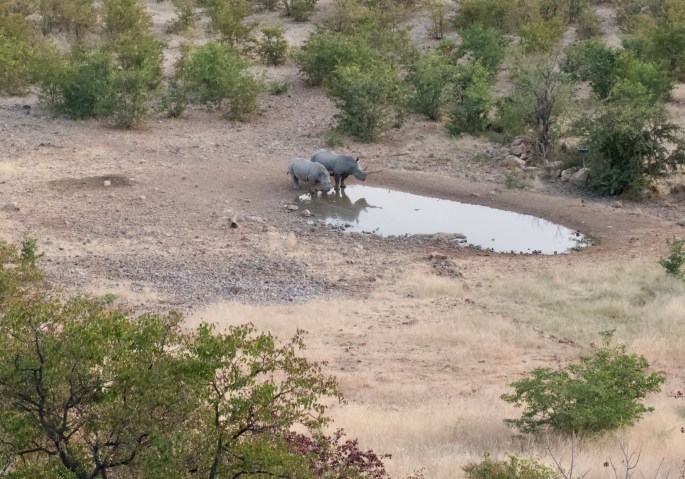
Rhino
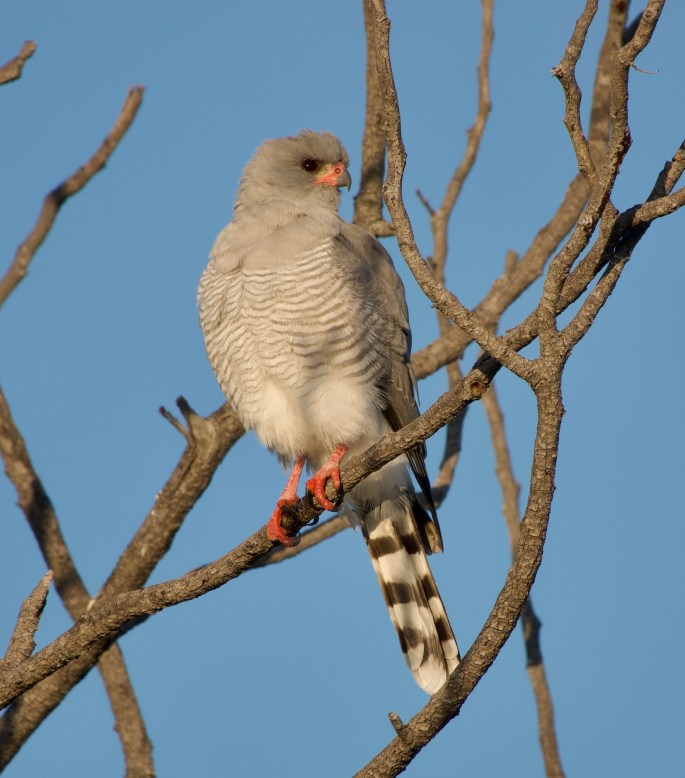
Pale Chanting Goshawk
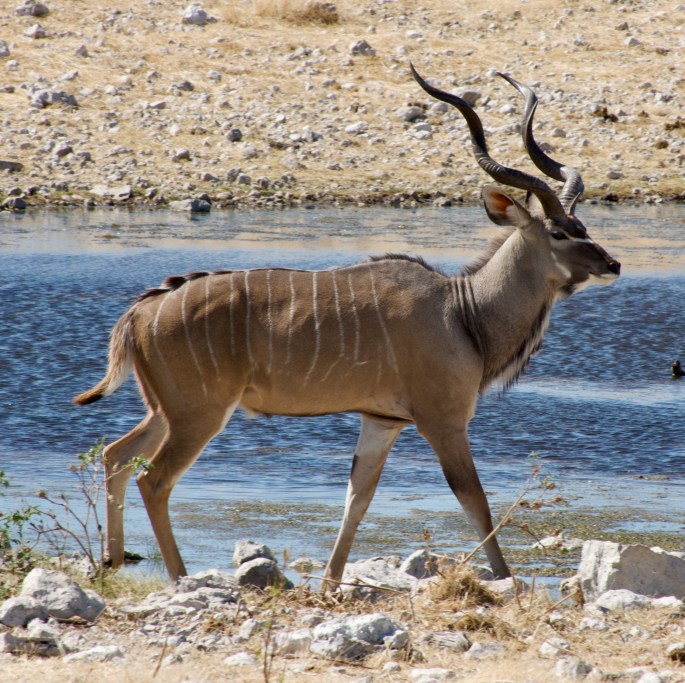
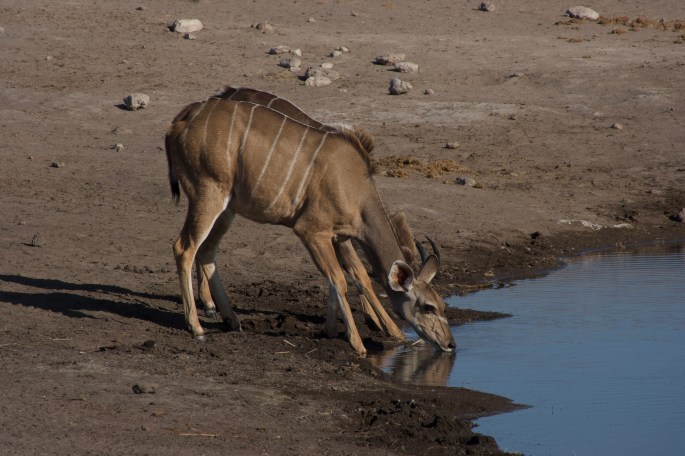
Kudu
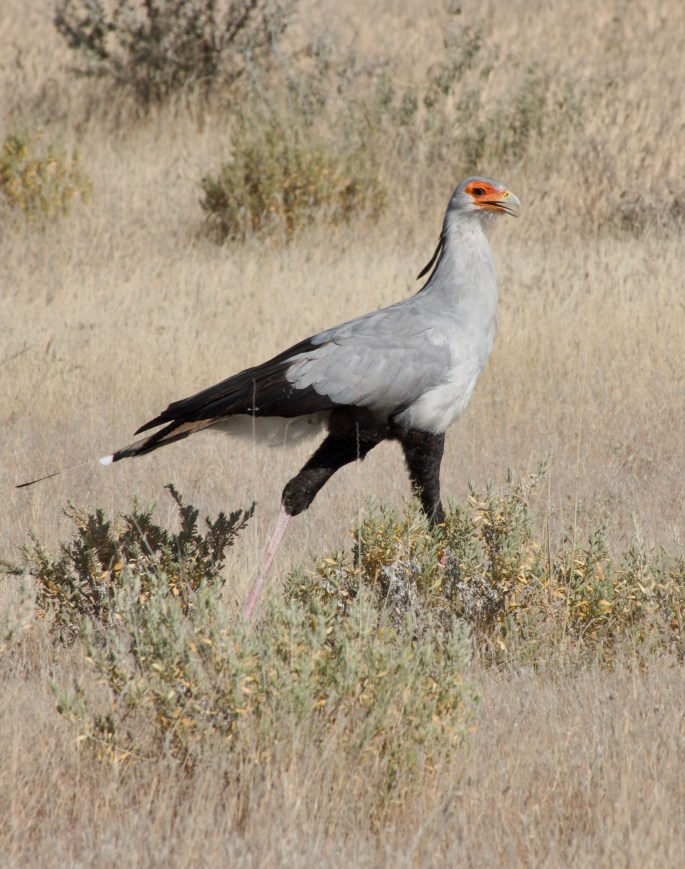
Secretary Bird
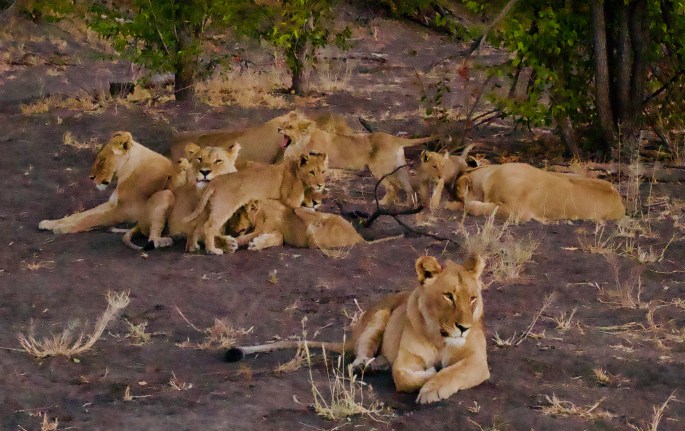
Large pride of lion
Crowned lapwing
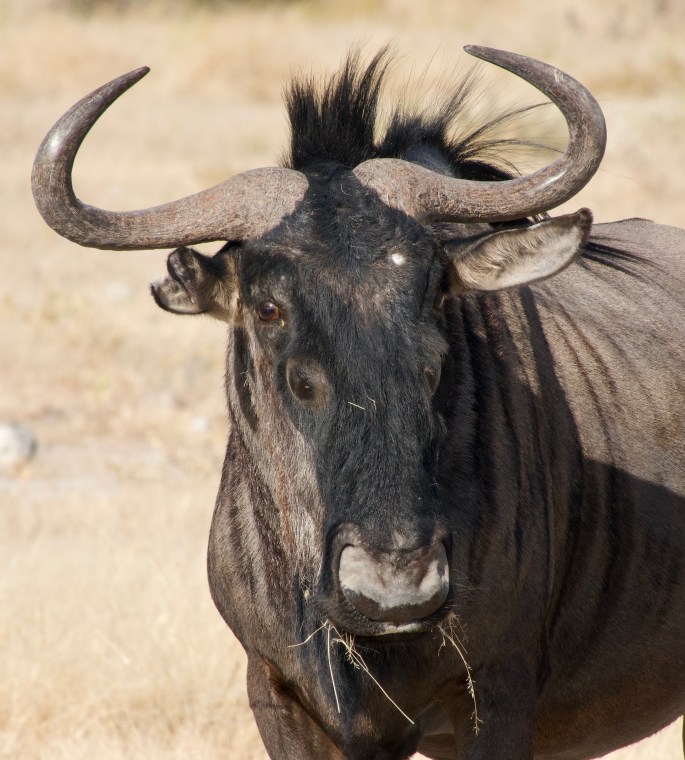
Pensive wildebeest
Birds at the plunge pool
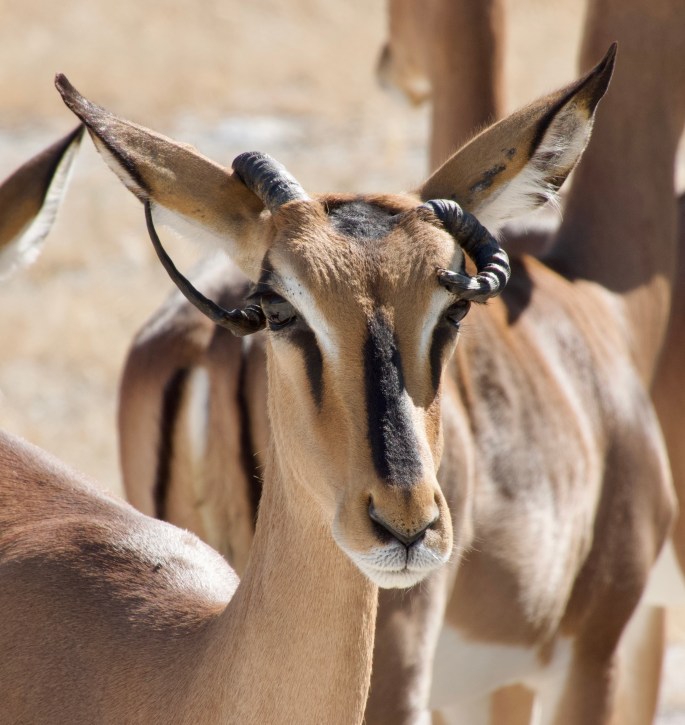
Another black-faced impala with a little horn problem (maybe damaged in a fight)
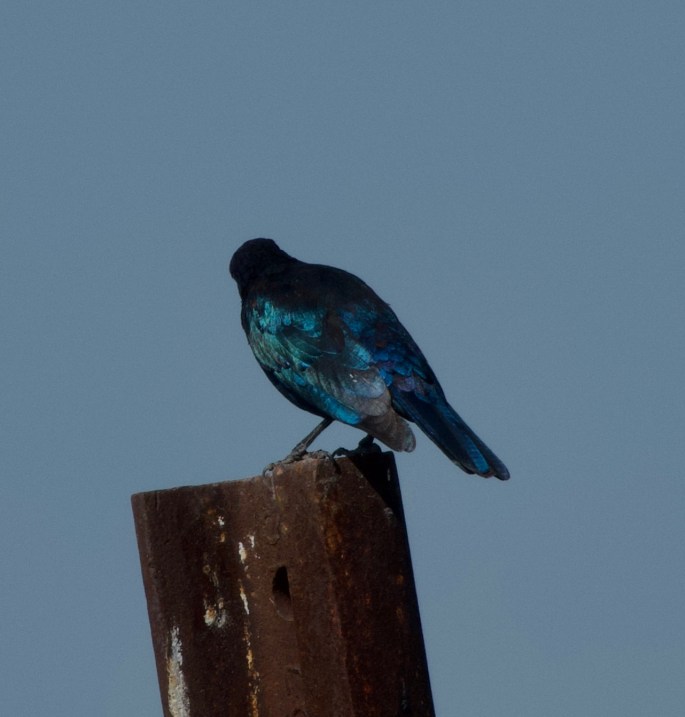
An impression of starling iridescence
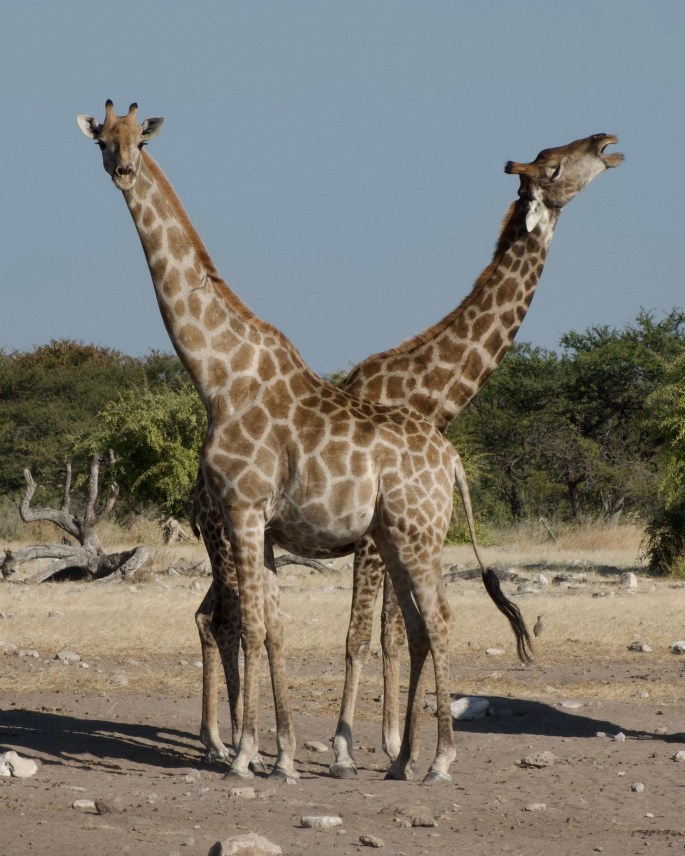
Giraffe again
A pair of kudu

Namibia, Part III

(For those of you receiving email notifications of the post, please don’t forget to click on the blog title to take you to the on-line version so you can see the video clips…..)

On a road trip in northwest Namibia, one encounters people from several local ethnic groups….. the most prevalent of which are the Himba and Herero people.

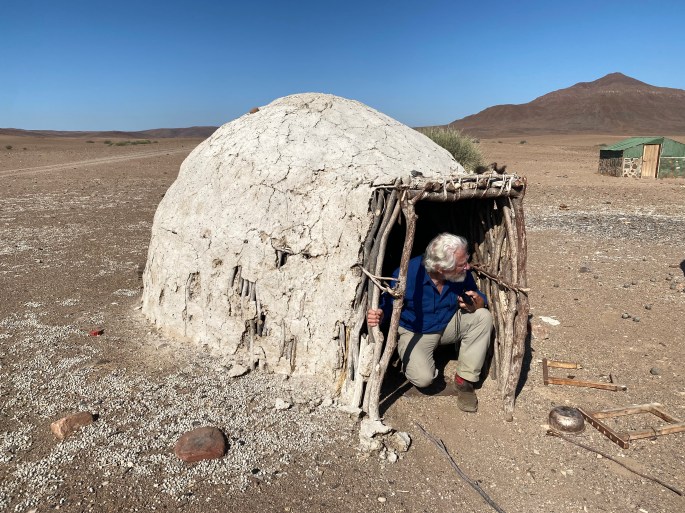
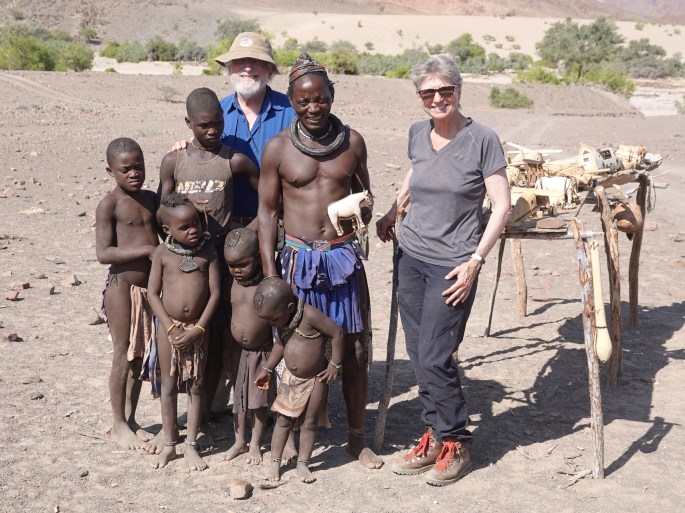
The Himba are semi-nomadic livestock farmers in rural areas, usually living in small extended-family communities in tiny huts with mud and dung walls….

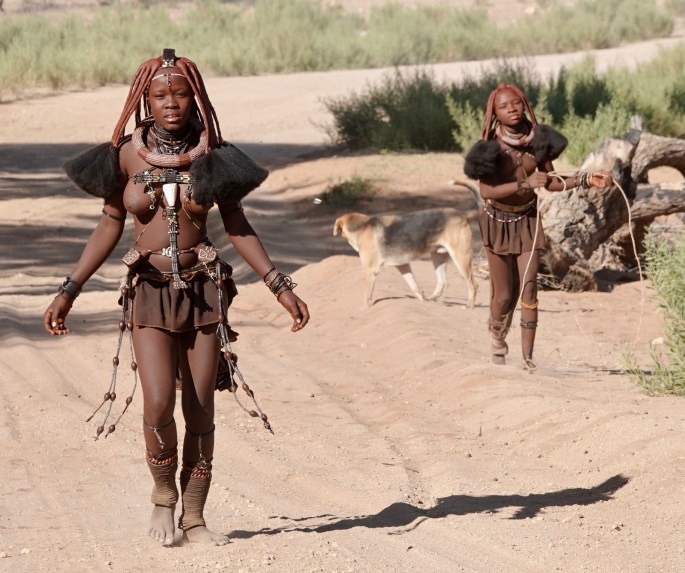
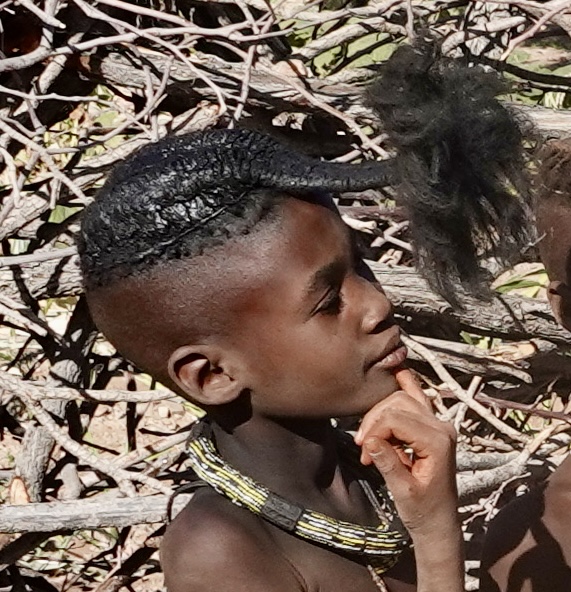
The most striking thing about the Himba is the traditional dress and style of the women….. it is hard to mistake them for any other ethnic group.

Adult women use a butterfat and ochre concoction to dress their hair in elaborate coiffures and to beautify and protect their skin, giving it a striking reddish hue. The regimen can take an hour or two a day.

The women are the most active in commerce, selling beaded jewelry and trinkets, while young children tend the goats and cattle.

Little girls also have a distinctive hairstyle….

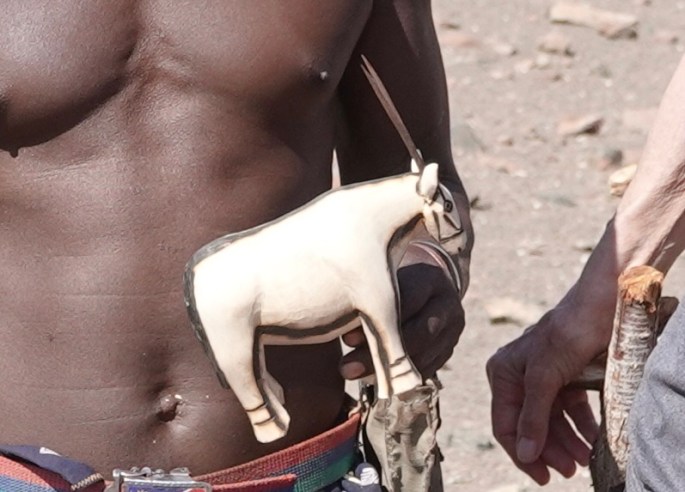
The men….. well, they don’t seem to be terribly busy or festively attired – but we did encounter this gentleman who had sculpted some wooden figures that he had casually put up for sale at the side of the road.

I love this oryx piece…… for its simple but expressive shape. The markings are not paint, but burned onto the surface of the wood. Brilliantly engineered, its horns are removable so they don’t get broken when packed for travel.

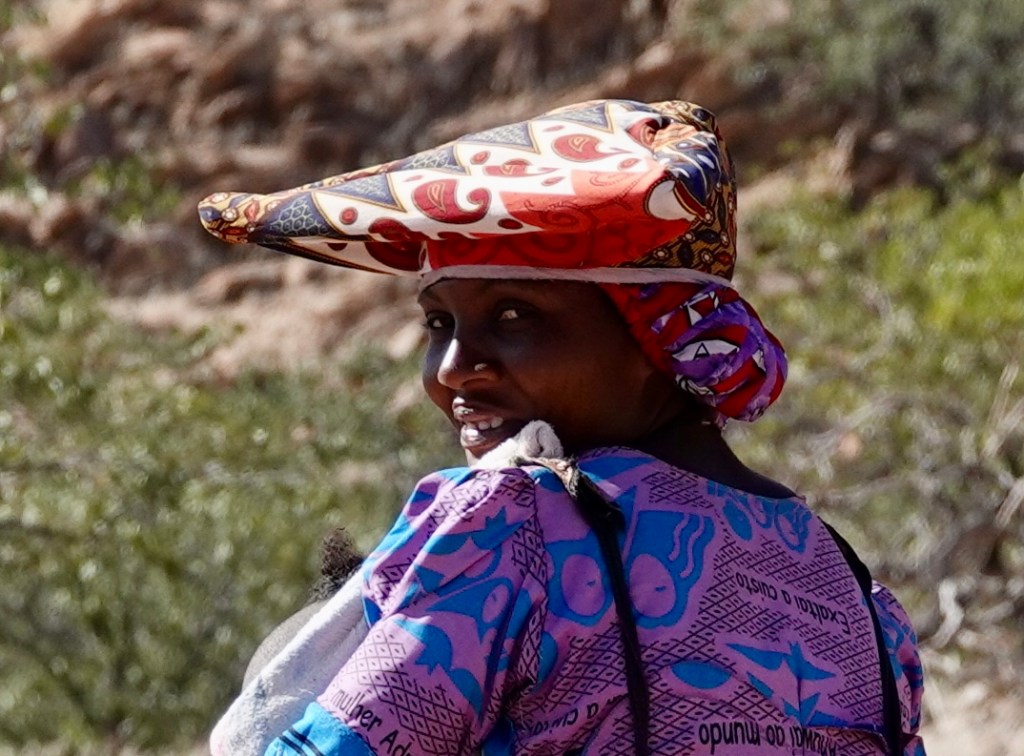
The Herero people share a distant past with the Himba; however, they are more settled pastoralists, keeping livestock and growing maize (corn). The women are also gorgeously attired, but in a very different fashion.

The long skirts and covered tops were borrowed from the German missionaries who settled in this area in the late 19th/early 20th century. The Herero have made the style truly their own by sporting this otherwise dreary attire in vivid colors.

The headdress mimics the horns of the cattle that are the fundamental unit of the Herero economy.

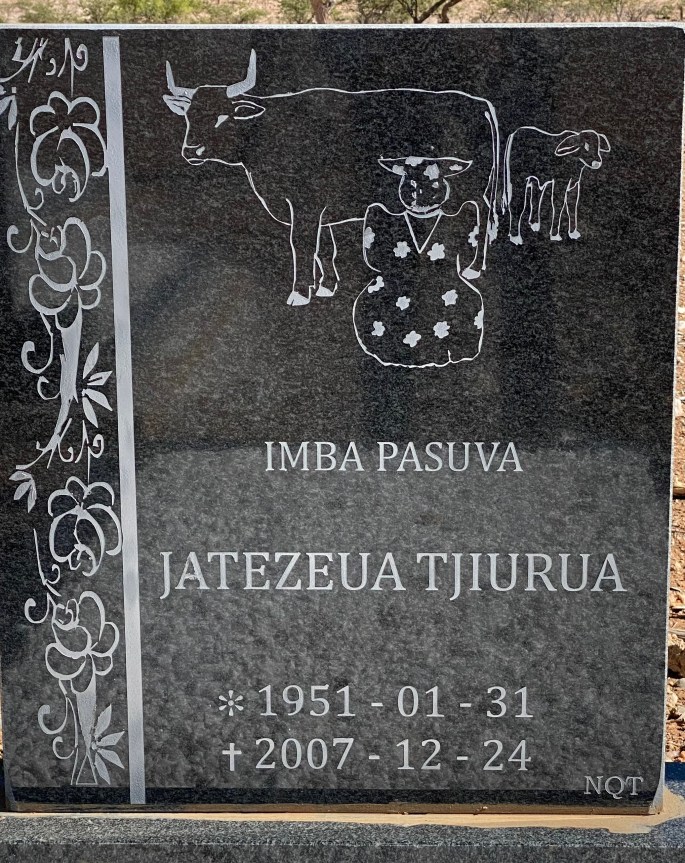
Herero men seem to mostly sit under shade trees and smoke, women and children being the most active workers in the community. Even in death, a woman’s memory is treasured for her milking prowess.

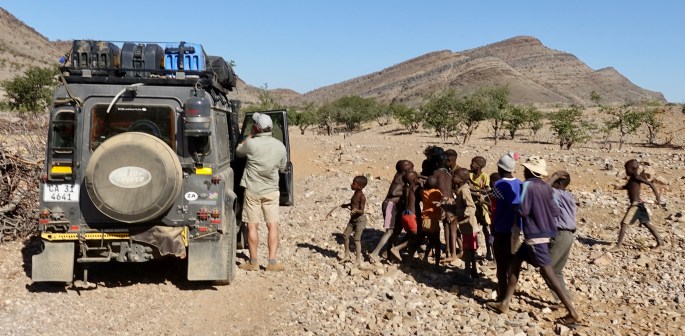
The sad reality here – as in several other African nations – is the pervasive poverty. Numerous children, lack of clean water, limited food supplies and distant healthcare… all these conditions of scarcity mean that people from ethnic groups (whose culture might otherwise dictate a remote existence) often resort to insistent begging from strangers. A short stop by the side of the road can bring folks running to ask for food, money and sometimes medicine.

One camping spot was close to a Herero village.

Tertius deferred the rush of interest in our presence by promising to take care of the locals the next morning; by sunrise 20 children between the ages of about 6 to 14 descended upon our campsite. They were curious about us and very cute, but also cold and underfed.

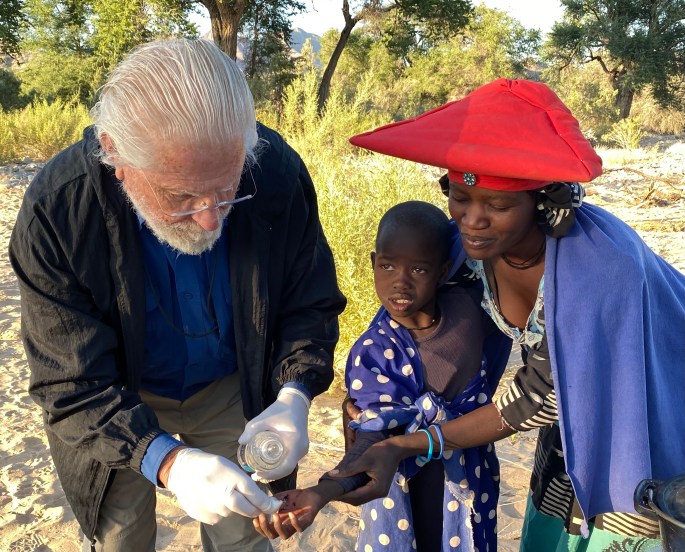
One boy had an infected dog bite….. Henry and Ty cleaned and treated the wound, and we provided his mother with clean dressings and a series of antibiotic pills.

We also packed up some groceries for them to take back to the village.

While walking across a parking lot during a refueling stop in a small town, I was pursued by more than 30 people asking for money and food. When I indicated that I had no money, one woman even insisted that I could get some from the nearby ATM. The only thought I had was that there was no way to do enough for these folks. Handing out some granola bars or some cash would only bring more and more people asking for more and more. The feeling of futility and uselessness was overwhelming.

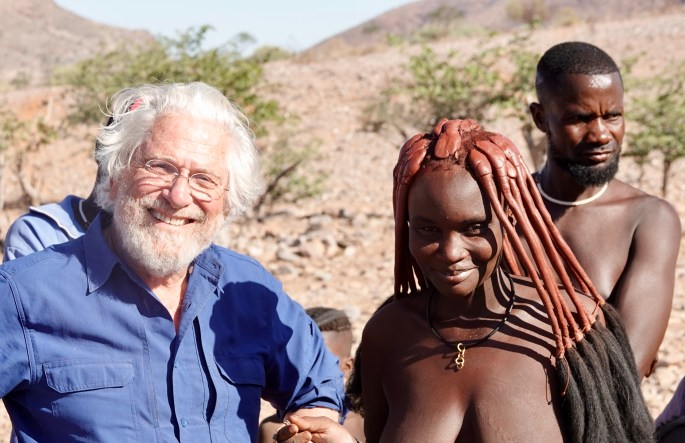
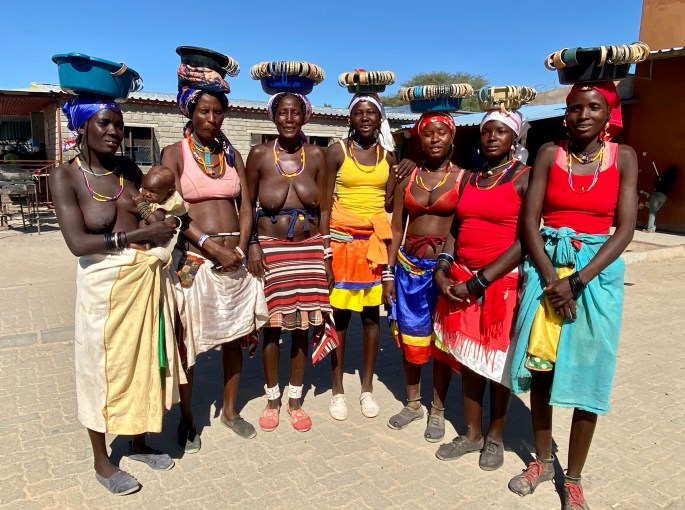
In the short term, Henry has the best policy – from those who have shown the initiative to make and sell something, buy a piece from everybody and pay the price they ask. These ladies sold him a lot of bracelets, and were very happy to have met him…..

The other approach – which we hope and have faith will help in the long term – is for us to visit these countries and spend our dollars…. and to invest in charities that are dedicated to women’s health and economic opportunity, and also those that cultivate the natural assets these countries have and encourage local communities to be good stewards over and beneficiaries of those assets. It may only amount to a drop in the ocean, but we have to do something…..

Other uplifting images… some thanks to Tertius, who captured a few of the striking photos above as well…….

One Sunday morning, we came upon a happy group giving vocal praise…. especially enjoyed the young one in yellow who apparently had had enough….

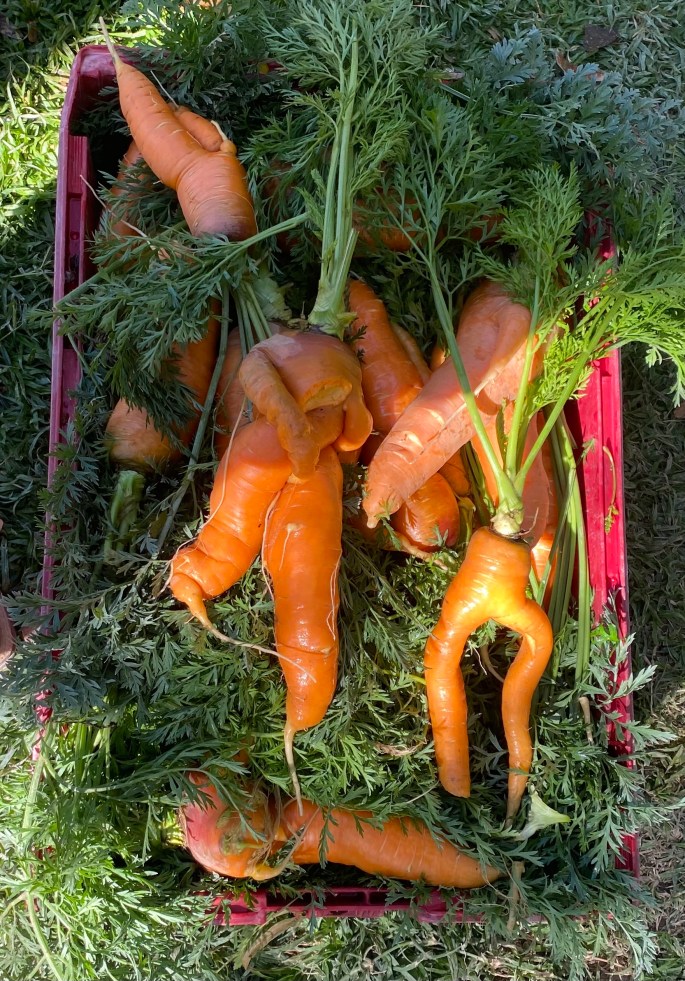
Amazing carrots from a local farm!

And finally, it’s always nice to meet a like-minded fellow traveler. We met Reiner in the parking lot of the hotel in Swakopmund early on our roadtrip….. and kept bumping into him periodically over the next few weeks, including at the side of the road where we stopped to watch some cows drinking at a borehole…..

Reiner is Swiss…. traveling in a rig similar to our own on a very similar route. We would enjoy meeting him again.

Sorry for the long break between blog posts….. will hope to catch up a bit in the next week or two. Hope you are all well and happy.

African Wildlife, Part V

More wildlife photos…. some of which were taken near this lodge in Kafue National Park in Zambia:

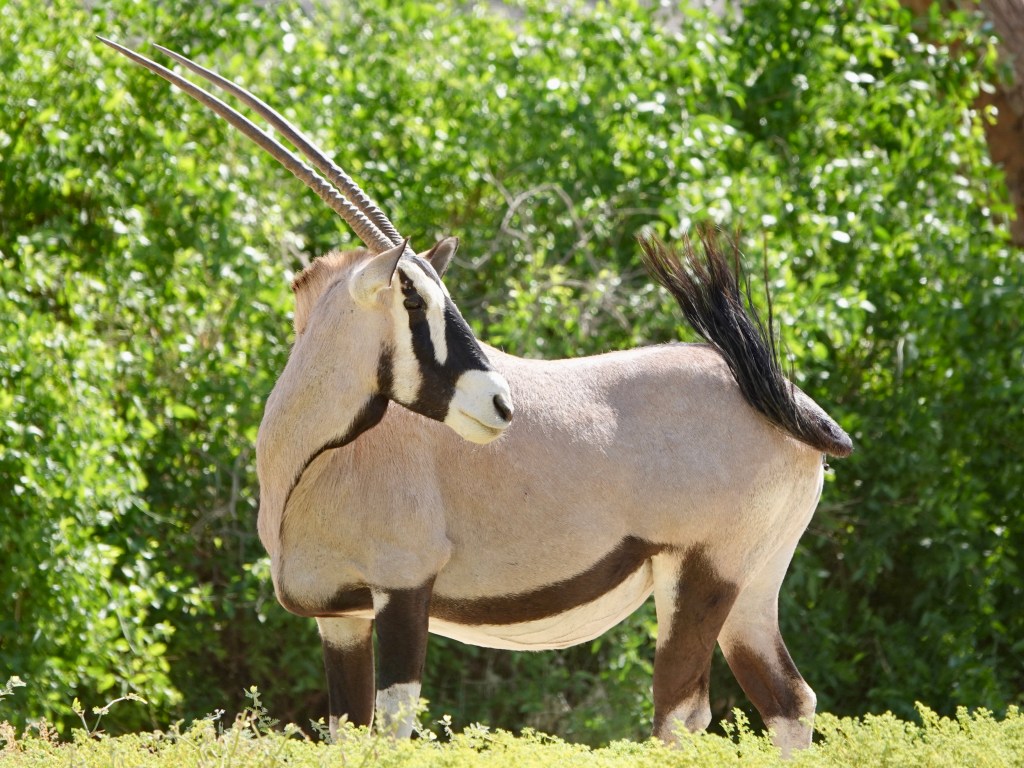
Gemsbok
Emerald-Spotted Wood Dove
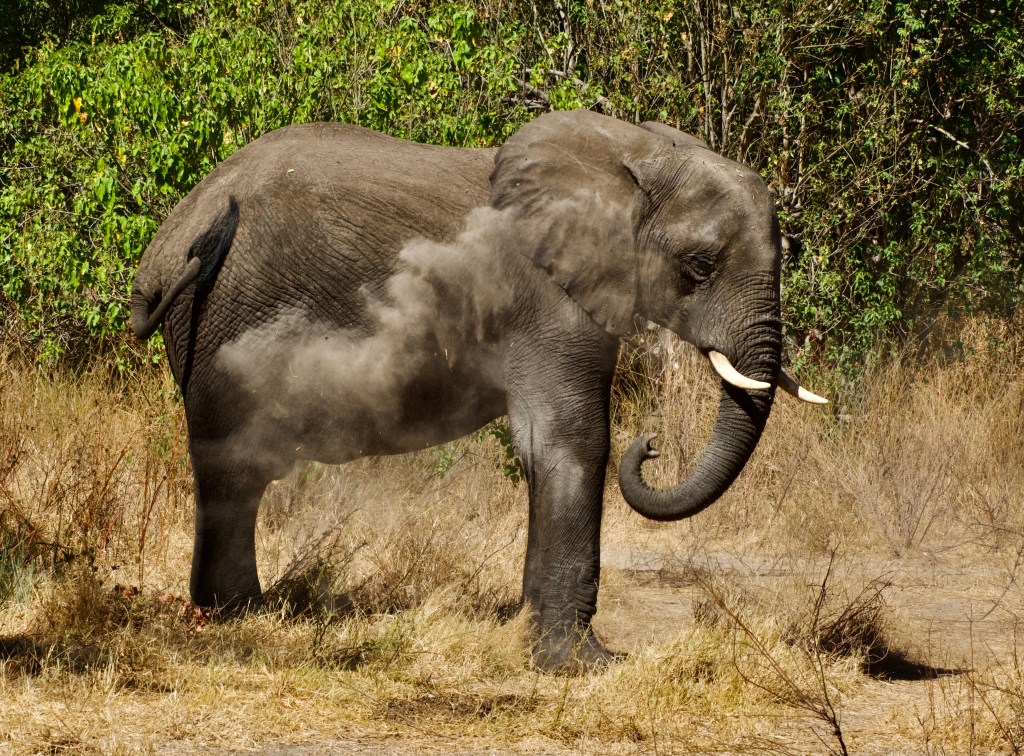
Elephant taking a dust bath
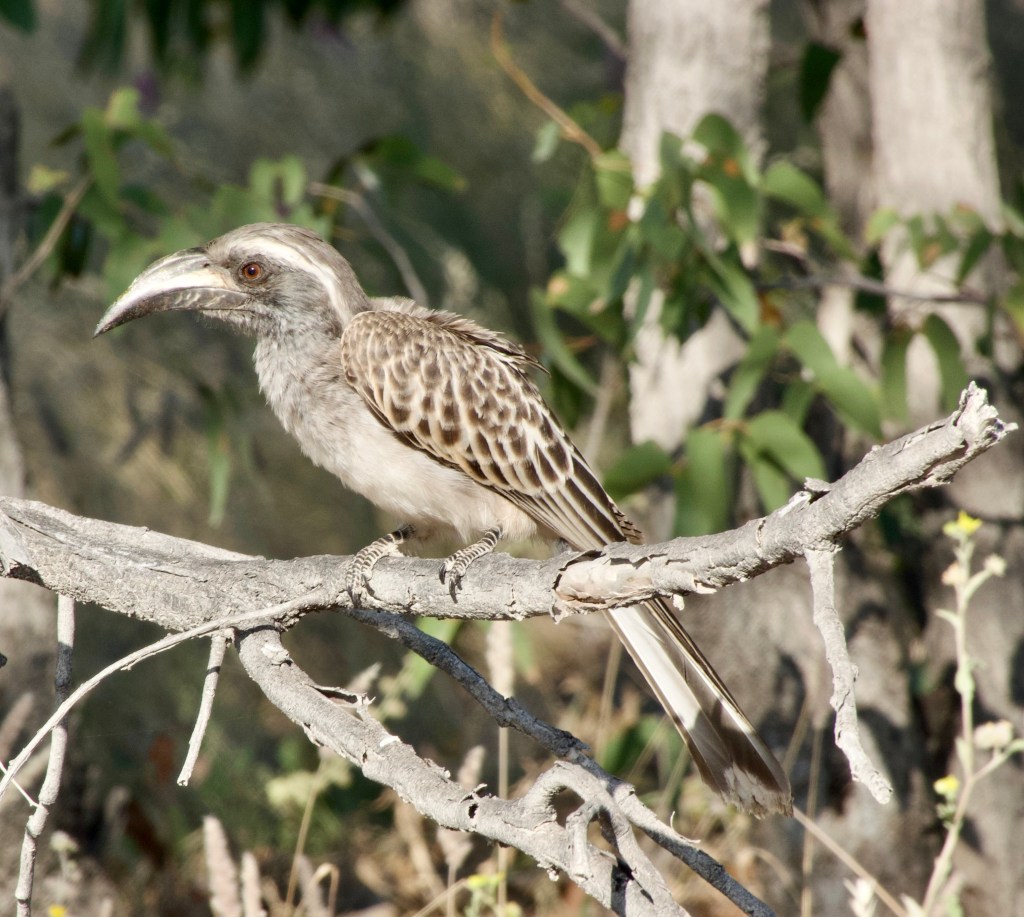
African Grey Hornbill
Female Kudu with abandoned termite mound
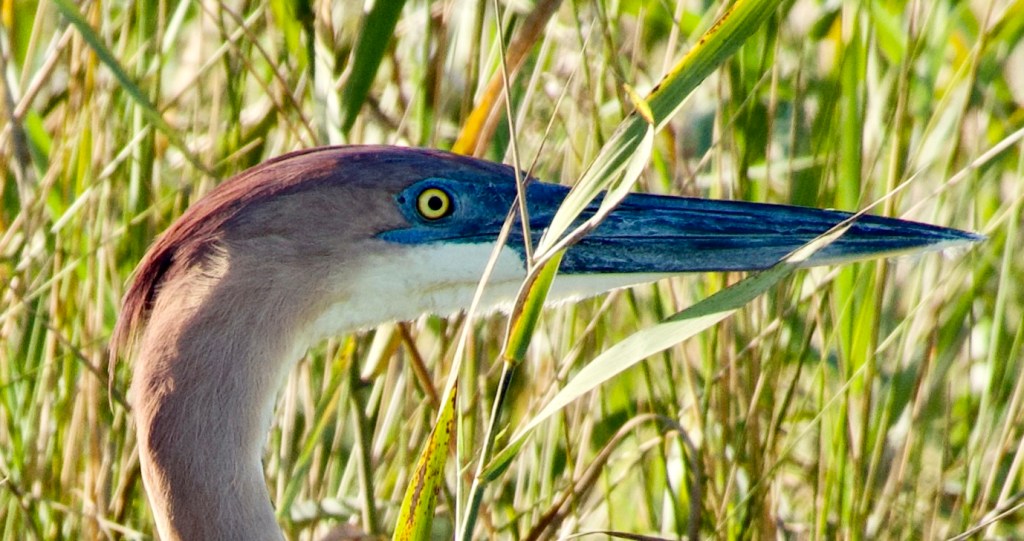
Goliath Heron
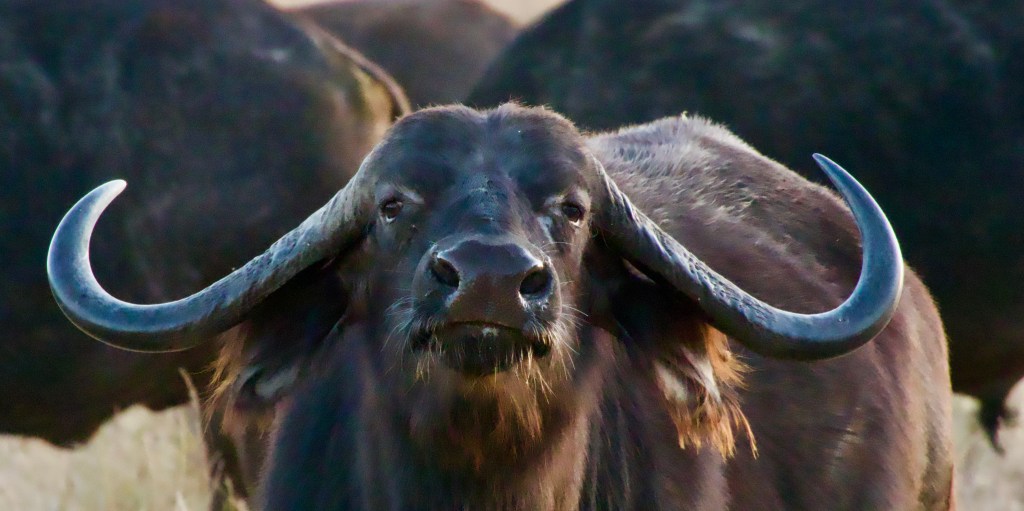
Cape Buffalo
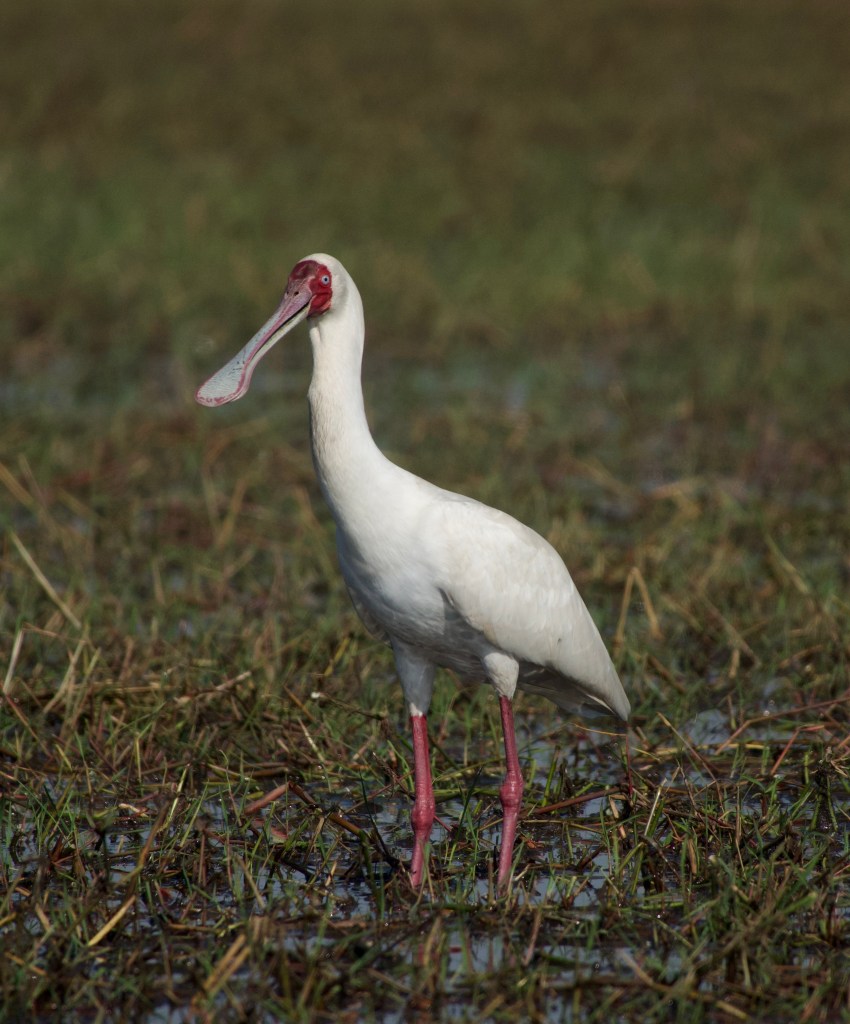
Spoonbill
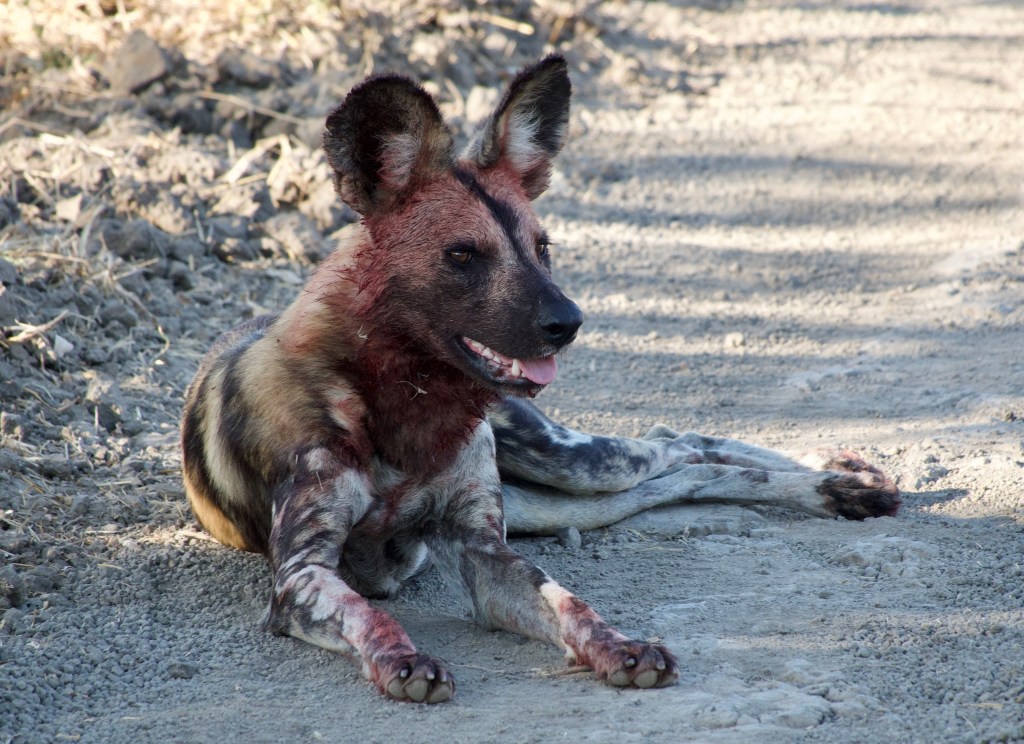
Wild Dog, bloody after a good day at the office
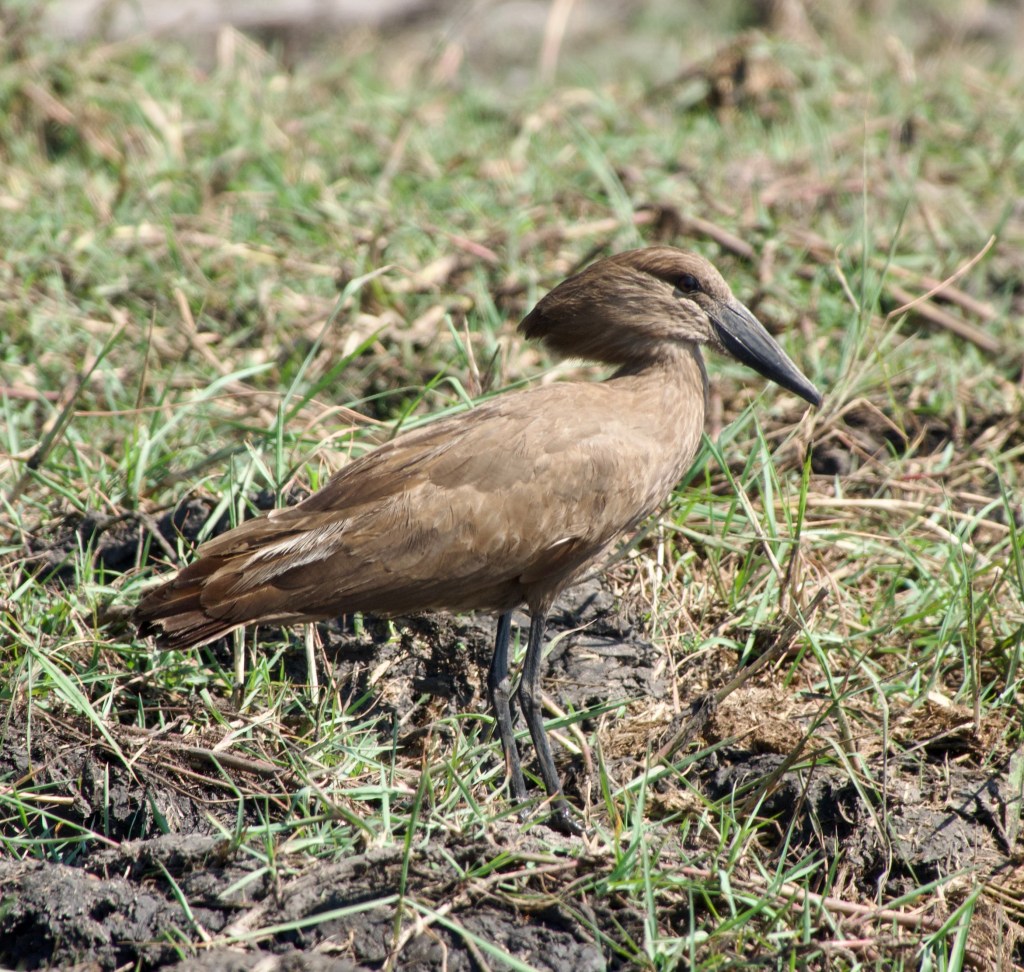
Hamerkop
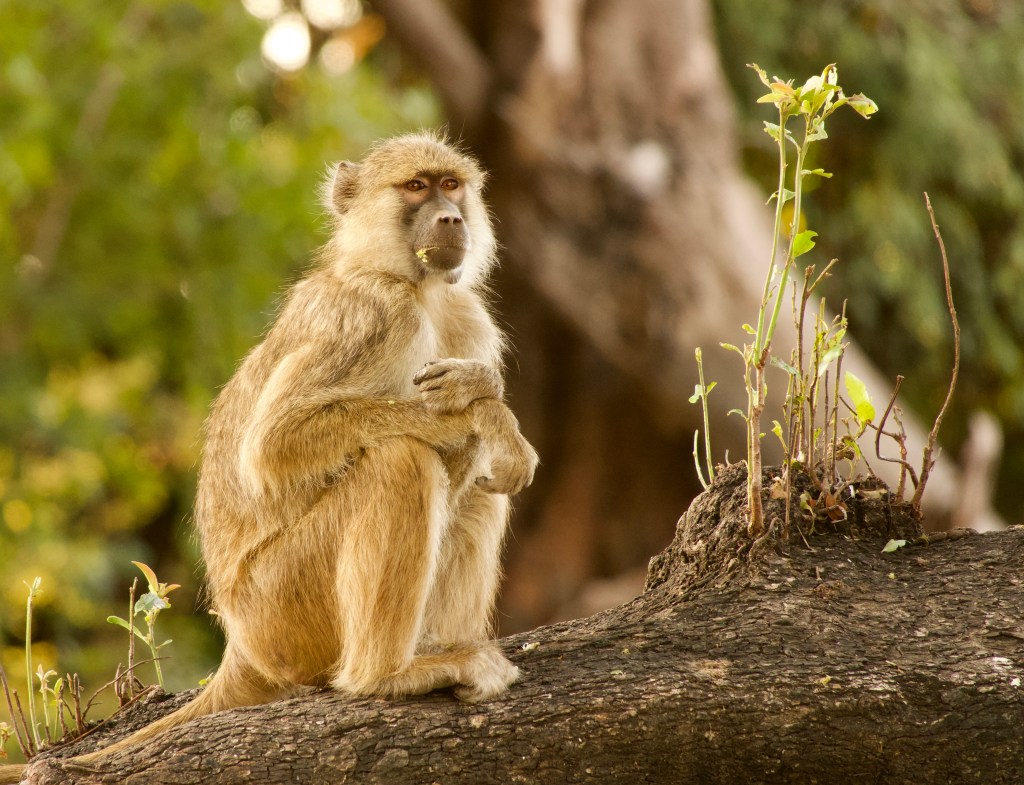
Baboon
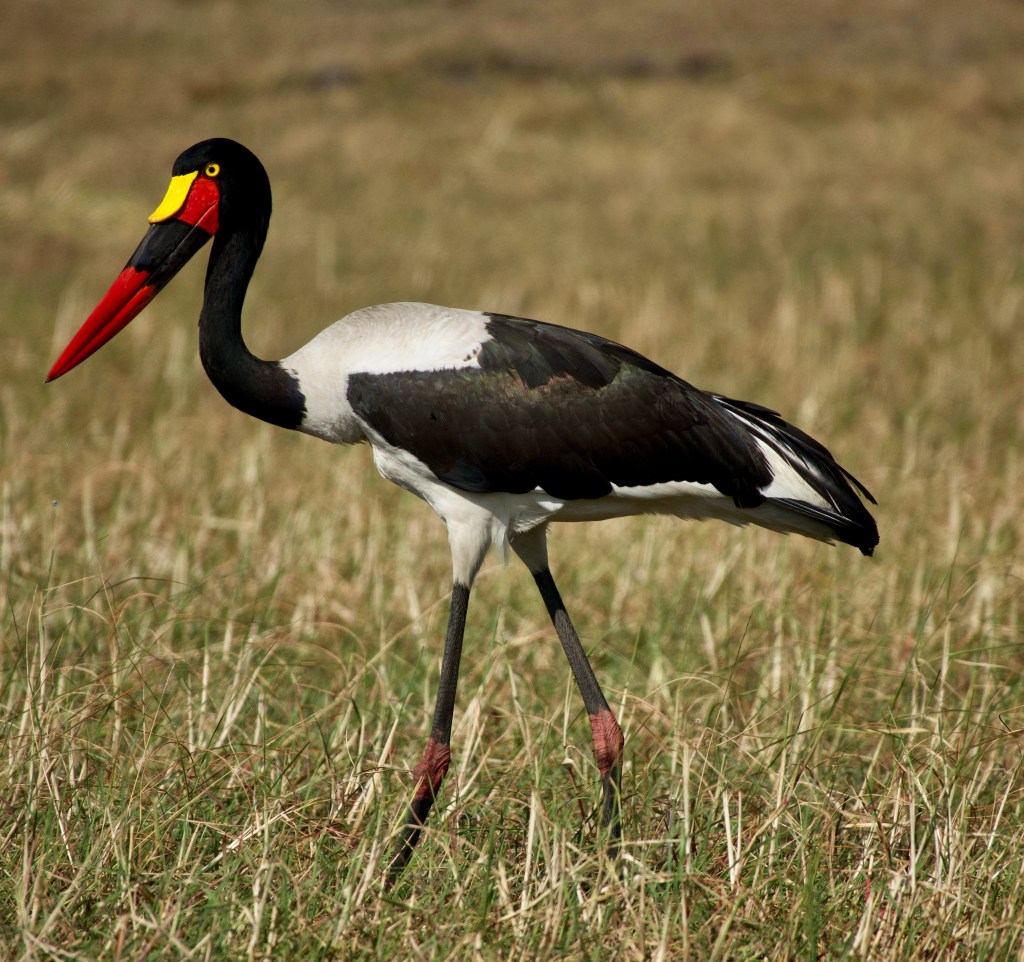
Saddle-Billed Stork
Four-toed Elephant Shrew
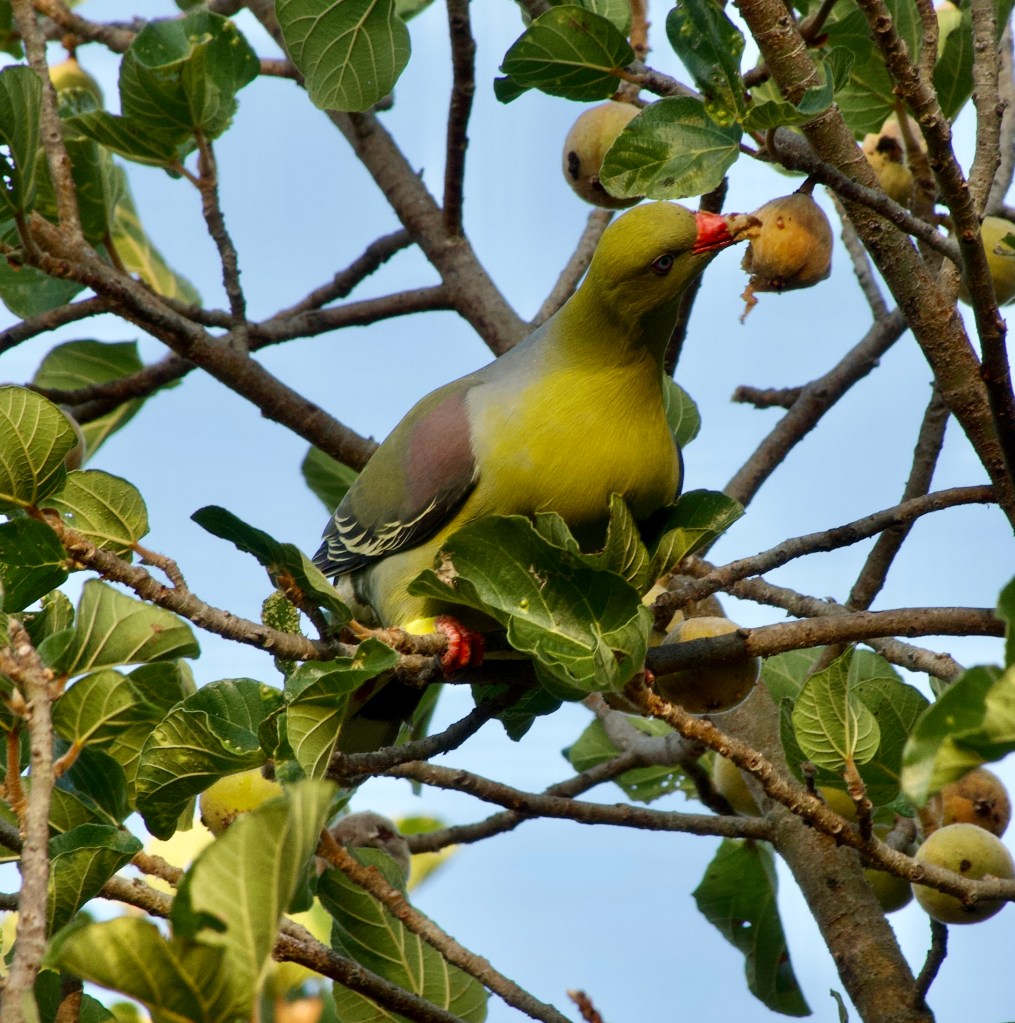
African Green-Pigeon
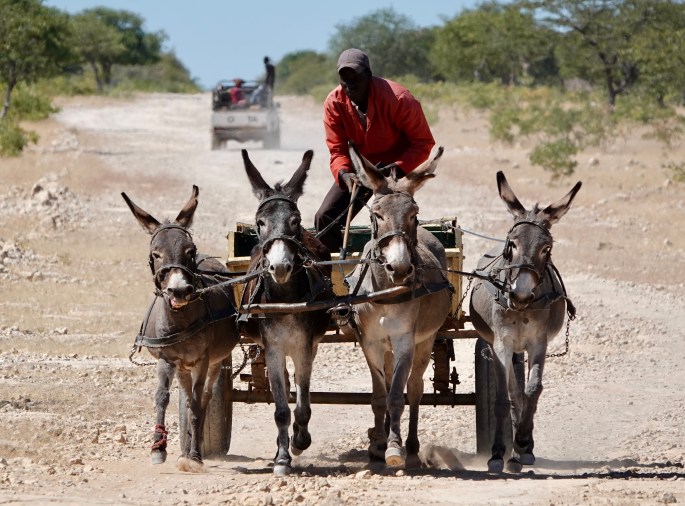
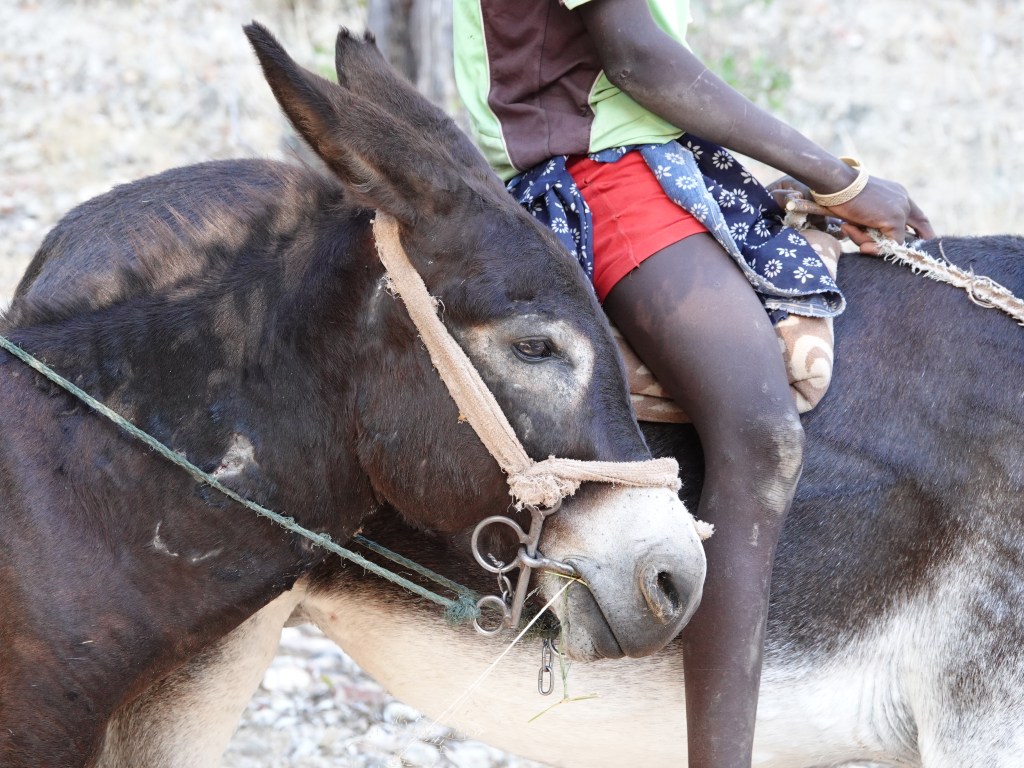
Okay – not wildlife, but nice photo of a domestic donkey

(A couple of these fine photos are courtesy of Tertius…)

Botswana

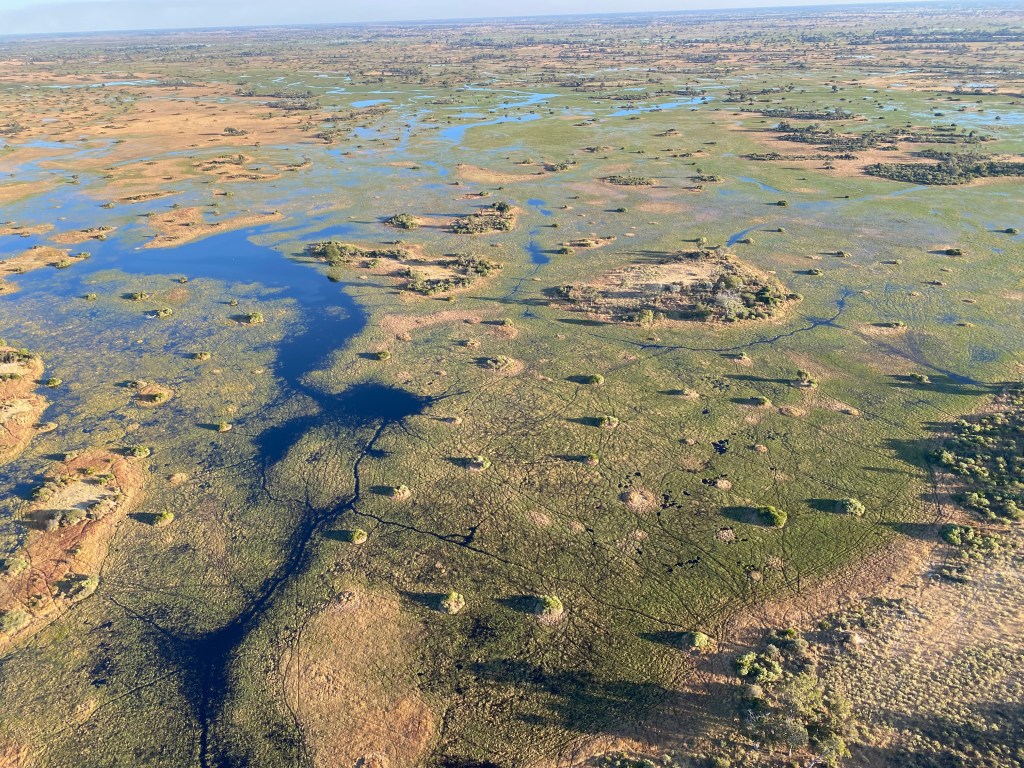
The Okavango Delta in Botswana is magnificent…. the landscape, with wildlife tracks through the watery plains, illustrates.

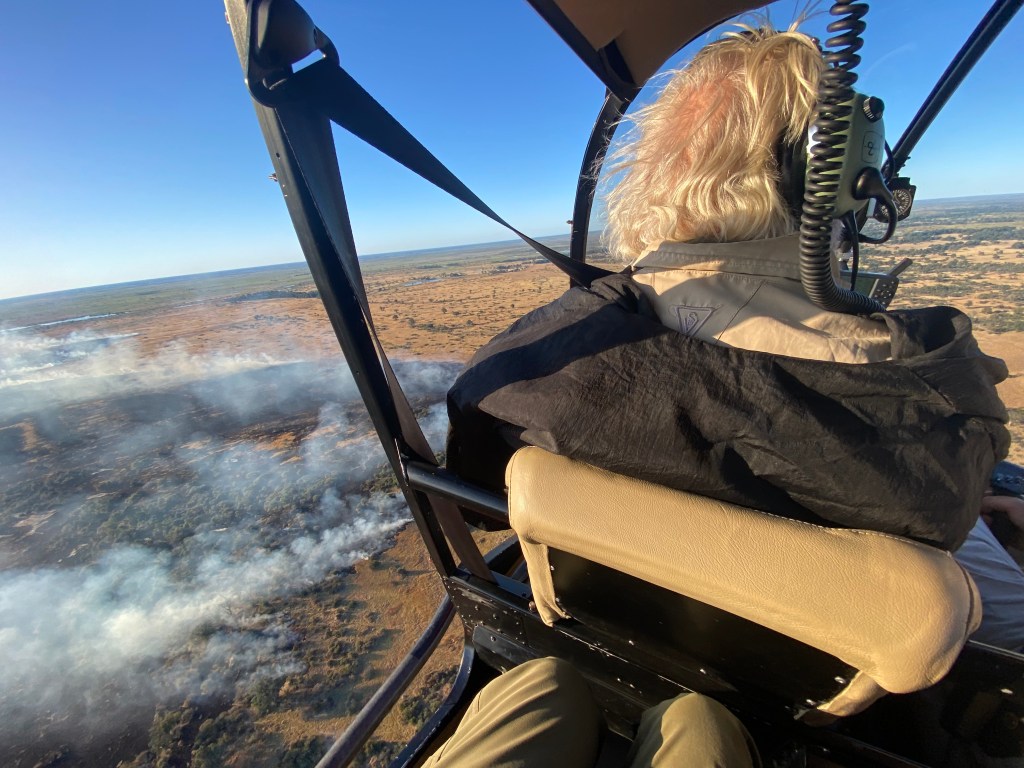
The main reason for the helicopter expedition was actually to view the extent of one of the wildfires that was burning in the region….

Unlike the wildfires sweeping through some drought-ridden areas of the US, these are not a cause for alarm – just a natural phenomenon that helps keep the natural environment tidy.

Particularly fascinating is the role termites play in the maintenance and very existence of the Delta – each of the small islands in the photo above is or was a termite mound, many of them extending far below the level of the water. They are hubs of life, retaining the fresh water that inundates the Delta during the rainy season each year, and providing other nutrients that give rise to plants and therefore the abundant wildlife for which the area is known. (This is a very simplistic explanation of a complex environmental relationship – the point being that without the termite, the Okavango Delta would simply be another barren salt pan and not the amazing place that it is.)

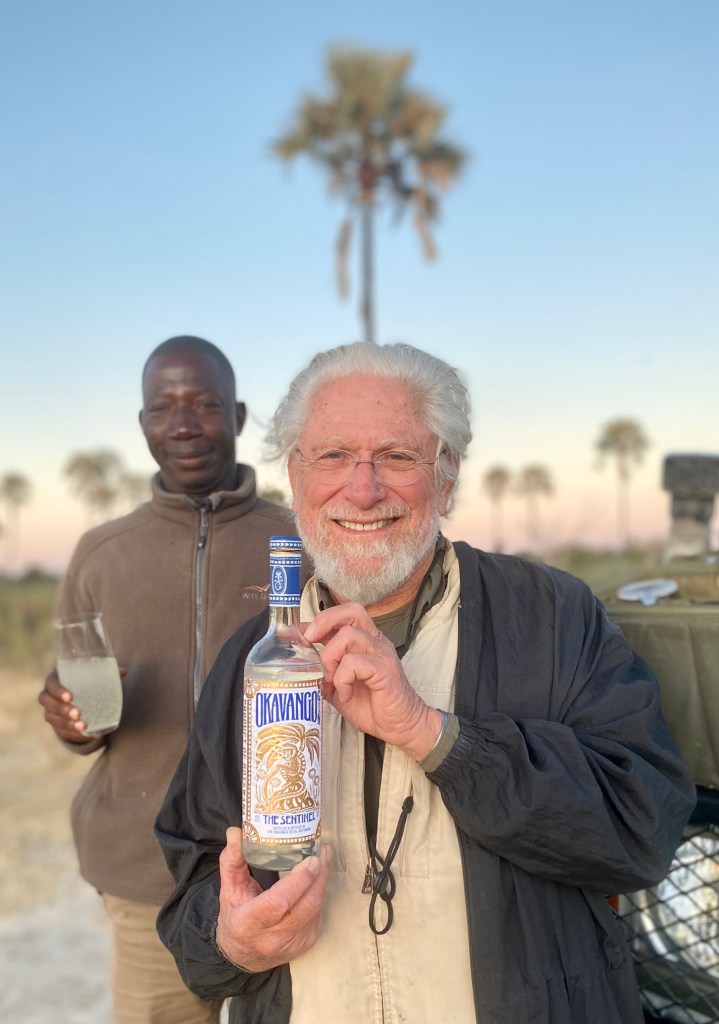
Almost everywhere you go in Africa, there are local beers….. and gin!
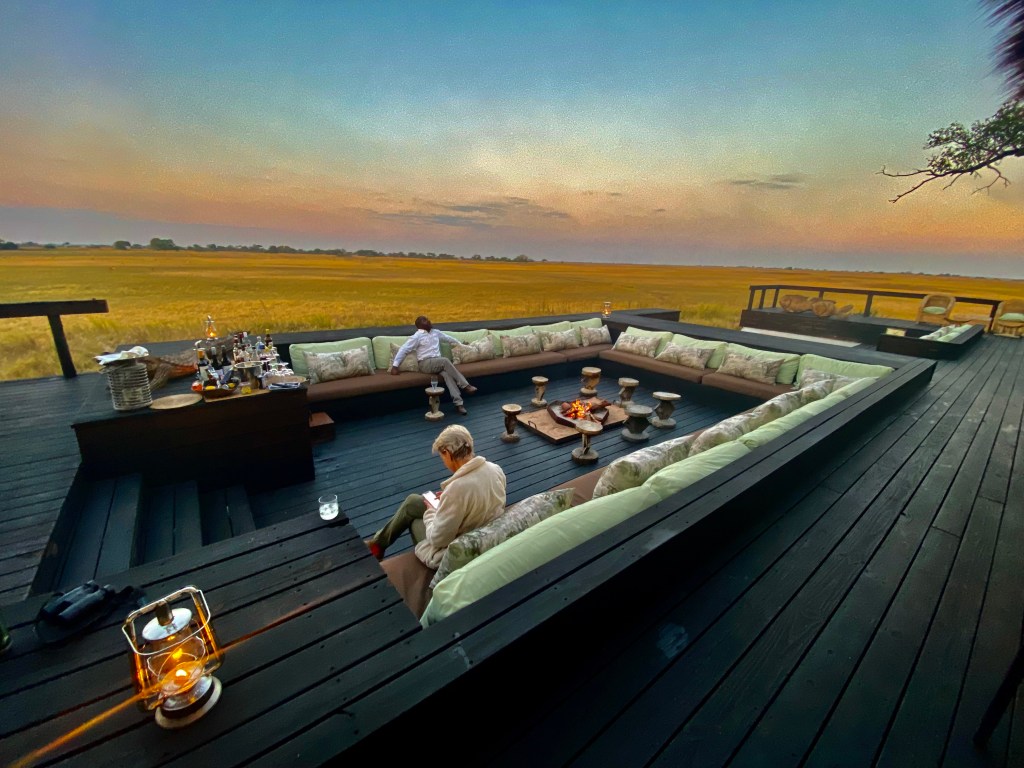
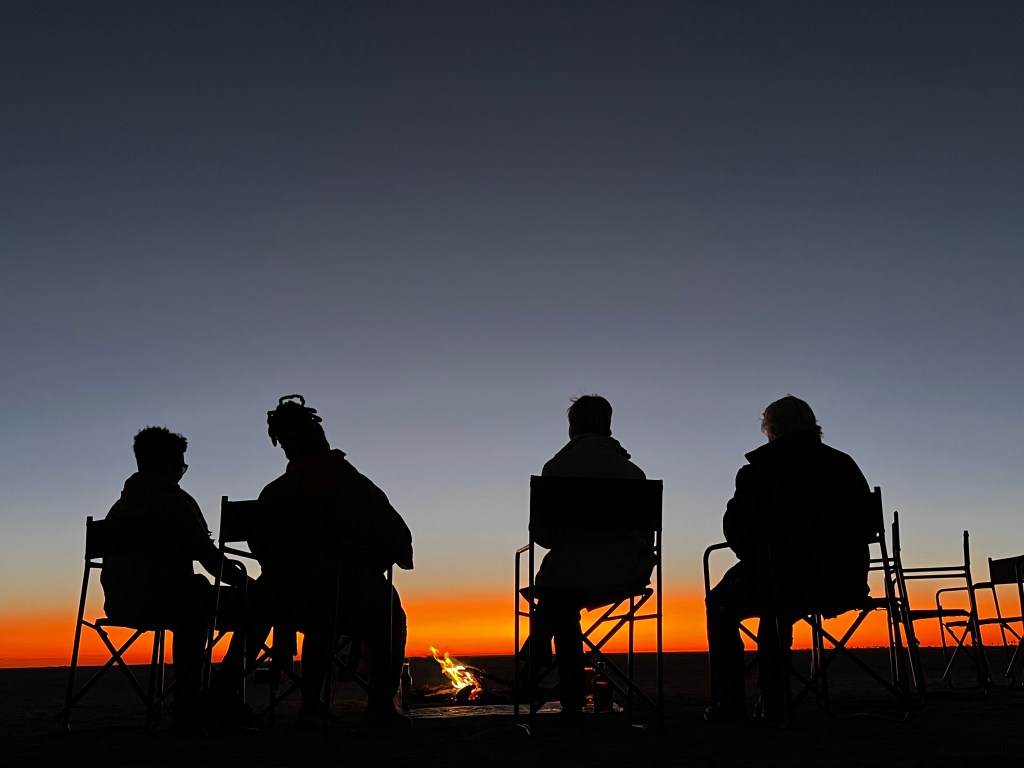
It’s not really a safari if you don’t stop for sundowners with a cold gin and tonic!
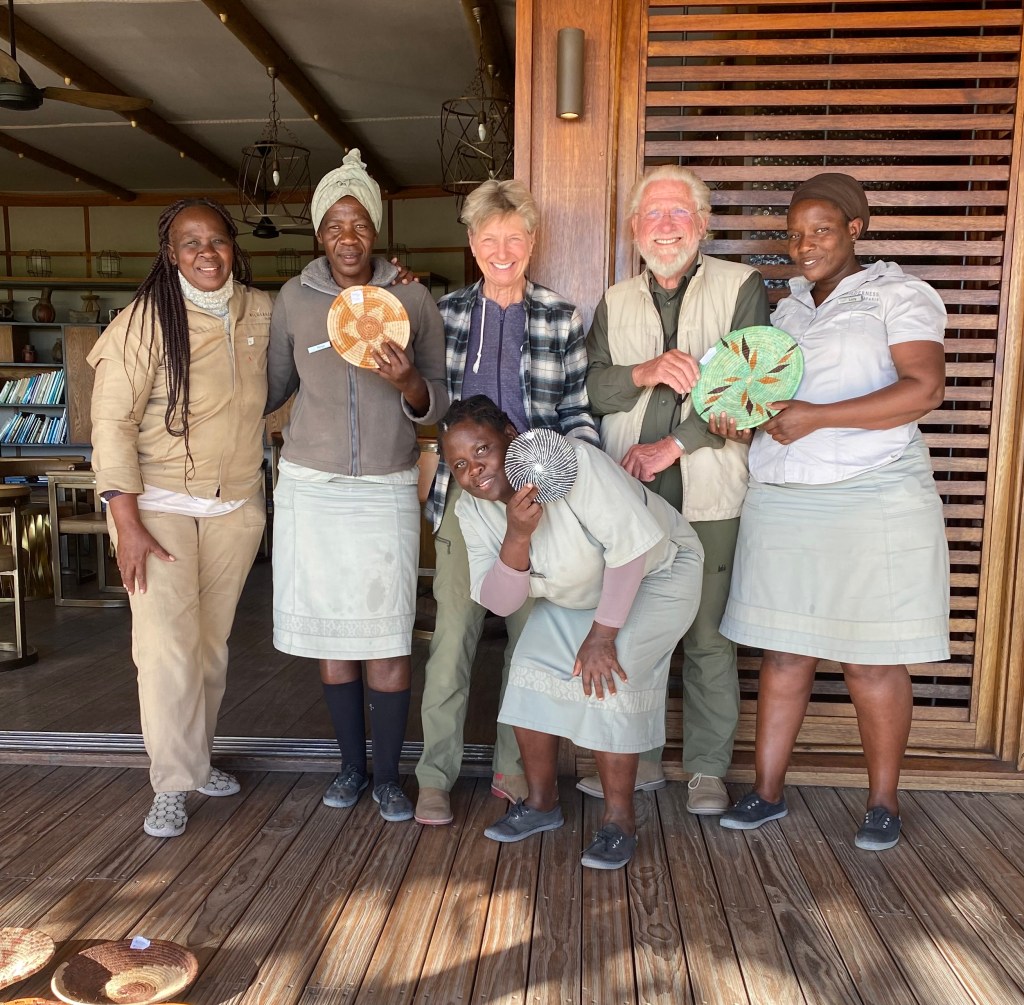
As usual, we like to support the local artisans by purchasing some of their crafts…

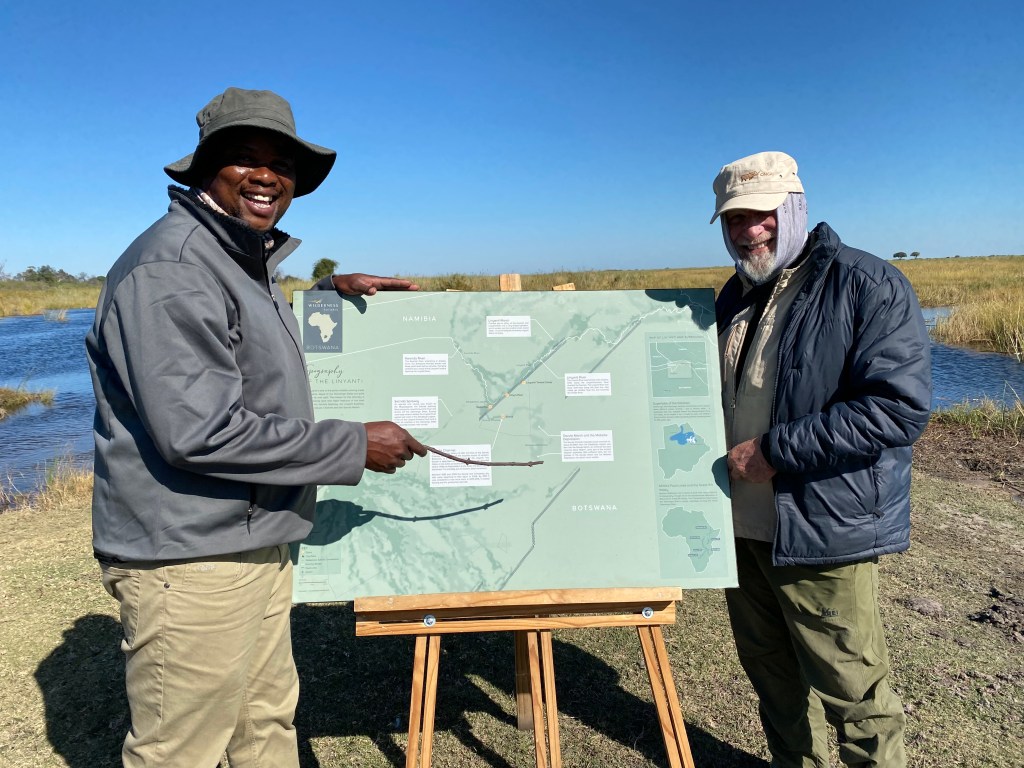
Lesser-known parts of Botswana include the Linyanti concession to the east, which boasts flood plains and meandering waterways, an important migration point for elephant…. the video shows a breeding herd of about 14 elephants making their way across the river..

Tiger-fishing is very popular….. these guys are fighters, with some very sharp and prominent teeth. Not good to eat – you catch them for the fun of it, then release. Henry hooked a little one….

Southern Botswana boasts the Makgadikgadi Pans, a much drier place but also full of interesting wildlife and landscapes. Here we are along the Boteti River during the zebra migration…

The tent had a great view of the animal crossing….

The camps, while beautifully situated, are extremely cold at night (we are here during winter in the Southern Hemisphere)…. no heat source of any kind in the tent…. and the only fire pit is at the lodge, which you cannot access without an escort. One must sleep in one’s clothes while clutching a hot water bottle…

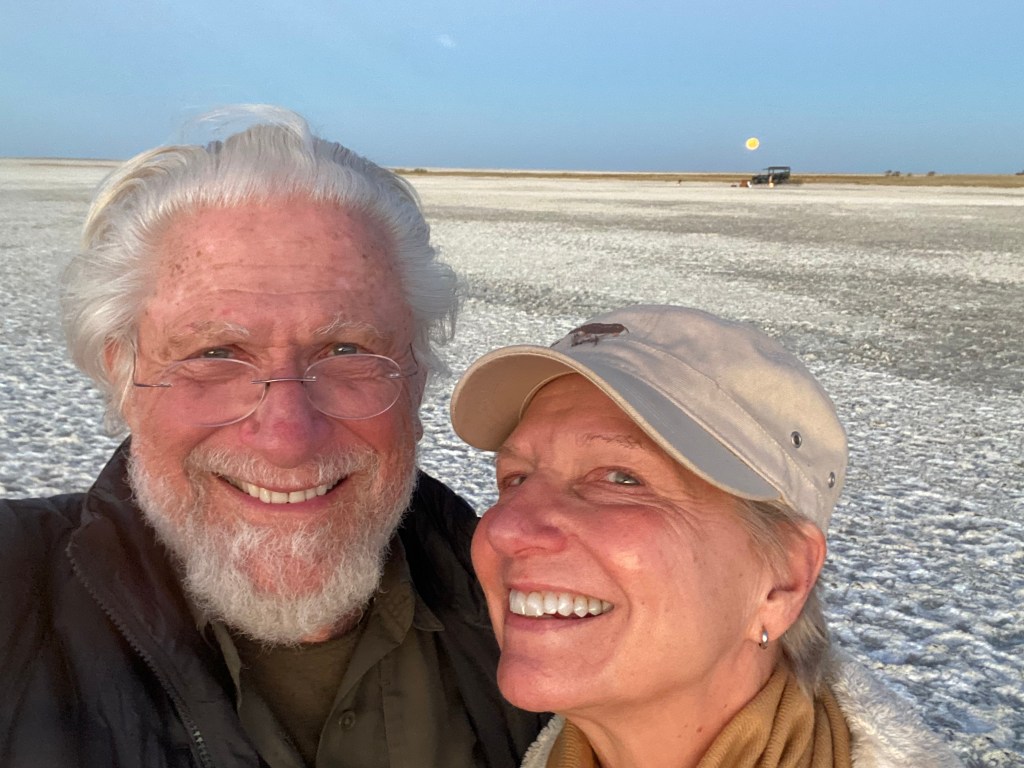
The pans are ancient ocean beds, now huge expanses of salt. In the rainy season, they might retain some moisture, but dry up very quickly….. providing a stunning backdrop.

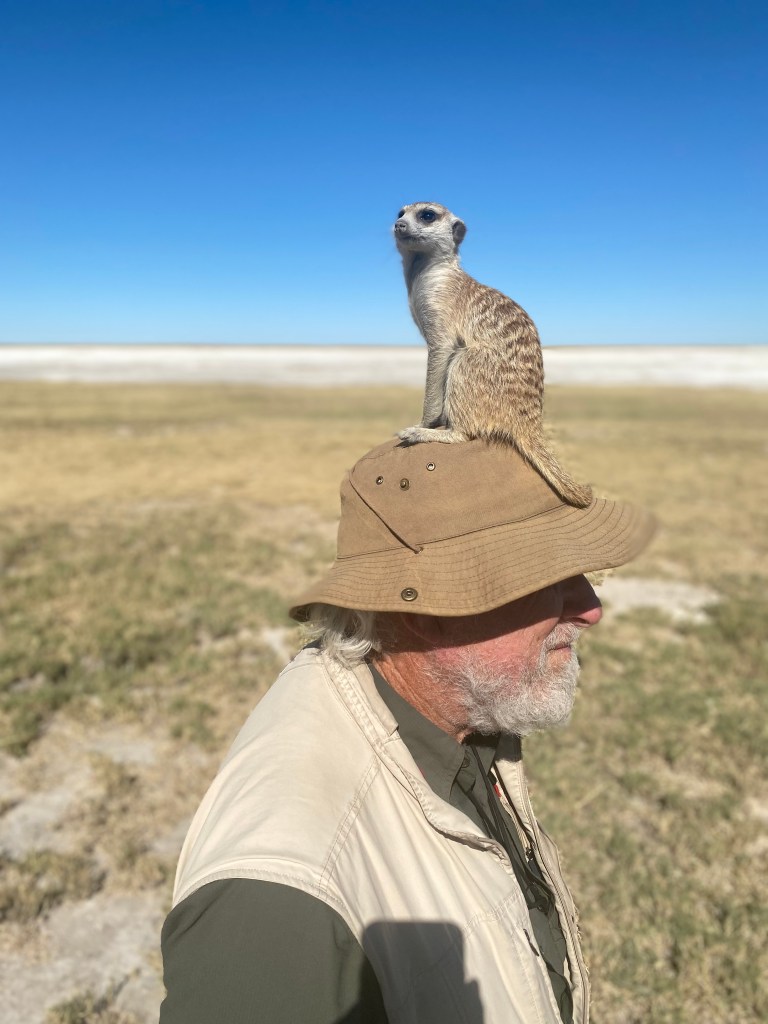
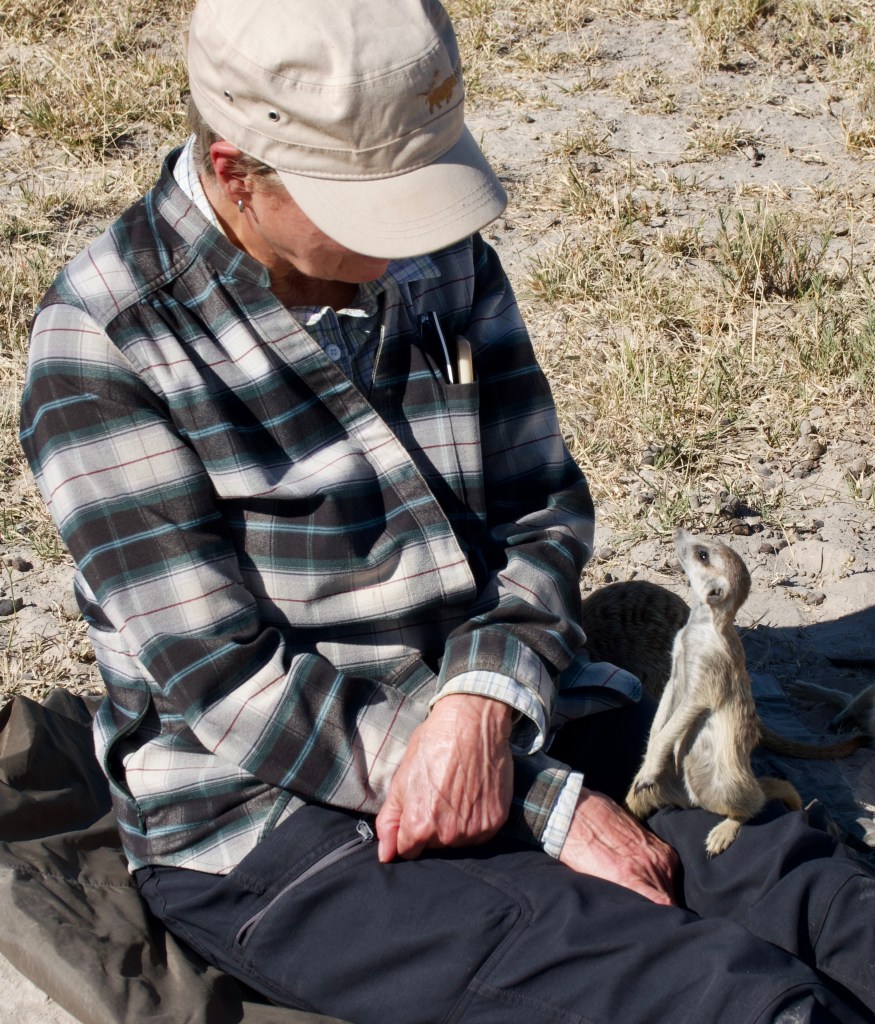
Wildlife is relatively sparse, but may include some friendly meerkats…..

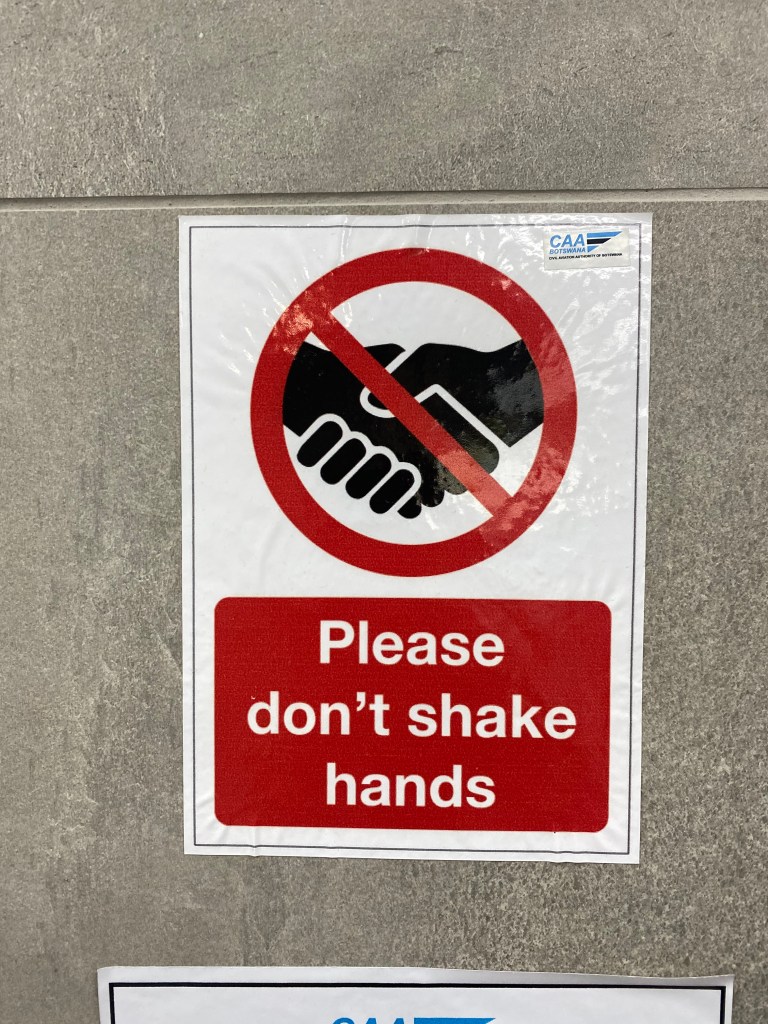
From Botswana, we move on to Zambia…. with a little reminder at the public airport that the coronavirus is still among us…..

African Wildlife Part VI

A last compendium of wildlife photos from this trip – although we certainly have many, many more if you are interested….

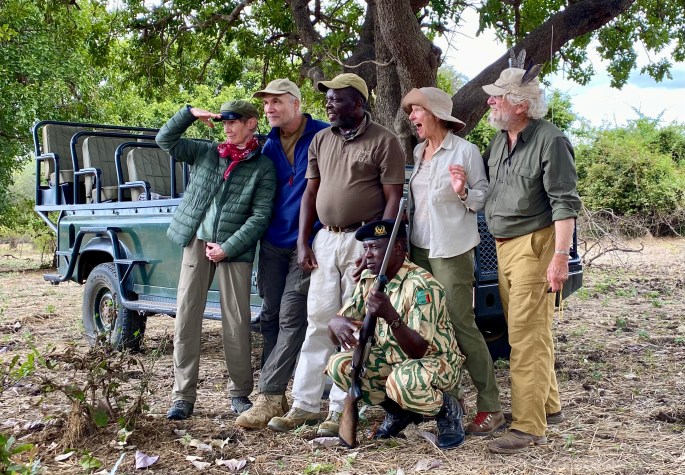
Only rarely do you get to spot interesting animals when on a walking safari, as we have here with new acquaintances Inge and Fritz from Lusaka (Zambia), along with our guide Godfrey and the armed guard who insured our safety on foot in the Lower Zambezi park.

Truth be told, the animals in the images to follow were actually spotted from a safari vehicle or boat.

Spur-Winged Goose
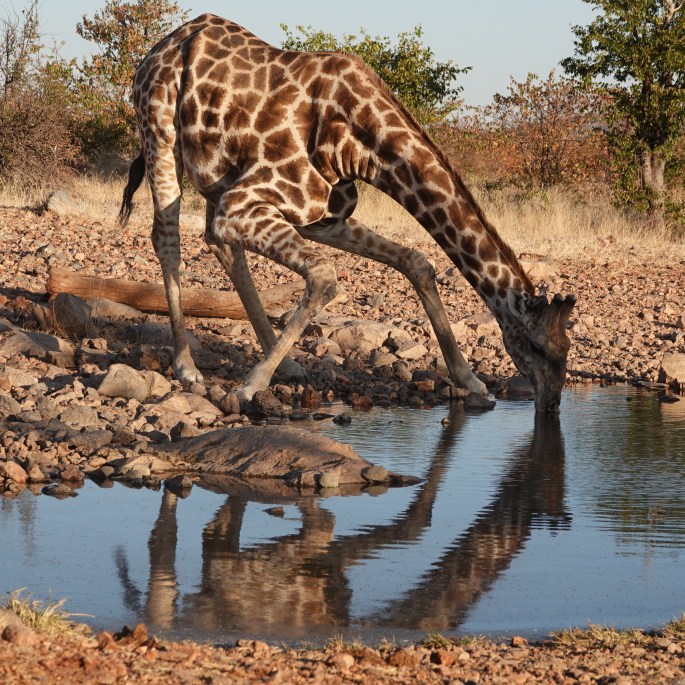
Thirsty Giraffe (thank you, Tertius)
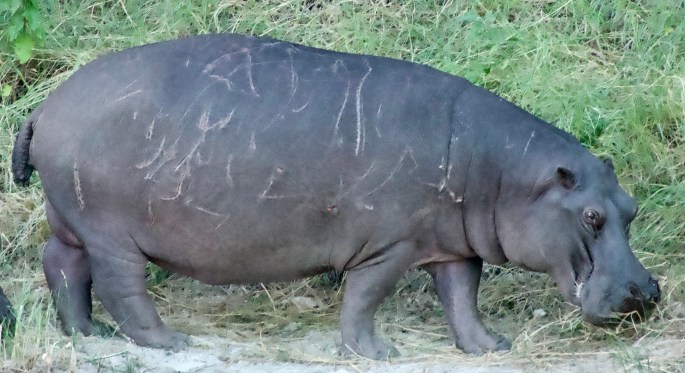
Experienced Hippo…. With the scars to prove it!
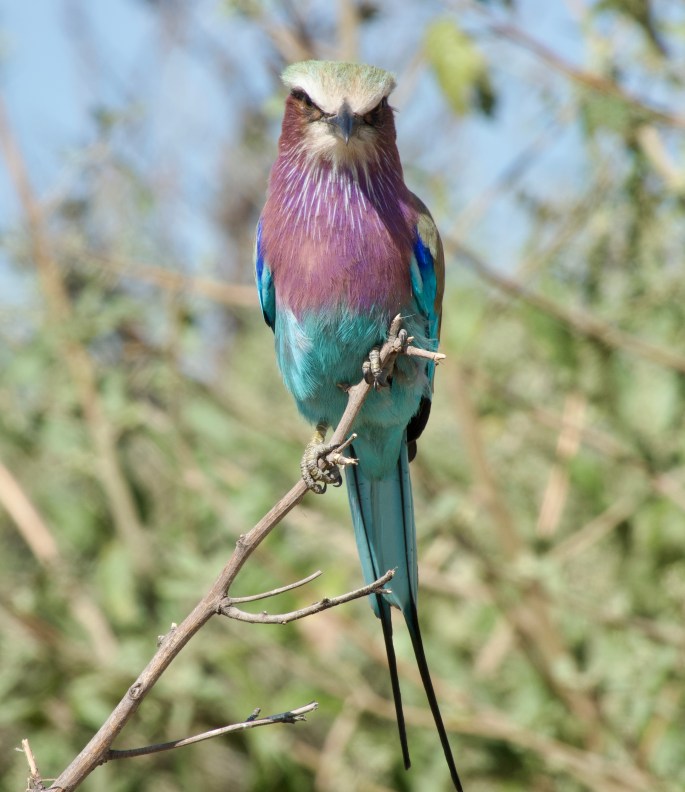
Slightly malevolent-looking Lilac Breasted Roller
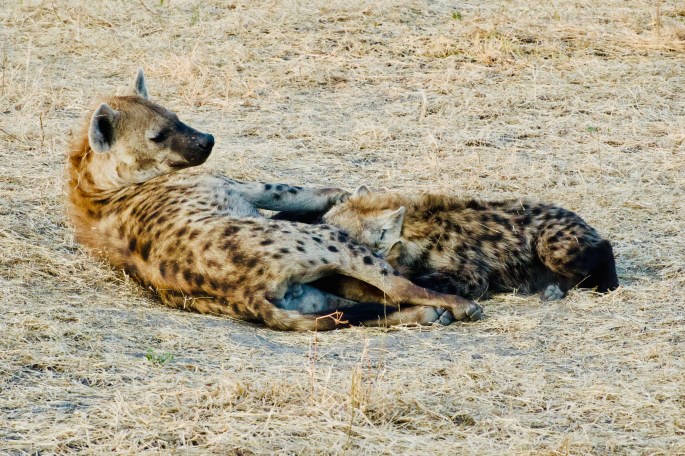
Even Spotted Hyenas have touching maternal moments…
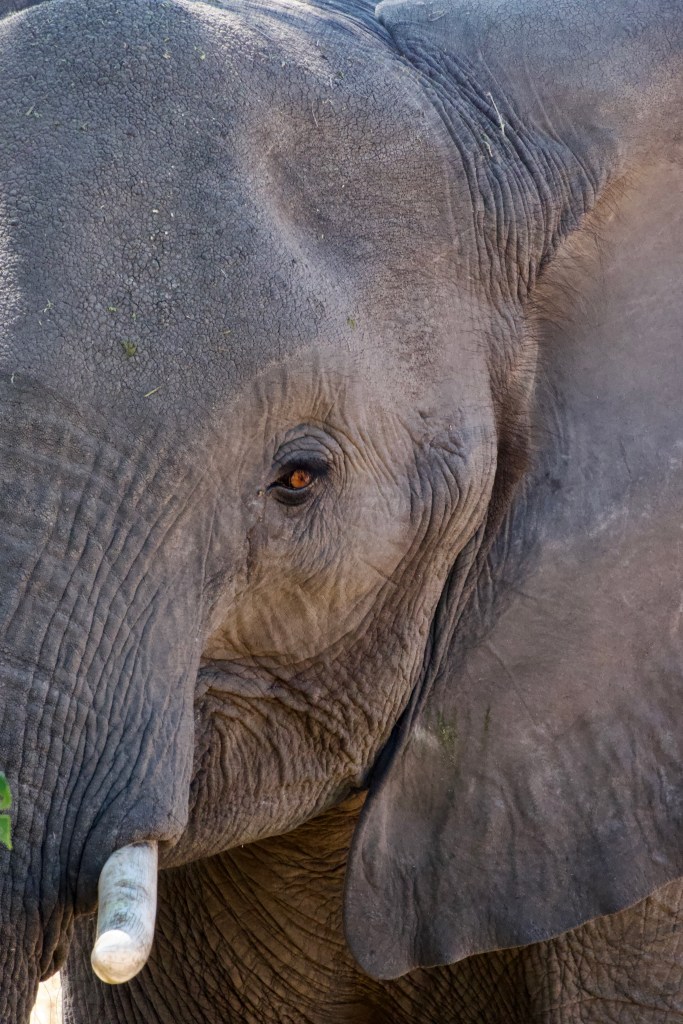
Elephant
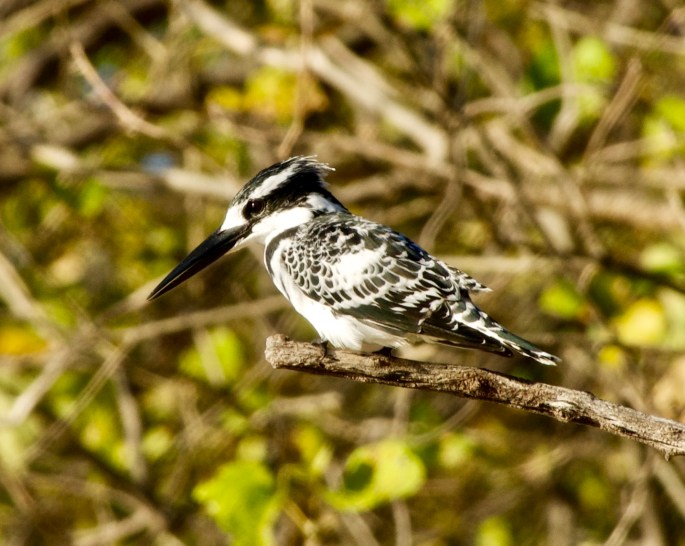
Pied Kingfisher
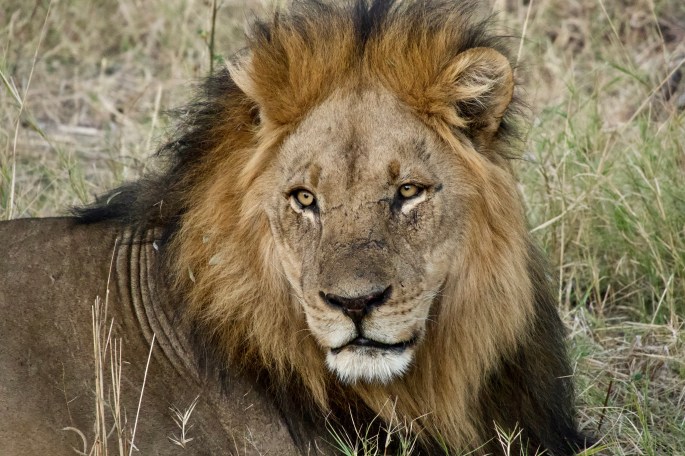
King of Beasts
Pied Crow
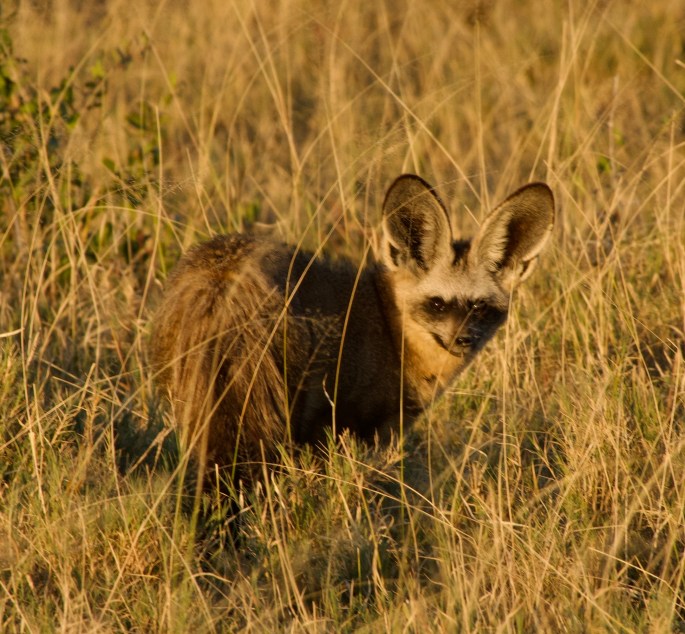
Bat-Eared Fox
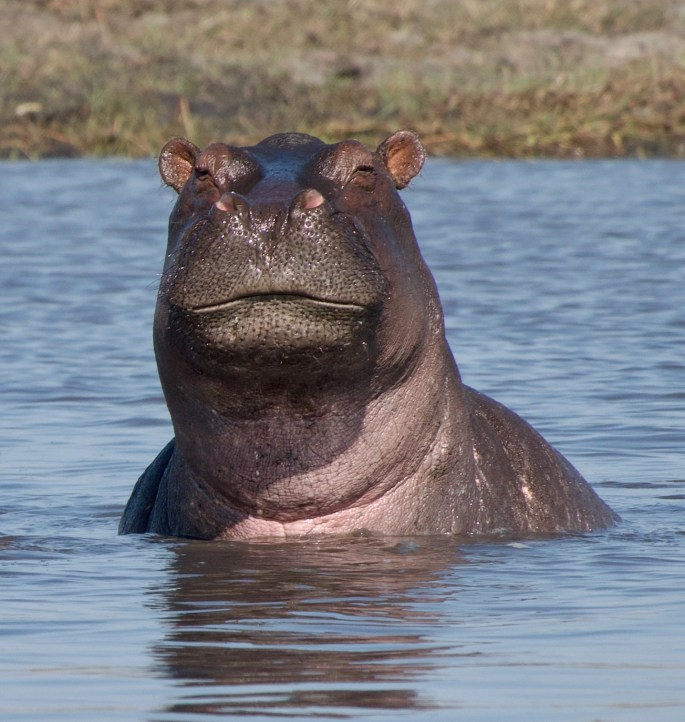
Inscrutable Hippo

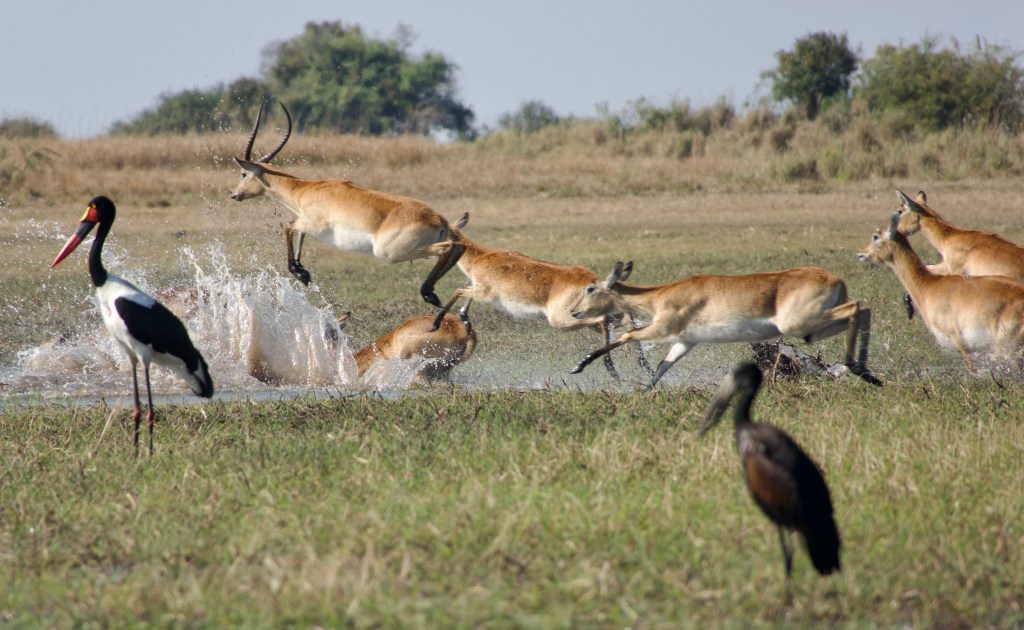
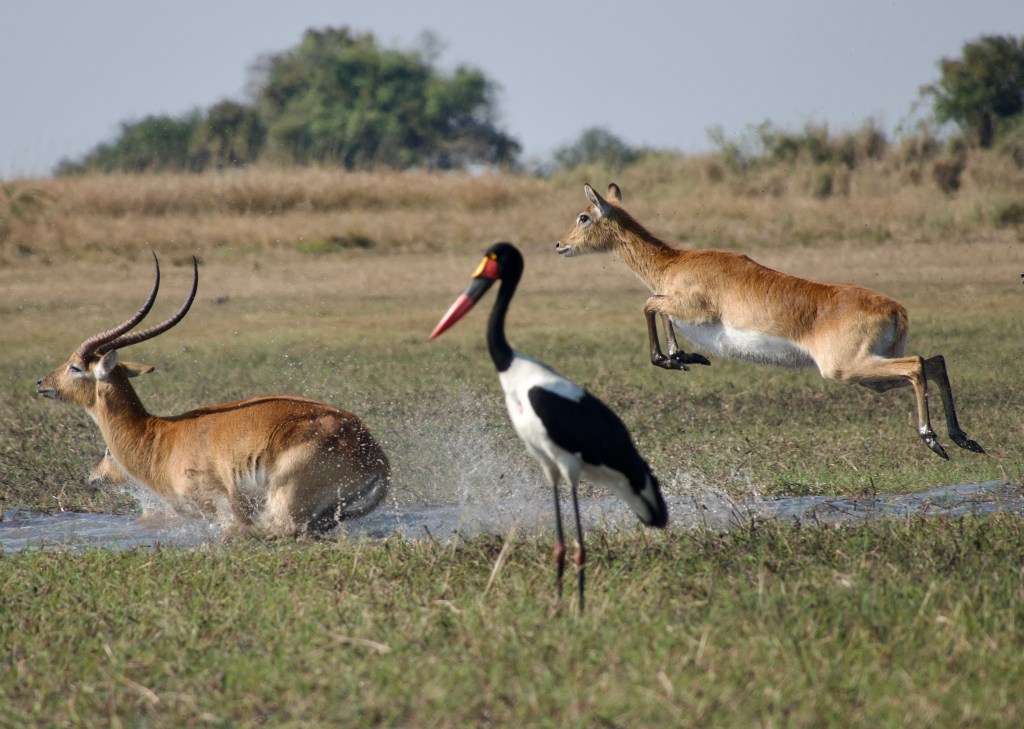
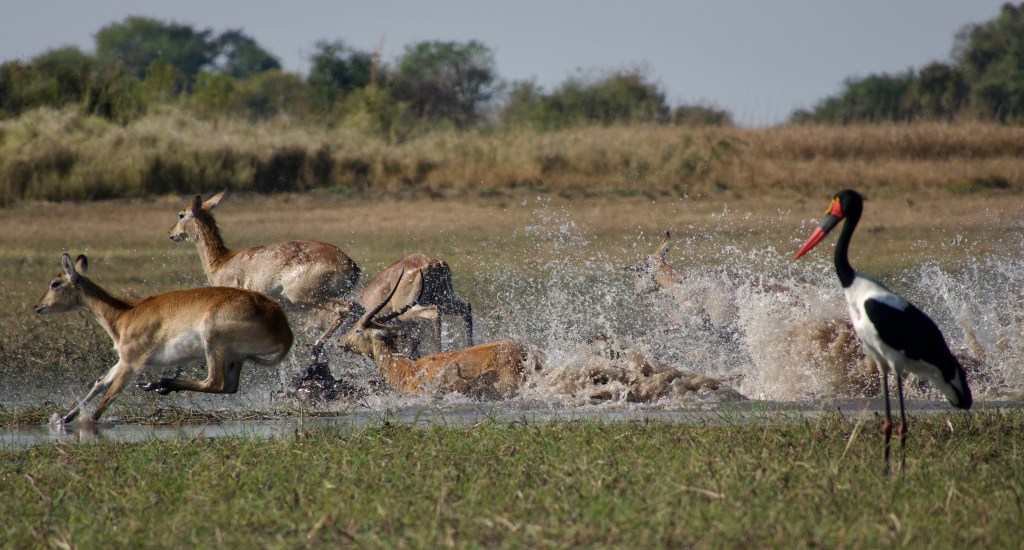
The series of photos above attempts to capture how exciting it is to watch the Red Lechwe antelopes leaping through the wetlands…..

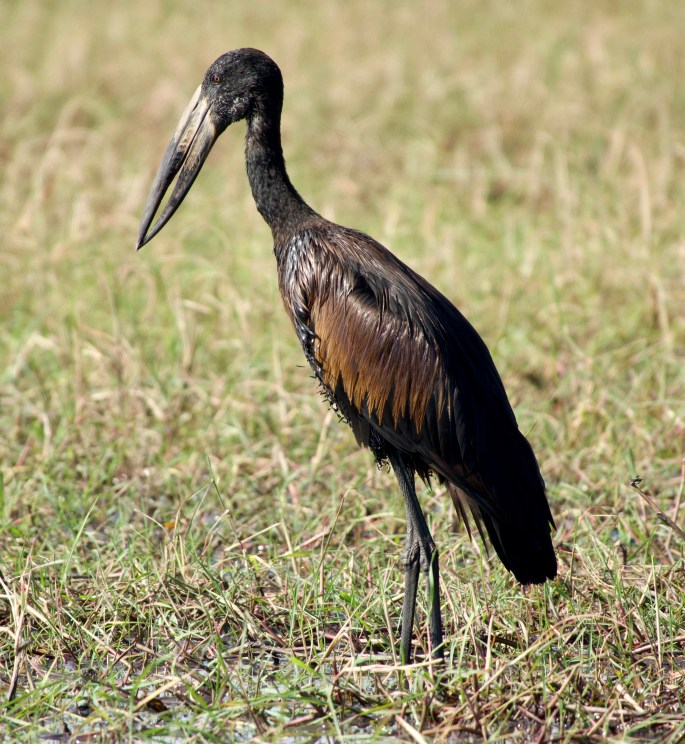
African Openbill (stork)
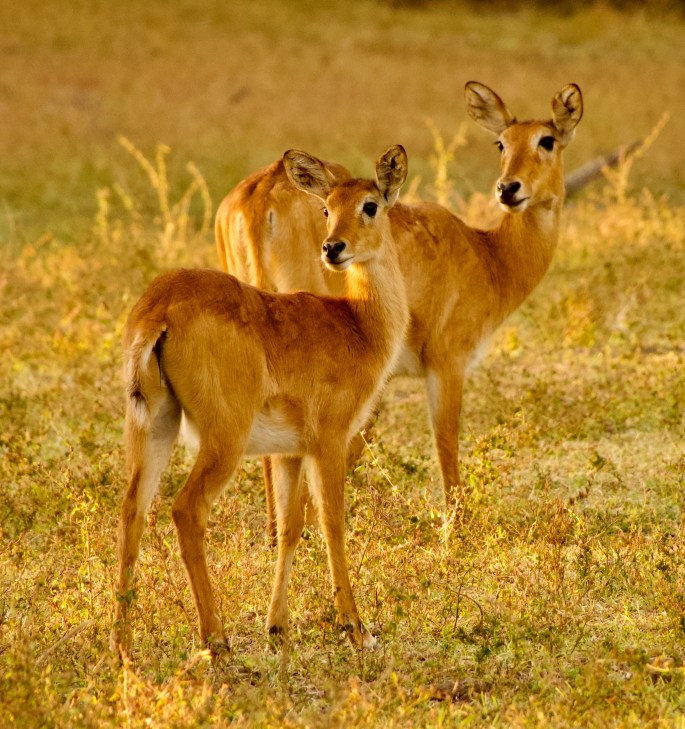
Puku (not an exciting animal, but it’s fun to say “Puku”)
Little BeeEater
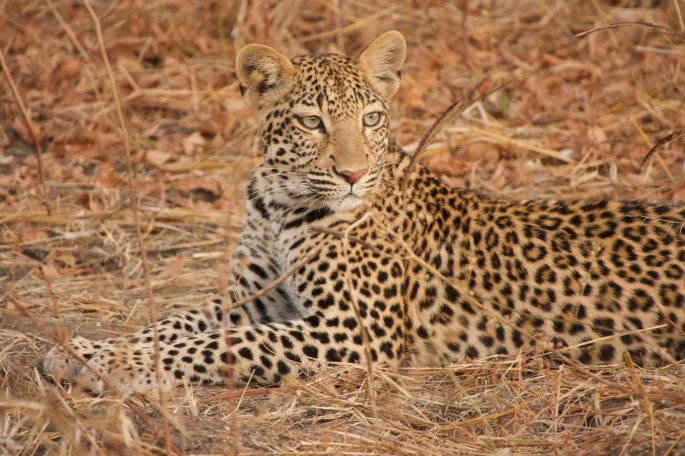
Leopard
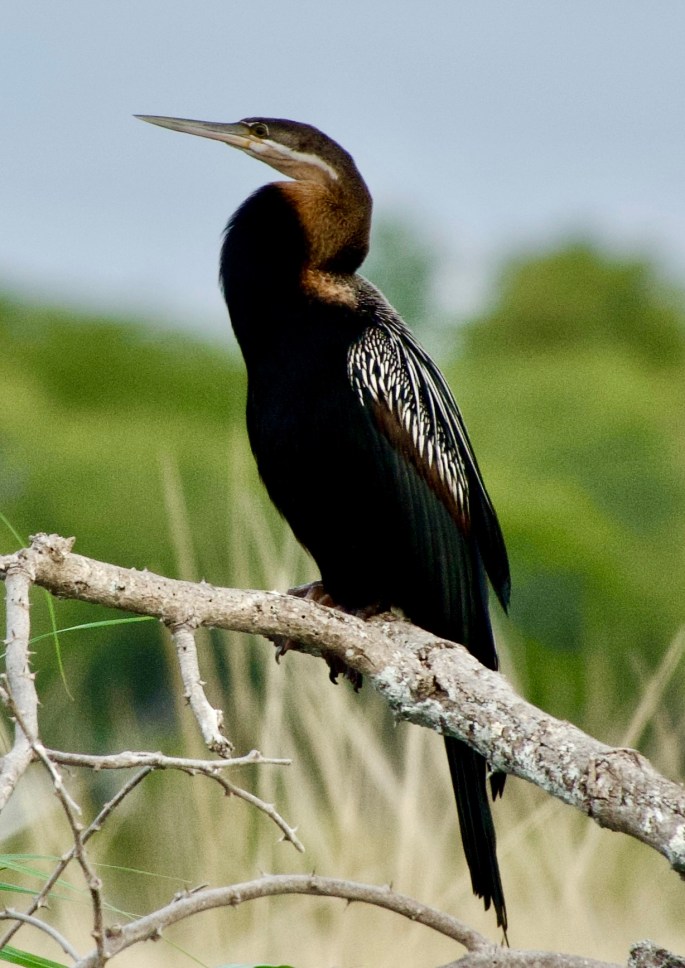
African Darter
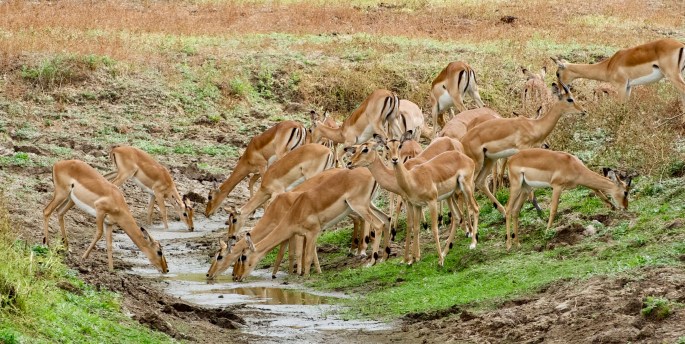
Impala. My best friend in high school’s father had a Chevy Impala back in the day. The L fell off the sign on the bumper, so we always called it The Im-pah-ah. We were so clever. Anyway, I always think im-pah-ah when I see these graceful antelopes.

Finally, perhaps our most thrilling animal encounter was with this bull elephant, who was just emerging from the elephant equivalent of rut…… a compelling need to mate that robs the male of his good sense and can make him quite grumpy. He held us up for a while….. and really didn’t want to see us go!

May he find peace!