(Please remember to click on the title of the blog posting so that you can see the very cool videos that appear in this post.)
Uluru – Ayers Rock
The classic Center-of-Australia landmark and spiritual focus for many aboriginal people….. Uluru, also known as Ayers Rock. It is true that the color of the rock varies with the time of day and weather conditions.
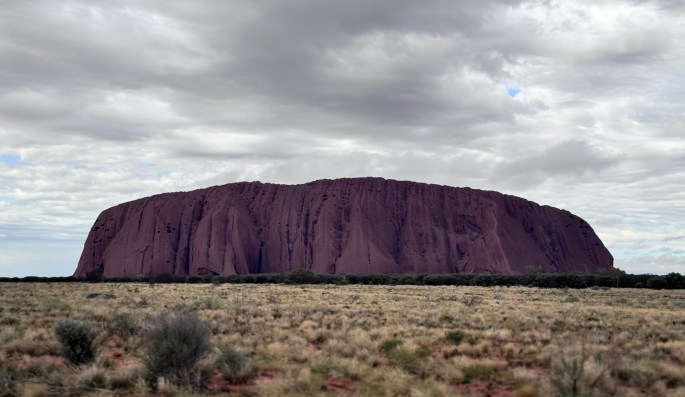
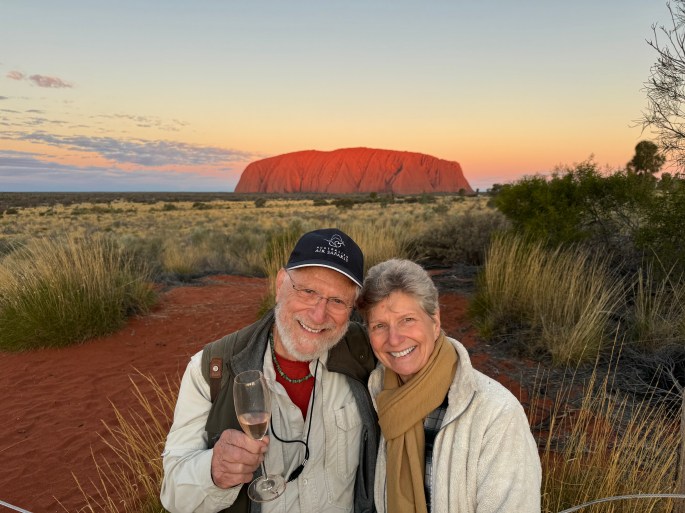
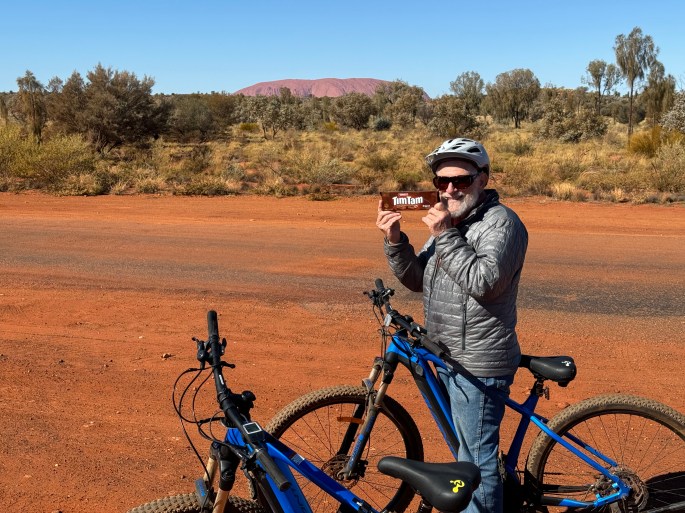
In times past, climbing to the top of Uluru was a popular activity. Unfortunately, tourists were often disrespectful of the ecology or the religious significance of the area (or both), so climbing has been banned for about 5 years. Approaching on foot can still yield some awe-inspiring perspectives.
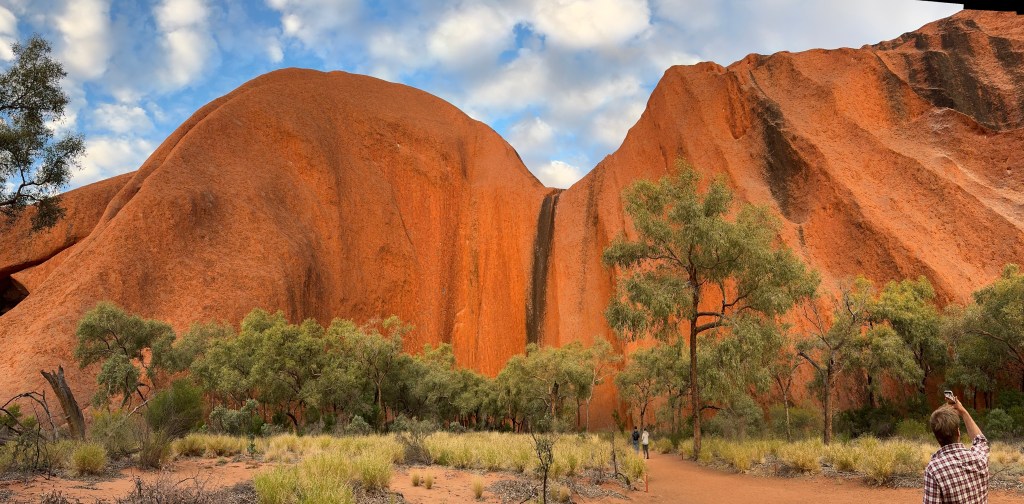
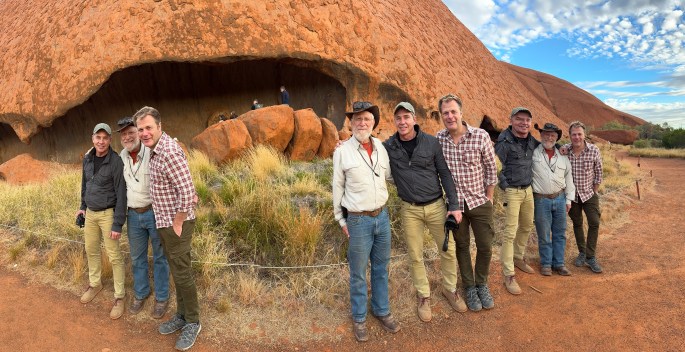
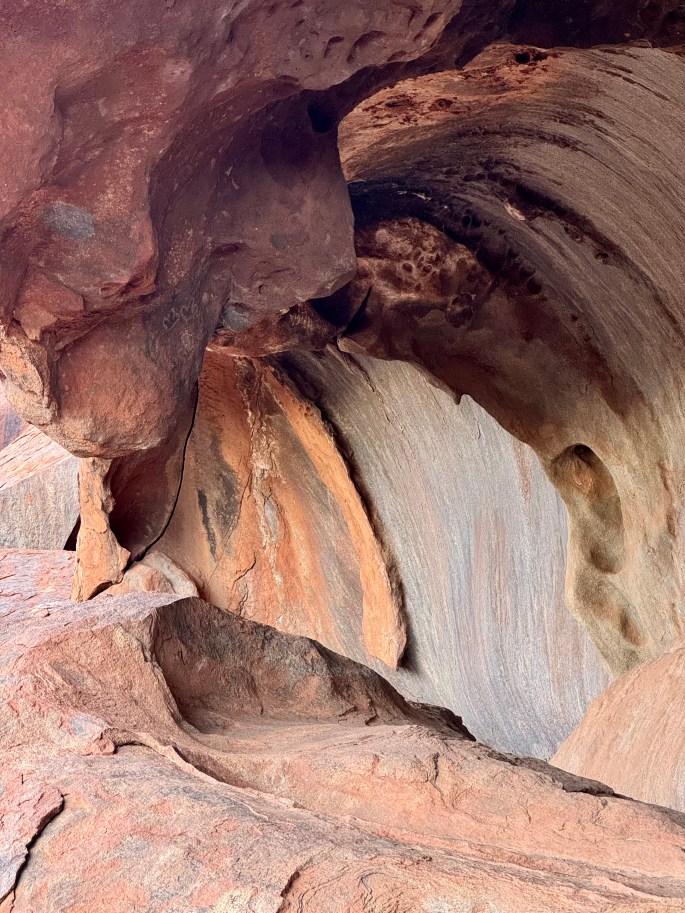
We stayed at Longitude 131 luxury camp….. a fairly pricey option, but worth it for unobstructed views of the big rock.
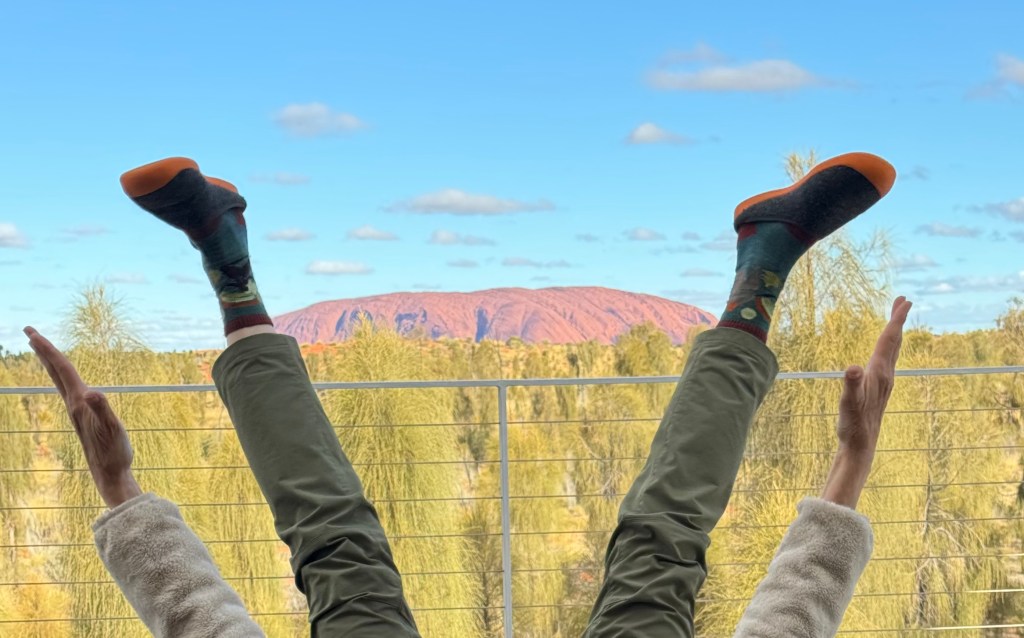
Purnululu – the Bungle Bungles
A long flight requiring a refueling stop took us out of the cool, dry outback desert to a more temperate region – Purnululu National Park, home of the distinctive beehive-shaped hills of the Bungle Bungle Range. Hiking was the order of the day.
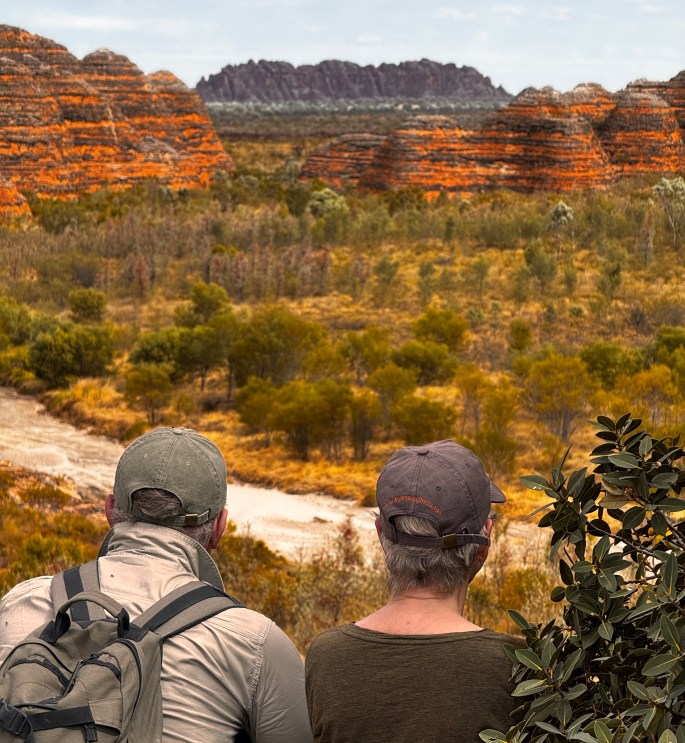

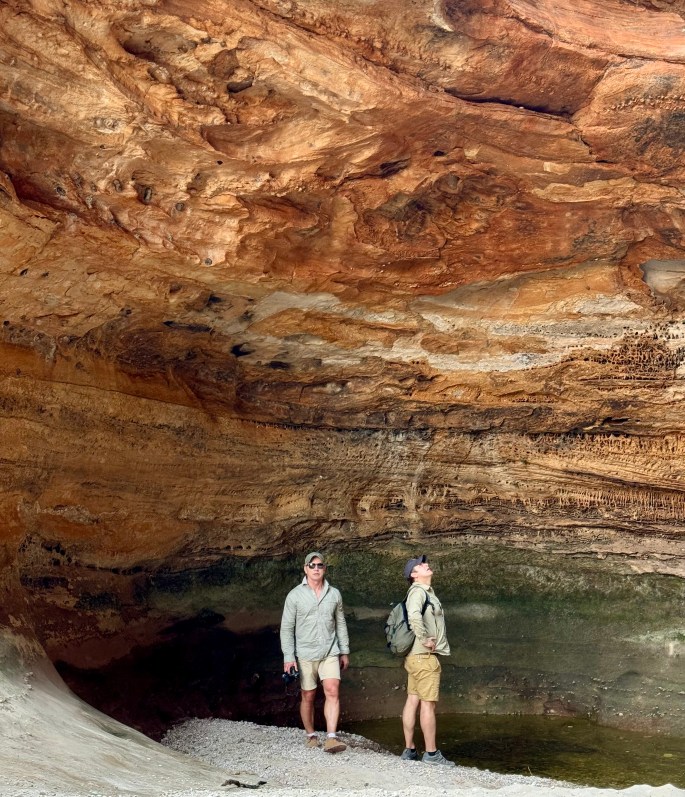
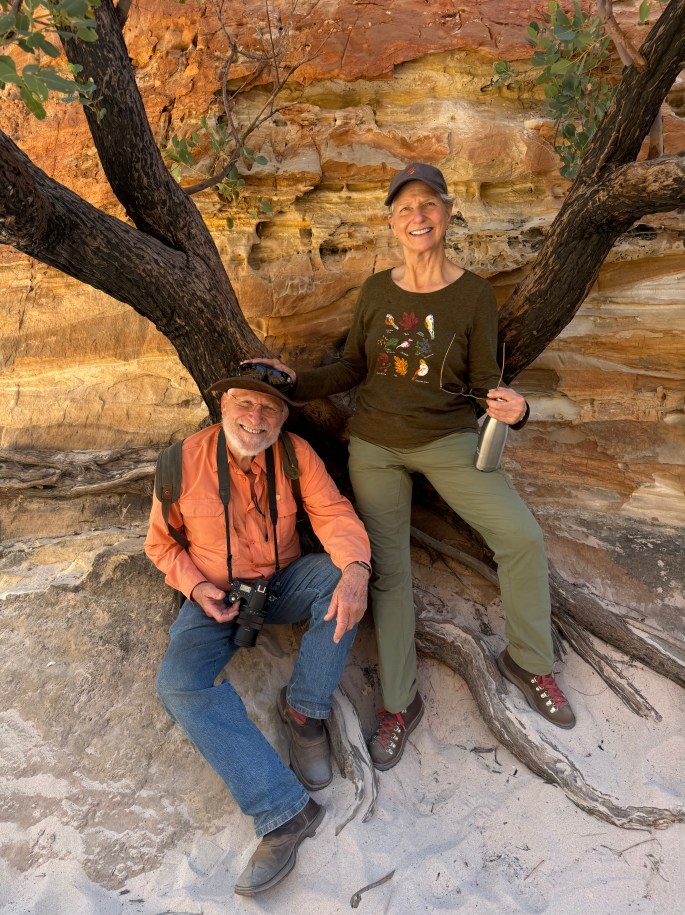
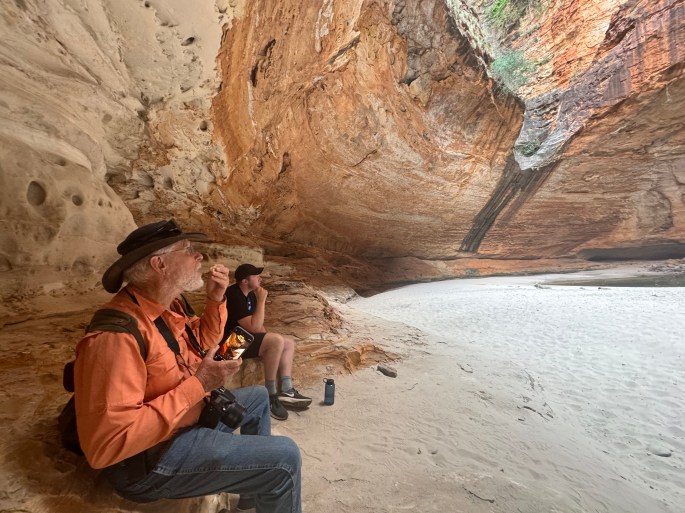
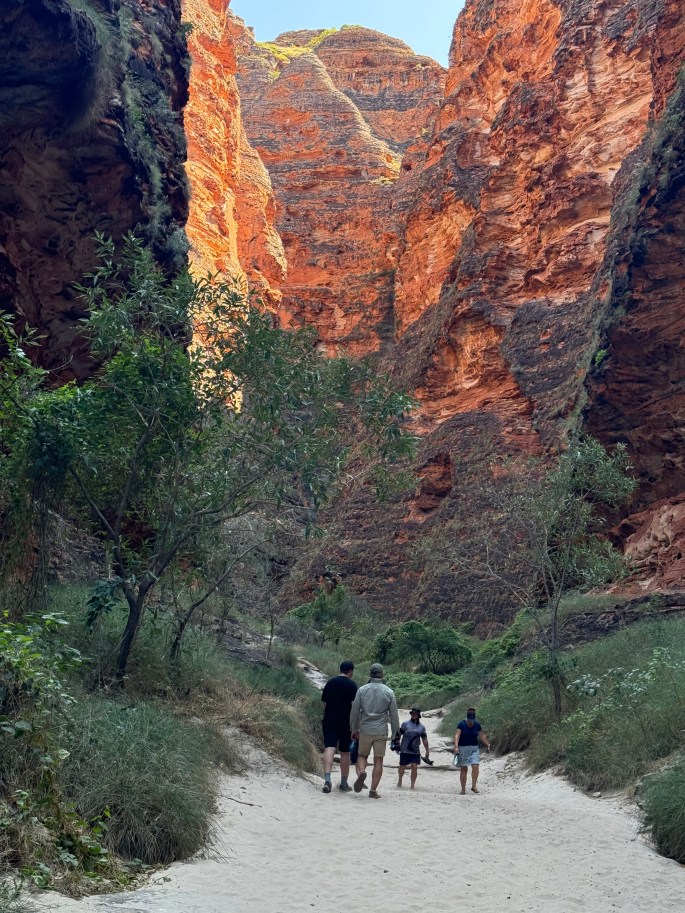
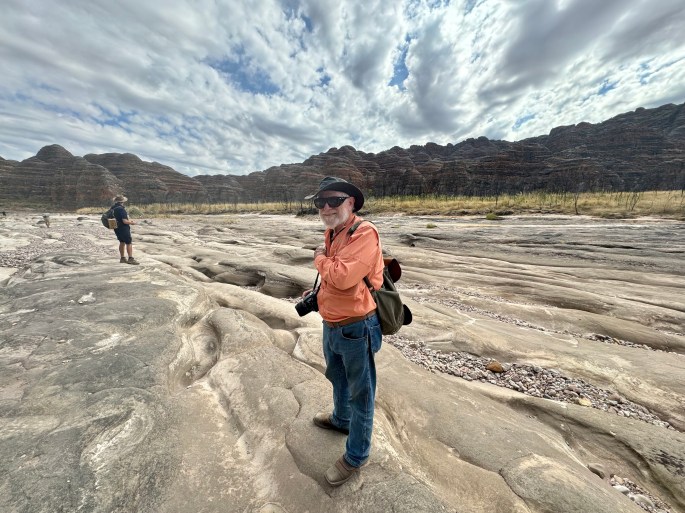
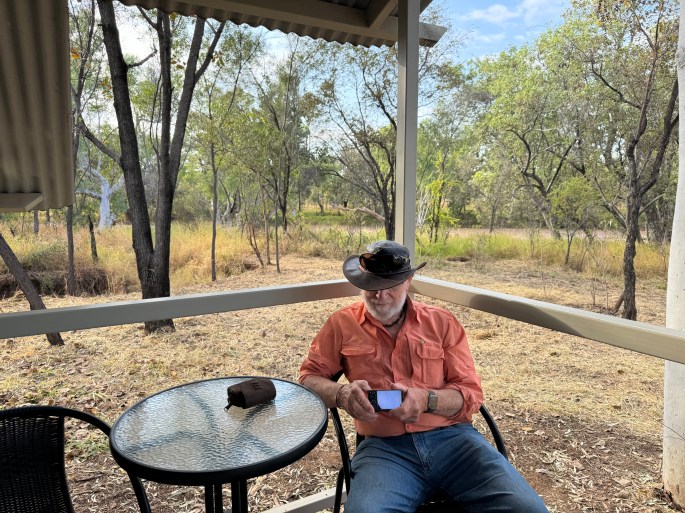
Here we stayed in a pleasant but basic bungalow on a dry river bank.
Bullo River Station
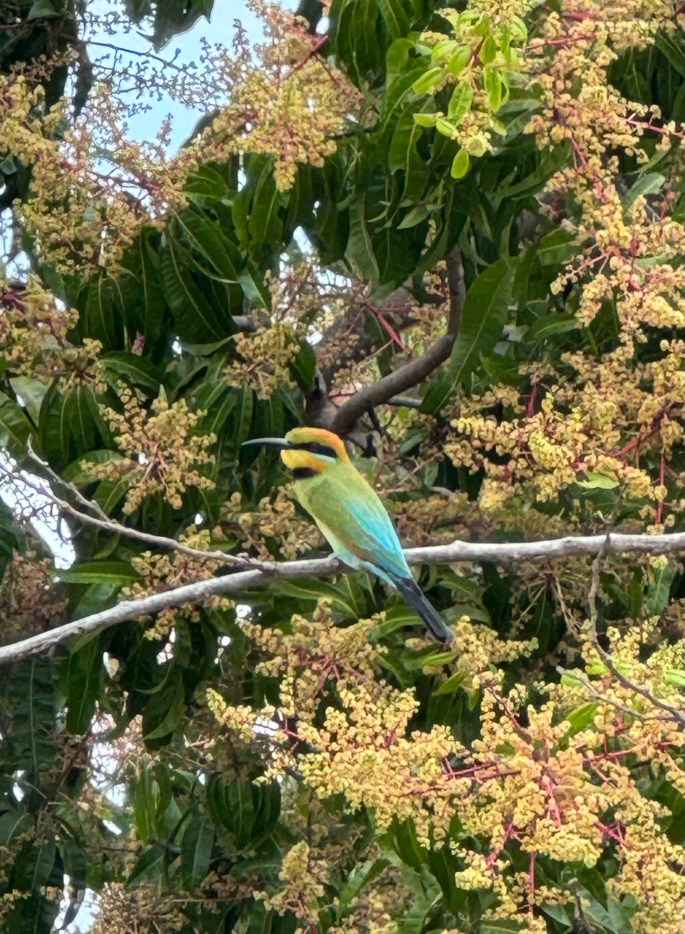
Bullo River is a privately-owned cattle station with a lovely homestead, including very nice accommodations. This was maybe our favorite destination. There is bird life, both domesticated….
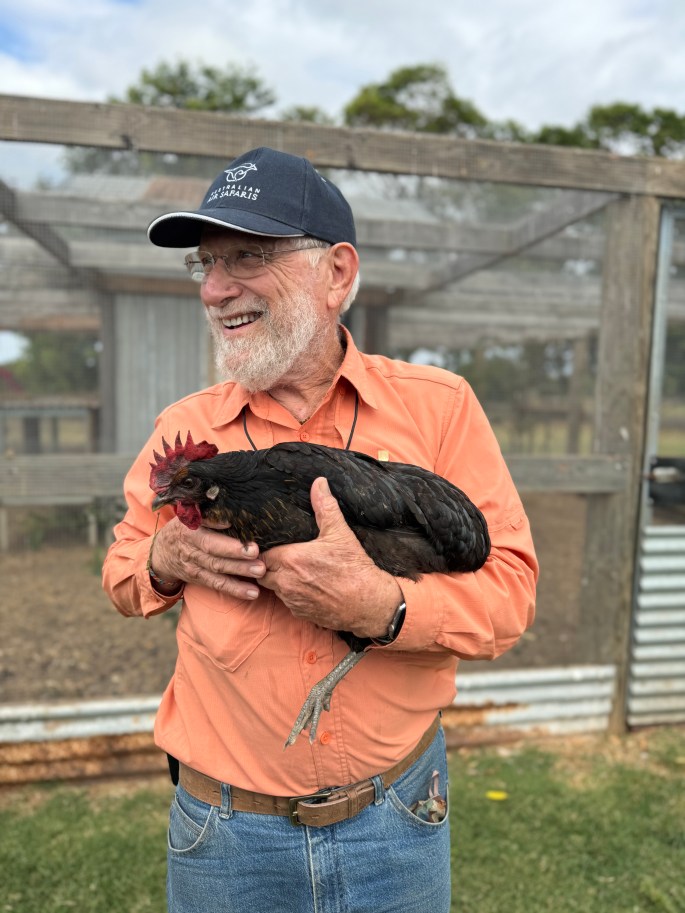
and wild…..
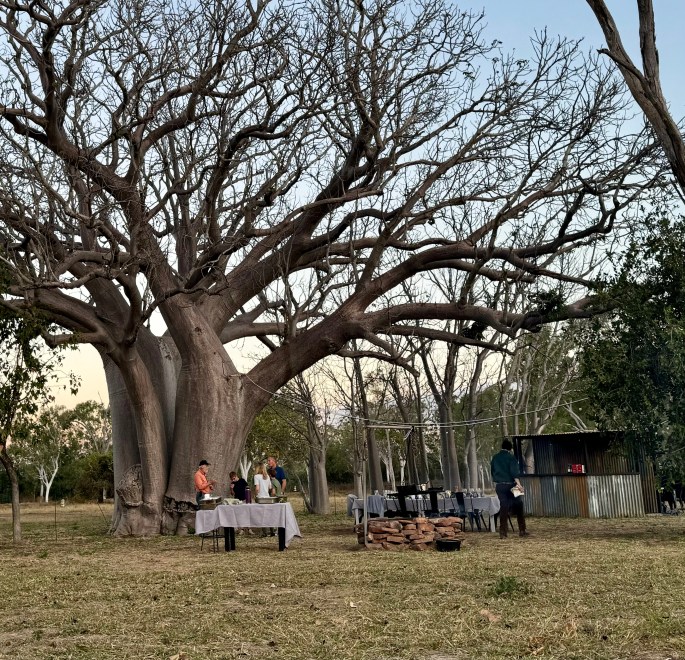
Also, open-air cook-outs amid the baobab trees. (Baobabs are common in Australia; they are otherwise only found in Africa. Ty and Tertius felt right at home.)
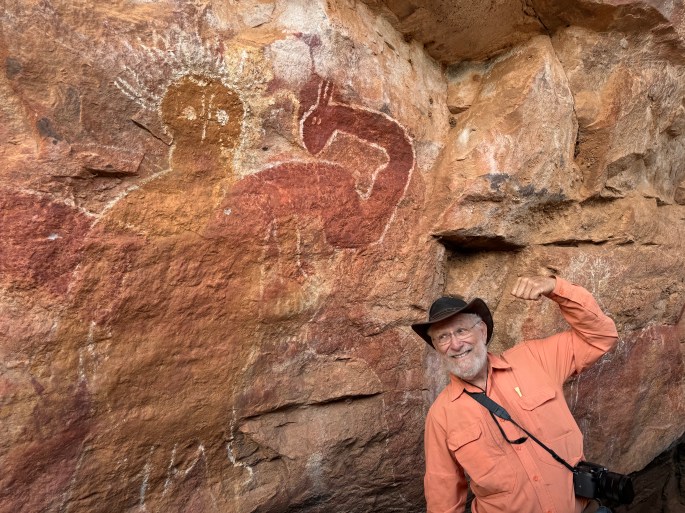
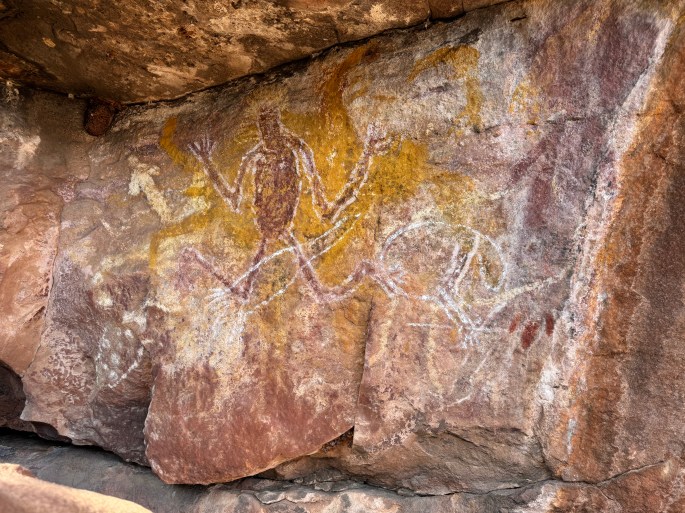
Aboriginal rock art – several thousand years old or more!
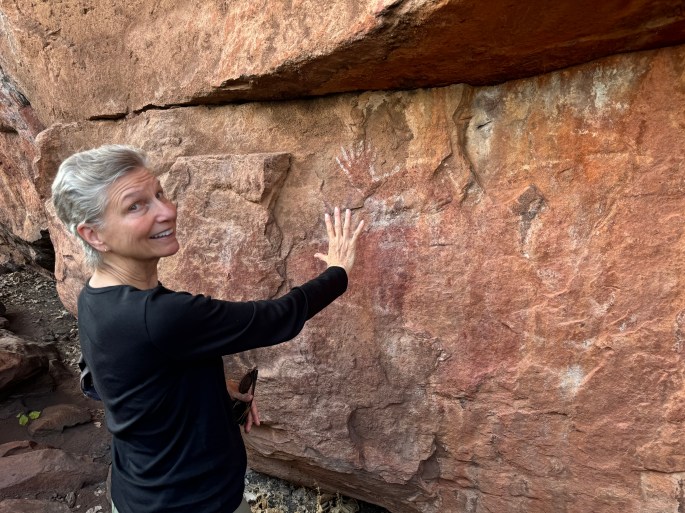
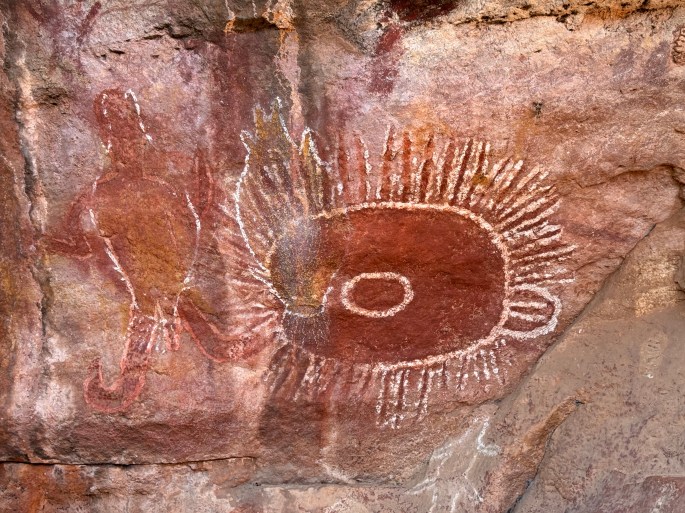
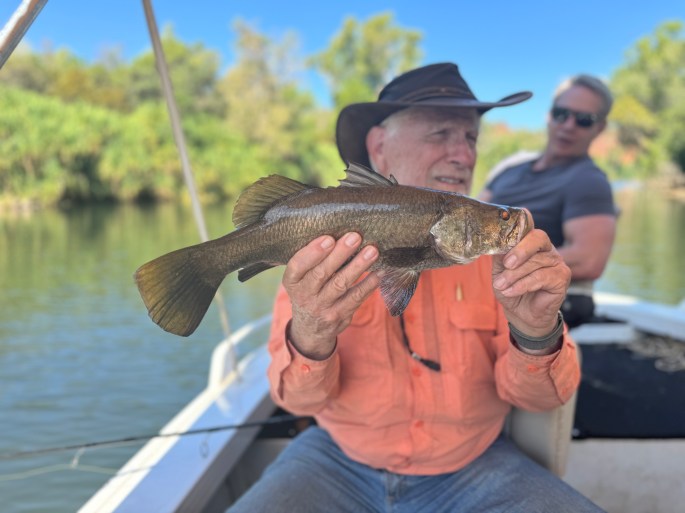
Henry was lucky (or skilled?) to catch a barramundi fish in the river (which he then released….)
Luck almost ran out for a young white-bellied sea-eagle that snatched up the fishing lure and became entangled in the line. The sea-eagle is one of the largest raptors in Australia, reaching a wingspan of more than 6 feet when mature. The video below tells the story of this guy’s release, thanks to our intrepid friends Tertius and Ty. (This is a fairly long but exciting clip.)
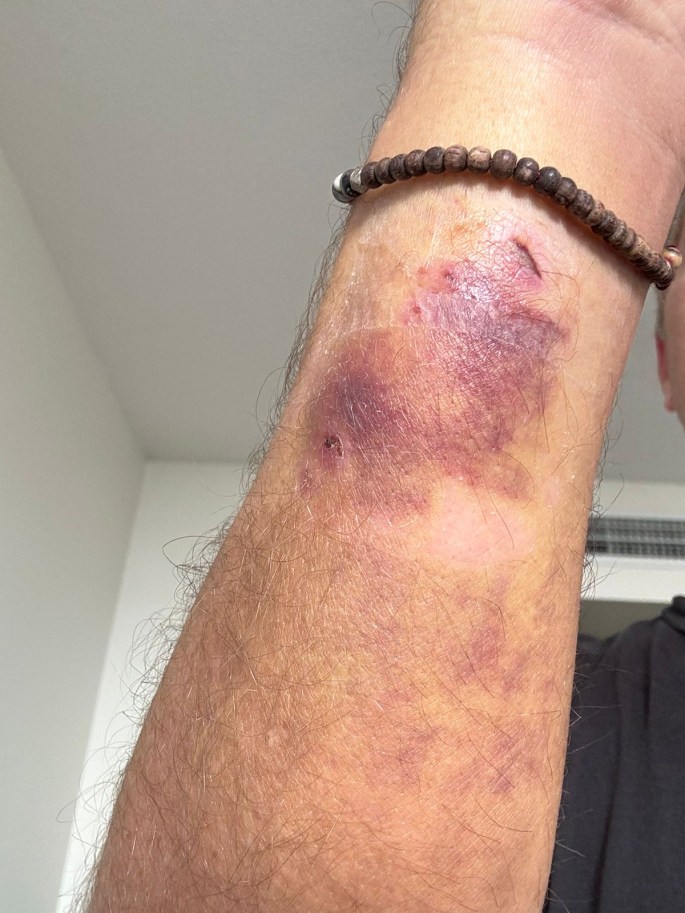
Both Ty and Tertius were gouged by the freaked-out bird. Since we were in a station far from any medical facility, the lodge manager contacted the Royal Flying Doctor Service for a satellite consultation. The rescuers have since had tetanus shots and antibiotics…. Here is Tertius’ wound several days later.
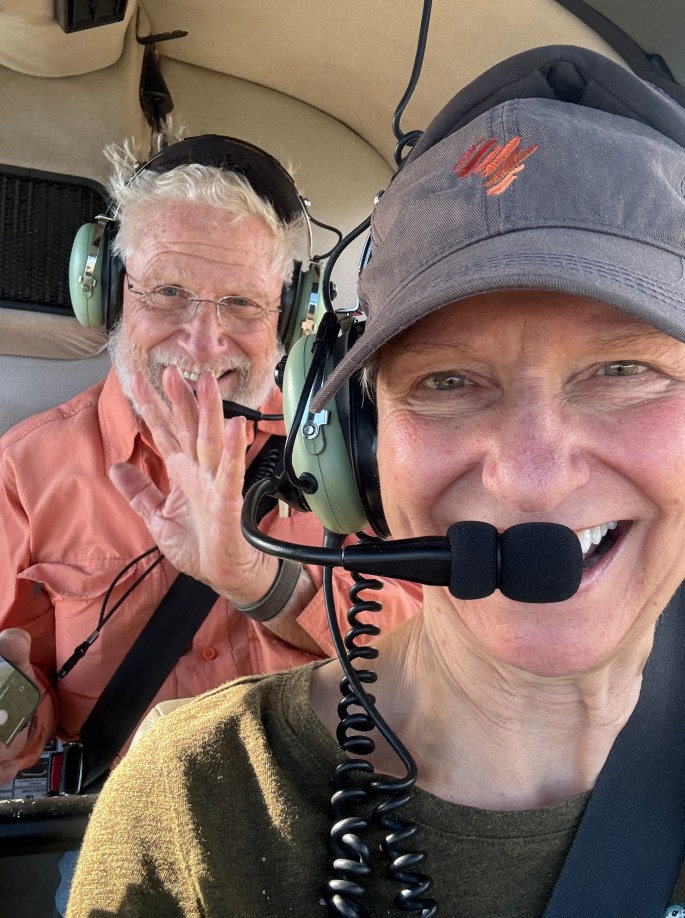
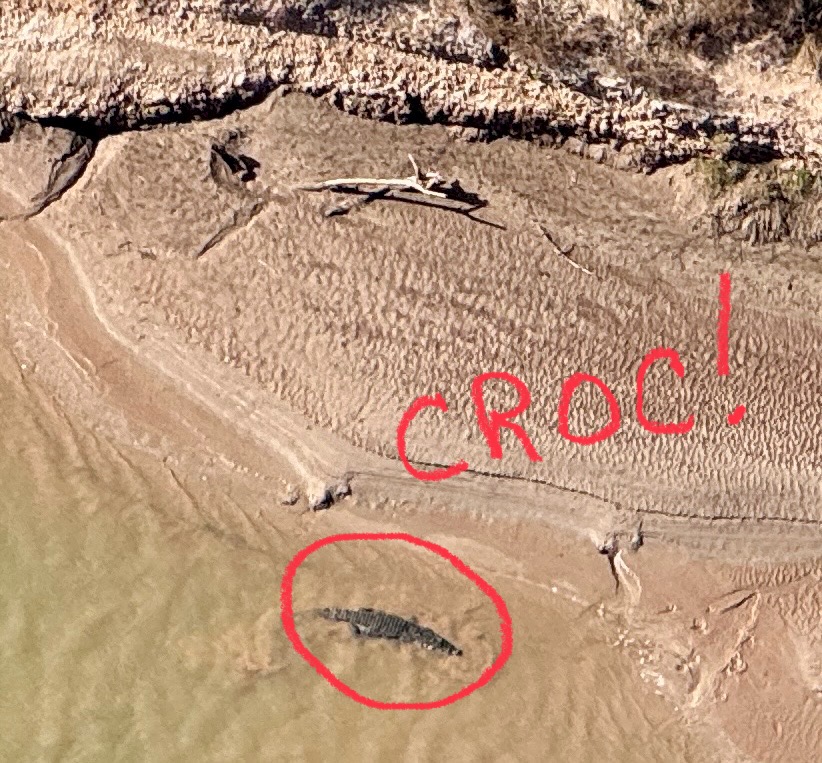
Perhaps anticlimactic was a nice helicopter ride around the station, with a glimpse or two of crocodiles…… who, as Henry pointed out, might well have interfered in a really bad way with the eagle rescue attempt!
A couple of you – Iain, Galen and Russell, thanks for your comments! – note that this trip has been heavily rock-oriented….. and wonder how much excess weight in rocks we will have upon our return to the US! We still have a ways to go, but Henry has shown remarkable restraint (probably because his passion is agates, which have been mainly absent from our wanderings to date). Will report later!
Darwin
Unbelievably, our arrival in Darwin at the Top End of Australia brings to a close our flying safari. We bid farewell to Tom, who started as pilot but became our trusted companion/nursemaid and friend. We hope to see him again, either here or when he comes to visit the US.
Tertius and Ty also moved on….. to a day or two at the Great Barrier Reef near Cairns on their own before heading back to Cape Town and home. Hard to say goodbye, but we will seem them again as well.
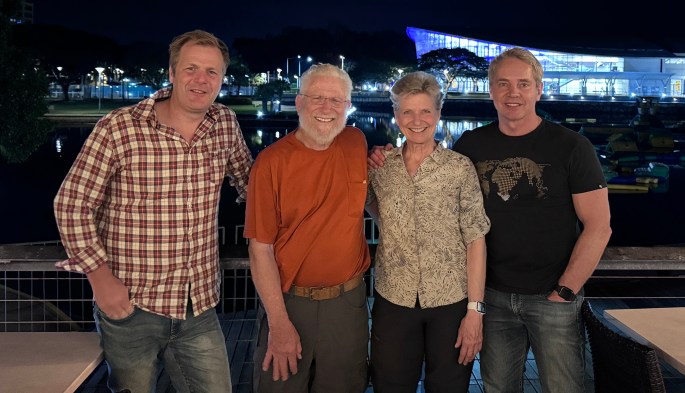
After a few days in Darwin we will continue to explore Australia.
 New Horizons - Alaska to Asia
I’m really struck by the way y’all respect the land, people, and animals. It’s certainly not common amongst most tourists. Your capturing of Uluru at different times of the day without stepping on it was impressive, as was the Tertius and Ty bird rescue at much cost to them. Thanks for reminding me of the great possibilities and joys of this world.
LikeLike
I’m really struck by the way y’all respect the land, people, and animals. It’s certainly not common amongst most tourists. Your capturing of Uluru at different times of the day without stepping on it was impressive, as was the Tertius and Ty bird rescue at much cost to them. Thanks for reminding me of the great possibilities and joys of this world.
LikeLike
awesome photos !!!
LikeLike