For those of us Americans who remember wearing leather shoes that our mothers required us to clean and shine – our first exposure to the kiwi (bird) would have been this:
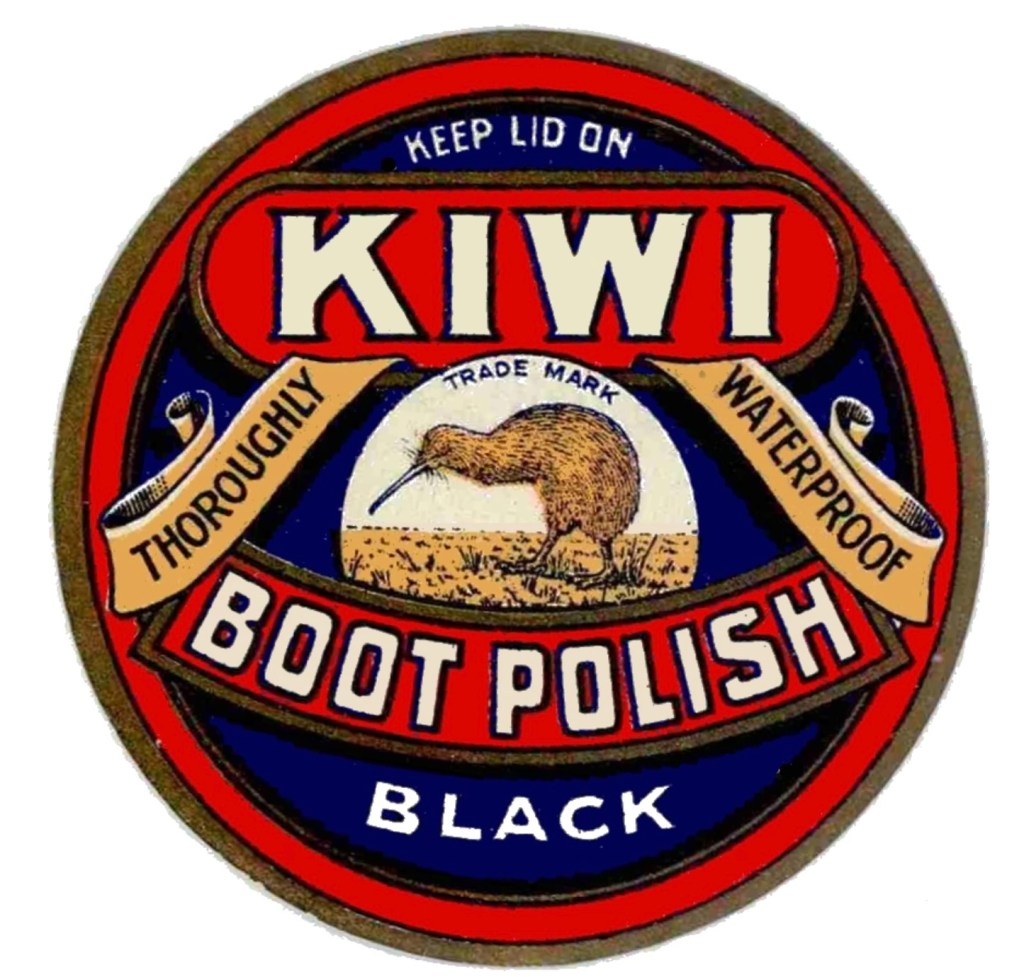
Kiwi shoe polish was invented by an Australian in Melbourne in 1906. The name was a tribute to his New Zealander wife. The British and US armies adopted it in World War I, and its popularity thus spread across the planet. Sadly, it was taken off the market in the UK in 2022 and is expected to be discontinued in the US this year. And so it goes.
The kiwi bird, however, is alive and well after facing severe endangerment.
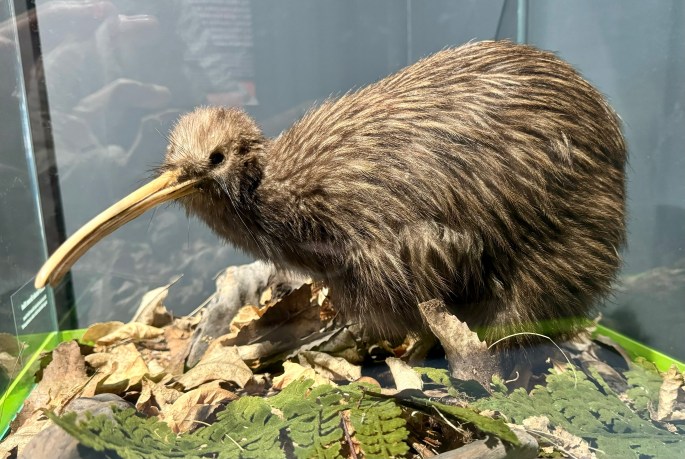
Kiwi eggs are collected in the wild, generally sniffed out by specially-trained muzzled dogs.

The eggs are brought to hatcheries where they are carefully tended through the hatching process. The chicks are nurtured until they attain a weight of 1 kilo (about 2.2 pounds). At that stage, they are deemed capable of successfully fighting off a stoat by themselves! They cannot fly away, as their wings are not functional, and do not use their beaks, which are fragile and primarily used for sensing food sources. Instead, they kick them with their powerful legs! Mother Nature is amazing.
The Bay of Plenty – the area around Rotorua and TePuke – calls itself the kiwifruit capital of the world. (If you refer to the fruit as “kiwi”, locals will be confused, wondering if you’re talking about birds or fellow countrymen – so call it kiwifruit.)
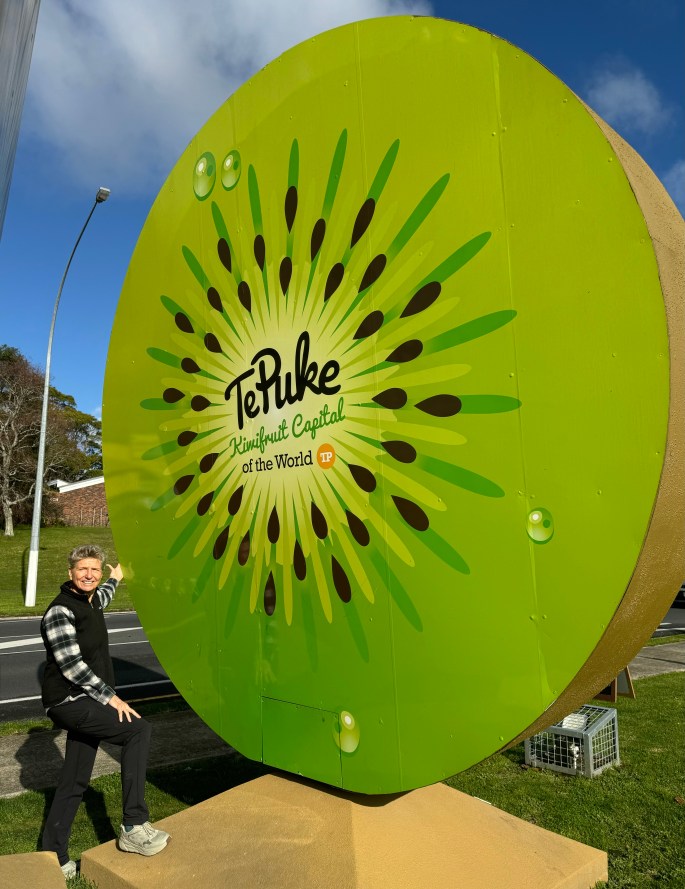
We were lucky enough to meet and share a meal with kiwifruit growers and marketers Tania and Roland at a farmer’s market. A fascinating discussion of the challenges of kiwifruit cultivation ensued (along with the usual state of the universe topic).
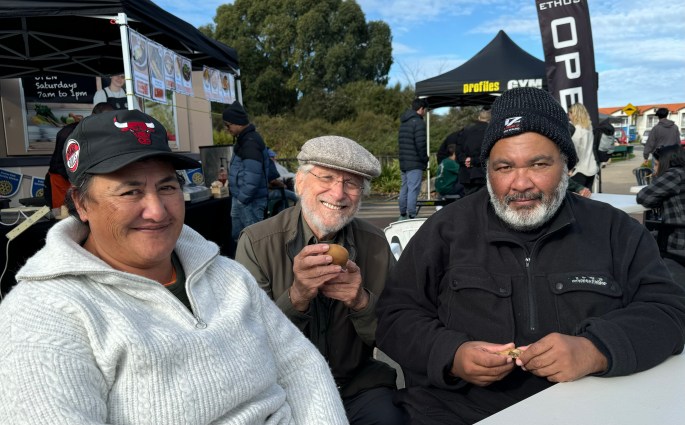
They generously gave us a box full of kiwifruit, which we devoured in only a couple of days. So much Vitamin C, antioxidants and fiber!
Not too far from Rotorua are the Waitomo glow worm caves, a “must-see” tourist attraction.
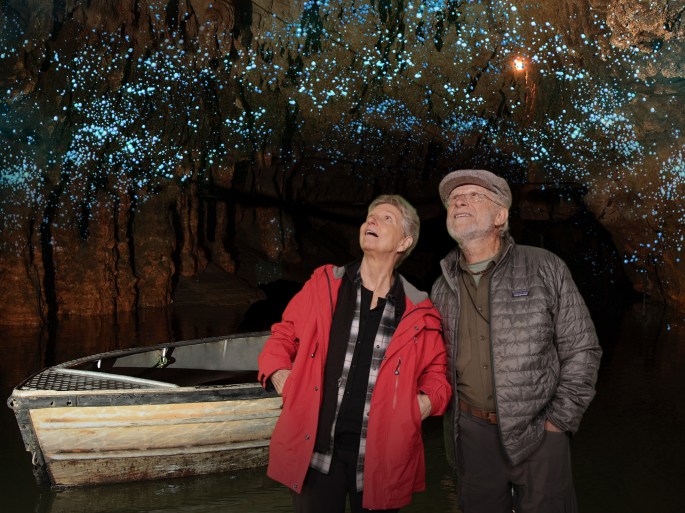
Truth be told, the glow worms are actually maggots – larval phases of flies. Bioluminescence attracts insects to their sticky string-like webs.
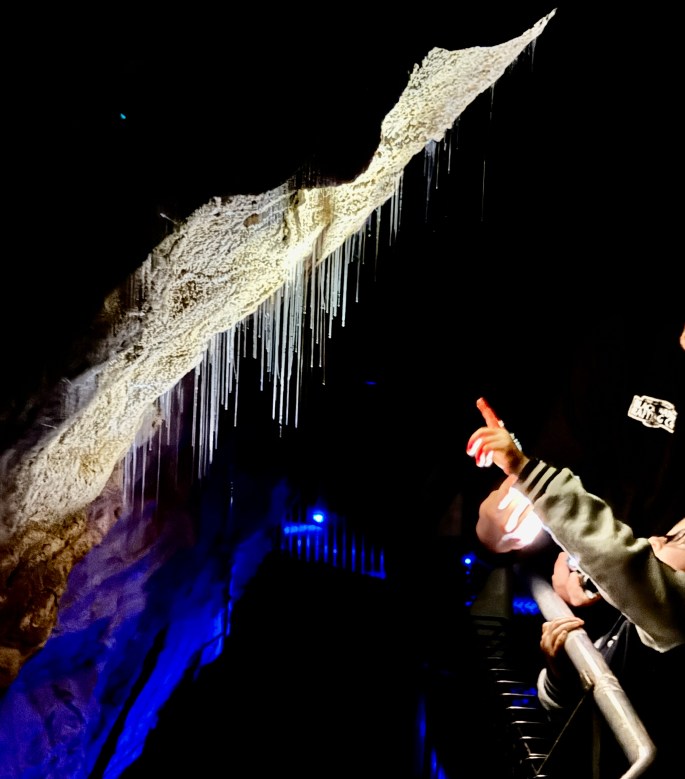
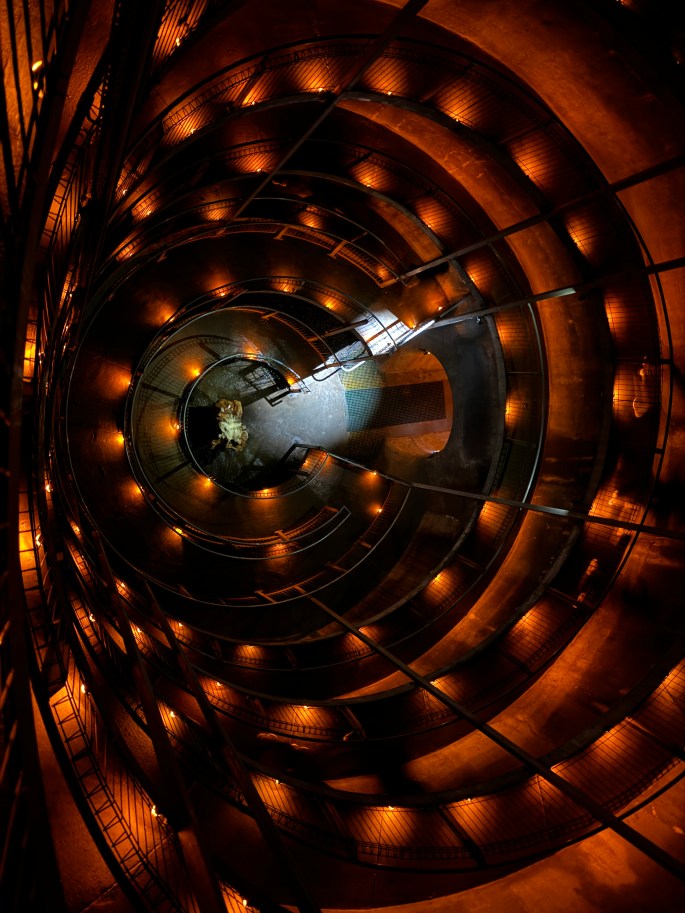
The deep limestone caves are worth seeing on their own…. A pretty shot of the winding descent into one of them.
Fun stuff – near the caves was a unique motel that promised to be schlocky as well, with rooms built into a turf-topped cave that resemble hobbit holes….
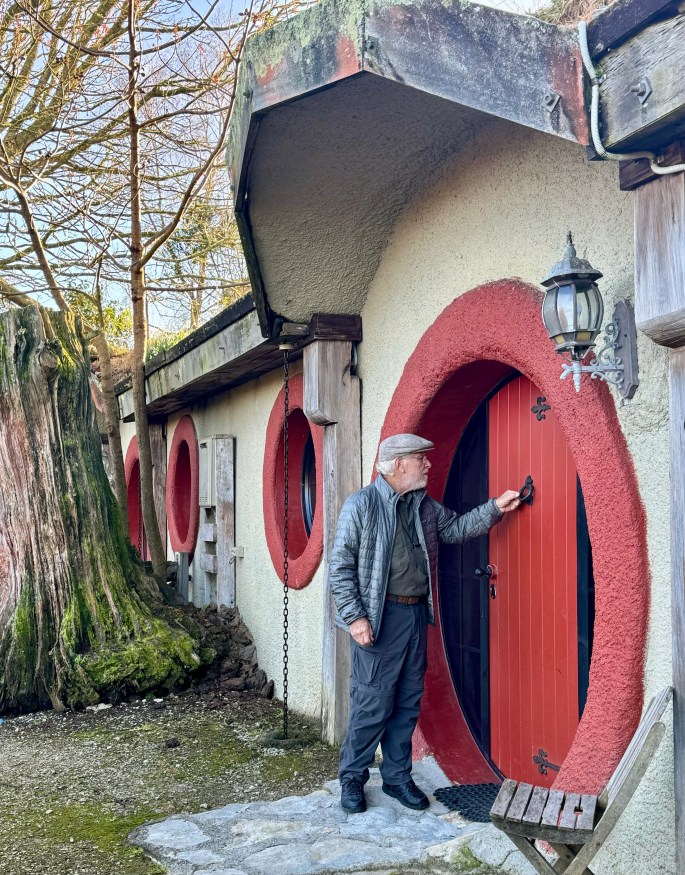
The place was actually quite nice and peaceful, nestled into wooded hills outside the town. New Zealand was the primary filming site for many of the Hobbit/Lord-of-the-Rings movies, and fans flock to the attendant tourist attractions. We did not.
Speaking of other-worldly…… giant foxtail agave plants are common on the north island, making a big statement in the garden!

With night fast approaching, we stopped at a bed and breakfast (with a no-vacancy sign) in the tiny hamlet of Paparoa – where they fortunately had a last-minute cancellation for one of the three rooms. Our hosts Tony and Maggie have an antique-filled place, complete with a welcoming fire……
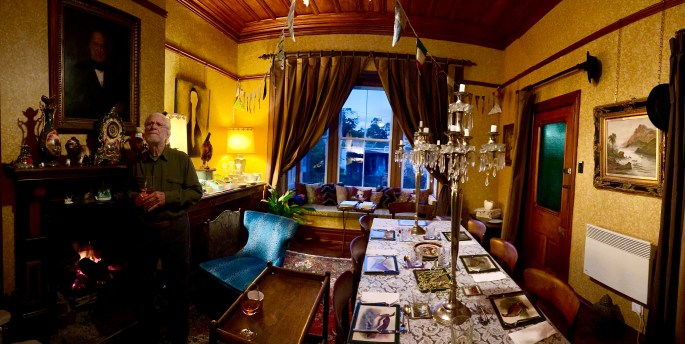
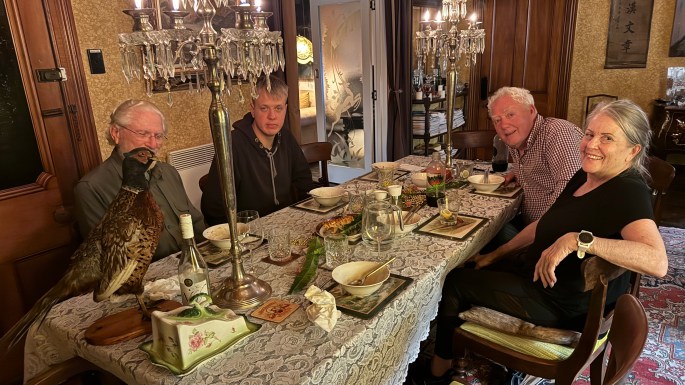
AND an excellent sit-down home-cooked dinner, where we were joined by our hosts and the other two guests.
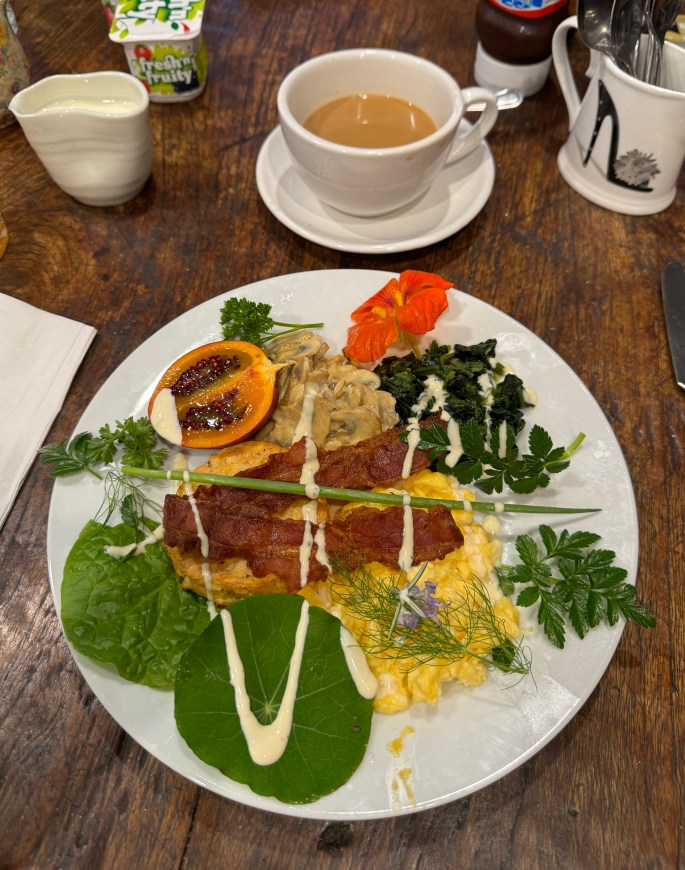
Tony is justifiably proud of the breakfast offering as well – so artfully presented!
Back to Rotorua, a center of Māori culture – rather than attend a song-and-dance tourist show, we opted to go to a tiny cinema to see the recently-released film “Ka Whawhai Tonu”, or “Struggle Without End”.

Set in 1864, it tells a story of the land war between the Māori people and British colonial forces. It is notable as one of the first major films to be almost entirely in the Māori language….. hopeful local buzz is that it might earn an Oscar nod for international film. We found it a great cultural and history lesson and excellent experience of the cadence and sounds of the Māori tongue.
More from Aotearoa soon!


Henry nda Robbie –
Thoroughly enjoy the updates on your adventures. Seems a wonderful (and tasty) trip.
Regards,
Mark
>
LikeLike